
Zoster Butterflyfish (Hemitaurichthys zoster): The Striking Black & White Schooler – Care & Compatibility

Welcome to Aquarium Mastery!
Intrigued by the striking beauty and unique schooling behavior of the Zoster Butterflyfish? Dive in! This article unravels everything you need to know about Zoster Butterflyfish care compatibility, from creating the perfect habitat to selecting compatible tank mates. But what secrets lie within their social dynamics and specific needs? Keep reading to unlock the key to successfully keeping these captivating fish in your saltwater aquarium!
- Understanding the Zoster Butterflyfish: An Introduction
- Zoster Butterflyfish Care: Creating the Ideal Aquarium Environment
- Feeding Your Zoster Butterflyfish: Nutritional Needs and Diet
- Zoster Butterflyfish Compatibility: Tank Mates and Social Behavior
- Maintaining Zoster Butterflyfish Health: Disease Prevention and Treatment
- Breeding Zoster Butterflyfish: Challenges and Possibilities
- Zoster Butterflyfish: Pros and Cons for the Reef Aquarium
- Where to Buy Zoster Butterflyfish: Selecting Healthy Specimens
- Zoster Butterflyfish: A Summary of Essential Care Tips
-
Frequently Asked Questions
- What are the basic care requirements for Zoster Butterflyfish in a home aquarium?
- Are Zoster Butterflyfish reef safe?
- What is the ideal tank environment for Zoster Butterflyfish?
- Are Zoster Butterflyfish compatible with other fish species?
- How do I ensure Zoster Butterflyfish receive adequate nutrition in captivity?
- Final Reflection: Embracing the Delicate Balance of Reef Life
- Dive Deeper: Transform Your Aquarium Today!
Understanding the Zoster Butterflyfish: An Introduction
Key Characteristics of the Zoster Butterflyfish (Hemitaurichthys zoster)
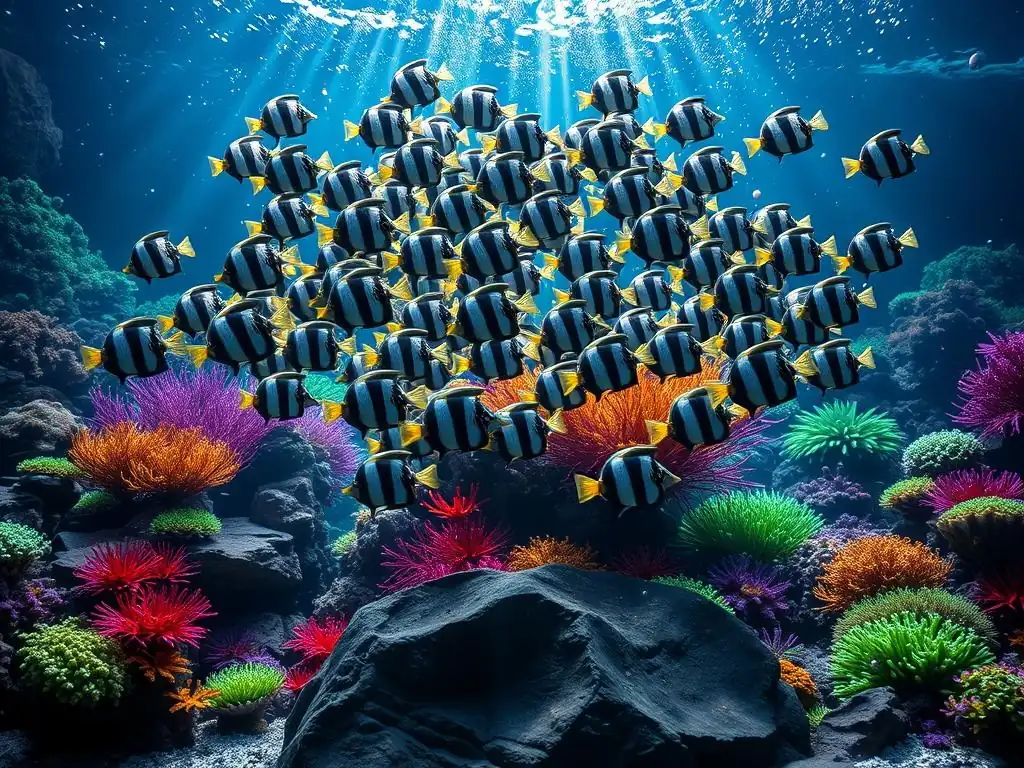
The Zoster Butterflyfish, scientifically known as Hemitaurichthys zoster, is a visually striking marine fish prized for its distinctive coloration and peaceful demeanor. Adults typically reach a size of about 6 to 7 inches (approximately 15 to 18 cm), making them a moderately sized addition to a saltwater aquarium. Their most notable feature is the bold, contrasting black and white vertical banding that covers their body, creating a zebra-like pattern. This striking appearance is complemented by bright yellow pectoral fins, adding a splash of color to their otherwise monochrome body.
Beyond their captivating looks, Hemitaurichthys zoster are known for their schooling behavior, a characteristic that sets them apart from many other butterflyfish species. Unlike some of their more solitary relatives, Zoster Butterflyfish thrive when kept in groups, exhibiting natural shoaling patterns that are a delight to observe. This social trait, combined with their generally peaceful temperament, makes them an excellent candidate for larger, well-established community reef tanks, provided their specific Zoster Butterflyfish care requirements are met.
Natural Habitat and Behavior in the Wild
In their natural environment, Zoster Butterflyfish are widely distributed across the Indo-Pacific region, inhabiting the deeper waters of outer reef slopes and drop-offs. Their range extends from the Maldives and Sri Lanka eastward through Indonesia and the Philippines, reaching as far as the Solomon Islands and Vanuatu. They are typically found at depths ranging from 50 to 200 feet (approximately 15 to 60 meters), often observed schooling in the open water column, several feet above the reef.
Their diet in the wild consists primarily of zooplankton, including copepods, and other small invertebrates drifting in the currents. This planktivorous feeding strategy is directly linked to their schooling behavior, as forming a large group can provide a degree of protection from predators while also making it more efficient to filter-feed on dispersed food sources. Understanding their natural habitat and feeding habits is crucial for replicating optimal conditions and ensuring successful Zoster Butterflyfish care compatibility in a home aquarium.
Why Choose Zoster Butterflyfish for Your Saltwater Aquarium?
Choosing Zoster Butterflyfish for your saltwater aquarium offers several compelling advantages, primarily their unique aesthetic appeal and engaging social behavior. Their bold black and white coloration, accented by vibrant yellow fins, creates a dramatic visual contrast that stands out in any reef or fish-only system. Unlike many other butterflyfish, their propensity for schooling adds a dynamic element, transforming static tank displays into active, flowing underwater landscapes as the group moves in unison.
Furthermore, Hemitaurichthys zoster are generally considered peaceful inhabitants, making them suitable for community tanks with appropriately chosen tank mates. Their relatively non-aggressive nature, combined with their reef-safe reputation (though individual monitoring is always advised), allows them to integrate well with a variety of corals and other fish species. For aquarists seeking to introduce both beauty and intriguing social dynamics to a large marine setup, mastering Zoster Butterflyfish care compatibility is a rewarding endeavor.
Zoster Butterflyfish Care: Creating the Ideal Aquarium Environment
Tank Size and Setup for Zoster Butterflyfish
Providing an appropriately sized tank is paramount for successful Zoster Butterflyfish care, particularly given their schooling nature and active swimming habits. For a small group of 3 to 5 individuals, a minimum tank size of 125 gallons (approximately 470 liters) is strongly recommended. This generous volume allows ample swimming space for the school to exhibit their natural behaviors without feeling cramped, which can lead to stress and aggression. A larger tank also provides greater water volume, contributing to more stable water parameters, which is vital for the health of these sensitive fish.
When aquascaping the tank, prioritize open swimming areas in the mid-water column, mimicking their natural habitat where they school above the reef. Incorporate plenty of live rock to provide biological filtration and offer secluded hiding spots for individual fish to retreat to if they feel stressed or need a break from the group. However, avoid overly cluttered rockwork that might impede their schooling patterns. A well-designed setup for Hemitaurichthys zoster will balance open space with essential structure, ensuring their comfort and promoting natural behaviors.
Water Parameters: Maintaining Optimal Conditions for Hemitaurichthys zoster
Maintaining pristine and stable water parameters is a non-negotiable aspect of Zoster Butterflyfish care. These fish are highly sensitive to fluctuations and poor water quality, which can quickly lead to stress and disease. The ideal temperature range for Hemitaurichthys zoster is between 74-80°F (23-27°C), with minimal daily swings. Salinity should be maintained within a specific gravity range of 1.023-1.026, which is typical for most reef inhabitants.
A stable pH level between 8.1 and 8.4 is also crucial. Most importantly, ammonia and nitrite levels must always be at undetectable levels (0 ppm), and nitrates should be kept very low, ideally below 20 ppm. Regular partial water changes, typically 10-20% bi-weekly, are essential for replenishing trace elements and exporting accumulated nitrates and other undesirable compounds. Consistent monitoring with reliable test kits will help ensure these vital conditions are met, contributing significantly to long-term Zoster Butterflyfish care compatibility.
Essential Equipment for Zoster Butterflyfish: Filtration, Lighting, and Flow
Effective filtration is a cornerstone of Zoster Butterflyfish care, critical for maintaining the high water quality they demand. A robust filtration system, typically involving a large sump, protein skimmer, and potentially a refugium, is highly recommended. The protein skimmer is particularly vital for removing organic waste before it breaks down into nitrates, thus helping to keep nitrate levels consistently low. Mechanical filtration (filter socks/pads) should be routinely cleaned or replaced to prevent trapped detritus from degrading water quality.
Regarding lighting, Zoster Butterflyfish prefer moderate illumination, reflecting their natural deeper-water habitat. Overly intense lighting can cause them stress and encourage hiding behavior. A standard reef-compatible LED or T5 setup, dimmed if necessary, should suffice. Water flow should be moderate and varied, simulating the natural currents of a reef. Avoid overly turbulent areas, but ensure there's enough movement to prevent dead spots and keep detritus in suspension for removal by filtration. Achieving the right balance of filtration, lighting, and flow is fundamental to successful Hemitaurichthys zoster care.
Feeding Your Zoster Butterflyfish: Nutritional Needs and Diet
What Do Zoster Butterflyfish Eat? A Detailed Feeding Guide
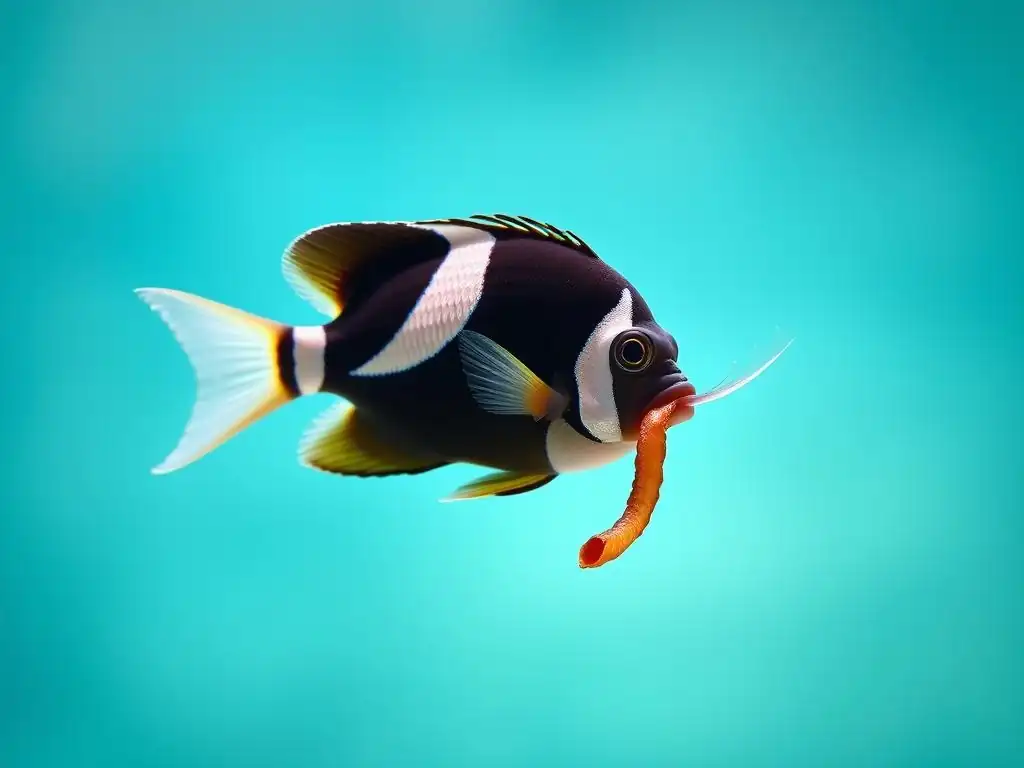
In their natural habitat, Zoster Butterflyfish are primarily planktivores, meaning their diet consists of zooplankton and other small, suspended organisms that they filter from the water column. This feeding strategy highlights their need for a diet rich in small, meaty foods when kept in an aquarium. Adapting this natural diet to captivity is key for optimal Zoster Butterflyfish care. They readily accept a variety of frozen offerings, which should form the cornerstone of their nutritional intake.
Excellent choices include frozen mysis shrimp, enriched brine shrimp, cyclops, and finely chopped marine-based meaty foods such as krill, clam, or scallop. It is important to ensure that the food particles are small enough for their relatively delicate mouths. Due to their active metabolism and continuous swimming, Zoster Butterflyfish benefit from small, frequent feedings throughout the day, rather than one large meal. This approach ensures they receive a consistent supply of nutrients, mimicking their continuous grazing on plankton in the wild.
Recommended Foods for Optimal Health and Coloration
For optimal health, vibrant coloration, and to ensure robust immunity, a varied diet is paramount for Hemitaurichthys zoster. While frozen mysis shrimp is often a staple due to its nutritional profile, it should not be the sole food source. Incorporate a rotation of other high-quality frozen foods, such as enriched brine shrimp (which can be a good carrier for vitamins), copepods, and various finely chopped seafood mixes. Some aquarists also offer specialized frozen preparations designed for marine omnivores or planktivores.
Occasionally, supplementing their diet with vitamin-enriched liquid supplements or using foods that have been pre-soaked in a vitamin solution can further boost their nutritional intake. Avoid feeding large, tough, or dry flake foods exclusively, as these may not provide the necessary nutrients or be easily digestible for Zoster Butterflyfish. A consistent and diverse feeding regimen is a critical component of successful Zoster Butterflyfish care, directly impacting their longevity and overall vitality.
Feeding Schedule and Techniques for Schooling Butterflyfish
Establishing a consistent feeding schedule is vital for the well-being of Zoster Butterflyfish. Given their continuous activity and natural feeding habits, it is recommended to feed them at least two to three small meals per day. This frequency ensures that their metabolic demands are met without overfeeding the tank, which could lead to water quality issues. For instance, feeding once in the morning, once in the afternoon, and once in the evening would be an ideal schedule.
When feeding a school of Zoster Butterflyfish, it's important to use a technique that allows all individuals to access food without excessive competition. Broadcast feeding, where food is dispersed across the water surface, can encourage all members of the school to participate. Observe the fish during feeding to ensure that shyer or smaller individuals are getting enough to eat. If some fish appear to be missing out, consider using a feeding ring or targeting food to specific areas. Monitoring their consumption and adjusting portions accordingly will prevent both overfeeding and undernourishment, contributing to effective Zoster Butterflyfish care compatibility.
Choosing the Right Tank Mates for Zoster Butterflyfish
Selecting appropriate tank mates is a critical aspect of Zoster Butterflyfish compatibility, as their peaceful nature can make them susceptible to aggression from more boisterous species. Ideal companions include other peaceful to semi-aggressive fish that will not harass or outcompete them for food. Good choices often include various species of tangs (e.g., Yellow Tangs, Purple Tangs), wrasses (e.g., Fairy Wrasses, Flasher Wrasses), certain non-aggressive angelfish (e.g., Flame Angelfish, Coral Beauty Angelfish), and other peaceful butterflyfish species if the tank is sufficiently large.
It is generally advised to avoid highly aggressive or predatory fish that might view the Zoster Butterflyfish as prey or competition. Similarly, fish known for fin-nipping, such as some triggerfish or large puffers, should be avoided, as they could damage the butterflyfish's delicate fins. While Zoster Butterflyfish are generally considered reef-safe, meaning they typically won't bother most stony corals (SPS/LPS), it's always wise to monitor them closely if keeping them with soft corals or anemones, as occasional nipping can occur, though it's not common.
The social dynamics of Zoster Butterflyfish are one of their most fascinating characteristics, and understanding them is key to successful Zoster Butterflyfish care compatibility. These fish are obligate schoolers, meaning they thrive and behave most naturally when kept in groups. A solitary Zoster Butterflyfish is likely to be stressed, shy, and may not live as long as one kept in a proper school. The ideal group size is typically three or more individuals, with odd numbers (e.g., 3 or 5) often recommended to help distribute potential minor squabbles and prevent one fish from being singled out.
When introducing a school, it is highly beneficial to add all the Zoster Butterflyfish simultaneously, if possible. This helps to minimize territorial disputes, as no single fish establishes dominance before the others are present. If staggered introductions are necessary, introduce the smallest or least dominant fish first. Observing their interactions closely during the initial weeks is important. A well-established school will exhibit synchronized swimming patterns, adding a captivating dimension to the aquarium.
Fish to Avoid When Keeping Zoster Butterflyfish
To ensure optimal Zoster Butterflyfish compatibility and minimize stress, several types of fish should be explicitly avoided as tank mates. Any highly aggressive predators, such as large lionfish, certain groupers, or large moray eels, pose a direct threat and should not be housed with these peaceful butterflyfish. Similarly, fish with a known propensity for fin-nipping or bullying, like some species of triggerfish (e.g., Clown Triggerfish) or large pufferfish, can cause significant stress and physical harm to the Zoster Butterflyfish.
Furthermore, extremely boisterous or highly territorial fish that might constantly harass the more demure Zoster Butterflyfish should be avoided, especially in tanks that are not exceptionally large. While Hemitaurichthys zoster are generally adaptable, placing them with overly competitive planktivores in a smaller tank can lead to food deprivation for the butterflyfish. Careful research into the temperament and adult size of any potential tank mate is essential for preventing conflict and ensuring the long-term well-being of your Zoster Butterflyfish.
Maintaining Zoster Butterflyfish Health: Disease Prevention and Treatment
Common Diseases Affecting Zoster Butterflyfish
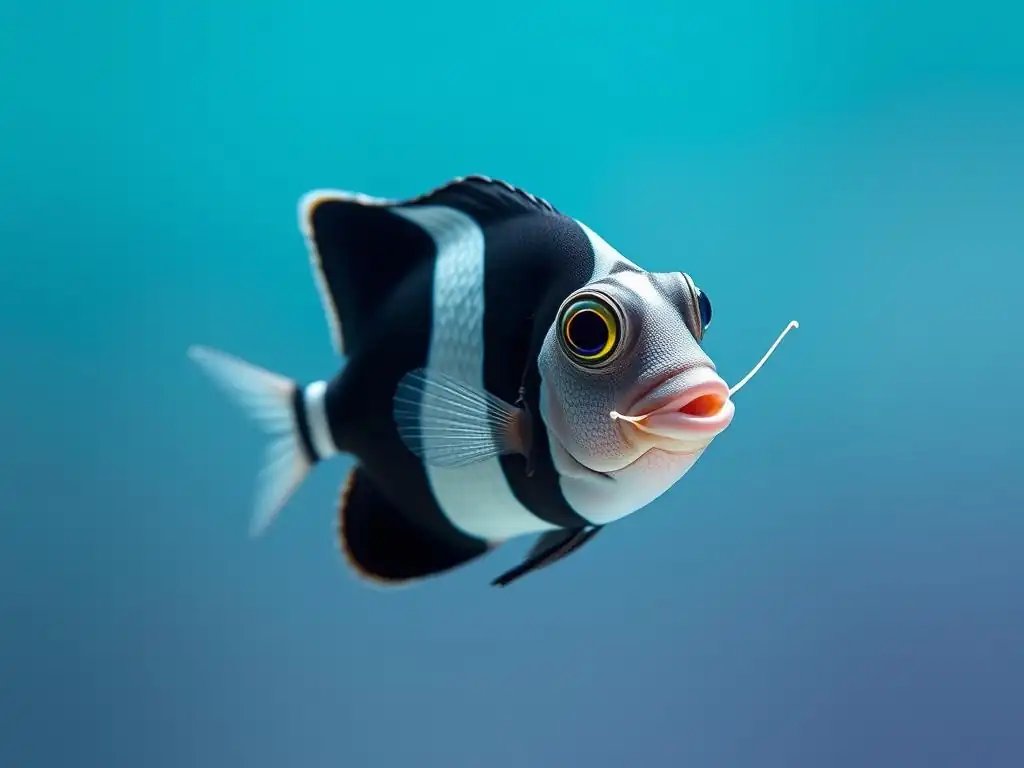
Like all marine fish, Zoster Butterflyfish are susceptible to common saltwater aquarium diseases, particularly if their Zoster Butterflyfish care compatibility is compromised by poor water quality or stress. The most prevalent ailments include external parasitic infections such as Marine Ich (Cryptocaryon irritans), Marine Velvet (Amyloodinium ocellatum), and Brooklynella hostilis. These parasites manifest quickly and can be highly contagious, especially in new or unstable systems.
Nutritional deficiencies can also arise if their diet is not varied and comprehensive, leading to weakened immune systems and susceptibility to secondary infections. Stress, often induced by inappropriate tank mates, inadequate tank size, or fluctuating water parameters, is a primary catalyst for disease outbreaks in Hemitaurichthys zoster. Proactive disease prevention through excellent husbandry and a vigilant eye is far more effective than attempting to treat an advanced infection.
Recognizing Symptoms of Illness in Hemitaurichthys zoster
Early recognition of illness symptoms is crucial for effective Zoster Butterflyfish care and treatment. Behavioral changes are often the first indicators. A healthy Zoster Butterflyfish school is active, alert, and swims freely in the water column. Signs of illness might include lethargy, hiding excessively, clamped fins, rapid or labored breathing, or a loss of appetite. They may also rub against rocks or substrate in an attempt to dislodge parasites.
Physical symptoms can include visible white spots (Ich), a dusty or velvet-like coating (Velvet), cloudy eyes, frayed or deteriorating fins, discolored patches on the body, or excessive sliminess. A sunken belly can indicate long-term malnourishment or internal parasites. Regularly observing your Hemitaurichthys zoster will help you detect these subtle changes quickly, allowing for prompt intervention before the condition escalates.
Quarantine Procedures and Treatment Options
Implementing a strict quarantine procedure for all new fish, including Zoster Butterflyfish, is the single most effective method for disease prevention. A dedicated quarantine tank (QT) of at least 20-30 gallons, equipped with basic filtration and aeration, should house new arrivals for 4-6 weeks. During this period, observe the fish for any signs of illness and administer preventative treatments if deemed necessary (e.g., prophylactic copper treatment for Ich). This prevents the introduction of pathogens into your main display tank, protecting your existing fish and ensuring better Zoster Butterflyfish care compatibility.
If disease does manifest in the main tank, treatment options vary depending on the specific ailment. Copper-based medications are effective against Ich and Marine Velvet but must be used with extreme caution, as they are toxic to invertebrates and some sensitive fish. Formalin dips or treatments can be effective for Brooklynella. Always accurately diagnose the disease before treatment, follow medication instructions precisely, and ensure excellent water quality throughout the treatment period. In severe cases, transferring affected fish to a hospital tank for treatment is often advisable to protect the main system's inhabitants and biological filter.
Breeding Zoster Butterflyfish: Challenges and Possibilities
Understanding Zoster Butterflyfish Breeding Behavior
Breeding Zoster Butterflyfish ( Hemitaurichthys zoster) in a home aquarium setting is exceptionally challenging, with very few documented successes. Like many other butterflyfish species, they are pelagic spawners, meaning they release their eggs and sperm into the water column, where fertilization occurs. The fertilized eggs then drift in the currents as part of the plankton before hatching into microscopic larval stages. This open-water spawning strategy, combined with the minute size and delicate nature of the larvae, presents significant hurdles for captive propagation.
In the wild, spawning typically occurs in large aggregations, often triggered by specific environmental cues such as lunar cycles or seasonal changes in water temperature and food availability. Replicating these precise conditions and managing the sheer volume of water required for such events in a home aquarium is extraordinarily difficult, making controlled breeding of Zoster Butterflyfish a rare achievement for even advanced aquaculturists.
Creating a Suitable Breeding Environment
Should an aquarist attempt to breed Zoster Butterflyfish, creating a suitable environment would necessitate an enormous dedicated breeding tank, likely hundreds of gallons, to accommodate a healthy, well-conditioned breeding group and provide ample space for spawning. The water parameters would need to be absolutely pristine and meticulously stable, mirroring their natural oceanic environment. Consistent feeding of high-quality, varied live and frozen foods would be essential to condition the fish for spawning, providing the necessary energy reserves for egg and sperm production.
Specific environmental triggers, such as subtle changes in lighting cycles, temperature, or water flow, might be required to induce spawning, though these are largely speculative for this species in captivity. The tank would also need to be designed to facilitate easy collection of the pelagic eggs without disturbing the adult fish or damaging the delicate eggs. The sheer scale and precision required make this an undertaking for highly specialized research facilities rather than typical home aquarists.
Raising Zoster Butterflyfish Fry
The most significant hurdle in breeding Zoster Butterflyfish lies in raising their microscopic fry. Once the eggs hatch, the larvae are incredibly small, often less than a millimeter in size, and require a constant supply of appropriately sized live planktonic food. This typically involves culturing rotifers (e.g., Brachionus plicatilis) as a first food, followed by progressively larger live foods such as copepod nauplii as the fry grow. Maintaining dense, healthy cultures of these live feeds continuously is a complex and labor-intensive process.
Furthermore, the delicate nature of the fry means they are highly susceptible to changes in water quality, bacterial infections, and mechanical damage from filtration systems. High mortality rates are common even in professional aquaculture settings. Specialized larval rearing tanks with gentle aeration, minimal water flow, and strict water quality control are necessary. The extensive challenges involved in Zoster Butterflyfish care compatibility for breeding purposes underscore why this species is almost exclusively wild-caught for the aquarium trade.
Zoster Butterflyfish: Pros and Cons for the Reef Aquarium
Advantages of Keeping Zoster Butterflyfish
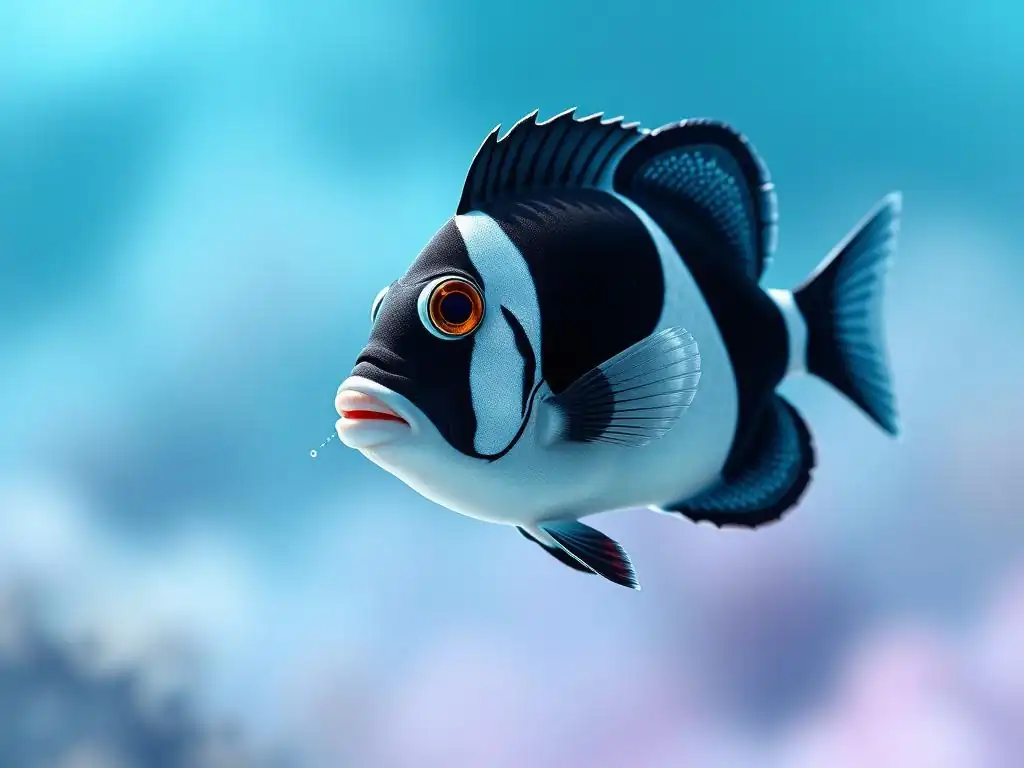
The Zoster Butterflyfish offers several compelling advantages for the dedicated reef aquarist. Firstly, their striking black and white coloration, combined with vibrant yellow fins, makes them an incredibly attractive addition, providing a dramatic visual contrast in any marine setup. Secondly, their unique schooling behavior is a significant draw; observing a group of Hemitaurichthys zoster moving in unison adds a dynamic and captivating element that few other butterflyfish species can offer. This natural shoaling behavior truly shines in larger tanks.
Furthermore, Zoster Butterflyfish are generally considered peaceful and are usually reef-safe, meaning they typically do not bother most stony corals (SPS/LPS), making them suitable for mixed reef environments. Their relatively docile temperament also allows for good Zoster Butterflyfish compatibility with a wide range of other peaceful to semi-aggressive fish species. For aquarists with adequately sized systems and a commitment to meticulous care, these fish bring both beauty and engaging social dynamics to the forefront.
Potential Drawbacks and Considerations
Despite their many advantages, there are several potential drawbacks and considerations associated with keeping Zoster Butterflyfish. The most significant is their requirement for a large tank. Due to their schooling nature and active swimming, a minimum of 125 gallons is recommended for even a small group, which can be prohibitive for many hobbyists. Their need for pristine and stable water quality also demands robust filtration and consistent maintenance, including regular water changes.
While generally reef-safe, there's always a slight risk of them occasionally nipping at soft corals or anemones, so individual monitoring is advised. They can also be shy initially, requiring a patient approach to acclimation and feeding. Finally, Zoster Butterflyfish can be a relatively expensive investment, with individual fish often costing between $80 and $150 depending on size and source. These factors highlight that successful Zoster Butterflyfish care compatibility requires a significant commitment to providing an optimal environment.
Where to Buy Zoster Butterflyfish: Selecting Healthy Specimens
Choosing a Reputable Supplier
When looking to acquire Zoster Butterflyfish, choosing a reputable supplier is paramount to ensuring you bring home healthy, well-acclimated specimens. Start by researching local fish stores (LFS) known for their clean tanks, knowledgeable staff, and healthy livestock. A good LFS will have a low fish mortality rate, clearly labeled tanks, and be transparent about their quarantine practices for incoming fish. Ask questions about where their fish are sourced and how long they've been in their care.
If purchasing online, opt for established online retailers with strong reputations, positive customer reviews, and comprehensive live arrival guarantees. These suppliers often have specialized shipping methods to minimize stress during transit. Prioritize suppliers who emphasize ethical sourcing and, ideally, those who implement their own quarantine procedures before shipping fish to customers. A reputable supplier is a key partner in achieving successful Zoster Butterflyfish care compatibility.
Assessing the Health of a Zoster Butterflyfish Before Purchase
Before making a purchase, meticulously assess the health of each Zoster Butterflyfish you are considering. Observe the fish for several minutes, looking for active and alert behavior. Healthy specimens should be swimming freely and confidently, ideally as part of a school, rather than hiding or exhibiting lethargy. Their eyes should be clear and bright, not cloudy or sunken.
Inspect their body and fins for any visible signs of disease:
- No white spots (Ich).
- No dusty or velvet-like coating (Marine Velvet).
- No frayed, torn, or clamped fins.
- No discolored patches, lesions, or excessive sliminess on the body.
- The fish should have a full, rounded belly, indicating it is eating well, not a sunken or pinched appearance.
Ideally, try to observe the fish eating to confirm it has a strong appetite. By being diligent in your selection, you significantly increase your chances of starting with healthy Zoster Butterflyfish, which is foundational for their long-term care compatibility in your aquarium.
Zoster Butterflyfish: A Summary of Essential Care Tips
Quick Guide to Zoster Butterflyfish Husbandry
For those considering adding the striking Zoster Butterflyfish to their marine aquarium, a quick reference to essential husbandry practices is invaluable.
- Tank Size: A minimum of 125 gallons (approx. 470 liters) is recommended for a small group (3-5 individuals) to allow ample swimming space and support their schooling behavior.
- Water Parameters: Maintain stable conditions: Temperature 74-80°F (23-27°C), Specific Gravity 1.023-1.026, pH 8.1-8.4. Ammonia and nitrite must be 0 ppm, with nitrates kept below 20 ppm. Regular 10-20% bi-weekly water changes are crucial.
- Diet: Primarily planktivorous; feed a varied diet of high-quality frozen meaty foods (e.g., mysis shrimp, brine shrimp, finely chopped seafood) 2-3 times daily.
- Tank Mates: Choose peaceful to semi-aggressive companions. Avoid aggressive predators, fin-nippers, or overly territorial fish. Generally reef-safe with most corals, but monitor.
- Social Behavior: Must be kept in groups of 3 or more (odd numbers preferred, like 3 or 5) to thrive and exhibit natural schooling. Introduce groups simultaneously if possible.
- Quarantine: Mandatory 4-6 week quarantine for all new arrivals to prevent disease introduction.
Adhering to these guidelines is fundamental to successful Zoster Butterflyfish care compatibility.
Ensuring Long-Term Success with Hemitaurichthys zoster
Achieving long-term success with Hemitaurichthys zoster hinges on a commitment to consistent, high-quality care. The cornerstone is maintaining pristine and stable water quality, which means not only regular water changes but also ensuring robust filtration, including an efficient protein skimmer, is continuously operating. A varied and nutritious diet, fed frequently in small portions, is also critical for their energy levels, coloration, and immune health.
Careful consideration of Zoster Butterflyfish compatibility with tank mates is essential to prevent stress and aggression. Continuously observe the social dynamics within the school and with other tank inhabitants. Vigilance for any signs of stress or disease, coupled with prompt and appropriate action, can make the difference between a minor issue and a significant health crisis. By providing ample swimming space, appropriate hiding spots, and a stable, well-maintained environment, aquarists can enjoy the captivating beauty and unique schooling behavior of the Zoster Butterflyfish for many years.
Frequently Asked Questions
What are the basic care requirements for Zoster Butterflyfish in a home aquarium?
Zoster Butterflyfish require a large tank (at least 125 gallons), excellent water quality, and a varied diet. They are primarily planktivores, so feeding can be challenging.
Are Zoster Butterflyfish reef safe?
Generally, yes, Zoster Butterflyfish are considered reef safe. They are not known to nip at corals or invertebrates, making them a good choice for reef tanks.
What is the ideal tank environment for Zoster Butterflyfish?
They thrive in tanks with plenty of open swimming space, strong water flow, and good filtration. A mature reef tank environment with established live rock is ideal.
Are Zoster Butterflyfish compatible with other fish species?
Zoster Butterflyfish are generally peaceful and compatible with other peaceful reef fish. Avoid keeping them with aggressive or territorial species.
How do I ensure Zoster Butterflyfish receive adequate nutrition in captivity?
Offer a variety of small meals throughout the day. Supplement their diet with frozen mysis shrimp, copepods, and other small meaty foods. Consider a refugium to cultivate live food.
Final Reflection: Embracing the Delicate Balance of Reef Life
The journey of understanding the Zoster Butterflyfish, as explored in this article, underscores the critical importance of responsible reefkeeping in a world increasingly aware of its environmental impact. The delicate balance of their ecosystem, mirrored in the careful considerations required for their care, serves as a potent reminder of our interconnectedness with the natural world and the responsibility we bear to protect it.
The allure of the Zoster Butterflyfish, with its striking monochrome beauty, often overshadows the complexities of its needs. This article, I hope, has illuminated not just the "how" of caring for these magnificent creatures, but also the "why" – emphasizing the ethical considerations that should underpin every decision we make as aquarists. We are tied to the ocean. And when we go back to the sea, whether it is to sail or to watch it, we are going back from whence we came.
- John F. Kennedy. This quote reminds us that our connection to the ocean, and its inhabitants, is deeply ingrained.
As you consider adding a Zoster Butterflyfish to your reef aquarium, or simply reflect on the beauty and fragility of marine life, I invite you to consider the broader implications of your choices. Let the knowledge gained here inspire you to become a more informed, compassionate, and proactive steward of our oceans. Embrace the challenge of responsible reefkeeping, and contribute to a future where the vibrant ecosystems of our planet thrive for generations to come.
Dive Deeper: Transform Your Aquarium Today!
Thank you for exploring the fascinating world of the Zoster Butterflyfish with us! We hope this article has equipped you with the knowledge to appreciate and potentially care for these striking creatures. Now, let's take that newfound knowledge and turn it into action!
- Begin planning your dream reef tank: Identify the size, equipment, and other inhabitants that will complement the Zoster Butterflyfish's needs.
- Explore the possibility of ethically sourcing captive-bred butterflyfish.
- What's one surprising thing you learned about Zoster Butterflyfish today, and how will it affect your aquarium planning?