
Breeding Tiger Barbs: A StepbyStep Guide to Raising Your Own Fry


Welcome to Aquarium Mastery, your ultimate resource for all things aquarium! Ever wondered how to successfully breed those vibrant Tiger Barbs you admire so much? Our in-depth Tiger barb breeding guide unveils the secrets to creating the perfect environment and nurturing your own school of fry. Prepare to dive into the fascinating world of Tiger Barb reproduction and unlock the rewarding experience of raising your own! Curious to learn more? Let's get started!
- Introduction to Tiger Barb Breeding: A Beginner's Guide
- Step 1: Setting Up a Tiger Barb Breeding Tank
- Step 2: Selecting and Conditioning Your Tiger Barb Breeding Pair
- Step 3: The Tiger Barb Spawning Process: What to Expect
- Step 4: Hatching and Raising Tiger Barb Fry
- Step 5: Growing Out Your Tiger Barb Fry
- Troubleshooting Common Issues in Tiger Barb Breeding
- Conclusion: Enjoying Your Home-Bred Tiger Barbs
- Frequently Asked Questions
- Final Reflection: The Cycle of Life in Miniature
- Unveil Your Inner Fish Breeder!
Introduction to Tiger Barb Breeding: A Beginner's Guide
Why Breed Tiger Barbs? The Appeal of Raising Fry
Breeding Tiger Barbs offers a uniquely rewarding experience for any aquarist, from novice to expert. Witnessing the entire life cycle of these vibrant fish, from tiny eggs to energetic fry and then into mature adults, provides immense satisfaction and a deeper understanding of aquatic ecosystems. Beyond the personal fulfillment, successfully raising tiger barb fry can also be an educational endeavor, allowing you to observe intricate parental behaviors (or lack thereof, in their case) and the rapid development of aquatic life firsthand.
Furthermore, breeding tiger barbs can contribute positively to the aquarium hobby. While readily available in most pet stores, home-bred fish are often hardier and less stressed than those shipped from commercial farms. If you successfully raise a significant number of fry, you might even consider sharing them with local fish stores or fellow enthusiasts, helping to diversify the gene pool and ensure healthy populations within the hobby. This makes a comprehensive tiger barb breeding guide invaluable.
Understanding Tiger Barb Behavior for Successful Breeding
Tiger barbs ( Puntigrus tetrazona) are known for their active, schooling nature and distinctive striped patterns. In their natural habitat, they inhabit clear, flowing waters in Southeast Asia, typically in Borneo and Sumatra. This energetic behavior translates into their breeding patterns, where males often chase and nudge females during courtship. While generally peaceful within a proper school of six or more, their semi-aggressive tendencies, particularly towards slower-moving or long-finned fish, extend to their own eggs and fry.
For successful breeding, it's crucial to understand that tiger barbs are egg scatterers with no parental care; in fact, they are notorious egg eaters. This instinct means that once eggs are laid, the adult fish will actively consume them if given the opportunity. Recognizing this behavior is paramount for a successful tiger barb breeding guide, as it dictates the necessity of a dedicated breeding tank setup where parents can be removed promptly after spawning to protect the vulnerable eggs and fry.
Step 1: Setting Up a Tiger Barb Breeding Tank
Choosing the Right Size Tank for Breeding Tiger Barbs
A dedicated breeding tank is essential for a successful tiger barb breeding guide due to the parents' tendency to eat their own eggs. For a single breeding pair or a small trio (one male, two females), a 10-gallon (approximately 38-liter) aquarium is generally sufficient. This size provides enough space for the fish to spawn comfortably while remaining small enough for easy maintenance and effective fry management once the eggs hatch.
Using a smaller tank also simplifies the process of locating and removing the adult fish after spawning, ensuring the safety of the delicate eggs. While larger tanks could theoretically house a breeding pair, they make egg retrieval or parent removal more challenging and dilute the concentration of fry food, making it harder for the tiny fry to find sustenance. The compact nature of a 10-gallon tank allows for more precise control over water parameters, which is vital for egg development and fry survival.
Water Parameters for Optimal Tiger Barb Spawning
Achieving the correct water parameters is a cornerstone of any successful tiger barb breeding guide. Tiger barbs prefer soft, slightly acidic water for optimal spawning. While they can tolerate a broader range in a community tank, precise conditions in the breeding tank significantly increase spawning success and egg viability. Aim for a pH range between 6.0 and 6.5, with water hardness (GH) around 5-10 dGH.
Maintaining these specific parameters involves careful preparation. Using reverse osmosis (RO) water mixed with a small amount of tap water (if your tap water is hard) or specialized buffering solutions can help achieve the desired softness and acidity. Regular testing with a reliable liquid test kit is crucial to monitor pH, GH, and ensure stability throughout the breeding process. Sudden fluctuations can stress the fish and inhibit spawning.
Maintaining Ideal Water Temperature and pH
Temperature plays a vital role in triggering spawning and influencing the incubation period of tiger barb eggs. For breeding, the water temperature should be slightly elevated from typical community tank temperatures, ideally between 76-80°F (24-27°C). A gradual increase in temperature over a day or two can often act as a spawning trigger, mimicking the conditions in their natural environment that signal favorable breeding opportunities.
The slightly acidic pH (6.0-6.5) and soft water (5-10 dGH) are equally important. Softer, more acidic water helps prevent egg fungus, which can quickly decimate a clutch of eggs, and is believed to enhance the fertility of the eggs themselves. Consistent monitoring of these parameters using accurate test kits is indispensable to ensure the best possible environment for egg development and successful hatching.
Substrate and Decorations for a Tiger Barb Breeding Setup
For a tiger barb breeding setup, a bare bottom tank is often preferred to simplify cleaning and egg collection. However, tiger barbs are egg scatterers, meaning they will randomly release eggs throughout the tank. To protect these eggs from being eaten by the parents, a layer of marbles, a plastic egg crate, or a mesh screen placed just above the bottom can provide a safe haven for the eggs to fall into, out of reach of the adults.
Alternatively, fine-leaved plants like Java moss ( Taxiphyllum barbieri), Anacharis ( Egeria densa), or spawning mops made from synthetic yarn can be used. These dense materials provide ample surfaces for eggs to adhere to or fall into, offering protection. The goal is to provide a medium that allows eggs to settle safely while remaining inaccessible to the hungry parents, a key strategy in any tiger barb breeding guide.
Mimicking Their Natural Habitat
While a breeding tank is simplified for practical purposes, incorporating elements that subtly mimic a tiger barb's natural habitat can encourage natural spawning behavior and reduce stress. Dense clumps of fine-leaved plants, even if artificial, provide hiding spots and a sense of security for the fish. A gentle water flow, created by the sponge filter, can also simulate the mild currents found in their native streams.
Though not strictly necessary for spawning, a dark substrate (if used) or dim lighting can help the fish feel more secure and less exposed, potentially encouraging them to spawn more readily. The overall aim is to create a calm, conducive environment where the fish feel safe enough to engage in their natural reproductive instincts, minimizing any external stressors that might inhibit spawning.
Setting Up a Sponge Filter in the Breeding Tank
A sponge filter is the filtration method of choice for a tiger barb breeding tank and subsequent fry grow-out. Its primary advantage lies in its gentle operation; it creates minimal water current, which is crucial as strong currents can harm delicate eggs and newly hatched fry. The sponge material also provides a large surface area for beneficial bacteria to colonize, ensuring adequate biological filtration without the risk of sucking up tiny fry.
To set up a sponge filter, connect it to an air pump via airline tubing and an air stone (optional, but can improve bubble dispersion). Ensure the air pump is placed above the water level or use a check valve to prevent back-siphoning. The sponge filter should be cycled before introducing the breeding pair, meaning it should run in an established tank or be seeded with beneficial bacteria to ensure it can process ammonia and nitrite, maintaining pristine water quality for the vulnerable eggs and fry.
Step 2: Selecting and Conditioning Your Tiger Barb Breeding Pair
Identifying Male and Female Tiger Barbs for Breeding
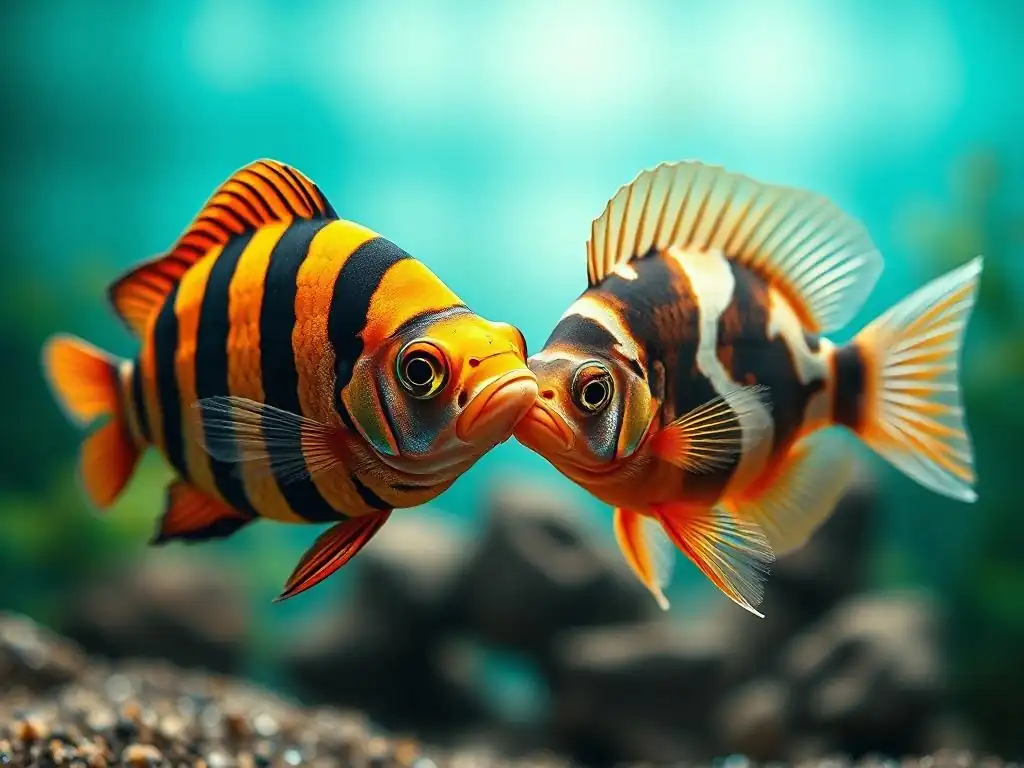
Accurately identifying male and female tiger barbs is a crucial step in any tiger barb breeding guide. Males are generally more slender and have brighter, more intense coloration, particularly noticeable in their red fins and nose, which often appear more vibrant during breeding season. They tend to be more active and may display more aggressive chasing behavior towards females.
Females, on the other hand, are typically larger and more rounded, especially when they are gravid (full of eggs). Their colors may be slightly duller than the males. When viewed from above, a gravid female will appear noticeably wider in the abdominal area. Observing these physical and behavioral differences will help you select healthy, mature individuals that are ready for breeding.
Conditioning Tiger Barbs for Breeding: A Diet Plan
Conditioning your tiger barbs involves feeding them a high-quality, protein-rich diet for one to two weeks prior to introducing them to the breeding tank. This specialized diet builds up their energy reserves, promotes egg development in females, and increases sperm production in males, significantly enhancing the chances of a successful spawn. A varied diet is key to providing all necessary nutrients.
During this conditioning period, feed small amounts several times a day. A diverse diet including high-quality flake foods, frozen bloodworms, frozen brine shrimp, and especially live foods, will stimulate their reproductive readiness. The goal is to get the fish in peak physical condition, mimicking the abundance of food found in their natural environment during prime breeding seasons.
Live Foods for Conditioning Tiger Barbs
Live foods are paramount for successfully conditioning tiger barbs for breeding. The movement and nutritional content of live prey often act as a natural trigger for spawning, stimulating the fish's predatory instincts and providing superior nutrition compared to processed foods. Excellent choices include newly hatched baby brine shrimp, Daphnia, bloodworms, and grindal worms.
Daphnia are particularly beneficial as they are small enough for the fish to easily consume and are rich in protein. Bloodworms, whether live or frozen, provide a substantial protein boost. Culturing your own live foods ensures a fresh, disease-free supply, which is critical for maintaining the health of your breeding stock. Incorporating live foods into their diet for a week or two before attempting to breed can dramatically improve your success rate in your tiger barb breeding guide efforts.
Separating the Breeding Pair Before Spawning
Separating the male and female tiger barbs for a few days (typically 3-7 days) before introducing them to the breeding tank can significantly increase spawning success. This practice allows the female to fully develop her eggs without constant harassment from an eager male, and it also builds up the male's readiness to spawn. It creates a sense of anticipation that often results in more vigorous spawning once they are reunited.
During this separation period, continue to feed both the male and female their conditioning diet. You can separate them using a tank divider in a larger tank, or by placing them in individual small tanks. Ensure that both fish have clean water and stable parameters during this time. When you are ready to initiate spawning, introduce them to the prepared breeding tank simultaneously, preferably in the evening.
Step 3: The Tiger Barb Spawning Process: What to Expect
Introducing the Breeding Pair to the Spawning Tank
Once your breeding tank is set up with optimal water parameters and appropriate spawning media, and your tiger barbs have been properly conditioned and separated, it's time to introduce them. The best time to introduce the pair (or trio) is typically in the late afternoon or evening. This allows the fish to acclimate to their new environment overnight, and spawning often occurs in the early morning hours, shortly after dawn.
Upon introduction, keep the lighting dim or off to reduce stress. The fish may initially explore their new surroundings. Within a few hours or by the next morning, if conditions are ideal, you should begin to observe their courtship rituals. Patience is key, as sometimes it takes a day or two for the fish to feel comfortable enough to spawn.
Recognizing Spawning Behavior in Tiger Barbs
Recognizing the specific spawning behavior of tiger barbs is crucial for a successful tiger barb breeding guide. The male will typically become more vibrant in color and actively chase the female around the tank, often nudging her side or underside. This chasing is part of their courtship ritual, indicating his readiness to spawn.
When the female is ready, she will allow the male to swim alongside her. They will then align themselves, often side-by-side, near the spawning medium (e.g., Java moss or marbles). The female will release small, clear, adhesive eggs in bursts, which the male will simultaneously fertilize. The eggs will then sink into the spawning medium or attach to plant leaves, out of immediate reach of the parents. This process can be quite frantic and involves rapid movements.
How Long Does Tiger Barb Spawning Last?
The actual spawning process for tiger barbs can vary in duration but typically lasts for one to three hours. During this time, the pair will repeatedly engage in the egg-laying and fertilization dance, scattering hundreds of eggs throughout the tank. A healthy, well-conditioned female can lay a significant number of eggs, ranging from 100 to 300 in a single spawn, with some particularly large and robust females capable of producing up to 500 eggs.
It's important to monitor the spawning activity closely. Once you observe that the fish have stopped actively spawning, are no longer chasing each other with the same intensity, or appear to be searching for and eating eggs, it's time to remove the parents immediately. Their instinct to consume their own eggs is strong, and any delay will result in a significant loss of potential fry.
Removing the Parents After Spawning
This is perhaps the most critical step in protecting the eggs from predation. As soon as you confirm that spawning has concluded and the parents are no longer actively laying eggs, they must be removed from the breeding tank. Tiger barbs are notorious egg eaters, and any eggs left exposed will quickly become a meal for the very fish that laid them.
Gently net the parents and return them to their main community tank or a separate recovery tank. Be careful not to disturb the eggs too much during this process. Once the parents are removed, you can relax, knowing the eggs are safe. At this point, it's also advisable to add a very small amount of methylene blue or a similar antifungal treatment to the water to prevent fungus from growing on infertile eggs, which can spread to healthy ones.
Step 4: Hatching and Raising Tiger Barb Fry

Understanding the Tiger Barb Egg Incubation Period
After successful spawning, tiger barb eggs typically have a relatively short incubation period. At the ideal temperature range of 78-80°F (25-27°C), the eggs will usually hatch within 24 to 48 hours. Lower temperatures can prolong the incubation period, while higher temperatures might accelerate it but could also stress the developing embryos.
Newly hatched tiger barb fry are incredibly tiny and almost transparent, making them difficult to spot initially. They will often remain motionless, clinging to the tank glass, plants, or spawning media, absorbing nutrients from their yolk sac. This yolk sac provides all the necessary nourishment for the first 2-3 days post-hatch, during which time they do not require external feeding.
First Food for Tiger Barb Fry: Infusoria and Liquid Fry Food
Once the yolk sac is fully absorbed (typically around 2-3 days after hatching), the tiger barb fry will become free-swimming and actively begin searching for food. At this stage, their mouths are extremely small, requiring microscopic food sources. Infusoria, which are microscopic protozoa, are an ideal first food. They can be cultured easily by placing some decaying plant matter or a banana peel in a jar of tank water a few days in advance.
Alternatively, commercial liquid fry foods or powdered fry foods designed for egg-laying fish can be used. These products are formulated to be small enough for the tiny fry to consume. Feed very small amounts multiple times a day (e.g., 3-5 times) to ensure a constant supply of food, as fry have high metabolisms and need frequent nourishment for rapid growth. Overfeeding, however, can quickly foul the water, so caution is advised.
Maintaining Water Quality for Growing Tiger Barb Fry
Maintaining pristine water quality is paramount for the survival and healthy development of tiger barb fry. They are extremely sensitive to fluctuations in water parameters and the presence of ammonia, nitrite, and even nitrates. The gentle filtration provided by a sponge filter is ideal, as it prevents strong currents that could exhaust or harm the tiny fry, while still providing biological filtration.
Regular monitoring of water parameters using accurate test kits is essential. Ammonia and nitrite should always be at zero. Even low levels of nitrates can be detrimental to fry health. Consistent water quality ensures optimal growth rates and significantly reduces the risk of disease outbreaks in the vulnerable fry.
Performing Regular Water Changes in the Fry Tank
Due to the frequent feedings required for rapid fry growth and their sensitivity to waste products, performing regular partial water changes in the fry tank is non-negotiable. Daily water changes of 10-20% are often necessary, especially during the first few weeks when the fry are most vulnerable. This practice helps dilute waste products, replenish essential minerals, and maintain stable water parameters.
When performing water changes, use a small-diameter airline tube to gently siphon debris from the bottom of the tank, being extremely careful not to suck up any fry. Always use temperature-matched, dechlorinated water to avoid shocking the delicate fry. Consistency in water changes is a cornerstone of any successful tiger barb breeding guide, ensuring a clean and healthy environment for your growing fish.
Graduating to Larger Foods: Baby Brine Shrimp and Microworms
As tiger barb fry grow, typically after 5-7 days of being free-swimming, their mouths will be large enough to consume slightly larger food items. This transition is critical for their rapid growth and development. Newly hatched baby brine shrimp are an excellent next step, offering superior nutritional value and stimulating the fry's natural hunting instincts with their erratic movements.
Microworms are another highly recommended food source at this stage. Both baby brine shrimp and microworms are rich in protein and essential fatty acids, promoting robust growth and vibrant coloration. Continue to feed these larger foods several times a day in small quantities. As the fry continue to grow, they can gradually be introduced to finely crushed flake foods and powdered pellets designed for juvenile fish.
Step 5: Growing Out Your Tiger Barb Fry
Providing Adequate Space for Growing Fry
As tiger barb fry grow from microscopic specks to discernible fish, their space requirements rapidly increase. Overcrowding can lead to stunted growth, increased aggression, and significant water quality issues. Once the fry reach about a quarter-inch in length (around 2-3 weeks post-hatch), it's often beneficial to move them to a larger grow-out tank, such as a 20 or 30-gallon (75-115 liter) aquarium, especially if you have a large batch of fry.
Adequate space ensures that each fry has sufficient room to swim, forage, and develop without undue stress from competition or limited territory. This transition is a key element of a comprehensive tiger barb breeding guide, as it supports the continued healthy development and prevents the accumulation of waste that can quickly become toxic in smaller volumes of water.
Sorting Fry by Size to Prevent Bullying
Even within a single batch of tiger barb fry, there will inevitably be variations in growth rates. Some fry will grow faster than others, leading to a noticeable size disparity. This difference can become problematic as larger fry may bully or even prey upon their smaller siblings, especially as they begin to develop their characteristic semi-aggressive tendencies.
To prevent this, it's advisable to periodically sort the fry by size. This involves gently netting the larger fry and moving them to a separate grow-out tank, allowing the smaller, slower-growing fry to catch up without competition. This proactive management ensures that a greater number of your home-bred tiger barbs survive and thrive, reaching their full potential.
Maintaining Optimal Water Conditions for Growth
Just as with the initial fry stage, maintaining optimal and stable water conditions is crucial for the healthy growth of juvenile tiger barbs. Continued vigilance over temperature (76-80°F or 24-27°C), pH (6.0-6.5), and hardness (5-10 dGH) will promote rapid development and vibrant coloration. Consistent parameters reduce stress, making the fish more resilient to potential diseases.
Regular and substantial water changes remain a cornerstone of fry care. As the fish grow and food intake increases, so does waste production. Performing 20-30% partial water changes every few days, depending on bio-load and tank size, is often necessary. Always use temperature-matched and dechlorinated water, and ensure your sponge filter is adequately sized for the increasing bioload.
Introducing Color Enhancing Foods
As your tiger barb fry transition into juveniles and begin to develop their adult coloration, typically around 4-6 weeks of age, you can start introducing foods that specifically enhance their vibrant hues. High-quality flake foods and pellets that contain natural color enhancers, such as spirulina, astaxanthin, or carotene, are excellent choices.
A varied diet continues to be important. Supplementing their diet with frozen or freeze-dried bloodworms, brine shrimp, and even high-quality vegetable matter will ensure they receive a full spectrum of nutrients. A well-fed, healthy tiger barb will display its characteristic bright orange and black stripes with impressive intensity, a testament to your successful tiger barb breeding guide efforts.
Troubleshooting Common Issues in Tiger Barb Breeding
Addressing Unsuccessful Spawning Attempts
Unsuccessful spawning attempts can be frustrating, but they are common and often resolvable. The primary reasons for a pair not spawning include incorrect water parameters (temperature, pH, hardness outside ideal range), poor conditioning (fish not adequately fed high-protein foods), an incompatible pair, or stress from environmental factors.
If a pair doesn't spawn within 2-3 days of introduction, try adjusting the temperature slightly (e.g., a small increase of 1-2 degrees Fahrenheit), performing a small water change with slightly cooler water to simulate rain, or increasing the frequency of live food feedings. If repeated attempts with the same pair fail, consider rotating one or both fish with new, healthy individuals to find a more compatible breeding pair. Patience and careful observation are key to identifying the underlying issue.
Preventing and Treating Fry Diseases
Tiger barb fry are incredibly delicate and susceptible to various diseases, primarily due to poor water quality or inadequate nutrition. Common issues include fungal infections on unhatched eggs (often appearing as white fuzz), bacterial infections, and parasitic infestations like Ich (white spots). Prevention is always easier than treatment.
The most effective preventative measures are maintaining pristine water quality through consistent water changes and proper filtration, providing a varied and nutritious diet, and avoiding overcrowding. If disease does occur, treatment options for fry are limited and must be approached with extreme caution, as many medications are toxic to young fish. For fungal issues on eggs, a very dilute solution of methylene blue can help. For fry diseases, often the best first response is a large, temperature-matched water change. Consult an experienced aquarist or veterinarian for specific treatment advice, as over-medication can cause more harm than good.
Managing Water Quality Problems
Water quality problems are the leading cause of mortality in tiger barb fry. Signs of deteriorating water quality include cloudy water, a foul odor, lethargic or gasping fry, and the presence of ammonia or nitrite. These issues typically arise from overfeeding, insufficient water changes, or an uncycled filter.
To manage water quality problems, immediately perform a significant partial water change (e.g., 50% or more, using temperature-matched, dechlorinated water). Reduce feeding frequency and quantity to minimize waste. Ensure your sponge filter is working efficiently and consider adding a small amount of beneficial bacteria starter. Regular testing with accurate liquid test kits for ammonia, nitrite, and nitrate is crucial to catch problems early and maintain a healthy environment for your growing tiger barb fry.
Conclusion: Enjoying Your Home-Bred Tiger Barbs
Observing and Appreciating Your Tiger Barb School
Successfully breeding and raising tiger barbs from tiny eggs to vibrant, active juveniles is an immensely rewarding achievement for any aquarist. The true joy comes from observing your home-bred school, watching their natural behaviors, and appreciating the life you've helped bring into the world. Each stripe and flash of color is a testament to your dedication and the knowledge gained through this intricate process.
As your fish mature, you'll notice their characteristic schooling patterns, their energetic swimming, and perhaps even some of the playful nipping that is typical of the species. This deep connection to the aquatic life you've nurtured from the very beginning offers a unique perspective on the aquarium hobby, fostering a greater appreciation for the delicate balance of aquatic ecosystems.
Further Resources for Tiger Barb Care and Breeding
While this tiger barb breeding guide provides a comprehensive overview of the breeding process, the journey of fishkeeping is one of continuous learning. As your home-bred tiger barbs grow, you may encounter new questions regarding their long-term care, appropriate tank mates for adult tiger barbs, or general fish health.
AquariumMastery.com offers a wealth of additional resources to support your ongoing aquarist endeavors. Explore articles on general tiger barb care, including diet, ideal tank setups for adults, and compatibility with other species. Detailed guides on water chemistry, plant selection, and troubleshooting common aquarium issues are also available to help you maintain a thriving and healthy aquatic environment for all your fish, whether home-bred or purchased.
Frequently Asked Questions
How do I identify male and female Tiger Barbs for breeding?
Male Tiger Barbs typically have more vibrant colors and a slimmer body shape compared to females. Females tend to be rounder, especially when carrying eggs.
What is the ideal tank setup for breeding Tiger Barbs?
A separate breeding tank is recommended, ideally around 10-20 gallons. Include fine-leaved plants or a spawning mop for egg protection and some marbles on the bottom to prevent the parents from eating the eggs.
What water parameters are best for encouraging Tiger Barbs to spawn?
Maintain a slightly acidic to neutral pH (around 6.5-7.0), a temperature between 78-82°F (25-28°C), and ensure excellent water quality through regular water changes.
How often do Tiger Barbs typically spawn?
Tiger Barbs can spawn multiple times a week under the right conditions. It's best to remove the parent fish after spawning to protect the eggs and fry.
What do I feed Tiger Barb fry and how often?
Tiger Barb fry need tiny food like infusoria, liquid fry food, or newly hatched brine shrimp. Feed them small amounts several times a day to ensure proper growth.
Okay, here's a final reflection crafted to fit your "Breeding Tiger Barbs: A Step-by-Step Guide to Raising Your Own Fry" article, optimized for emotional connection and future reflection:
Final Reflection: The Cycle of Life in Miniature
The journey of breeding Tiger Barbs, as detailed in this guide, is more than just a technical process; it's a microcosm of life itself. Understanding and participating in this cycle offers a profound connection to the natural world, reminding us of the delicate balance and inherent beauty present even within the confines of our aquariums. The vibrant energy of these fish, from courtship to the emergence of new life, is a testament to the enduring power of instinct and adaptation.
This experience, from setting up the breeding tank to watching the fry develop, has a ripple effect, extending beyond the immediate joy of successful breeding. It fosters a deeper appreciation for the intricacies of aquatic ecosystems and our responsibility as stewards of these fragile environments. The best way to observe a fish is to become a fish.
- Jacques Cousteau. This quote encapsulates the empathy and understanding that comes with truly engaging with the lives of these creatures, prompting us to consider the broader implications of our actions on the natural world.
Now, as you close this guide, consider the lessons learned. The patience, the attention to detail, the commitment to nurturing life – these are qualities that extend far beyond the aquarium. Let the experience of breeding Tiger Barbs inspire you to cultivate these virtues in your own life, fostering growth and nurturing potential in all that you do. Embrace the cycle, learn from its rhythms, and contribute to the beauty and balance of the world around you, one small act of creation at a time.
Unveil Your Inner Fish Breeder!
Thanks for diving deep into the world of Tiger Barb breeding with us! Now that you're equipped with the knowledge, it's time to put it into practice and experience the joy of raising your own fry. Ready to take the plunge?
- Set up that breeding tank! It's the most crucial step toward seeing those adorable little Tiger Barbs swim.
- Share your breeding successes (or challenges!) on aquarium forums. Helping others is always rewarding.
- Consider a unique approach: document the fry's growth with a time-lapse video and share it online.
What creative names will you give your first batch of Tiger Barb fry?