
Designer Zoanthids: Are HighEnd Morphs Worth the Hype & Price?

Welcome to Aquarium Mastery!
Ever wondered if those jaw-dropping, ultra-rare zoanthids are truly worth the investment and effort? Get ready to dive deep! In this article, we're unraveling the secrets to highend zoanthid morphs care, exploring what makes these designer corals so special, and helping you decide if adding these vibrant gems to your reef tank is the right move. Prepare to be amazed... and maybe a little bit tempted!
- Understanding the Allure of Designer Zoanthids
- Exploring the Price Tag: Why Are Designer Zoanthids So Expensive?
- High-End Zoanthid Morphs Care: Essential Considerations
- Identifying Authentic Designer Zoanthids: Avoiding Scams
- Comparing High-End vs. Standard Zoanthid Morphs
- The "Worth It" Factor: Evaluating the Value of Designer Zoanthids
- Maintaining the Value of Your Investment: Zoanthid Propagation and Trade
- Troubleshooting Common Issues with Designer Zoanthids
- Conclusion: Making an Informed Decision About Designer Zoanthids
- Frequently Asked Questions
- Final Reflection: The Enduring Allure of Zoanthid Beauty
- Ignite Your Reef Tank: Plunge Deeper into the Zoanthid Galaxy!
Understanding the Allure of Designer Zoanthids
What Makes a Zoanthid a "Designer" Morph?
A "designer" zoanthid morph is typically characterized by exceptionally vibrant, unique, and often intricate coloration and patterning that sets it apart from more common varieties. These distinguishing features often include multiple contrasting colors within a single polyp, iridescent speckles, or complex radial stripes that are not found in wild-collected, standard zoanthids.
For instance, morphs like 'Utter Chaos' are renowned for their striking orange skirts and green mouths, while 'Godzilla' zoanthids feature deep blues and purples with contrasting green centers. The "designer" label implies a certain level of rarity and desirability, often commanding significantly higher prices due to their aesthetic appeal and limited availability.
The designation also often arises from specific propagation efforts by well-known aquaculturists or coral farms, who selectively breed or isolate these unique color variations. These unique genetic expressions are then given catchy, marketable names that become synonymous with their distinct appearance, such as 'Raptor's Rainbow' or 'Blue Agave'. The value of these designer zoanthids is not solely based on their beauty but also on the difficulty of finding similar patterns in nature, making them highly sought after by collectors aiming to create visually stunning and unique reef aquascapes.
The Rising Popularity of High-End Zoanthids in Reef Aquariums
The popularity of high-end zoanthids has surged dramatically in the reef aquarium hobby over the last decade, driven largely by social media and online communities. Platforms like Instagram and dedicated reefing forums showcase breathtaking images and videos of these vibrant corals, creating a strong desire among aquarists to acquire them. This visual appeal, combined with the relatively easy care associated with many zoanthids compared to more demanding SPS corals, makes them an attractive option for both novice and experienced reefers looking to add a splash of intense color to their tanks.
Furthermore, the "collecting" aspect plays a significant role in their rising popularity. Owning rare and unique zoanthid morphs becomes a badge of honor for some aquarists, fostering a sense of accomplishment and contributing to a dynamic trading and selling market. Prices for a single polyp of a highly coveted high-end zoanthid morph can range from $50 to over $300, depending on its rarity and demand, fueling a competitive market where new, exciting morphs are constantly being introduced and sought after by enthusiasts eager to expand their collections.
Exploring the Price Tag: Why Are Designer Zoanthids So Expensive?
Rarity and Availability of Unique Zoanthid Morphs
The primary driver behind the high cost of designer zoanthids is their inherent rarity and limited availability. Many of these unique color morphs are either discovered in very small, isolated pockets in the wild, or they are the result of spontaneous genetic mutations that are difficult to reproduce consistently through natural means. For example, a truly unique color combination might only appear on a single colony found during a collection trip, making it an immediate rarity. This scarcity means that the initial supply is extremely low, leading to high prices as demand significantly outstrips availability.
Moreover, the propagation rates for some of the most sought-after designer zoanthids can be relatively slow. While zoanthids are generally considered easy to frag, certain morphs may grow at a slower pace or be more sensitive during the fragging process, limiting the number of new polyps that can be brought to market within a given timeframe. This slow growth rate, combined with the initial rarity, creates a bottleneck in supply that keeps prices elevated, particularly for newly introduced or exceptionally rare high-end zoanthid morphs.
The Role of Aquaculturing and Propagation in Pricing
Aquaculturing plays a dual role in the pricing of designer zoanthids. Initially, when a new, desirable morph is discovered or propagated, successful aquaculturing efforts by dedicated coral farms are essential to bring it to a wider market. These farms invest significant resources—including specialized lighting, precise water parameters, and dedicated staff—to grow and frag these corals. The labor, time, and overhead associated with establishing and maintaining these grow-out facilities contribute directly to the initial high price of the aquacultured frags.
However, as a specific high-end zoanthid morph becomes more widely aquacultured and propagated, its availability typically increases, which can gradually lead to a reduction in its market price over time. For instance, a morph that might have commanded $150 per polyp five years ago could now be available for $50 per polyp due to successful and widespread propagation. Despite this potential decrease, the initial investment in acquiring the mother colony and the ongoing costs of care and fragging ensure that even well-established designer zoanthids maintain a premium price compared to their common counterparts.
Supply and Demand Dynamics in the Zoanthid Market
The zoanthid market operates under classic supply and demand principles, which heavily influence the pricing of designer morphs. When a new, visually stunning zoanthid morph is introduced, there is often a massive surge in demand from collectors and enthusiasts eager to be among the first to acquire it. This high demand, coupled with the initially very limited supply, drives prices to their peak. For example, a single polyp of a brand-new, highly anticipated morph might debut at $200-$300, reflecting this intense early demand.
As more aquaculturists begin propagating the morph, or as existing farms increase their output, the supply gradually expands. If demand remains constant or slightly decreases, the price will naturally begin to stabilize or even fall.
Conversely, if a particular morph becomes exceptionally popular or if a significant portion of its supply is lost due to unforeseen circumstances (e.g., a tank crash at a major farm), its price can rapidly escalate again. The dynamic interplay between the limited number of available frags and the ever-growing community of passionate reef aquarists creates a constantly fluctuating, yet generally high, price point for high-end zoanthid morphs.
High-End Zoanthid Morphs Care: Essential Considerations
Water Parameters for Optimal Zoanthid Growth and Coloration
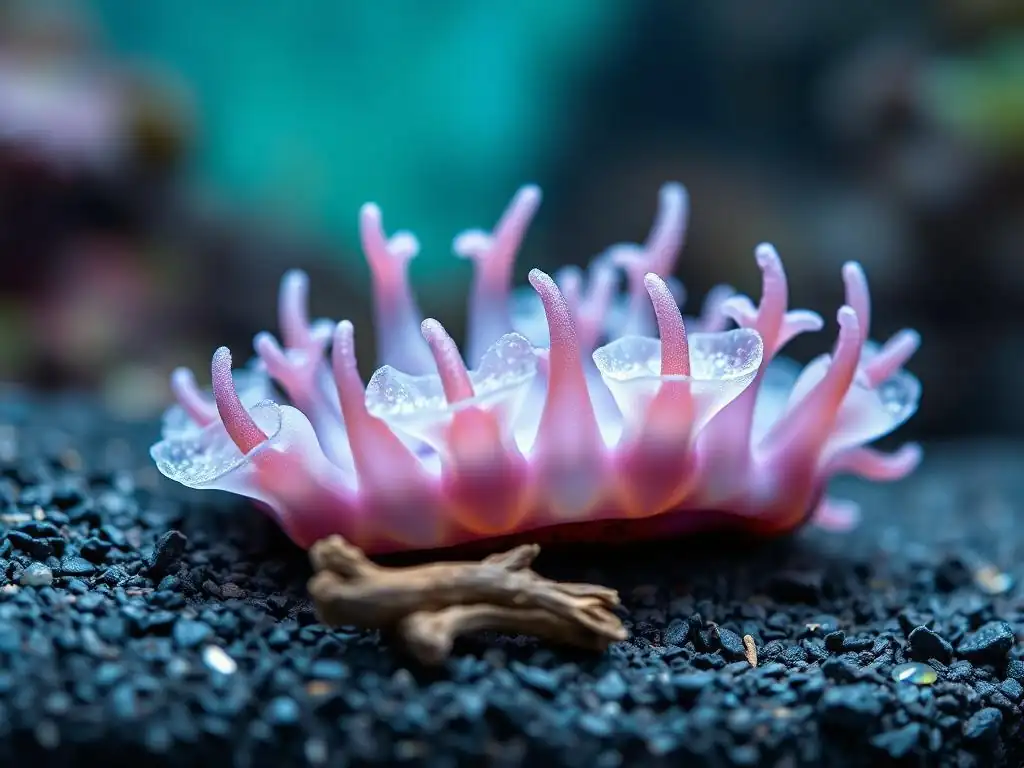
Maintaining stable and precise water parameters is paramount for the health, vibrant coloration, and robust growth of high-end zoanthid morphs. While zoanthids are generally considered hardy, slight deviations can impact their unique patterns and overall vitality. Ideal salinity levels should be maintained between 1.025 and 1.026 specific gravity, mimicking their natural marine environment. Temperature should be kept consistent within a narrow range, typically 76-78°F (24-25.5°C), as sudden fluctuations can stress the polyps and lead to retraction or melting.
Furthermore, balanced alkalinity, calcium, and magnesium levels are crucial for the skeletal development and overall metabolic functions of zoanthids, even though they are soft corals without a hard skeleton in the same way as LPS or SPS corals. Target alkalinity should be 8-12 dKH, calcium 400-450 ppm, and magnesium 1250-1350 ppm.
Regular testing, at least once a week, and precise dosing with high-quality supplements are vital components of effective highend zoanthid morphs care. Maintaining low nitrates (below 10 ppm) and phosphates (below 0.03 ppm) is also essential to prevent algae growth and ensure optimal water quality, which directly contributes to the vividness of their colors.
Lighting Requirements for Designer Zoanthids: PAR and Spectrum
Proper lighting is a critical factor in enhancing the color expression and promoting the healthy growth of designer zoanthids. While they are adaptable to a range of light intensities, most high-end zoanthid morphs thrive under moderate PAR (Photosynthetically Active Radiation) levels, typically ranging from 50 to 150 PAR. Placing them in areas of the tank where they receive this level of intensity, such as the sandbed or lower to mid-rockwork, often yields the best results. Too much light can cause them to bleach or retract, while too little can lead to dull coloration and slow growth.
The spectrum of light is equally important. Zoanthids, like many corals, benefit significantly from a blue-heavy spectrum, particularly in the 420-470 nm range, which enhances their natural fluorescence and brings out their vibrant pigments.
Many aquarists utilize LED fixtures with adjustable channels to fine-tune the blue and white light ratios, often favoring a predominantly blue spectrum for several hours a day to maximize coloration. Gradual acclimation to new lighting conditions is also key for high-end zoanthid morphs care; if moving them from a lower-light environment to a higher one, increase the intensity slowly over several days or weeks to prevent shock.
Proper Flow and Placement for Vibrant Zoanthid Colonies
Optimal water flow and strategic placement within the aquarium are essential for the long-term health and vibrant appearance of high-end zoanthid morphs. Zoanthids prefer gentle to moderate, indirect water flow. This type of flow helps to keep detritus from settling on their polyps, which can lead to irritation and potential tissue necrosis, and also assists in nutrient delivery and waste removal. Direct, strong flow can cause the polyps to remain closed or even damage their delicate tissues, hindering their ability to feed and photosynthesize effectively.
When considering placement, zoanthids are quite versatile, but typically do best on the sandbed, on rubble, or lower on the rockwork where they receive appropriate light and flow. Ensuring they have enough space to grow without being overshadowed or stung by neighboring corals is also crucial. For new frags, it's often beneficial to place them in a lower-flow, lower-light area for a few days to acclimate before moving them to their final spot. Thoughtful placement contributes significantly to effective highend zoanthid morphs care, encouraging them to open fully and display their spectacular colors.
Feeding and Supplementation for Enhanced Color and Growth in Zoanthids
While zoanthids primarily derive energy from their symbiotic zooxanthellae through photosynthesis, supplemental feeding can significantly enhance their growth rates, improve their health, and intensify their already vibrant colors, particularly for high-end morphs. These corals are micro-predators and will readily consume small particulate foods. Target feeding with products like phytoplankton, zooplankton, or specialized coral foods once or twice a week is highly beneficial. Examples of suitable foods include live rotifers, powdered coral foods, or even finely crushed flake food.
Beyond direct feeding, supplementing the water column with essential trace elements and amino acids can further support the metabolic processes responsible for color production. Products containing amino acids, such as those from Brightwell Aquatics or Two Little Fishies, are often used by aquarists to boost coral vitality and coloration. Dosing calcium, alkalinity, and magnesium, as mentioned previously, also plays a foundational role in their overall health. A comprehensive approach to feeding and supplementation is a cornerstone of advanced highend zoanthid morphs care, ensuring these valuable corals reach their full potential.
Identifying Authentic Designer Zoanthids: Avoiding Scams
Recognizing Key Characteristics of Popular High-End Zoanthid Morphs
Identifying authentic designer zoanthid morphs requires a keen eye for detail and familiarity with their specific characteristics, which can help prevent purchasing mislabeled or common varieties. Each popular high-end morph, such as 'Whammin Watermelons', 'Sunny D's', or 'Nuclear Green', has a distinct combination of skirt color, mouth color, and patterns on the oral disc that are unique to it.
For instance, 'Sunny D's' are known for their bright orange and yellow coloration, often with a green center, while 'Nuclear Green' zoanthids exhibit an almost glowing, intense green. It's crucial to study high-quality reference photos from reputable sources to familiarize yourself with these specific traits.
Additionally, observe the polyp shape and size, as some designer morphs might exhibit slightly different growth habits or sizes compared to standard zoanthids. For example, some 'Bounce' zoas (though technically a different genus, often grouped with zoas in discussions of high-end morphs) are known for their distinctive bubbly texture. When evaluating a purchase, compare the polyps directly to known images of the named morph.
Be wary of sellers offering "designer" zoanthids without specific names or with vague descriptions, as this can be a red flag. A critical aspect of highend zoanthid morphs care starts with ensuring you're acquiring the genuine article.
Reputable Vendors and Sources for Purchasing Designer Zoanthids
Purchasing high-end zoanthid morphs from reputable vendors and established sources is paramount to ensure authenticity and the health of your new corals. Online forums, dedicated reefing communities, and well-known online coral retailers are generally the safest places to buy. Look for vendors with extensive positive reviews, a long history in the hobby, and clear policies regarding shipping, live arrival guarantees, and customer support. Forums like Reef2Reef have dedicated vendor sections where aquarists share their experiences, providing valuable insights into a vendor's reliability.
Local fish stores (LFS) can also be excellent sources, especially if they specialize in corals and have a knowledgeable staff. Visiting an LFS allows you to inspect the corals in person for signs of health, such as fully open polyps, vibrant color, and absence of pests. When purchasing online, always request current photos or videos of the exact frag you will receive, if possible, to confirm its appearance and condition. Avoiding obscure or unverified sellers on social media marketplaces, where accountability is often low, is a key piece of advice for secure highend zoanthid morphs care and acquisition.
The Importance of Quarantine and Acclimation for New Zoanthids
Even when acquiring high-end zoanthid morphs from the most reputable sources, proper quarantine and acclimation procedures are non-negotiable for safeguarding your existing tank inhabitants and the new corals themselves. Upon arrival, new zoanthids should be dipped in an iodine-based or commercially available coral dip solution for 5-10 minutes. This process helps to dislodge and kill common pests such as zoanthid-eating nudibranchs, Sundial snails, and various flatworms that can hitchhike into your display tank and wreak havoc on your valuable collection.
Following the dip, the zoanthids should be placed in a dedicated quarantine tank (QT) for at least 30 days. This allows you to observe them for any signs of disease, pests, or stress without risking the health of your main system. During quarantine, maintain stable parameters mimicking your display tank and offer appropriate lighting and flow.
After the quarantine period, gradually acclimate the zoanthids to your display tank's specific lighting and flow conditions over several days by starting them in a lower-light, lower-flow area before moving them to their final desired placement. This meticulous approach to quarantine and acclimation is fundamental to successful highend zoanthid morphs care.
Comparing High-End vs. Standard Zoanthid Morphs
Differences in Coloration, Patterns, and Growth Rates
The most striking difference between high-end and standard zoanthid morphs lies in their coloration and intricate patterns. Standard zoanthids, often collected directly from the wild, typically exhibit more subdued colors, such as various shades of brown, green, and dull orange. While still attractive, their patterns are generally simpler, often a single dominant color with a contrasting mouth or skirt.
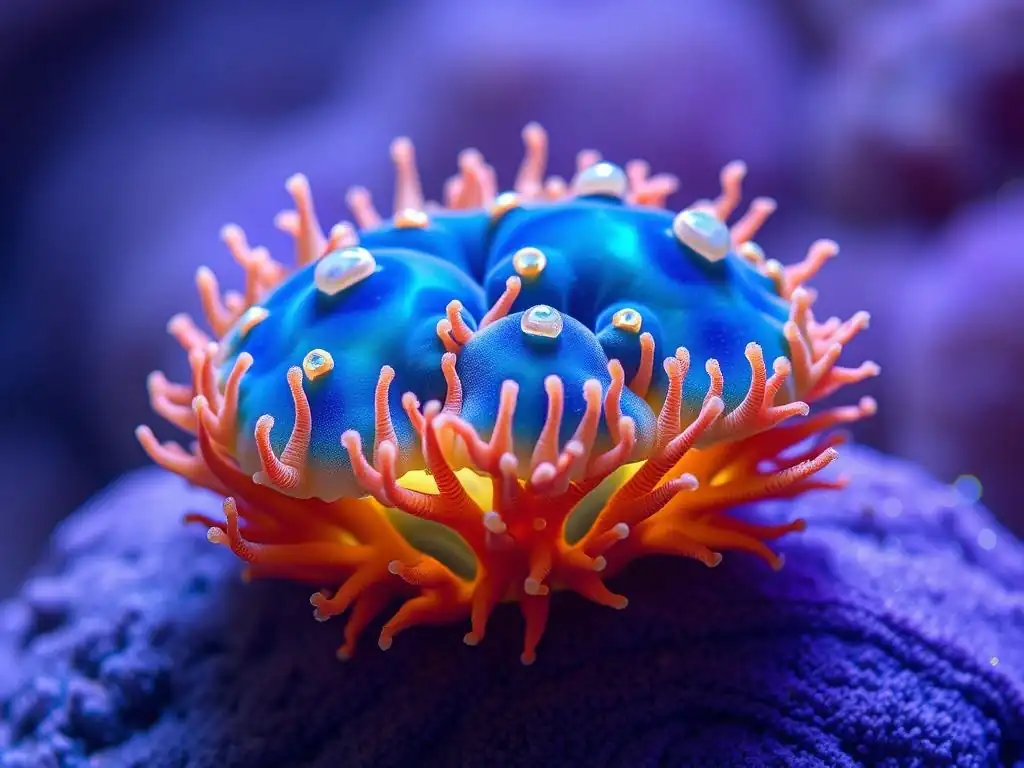
In contrast, high-end designer zoanthids boast an explosion of vibrant, often iridescent colors, with complex patterns involving multiple distinct hues, speckles, and radial stripes within a single polyp. For example, a common green zoanthid might sell for $5-10 for a frag of 5-10 polyps, whereas a single polyp of a 'WWC Kung Pao' or 'Vampire's Kiss' zoanthid, with its unique color combination, could easily fetch $75-$150.
Regarding growth rates, there isn't a universal rule, but some observations can be made. Many standard zoanthids are known for their rapid colonization and prolific growth, often forming large mats relatively quickly under optimal conditions. This fast growth contributes to their lower price point and widespread availability.
While many high-end zoanthid morphs also grow well, some of the more exotic or newly discovered varieties can have slower growth rates, which further contributes to their rarity and higher price. This slower propagation can make building a large colony of a specific high-end morph a more patient endeavor, demanding meticulous highend zoanthid morphs care to maximize their growth potential.
Hardiness and Resilience of Designer Zoanthids Compared to Common Varieties
In terms of hardiness and resilience, both high-end and standard zoanthid morphs generally share a similar baseline. Zoanthids as a genus are widely regarded as one of the hardier soft corals suitable for reef aquariums, capable of tolerating a wider range of water parameters compared to more sensitive SPS corals. They are quite forgiving of minor fluctuations in salinity or temperature, and can often recover from stress more readily than other coral types. This inherent resilience makes them a popular choice for many aquarists.
However, the perceived "delicacy" of high-end zoanthids often stems more from their monetary value than an actual biological fragility. Because an aquarist has invested a significant sum in a single polyp or small frag, they are naturally more meticulous about its care and quick to notice any signs of stress.
While a common zoanthid might melt back and recover, the loss of a rare 'Blue Hornet' polyp, valued at $80, is a much more painful experience. Therefore, while their biological hardiness is comparable, the level of care applied to high-end zoanthid morphs care tends to be more rigorous due to their perceived value, often leading to better overall outcomes simply because they are monitored more closely.
The "Worth It" Factor: Evaluating the Value of Designer Zoanthids
Considering Personal Preferences and Aesthetic Goals
The "worth it" factor for designer zoanthids is highly subjective and deeply intertwined with an individual's personal preferences and aesthetic goals for their reef aquarium. For some aquarists, the allure of collecting rare, vibrant, and unique coral pieces is a core aspect of the hobby. They may prioritize having a diverse collection of showpiece corals, each with its own story and distinct beauty, over simply filling their tank with common varieties. The visual impact of a colony of 'Vampire's Kiss' or 'Rainbow Incinerator' zoanthids, with their unparalleled color combinations, can be truly breathtaking and elevate the entire aquascape.
Conversely, aquarists focused on creating a lush, densely packed reef with widespread coral growth might find the high cost per polyp of designer zoanthids prohibitive. They might prefer to invest in larger quantities of more affordable, yet still attractive, standard zoanthids or other coral types to achieve their desired look.
Ultimately, the decision hinges on whether the unique coloration and rarity of high-end zoanthid morphs align with the aquarist's vision for their tank and their personal appreciation for these living works of art. The satisfaction derived from their unique beauty is often the primary justification for the investment in highend zoanthid morphs care.
Budgeting for High-End Zoanthids: Initial Cost vs. Long-Term Investment
Budgeting for high-end zoanthids requires a clear understanding of both the initial acquisition cost and the potential for long-term investment. The initial outlay for a single polyp of a desirable designer morph can range significantly, from approximately $40 for a relatively common designer like 'Fire and Ice' to over $200 for a rare 'Holy Grail' or 'Godzilla' morph. A small frag of 2-3 polyps can easily cost several hundred dollars. This contrasts sharply with standard zoanthids, where 5-10 polyps might cost $20-$40. Aquarists must determine if this significant upfront cost fits within their overall hobby budget.
However, viewing high-end zoanthids as a long-term investment can alter the perception of their value. With proper highend zoanthid morphs care, these corals can grow into thriving colonies over time. A single polyp, once established, can multiply into dozens or even hundreds of polyps within a year or two, depending on the morph's growth rate. These propagated frags can then be traded or sold, potentially recouping the initial investment or even generating profit. This prospect of propagation and trade transforms the initial expense into a dynamic asset within the reefing community, adding another layer to their perceived worth.
The Satisfaction of Owning Rare and Unique Reef Inhabitants
For many passionate reef aquarists, the satisfaction derived from owning rare and unique reef inhabitants, such as high-end designer zoanthids, extends far beyond their monetary value. There is a profound sense of pride and accomplishment in successfully maintaining and growing these often-coveted corals, especially when they display their full, vibrant potential. The unique patterns and intense colors of morphs like 'Red People Eaters' or 'Blue Hornets' can become focal points in an aquarium, drawing the eye and sparking conversation among fellow hobbyists.
This satisfaction is also fueled by the community aspect of the hobby. Sharing images and updates of thriving high-end zoanthid morphs on online forums or social media often garners appreciation and admiration from others who understand the effort and investment involved in their care. It’s about being part of an exclusive group of collectors and experiencing the joy of nurturing something truly special. For these enthusiasts, the aesthetic pleasure and the sense of achievement make the investment in meticulous highend zoanthid morphs care entirely worthwhile.
Maintaining the Value of Your Investment: Zoanthid Propagation and Trade
Fragging Techniques for Zoanthids: Expanding Your Collection
Fragging zoanthids is a relatively straightforward process that allows aquarists to expand their high-end zoanthid morphs collection or prepare them for trade. The most common method involves carefully detaching a small group of polyps from the main colony using a sharp, clean razor blade or bone cutters. It's crucial to perform this task outside the main display tank to avoid introducing potential irritants or tissue fragments into the water. After cutting, the fragged polyps are typically glued to a small frag plug or rubble rock using cyanoacrylate glue (super glue gel).
Before and after fragging, it's advisable to dip the zoanthids in a coral dip solution for 5-10 minutes to minimize stress and prevent infection. Allow the glue to cure in the air for about 30 seconds before placing the frag back into a shallow container of tank water.
Place the newly fragged zoanthids in an area of lower flow and moderate light in your tank or a dedicated frag tank for a few weeks to allow them to heal and attach firmly to their plug. Successful fragging not only expands your collection but also increases the liquidity of your investment in highend zoanthid morphs care.
Navigating the market for trading and selling designer zoanthids can be a rewarding way to recoup investments, acquire new morphs, and engage with the reefing community. Online forums, such as Reef2Reef's marketplace, and local reef club meetings are excellent platforms for this. When selling, clear, high-quality photos of the exact frag are essential to attract buyers and accurately represent the morph's colors and patterns. Providing detailed information about the frag's size (e.g., "3 polyps of Utter Chaos") and its care history can build trust with potential buyers.
Pricing should be competitive but reflect the rarity and demand of the specific morph, often based on current market trends seen on reputable vendor sites. Packaging for shipping requires careful attention to detail, including double-bagging the frag in clean tank water, using heat or cold packs depending on ambient temperatures, and insulating the box to ensure safe arrival. Building a reputation as a reliable and ethical seller or trader is crucial for long-term success in this niche market, making it an integral part of advanced highend zoanthid morphs care and management.
Documenting and Tracking Your Zoanthid Collection
For those who view high-end zoanthids as an investment or simply enjoy collecting, meticulously documenting and tracking your collection is highly beneficial. This practice involves keeping a detailed record of each morph you acquire, including its specific name, the date of purchase, the vendor, the initial cost, and the number of polyps. Beyond acquisition details, tracking growth rates, fragging dates, and any notable changes in coloration or health can provide valuable insights into the specific needs of each morph and the overall effectiveness of your highend zoanthid morphs care routine.
Many aquarists use simple spreadsheets, dedicated mobile apps, or even physical notebooks for this purpose. Including photos of the zoanthids over time can visually illustrate their growth and color development, which is particularly useful for rare or slow-growing varieties. This documentation not only helps in managing your collection but also serves as a historical record that can be invaluable when troubleshooting issues, planning future trades, or simply appreciating the evolution of your reef tank over the years.
Troubleshooting Common Issues with Designer Zoanthids
Zoanthid Pox: Identification and Treatment
Zoanthid Pox, also known as Zoanthid RTN (Rapid Tissue Necrosis) or zoa pox, is a relatively common and often alarming ailment that can affect zoanthids, including high-end morphs. It manifests as small, white, pimple-like lesions or bumps on the polyps, typically on the column or skirt, which can quickly spread and lead to tissue recession or melting. The exact cause is debated, but it is often attributed to a bacterial infection, possibly Vibrio species, or a viral agent. Early identification is crucial for effective treatment and preserving your valuable highend zoanthid morphs care.
Treatment typically involves administering a broad-spectrum antibiotic. Furan-2 is a commonly used medication, applied as a short-term bath or dip. To treat, prepare a separate container with tank water and the appropriate dosage of Furan-2 (e.g., one packet per 10 gallons). Dip the affected zoanthids for 30-60 minutes daily for 3-5 days, or until symptoms subside.
Ensure good water flow in the dip container. Some aquarists also report success with freshwater dips of 30-60 seconds to dislodge external parasites, though this is not a direct treatment for pox itself. Maintaining stable water parameters and good water quality in the main tank can help prevent outbreaks.
Nudibranchs and Other Pests Affecting Zoanthids
Zoanthid-eating nudibranchs (often Aeolidiella species) are one of the most notorious and destructive pests that can plague zoanthid colonies, including high-end morphs. These small, camouflaged sea slugs feed exclusively on zoanthid polyps, causing them to retract, fail to open, and eventually waste away. They often match the color of the zoanthids they are consuming, making them incredibly difficult to spot, especially in crevices or on the underside of plugs. Look for classic signs like retracted polyps, polyps that won't open, or small, white, spiral egg masses laid on the frag plug or nearby rockwork.
Other pests include Sundial snails (which also consume zoanthid tissue) and various types of flatworms. Manual removal of nudibranchs and snails (using tweezers) is a primary method, but it is often insufficient due to their small size and rapid reproduction. Regular coral dips using commercially available products (e.g., Revive, Coral Rx) or iodine-based solutions are highly effective at dislodging or killing these pests. Dipping new zoanthids before introduction to the display tank and repeating dips every few weeks during quarantine is the best defense against these threats, forming a critical part of comprehensive highend zoanthid morphs care.
Addressing Fading Color and Poor Growth in High-End Zoanthids
Fading color and poor growth in high-end zoanthids are common issues that often indicate suboptimal environmental conditions or nutrient deficiencies. The vibrant, distinct colors that make designer zoanthids so desirable can dull or disappear if their specific needs are not met. One of the most frequent culprits is inadequate or inappropriate lighting. If PAR levels are too low, the zooxanthellae cannot photosynthesize efficiently, leading to dull colors and slow growth. Conversely, excessive PAR can cause bleaching or browning. Monitoring PAR with a meter and adjusting light intensity or placement is often the first step.
Another major factor is water quality and nutrient availability. While zoanthids can tolerate some nutrients, very high nitrates or phosphates can stress them and lead to faded colors. Conversely, ultra-low nutrient systems (ULNS) might deprive them of essential elements for growth and color. Ensuring stable parameters (alkalinity, calcium, magnesium) and providing supplemental feeding (phytoplankton, amino acids) can significantly improve color and growth. If a high-end zoanthid morph is fading, systematically checking your lighting, water parameters, and feeding regimen is essential for effective highend zoanthid morphs care and restoration of their vibrancy.
Conclusion: Making an Informed Decision About Designer Zoanthids
Weighing the Pros and Cons of Investing in High-End Morphs
Investing in high-end designer zoanthids presents both compelling advantages and notable drawbacks that aquarists should carefully consider. On the positive side, these morphs offer unparalleled aesthetic appeal, boasting unique and vivid color combinations that can transform a reef tank into a stunning display. Owning them provides a sense of pride and accomplishment, and their relative hardiness compared to more demanding corals makes them accessible to a wider range of hobbyists. Furthermore, the potential for propagation allows for expansion of the collection or even recouping initial costs through fragging and trading.
However, the significant financial investment is a primary deterrent, with single polyps often costing as much as a small colony of common corals. The intense demand can also lead to inflated prices and the risk of scams if not sourced from reputable vendors. While generally hardy, their high value often means increased anxiety over potential loss, requiring meticulous attention to highend zoanthid morphs care. Ultimately, the decision to invest hinges on an aquarist's budget, their aesthetic priorities, and their willingness to commit to the specific care and management these valuable corals entail.
Alternatives to High-End Zoanthids for Budget-Conscious Reefers
For budget-conscious reefers who appreciate the beauty of zoanthids but find the price tag of high-end morphs prohibitive, several excellent alternatives exist. Standard zoanthid varieties, often referred to as "common" or "wild-type" zoanthids, still offer a wide array of attractive colors, including various greens, browns, oranges, and reds, at a fraction of the cost. A frag of 10-20 polyps of common zoanthids can often be purchased for $20-$40, providing significant coverage and visual appeal without breaking the bank. These varieties are just as hardy, if not more so, and grow rapidly, allowing for quick colonization of the tank.
Furthermore, exploring other types of soft corals, such as mushrooms (e.g., Rhodactis or Discosoma species) or various leather corals, can provide vibrant coloration and interesting textures at more accessible price points. Many mushroom corals offer stunning blues, greens, and reds, and some, like bounce mushrooms, can even develop unique textures akin to designer zoanthids. These alternatives allow aquarists to create a diverse and colorful reef environment without the substantial financial commitment associated with collecting the most coveted high-end zoanthid morphs.
The Future of Designer Zoanthids in the Reefing Hobby
The future of designer zoanthids in the reefing hobby appears bright and dynamic, driven by ongoing advancements in aquaculture and sustained collector interest. As aquaculturing techniques continue to improve, more unique morphs are being successfully propagated, potentially leading to increased availability and a gradual stabilization or even reduction in prices for some established designer lines. This trend could make high-end zoanthid morphs care more accessible to a broader range of hobbyists over time.
However, the constant discovery and introduction of new, even more exotic and rare morphs ensures that the "high-end" segment of the market will likely persist, catering to dedicated collectors seeking the next unique piece. The community aspect, fueled by social media and online trading platforms, will continue to play a crucial role in driving demand and shaping trends. As aquarists become more knowledgeable about highend zoanthid morphs care, these vibrant corals will undoubtedly remain a coveted and captivating element within the diverse world of reef aquariums.
Frequently Asked Questions
What exactly are "high-end zoanthid morphs"?
High-end zoanthid morphs are selectively bred varieties of zoanthids known for their unique colors and patterns. They often command higher prices due to their rarity and desirability.
Why are some zoanthid morphs so expensive?
The high cost is generally due to rarity, demand, and the difficulty in propagating them. Some morphs are also known for their slow growth rates.
What special care do high-end zoanthid morphs require?
While generally similar to other zoanthids, high-end morphs may be more sensitive to water parameters and require stable conditions. Providing optimal lighting and flow is crucial.
How do I know if I'm buying a legitimate high-end zoanthid morph?
Purchase from reputable vendors known for their accurate labeling and healthy livestock. Always research the vendor and ask for high-quality photos or videos.
What are some common issues when caring for high-end zoanthid morphs?
Common issues include pests like zoanthid eating nudibranchs, algae overgrowth, and water quality fluctuations. Consistent monitoring and maintenance are key to prevention.
Final Reflection: The Enduring Allure of Zoanthid Beauty
The vibrant world of designer zoanthids, as we've explored, is more than just a niche hobby; it's a testament to the human desire for beauty and the captivating power of the natural world. The ongoing demand for high-end zoanthid morphs underscores a deeper appreciation for the intricate artistry found within our oceans, a sentiment that resonates even more strongly in a world increasingly disconnected from nature. This pursuit of rare and stunning corals reflects a broader cultural trend of seeking unique experiences and tangible expressions of individuality.
This journey into the realm of designer zoanthids has been a reminder of the delicate balance between appreciation and responsibility. Witnessing the dedication and passion of reef keepers, and the sheer beauty of these creatures, reinforces the importance of sustainable practices and ethical sourcing within the aquarium hobby. The beauty of the natural world lies in details, and the details of a zoanthid colony are a microcosm of the ocean's splendor.
This quote encapsulates the profound connection we can forge with nature through even the smallest of organisms, urging us to protect their future.
As you consider the allure and the investment involved in acquiring high-end zoanthid morphs, remember that the true value lies not just in their rarity or price tag, but in the joy and wonder they inspire. Let the vibrant colors and intricate patterns of these designer zoanthids serve as a constant reminder of the beauty that surrounds us, and inspire you to become a steward of the ocean's health, ensuring that future generations can marvel at these living jewels.
Ignite Your Reef Tank: Plunge Deeper into the Zoanthid Galaxy!
Thanks for exploring the vibrant world of designer zoanthids with us! We hope you found the information helpful in navigating the hype and price points. Now, it's time to take action and elevate your reef-keeping experience.
- Consider adding one stunning, ethically sourced designer zoanthid frag to your reef tank and observe its growth and coloration under your specific lighting and water parameters. Document its progress to understand its unique needs.
- Delve into the fascinating world of zoanthid photography. Capture the intricate patterns and colors of your zoanthids and share them with the reefing community. Participate in a zoanthid photo contest to showcase your eye for detail.
- Unexpected action: Research and create your own unique zoanthid naming convention, embracing creativity and originality. Move beyond the commonly used names and make your mark in the reefing world.
What's the most captivating designer zoanthid you've ever encountered, and what makes it so special to you? Share your experience in the comments below!