
Why Aren't My LPS Corals Opening? A Diagnostic Guide

Welcome to Aquarium Mastery!
Ever stared into your tank, wondering why your beautiful LPS corals are stubbornly refusing to open? You're not alone! Dive into our diagnostic guide, "Why Aren't My LPS Corals Opening? A Diagnostic Guide," and unlock the secrets to thriving LPS corals. We'll explore the common culprits and provide actionable solutions to bring your vibrant corals back to life. Let's get started and uncover the mysteries behind those closed polyps!
- Understanding LPS Coral Behavior and Opening Patterns
- Diagnosing the Problem: Why Your LPS Coral Isn't Opening
- Troubleshooting LPS Coral Opening Problems: A Step-by-Step Approach
- Long-Term LPS Coral Care for Optimal Opening and Health
- Preventing LPS Coral Closure: Proactive Measures
- When to Seek Expert Advice for LPS Coral Problems
-
Frequently Asked Questions
- Why aren't my LPS corals opening despite having stable water parameters?
- What specific water parameters are most crucial for LPS coral opening and health?
- Could lighting be the reason my LPS corals are not opening fully?
- How often should I feed my LPS corals, and what type of food is best?
- What are some common pests that can irritate LPS corals and prevent them from opening?
- Final Reflection: Unlocking the Secrets of Thriving LPS Corals
- Unlock the Secret to Thriving LPS Corals!
Understanding LPS Coral Behavior and Opening Patterns
Normal LPS Coral Opening: What to Expect
Healthy LPS (Large Polyp Stony) corals typically exhibit full polyp extension, displaying their fleshy bodies and often their feeding tentacles during the day. This extension is a sign of contentment and efficient photosynthesis from their symbiotic zooxanthellae, coupled with readiness to capture food particles from the water column. For species like Euphyllia (e.g., Frogspawn, Hammer), polyps can extend several inches, gently swaying with the water flow, while species such as Favia or Acanthastrea might have polyps that extend only a few millimeters but are fully inflated and turgid.
The degree of polyp extension can also vary throughout the day and night. Many LPS corals, particularly those that primarily feed at night, will extend their sweeping tentacles further in the dark to capture planktonic organisms. Observing these daily rhythms is crucial for understanding your specific coral's normal behavior, as any deviation, such as your LPS corals not opening as expected, can be an early indicator of stress or a problem within the aquarium environment.
Factors Influencing LPS Coral Polyp Extension
Several critical environmental factors directly influence the extent and consistency of LPS coral polyp extension. These include stable water parameters, appropriate lighting, adequate water flow, and the absence of pests or predators. When these conditions are met, LPS corals can fully extend their polyps, maximize light absorption, and efficiently feed, leading to robust growth and vibrant coloration.
Conversely, any imbalance or stressor in the aquarium can cause LPS corals to retract their polyps as a defense mechanism. This could range from subtle changes in alkalinity to sudden shifts in lighting or the presence of an irritant. Understanding these influencing factors is the first step in diagnosing why your LPS corals not opening might be occurring, as consistent polyp extension is a primary indicator of a thriving LPS coral.
Diagnosing the Problem: Why Your LPS Coral Isn't Opening
Water Quality Issues Affecting LPS Coral Opening
Ammonia, Nitrite, and Nitrate Imbalances
Any detectable level of ammonia or nitrite is highly toxic to LPS corals and will invariably cause them to retract their polyps, often leading to rapid tissue necrosis if not addressed immediately. Even in mature reef tanks, a sudden die-off of a fish or an overfeeding event can cause ammonia spikes. Nitrates, while less acutely toxic, can still be detrimental at elevated levels; while some LPS corals can tolerate up to 20-30 ppm, levels consistently above 40-50 ppm can suppress polyp extension, inhibit calcification, and encourage nuisance algae growth, further stressing the coral.
When an LPS coral is not opening due to these imbalances, it often presents with a "slimy" appearance or appears deflated, even if no visible tissue loss has occurred yet. Regular testing with reliable test kits is paramount. If ammonia or nitrite are present, immediate large water changes (e.g., 25-50%) are necessary, along with identifying and removing the source of the imbalance. For high nitrates, consistent water changes, proper nutrient export methods like protein skimming, and potentially the use of nitrate-reducing media are essential to restore your LPS coral health.
Alkalinity, Calcium, and Magnesium Instability
Alkalinity, calcium, and magnesium are the fundamental building blocks for an LPS coral's skeletal growth and overall physiological processes. Optimal ranges are typically 7-9 dKH for alkalinity, 400-450 ppm for calcium, and 1250-1350 ppm for magnesium. Fluctuations outside these ranges, or rapid swings within them, are far more detrimental than slightly off but stable parameters, causing significant stress that manifests as retracted polyps and poor LPS coral polyp extension.
Low alkalinity, for instance, directly impedes the coral's ability to deposit calcium carbonate for its skeleton, leading to slowed growth and often a visibly "deflated" appearance as the coral struggles to maintain turgor. Similarly, insufficient calcium or magnesium can hinder calcification, making the coral brittle and weak, and reducing its overall vitality. Regular testing, ideally daily for alkalinity in growing tanks, and a consistent dosing regimen (e.g., two-part solutions or Kalkwasser) are crucial to ensure your LPS corals open fully and thrive.
Phosphate Levels and LPS Coral Health
Elevated phosphate levels are a common culprit when LPS corals are not opening properly. Phosphates, even at concentrations as low as 0.05-0.1 ppm, can inhibit calcification by competing with carbonate ions during skeletal deposition, directly impacting coral growth and overall health. Beyond inhibiting growth, high phosphates can lead to nuisance algae outbreaks, which can directly irritate and smother LPS corals, forcing them to retract.
Many aquarists aim for phosphate levels below 0.03 ppm, with some striving for undetectable levels, though this requires careful balancing with nitrates to avoid coral "stunting" or starvation. When phosphates are high, LPS corals may appear dull, exhibit reduced polyp extension, or even show signs of tissue recession. Implementing phosphate-reducing media (e.g., GFO), maintaining robust nutrient export through protein skimming, and avoiding overfeeding are vital steps to control phosphates and encourage full LPS coral polyp extension.
Lighting Problems Impacting LPS Coral Polyp Extension
Insufficient Light Intensity for LPS Corals
While LPS corals generally require less light than their SPS counterparts, insufficient light intensity can still be a significant factor in why your LPS corals are not opening. Corals rely on their symbiotic zooxanthellae to perform photosynthesis, which provides a substantial portion of their energy needs (often 70-90%). If the Photosynthetically Active Radiation (PAR) levels are too low, the coral cannot produce enough energy, leading to sluggishness, dull coloration, stretching for light, and ultimately, retracted polyps.
A typical PAR range for many common LPS corals like Euphyllia or Goniopora is generally between 50-150 PAR at the coral's location, though this can vary by species and individual coral. If your corals are placed in a shaded area or under a light fixture that is too weak or too far from the coral, they will struggle. Symptoms of low light often include a pale appearance as zooxanthellae populations diminish, and a noticeable lack of the vibrant, full extension you'd expect from healthy LPS coral behavior.
Incorrect Light Spectrum and PAR Levels
Beyond mere intensity, the spectrum of light provided is equally crucial for LPS coral health and full polyp extension. Corals primarily utilize wavelengths in the blue spectrum (around 450-470 nm) for photosynthesis, which is why blue-heavy lighting often enhances their coloration and vitality. A light source lacking these vital wavelengths, even if intense, may not provide the necessary energy for the zooxanthellae, leading to stress and closure.
Conversely, too much PAR can be just as detrimental as too little, causing photostress or bleaching. PAR levels exceeding 200-250 for many common LPS can overwhelm the zooxanthellae, leading to oxidative stress. In response, the coral may expel its zooxanthellae, resulting in bleaching and a complete retraction of polyps as a defense mechanism. Finding the "sweet spot" for both intensity and spectrum is key to encouraging consistent LPS coral polyp extension.
Light Shock: Sudden Changes in Lighting
Introducing a new coral to an aquarium with significantly different lighting, or making abrupt, drastic changes to your existing lighting system (e.g., upgrading fixtures, suddenly increasing intensity by 50% or more), can induce light shock. This sudden overload of light energy can overwhelm the coral's zooxanthellae, leading to immediate and prolonged polyp retraction as the coral attempts to protect itself from photo-damage.
Light shock often results in the new LPS coral not opening for several days, sometimes even weeks, as it acclimates and adjusts its zooxanthellae population to the new conditions. To prevent this, new corals should be acclimated gradually, perhaps starting in a lower-light area of the tank or under reduced light intensity, then slowly moved or ramped up over a period of 1-2 weeks. Even for existing corals, light intensity adjustments should be made incrementally, typically by no more than a 5-10% increase per week, to allow for proper adaptation.
Flow Rate Issues: Too Much or Too Little
Identifying the Right Flow for LPS Corals
Water flow is a critical, yet often underestimated, factor for optimal LPS coral health and polyp extension. LPS corals generally prefer moderate, indirect, and turbulent flow. This type of flow ensures that detritus and waste products are swept away from the coral's tissue, preventing localized build-up of harmful substances. It also ensures that the coral has constant access to fresh, oxygenated water and food particles, promoting efficient nutrient uptake.
Too strong and direct flow, however, can physically batter the delicate polyps of LPS corals, preventing them from extending fully. For instance, a direct blast from a powerhead can cause Euphyllia polyps to retract or even tear. Conversely, insufficient flow can lead to "dead spots" where waste accumulates, starving the coral of nutrients and creating an unhealthy microenvironment. Observing how your coral's polyps sway and extend is key to determining if the flow is appropriate; they should gently undulate, not be flattened or constantly whipping.
The Impact of Dead Spots on LPS Coral Health
Dead spots are areas within the aquarium where water movement is minimal or stagnant, leading to the accumulation of detritus, uneaten food, and waste products around corals. These localized pockets of poor water quality can be highly detrimental to LPS corals, even if the overall tank parameters test as stable. Corals situated in dead spots are effectively "suffocating" in their own waste and are deprived of fresh, oxygenated water and circulating nutrients.
When an LPS coral is not opening and is located in a dead spot, it will often appear lethargic, show reduced polyp extension, or may even develop localized tissue necrosis, particularly at its base. The accumulated detritus can also promote bacterial growth directly on the coral tissue, leading to infections. Regularly cleaning powerheads, adjusting their positioning, and ensuring comprehensive flow throughout the aquascape are vital steps to eliminate dead spots and ensure consistent LPS coral polyp extension.
Pests and Predators Affecting LPS Coral Opening
Identifying Common LPS Coral Pests
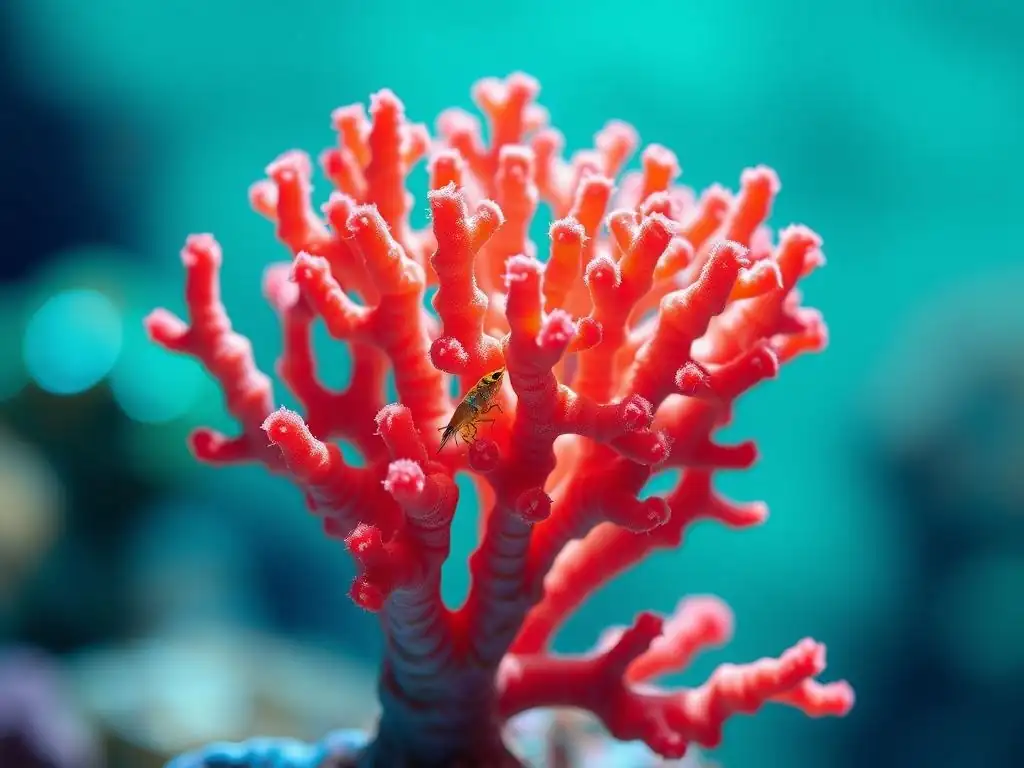
Pests and predators are a common, yet often overlooked, reason why LPS corals are not opening. These unwelcome guests can cause direct physical damage, irritate the coral, or consume its tissue, leading to retraction, tissue loss, and even death. Common culprits include various nudibranchs that specifically prey on certain LPS species (e.g., Euphyllia-eating nudibranchs, which are tiny, white, and often blend in), flatworms (though less common on LPS than SPS, some generalist flatworms can irritate), and even certain types of parasitic snails.
Identifying these pests often requires careful, close inspection of the coral, especially at night or when it's retracted. Look for small white or clear bumps on the coral's flesh, bite marks, receding tissue, or unusual slime production. For instance, Euphyllia-eating nudibranchs lay distinctive white spiral egg masses on the coral's skeleton. A magnifying glass can be invaluable for spotting these elusive threats and understanding why your LPS coral health is declining.
Treating for Coral Pests: Bayer Insecticide Dip
Once identified, treating for coral pests is crucial to restore LPS coral health. One common and effective method is a coral dip using a product like Bayer Complete Insect Killer (active ingredient: Imidacloprid). A typical concentration is 0.5-1 ml per gallon of tank water, with the coral dipped for 10-15 minutes. The coral should be gently swished or agitated during the dip to dislodge pests. After the dip, thoroughly rinse the coral in clean, established tank water before returning it to the display.
Other commercial coral dips, such as Coral Rx or Revive, are also highly effective and often contain natural extracts designed to irritate and dislodge pests without harming the coral. Always follow the manufacturer's instructions carefully for any dip product. It is highly recommended to dip all new corals, even if they appear clean, as a proactive measure to prevent pests from entering your main display tank and causing your established LPS corals not opening.
Physical Damage and Handling Stress
Avoiding Physical Damage During Handling
LPS corals, particularly those with large, fleshy polyps like Euphyllia or Goniopora, are incredibly delicate and prone to physical damage. Even a seemingly minor bump or scrape can tear their thin tissue, leading to open wounds that are susceptible to bacterial infection and subsequent tissue recession. Always handle LPS corals by their hard skeletal base, never by the fleshy polyps. When placing or moving them within the aquarium, do so gently and deliberately, ensuring they do not come into contact with rocks, other corals, or sharp objects.
Accidental drops or impacts, even from a short distance, can cause skeletal fractures or significant tissue lacerations, resulting in the LPS coral not opening and exhibiting signs of severe stress. If fragging, use specialized coral cutters to ensure clean breaks and minimize trauma. Proper care during handling is paramount to prevent mechanical stress that can lead to prolonged retraction and compromise your LPS coral health.
The Effects of Shipping Stress on LPS Corals
Shipping is an inherently stressful process for any live coral, and LPS corals are particularly susceptible due to their delicate nature. During transit, corals endure prolonged confinement in a small bag, often significant temperature fluctuations (even with heat/cold packs), lack of light, and constant physical agitation. This cumulative stress can cause corals to arrive severely retracted, deflated, and appearing almost lifeless, often taking days or even weeks for the LPS corals to open fully again.
Upon arrival, proper acclimation is crucial. This typically involves drip acclimation for 30-60 minutes to slowly equalize temperature and salinity, followed by a gentle dip (e.g., an iodine-based dip like Lugol's at 10 drops per liter for 5-10 minutes) to reduce bacterial load and help cleanse the coral. Placing the newly arrived coral in a lower-light, lower-flow area of the tank initially can also aid in recovery, allowing it to gradually re-inflate and acclimatize without further stress.
Disease and Infection
Recognizing Signs of Coral Disease
Coral diseases can manifest rapidly and devastatingly, often causing LPS corals not opening and leading to irreversible tissue loss. Recognizing the signs early is critical for intervention. Common diseases affecting LPS corals include Brown Jelly Disease (BJD), Rapid Tissue Necrosis (RTN), and Slow Tissue Necrosis (STN). BJD is characterized by a rapidly spreading brown, slimy, gelatinous goo that consumes coral tissue, often leaving bare skeleton behind within hours. It's highly contagious and often appears after physical damage or severe stress.
RTN and STN involve the rapid or slow peeling away of tissue from the skeleton, respectively. With RTN, healthy tissue can disappear overnight, while STN progresses over days or weeks, often starting from the base or edges. Other signs might include discolored patches, unusual white spots, or an overall "fuzzy" appearance indicative of a bacterial or fungal infection. Any sudden, unexplained tissue loss should be treated as a serious disease that compromises your LPS coral health.
Common LPS Coral Diseases and Treatments
Brown Jelly Disease (BJD) is perhaps the most feared LPS coral ailment due to its rapid progression. Immediate action is required: carefully remove the affected coral from the tank to prevent spread. Physically remove as much of the brown jelly as possible using a siphon or turkey baster, then perform a strong iodine dip (e.g., Lugol's at 10-15 drops per liter for 5-10 minutes) or a freshwater dip for 30-60 seconds to kill the bacteria. If possible, frag off any visibly healthy tissue to save a portion of the colony.
For RTN/STN, treatments are less straightforward but focus on improving water quality, optimizing flow, and sometimes employing antibiotic dips (e.g., Ciprofloxacin, though less common in home aquaria and requires careful dosing). Prevention through meticulous water parameters, proper quarantine of new corals, and avoiding physical damage are the best defenses against these devastating diseases that cause your LPS corals not opening.
Troubleshooting LPS Coral Opening Problems: A Step-by-Step Approach
Step 1: Testing and Adjusting Water Parameters
The first and most critical step when your LPS corals are not opening is to perform a comprehensive suite of water tests. Immediately test for Ammonia, Nitrite, Nitrate, pH, Alkalinity, Calcium, Magnesium, and Phosphate using reliable test kits. Any detectable levels of ammonia or nitrite require immediate attention, as do parameters outside the optimal ranges (e.g., Alkalinity 7-9 dKH, Calcium 400-450 ppm, Magnesium 1250-1350 ppm, Phosphates <0.03 ppm).
Based on your test results, take corrective action. If toxins like ammonia or nitrite are present, perform a significant water change (e.g., 20-30%) using properly mixed and temperature-matched saltwater. For imbalances in alkalinity, calcium, or magnesium, make slow, incremental adjustments using dosing solutions or Kalkwasser, avoiding rapid swings that could further stress the coral. Patience is key; allow several hours or a full day after adjustments before re-evaluating the coral's response.
Step 2: Evaluating Lighting and Flow
Once water parameters are confirmed stable and within optimal ranges, the next step is to evaluate the lighting and water flow directly impacting the affected LPS coral. Observe the coral's placement: Is it receiving direct, harsh blasts of water from a powerhead, or is it in a stagnant area with minimal flow? For lighting, consider if the coral is too high or too low in the tank for your light fixture's intensity, or if it's shaded by other corals or rockwork.
Adjust powerheads to provide indirect, turbulent flow that gently sways the coral's polyps without causing them to retract or "bounce." If you suspect lighting is an issue (either too dim or too intense), consider moving the coral to a different location in the tank or gradually adjusting your light fixture's intensity. If you have a PAR meter, measure the PAR at the coral's location to ensure it falls within the recommended 50-150 PAR range for most LPS.
Step 3: Inspecting for Pests and Physical Damage
With water and environmental factors addressed, carefully inspect the LPS coral for any signs of pests or physical damage. Gently remove the coral from the tank for a closer examination, using a magnifying glass if necessary. Look closely at the coral's tissue, skeleton, and base for any small nudibranchs, flatworms, parasitic snails, or signs of bite marks, abrasions, or tissue tears.
If pests are found, immediately perform a coral dip using a reputable product like Coral Rx, Revive, or a diluted Bayer Complete solution, following manufacturer instructions carefully. If physical damage is evident, ensure the coral is placed in an area with pristine water quality and moderate flow to aid healing and prevent secondary infections. Even minor damage can cause an LPS coral not opening for days as it recovers.
Step 4: Observing for Signs of Disease
After ruling out water quality, lighting, flow, pests, and physical damage, the next step is to meticulously observe the coral for any signs of disease. Look for any areas of receding tissue, discolored patches, unusual sliminess, or the presence of brown, gelatinous goo (Brown Jelly Disease). Note the speed at which any tissue loss is occurring.
If disease is suspected, particularly rapid tissue necrosis or Brown Jelly Disease, immediately isolate the affected coral in a separate quarantine tank or a bucket with clean tank water. Perform appropriate medicated dips (e.g., strong iodine dip) and consider fragging off any visibly healthy tissue if possible to save a portion of the colony. Early detection and isolation are paramount to preventing the spread of virulent diseases to other corals in your display tank.
Step 5: Gradual Acclimation to New Conditions
If you've made significant changes to your aquarium setup, such as introducing a new coral, upgrading lighting, or relocating corals, the final troubleshooting step is to ensure proper and gradual acclimation. Corals need time to adjust to new environmental parameters, and rushing this process can lead to prolonged stress and retraction.
For new corals, always perform a slow drip acclimation for salinity and temperature, followed by a prophylactic dip, before introducing them to the display tank. If you've adjusted lighting intensity, do so incrementally over days or weeks (e.g., 5-10% increase per week) to prevent light shock. Similarly, when moving corals to areas with different flow, allow them time to adapt. Patience during the acclimation period is crucial for encouraging your LPS corals to open fully.
Long-Term LPS Coral Care for Optimal Opening and Health
Maintaining Stable Water Parameters
Consistent and stable water parameters are the cornerstone of long-term LPS coral health and ensure your LPS corals open consistently. Rather than chasing "perfect" numbers, prioritize stability. This means regular testing – daily for alkalinity in high-demand tanks, and weekly for calcium, magnesium, nitrates, and phosphates. Significant daily swings in alkalinity (e.g., more than 0.5 dKH) are particularly detrimental to calcifying corals, causing stress and hindering polyp extension.
To maintain this stability, implement a consistent dosing regimen tailored to your tank's consumption, whether it's a two-part solution, Kalkwasser, or a calcium reactor. Regularly calibrate your test kits and dosing equipment to ensure accuracy. Proactive monitoring and consistent supplementation will prevent the underlying stress that often causes LPS corals not opening, promoting robust growth and vibrant coloration.
Providing Appropriate Lighting and Flow
Long-term success with LPS corals hinges on providing and maintaining appropriate lighting and water flow as the aquarium matures and corals grow. As corals increase in size, they may begin to shade themselves or other corals, or their position relative to the light source might change. Regularly assess the PAR levels at the coral's location, ensuring they remain within the optimal 50-150 PAR range for most LPS species.
Similarly, water flow patterns can change as rockwork shifts or powerheads become fouled. Periodically clean your powerheads and adjust their positioning to ensure consistent, indirect, and turbulent flow throughout the tank. This prevents dead spots, ensures efficient nutrient delivery, and avoids direct blasts that can irritate your LPS corals and cause them to retract their polyps, safeguarding their long-term health.
Regular Observation and Early Intervention
One of the most powerful tools for ensuring long-term LPS coral health and preventing issues like your LPS corals not opening is daily, meticulous observation. Spend time each day closely examining all your corals for any subtle changes in polyp extension, color, tissue integrity, or the presence of unusual slime. Early detection of problems allows for rapid and often successful intervention, preventing minor issues from escalating into major crises.
For instance, noticing a slight retraction or dullness in an LPS coral's appearance might prompt an immediate water test, revealing a minor parameter swing before it becomes critical. Spotting a single pest early can allow for targeted removal or a quick dip, preventing an infestation. This proactive approach, coupled with a deep understanding of normal LPS coral behavior, significantly increases your chances of maintaining a thriving reef system.
Feeding Recommendations for LPS Corals: Target Feeding and Supplements
While LPS corals derive significant energy from photosynthesis, many also benefit immensely from supplemental target feeding, which directly contributes to their growth, coloration, and overall vitality, encouraging full polyp extension. Offer meaty foods such as mysis shrimp, brine shrimp, finely chopped seafood, or specialized coral foods (e.g., Reef Roids, Polyp Lab's Reef-Roids) 2-3 times per week, ideally after lights out when their feeding tentacles are often more extended.
Beyond direct feeding, consider supplementing with high-quality amino acids, vitamins, and trace elements. These supplements can enhance coral coloration, improve tissue health, and boost growth rates. However, always ensure that any additional feeding or supplementation is balanced with effective nutrient export methods (like protein skimming and water changes) to prevent unwanted nutrient build-up that could lead to algae issues or decline in LPS coral health.
Preventing LPS Coral Closure: Proactive Measures
Implementing a Regular Water Change Schedule
A consistent and well-executed water change schedule is perhaps the most fundamental proactive measure to prevent LPS coral closure and maintain optimal water quality. Regular water changes (e.g., 10-20% weekly or bi-weekly, depending on tank bioload and nutrient export) serve multiple vital functions: they replenish essential trace elements that corals deplete, reduce accumulated nitrates and phosphates, and remove dissolved organic compounds that can build up over time.
Always use high-quality RODI (Reverse Osmosis De-Ionized) water for mixing your saltwater to avoid introducing impurities like chlorine, chloramines, or silicates. Ensure the new saltwater is precisely matched in temperature and salinity to your display tank water to prevent thermal or osmotic shock to your corals. This consistent replenishment and removal strategy is crucial for preventing the subtle declines in water quality that often cause LPS corals not opening.
Using High-Quality Salt Mix and Supplements
The quality of your salt mix directly impacts the stability and health of your reef environment. Not all salt mixes are created equal; choose a reputable brand known for its consistent parameters, balanced trace element profile, and minimal impurities. It's advisable to test a fresh batch of mixed saltwater to ensure it meets your desired parameters before adding it to your display tank. Inconsistent or low-quality salt can introduce unwanted elements or lead to fluctuating parameters, stressing your LPS corals.
If you choose to use supplements (e.g., amino acids, trace elements), select high-quality, reputable brands and follow their dosing instructions meticulously. Overdosing supplements can be just as detrimental as underdosing, potentially leading to nutrient imbalances or even toxicity. A well-chosen salt mix, combined with judicious and accurate supplementation, forms the backbone of a stable environment that promotes consistent LPS coral polyp extension.
Quarantine New Corals Before Introduction
Quarantining new corals is the single most effective proactive measure to prevent the introduction of pests and diseases that can devastate your existing LPS corals and cause widespread closure. A dedicated quarantine tank (QT) – even a small, simple setup – allows you to observe new arrivals for several weeks (typically 3-4 weeks) for any signs of disease, pests, or stress before they enter your main display tank.
During the quarantine period, perform prophylactic dips (e.g., iodine, commercial pest dips) to dislodge any hitchhikers. This crucial step prevents issues like Brown Jelly Disease, various nudibranchs, or flatworms from spreading throughout your established reef, saving you countless headaches and ensuring your existing LPS corals open fully without threat from new additions.
When to Seek Expert Advice for LPS Coral Problems
Recognizing When Professional Help is Needed
While most common LPS coral problems can be diagnosed and resolved with diligent observation and troubleshooting, there are instances when seeking professional help is advisable. If you've systematically gone through all the diagnostic steps (water parameters, lighting, flow, pests, physical damage, disease checks) for several days or weeks, and your LPS corals are still not opening, or if their condition is worsening rapidly, it's time to consult an expert. This is especially true if multiple corals are affected, if you suspect a rare or highly virulent disease you cannot identify, or if you're experiencing persistent, unexplainable tissue loss.
A professional can offer a fresh perspective, advanced diagnostic tools (like high-power microscopy for pathogens), or access to specialized treatments not readily available to the hobbyist. Recognizing when your own expertise or resources are exhausted is a sign of responsible reef keeping and can be the difference between saving or losing valuable corals.
Finding a Reputable Reef Aquarium Specialist
When seeking expert advice for your LPS coral problems, look for a reputable reef aquarium specialist. This could be a local fish store with highly experienced reef staff, a professional aquarium maintenance service specializing in coral health, or even a well-regarded online forum or community where experienced aquarists offer tailored advice. Prioritize specialists with a proven track record in coral husbandry and disease diagnosis.
A good specialist will ask detailed questions about your tank's history, maintenance routine, and the specific symptoms your LPS corals are exhibiting. They may recommend additional tests, suggest specific treatments, or even offer on-site visits to assess your entire system. Their insights can provide targeted solutions to get your LPS corals opening again, ensuring the long-term health and vitality of your reef aquarium.
Frequently Asked Questions
Why aren't my LPS corals opening despite having stable water parameters?
Sometimes, even with perfect water, physical irritation or excessive flow can prevent LPS corals from opening. Check for pests, or adjust your powerheads.
What specific water parameters are most crucial for LPS coral opening and health?
While all parameters are important, alkalinity, calcium, and magnesium are especially vital. Maintaining stable levels within the recommended ranges is crucial.
Could lighting be the reason my LPS corals are not opening fully?
Yes, incorrect lighting can stress LPS corals. Too much or too little light can cause them to retract. Acclimation to new lighting is also vital.
How often should I feed my LPS corals, and what type of food is best?
Feeding frequency varies, but most LPS benefit from feeding 1-2 times per week with small, meaty foods like mysis shrimp or coral-specific foods.
What are some common pests that can irritate LPS corals and prevent them from opening?
Common pests include flatworms, nudibranchs, and coral-eating snails. Regular inspection and dips can help prevent infestations.
Final Reflection: Unlocking the Secrets of Thriving LPS Corals
The journey to understanding why LPS corals aren't opening is more than just troubleshooting; it's a testament to our dedication to the delicate ecosystems we strive to recreate within our aquariums. The complexities explored in this guide, from water parameters to lighting and flow, highlight the interconnectedness of life and the responsibility we bear as stewards of these miniature reefs.
This pursuit of knowledge resonates far beyond the confines of our tanks. It mirrors our broader quest to understand and protect the larger coral reefs facing unprecedented challenges globally. In the end, we will conserve only what we love; we will love only what we understand; and we will understand only what we are taught.
- Baba Dioum. This quote reminds us that fostering understanding, even within our own aquariums, is a crucial step towards broader environmental stewardship.
Now, armed with this diagnostic guide, I encourage you to look beyond the immediate issue of your LPS corals not opening. Reflect on the broader implications of your actions and the impact you can have, however small, on the health of our planet's oceans. Let this be a catalyst for deeper learning, more responsible practices, and a renewed commitment to the vibrant, thriving reefs we all cherish.
Unlock the Secret to Thriving LPS Corals!
Thank you for taking the time to learn more about diagnosing why your LPS corals aren't opening. We hope this guide has provided you with valuable insights to help you identify and address potential issues. Now, let's put that knowledge into action!
Here are some actionable steps you can take right now:
- Begin with immediate testing: Conduct a full suite of water parameter tests to ensure your aquarium's chemistry is within optimal ranges for LPS corals. Pay special attention to alkalinity, calcium, magnesium, nitrates, and phosphates.
- Observe closely! Spend at least 10 minutes carefully observing each LPS coral for signs of pests, tissue recession, or unusual behavior. Note any changes you observe.
- Share your diagnostic journey: Engage with the Aquarium Mastery community by sharing your observations and test results. Helping others can offer valuable insights!
What's the first water parameter you'll test to start reviving your LPS corals, and what adjustments will you make based on the results?