
Your Tank, Their Data: How Home Aquariums Contribute to Vital Aquatic Science

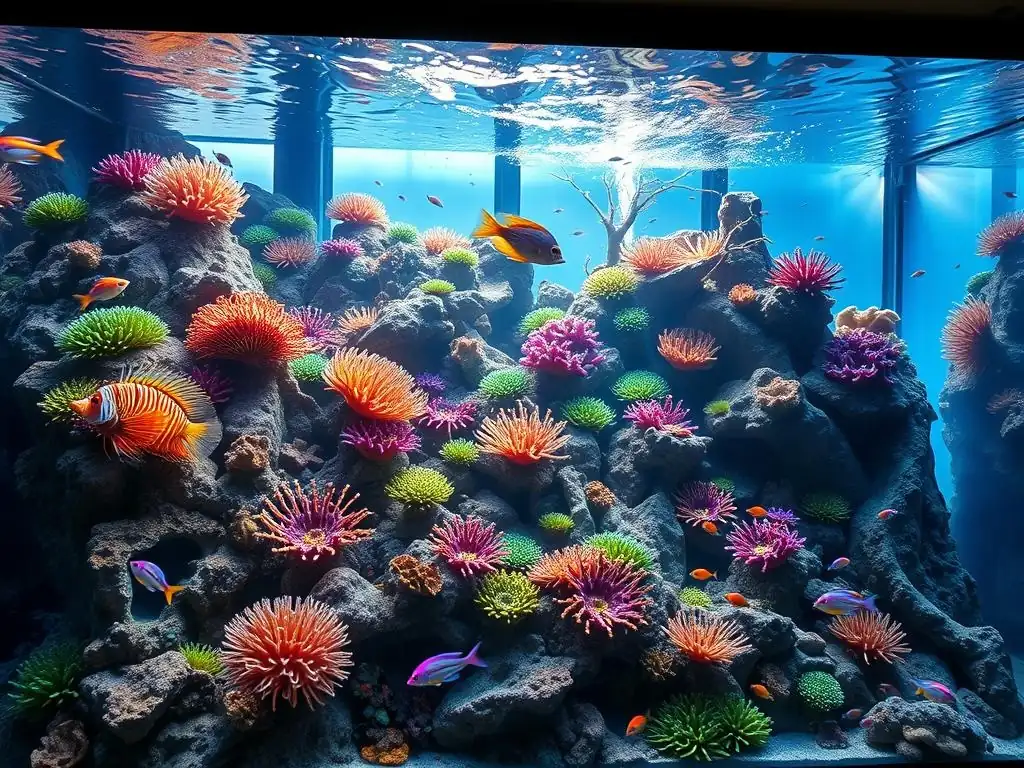
Welcome to Aquarium Mastery! Ever wondered how your shimmering home aquarium could be more than just a beautiful display?
Dive in and explore the fascinating world where hobby meets science! Our latest article, "Your Tank, Their Data: How Home Aquariums Contribute to Vital Aquatic Science," reveals the surprising trends in home aquarium data collection and its impact on aquatic research. Discover how your passion can help scientists understand and protect our oceans and freshwater ecosystems. Are you ready to contribute? Let's explore!
- Introduction: The Untapped Potential of Home Aquarium Data
- Understanding Home Aquarium Data Collection Trends
-
Frequently Asked Questions
- What is "Home Aquarium Data Collection" and why is it important?
- What types of data are typically collected from home aquariums?
- How is data from home aquariums used in aquatic science?
- How can I participate in home aquarium data collection?
- What are the benefits of participating in data collection for my own aquarium?
- Final Reflection: The Ripple Effect of Citizen Science
- Dive Deeper: Transform Your Tank into a Living Lab!
Introduction: The Untapped Potential of Home Aquarium Data
For many, a home aquarium is a source of peace, a beautiful living decoration, or a fascinating hobby. However, beneath the surface of vibrant fish and lush aquatic plants lies an often-overlooked potential: a vast, distributed network for scientific data collection. Each carefully maintained tank, with its unique set of inhabitants, water parameters, and environmental conditions, represents a miniature ecosystem capable of generating valuable insights for aquatic research.
This article explores the burgeoning "Home aquarium data collection trends" and how everyday aquarists are becoming vital contributors to aquatic science. From tracking subtle changes in water chemistry to observing complex fish behaviors over extended periods, the data generated by home aquariums can fill critical gaps in scientific understanding, offering scale and diversity that traditional laboratory settings often cannot replicate.
Understanding Home Aquarium Data Collection Trends
What is Home Aquarium Data Collection?
Home aquarium data collection refers to the systematic recording and monitoring of various parameters within a personal aquarium setup. This can range from basic observations, such as daily temperature readings or the frequency of fish feeding, to more advanced metrics like dissolved oxygen levels, nitrate concentrations, or the precise growth rates of specific aquatic plants. The essence of this practice is to transform casual observation into quantifiable, actionable data.
The growing trend towards structured data collection among hobbyists is fueled by a desire for better tank management and a burgeoning awareness of their potential contribution to science. This data, whether manually logged in a notebook or automatically captured by sophisticated sensors, provides a detailed chronicle of an aquarium's health and its inhabitants' well-being, moving beyond anecdotal evidence to empirical facts.
The Rise of Citizen Science in Aquatics
Citizen science, where public volunteers contribute to scientific research, has seen a remarkable surge across various disciplines, and aquatics is no exception. Home aquarists, with their inherent passion and daily interaction with aquatic life, are uniquely positioned to act as citizen scientists. They manage countless individual experimental setups globally, providing an unprecedented scale of observation points.
This collective effort significantly amplifies data gathering capabilities. For instance, the American Pet Products Association (APPA) reported that over 13 million U.S. households owned freshwater fish in 2021-2022, and over 2 million owned saltwater fish. If even a fraction of these households systematically collected data, the sheer volume of information on Home aquarium data collection trends would be immense, offering scientists a robust dataset far exceeding what any single research institution could achieve. Projects like the 'Reef Life Survey' or 'iNaturalist' demonstrate the power of citizen contributions, inspiring similar models for closed aquatic systems.
Why Home Aquarium Data Matters for Aquatic Research
The value of home aquarium data for aquatic research lies primarily in its scale, diversity, and longitudinal potential. Unlike controlled laboratory environments, which often focus on specific variables in isolation, home aquariums represent a vast array of real-world conditions, albeit within a closed system. This allows researchers to study phenomena across different environmental parameters, fish species, and maintenance routines.
Furthermore, hobbyists maintain their tanks for years, providing invaluable long-term datasets that are often impractical or prohibitively expensive for research institutions to replicate. For example, consistent temperature and pH logs from thousands of home aquariums could help researchers understand the subtle, long-term impacts of parameter stability on fish longevity or plant vigor, data that is crucial for conservation efforts and aquaculture. This aggregation of Home aquarium data collection trends offers a unique lens through which to observe and understand complex aquatic ecosystems.
Frequently Asked Questions
What is "Home Aquarium Data Collection" and why is it important?
Home aquarium data collection involves aquarists recording and sharing information about their tanks, such as water parameters and fish behavior. This data contributes to larger scientific datasets, helping researchers understand aquatic ecosystems and species better.
What types of data are typically collected from home aquariums?
Common data points include water chemistry values like pH, ammonia, and nitrates, as well as temperature, salinity (for saltwater tanks), and observations of fish health and behavior. This data provides a snapshot of the aquarium's environment.
How is data from home aquariums used in aquatic science?
Researchers use this data to track trends in aquarium health, identify potential problems, and understand the needs of different species in controlled environments. It can also help validate or refine scientific models of aquatic ecosystems.
How can I participate in home aquarium data collection?
Many online platforms and research projects actively seek data from home aquarists. Look for opportunities to submit your tank data through websites, apps, or directly to researchers through initiatives listed on AquariumMastery.com and other related sites.
What are the benefits of participating in data collection for my own aquarium?
Beyond contributing to science, tracking your aquarium data helps you better understand your tank's ecosystem and identify potential problems early on. This leads to improved fish health and a more stable aquarium environment.
Final Reflection: The Ripple Effect of Citizen Science
The insights shared throughout this article highlight the burgeoning field of home aquarium data collection trends, demonstrating how a seemingly solitary hobby can contribute significantly to broader scientific understanding. The power of collective observation, amplified by technology, is transforming aquatic research, proving that even the smallest tank can hold invaluable data for the future of our planet's water ecosystems.
This movement towards citizen science, fueled by passionate aquarists, is reshaping how we understand and protect aquatic life. It's inspiring to witness how a personal connection to nature, nurtured within the confines of a home aquarium, can translate into meaningful contributions to scientific research. As Jacques Cousteau so eloquently stated, People protect what they love.
This love for aquatic life, coupled with the willingness to share data, is creating a powerful force for conservation and discovery.
Now, consider the potential within your own aquarium. Think about the data you could collect, the insights you could share, and the impact you could have on the future of aquatic science. Embrace the opportunity to become an active participant in this growing movement. Your observations, however small they may seem, can contribute to a larger understanding, helping us protect and preserve the delicate balance of our aquatic world for generations to come.
Dive Deeper: Transform Your Tank into a Living Lab!
Thanks for exploring the fascinating world of citizen science through your home aquarium! Now that you know how valuable your observations can be, let’s take the next step and turn your passion into impactful contributions.
Here's how you can get involved:
- Become a Data Contributor: Start recording and submitting your aquarium's data to a relevant citizen science project! Find a project focused on your specific type of aquarium (freshwater, saltwater, reef) and diligently track parameters like temperature, pH, and species behavior.
- Share Your Knowledge: Create a post on social media showcasing your involvement in citizen science and encourage other aquarists to participate. Use the hashtag #AquariumCitizenScience to connect with a wider community.
- Explore Advanced Monitoring: Consider investing in automated aquarium monitoring equipment. This will allow you to gather more precise and continuous data, further enhancing the value of your contributions.
What fascinating discovery are you hoping to make in your aquarium, and how will you share it with the world?