
Breeding Mollies Like a Pro: A StepbyStep Illustrated Guide

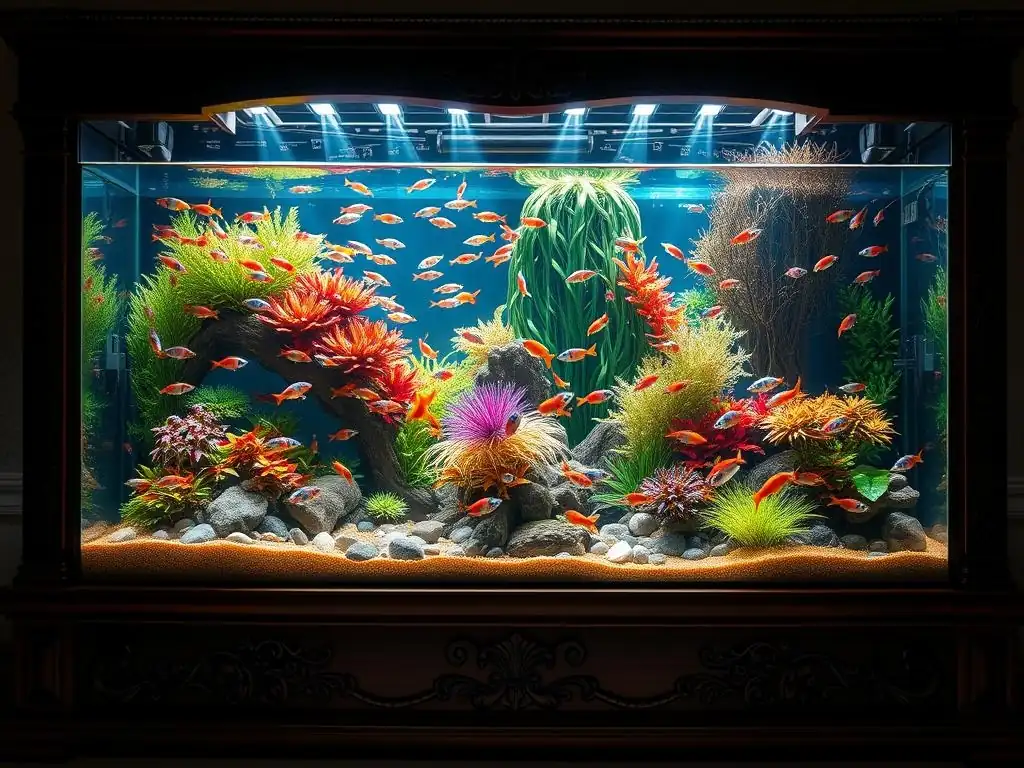
Welcome to Aquarium Mastery! Ever wondered how to unlock the secrets to a thriving aquarium, bursting with life? Discover the joy of watching your fish flourish - starting with our comprehensive guide to breeding molly fish easily. Intrigued? Dive in to learn the simple steps to becoming a molly breeding master and watch your aquarium transform!
- Breeding Mollies: A Comprehensive Guide
- Introduction to Molly Breeding
- Preparing for Molly Breeding: The Breeding Tank
- Selecting Breeding Stock: Choosing Healthy Mollies
- The Molly Breeding Process
- Caring for Molly Fry: From Birth to Maturity
- Troubleshooting Common Breeding Problems
- Advanced Molly Breeding Techniques
- Conclusion: Mastering Molly Breeding
- Frequently Asked Questions
- Final Reflection: The Joy of Life's Flourishing
- Dive Deeper: Create Your Own Thriving Molly Colony!
Breeding Mollies: A Comprehensive Guide
Introduction to Molly Breeding
The Appeal of Breeding Mollies
Mollies are among the most popular freshwater aquarium fish, celebrated for their vibrant colors, diverse fin shapes, and relatively easy care. Their appeal extends significantly to aquarists interested in breeding molly fish easily, as they are livebearers, meaning they give birth to fully formed, free-swimming fry rather than laying eggs. This characteristic makes the breeding process highly engaging and accessible, even for beginners, offering a direct view into the lifecycle of aquatic creatures.
The satisfaction of successfully raising healthy molly fry is immense, providing a rewarding experience that deepens one's connection to the aquarium hobby. Furthermore, the prolific nature of mollies means that a single pair can produce numerous offspring, allowing hobbyists to observe genetic variations, practice selective breeding, or simply enjoy a thriving community of fish. This ease of propagation, combined with their adaptability, positions mollies as an ideal species for those looking to explore the fascinating world of fish reproduction.
Molly Breeding Overview
Molly fish (Poecilia sp.) are renowned for their prolific breeding capabilities, with females capable of giving birth every 30 to 45 days once they reach sexual maturity, which typically occurs around 4-6 months of age. A single female can produce anywhere from 20 to over 100 fry in one birth, depending on her age, size, and overall health. This high reproductive rate is a key factor in why breeding molly fish easily is a common goal for many aquarists.
The breeding process itself is straightforward: a male molly fertilizes the female internally, and the gestation period follows, during which the female's abdomen will noticeably swell. Understanding this cycle, along with providing optimal conditions, is crucial for successful breeding and ensuring the survival of the delicate fry. From preparing a suitable breeding environment to nurturing the newborns, each step contributes to a rewarding experience in molly fish breeding.
Preparing for Molly Breeding: The Breeding Tank
Breeding Tank Size and Selection
For successful and stress-free molly breeding, a dedicated breeding tank is highly recommended. While mollies can breed in a community tank, the survival rate of fry is significantly higher in a separate setup where they are protected from predation by adult fish. A 10-gallon (approximately 38-liter) tank is generally the minimum recommended size for a breeding pair or trio (one male and two females), providing adequate space for the adults and eventually for the initial batch of fry.
However, a 20-gallon (approximately 76-liter) tank offers more stability in water parameters and better swimming space, which can reduce stress on the breeding adults and accommodate a larger number of fry as they grow. The larger volume also dilutes waste more effectively, contributing to healthier conditions. Selecting a tank with a tight-fitting lid is also important to prevent fish from jumping out, especially during active mating or when stressed.
Essential Breeding Equipment
To ensure a conducive environment for molly breeding, several pieces of essential equipment are necessary. A reliable heater is paramount to maintain a stable water temperature between 75-82°F (24-28°C), which is optimal for molly health and reproductive cycles. Fluctuations in temperature can stress fish and hinder breeding efforts. A thermometer should always be used to accurately monitor the water temperature.
Filtration is another critical component, but care must be taken to choose a filter that won't harm delicate fry. A sponge filter, powered by an air pump, is an excellent choice as it provides gentle biological and mechanical filtration without creating a strong current that could overwhelm fry, nor does it have an intake tube that could suck them in. Additionally, an air stone connected to the air pump can provide extra oxygenation, which is beneficial for both adults and developing fry.
Optimal Water Parameters for Breeding
Mollies are known for their adaptability, but maintaining specific water parameters will significantly enhance molly fish breeding success and the health of the fry. These fish thrive in slightly alkaline to moderately hard water. An ideal pH range for breeding mollies is between 7.5 and 8.5. Water hardness, measured in dGH (degrees of General Hardness), should ideally be in the range of 15-30 dGH.
Consistent water temperature is also vital, with a range of 75-82°F (24-28°C) being optimal to stimulate breeding and ensure proper fry development. Mollies can also tolerate slightly brackish conditions, which some aquarists believe can boost their health and vitality.
Adding a small amount of aquarium salt (e.g., 1 tablespoon per 5 gallons) can be beneficial, but it's crucial to research the specific salt requirements for the molly variety you are keeping and ensure it is safe for any plants or invertebrates in the tank. Regular testing of these parameters using a reliable test kit will help maintain the ideal breeding environment.
Selecting Breeding Stock: Choosing Healthy Mollies
Identifying Male and Female Mollies
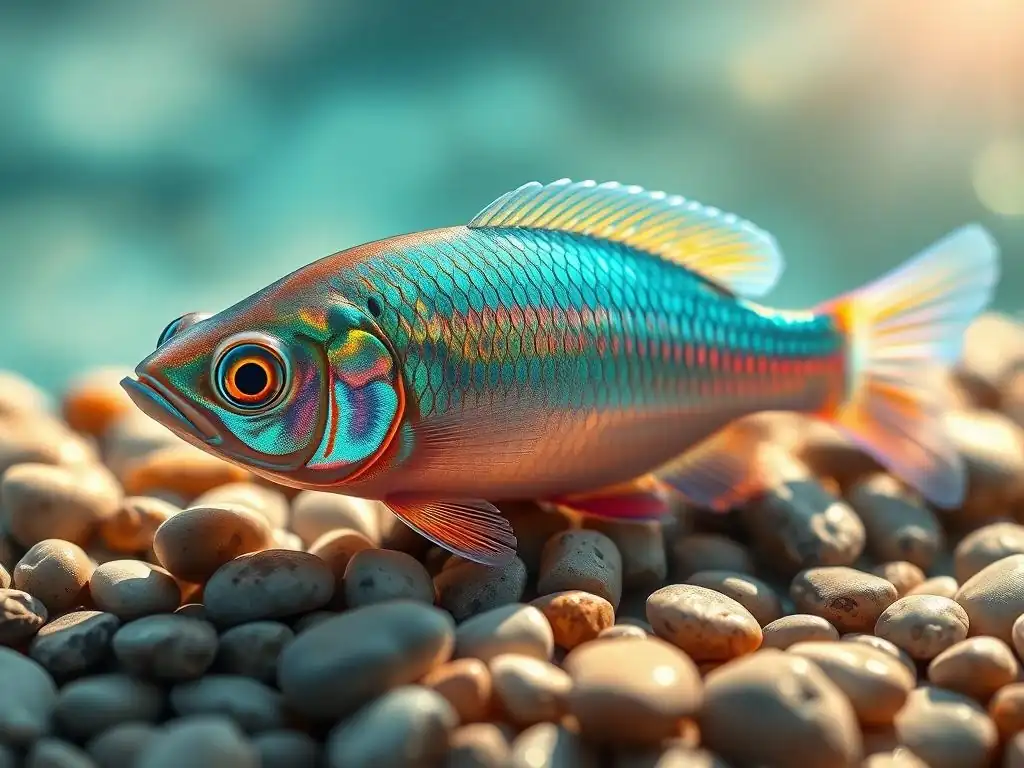
Distinguishing between male and female mollies is a fundamental step in breeding molly fish easily. The most reliable indicator is the anal fin. In male mollies, the anal fin is modified into a pointed, rod-like organ called a gonopodium, which is used for internal fertilization. This structure is typically held close to the body and is quite distinct.
Female mollies, in contrast, possess a fan-shaped anal fin that is broad and rounded, similar to their dorsal fin. Additionally, mature female mollies often appear larger and plumper than males, especially when gravid (pregnant). A dark spot, known as the gravid spot, may also become visible near the anal fin of a pregnant female, though its visibility can vary depending on the molly's coloration.
Selecting Healthy Breeders
The health and vigor of your breeding stock directly impact the success rate and quality of the offspring. When selecting mollies for breeding, look for individuals that exhibit vibrant colors, active swimming behavior, and an alert demeanor. Avoid fish that show signs of disease, such as clamped fins, white spots (Ich), frayed fins, or lethargy. Their bodies should be well-formed, without any deformities or emaciation.
Opt for fish that are at least 4-6 months old, as they will have reached sexual maturity and are robust enough to handle the stresses of breeding. A good practice is to acquire fish from a reputable breeder or fish store that maintains clean tanks and healthy stock, reducing the risk of introducing diseases into your breeding setup. Choosing strong, healthy parents significantly increases the chances of producing a robust batch of molly fry.
Maintaining Genetic Diversity
While breeding molly fish easily can lead to numerous offspring, it's crucial to consider genetic diversity to ensure the long-term health and vitality of your molly population. Continuously breeding fish from the same batch of fry, or from closely related individuals, can lead to inbreeding depression. This can manifest as reduced fertility, smaller size, increased susceptibility to disease, and deformities in subsequent generations.
To prevent inbreeding, it is advisable to introduce new bloodlines into your breeding program periodically. This can be achieved by acquiring new, unrelated mollies from different sources every few generations. Maintaining a diverse genetic pool helps to preserve the species' robustness, enhances the resilience of your fish against common ailments, and contributes to the overall health and beauty of your molly colony.
The Molly Breeding Process
Introducing Mollies to the Breeding Tank
Once your breeding tank is set up with optimal parameters, the next step is to introduce your selected mollies. It's best to acclimate them slowly to the new tank water to minimize stress. This can be done by floating their transport bag in the tank for 15-20 minutes to equalize temperature, then gradually adding small amounts of tank water to the bag over another 30 minutes before gently releasing them.
A common and effective ratio for molly breeding is one male to two or three females. This ratio helps to disperse the male's attention among multiple females, reducing stress on any single female from constant pursuit, which can sometimes lead to exhaustion or aggression. Observe the fish closely for the first few hours and days to ensure they are settling in well and exhibiting normal behavior.
Observing Mating Behavior
Molly mating behavior is generally straightforward to observe, though it can sometimes be subtle. The male molly will typically pursue the female, often swimming rapidly around her and attempting to position himself alongside her to fertilize her using his gonopodium. This pursuit can sometimes appear aggressive, with the male nudging or chasing the female.
The actual fertilization is a quick process, often lasting only a few seconds, and may not always be directly visible. Females may initially try to avoid the male's advances, but successful mating will lead to internal fertilization. Once fertilization occurs, the female can store sperm for several months, allowing her to produce multiple batches of fry from a single mating encounter, making breeding molly fish easily even more efficient.
Gestation Period
After successful fertilization, the female molly will enter a gestation period, which typically lasts between 30 to 45 days. The exact duration can vary depending on factors such as water temperature, diet, and the individual fish's health. During this time, the female's abdomen will gradually swell, becoming noticeably larger and more squared off towards the time of birth.
As birth approaches, the gravid spot (a dark area near the anal fin) on light-colored females will become more pronounced, indicating the developing fry's eyes. The female may also become more reclusive, seeking out dense plant cover or quieter areas of the tank. Observing these signs helps aquarists anticipate the arrival of new fry and prepare for their protection.
Protecting Molly Fry: Prevention Strategies
Protecting molly fry from predation by adult fish, including their own parents, is essential for a high survival rate. Mollies, like many livebearers, do not exhibit parental care and will readily consume their offspring if given the opportunity. Implementing effective prevention strategies is crucial for anyone aiming for breeding molly fish easily and successfully.
Using a Breeding Box or Separate Tank
One of the most common and effective methods to protect molly fry is to transfer the gravid female to a breeding box or a separate small tank just before she gives birth. Breeding boxes are typically plastic containers with slits that hang inside the main aquarium, allowing water circulation while keeping the female isolated. Once the fry are born, they swim through the slits into the main part of the box, safely away from the mother, who can then be returned to the main tank.
Alternatively, a separate 5-10 gallon "fry tank" can be set up. This provides more space for the female and fry, reducing stress. The female can be moved to this tank when she shows signs of imminent birth and returned to the main tank shortly after giving birth, leaving the fry to grow out safely. While breeding boxes can be stressful for the female due to limited space, they offer unparalleled protection for the fry.
Providing Hiding Places: Plants and Decorations
If a separate breeding tank or box is not used, providing abundant hiding places within the main aquarium is a vital strategy to increase fry survival. Dense live plants are exceptionally effective for this purpose. Species like Java moss, hornwort, guppy grass, or even floating plants such as water sprite offer intricate structures where tiny fry can take refuge from hungry adults.
Artificial plants that are soft and dense can also serve this purpose. The more hiding spots available, the higher the chances that a significant number of fry will survive to maturity. These hiding places not only offer physical protection but also reduce stress for the fry by providing a sense of security, contributing significantly to a successful molly fish breeding outcome even in a community setting.
Caring for Molly Fry: From Birth to Maturity
Feeding Molly Fry: Nutritional Requirements
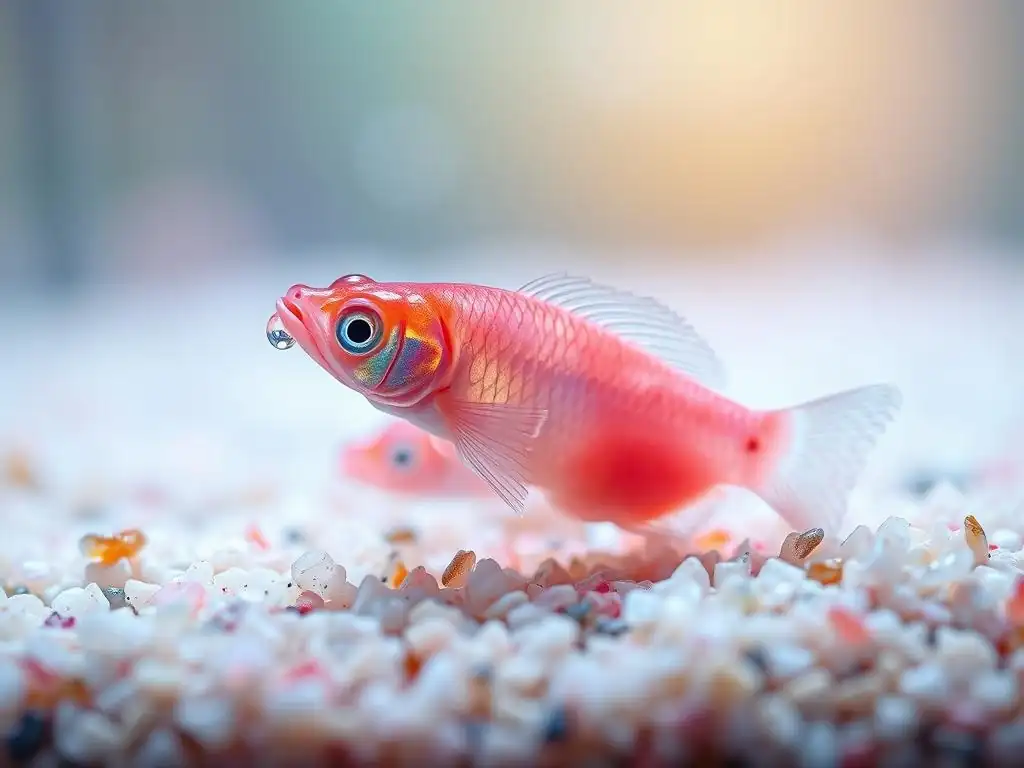
Newly born molly fry are incredibly tiny and require specialized nutrition to grow quickly and healthily. For the first few days, infusoria (microscopic organisms) can be an ideal food source, though often not strictly necessary if other fine foods are available. The most common and effective diet consists of finely crushed high-quality flake food, spirulina powder, or specialized fry food formulated for livebearers.
These foods should be powdered almost to a dust-like consistency to ensure the fry can consume them. Fry should be fed small amounts frequently, typically 3-5 times a day, to support their rapid growth and high metabolism. Overfeeding should be avoided, as uneaten food can quickly foul the water, which is detrimental to delicate fry. A varied diet, including occasional live or frozen baby brine shrimp, can also significantly boost their growth and vibrancy.
Maintaining Water Quality for Fry
Pristine water quality is paramount for the survival and healthy development of molly fry. Their small size makes them particularly susceptible to poor water conditions, including elevated levels of ammonia, nitrite, and nitrate. Daily or every-other-day partial water changes are essential, typically 10-20% of the tank volume, using dechlorinated water that is temperature-matched to the fry tank.
When performing water changes, use a small siphon or airline tubing to gently remove detritus from the bottom without sucking up any fry. Ensure the new water is added slowly to avoid shocking the delicate fry with sudden changes in parameters. Consistent monitoring of ammonia, nitrite, and nitrate levels with a reliable test kit will help maintain a healthy environment, crucial for anyone looking to nurture their molly breeding efforts.
Grow-Out Tank Setup
As molly fry grow, they will quickly outgrow a small breeding box or a 5-gallon fry tank. Typically, by 2-3 weeks of age, or when they reach about half an inch in length, they will require more space to prevent stunting and maintain adequate water quality. A dedicated "grow-out" tank, ideally 20 gallons or larger, should be prepared for them.
This tank should be cycled and equipped with a gentle filter, such as a sponge filter, and a heater to maintain stable temperatures. Providing ample swimming space and continued access to high-quality food will promote rapid and healthy growth. Overcrowding in the grow-out tank can lead to stunted growth, increased aggression, and higher susceptibility to disease, hindering your efforts in breeding molly fish easily to maturity.
Monitoring Fry Development
Regularly monitoring the development of molly fry is a rewarding part of the breeding process. Observe their growth rate, looking for consistent increases in size over weeks. Healthy fry will be active, show good color development, and eagerly consume food. Keep an eye out for any signs of illness, such as lethargy, clamped fins, or unusual spots, which could indicate a problem with water quality or an emerging disease.
As the fry mature, typically around 2-3 months of age, you will start to notice the development of their secondary sexual characteristics, making it possible to distinguish males from females. Males will begin to develop their gonopodium, and females will show the beginnings of a more rounded body shape. This stage is exciting as you see the results of your successful molly fish breeding efforts, with the fry transitioning into juvenile fish ready for their permanent homes.
Troubleshooting Common Breeding Problems
Addressing Lack of Breeding Activity
If your mollies are not breeding, despite having a male and female present, several factors could be at play. The most common issues relate to water parameters, diet, or stress. First, reconfirm that your water temperature is consistently within the optimal range of 75-82°F (24-28°C) and that the pH is between 7.5-8.5 with adequate hardness. Mollies are less likely to breed in soft, acidic water.
Ensure your fish are receiving a high-quality, varied diet, including live or frozen foods, which can often condition them for breeding. Stress from overcrowding, aggressive tank mates, or poor water quality can also inhibit breeding. Consider isolating your breeding pair or trio in a dedicated breeding tank to minimize external stressors. Sometimes, simply varying the water parameters slightly, such as a small temperature increase or a partial water change, can stimulate breeding activity, making breeding molly fish easily a matter of fine-tuning conditions.
Improving Fry Survival Rate
A low fry survival rate is a common challenge in molly breeding, primarily due to predation by adult fish and poor water quality. To significantly improve survival, the most critical step is to provide ample hiding places immediately after birth. Dense live plants like Java moss, hornwort, or floating plants offer excellent cover where fry can escape hungry mouths.
Alternatively, using a breeding box or moving the gravid female to a separate fry-safe tank just before birth, and then removing the adult after she delivers, will almost guarantee a high survival rate. Once born, diligent water quality management in the fry tank is crucial. Small, frequent water changes (10-20% daily or every other day) are necessary to keep the water pristine, as fry are highly sensitive to ammonia and nitrite. Consistent feeding of appropriate, finely powdered food also ensures the fry grow quickly and robustly, overcoming early vulnerabilities and making molly fish breeding more successful.
Preventing and Treating Diseases in Fry
Molly fry are particularly vulnerable to diseases due to their delicate immune systems and small size. The cornerstone of disease prevention in fry is maintaining impeccable water quality. Ammonia and nitrite spikes, often caused by overfeeding or insufficient water changes, are major stressors that can lead to outbreaks of bacterial infections, fin rot, or Ich. Regular testing of water parameters and prompt, small water changes are non-negotiable.
Beyond water quality, providing a nutritious diet strengthens their immune system. If diseases do occur, treatment can be challenging due to the fry's sensitivity to medications. For common ailments like Ich, a gradual increase in temperature (to 82-84°F, if compatible with other tank inhabitants) combined with aquarium salt can be effective and less harsh than chemical treatments.
Always use medications sparingly and cautiously, often at half doses, and preferably in a separate quarantine container to avoid harming healthy fry or beneficial bacteria in the main tank. Prevention through optimal care is always the best strategy for breeding molly fish easily and healthily.
Advanced Molly Breeding Techniques
Selective Breeding for Desired Traits
Once you've mastered the basics of breeding molly fish easily, you might consider selective breeding to enhance specific desired traits within your molly population. This involves carefully choosing parent fish that exhibit the characteristics you wish to propagate, such as particular color patterns (e.g., solid black, dalmatian, lyretail), fin shapes, or even body size. For example, to develop a line of super black mollies, you would consistently select the darkest, most intensely colored individuals from each generation for breeding.
The process requires patience and meticulous record-keeping. You'll need to isolate the selected breeders and observe their offspring over several generations, continually selecting the best examples to continue the line. This systematic approach allows hobbyists to develop unique strains of mollies that are not commonly found in local fish stores, adding an exciting dimension to the molly breeding hobby.
Understanding Molly Genetics
A basic understanding of molly genetics can significantly aid in selective breeding efforts. Like other living organisms, mollies inherit traits from their parents through genes. Different color patterns, fin types, and body shapes are often controlled by specific genes, which can be dominant or recessive. For instance, the genes for certain colorations might be dominant, meaning only one copy of the gene is needed for the trait to be expressed, while others might be recessive, requiring two copies.
While delving into complex Punnett squares might be beyond the scope for most hobbyists, recognizing that certain crosses will predictably yield specific outcomes is beneficial. For example, crossing a purebred black molly with another purebred black molly will typically result in 100% black offspring. However, crossing a black molly with a marble molly might produce a mix of patterns, depending on the genetic background of the marble fish. Experimentation and observation are key to unlocking the genetic potential of your mollies and truly mastering molly fish breeding.
Conclusion: Mastering Molly Breeding
Rewards of Successful Breeding
Mastering breeding molly fish easily offers a multitude of rewards that extend beyond simply increasing your fish population. The primary satisfaction comes from observing the complete life cycle of these fascinating creatures, from tiny fry to vibrant adults. Successfully raising a batch of healthy molly fry provides a deep sense of accomplishment and enhances your understanding of aquatic ecosystems and fish biology.
Furthermore, successful breeding can contribute to the aquarium hobby by providing healthy, home-bred fish to other enthusiasts, potentially reducing the demand for wild-caught or commercially mass-produced fish. It also allows for the development of unique strains through selective breeding, offering a creative outlet for dedicated aquarists. The joy of seeing your tank teeming with thriving, self-propagating mollies is a testament to your care and dedication.
Resources for Further Learning
For those looking to deepen their knowledge and further refine their molly breeding techniques, a wealth of resources is available. Online aquarium forums and communities are excellent places to connect with experienced molly breeders, ask specific questions, and share experiences. These platforms often host detailed discussions on genetics, selective breeding projects, and troubleshooting common issues.
Comprehensive aquarium books, particularly those specializing in livebearers or freshwater fish breeding, can provide in-depth information on water chemistry, nutrition, and advanced breeding strategies. Additionally, local aquarium clubs often offer workshops, presentations, and opportunities to network with fellow hobbyists. Continuously learning and experimenting will undoubtedly enhance your skills and enjoyment in the rewarding pursuit of molly fish breeding.
Frequently Asked Questions
How difficult is it to breed molly fish?
Molly fish are generally considered easy to breed, making them a popular choice for beginner aquarists. They are livebearers, so no egg incubation is needed!
What are the key factors to consider for successful molly breeding?
Essential factors include maintaining stable water parameters, providing a well-planted aquarium for fry to hide, and ensuring a balanced diet for the parent fish.
How can I tell if my molly fish is pregnant?
Pregnant mollies develop a gravid spot (a dark area near their anal fin), and their abdomen becomes noticeably larger and more square-shaped as they near delivery.
What should I do with the molly fry (baby fish) after they are born?
Immediately separate the fry from the adults to prevent them from being eaten. A separate breeding tank or a fry net within the main tank is recommended.
What do molly fry eat, and how often should I feed them?
Molly fry require small, frequent feedings of specialized fry food or finely crushed flake food. Feed them 2-3 times a day for optimal growth.
Okay, here's a final reflection designed to close your article "Breeding Mollies Like a Pro: A Step-by-Step Illustrated Guide," optimized for the keyword "Breeding molly fish easily" and following the structure you provided:
Final Reflection: The Joy of Life's Flourishing
The journey of breeding molly fish, as we've explored, is more than just a technical process; it's a microcosm of life itself. Understanding the nuances of their care and reproduction allows us to appreciate the delicate balance of nature and the inherent drive for survival and continuation. This knowledge, readily accessible and easily applied, empowers us to become active participants in this beautiful cycle, fostering a thriving aquatic ecosystem within our own homes.
This experience, witnessing the miracle of new life emerge in our own aquariums, resonates deeply with our innate connection to the natural world. It reminds us of the responsibilities we have as stewards of life, both within our tanks and beyond. The best way to observe a fish is to become a fish.
- Jacques Cousteau. This quote encapsulates the empathy and understanding that comes with truly engaging with the needs and behaviors of these fascinating creatures.
Now, armed with the knowledge and practical steps outlined in this guide, I invite you to embark on your own molly breeding adventure. Observe, learn, and adapt. Let the experience not only enrich your aquarium but also deepen your appreciation for the wonders of life and the simple joy of nurturing its flourishing.
Dive Deeper: Create Your Own Thriving Molly Colony!
Thanks for exploring the fascinating world of molly breeding! We hope this guide has empowered you with the knowledge to successfully breed these vibrant fish. Ready to put your newfound skills to the test?
Here's how to take the next step:
- Commit to breeding! Set up a dedicated breeding tank using the principles outlined in the article, complete with live plants and optimal water conditions, and actively select a healthy pair of mollies to begin your breeding project.
- Share your experiences! Join our Aquarium Mastery community forum and share your breeding journey, ask questions, and learn from other enthusiasts.
- Experiment with genetics! Once you've successfully bred a generation of mollies, explore different color variations and fin types to develop your own unique line of these amazing fish.
What unique molly trait are you most excited to try and breed into your aquarium?