
Harlequin Rasbora Tank Conditions: Replicating Their Natural Blackwater Habitat

Welcome to Aquarium Mastery!
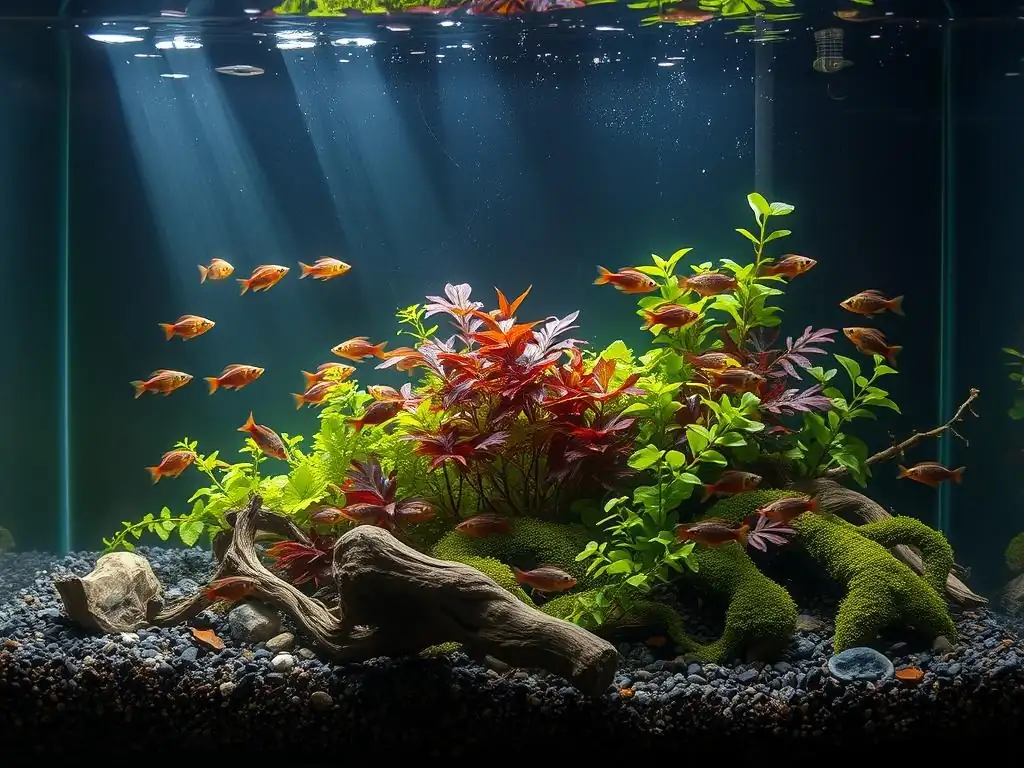
Ever wondered how to create the perfect Blackwater Rasbora tank setup, mirroring the tranquil, tannin-rich waters of their native habitat? Dive in to discover the secrets to replicating their ideal conditions, from water parameters to captivating aquascapes. Unlock the key to thriving Harlequin Rasboras and a breathtaking aquarium that will leave you and your fish absolutely mesmerized!
- Harlequin Rasbora Tank Conditions: Replicating Their Natural Southeast Asian Habitat
- Understanding the Harlequin Rasbora and its Southeast Asian Origins
- Key Water Parameters for a Thriving Harlequin Rasbora Tank
- Recreating the Southeast Asian Environment: Essential Elements
- Lighting Considerations for Harlequin Rasbora Aquariums
- Filtration and Aeration in a Soft Water Rasbora Tank
- Choosing the Right Tank Size and Setup for Harlequin Rasboras
- Compatible Tank Mates for Harlequin Rasboras in a Southeast Asian Setup
- Maintaining a Healthy Soft Water Rasbora Tank: A Comprehensive Guide
- Troubleshooting Common Issues in Soft Water Rasbora Tanks
- Soft Water Rasbora Tank Setup: A Step-by-Step Guide
- Conclusion: Creating a Perfect Southeast Asian Habitat for Your Harlequin Rasboras
-
Frequently Asked Questions
- How do I create a blackwater environment for Harlequin Rasboras in my aquarium?
- What are the ideal water parameters for a Blackwater Rasbora tank setup?
- What type of substrate is best for a Blackwater Rasbora tank setup?
- What fish are compatible with Harlequin Rasboras in a Blackwater Rasbora tank setup?
- How often should I perform water changes in a Blackwater Rasbora tank setup?
- Final Reflection: Embracing the Blackwater's Whisper
- Unlock the Secrets to a Thriving Harlequin Rasbora Tank!
Harlequin Rasbora Tank Conditions: Replicating Their Natural Southeast Asian Habitat
Understanding the Harlequin Rasbora and its Southeast Asian Origins
Introduction to Harlequin Rasboras: A Popular Aquarium Fish
The Harlequin Rasbora, scientifically known as Trigonostigma heteromorpha, stands out as one of the most beloved and widely kept freshwater fish in the aquarium hobby. Renowned for its distinctive copper-red body adorned with a striking triangular black patch, this small, peaceful schooling fish adds a vibrant splash of color and dynamic movement to any community tank. Their relatively small size, typically reaching about 1.5 to 2 inches (approximately 4 to 5 cm) in length, makes them an excellent choice for aquarists aiming to create a harmonious aquatic environment.
Beyond their aesthetic appeal, Harlequin Rasboras are highly valued for their calm demeanor and schooling behavior, which contributes significantly to the visual appeal and stability of an aquarium. They thrive when kept in groups of at least 8-10 individuals, exhibiting more natural behaviors and vibrant coloration. Their hardiness, when provided with appropriate conditions, makes them suitable for both novice and experienced aquarists, particularly those interested in a blackwater rasbora tank setup that mimics their native habitat.
The Significance of Soft, Acidic Water for Rasboras
Providing soft, acidic water is not merely a preference but a critical requirement for the long-term health and well-being of Harlequin Rasboras. These specific water parameters directly replicate their natural Southeast Asian blackwater environments, which are characterized by low mineral content and a slightly acidic pH. Maintaining these conditions significantly reduces stress on the fish, enhances their natural coloration, and greatly increases the likelihood of successful breeding within the aquarium.
Physiologically, Harlequin Rasboras are adapted to water with minimal dissolved minerals. In harder, more alkaline water, they can experience osmotic stress, where their bodies expend excessive energy trying to regulate internal salt-water balance. This constant struggle weakens their immune system, making them highly susceptible to common aquarium diseases such as Ich (white spot disease) or bacterial fin rot. Conversely, a stable soft, acidic environment supports robust health, strong immune responses, and allows the fish to display their full natural vibrancy, which is the cornerstone of a successful blackwater rasbora tank setup.
Where Do Harlequin Rasboras Come From? Southeast Asia
Harlequin Rasboras originate from the lush, tropical regions of Southeast Asia, specifically found in countries such as Malaysia, Singapore, Thailand, and parts of Indonesia, including Sumatra and Borneo. Their natural habitats are typically slow-moving streams, forest pools, and the unique, tannin-stained peat swamps. These environments are often shaded by dense overhead canopy vegetation, leading to minimal direct sunlight penetration and a cooler, more stable water temperature.
The water in these native habitats is exceptionally soft, often registering a general hardness (GH) of 0-5 dGH, and quite acidic, with pH levels ranging from 5.0 to 6.5. This distinct water chemistry is largely due to the decomposition of vast amounts of leaf litter, driftwood, and other organic matter that continually fall into the water. These decaying materials release humic acids and tannins, which stain the water a characteristic tea-color, reduce mineral content, and lower the pH, creating the ideal conditions for a thriving blackwater rasbora tank setup.
Key Water Parameters for a Thriving Harlequin Rasbora Tank
Ideal Water Chemistry: pH, GH, and KH for Harlequin Rasboras
For Harlequin Rasboras to truly thrive, maintaining precise water chemistry parameters is paramount. The ideal pH range for these fish is between 5.0 and 6.5, with many aquarists aiming for the slightly more acidic side, around 5.5 to 6.0, to truly mimic their natural blackwater conditions.
Regarding hardness, the General Hardness (GH) should ideally be kept between 1 and 8 dGH (approximately 18-140 ppm), indicating very soft to moderately soft water. Carbonate Hardness (KH), which acts as a pH buffer, should be relatively low, ideally between 0 and 4 dKH (0-70 ppm), to allow for the desired acidic pH without excessive buffering capacity.
Deviations from these ideal ranges can significantly impact the health and longevity of your Harlequin Rasboras. Water that is too alkaline or hard can cause chronic stress, leading to a diminished immune system and increased susceptibility to diseases. While a low KH is necessary for an acidic pH, it also means the water's pH can be less stable, requiring careful monitoring to prevent drastic pH swings. Regular testing with reliable aquarium test kits is essential to ensure these parameters remain consistent, forming the backbone of a successful blackwater rasbora tank setup.
Maintaining Optimal Water Temperature for Rasbora Health
The optimal water temperature for Harlequin Rasboras ranges from 73 to 82°F (23 to 28°C). Within this range, consistency is more crucial than hitting an exact number. Sudden or significant temperature fluctuations can cause immense stress to these sensitive fish, weakening their immune systems and making them vulnerable to common ailments like Ich. A high-quality, submersible aquarium heater, appropriately sized for your tank volume, is indispensable for maintaining a stable temperature. It should be paired with an accurate thermometer to monitor conditions reliably.
Temperatures outside this optimal range can have detrimental effects. Water that is too cold (below 73°F) can lead to lethargy, loss of appetite, and an increased risk of fungal infections or Ich outbreaks. Conversely, water that is consistently too warm (above 82°F) can decrease dissolved oxygen levels in the water, accelerate the fish's metabolism, and potentially shorten their lifespan. Maintaining a steady temperature within the recommended range ensures the Harlequin Rasboras remain active, healthy, and display their vibrant colors, contributing to a thriving blackwater rasbora tank setup.
The Importance of Water Changes in a Soft Water Rasbora Aquarium
Regular water changes are a cornerstone of effective aquarium maintenance, even more so in a soft water blackwater rasbora tank setup. While the goal is to maintain specific soft and acidic parameters, water changes are crucial for removing accumulated nitrates, phosphates, and other metabolic wastes that can become toxic over time. A recommended schedule involves changing 25-30% of the tank water weekly. This routine helps to dilute pollutants, replenish essential trace elements that might be depleted, and maintain overall water quality.
The challenge in a soft water rasbora aquarium often lies in the source water. Most tap water supplies are moderately hard and alkaline, which can counteract efforts to maintain soft, acidic conditions. To overcome this, many aquarists opt for using Reverse Osmosis (RO) or Deionized (DI) water, which is essentially pure water stripped of minerals. This RO/DI water can then be remineralized with specific products designed for blackwater aquariums, allowing for precise control over GH and KH levels while enabling the addition of buffering agents like peat or specialized buffers to achieve and maintain the desired low pH.
Recreating the Southeast Asian Environment: Essential Elements
Using Inert Substrates to Mimic the Rasbora's Natural Habitat
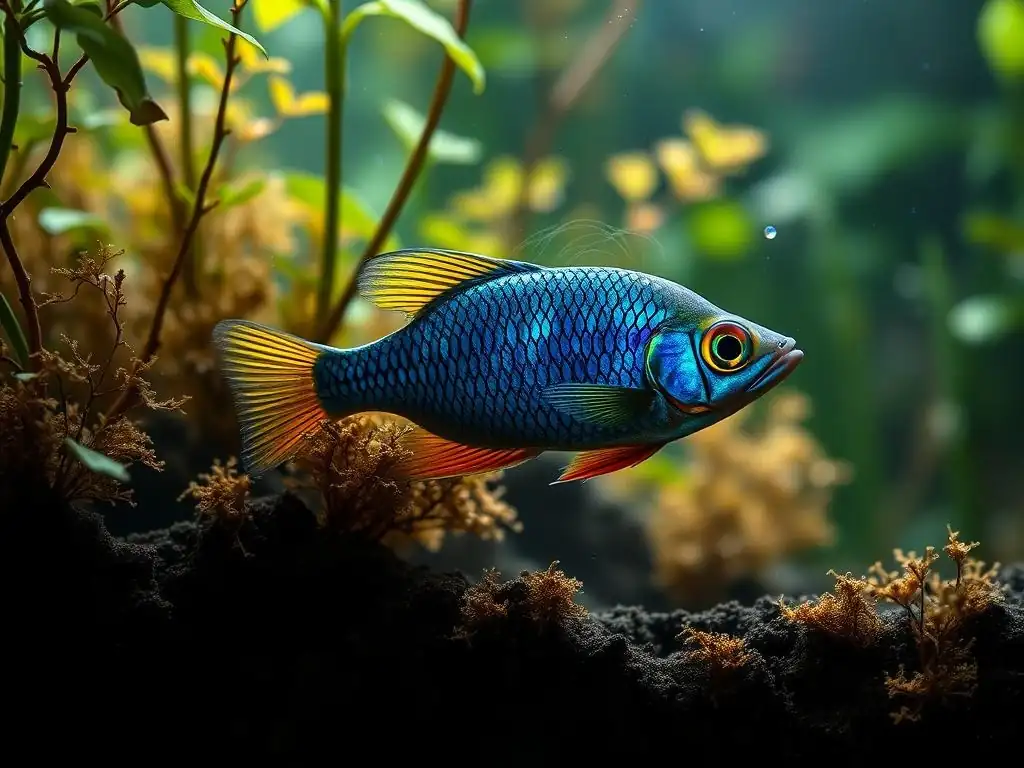
When designing a blackwater rasbora tank setup, the choice of substrate is critical to mimicking their natural Southeast Asian habitat. Inert substrates are highly recommended because they do not alter water chemistry, which is essential for maintaining the soft, acidic conditions Harlequin Rasboras require. Fine-grained sand or small, smooth gravel are excellent choices, as they replicate the riverbeds and forest floors where these fish naturally reside. Darker substrates can also help to bring out the vibrant colors of the rasboras, making them feel more secure and less stressed.
Avoid substrates that contain calcium carbonate or other buffering agents, such as crushed coral, aragonite, or certain types of decorative stones. These materials will gradually dissolve over time, releasing minerals that increase water hardness (GH and KH) and raise the pH, directly counteracting the goal of a soft, acidic environment. A clean, inert substrate provides a safe and aesthetically pleasing base for your blackwater tank, allowing other elements like leaf litter and driftwood to define the water chemistry.
Adding Leaf Litter for Tannins and a Natural Look
Incorporating dried leaf litter is perhaps one of the most effective and visually appealing ways to recreate a natural blackwater environment for Harlequin Rasboras. Leaves such as Indian Almond (Ketapang) leaves, Guava leaves, or even dried Oak and Maple leaves (ensure they are free from pesticides and pollutants) will slowly decompose in the aquarium. As they break down, they release beneficial humic acids and tannins into the water, which are responsible for the characteristic tea-stained appearance of blackwater habitats.
Beyond their chemical contribution, leaf litter provides vital shelter and foraging opportunities for Harlequin Rasboras and other inhabitants. The decaying leaves create a natural biofilm that serves as a food source for microfauna, which the rasboras will graze upon. This mimics their natural diet and behavior, reducing stress and promoting healthier, more active fish. Regular replenishment of leaf litter is necessary as it decomposes, typically every 2-4 weeks, depending on the type and quantity of leaves used in your blackwater rasbora tank setup.
Driftwood Selection for a Southeast Asian Aquarium
Driftwood is an indispensable element in a blackwater rasbora tank setup, serving both aesthetic and functional purposes. Types of driftwood like Malaysian driftwood, Mopani wood, or even local hardwoods (properly cured and sterilized) are excellent choices. As driftwood slowly leaches tannins into the water, it contributes to the desired soft, acidic, tea-colored conditions, just as it does in their natural Southeast Asian streams and swamps. The intricate shapes and textures of driftwood also provide critical hiding spots and territories for the fish, making them feel more secure.
Before adding any driftwood to your aquarium, it is crucial to thoroughly prepare it. This usually involves prolonged soaking (for several weeks, with regular water changes) and boiling to remove excess tannins and any potential contaminants. While some tannin leaching is desired for a blackwater tank, excessive initial leaching can cause a drastic drop in pH or make the water too dark too quickly. Well-prepared driftwood becomes a stable and beautiful centerpiece for your Harlequin Rasbora tank, enhancing its natural appeal.
The Role of Tannins in Softening Water Conditions
Tannins, naturally released from decaying organic matter like leaf litter and driftwood, play a pivotal role in creating and maintaining the soft, acidic water conditions essential for a blackwater rasbora tank setup. These organic compounds are primarily humic and fulvic acids, which contribute to the water's characteristic amber or tea-stained color. More importantly, they naturally lower the pH by introducing hydrogen ions into the water and act as a mild buffer, helping to stabilize the pH within the acidic range.
Beyond their effect on pH and color, tannins offer several direct benefits to the fish. They possess mild antiseptic and anti-fungal properties, which can help prevent common fish diseases and promote healing of minor injuries. Tannins also reduce stress by softening the water and mimicking the fish's natural environment, leading to stronger immune systems and more vibrant coloration. It's important to note that while beneficial, the amount of tannins should be controlled to achieve the desired water parameters without excessively darkening the water to the point of obscuring visibility or stressing light-sensitive plants.
Lighting Considerations for Harlequin Rasbora Aquariums
Choosing the Right Lighting to Promote Rasbora Health
For a blackwater rasbora tank setup, the lighting choices should prioritize the well-being of the fish and the aesthetic replication of their natural, dimly lit habitat. Harlequin Rasboras are accustomed to shaded environments where direct sunlight is filtered by dense canopy vegetation and tea-stained water. Therefore, moderate to low-intensity lighting is generally preferred. LED lighting systems with adjustable intensity and color temperature are ideal, as they allow for precise control over the light output, enabling aquarists to mimic the subdued lighting conditions of a natural blackwater stream.
Excessive lighting can stress Harlequin Rasboras, causing them to lose color and become skittish, as they prefer dimmer conditions where they feel more secure. Moreover, strong lighting can also encourage the growth of undesirable algae, which is particularly problematic in a nutrient-poor, soft water setup. A light intensity of approximately 10-20 lumens per liter (or 0.5-1 watt per liter for fluorescent equivalents) is often sufficient for a low-tech planted blackwater tank, providing enough light for typical low-light plants without overwhelming the fish.
Avoiding Excessive Lighting to Prevent Algae Growth
One of the common challenges in any aquarium, including a blackwater rasbora tank setup, is the proliferation of algae. Excessive lighting is a primary contributor to algae blooms, especially in tanks with low nutrient levels and specific water parameters. In a soft, acidic blackwater environment, the goal is often to minimize nutrient input and maintain a balance that favors aquatic plants over nuisance algae. Too much light will provide an abundance of energy for algae to photosynthesize and rapidly spread, clouding the water and coating surfaces.
To mitigate algae growth, it's crucial to limit the duration of lighting exposure to typically 6-8 hours per day. Utilizing a timer can help maintain a consistent photoperiod, preventing accidental over-lighting. Additionally, incorporating floating plants like Amazon Frogbit or Dwarf Water Lettuce can help shade the tank, further reducing light penetration to the lower levels and naturally competing with algae for available nutrients. This strategy contributes to a cleaner, more aesthetically pleasing blackwater environment.
Simulating Natural Light Cycles for Rasboras
Replicating a natural light cycle is beneficial for the overall health and behavioral patterns of Harlequin Rasboras. In their native Southeast Asian habitats, fish experience a clear distinction between day and night, with gradual transitions at dawn and dusk. While simulating sunrise and sunset might require more advanced lighting systems, simply providing a consistent on/off schedule with a timer helps establish a regular routine for the fish. A typical photoperiod of 8-10 hours of light followed by 14-16 hours of darkness is generally recommended.
A consistent light cycle helps regulate the fish's circadian rhythms, influencing their feeding, activity, and resting patterns. Erratic lighting schedules can cause stress, disrupt their natural behaviors, and potentially impact their immune system. By providing a predictable light cycle, aquarists can promote a more natural and less stressful environment for their Harlequin Rasboras, contributing to their long-term well-being and the success of the blackwater rasbora tank setup.
Filtration and Aeration in a Soft Water Rasbora Tank
Selecting an Appropriate Filter for a Rasbora Aquarium
Choosing the right filtration system is vital for maintaining pristine water quality in a blackwater rasbora tank setup. While Harlequin Rasboras prefer slow-moving water, effective mechanical and biological filtration is still necessary to remove particulate matter and process harmful ammonia and nitrites. Sponge filters are an excellent choice for smaller tanks or as supplementary filtration, providing gentle flow and ample surface area for beneficial bacteria. For larger tanks, hang-on-back (HOB) filters with adjustable flow rates or canister filters are highly effective.
When selecting a filter, prioritize models that allow for customization of media. In a blackwater setup, it's beneficial to incorporate filter media like peat granules or specialized humic acid resins. These media naturally release tannins and humic substances, contributing to the desired soft, acidic water chemistry. Avoid activated carbon unless specifically treating medications or removing unwanted discoloration, as it can absorb beneficial tannins and humic acids that define the blackwater environment.
Maintaining Good Water Circulation and Oxygen Levels
Despite their preference for slow-moving water, adequate water circulation and oxygenation are crucial for the health of Harlequin Rasboras. Proper circulation ensures that beneficial bacteria in the filter receive a constant supply of ammonia and nitrites, and it helps distribute heat evenly throughout the tank. It also prevents the formation of stagnant areas where anaerobic bacteria could thrive, potentially leading to harmful gas buildup.
Oxygen levels, while generally sufficient with surface agitation from a filter output, should be monitored. In warmer water (above 78°F), dissolved oxygen decreases. If using an air pump and air stone, ensure the bubbles are fine and gentle, creating minimal disturbance. Overly vigorous aeration can strip beneficial CO2, which is important for plant growth in a planted blackwater tank. The goal is to achieve a gentle ripple on the water surface without creating strong currents that could stress the Harlequin Rasboras, maintaining the delicate balance of a blackwater rasbora tank setup.
Avoiding Over-Filtration in a Planted Soft Water Tank
While filtration is essential, over-filtration can be detrimental, especially in a heavily planted blackwater rasbora tank setup. Powerful filters can create excessive current, which is stressful for Harlequin Rasboras that prefer calm waters. More importantly, very strong mechanical filtration can remove beneficial suspended particles and detritus that contribute to the natural blackwater aesthetic and serve as a food source for micro-organisms.
In a planted soft water tank, plants themselves act as natural filters, absorbing nitrates and other waste products. Therefore, the filtration system should complement the plants rather than overpower them. Aim for a filter that provides about 3-5 times the tank volume per hour (GPH or LPH) turnover, rather than the higher rates often recommended for standard community tanks. This ensures efficient waste processing without creating turbulent currents or stripping the water of essential components that characterize a healthy blackwater environment.
Choosing the Right Tank Size and Setup for Harlequin Rasboras
Minimum Tank Size Requirements for a School of Harlequin Rasboras
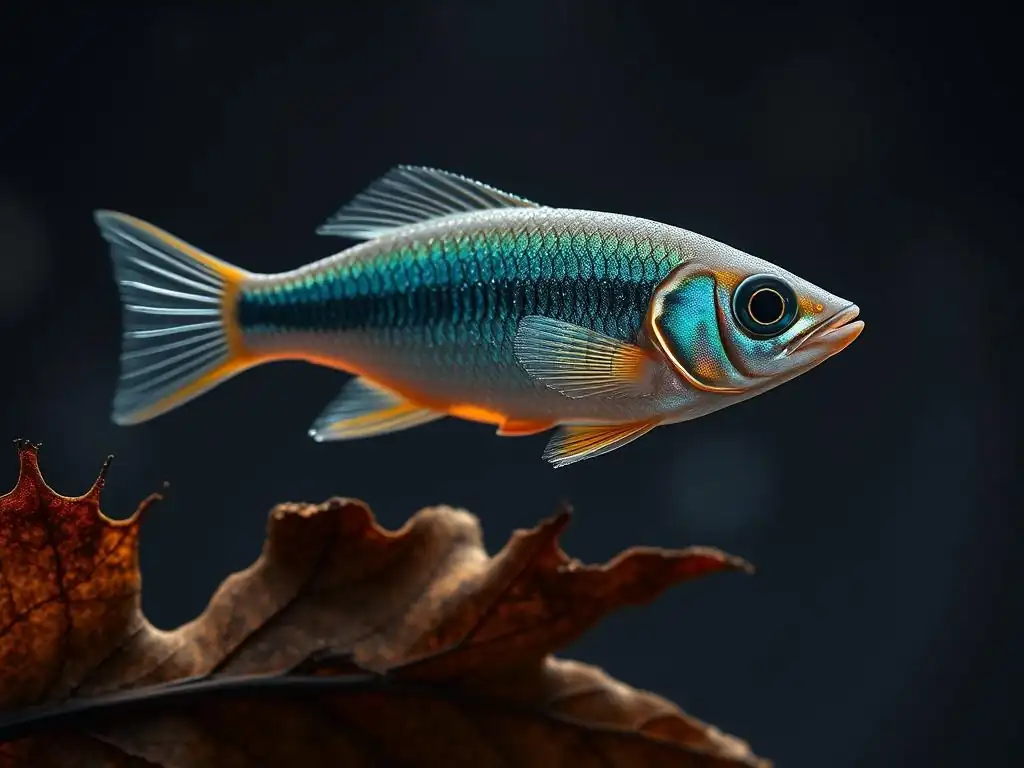
Harlequin Rasboras are schooling fish, meaning they thrive and exhibit their most natural behaviors when kept in groups. For a healthy school of at least 8-10 Harlequin Rasboras, a minimum tank size of 10 gallons (approximately 38 liters) is generally recommended. However, a 15-20 gallon (57-76 liters) tank is even better, as it provides more swimming space, greater water volume for stability, and allows for a larger school, which further enhances their security and visual appeal.
When planning a blackwater rasbora tank setup, remember that the larger the tank, the easier it is to maintain stable water parameters, especially the soft and acidic conditions these fish require. Larger volumes dilute waste products more effectively and are less prone to rapid fluctuations in pH or temperature. While small, Harlequin Rasboras are active swimmers, so providing ample horizontal swimming space is more beneficial than vertical height.
Tank Layout and Decor for a Natural Rasbora Habitat
To truly replicate a natural Harlequin Rasbora habitat, the tank layout and decor should prioritize providing ample hiding spots, shaded areas, and open swimming spaces. Start with a soft, inert substrate, as previously discussed. Incorporate plenty of driftwood branches and roots, arranging them to create intricate networks of crevices and overhangs. These elements mimic fallen trees and branches found in their native streams and swamps, offering security and visual interest.
Layering leaf litter over the substrate further enhances the natural aesthetic and contributes to the blackwater chemistry. Consider using various sizes and shapes of leaves to create a more dynamic floor. While the tank should have areas of dense decor, ensure there are also open swimming lanes for the school to move freely. This thoughtful arrangement creates a stimulating yet secure environment, crucial for a successful blackwater rasbora tank setup.
Plants That Thrive in Soft Water Aquariums for Rasboras
Selecting the right aquatic plants is essential for a thriving blackwater rasbora tank setup. Many popular aquarium plants prefer harder, more alkaline water, so choosing species that tolerate or even thrive in soft, acidic conditions is key. Good options include various Cryptocoryne species (such as Cryptocoryne wendtii or Cryptocoryne undulata), which are native to Southeast Asia and adapt well to low light and soft water, providing excellent ground cover and hiding spots.
Other suitable plants include Java Fern ( Microsorum pteropus) and Anubias species ( Anubias barteri varieties), which can be attached to driftwood or rocks and are very forgiving of varied water parameters, including softer water. Floating plants like Amazon Frogbit ( Limnobium laevigatum) or Red Root Floater ( Phyllanthus fluitans) are also excellent additions, as they help diffuse light, provide shade for the rasboras, and absorb excess nutrients, further contributing to a balanced blackwater environment.
Compatible Tank Mates for Harlequin Rasboras in a Southeast Asian Setup
Suitable Fish Species to Keep with Harlequin Rasboras
When considering tank mates for a blackwater rasbora tank setup, compatibility is key to maintaining a peaceful and thriving community. Harlequin Rasboras are exceptionally peaceful and thrive alongside other small, similarly docile fish that also prefer soft, acidic water conditions. Ideal companions include other small schooling rasboras like Lambchop Rasboras ( Trigonostigma espei) or Phoenix Rasboras ( Boraras merah), which share similar habitat requirements and temperament.
Other excellent choices include small, peaceful tetras such as Neon Tetras ( Paracheirodon innesi), Cardinal Tetras ( Paracheirodon axelrodi), or Ember Tetras ( Hyphessobrycon amandae), all of which appreciate soft, acidic water and exhibit schooling behavior. Dwarf Gouramis ( Trichogaster lalius), although territorial amongst themselves, are generally peaceful towards other species and can add a splash of color. Small, bottom-dwelling catfish like Corydoras species ( Corydoras aeneus or Corydoras panda) are also great additions, as they are peaceful scavengers that help keep the substrate clean.
Invertebrates That Can Enhance a Soft Water Rasbora Tank
Invertebrates can be a fascinating and beneficial addition to a blackwater rasbora tank setup, contributing to the ecosystem's health and providing unique behaviors to observe. Amano Shrimp ( Caridina multidentata) and various Neocaridina shrimp species (like Cherry Shrimp, though their vibrant colors might be less pronounced in blackwater) are excellent algae eaters and scavengers. They are generally peaceful and will not bother Harlequin Rasboras, and vice-versa. However, keep in mind that very small or newly hatched shrimp might be seen as food by the rasboras.
Snails, such as Nerite Snails ( Neritina natalensis) or Malaysian Trumpet Snails ( Melanoides tuberculata), are also suitable. Nerite Snails are excellent algae eaters and will not reproduce excessively in freshwater, while Malaysian Trumpet Snails help aerate the substrate as they burrow. Ensure any chosen invertebrates can tolerate or even thrive in soft, acidic water, as some, like Mystery Snails, prefer harder water for shell development.
Avoiding Aggressive Tank Mates
To ensure the peaceful existence of your Harlequin Rasboras, it is crucial to avoid aggressive or overly boisterous tank mates. Any fish that is significantly larger, predatory, or known for nipping fins should be excluded from a blackwater rasbora tank setup. Examples of fish to avoid include Cichlids (even smaller ones like many Dwarf Cichlids can be territorial), larger Gouramis (like Opaline or Gold Gouramis), and some species of Barbs (e.g., Tiger Barbs, which are notorious fin-nippers).
Even seemingly peaceful fish that grow too large can inadvertently stress or injure smaller Harlequin Rasboras simply due to their size difference. Always research potential tank mates thoroughly, focusing on their adult size, temperament, and specific water parameter requirements to ensure they are truly compatible with the delicate nature of Harlequin Rasboras and the specific conditions of a blackwater environment.
Maintaining a Healthy Soft Water Rasbora Tank: A Comprehensive Guide
Regular Water Testing and Adjustments
Consistent monitoring of water parameters is the cornerstone of maintaining a healthy blackwater rasbora tank setup. Regular water testing, ideally weekly, is essential to track pH, GH, KH, ammonia, nitrite, and nitrate levels. Ammonia and nitrite should always be at zero, while nitrates should be kept below 20 ppm. pH, GH, and KH should remain within the target ranges of 5.0-6.5, 1-8 dGH, and 0-4 dKH, respectively.
If tests reveal deviations, prompt adjustments are necessary. For instance, if pH rises, consider adding more pre-soaked leaf litter or a small amount of peat to the filter. If GH is too high, more frequent water changes with RO/DI water remineralized to lower hardness may be required. Never make drastic changes to water parameters quickly, as sudden shifts are far more stressful to fish than slightly off but stable conditions. Gradual adjustments over several days are always preferred.
Feeding Harlequin Rasboras: Diet and Nutrition
Harlequin Rasboras are omnivorous, primarily micro-predators in their natural habitat, feeding on small insects, larvae, and zooplankton, as well as some plant matter. In the aquarium, a varied and high-quality diet is crucial for their health and vibrant coloration. Offer a staple of high-quality flake or micro-pellet food designed for small tropical fish. Supplement this with live or frozen foods such as daphnia, brine shrimp, or bloodworms a few times a week.
Feeding small amounts multiple times a day (2-3 times) is preferable to one large feeding, as it mimics their natural foraging behavior and prevents overfeeding, which can foul the water. Ensure that the food particles are small enough for their mouths. A well-balanced diet not only contributes to their physical health but also enhances their natural colors, making your blackwater rasbora tank setup even more visually stunning.
Recognizing and Treating Common Rasbora Diseases
While Harlequin Rasboras are relatively hardy in proper conditions, they can still fall victim to common aquarium diseases, especially if water quality deteriorates or they are stressed. Familiarize yourself with the signs of common ailments. Symptoms like clamped fins, lethargy, loss of appetite, white spots (Ich), fuzzy growths (fungus), or ragged fins (fin rot) indicate a problem. Early detection is key to successful treatment.
Upon noticing symptoms, first re-test all water parameters to rule out environmental stress as the cause. Often, improving water quality through a significant water change (e.g., 50%) and adding aquarium salt (if suitable for other tank inhabitants) can help. If the disease persists, identify the specific ailment and use appropriate, reputable aquarium medications, always following dosage instructions carefully. Quarantining new fish for 2-4 weeks before introducing them to your blackwater rasbora tank setup can prevent the introduction of pathogens.
Troubleshooting Common Issues in Soft Water Rasbora Tanks
Dealing with Algae Blooms in a Soft Water Setup
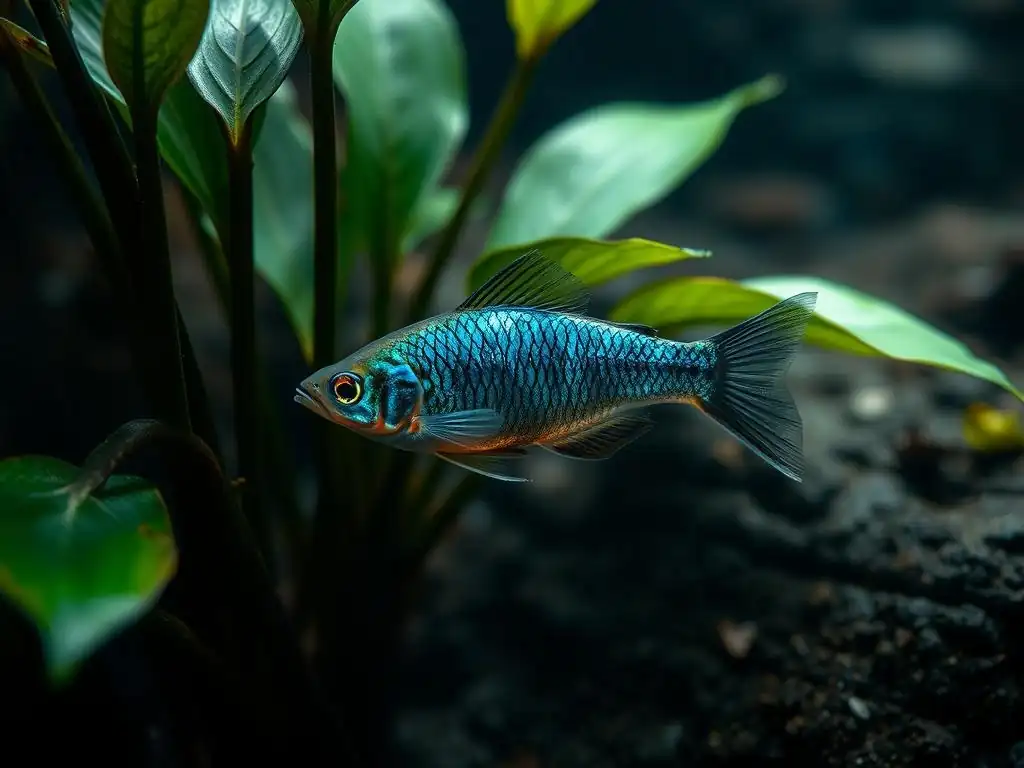
Algae blooms can occasionally plague a blackwater rasbora tank setup, even with careful management. Common types include green spot algae, hair algae, or even brown diatom algae. While a small amount of algae is natural, an excessive bloom usually indicates an imbalance. The primary culprits are typically too much light (intensity or duration), excess nutrients (from overfeeding or infrequent water changes), or a lack of nutrient competition from live plants.
To combat algae, first reduce lighting duration to 6-8 hours and ensure it's not too intense. Increase the frequency of water changes to remove excess nutrients. Ensure you are not overfeeding your Harlequin Rasboras. Introduce more live plants, especially fast-growing stem plants or floating plants, to outcompete algae for nutrients. Amano shrimp or Nerite snails can also assist as part of a clean-up crew. Address the root cause rather than relying solely on chemical algaecides, which can harm beneficial bacteria or sensitive fish.
Addressing pH Fluctuations in the Aquarium
pH fluctuations can be a significant concern in a soft water blackwater rasbora tank setup, especially due to the low KH (carbonate hardness) which provides minimal buffering capacity. A sudden drop or rise in pH can stress Harlequin Rasboras immensely. Common causes include insufficient buffering, large water changes with water of a different pH, or rapid decomposition of organic matter.
To stabilize pH, ensure your source water (especially if using RO/DI) is remineralized to target parameters and consider adding natural buffering agents like peat to your filter or using specialized blackwater extracts that contain humic and fulvic acids. Avoid adding large quantities of pH-altering chemicals at once; instead, make very gradual adjustments. Regular, smaller water changes with consistently prepared water are far better than infrequent, large changes that can shock the system. Monitoring KH is crucial; if it drops too low, the pH will become highly unstable.
Preventing and Treating Fish Diseases in the Rasbora Tank
Preventing disease in a blackwater rasbora tank setup is far easier than treating it. The cornerstone of prevention lies in maintaining stable, pristine water quality, providing a balanced diet, and minimizing stress. Consistent temperature, appropriate pH and hardness, and zero ammonia/nitrite levels are non-negotiable. Quarantining all new fish for at least 2-4 weeks in a separate tank before introducing them to the main aquarium is a critical preventive measure, preventing the spread of potential pathogens.
If a disease does appear, prompt action is essential. Isolate affected fish if possible to prevent spread and facilitate targeted treatment. Accurately diagnose the disease before administering medication; a misdiagnosis can lead to ineffective or harmful treatment. For example, Ich presents as small white spots, while fin rot causes frayed or decaying fins. Always follow medication instructions precisely, as overdosing can be fatal. After treatment, perform several large water changes with carbon filtration to remove medication residues, and monitor the fish closely for recovery.
Soft Water Rasbora Tank Setup: A Step-by-Step Guide
Setting Up the Substrate and Hardscape
The journey to creating an ideal blackwater rasbora tank setup begins with the substrate and hardscape. First, thoroughly rinse your chosen inert substrate (fine sand or small gravel) until the water runs clear. Add a layer of 1-2 inches (2.5-5 cm) across the bottom of the tank, sloping it slightly from back to front for visual depth. Next, introduce your pre-soaked and cured driftwood pieces. Arrange them to create natural-looking crevices, overhangs, and swim-through areas. Think about how they would naturally fall in a stream, providing shelter and visual barriers.
Once the driftwood is in place, you can strategically add smooth, inert rocks if desired, but ensure they don't impact water chemistry. Finally, begin layering your chosen leaf litter. Start with a thin, even layer, and you can add more over time. This foundational step sets the stage for the blackwater aesthetic and provides the structural elements that Harlequin Rasboras will appreciate for security and exploration.
Planting the Aquarium
With the substrate and hardscape established, the next step in your blackwater rasbora tank setup is planting. Begin by adding any rooted plants, such as Cryptocorynes, gently burying their roots in the substrate while keeping the crown exposed. For plants like Java Fern and Anubias, attach them to driftwood or rocks using fishing line or super glue gel; do not bury their rhizomes in the substrate, as this will cause them to rot.
Consider the light requirements of your plants and place them accordingly, with taller plants towards the back and sides, and shorter ones or foreground plants towards the front. Finally, introduce your floating plants, allowing them to spread across the surface to provide natural shade. Fill the tank slowly with dechlorinated water, pouring onto a plate or plastic bag to prevent disturbing the substrate and plants.
Introducing the Harlequin Rasboras to Their New Home
After the tank has fully cycled (meaning ammonia and nitrite levels are zero and nitrates are present), and water parameters (pH, GH, KH, temperature) are stable and within the ideal range for Harlequin Rasboras, you can introduce your fish. Always purchase healthy, active fish from a reputable source. Acclimate them slowly to the tank water using the drip acclimation method, which minimizes stress from sudden changes in water chemistry. This involves slowly adding tank water to their transport bag over an hour or more until the bag water parameters closely match the tank's.
Once acclimated, gently net the fish and release them into their new blackwater rasbora tank setup, discarding the water from the bag. Keep the lights dim for the first few hours to help them adjust. Observe them closely for the first few days, ensuring they are active, eating, and showing no signs of stress or disease. Introduce them in a school of at least 8-10 individuals to ensure they feel secure and exhibit their natural schooling behaviors.
Conclusion: Creating a Perfect Southeast Asian Habitat for Your Harlequin Rasboras
Crafting a blackwater rasbora tank setup is a rewarding endeavor that goes beyond mere aesthetics; it's about providing Trigonostigma heteromorpha with an environment that truly mirrors their natural Southeast Asian habitat. By meticulously focusing on soft, acidic water parameters, incorporating natural elements like leaf litter and driftwood, and ensuring appropriate lighting and filtration, aquarists can create a thriving ecosystem where these peaceful, schooling fish can flourish. The distinctive tea-stained water, combined with lush, low-light tolerant plants, not only enhances the rasboras' vibrant copper hues but also encourages their natural behaviors, making them feel secure and reducing stress.
The commitment to replicating these specific conditions, from the inert substrate to the careful selection of compatible tank mates, culminates in a balanced and visually captivating aquarium. Regular water testing, consistent maintenance, and a keen eye for the well-being of your Harlequin Rasboras are essential for long-term success. By embracing the principles of a blackwater environment, you are not just keeping fish; you are cultivating a piece of the rainforest, offering your Harlequin Rasboras a perfect home where they can display their full beauty and vitality for years to come.
Frequently Asked Questions
How do I create a blackwater environment for Harlequin Rasboras in my aquarium?
You can replicate a blackwater environment by using driftwood, leaf litter (like Indian Almond Leaves), and peat moss to release tannins into the water, lowering the pH and creating a darker, more natural habitat.
What are the ideal water parameters for a Blackwater Rasbora tank setup?
Ideal water parameters for a Blackwater Rasbora tank setup include a slightly acidic pH (around 6.0-6.8), soft water (GH under 5 dGH), and a temperature between 73-82°F (23-28°C).
What type of substrate is best for a Blackwater Rasbora tank setup?
A dark-colored, inert substrate like aquarium sand or fine gravel is recommended. Avoid substrates that alter water chemistry, as you want to maintain the acidic and soft water conditions essential for blackwater environments.
What fish are compatible with Harlequin Rasboras in a Blackwater Rasbora tank setup?
Compatible tank mates include other small, peaceful fish that thrive in acidic, soft water, such as small tetras (e.g., Cardinal or Ember Tetras), Corydoras catfish, and other peaceful rasbora species.
How often should I perform water changes in a Blackwater Rasbora tank setup?
Regular, small water changes (around 10-20% weekly) are crucial to maintain stable water parameters and prevent the buildup of nitrates. Be sure to use RO water or aged tap water that has been properly treated to remove chlorine and chloramine.
Final Reflection: Embracing the Blackwater's Whisper
The intricacies of recreating a blackwater biotope for Harlequin Rasboras, as explored in this article, are not merely about aesthetics; they represent a deeper understanding of the interconnectedness between environment and well-being. By meticulously mimicking their natural habitat, we unlock the potential for these fish to thrive, showcasing vibrant colors and engaging in natural behaviors that are often suppressed in less suitable environments. This dedication to detail underscores the profound impact responsible aquascaping can have on the lives of the creatures we choose to keep.
This journey into the blackwater ecosystem has profoundly influenced my perspective on aquarium keeping, highlighting the ethical responsibility we bear to provide environments that cater to the specific needs of our aquatic companions. It's a reminder that our tanks are not just decorations, but miniature ecosystems that deserve our respect and careful consideration. In the end, we will conserve only what we love; we will love only what we understand; and we will understand only what we are taught.
- Baba Dioum's words resonate deeply, urging us to continually learn and appreciate the delicate balance within these aquatic worlds.
As you consider your own aquarium setups, I encourage you to embrace the spirit of this exploration. Don't just aim for a visually appealing tank; strive to create a thriving ecosystem that nurtures the natural beauty and behaviors of your fish. By understanding and replicating the nuances of their native environments, you can unlock a deeper connection with these fascinating creatures and contribute to their well-being, fostering a truly rewarding and sustainable aquascaping experience.
Unlock the Secrets to a Thriving Harlequin Rasbora Tank!
Thanks for diving into the world of Harlequin Rasboras! We hope you've gained valuable insights into creating the perfect blackwater haven for these vibrant fish. Now, let's put that knowledge into action and watch your Rasboras flourish.
- Begin by gradually adjusting your tank's parameters over the next week to more closely mimic the blackwater environment. Observe your Rasboras closely for any signs of stress.
- Explore adding some uncommon botanicals like guava leaves or alder cones to naturally tint the water and provide beneficial tannins.
- Share your blackwater transformation journey! Post a photo of your Harlequin Rasbora tank on social media using #AquariumMastery and inspire other aquarists.
What unique piece of driftwood or botanical will you add to your Rasbora tank to enhance their natural environment?