
Best Tank Mates for Peacock Cichlids: Creating a Harmonious Community

Welcome to Aquarium Mastery!
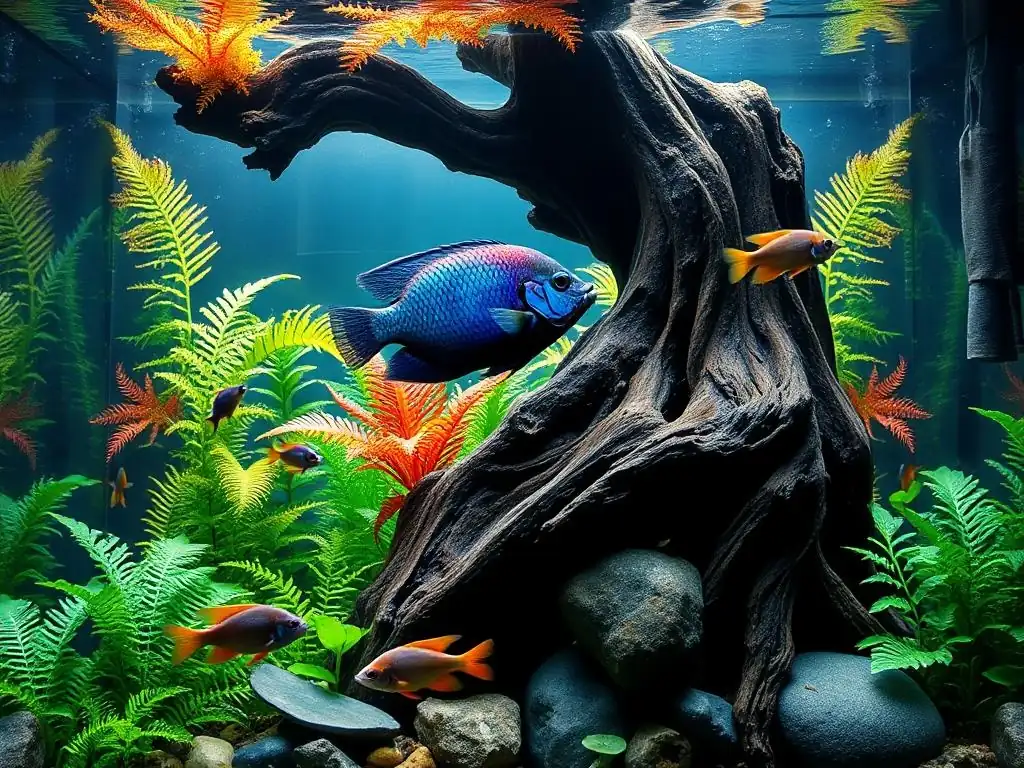
Ever wondered how to build a vibrant and peaceful community around your stunning Peacock Cichlids? Unlock the secrets to selecting the perfect Peacock cichlid tank mates and create a harmonious underwater world. Dive in to discover which species thrive alongside these colorful beauties and avoid common pitfalls. Ready to build the aquarium of your dreams? Let's explore!
- Understanding Peacock Cichlids and Their Temperament
- Ideal Peacock Cichlid Tank Mate Options: Compatibility and Care
- Fish to Avoid as Peacock Cichlid Tank Mates: Minimizing Aggression
- Tank Setup and Environment for a Thriving Peacock Cichlid Community
- Feeding a Community Tank with Peacock Cichlids
- Introducing New Fish to a Peacock Cichlid Tank: A Gradual Process
- Maintaining Harmony in Your Peacock Cichlid Community Tank
- The Rewards of a Well-Managed Peacock Cichlid Community
-
Frequently Asked Questions
- What factors should I consider when choosing Peacock Cichlid tank mates?
- Can I keep Peacock Cichlids with other types of cichlids?
- What are some good non-cichlid tank mate options for Peacock Cichlids?
- How important is tank size when keeping Peacock Cichlids with tank mates?
- What should I do if I observe aggression between my Peacock Cichlids and their tank mates?
- Final Reflection: Cultivating Harmony in the Aquarium
- Ignite Your Aquarium: Build the Perfect Peacock Cichlid Community!
Understanding Peacock Cichlids and Their Temperament
Peacock Cichlid Overview: Species and Origins
Peacock cichlids, primarily belonging to the Aulonocara genus, are vibrant and popular freshwater fish originating from the sandy and rocky regions of Lake Malawi in East Africa. This vast rift lake is known for its incredible biodiversity, particularly its endemic cichlid species.
Among the many varieties, species like the Sunshine Peacock ( Aulonocara stuartgranti 'Ngara'), Rubin Red Peacock ( Aulonocara stuartgranti 'Rubin Red'), and Blue Neon Peacock ( Aulonocara jacobfreibergi) are highly sought after by aquarists due to their stunning iridescent colors. These fish typically inhabit the intermediate zones of the lake, where rocky outcrops meet sandy bottoms, influencing their natural foraging and territorial behaviors.
Males of most Aulonocara species can reach an impressive size of 5-6 inches (12-15 cm), while females generally remain smaller, around 3-4 inches (7-10 cm). Their natural diet in the wild consists largely of small invertebrates found in the sand, which they sift through using specialized mouthparts. This unique feeding behavior, combined with their relatively moderate aggression compared to other Lake Malawi cichlids, makes them a fascinating addition to a well-planned community aquarium. Understanding their natural history and physical characteristics is the first step in selecting suitable Peacock cichlid tank mates.
Temperament and Behavior of Peacock Cichlids in the Aquarium
In an aquarium setting, Peacock cichlids exhibit a temperament that can be described as moderately aggressive, particularly among males. Male Peacock cichlids are territorial and will often display aggression towards other males, especially those of similar size or coloration, as they compete for breeding rights and territory. This intraspecific aggression is a key factor when considering Peacock cichlid tank mates, as it necessitates careful planning of male-to-female ratios and tank size. A common recommendation is to keep a ratio of one male to three or more females to diffuse aggression and reduce stress on individual females.
Despite their territorial nature, Peacock cichlids are generally less aggressive than their Mbuna cousins from Lake Malawi. They tend to be more peaceful towards other fish species that do not resemble them in color or body shape, and which do not occupy the same exact niche in the tank.
They are active swimmers and will explore all levels of the aquarium, though they prefer the lower to mid-water column. Observing their natural behaviors, such as elaborate courtship rituals and the excavation of small pits in the substrate for spawning, is a rewarding experience, provided their environment is stable and their Peacock cichlid tank mates are well-chosen to minimize stress and conflict.
Key Considerations for Selecting Suitable Tank Mates for Peacocks
Selecting appropriate Peacock cichlid tank mates requires careful consideration of several critical factors to ensure a harmonious and thriving community. The primary considerations revolve around size compatibility, temperament matching, and shared water parameter requirements. Firstly, avoid very small fish that could be perceived as food, as Peacock cichlids are opportunistic predators. Conversely, extremely large or overly aggressive fish could intimidate or harm your Peacocks. A general rule is to select fish of comparable size, ideally within an inch or two of the adult Peacock cichlid size.
Secondly, temperament matching is paramount. While Peacocks are moderately aggressive, they can be stressed by highly aggressive or overly boisterous species. Similarly, extremely timid or slow-moving fish may struggle to compete for food or become targets for bullying. The ideal Peacock cichlid tank mates should possess a similar level of assertiveness without being overtly belligerent. Lastly, all inhabitants of a Peacock cichlid tank must thrive in the same specific water conditions. Lake Malawi cichlids require hard, alkaline water with a stable pH. Compatibility in these parameters is non-negotiable for the long-term health of all fish in the community.
Ideal Peacock Cichlid Tank Mate Options: Compatibility and Care
Mbuna Cichlids as Peacock Cichlid Companions: A Cautious Approach
While both Peacock cichlids and Mbuna cichlids originate from Lake Malawi, their compatibility as Peacock cichlid tank mates is often debated and requires a cautious approach. Mbunas are generally more aggressive and predominantly herbivorous, contrasting with the omnivorous and somewhat less aggressive Peacocks. Mixing these two groups can lead to significant aggression issues, especially if the tank is not adequately sized or if highly aggressive Mbuna species are chosen. For instance, species like Melanochromis auratus or Pseudotropheus demasoni are often too territorial and boisterous for Peacocks.
However, certain less aggressive Mbuna species can sometimes coexist with Peacocks in very large aquariums (e.g., 75 gallons or more) with ample rockwork and meticulous planning. The key is to select Mbunas that are not overly dominant, do not share similar coloration or body shapes with the Peacocks, and whose dietary needs can be managed without compromising the health of the omnivorous Peacocks. Even with careful selection, constant observation is necessary, and be prepared to separate fish if aggression becomes problematic. This pairing is generally recommended only for experienced aquarists who understand the nuances of African cichlid behavior.
Synodontis Catfish: Peaceful Bottom Dwellers for Peacock Tanks
Synodontis catfish are excellent candidates for Peacock cichlid tank mates, particularly species like the Featherfin Syno ( Synodontis eupterus) or the Cuckoo Catfish ( Synodontis multipunctatus). These African catfish are native to various parts of Africa, including Lake Tanganyika, and thrive in similar hard, alkaline water conditions as Peacock cichlids. They are primarily nocturnal and peaceful bottom dwellers, which means they occupy a different water column and do not directly compete with Peacocks for territory in the mid-water column. This spatial separation significantly reduces potential conflicts, making them ideal companions.
Synodontis catfish are scavengers, helping to keep the tank clean by consuming uneaten food, though they should not be relied upon as the sole "clean-up crew." They can grow quite large, with some species reaching 8-10 inches (20-25 cm), so ensure your tank is sufficiently sized to accommodate their adult size.
They appreciate plenty of hiding spots in the form of caves, driftwood, or rockwork, which also benefits the Peacock cichlids by breaking up lines of sight. Their unique swimming patterns, often upside down or darting between decor, add an interesting dynamic to the aquarium without posing a threat to your Peacock cichlid tank mates.
Plecos: Algae Eaters that Coexist with Peacock Cichlids
Many species of plecostomus (Plecos) can serve as suitable Peacock cichlid tank mates, especially those that remain a manageable size and are not overly aggressive. Bristlenose Plecos ( Ancistrus spp.) are particularly popular choices due to their relatively small size (typically 4-6 inches / 10-15 cm), peaceful nature, and effective algae-eating habits.
Other suitable options include Clown Plecos ( Panaqolus maccus) or Rubber Lipped Plecos ( Chaetostoma spp. ), which also stay small and are less likely to bother other fish. These bottom-dwelling fish primarily feed on algae and biofilm, occupying a different ecological niche than Peacock cichlids, thereby minimizing direct competition for food or territory.
It is crucial to avoid common plecos ( Hypostomus plecostomus) in most community tanks, as they can grow exceptionally large (up to 2 feet / 60 cm) and become messy, requiring massive tanks. While most plecos are peaceful, some larger species can develop a taste for the slime coat of slow-moving or sleeping fish, though this is less common with active cichlids like Peacocks.
Ensure that any pleco chosen for Peacock cichlid tank mates is provided with sufficient driftwood, as cellulose is an important part of their diet, and that they receive supplemental algae wafers or blanched vegetables to ensure proper nutrition.
Yellow Lab Cichlid (Labidochromis caeruleus): A Detailed Profile
The Yellow Lab Cichlid, Labidochromis caeruleus, stands out as one of the most frequently recommended and successful Peacock cichlid tank mates from the Mbuna group. Originating from the rocky shores of Lake Malawi, this species is renowned for its striking vibrant yellow coloration, often contrasted with black fins, making it a visually appealing addition to any African cichlid setup. Yellow Labs are relatively small for Mbunas, typically reaching an adult size of 4-5 inches (10-12 cm), which is comparable to or slightly smaller than many Peacock cichlids.
What sets the Yellow Lab apart as a suitable companion is its comparatively mild temperament for an Mbuna. While still territorial, they are significantly less aggressive than many other Mbuna species, and their distinct coloration and body shape reduce the likelihood of them being mistaken for rival male Peacocks. They are primarily herbivorous, feeding on algae and small invertebrates in the wild.
In a community tank, their diet can be managed with high-quality spirulina-based flakes or pellets, supplemented with occasional protein. When kept with omnivorous Peacocks, it's important to offer a varied diet to ensure both species receive appropriate nutrition without one being overfed on the other's preferred food type. Providing plenty of rockwork with caves and crevices will allow Yellow Labs to establish territories and coexist peacefully with their Peacock cichlid tank mates.
Fish to Avoid as Peacock Cichlid Tank Mates: Minimizing Aggression
Why Certain Cichlids Are Not Suitable Peacock Cichlid Companions
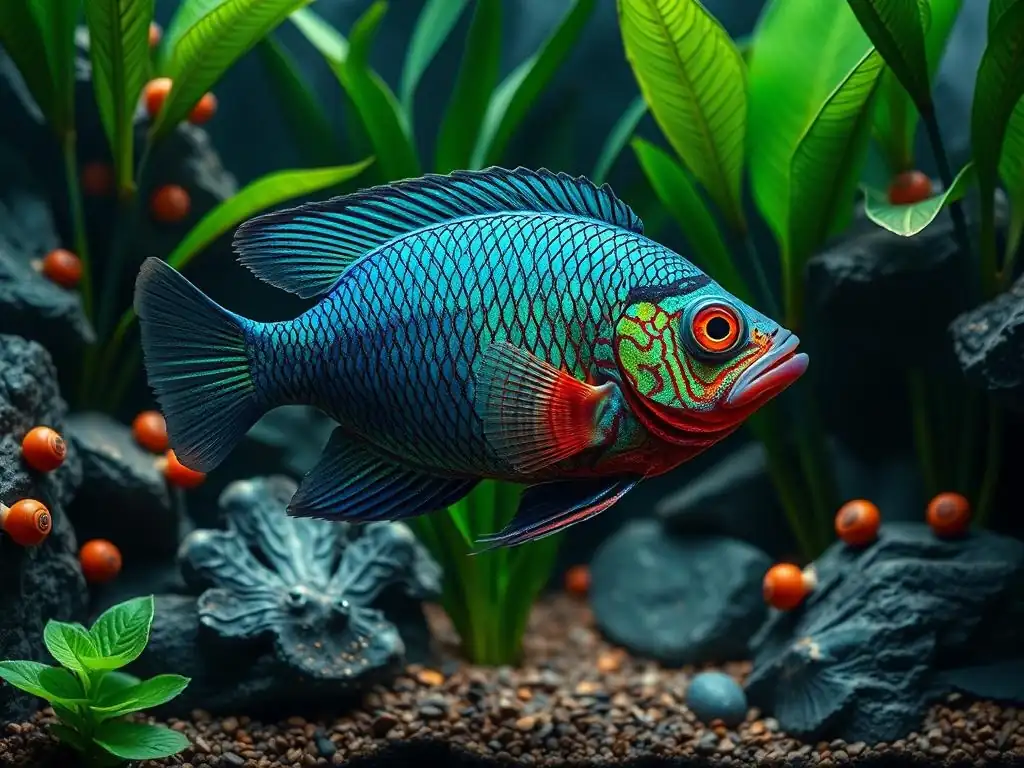
Not all cichlids are compatible Peacock cichlid tank mates, and introducing unsuitable species can lead to severe aggression, stress, injury, or even death for your fish. Highly aggressive Mbuna species, such as Melanochromis auratus, Pseudotropheus demasoni, or Maylandia zebra (Red Zebra Cichlid), are generally poor choices. These Mbunas are known for their intense territoriality, often relentless pursuit, and tendency to bully less aggressive fish. Their dietary needs are also strictly herbivorous, which can be problematic when housed with omnivorous Peacocks, leading to improper nutrition for one or both groups if not managed carefully.
Furthermore, cichlids from other regions, especially large predatory species, should be strictly avoided. For instance, South American cichlids like Oscars ( Astronotus ocellatus), Flowerhorns, or even larger Central American cichlids like Green Terrors ( Andinoacara rivulatus) are entirely unsuitable. These fish grow much larger than Peacocks, have vastly different dietary needs, and their predatory nature means they will likely view smaller Peacock cichlids as prey. Their water parameter requirements also often differ significantly from the hard, alkaline water preferred by Lake Malawi cichlids, making a mixed setup untenable for the long-term health of any fish involved.
Avoiding Fin-Nippers: Protecting Peacock Cichlid Fins
One crucial aspect of selecting Peacock cichlid tank mates is to avoid species known for fin-nipping. Peacock cichlids, particularly the males, possess beautiful, flowing fins that can become targets for certain fish.
While not typically aggressive themselves, fin-nipping can cause significant stress, lead to secondary bacterial or fungal infections, and severely detract from the fish's aesthetic appeal. Common culprits for fin-nipping include some species of Barbs (e.g., Tiger Barbs, unless kept in very large schools in a species-specific tank, they can be problematic), certain types of Tetras if not kept in large enough schools or if the tank is too small, and even some smaller, overly boisterous Gouramis.
Even if a fish is not inherently aggressive, its behavior might change under stress or in an overcrowded environment, leading to fin-nipping. It is always better to err on the side of caution when considering potential Peacock cichlid tank mates. Prioritize species with a documented history of peaceful coexistence with fish that have long fins. Regularly inspect your Peacock cichlids' fins for any signs of damage, which could indicate a problem with one of their tank mates or an underlying stress factor in the environment.
Invertebrates and Peacock Cichlids: A Risky Combination
Introducing most invertebrates as Peacock cichlid tank mates is generally a risky and often unsuccessful endeavor. Peacock cichlids are opportunistic predators, and anything small enough to fit into their mouths is likely to be viewed as a food source. This includes most freshwater shrimp species, such as Cherry Shrimp, Amano Shrimp, or Ghost Shrimp, which will almost certainly become expensive snacks for your Peacocks. Even larger shrimp species might be harassed or picked at until they succumb to stress or injury.
Snails also face a similar fate. Smaller snails will be readily consumed, and even larger snails (e.g., Mystery Snails, Nerite Snails) may be harassed or picked at, leading to stress or injury. While some larger, very hard-shelled snails might survive, they offer little benefit to the tank and still carry the risk of being disturbed.
The only exception might be very large, robust snails that are too big for the cichlids to consume, but even then, their shells could be damaged by persistent nipping. For a harmonious Peacock cichlid community, it is best to avoid adding invertebrates altogether and focus on fish-only companions.
Tank Setup and Environment for a Thriving Peacock Cichlid Community
Tank Size Requirements for a Peacock Cichlid Community Tank
The foundation of a successful Peacock cichlid community tank lies in providing an appropriately sized aquarium. For a small group of Peacock cichlids (e.g., one male and three to four females), a minimum tank size of 55 gallons (approximately 48 inches long x 13 inches wide x 21 inches high) is often recommended.
However, to truly foster a harmonious environment and allow for a diverse selection of Peacock cichlid tank mates, a 75-gallon tank (approximately 48 inches long x 18 inches wide x 21 inches high) or larger is highly advisable. Larger tanks provide more swimming space, more territory to establish, and crucially, more room to disperse aggression.
In a tank of 75 gallons or more, the increased footprint allows for multiple hiding spots and visual barriers, which can significantly reduce stress and aggression among territorial males. For more ambitious community setups involving multiple male Peacocks or a mix with carefully selected Mbunas, tanks of 125 gallons (72" L x 18" W x 23" H) or even 180 gallons (72" L x 24" W x 25" H) are ideal.
The extra volume also contributes to greater water parameter stability, which is vital for the long-term health of African cichlids. Adequate tank size is perhaps the single most important factor in preventing aggression and ensuring the well-being of your Peacock cichlid tank mates.
Water Parameters: Maintaining Ideal Conditions for African Cichlids
Maintaining stable and specific water parameters is paramount for the health and longevity of Peacock cichlids and their tank mates. Originating from Lake Malawi, these fish require hard, alkaline water. The ideal pH range for Peacock cichlids is between 7.8 and 8.6, with some aquarists successfully keeping them up to pH 9.0. Deviations outside this range can cause significant stress and lead to health issues. The general hardness (GH) should be between 10-20 dGH (180-360 ppm), and carbonate hardness (KH) should be between 10-18 dKH (180-320 ppm) to ensure proper buffering capacity and prevent drastic pH swings.
Temperature should be maintained consistently between 76-82°F (24-28°C). Fluctuations in temperature can weaken the fish's immune system, making them susceptible to disease. Regular testing of water parameters using reliable test kits is essential. If your tap water does not naturally match these parameters, you may need to use cichlid-specific salts or buffers to achieve the desired conditions. Consistent water parameters are a cornerstone for a thriving community of Peacock cichlid tank mates, mimicking their natural environment and promoting vibrant colors and robust health.
Decor and Substrate: Creating a Natural and Safe Habitat
The choice of decor and substrate plays a vital role in creating a natural, stimulating, and safe habitat for Peacock cichlids and their tank mates. A sandy substrate is highly recommended, as Peacock cichlids naturally sift through sand in search of food. Fine-grained sand, such as play sand or specialized aquarium sand, is ideal and will not harm their delicate gill plates. Avoid coarse gravel, which can trap detritus and be abrasive to their mouths. A sand bed of at least 2-3 inches (5-7.5 cm) deep allows for natural digging and sifting behaviors.
For decor, focus on creating rock structures with caves, crevices, and hiding spots. Limestone, lace rock, lava rock, or slate are excellent choices for building stable formations. These structures serve multiple purposes: they provide visual barriers to break up lines of sight, reducing aggression among territorial males; they offer secure hiding places for submissive fish or those needing respite; and they mimic the rocky environments found in Lake Malawi.
Ensure that all rockwork is securely stacked to prevent collapses, potentially by using aquarium-safe silicone or by placing rocks directly on the tank bottom before adding sand. Avoid sharp or abrasive decor that could injure fins or bodies.
Filtration and Water Changes: Ensuring Water Quality
Maintaining pristine water quality is non-negotiable for a healthy Peacock cichlid community tank, especially given their high bioload. Robust filtration is essential. Canister filters are highly recommended for their efficiency, large media capacity, and ability to house mechanical, biological, and chemical filtration media. Sumps are also excellent options for very large tanks, offering even greater filtration volume and flexibility. Aim for a filter system that can process the tank's volume at least 5-10 times per hour. For example, a 75-gallon tank would ideally have a filter with a flow rate of 375-750 gallons per hour (GPH).
In addition to powerful filtration, regular and consistent water changes are crucial. A common guideline is to perform weekly water changes of 25-30% of the tank volume. For instance, in a 75-gallon tank, this would mean changing approximately 18-22 gallons of water each week.
Water changes remove nitrates, phosphates, and other accumulated pollutants that filtration alone cannot eliminate, helping to maintain stable water parameters and reduce the risk of disease. Always use a dechlorinator when adding new water, and ensure the temperature of the fresh water matches the tank water closely to prevent temperature shock for your Peacock cichlid tank mates.
Feeding a Community Tank with Peacock Cichlids
Peacock Cichlid Diet: Nutritional Needs and Feeding Habits
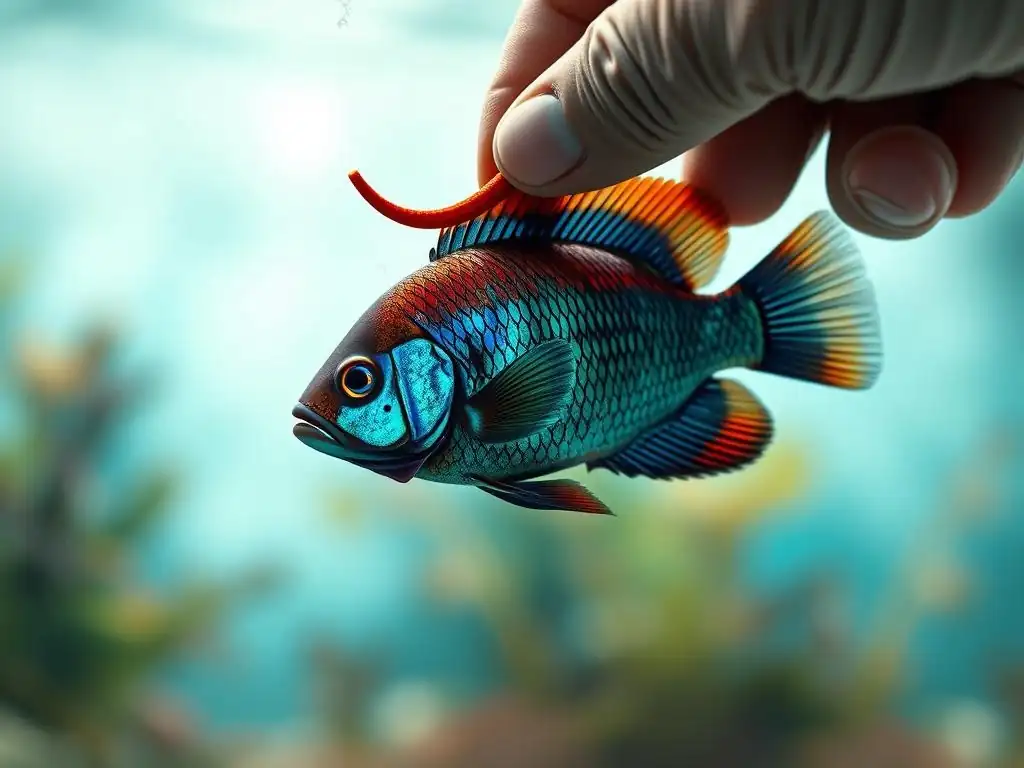
Peacock cichlids are omnivores with a preference for protein, reflecting their natural diet of small invertebrates found in the sand and among rocks in Lake Malawi. A high-quality cichlid pellet or flake food designed for omnivorous African cichlids should form the staple of their diet. Look for foods with a good protein content (typically 35-45%) and a balance of vegetable matter. Supplemental foods are also important to provide a varied diet and ensure all nutritional needs are met.
Excellent supplementary foods include frozen or freeze-dried brine shrimp, Mysis shrimp, krill, and bloodworms. These can be offered a few times a week. Spirulina-based flakes or pellets are also beneficial, providing essential vegetable matter and enhancing coloration.
It is crucial to avoid feeding terrestrial animal fats, such as beef heart or other mammalian meats, as these are difficult for fish to digest and can lead to internal health issues over time. Feeding small amounts multiple times a day (2-3 times) is often better than one large meal, as it mimics their natural foraging behavior and reduces the amount of uneaten food fouling the water.
Feeding Strategies to Ensure All Fish Get Enough Food
In a community tank with diverse Peacock cichlid tank mates, ensuring all inhabitants receive adequate nutrition can be a challenge, especially if different species have varying dietary needs or feeding habits. One effective strategy is to feed multiple small meals throughout the day rather than a single large one. This allows more timid fish or those that are slower to react to food to get their share. Distributing food widely across the surface of the tank, or even introducing food at different ends, can also help prevent dominant fish from monopolizing the feeding area.
If you have a mix of omnivorous Peacocks and herbivorous Mbunas (like Yellow Labs), it's important to offer both protein-rich foods for the Peacocks and spirulina-based or vegetable-heavy foods for the Mbunas. This can be done by feeding the different food types simultaneously or at slightly different times, ensuring each group receives its appropriate diet. For bottom-dwelling Peacock cichlid tank mates like Synodontis catfish or plecos, supplement their diet with sinking pellets, algae wafers, or blanched vegetables after the main lights are out, as many of these species are nocturnal or prefer to feed when less competition is present.
Preventing Overfeeding and Maintaining Water Quality
Overfeeding is one of the most common mistakes in aquarium keeping and can have detrimental effects on water quality and fish health in a Peacock cichlid community tank. When too much food is offered, uneaten portions decompose, leading to a rapid increase in ammonia, nitrite, and nitrate levels. This degrades water quality, stresses fish, and can lead to algae blooms and bacterial infections. Furthermore, chronic overfeeding can cause obesity in fish, leading to internal organ damage and a shortened lifespan.
The key to preventing overfeeding is to feed only what your fish can consume within 1-2 minutes. If there is food remaining after this time, you are feeding too much. It's often better to slightly underfeed than to overfeed.
Skipping a day of feeding once a week can also be beneficial, as it allows the fish's digestive systems to clear and helps to reduce the overall bioload in the tank. Regularly siphoning the substrate during water changes to remove any accumulated detritus is also crucial for maintaining excellent water quality, which directly impacts the health and vibrancy of your Peacock cichlid tank mates.
Introducing New Fish to a Peacock Cichlid Tank: A Gradual Process
Quarantine Procedures for New Fish
Introducing new Peacock cichlid tank mates or any new fish into an established aquarium without proper quarantine is one of the quickest ways to introduce diseases and parasites, potentially wiping out your entire community. A separate quarantine tank is an essential piece of equipment for any serious aquarist. This tank, typically 10-20 gallons (38-76 liters) for most new fish, should be set up with a heater, filter (sponge filter is often sufficient), and a few hiding spots. It does not need to be elaborately decorated.
New fish should be quarantined for a minimum of 2-4 weeks. During this period, observe them closely for any signs of disease, such as white spots (ich), clamped fins, labored breathing, lesions, or unusual behavior. If any symptoms appear, treat them in the quarantine tank, not the main display tank.
This isolation period allows you to treat any potential issues without exposing your established fish to pathogens or medications. Only after a clean bill of health and no signs of disease for at least two weeks should you consider moving the new fish to the main Peacock cichlid community tank.
Acclimation Techniques for Introducing New Tank Mates
Once new Peacock cichlid tank mates have completed their quarantine period, proper acclimation to the main tank's water parameters is crucial to prevent shock. The goal is to slowly equalize the temperature and water chemistry (pH, hardness) between the quarantine tank (or transport bag) and the main display tank. The drip acclimation method is highly recommended for its gentle approach. Begin by floating the bag containing the new fish in the main tank for 15-20 minutes to equalize temperature.
After temperature equalization, place the fish and its water into a clean bucket. Using airline tubing, create a siphon from the main tank into the bucket, tying a knot in the tubing or using a control valve to create a slow drip (e.g., 1-2 drips per second). Allow water to slowly drip into the bucket until the volume of water in the bucket has at least doubled, which typically takes 30-60 minutes.
Once acclimated, gently net the fish and introduce it to the main tank, discarding the old water from the bucket. Dimming the tank lights for a few hours after introduction can also help reduce stress.
Monitoring Behavior After Introduction: Identifying Potential Problems
The period immediately following the introduction of new Peacock cichlid tank mates is critical for observation. For the first few days to a week, closely monitor the behavior of both the new fish and the established residents. Look for signs of stress in the new arrivals, such as clamped fins, hiding excessively, rapid breathing, or refusal to eat. These could indicate poor acclimation, stress from bullying, or an underlying health issue.
Equally important is observing the reaction of your existing Peacock cichlids and other tank mates. Watch for excessive chasing, fin nipping, or constant harassment directed at the new fish. While some initial territorial squabbles are normal as a new hierarchy is established, persistent and aggressive bullying is a red flag.
If severe aggression is observed, or if the new fish appears overly stressed and unable to find refuge, you may need to intervene by either rearranging decor, adding more hiding spots, or, in extreme cases, removing the aggressive fish or the new fish to prevent harm. Swift action can save lives and maintain the harmony of your Peacock cichlid community.
Maintaining Harmony in Your Peacock Cichlid Community Tank
Observing Fish Behavior: Recognizing Signs of Stress or Aggression
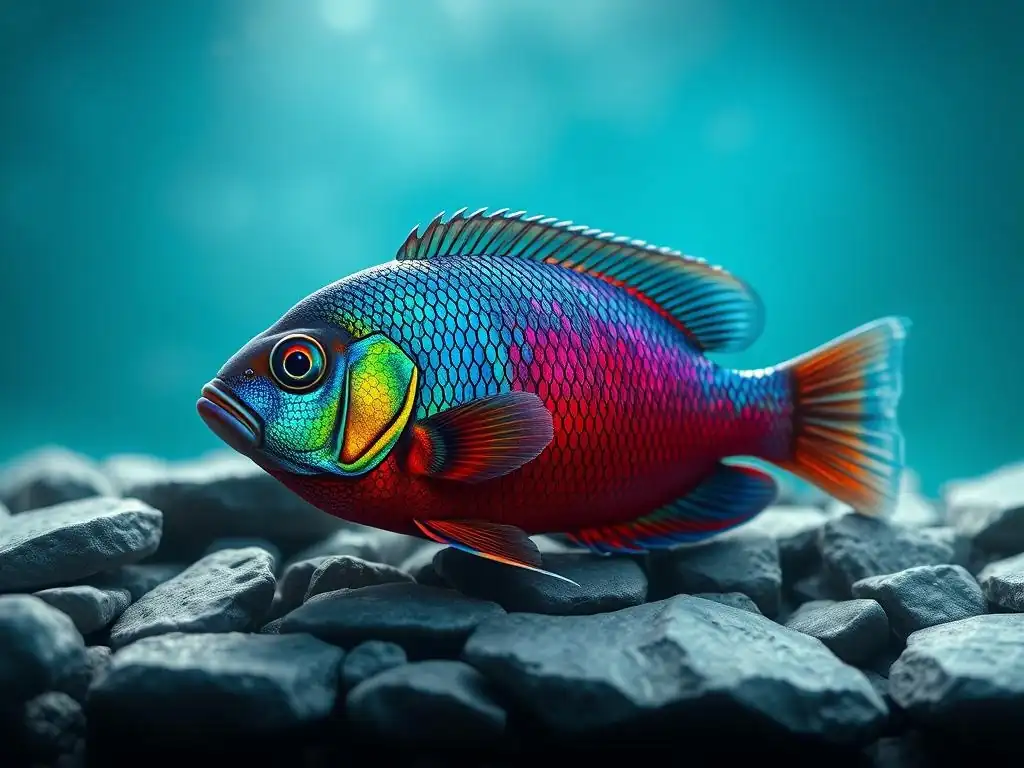
Maintaining harmony in a Peacock cichlid community tank requires continuous observation of your fish's behavior to identify early signs of stress or aggression. Healthy Peacock cichlids are typically active, display vibrant colors, and readily feed. Signs of stress often include clamped fins, faded coloration, rapid gill movement (indicating labored breathing), hiding excessively, or rubbing against tank decor. These can be indicators of poor water quality, disease, or bullying by other tank mates.
Aggression among Peacock cichlid tank mates manifests as constant chasing, flaring gills, nipping at fins, or body slamming. A fish that is consistently being bullied may show physical signs like torn fins or missing scales, appear lethargic, or refuse to eat. Identifying which fish is the aggressor and which is the victim is crucial for intervention. Pay attention to how fish interact during feeding times, as this is often when aggression is most pronounced. Early detection of these behaviors allows for timely adjustments to the tank environment or stocking, preventing severe injury or chronic stress.
Adjusting Tank Setup to Reduce Aggression
If aggression becomes an issue among your Peacock cichlid tank mates, adjusting the tank setup can often help mitigate the problem. One effective strategy is to rearrange the decor. By moving rocks, caves, and other structures, you disrupt established territories, forcing dominant fish to re-establish their boundaries.
This temporary confusion can reduce aggression and give submissive fish a chance to find new safe zones. Adding more hiding spots and visual barriers, such as additional rock caves or tall artificial plants, can also provide refuge for bullied fish and break up lines of sight, making it harder for aggressors to relentlessly pursue their targets.
Another strategy, often employed in African cichlid tanks, is "overstocking" or deliberate crowding. While counter-intuitive, in very well-filtered and maintained tanks, a higher density of Peacock cichlid tank mates can dilute aggression. With many fish in the tank, aggression is spread out among more individuals, preventing any single fish from becoming a constant target. However, this strategy requires significantly increased filtration and more frequent, larger water changes to manage the higher bioload and prevent water quality issues. It is a technique for experienced aquarists only.
Addressing Aggression and Bullying in Peacock Cichlid Tanks
When observing persistent aggression or bullying that cannot be resolved by adjusting tank decor or stocking density, direct intervention is necessary to maintain the well-being of your Peacock cichlid community. The most straightforward solution is often to remove the aggressive fish. If a particular male Peacock cichlid is relentlessly bullying others, rehoming him to another suitable tank or a separate species-specific setup might be the best option. Sometimes, the removal of just one highly dominant individual can restore peace to the entire tank.
Alternatively, if a male is overly aggressive towards females, consider increasing the female-to-male ratio (e.g., aiming for 1 male to 4-5 females) to spread out his attention and reduce stress on individual females. For temporary relief or during severe disputes, a tank divider can be used to separate fish without removing them from the main system, allowing time for recovery or for aggression levels to subside.
In rare cases, if a specific pairing of Peacock cichlid tank mates proves consistently incompatible despite all efforts, it may be necessary to rehome one of the fish to ensure the long-term health and stability of your aquarium.
The Rewards of a Well-Managed Peacock Cichlid Community
Observing Natural Behaviors in a Diverse African Cichlid Tank
One of the most profound rewards of maintaining a well-managed Peacock cichlid community tank is the opportunity to observe their fascinating natural behaviors. When Peacock cichlids and their compatible tank mates are housed in an appropriate environment, they exhibit a range of natural instincts that are captivating to witness. This includes the intricate courtship rituals of male Peacocks, where they display their vibrant colors and flare their fins to attract females, often excavating small pits in the sand as potential spawning sites.
Beyond breeding behaviors, you can observe their foraging techniques, such as sifting through the sand for food particles, or the territorial displays between males that, while assertive, ideally do not escalate to harmful aggression. Seeing different species interact, each occupying its niche within the tank – from the bottom-dwelling Synodontis catfish to the mid-water cruising Peacocks and the rock-dwelling Yellow Labs – creates a dynamic and engaging ecosystem. This glimpse into the complex social structures and routines of African cichlids is a truly enriching experience for any aquarist.
The Beauty and Intrigue of a Thriving Community Aquarium
A thriving Peacock cichlid community aquarium is a living work of art, offering unparalleled beauty and intrigue. The iridescent blues, yellows, reds, and oranges of male Peacock cichlids, constantly shifting under the light, are a spectacular sight. When combined with the contrasting colors of carefully selected Peacock cichlid tank mates, such as the bright yellow of a Yellow Lab cichlid or the subtle patterns of a Synodontis catfish, the tank transforms into a vibrant, active display that can be a focal point in any room.
Beyond the visual appeal, there's an intellectual intrigue in managing such a diverse ecosystem. Understanding the specific needs of each species, observing their interactions, and successfully maintaining the delicate balance of water parameters and social dynamics provides a deep sense of accomplishment. The constant movement, the flashes of color, and the subtle cues of fish behavior make a well-managed Peacock cichlid community tank a source of endless fascination and a testament to the aquarist's dedication and knowledge.
Advanced Tips for Keeping Peacock Cichlids with Tank Mates
For aquarists looking to further enhance their Peacock cichlid community, several advanced tips can help ensure long-term success and minimize potential issues. Firstly, consider purchasing juvenile Peacock cichlid tank mates and growing them up together. This allows them to acclimate to each other's presence from a young age, potentially leading to a more stable social hierarchy as they mature. When buying Peacocks, aim for a specific male-to-female ratio, typically 1 male to 3-4 females, to dilute aggression and reduce stress on individual females.
Secondly, consistent observation is key. Learn to recognize the subtle cues of stress or aggression in your fish before they escalate into serious problems. Pay attention to how fish interact during feeding, and observe their colors and fin positions. Finally, continue to research and learn. The world of African cichlids is vast, and new insights into their behavior and care are always emerging. Staying informed about species-specific needs, advanced filtration techniques, and water chemistry management will empower you to create and maintain a truly exceptional and harmonious Peacock cichlid community tank for years to come.
Frequently Asked Questions
What factors should I consider when choosing Peacock Cichlid tank mates?
Consider compatibility based on temperament, size, and water parameter preferences. You want to avoid overly aggressive or timid fish, and ensure they thrive in similar aquarium conditions.
Can I keep Peacock Cichlids with other types of cichlids?
Yes, you can, but it's crucial to select compatible African cichlids with similar aggression levels and dietary needs. Avoid mixing them with overly aggressive or very passive species.
What are some good non-cichlid tank mate options for Peacock Cichlids?
Some suitable non-cichlid options include larger, peaceful fish like Synodontis catfish or Plecos. These fish need to be able to tolerate the Peacock Cichlid's activity level.
How important is tank size when keeping Peacock Cichlids with tank mates?
Tank size is extremely important! A larger tank is essential to provide adequate space and territories, minimizing aggression and stress among tank mates.
What should I do if I observe aggression between my Peacock Cichlids and their tank mates?
Monitor the tank closely and be prepared to separate aggressive individuals. Providing more hiding places and rearranging the tank decor can also help reduce aggression.
Final Reflection: Cultivating Harmony in the Aquarium
The pursuit of ideal Peacock Cichlid tank mates extends beyond mere compatibility; it's about fostering a thriving ecosystem within the confines of glass. Understanding the delicate balance of aggression, temperament, and environmental needs is crucial not only for the well-being of these vibrant fish but also for the overall aesthetic and enjoyment of the aquarium. The principles of careful selection and observation outlined in this article are more relevant than ever, as aquarists increasingly seek to create ethically and sustainably managed aquatic environments.
This journey into the world of Peacock Cichlid companionship has underscored the profound impact our choices have on the lives of these creatures. It reminds us that responsible fishkeeping is an exercise in empathy, demanding that we consider the needs of each individual within the community. The greatness of a nation and its moral progress can be judged by the way its animals are treated.
- Mahatma Gandhi. This quote, though not directly about fish, resonates deeply with the spirit of creating a harmonious tank, where every inhabitant can flourish.
Now, as you embark on or continue your own aquascaping adventures, remember that the information shared here is a starting point, not a definitive answer. The true magic lies in observation, adaptation, and a willingness to learn from the unique dynamics of your own aquarium. Let the principles of thoughtful selection and diligent care guide you in creating a vibrant and balanced underwater world, a testament to the beauty and interconnectedness of life.
Ignite Your Aquarium: Build the Perfect Peacock Cichlid Community!
Thanks for diving into the vibrant world of Peacock Cichlids! We hope this article has equipped you with the knowledge to create a thriving and peaceful aquarium. Now, let's put that knowledge into action.
- Embark on Your Cichlid Adventure: Carefully select and introduce at least two compatible tank mates to your Peacock Cichlid aquarium this week, using the knowledge gained here to ensure a stress-free introduction! This is your primary goal!
- Explore further: Delve deeper into the unique behaviors of your cichlids. This weekend, spend an hour observing their interactions within the tank.
- Amplify the Knowledge: Spread your newfound wisdom by sharing this article with other aquarium enthusiasts.
What fascinating interactions have you already observed in your cichlid tank, and how has this article inspired you to improve your aquarium's harmony?