
Aquarium Science Unveiled: Groundbreaking Research Transforming Fish Care

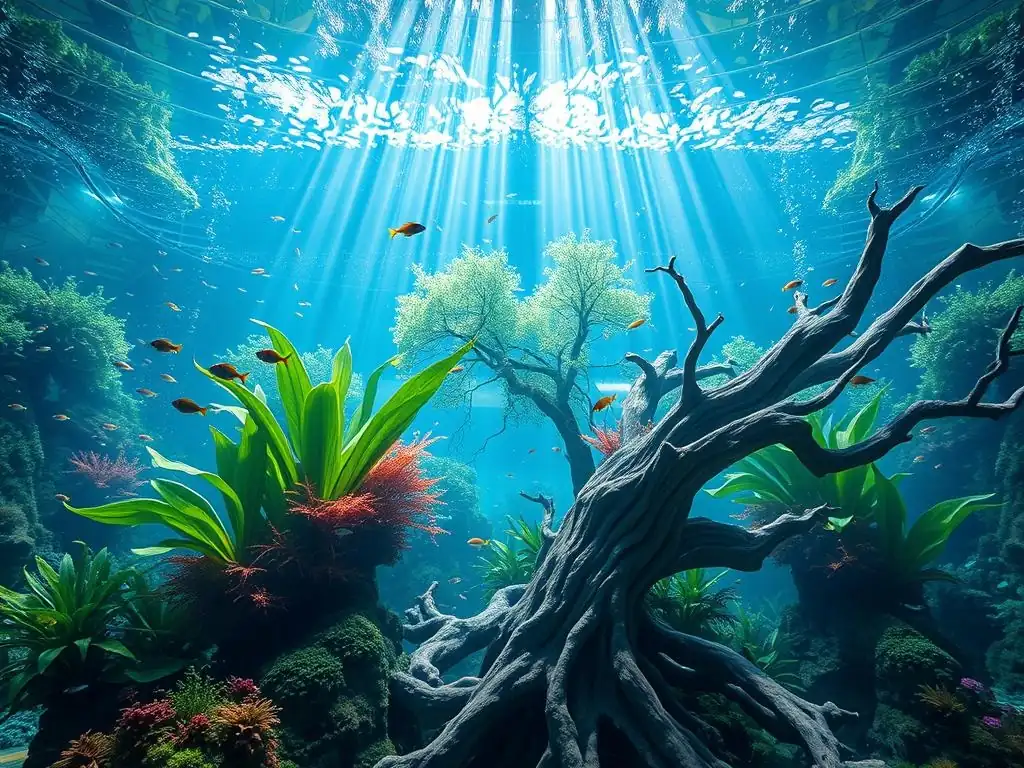
Welcome to Aquarium Mastery, your ultimate resource for thriving aquatic ecosystems!
Ever wondered how to truly understand the delicate balance within your freshwater aquarium? Our latest deep dive, a Freshwater Aquarium Water Chemistry Guide, unlocks the secrets to pristine water and healthy fish. Prepare to go beyond the basics – this isn't just about testing; it's about mastering the science. Ready to transform your aquarium from a simple tank to a vibrant, flourishing underwater world? Let's dive in!
Exploring the Frontiers of Advanced Aquaristics
The field of aquaristics, once largely reliant on empirical observation, is rapidly evolving into a sophisticated domain underpinned by rigorous scientific research. This transformation is driven by advancements in analytical chemistry, microbiology, ethology, and engineering, leading to a deeper understanding of aquatic ecosystems and the creatures inhabiting them. Researchers are now able to precisely quantify environmental stressors, map complex microbial communities, and even decode subtle behavioral cues in fish, providing aquarists with unprecedented insights into optimizing tank health and species welfare. This scientific paradigm shift moves beyond mere maintenance to proactive management, fostering environments that truly thrive.
This push towards scientific rigor is not just for professional aquariums or public institutions; it directly impacts the home hobbyist. New methodologies and data-driven recommendations are making their way from laboratories to living rooms, offering advanced tools and techniques for managing everything from water parameters to fish behavior.
For instance, detailed studies on nutrient cycling have refined our understanding of nitrate reduction, while investigations into fish immunology are leading to more effective disease prevention strategies. The integration of these scientific findings into daily practices represents a significant leap forward, transforming the freshwater aquarium water chemistry guide from a basic checklist into a comprehensive, dynamic blueprint for success.
- How does understanding water chemistry benefit my freshwater aquarium?
- What are the most important water parameters to monitor in a freshwater aquarium?
- How often should I perform water changes in my freshwater aquarium?
- What is the role of beneficial bacteria in a freshwater aquarium?
- How can I troubleshoot common water chemistry problems in my freshwater aquarium?
Understanding Freshwater Aquarium Water Chemistry: A Scientific Perspective
The Critical Role of Water Chemistry in Freshwater Ecosystems
Water chemistry is the cornerstone of a healthy freshwater aquarium, directly influencing the physiological processes of fish, plants, and beneficial microorganisms. Imbalances in key parameters can lead to stress, disease, and even mortality. For example, maintaining a stable pH is crucial; most tropical freshwater fish thrive in a range of pH 6.5 to 7.5.
Fluctuations outside this range, even by just 0.5 units over a short period, can induce osmotic shock and compromise gill function. Similarly, dissolved oxygen levels are paramount, with optimal ranges typically above 5 mg/L for most species; levels below 3 mg/L can cause severe respiratory distress and ultimately suffocation. Understanding these fundamental chemical interactions is the first step in any robust freshwater aquarium water chemistry guide.
Beyond pH and dissolved oxygen, parameters like ammonia, nitrite, and nitrate are critical indicators of the nitrogen cycle's efficiency. Ammonia (NH3) and nitrite (NO2-) are highly toxic, even at concentrations as low as 0.25 ppm, causing gill damage and inhibiting oxygen uptake. Nitrate (NO3-), while less toxic, can still stress fish and promote algae growth at levels exceeding 20-40 ppm for sensitive species. Hardness, specifically General Hardness (GH) and Carbonate Hardness (KH), also plays a vital role.
GH, representing dissolved minerals like calcium and magnesium, influences osmotic regulation, with a target range of 3-10 dGH for many community tanks. KH, or alkalinity, acts as a pH buffer, preventing drastic shifts, and is ideally maintained between 3-8 dKH to ensure stability. A comprehensive freshwater aquarium water chemistry guide emphasizes the interdependence of these parameters for overall ecosystem health.
Beyond the Basics: Advanced Water Parameter Management
While basic water testing provides snapshots, advanced water parameter management delves into the nuances of ion balance, trace element replenishment, and targeted remediation. Modern aquarists utilize sophisticated test kits, digital meters, and even spectrophotometers to obtain highly accurate readings of parameters like phosphate, iron, and potassium, which are crucial for plant growth and algal control. For instance, maintaining phosphate levels below 0.1 ppm is often recommended to curb nuisance algae, while iron supplementation (0.05-0.1 ppm) is vital for heavily planted tanks. This precision allows for a more proactive approach to nutrient management, preventing issues before they escalate.
Advanced techniques also include the use of specific water conditioners and mineral supplements to tailor water chemistry to particular species' needs. For example, reverse osmosis (RO) water, with its near-zero TDS (Total Dissolved Solids), is often used as a blank slate, then remineralized with specific salts like Seachem Equilibrium or API GH & KH Booster to achieve the exact hardness and mineral profile required for sensitive species such as discus or cardinal tetras.
This level of customization, informed by detailed understanding of species-specific requirements and supported by accurate testing, represents the cutting edge of a freshwater aquarium water chemistry guide, moving beyond general recommendations to highly specialized, scientific approaches.
New Insights into Fish Physiology and Behavior in Aquariums
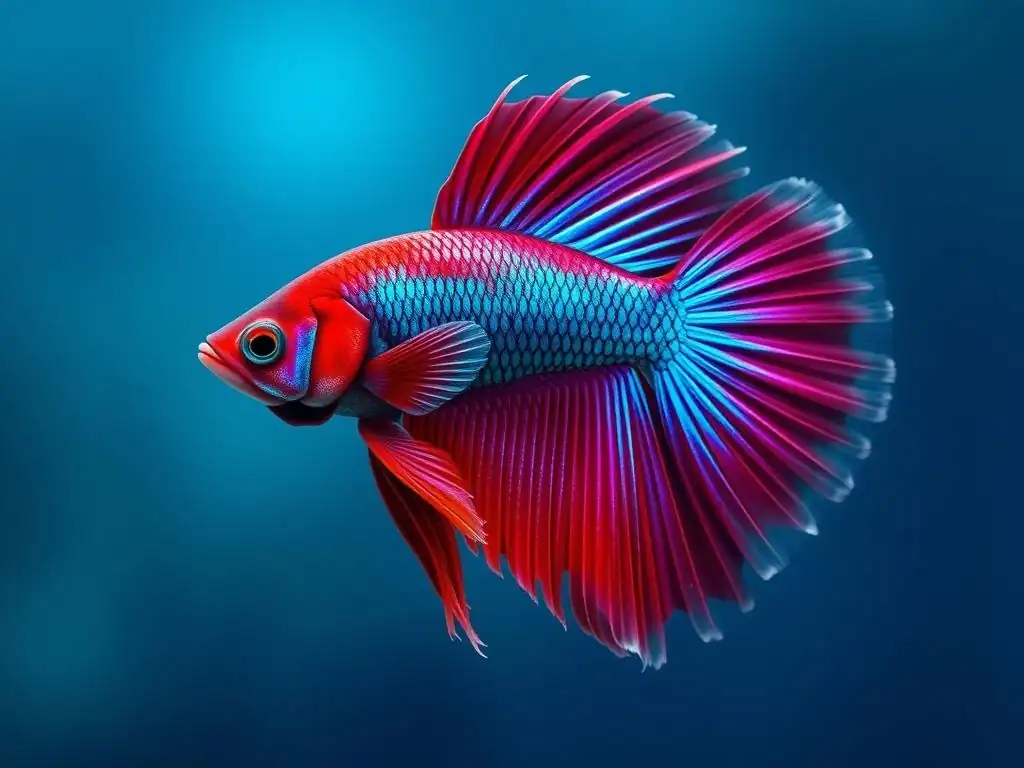
Latest Research on Fish Stress and Welfare in Captivity
Recent breakthroughs in fish physiology research are providing unprecedented insights into how captive environments impact fish stress and welfare. Studies employing non-invasive methods, such as measuring cortisol levels in water or analyzing behavioral indicators like erratic swimming, reduced feeding, or increased gill flaring, reveal the subtle signs of stress long before physical symptoms appear.
For instance, research on common aquarium species like neon tetras ( Paracheirodon innesi) has shown that suboptimal tank dimensions or insufficient schooling numbers can lead to chronically elevated cortisol, impacting immune function and increasing susceptibility to disease. One study observed a 30% increase in stress markers in schools of less than six individuals compared to groups of ten or more.
Furthermore, the impact of light spectrum and intensity on fish circadian rhythms and overall well-being is gaining significant attention. Research indicates that maintaining a natural light-dark cycle, often with a gradual dawn and dusk simulation, can significantly reduce stress and promote more natural behaviors.
Conversely, constant bright lighting or sudden changes in light intensity can disrupt sleep patterns and elevate stress hormones. Understanding these physiological responses allows aquarists to create more biotope-accurate and stress-reducing environments, moving beyond basic survival to truly fostering a high quality of life for their aquatic inhabitants, a crucial element for any comprehensive freshwater aquarium water chemistry guide that aims for holistic well-being.
Optimizing Aquarium Environments for Natural Behaviors
Optimizing aquarium environments to encourage natural behaviors is a key area of current research, moving beyond simply providing space to creating stimulating and species-appropriate habitats. Ethological studies highlight the importance of environmental enrichment, such as varied substrates, specific plant arrangements, and appropriate hiding spots, which allow fish to express innate behaviors like foraging, territorial defense, and courtship rituals.
For example, cichlids often benefit from complex rockwork and caves, while schooling fish like rasboras thrive with ample open swimming space and dense plant cover for security. Research on Angelfish ( Pterophyllum scalare) has shown that vertical structures and broad-leafed plants significantly reduce aggression and encourage pairing behaviors.
Moreover, the social structure of fish populations within an aquarium is critical. Introducing appropriate group sizes for schooling species, or providing adequate territory for solitary or pair-bonding fish, can dramatically reduce aggression and stress.
A study on tiger barbs ( Puntius tetrazona) demonstrated that keeping them in groups of 8-10 individuals significantly reduced fin-nipping behavior compared to groups of 3-5, where aggression was 2.5 times higher. These findings underscore that a truly optimized environment considers not only the physical parameters, as detailed in a freshwater aquarium water chemistry guide, but also the complex behavioral needs of the inhabitants, leading to healthier, more vibrant aquatic communities.
The Impact of Microbiome Research on Aquarium Health
Understanding the Aquarium Microbiome: A Key to Disease Prevention
The aquarium microbiome, a complex community of bacteria, archaea, fungi, and viruses, is now recognized as a fundamental determinant of aquatic health, extending far beyond the traditional nitrogen cycle bacteria. Advanced genetic sequencing techniques, such as 16S rRNA gene sequencing, allow researchers to map these microbial communities with unprecedented detail, revealing their diversity and function. This research highlights that a balanced and diverse microbiome on surfaces like substrate, filter media, and fish skin is crucial for disease prevention.
Beneficial microbes compete with pathogens for resources and space, and some even produce antimicrobial compounds. For example, a healthy biofilm on filter media contains not only nitrifying bacteria ( Nitrosomonas, Nitrobacter) but also a vast array of heterotrophic bacteria that break down organic waste, preventing the buildup of harmful compounds that could influence freshwater aquarium water chemistry.
Disruptions to this delicate microbial balance, often caused by sudden changes in water parameters, overfeeding, or antibiotic use, can lead to dysbiosis, where opportunistic pathogens can proliferate. Research has shown that tanks with a stable, diverse microbiome exhibit significantly lower incidences of common fish diseases like fin rot and ich.
Conversely, studies have linked specific bacterial imbalances to outbreaks of Columnaris disease ( Flavobacterium columnare). Understanding the composition and dynamics of the aquarium microbiome is opening new avenues for maintaining fish health, shifting the focus from treating diseases to proactively fostering resilient and robust microbial ecosystems within the tank, complementing the chemical stability outlined in any freshwater aquarium water chemistry guide.
Probiotics and Prebiotics in Fishkeeping: Evidence-Based Applications
The insights from microbiome research have paved the way for the evidence-based application of probiotics and prebiotics in fishkeeping, mirroring practices in human and livestock health. Probiotics, live beneficial microorganisms, are introduced to the aquarium or directly to fish food to enhance the existing microbial community, improve digestion, and boost immune response.
Specific strains of Bacillus subtilis and Lactobacillus plantarum, for instance, have shown promise in reducing the incidence of digestive issues and improving nutrient absorption in common aquarium fish. One study demonstrated a 15% improvement in growth rates and a 20% reduction in mortality in tilapia fed a diet supplemented with certain probiotic strains.
Prebiotics, on the other hand, are non-digestible food ingredients that selectively stimulate the growth and activity of beneficial bacteria already present in the gut or environment. Fructooligosaccharides (FOS) and mannan-oligosaccharides (MOS) are common prebiotics used in aquaculture that have demonstrated positive effects on fish immunity and gut health.
When used in conjunction with a stable freshwater aquarium water chemistry guide, these supplements help to fortify the fish's natural defenses against pathogens and optimize nutrient utilization. The strategic application of these microbial modulators represents a sophisticated approach to maintaining fish health, moving beyond chemical interventions to biological enhancements that support the entire aquatic ecosystem.
Innovative Filtration Technologies for Enhanced Water Quality
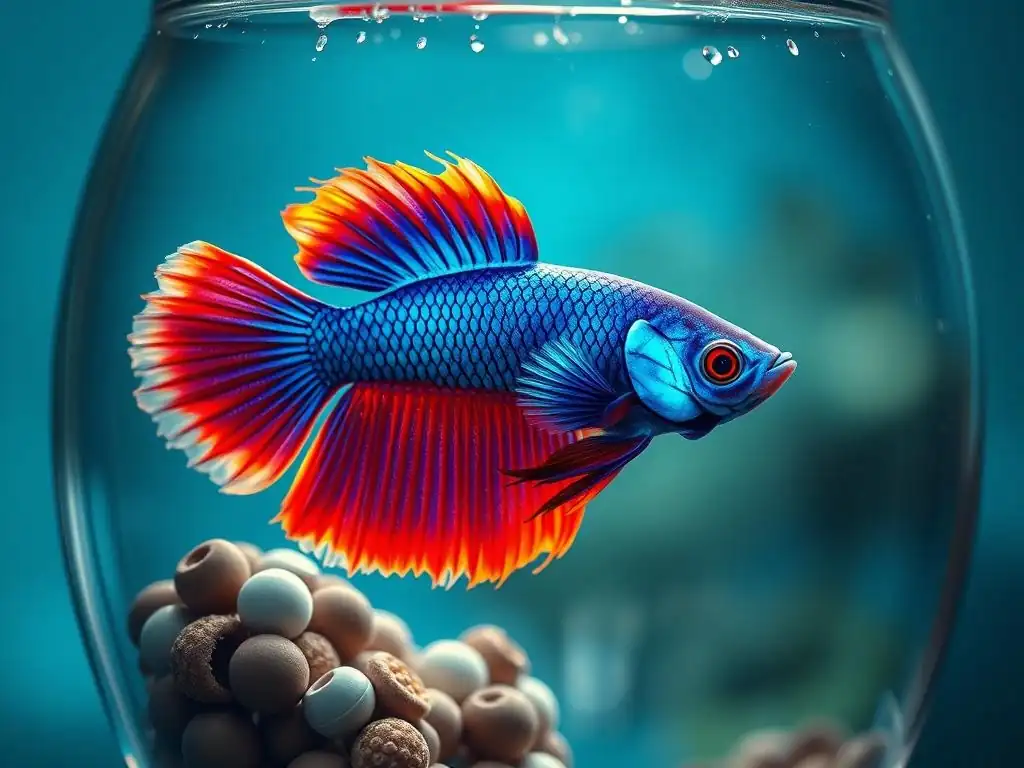
Advancements in Biological Filtration: Nitrification and Denitrification
Biological filtration remains the cornerstone of nutrient cycling in freshwater aquariums, but recent advancements have significantly enhanced its efficiency and scope. Beyond traditional porous media designed for aerobic nitrification (conversion of ammonia to nitrate by Nitrosomonas and Nitrobacter), new filter media boast optimized pore structures and surface areas for even more robust bacterial colonization. For example, certain sintered glass media offer specific surface areas exceeding 1,700 m²/L, vastly outperforming older ceramic rings (typically 400-600 m²/L), leading to quicker cycling times and more stable nitrate levels, directly impacting the effectiveness of any freshwater aquarium water chemistry guide.
Furthermore, significant progress has been made in promoting anaerobic denitrification, the process that converts nitrate (NO3-) into harmless nitrogen gas (N2), thereby removing it from the water column. While traditionally challenging in home aquariums, innovations like sulfur-based denitraters and specialized bio-pellets (carbon sources for anaerobic bacteria) are making this process more accessible and efficient.
These systems create oxygen-depleted zones where denitrifying bacteria thrive, significantly reducing the need for large water changes solely for nitrate reduction. Some advanced setups report consistent nitrate levels below 5 ppm even in heavily stocked tanks, a testament to these technological leaps in maintaining pristine freshwater aquarium water chemistry.
Exploring Novel Chemical Filtration Methods for Freshwater Aquariums
While biological filtration handles the nitrogen cycle, novel chemical filtration methods are addressing other challenging aspects of water quality, providing targeted solutions for specific pollutants. Adsorbent resins, for example, have evolved beyond simple activated carbon. Specialized resins are now available that selectively remove phosphates, silicates, and even specific organic compounds that contribute to yellowing water or inhibit plant growth. Iron-based phosphate removers, for instance, can reduce phosphate levels from 1.0 ppm to undetectable levels within hours in a typical 50-gallon tank, a critical factor for controlling algae and maintaining ideal freshwater aquarium water chemistry.
Ion-exchange resins are another area of innovation, particularly useful for softening water or removing specific heavy metals. These resins can selectively exchange unwanted ions (like calcium and magnesium for softening) with harmless ones, allowing aquarists to precisely tailor water hardness for sensitive species like discus or certain dwarf cichlids without relying solely on reverse osmosis.
Additionally, advanced oxidation processes, though less common in home setups, are being explored for their ability to break down complex organic pollutants that resist conventional filtration. These targeted chemical solutions offer aquarists unprecedented control over the subtle nuances of their freshwater aquarium water chemistry guide.
Sustainable Practices in Aquarium Keeping: A Conservation Focus
Reducing the Environmental Footprint of the Aquarium Hobby
The aquarium hobby, while enriching, carries an environmental footprint that scientific research is helping to minimize through sustainable practices. Energy consumption is a significant factor, with lighting and heating being primary contributors. Advancements in LED technology have drastically reduced energy use; for instance, replacing a 20-watt fluorescent tube with an equivalent LED strip can cut energy consumption by 50-70%, saving an estimated 70-100 kWh annually for a typical 55-gallon tank.
Similarly, efficient heaters with precise thermostats prevent energy waste from overheating. Research into closed-loop systems and water recycling further aims to reduce water consumption, which can be substantial in large aquariums requiring frequent water changes, directly impacting the resource intensity of maintaining ideal freshwater aquarium water chemistry.
Waste management is another area of focus. Innovations in filtration, such as long-lasting filter media and efficient biological denitration, reduce the frequency of filter media replacement and the volume of wastewater from water changes. Composting aquarium plant trimmings and using nutrient-rich old aquarium water for garden irrigation are simple yet effective ways to recycle resources.
Furthermore, the promotion of aquaculture-bred fish and captive-grown plants over wild-caught specimens significantly alleviates pressure on natural ecosystems, contributing to conservation efforts. These scientifically informed practices represent a holistic approach to making the aquarium hobby more environmentally responsible, extending beyond just the freshwater aquarium water chemistry guide to broader ecological considerations.
Ethical Sourcing of Aquarium Fish and Plants
Ethical sourcing of aquarium fish and plants is a critical aspect of sustainable aquarium keeping, driven by increasing awareness and scientific investigation into the impact of collection practices on wild populations. Research has exposed the devastating effects of destructive collection methods, such as cyanide fishing for marine species, which not only harm target fish but also destroy coral reefs and non-target organisms. In response, the industry is increasingly emphasizing aquaculture (farmed fish) and responsible wild collection.
For freshwater fish, a significant portion of the market is now supplied by professional breeding operations, reducing reliance on wild populations. For example, over 90% of popular species like guppies, mollies, and platies are commercially bred.
For wild-caught species, certifications like the Marine Aquarium Council (MAC) or initiatives promoting sustainable collection practices (e.g., net-and-line fishing in specific regions) are gaining traction, ensuring minimal ecological impact and fair wages for collectors. Similarly, the trade in aquatic plants has seen a shift towards tissue culture and pond-grown varieties, which eliminate the risk of introducing pests and diseases while reducing pressure on natural habitats.
Aquarists are encouraged to ask retailers about their sourcing policies and prioritize certified or known captive-bred livestock. This commitment to ethical sourcing complements a robust freshwater aquarium water chemistry guide by ensuring that the inhabitants themselves are acquired responsibly, supporting biodiversity and conservation efforts globally.
Advanced Monitoring and Control Systems for Aquariums
The Rise of Smart Aquariums: Automation and Data Analysis
The advent of smart aquarium technology marks a significant leap in precision fishkeeping, moving beyond manual testing and adjustments to automated monitoring and data-driven management. These systems integrate an array of sensors that continuously measure critical parameters such as pH, temperature, conductivity (TDS), and even ORP (Oxidation-Reduction Potential), providing real-time data to aquarists via smartphone apps or web interfaces. For instance, high-end systems can log pH fluctuations every 15 minutes, allowing aquarists to identify subtle trends that might indicate underlying issues, such as CO2 instability or declining alkalinity, which are often missed by weekly manual tests.
Beyond monitoring, smart aquariums offer advanced control capabilities. Automated dosing pumps can precisely add supplements like carbonate buffers, trace elements, or even liquid fertilizers for planted tanks, based on predefined schedules or sensor feedback. Automated top-off (ATO) systems maintain consistent water levels, preventing salinity swings in brackish tanks and stabilizing freshwater aquarium water chemistry by ensuring consistent evaporation replacement.
Some systems even integrate with smart power strips, allowing remote control of lighting cycles, heaters, and pumps. This level of automation not only saves time but also significantly enhances stability, preventing the sudden parameter shifts that are a major source of stress for aquatic life.
Precision Dosing and Parameter Control: Automated Nitrate Reduction Systems
Precision dosing and parameter control systems represent the pinnacle of advanced aquarium management, enabling aquarists to maintain extremely stable and optimized conditions with minimal manual intervention. One of the most challenging parameters to control in many freshwater aquariums is nitrate, particularly in heavily stocked or planted tanks. Automated nitrate reduction systems, often employing bio-pellet reactors or specialized sulfur denitraters, are now integrated with smart controllers. These systems precisely deliver carbon sources or maintain specific anaerobic conditions to facilitate the conversion of nitrate to nitrogen gas, effectively removing it from the water column.
For example, a system might use a sensor to detect rising nitrate levels (e.g., above 15 ppm), triggering a micro-dosing pump to add a precise amount of carbon source (like vodka or vinegar) to a reactor, stimulating denitrifying bacteria. This proactive and automated approach can maintain nitrate levels consistently below 10 ppm, significantly reducing the frequency and volume of water changes required.
Similarly, automated calcium and alkalinity reactors for planted freshwater tanks, while more common in reef systems, are being adapted to maintain precise CO2 and carbonate levels. This level of granular control, informed by continuous monitoring and automated responses, transforms the freshwater aquarium water chemistry guide from a set of static rules into a dynamic, adaptive management strategy.
Case Studies: Implementing Research Findings in Real-World Aquariums
Success Stories: Reef Tank Stability Through Advanced Monitoring
While the focus here is on freshwater, the principles of advanced monitoring and control for stability are beautifully illustrated in the reef aquarium hobby, and their successes are directly transferable. Consider a 200-gallon mixed-reef aquarium that struggled with fluctuating alkalinity and calcium levels, leading to poor coral growth and occasional coral recession. Manual testing twice a week revealed swings between 7.5 dKH and 9.0 dKH, and calcium from 400 ppm to 450 ppm. Implementing an automated monitoring system with a continuous alkalinity probe and a peristaltic dosing pump drastically changed the outcome.
The system was programmed to maintain alkalinity at a precise 8.2 dKH and calcium at 420 ppm by micro-dosing a two-part solution multiple times throughout the day. Within three months, the stability was remarkable, with recorded fluctuations of less than 0.1 dKH and 5 ppm for calcium.
This precision led to a noticeable improvement in coral coloration, polyp extension, and an estimated 25% increase in growth rate for fast-growing SPS corals. This case demonstrates that the scientific principle of parameter stability, enabled by advanced technology, is paramount for complex aquatic ecosystems, directly informing the evolution of a freshwater aquarium water chemistry guide towards greater precision.
Challenges and Lessons Learned: Algae Blooms and Nutrient Control
Even with advanced knowledge from a freshwater aquarium water chemistry guide, challenges arise, often providing valuable lessons. Consider a 75-gallon heavily planted freshwater tank that experienced persistent green spot algae (GSA) and hair algae outbreaks, despite regular water changes and seemingly "normal" nitrate levels around 20 ppm. The owner, following conventional advice, increased light duration and intensity, exacerbating the problem.
A deeper dive, prompted by scientific principles, revealed the issue wasn't solely nitrate, but an imbalance between nitrate and phosphate, combined with excessive light intensity. Advanced testing showed phosphate levels consistently at 0.5-0.8 ppm, indicating a significant excess relative to nitrate and plant uptake. The lesson learned was that a freshwater aquarium water chemistry guide needs to consider nutrient ratios (e.g., Redfield Ratio for plants) rather than just individual parameters in isolation.
The solution involved: 1) reducing phosphate through an iron-based chemical media, bringing levels below 0.1 ppm; 2) reducing light intensity by 20% and duration to 8 hours; and 3) slightly increasing nitrate dosing to achieve a 10:1 to 15:1 nitrate:phosphate ratio. Within four weeks, the algae receded dramatically, demonstrating that a holistic, scientifically-informed approach to nutrient balance is crucial for overcoming persistent issues.
Future Directions in Aquarium Science: [Areas of Potential Research]
The Convergence of Technology and Biology in Fish Care
The future of aquarium science lies in the deepening convergence of cutting-edge technology and biological understanding, moving towards truly predictive and adaptive systems. This includes the development of non-invasive, continuous monitoring sensors capable of detecting not just chemical parameters but also biological markers, such as specific bacterial populations or early indicators of fish stress hormones (e.g., real-time cortisol detection).
Imagine a system that could alert an aquarist to a potential disease outbreak days before visible symptoms appear, based on subtle changes in the microbiome or fish behavior patterns. This will allow for pre-emptive intervention, revolutionizing disease management and reducing reliance on broad-spectrum treatments.
Furthermore, advancements in artificial intelligence (AI) and machine learning are poised to transform aquarium management. AI could analyze vast datasets from individual tanks—including water parameters, feeding schedules, fish behavior, and growth rates—to identify optimal conditions for specific species or even predict future problems.
This would allow for highly personalized recommendations, fine-tuning everything from lighting schedules to freshwater aquarium water chemistry guide parameters for maximum fish health and plant growth, moving beyond generalized advice to hyper-specific, data-driven strategies. The integration of robotics for routine tasks like cleaning or precise feeding also holds immense potential, freeing up aquarists to focus on the enjoyment of their aquatic ecosystems.
Addressing Emerging Challenges in Aquarium Management: Coral Bleaching in Captivity
As environmental challenges like climate change impact wild aquatic ecosystems, aquarium science will increasingly focus on addressing emerging challenges within captive environments, such as the equivalent of "coral bleaching" in freshwater systems, albeit with different mechanisms. While not directly related to temperature-induced zooxanthellae expulsion, similar phenomena can occur in freshwater invertebrates or plants under specific stressors.
For instance, the unexplained decline of certain freshwater shrimp populations or the sudden melting of specific aquatic plants can mimic a 'bleaching' event, indicating severe environmental stress. Future research will need to identify the precise triggers for these captive declines, which could include novel pollutants, specific microbial imbalances, or hitherto unquantified nutrient deficiencies.
Another critical area is the long-term genetic health of captive-bred fish populations. As more species are bred in captivity, the risk of inbreeding and reduced genetic diversity increases, potentially leading to weaker immune systems and reduced viability. Future research will explore genetic management strategies, similar to those used in zoos for endangered species, to ensure the robustness and resilience of aquarium fish for generations.
This involves understanding genetic markers for disease resistance and adaptability. These research avenues will expand the scope of a freshwater aquarium water chemistry guide to encompass not just the immediate environment, but the long-term genetic and ecological health of the captive inhabitants, ensuring the hobby's sustainability and ethical foundation.
Frequently Asked Questions
How does understanding water chemistry benefit my freshwater aquarium?
Understanding water chemistry is crucial as it directly impacts the health and survival of your freshwater fish. Maintaining the correct parameters ensures a stable and thriving aquarium environment. Proper water chemistry also prevents harmful toxins from building up.
What are the most important water parameters to monitor in a freshwater aquarium?
The most important parameters include pH, ammonia, nitrite, and nitrate. These parameters directly affect the biological filtration system and the overall health of your fish. Regularly testing these values is essential for maintaining a healthy aquarium.
How often should I perform water changes in my freshwater aquarium?
Generally, a 25% water change should be performed every 1-2 weeks. This helps to remove accumulated nitrates and replenish essential minerals. The frequency may vary depending on the fish load and plant life in your aquarium.
What is the role of beneficial bacteria in a freshwater aquarium?
Beneficial bacteria are vital for converting harmful ammonia and nitrite into less toxic nitrate. This process is known as the nitrogen cycle, which is the foundation of a healthy aquarium. Establishing a stable biological filter is key to maintaining good water quality.
How can I troubleshoot common water chemistry problems in my freshwater aquarium?
Start by testing your water to identify the specific issue. Common problems include high ammonia levels or unstable pH. Then, adjust your water change schedule, add beneficial bacteria, or use appropriate water treatment products based on the test results.
Final Reflection: The Living Symphony of Water
The intricate dance of elements within a freshwater aquarium, as explored in this guide, is not merely a scientific curiosity, but a vital understanding for responsible stewardship of aquatic life. The principles of water chemistry, once confined to academic circles, are now demonstrably crucial for the well-being of countless fish and the thriving ecosystems we create within our homes. This knowledge empowers us to move beyond simple fishkeeping and embrace a deeper connection with the natural world.
This journey into the science of aquarium water has profoundly reshaped how we perceive these miniature ecosystems. It’s no longer just about aesthetics; it’s about understanding the delicate balance that sustains life. The ability to manipulate and maintain this balance, guided by scientific principles, allows us to create truly flourishing environments. As Jacques Cousteau eloquently stated: The sea, once it casts its spell, holds one in its net of wonder forever.
This sentiment extends to the freshwater realm, where understanding the chemistry unlocks a deeper appreciation for the wonders within.
Now, armed with this knowledge of freshwater aquarium water chemistry, I invite you to reflect on your own role in this living symphony. Consider how you can apply these principles to create a healthier, more vibrant environment for your aquatic companions. Embrace the challenge of understanding the nuances of your aquarium's ecosystem, and in doing so, become not just a keeper of fish, but a guardian of a miniature world.
Dive Deeper: Elevate Your Fishkeeping Journey!
Thank you for exploring the cutting-edge research in aquarium science with us. We hope you've gained valuable insights to transform your approach to fish care. Now, let's put that knowledge into action!
Here are a few ways to continue your journey:
- Implement one research-backed change to your aquarium setup this week. Perhaps adjusting your lighting schedule, tweaking your feeding regime, or reassessing your water change frequency based on the information you learned.
- Share this article with a fellow aquarium enthusiast and discuss your favorite takeaway and how it could benefit their setup.
- Challenge yourself to research one aspect of aquarium science further, delving into a specific topic like bioactive filtration or advanced disease prevention.
What small, impactful change will you make to your aquarium this week based on what you've learned?