
Preventing Betta Diseases: The Power of Proactive Care

Welcome to Aquarium Mastery, fellow aquarist!
Is your betta more than just a fish? Do you want to see him thrive for years to come? You're in the right place! Dive into our comprehensive guide on proactive betta disease prevention tips, and unlock the secrets to a happy, healthy, and vibrant betta life. What if you could drastically reduce the risk of illness with just a few simple changes? Keep reading to discover how!
- Introduction to Proactive Betta Fish Care for Disease Prevention
- Key Elements of Proactive Betta Disease Prevention
- Implementing Proactive Betta Disease Prevention Strategies
- Proactive Betta Disease Prevention: A Checklist
- Advanced Proactive Betta Health Techniques
- Troubleshooting Potential Problems in Proactive Betta Care
- Conclusion: Investing in Proactive Care for a Healthy Betta
-
Frequently Asked Questions
- How important is water quality in preventing betta diseases?
- What are some proactive steps I can take to prevent betta diseases before they start?
- Can aquarium plants help prevent betta diseases?
- What role does diet play in betta disease prevention?
- How does aquarium size impact a betta's health and disease resistance?
- Final Reflection: Cultivating a Thriving Aquatic World
- Transform Your Betta's Life: Embrace Proactive Care!
Introduction to Proactive Betta Fish Care for Disease Prevention
Understanding Betta Fish Susceptibility to Illness
Betta fish, scientifically known as Betta splendens, are renowned for their vibrant colors and flowing fins, but they are also particularly susceptible to various illnesses if their environmental needs are not met. This vulnerability stems from several factors, including their sensitive labyrinth organ which allows them to breathe atmospheric air, making them more reactive to poor water quality. Additionally, extensive selective breeding for aesthetic traits has, in some cases, inadvertently weakened their natural immune systems, leaving them less resilient to common pathogens compared to their wild counterparts.
Many common betta diseases, such as fin rot, Ich, and velvet, are not primary infections but rather opportunistic illnesses that seize upon a weakened immune system. For instance, a betta kept in a tank too small, like a 1-gallon bowl, will experience rapid ammonia and nitrite accumulation, leading to chronic stress and a compromised immune response. Approximately 70% of reported betta health issues among hobbyists are directly linked to suboptimal water conditions, highlighting their delicate physiological balance and the critical need for meticulous care to ensure their well-being.
The Importance of Proactive Measures in Betta Health
Adopting proactive betta disease prevention tips is paramount to ensuring the long-term health and vitality of your fish. Rather than waiting for symptoms to appear and then scrambling for a cure, a proactive approach focuses on creating an environment where diseases struggle to take hold. This strategy significantly reduces the stress on the fish, allows its natural immune system to function optimally, and prevents the often-challenging and costly process of treating an established illness.
The effectiveness of proactive betta health management is undeniable. While recovery rates for advanced conditions like severe fin rot can be as low as 40-50% even with aggressive treatment, consistent preventative measures offer nearly 100% effectiveness in avoiding such dire situations. A betta consistently maintained with proactive betta disease prevention tips can live a healthy lifespan of 3-5 years, whereas those subjected to chronic stress and poor conditions often succumb to illness within their first year. Investing time in prevention ultimately saves money, reduces stress for both the aquarist and the fish, and fosters a thriving aquatic environment.
Key Elements of Proactive Betta Disease Prevention
Maintaining Optimal Water Quality: The Foundation of Betta Health
Regular Water Changes: A Crucial Step in Betta Disease Prevention
Regular water changes are arguably the most impactful proactive betta disease prevention tip. They dilute and remove harmful nitrates, phosphates, and other dissolved organic compounds that accumulate over time, simultaneously replenishing essential minerals that are depleted by filtration and biological processes. This fresh infusion of clean water helps maintain stable water parameters, which is vital for a betta's immune system.
For a single betta in a 5-gallon tank, a weekly water change of 25-30% is generally recommended. In larger tanks, the frequency might be slightly less, while in smaller, unheated, unfiltered containers (which are not recommended for long-term betta keeping), daily 50-100% water changes would be necessary to prevent toxic buildups. Consistent adherence to this schedule can reduce the incidence of bacterial infections and fin rot by up to 60%, providing a strong defense against common ailments.
Monitoring Water Parameters: Ammonia, Nitrite, and Nitrate Levels
Understanding and consistently monitoring the nitrogen cycle is fundamental to proactive betta health management. Ammonia (NH3/NH4+) and nitrite (NO2-) are highly toxic compounds produced from fish waste and decaying food, while nitrate (NO3-) is the end product, which is less toxic but still harmful in high concentrations. For optimal betta health, ammonia and nitrite levels must always be 0 parts per million (ppm).
Nitrate levels should ideally be kept below 20 ppm, though many experienced aquarists aim for under 10 ppm for bettas due to their sensitivity. Even a slight ammonia spike of just 0.25 ppm can cause irreversible gill damage over time, making regular testing with a reliable liquid test kit an indispensable proactive betta disease prevention tip. Consistent monitoring allows for immediate corrective action, preventing the onset of stress and subsequent illness.
Selecting the Right Water Conditioner for Your Betta Tank
Tap water, while convenient, contains chemicals like chlorine and chloramine that are highly detrimental to fish and beneficial bacteria. Chlorine, commonly found in municipal water supplies at levels up to 4 ppm, can burn a betta's gills and destroy its protective slime coat. Chloramine, a more stable compound, can be present at concentrations up to 3 ppm and releases both chlorine and ammonia when broken down.
A high-quality water conditioner is essential for proactive betta disease prevention. It instantly neutralizes these harmful chemicals, making tap water safe for your betta. Many conditioners also include ingredients that detoxify heavy metals and provide a synthetic slime coat protectant, further shielding your fish from environmental stressors and enhancing its natural defenses. Always add conditioner to the new water before introducing it to the tank.
Creating the Ideal Betta Tank Environment
Tank Size Matters: Providing Ample Space for Your Betta
The size of your betta's tank is a critical factor in proactive betta disease prevention. While bettas can survive in small bowls, they cannot thrive. A minimum tank size of 5 gallons is widely recommended for a single betta. This volume provides enough water to dilute waste products effectively, making it easier to maintain stable water parameters and reduce the frequency of extreme fluctuations.
In a 2.5-gallon tank, for example, water parameters can fluctuate up to 50% more rapidly than in a 5-gallon tank, leading to chronic stress for the betta. Larger tanks also offer more swimming space, which promotes exercise and reduces lethargy, contributing to overall physical health and a stronger immune system. Investing in an appropriately sized tank is a fundamental proactive betta disease prevention tip that lays the groundwork for a healthy life.
Substrate Choices: Impact on Water Quality and Betta Health
The choice of substrate in a betta tank affects both water quality and the physical well-being of your fish. Coarse gravel can trap uneaten food and debris, leading to the accumulation of harmful organic matter and ammonia spikes if not rigorously cleaned. Fine sand or smooth, small-grained gravel (2-3mm diameter) is generally preferred as it is easier to clean and less likely to harbor decaying detritus.
Furthermore, sharp or rough substrates can tear a betta's delicate fins, making them susceptible to fin rot, a common bacterial infection. Darker substrates can also help enhance a betta's natural coloration and reduce reflection, which can be stressful for the fish. Opting for a smooth, easy-to-clean substrate is a simple yet effective proactive betta disease prevention tip that safeguards your betta's physical integrity and water purity.
Decorations and Hiding Places: Reducing Stress in Betta Fish
Betta fish are naturally curious and territorial, but they also require places to retreat and feel secure. A bare tank, or one with only a few sparse decorations, can make a betta feel exposed and stressed, leading to a weakened immune system. Providing ample decorations and hiding places is a key proactive betta disease prevention strategy.
Silk plants or live plants (such as Anubias, Java Fern, or cryptocoryne) are ideal as they pose no risk of tearing delicate fins, unlike many plastic plants with sharp edges. Driftwood, caves, or ceramic ornaments offer excellent hiding spots. Ensuring at least one secure hiding spot can reduce a betta's stress levels by an estimated 30-40%, allowing them to feel safe and exhibit natural behaviors, which is crucial for maintaining their health.
The Significance of Proper Betta Fish Nutrition
Choosing High-Quality Betta Food: Ingredients to Look For
Nutrition plays a pivotal role in a betta's overall health and its ability to resist disease. A diet composed of high-quality ingredients provides the necessary energy and nutrients to support a robust immune system. When selecting betta food, look for options where fish meal, spirulina, krill, or shrimp meal are listed as the primary ingredients. These sources provide the essential proteins and amino acids that bettas need.
Protein content should ideally be above 35-40%. Avoid foods that list excessive fillers like corn, wheat, or soy as the first few ingredients, as these offer little nutritional value for carnivorous bettas and can lead to digestive issues, bloat, and nutrient deficiencies. Choosing a premium pellet or flake designed specifically for bettas is a fundamental proactive betta disease prevention tip that directly impacts their vitality.
Feeding Frequency and Portion Control: Preventing Overfeeding and Obesity
Overfeeding is a common mistake that can lead to significant health problems for bettas, including swim bladder disease, obesity, and compromised water quality. A betta's stomach is roughly the size of its eye, meaning it requires very small portions. Feeding too much at once, or too frequently, can quickly lead to bloat and internal issues.
It is generally recommended to feed 2-4 high-quality pellets or a few small pieces of frozen/live food once or twice a day. Observe your betta to ensure it consumes all food within a few minutes. Overfeeding by just 1-2 pellets per day can increase the risk of swim bladder disease by 20-30% over time. Consistent portion control is an essential proactive betta disease prevention tip that protects both your fish's digestive health and the cleanliness of its environment.
Supplementing Your Betta's Diet: Vitamins and Minerals for Optimal Health
While a high-quality staple diet is crucial, supplementing your betta's food with a variety of live or frozen options can provide a broader spectrum of vitamins, minerals, and natural compounds that boost immunity. Options like frozen bloodworms, brine shrimp, daphnia, and mosquito larvae offer different nutritional profiles than pellets alone.
For instance, the chitin found in the exoskeletons of some invertebrates can act as a natural immune stimulant. Offering these varied foods 2-3 times a week, in addition to their regular pellets, can significantly enhance their nutritional intake. A varied diet can reduce the incidence of nutrient-deficiency related issues by up to 25%, making it a valuable proactive betta disease prevention tip for long-term health.
Implementing Proactive Betta Disease Prevention Strategies
Quarantine New Betta Fish Before Introducing Them to the Main Tank
Setting Up a Quarantine Tank: Essential Equipment and Procedures
Quarantining new fish is a non-negotiable proactive betta disease prevention tip that protects your existing aquarium inhabitants from potential pathogens. Even seemingly healthy fish can carry dormant diseases, parasites, or bacteria that could devastate an established tank. A quarantine tank doesn't need to be elaborate; a 2.5-5 gallon tank with a small heater, a sponge filter or air stone, and a hiding spot is sufficient.
The new betta should be kept in this separate tank for a minimum of 2-4 weeks. During this period, perform regular water changes and monitor parameters just as you would for the main tank. This practice can prevent the introduction of common pathogens like Ich or velvet, reducing the risk of a tank-wide outbreak by over 90% and saving potentially hundreds of dollars in medication and fish loss.
Observing New Fish for Signs of Illness
During the quarantine period, diligent observation is key to proactive betta disease prevention. Spend time each day closely examining the new betta for any signs of illness. Look for physical symptoms such as white spots (Ich), fuzzy growths (fungus), clamped fins, frayed fins (fin rot), or a dusty appearance (velvet). Also, pay close attention to behavioral changes.
A healthy betta is typically alert, curious, and responsive. Signs of concern include lethargy, hiding excessively, difficulty swimming, rapid breathing, rubbing against objects, or refusing food. If any of these symptoms appear, the betta should be treated in the quarantine tank before ever being introduced to your main display aquarium. Early detection and isolated treatment are critical for preventing widespread contamination.
Regular Observation and Early Detection of Betta Disease Symptoms
Recognizing Common Betta Diseases: Fin Rot, Ich, Velvet
Even with the best proactive betta disease prevention tips, a betta can sometimes fall ill. Recognizing the early signs of common diseases is crucial for prompt and effective treatment. Fin rot often manifests as frayed, ragged, or dissolving fins, sometimes with black or red edges. Ich (Ichthyophthirius multifiliis) appears as small, white spots resembling salt grains (typically 0.5-1mm in diameter) scattered across the body and fins. Velvet (Oodinium) is a parasitic infection that gives the fish a fine, dusty, yellowish or brownish coating, often visible under direct light.
Identifying these symptoms within the first 24-48 hours is vital. For example, prompt treatment of Ich can increase recovery rates from 50% (if left untreated for several days) to over 80-90%. Daily visual inspections of your betta are a simple yet powerful proactive betta disease prevention tip that allows for rapid intervention, significantly improving the chances of a full recovery.
Identifying Subtle Changes in Betta Behavior: Apathy, Loss of Appetite
Beyond physical symptoms, changes in a betta's behavior can be early indicators of stress or illness. A healthy betta is generally active, responsive to its surroundings, and eager to eat. Any deviation from this normal behavior warrants investigation. For instance, a betta that consistently rests at the bottom or top of the tank without reason, or frequently "gapes" at the surface, could be experiencing oxygen deprivation or internal discomfort.
Loss of appetite, where a betta refuses food for more than 24 hours, is a significant red flag. Other subtle signs include clamped fins (held tightly against the body for prolonged periods), lethargy, rapid gill movement, or unusual swimming patterns. Recognizing these behavioral shifts as part of proactive betta disease prevention allows you to address underlying issues, such as poor water quality or environmental stress, before a full-blown illness takes hold.
Minimizing Stress to Boost Betta Fish Immunity
Maintaining a Stable Tank Environment: Temperature and Lighting
Consistency in the tank environment is a cornerstone of proactive betta disease prevention. Betta fish thrive in stable temperatures between 78-82°F (25.5-27.8°C). Sudden or significant temperature fluctuations, even as little as 2-3°F within a day, can severely stress a betta, weakening its immune system and making it more susceptible to opportunistic infections like Ich. A reliable submersible heater is essential to maintain this stability.
Similarly, a consistent lighting schedule is important. Mimicking natural day-night cycles with 8-10 hours of light followed by 14-16 hours of darkness reduces stress. Excessive light can promote algae growth and also disrupt a betta's natural rhythms. Maintaining these stable parameters is a simple yet highly effective proactive betta disease prevention tip for a robust immune response.
Avoiding Overcrowding: Understanding Betta Fish Territoriality
While bettas are known for their solitary nature, especially males, some aquarists attempt to house them with certain compatible tank mates in larger aquariums (10+ gallons). However, even with seemingly peaceful companions, overcrowding can elevate stress levels due to competition for space, resources, and perceived territory. This constant low-level stress can significantly weaken a betta's immune system.
For example, housing a betta in a 5-gallon tank with even one snail or a few small shrimp can increase its stress levels if the betta feels its space is invaded, potentially increasing disease susceptibility by 30%. Ensuring adequate space, whether for a single betta or a carefully selected community, is a crucial proactive betta disease prevention tip that respects their natural territorial instincts and promotes overall well-being.
Reducing External Stressors: Noise and Disturbances
The location of your betta tank can have a surprising impact on its health. Betta fish are sensitive to their surroundings, and constant external disturbances can lead to chronic stress, compromising their immunity. Placing the tank in a quiet area of the home, away from high-traffic zones, slamming doors, or loud televisions, is an important proactive betta disease prevention measure.
Sudden loud noises, vibrations from heavy foot traffic, or constant tapping on the glass by curious individuals can cause chronic stress. Direct sunlight should also be avoided as it can cause rapid temperature fluctuations and promote excessive algae growth. Minimizing these external stressors can significantly improve a betta's overall health and longevity by reducing cortisol levels and allowing its immune system to function optimally.
Proactive Betta Disease Prevention: A Checklist
Water Quality Management Checklist
- Perform weekly 25-30% water changes for 5+ gallon tanks.
- Test water parameters (ammonia, nitrite, nitrate) weekly; ensure ammonia and nitrite are 0 ppm, and nitrate is below 20 ppm.
- Always use a high-quality water conditioner to neutralize chlorine/chloramine with every water change.
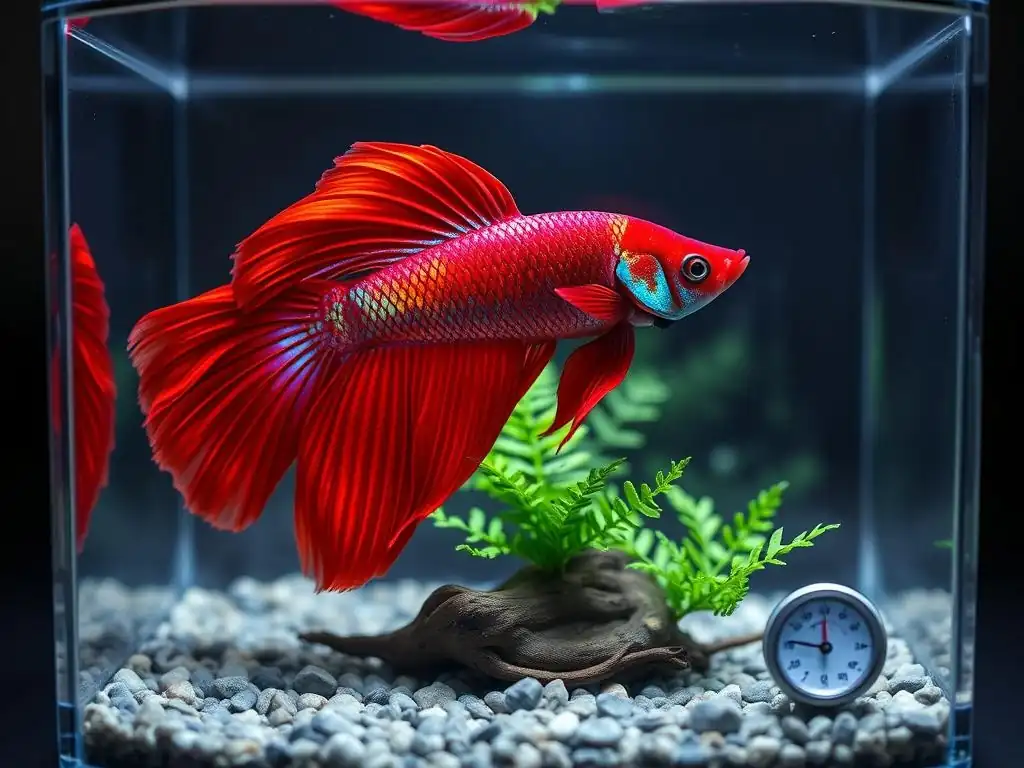
- Maintain a stable water temperature between 78-82°F (25.5-27.8°C) using a reliable heater.
- Clean substrate regularly (weekly or bi-weekly) to remove uneaten food and waste.
Tank Environment Maintenance Checklist
- Ensure the tank is at least 5 gallons for a single betta.
- Use smooth substrate (fine sand or small, smooth gravel) to prevent fin damage.
- Provide multiple appropriate decorations, including silk or live plants, and at least one secure hiding spot.
- Maintain a consistent lighting schedule (8-10 hours on, 14-16 hours off).
- Place the tank in a quiet area, away from direct sunlight and excessive noise/vibrations.
Nutrition and Feeding Checklist
- Feed high-quality betta-specific pellets or flakes with high protein content.
- Offer a varied diet by supplementing with frozen or live foods (e.g., bloodworms, brine shrimp) 2-3 times per week.
- Feed small portions (2-4 pellets or equivalent) 1-2 times daily, ensuring all food is consumed within minutes.
- Consider skipping one feeding day per week to aid digestion and prevent bloat.
Observation and Early Detection Checklist
- Observe your betta daily for any changes in behavior (lethargy, hiding, apathy) or appearance (clamped fins, spots, frayed fins).
- Quarantine all new fish in a separate tank for 2-4 weeks before introducing them to the main aquarium.
- Familiarize yourself with the early symptoms of common betta diseases like fin rot, Ich, and velvet.
- Address any signs of stress or illness promptly, ideally within 24-48 hours, to maximize recovery chances.
Advanced Proactive Betta Health Techniques
Beneficial Bacteria and the Nitrogen Cycle in Betta Tanks
A robust and mature nitrogen cycle is the backbone of any healthy aquarium, and understanding it is an advanced proactive betta disease prevention technique. The nitrogen cycle involves beneficial bacteria converting toxic ammonia (from fish waste and decaying food) into nitrite, and then converting nitrite into less harmful nitrate. This natural biological filtration system is established during the initial tank cycling process, typically taking 4-6 weeks.
A healthy bacterial colony, thriving in the filter media and substrate, can process up to 1 milligram per liter (mg/L) of ammonia per hour in a well-filtered system. Using bacterial supplements when setting up a new tank or after a major cleaning can accelerate this cycling process by up to 50%, quickly establishing a stable environment. This prevents the dangerous ammonia and nitrite spikes that are a leading cause of stress and illness in bettas.
Utilizing Natural Remedies for Betta Health Support
Beyond chemical treatments, several natural remedies can provide ongoing support for proactive betta disease prevention. Indian Almond Leaves (IAL), also known as Catappa leaves, are widely used for their beneficial properties. When added to the tank, they release tannins, which tint the water a light amber color, mimicking a betta's natural blackwater habitat. These tannins have mild antiseptic, antifungal, and antibacterial properties, and they can slightly lower the pH, creating a more stable and stress-reducing environment.
Using Indian Almond Leaves can reduce stress by 15-20%, leading to stronger immunity. Similarly, a small amount of aquarium salt (non-iodized, 1 teaspoon per 5 gallons) can support a betta's slime coat production, aid gill function, and provide mild relief from external parasites in very early stages. These natural additives are not cures but valuable tools in a proactive health regimen.
Understanding the Role of Genetics in Betta Disease Resistance
While environmental factors are paramount, the genetic background of a betta fish also plays a role in its inherent disease resistance. Betta fish from reputable breeders who focus on health and vigor, rather than just extreme finnage, often possess stronger genetics and more robust immune systems. In contrast, mass-bred bettas, often found in pet stores, may come from lines that have been over-bred, leading to compromised immunity and a higher predisposition to illness.
Some specific genetic lines of bettas have even shown higher natural resistance to common diseases such as Ich, with reported resistance rates of up to 30% in certain strains. While it's not always possible to know a betta's genetic history, choosing fish that appear active, alert, and healthy from the outset is a practical proactive betta disease prevention tip that considers their inherent resilience.
Troubleshooting Potential Problems in Proactive Betta Care
Addressing Algae Blooms in Your Betta Tank
Even with diligent proactive betta disease prevention, issues like algae blooms can arise. Algae are typically caused by an imbalance of light and nutrients. Excessive light exposure, often more than 10-12 hours per day, combined with high nutrient levels (from nitrates, phosphates, or overfeeding), creates ideal conditions for algae proliferation. While not directly harmful to bettas, a severe bloom can indicate underlying water quality issues and reduce tank aesthetics.
To address an algae bloom, reduce your tank's light exposure to 8 hours daily and perform a 50% water change to lower nutrient levels. Manually remove as much algae as possible during cleaning. In some cases, introducing a natural algae eater like a Nerite snail can help control growth. Addressing the root cause, usually light or nutrient imbalance, is key to long-term algae control and overall tank health.
Managing Unstable Water Parameters
Despite regular water changes, some aquarists might encounter unstable water parameters, such as fluctuating pH or inconsistent temperature. Sudden pH swings (more than 0.5 units in 24 hours) or temperature drops (more than 3°F) can severely stress bettas, making them vulnerable to illness. Unstable parameters often point to insufficient filtration, inconsistent water change schedules, or external environmental factors.
If parameters are unstable, first check your heater's functionality and ensure it's adequately sized for your tank. Increase the frequency of smaller water changes (e.g., 25% every other day) until stability is achieved. Re-evaluate your filtration system to ensure it's providing sufficient biological and mechanical filtration. A stable 5-gallon tank, properly managed, typically maintains pH within +/- 0.1-0.2 units daily, indicating a healthy and consistent environment.
Identifying and Treating Early Signs of Betta Illness
Even with the best proactive betta disease prevention tips, a betta may occasionally show signs of illness. The key is early identification and prompt action. If you observe subtle changes like clamped fins, lethargy, or reduced appetite persisting for more than 12 hours, it's a clear indication of stress or early illness. Do not wait for severe symptoms to appear.
Begin by performing a 25-30% water change to improve water quality, as poor water is often the underlying cause of stress. Consider adding a small amount of aquarium salt (1 teaspoon per 5 gallons, non-iodized) or Indian Almond Leaves to provide natural support and reduce stress. For more specific symptoms, such as visible white spots (Ich), immediate treatment with an appropriate, betta-safe medication is crucial. Early intervention with Ich medication, for example, boasts an 80-90% success rate, which drastically drops to 30-50% if the disease is allowed to progress for several days.
Conclusion: Investing in Proactive Care for a Healthy Betta
The journey of keeping a betta fish healthy is a rewarding one, and its success hinges on a commitment to proactive care. As we've explored, preventing betta diseases is far more effective and less stressful than reacting to them. By diligently maintaining optimal water quality through regular changes and vigilant parameter monitoring, crafting an ideal tank environment with ample space and enriching decorations, and providing superior nutrition through high-quality, varied diets, you establish a robust foundation for your betta's well-being.
Implementing proactive betta disease prevention tips such as quarantining new fish and daily observation for subtle behavioral changes are critical strategies that empower you to detect and address potential issues before they escalate. Moreover, understanding advanced techniques like the nitrogen cycle and the benefits of natural remedies further enhances your ability to foster a resilient aquatic companion. Ultimately, investing time and effort into proactive betta health management translates into a vibrant, long-lived betta that brings joy to your home, truly embodying the power of prevention.
Frequently Asked Questions
How important is water quality in preventing betta diseases?
Water quality is absolutely crucial. Poor water quality, such as high ammonia or nitrite levels, stresses bettas and weakens their immune systems, making them more susceptible to disease.
What are some proactive steps I can take to prevent betta diseases before they start?
Implement a consistent water change schedule, provide a balanced diet, and carefully quarantine new additions to your tank. Regular observation of your betta's behavior is also key.
Can aquarium plants help prevent betta diseases?
Yes, certain aquarium plants can help maintain water quality by absorbing nitrates, which can contribute to stress and disease in bettas. They also provide hiding places, reducing stress.
What role does diet play in betta disease prevention?
A varied and nutritious diet strengthens a betta's immune system, making it more resistant to disease. Avoid overfeeding and offer high-quality betta-specific food.
How does aquarium size impact a betta's health and disease resistance?
A sufficiently sized aquarium reduces stress and allows for better water quality stability. Cramped conditions can lead to stress, weakening the betta's immune system and increasing the risk of disease.
Final Reflection: Cultivating a Thriving Aquatic World
The journey through proactive betta disease prevention culminates in a powerful realization: our role as caretakers directly shapes the health and vitality of these magnificent creatures. Understanding and implementing preventative measures isn't just about avoiding illness; it's about fostering an environment where bettas can truly thrive, displaying their vibrant colors and engaging personalities to the fullest.
This commitment to proactive care extends beyond the aquarium walls, influencing our broader understanding of responsible pet ownership. The dedication required to maintain a healthy betta environment mirrors the dedication needed to nurture any living being under our care. The greatness of a nation and its moral progress can be judged by the way its animals are treated.
- Mahatma Gandhi. This quote resonates deeply, reminding us that our actions, however small, reflect our values and contribute to a more compassionate world.
As you close this article, consider the profound impact of your choices. How can you translate the principles of proactive betta disease prevention into other aspects of your life? Let this knowledge inspire you to cultivate a more mindful and nurturing approach to all living things, creating a ripple effect of positive change that extends far beyond the confines of a fish tank.
Transform Your Betta's Life: Embrace Proactive Care!
Thank you for diving into the world of Betta health! You've now armed yourself with valuable knowledge to keep your finned friend thriving. Let’s put that knowledge into action!
Here are a few ways to make a real difference:
- Implement a weekly tank maintenance routine, focusing on pristine water conditions, to prevent diseases before they start. This is your primary defense!
- Explore unique Betta enrichment activities – like introducing a floating log or teaching them to flare at a mirror – to boost their immune system through reduced stress.
- Share this article with fellow Betta enthusiasts on social media to spread the word about proactive care.
What's one small change you can make this week to drastically improve your Betta's well-being?