
Red Wagtail Platy: Classic Beauty and Simple Care

Welcome to Aquarium Mastery!
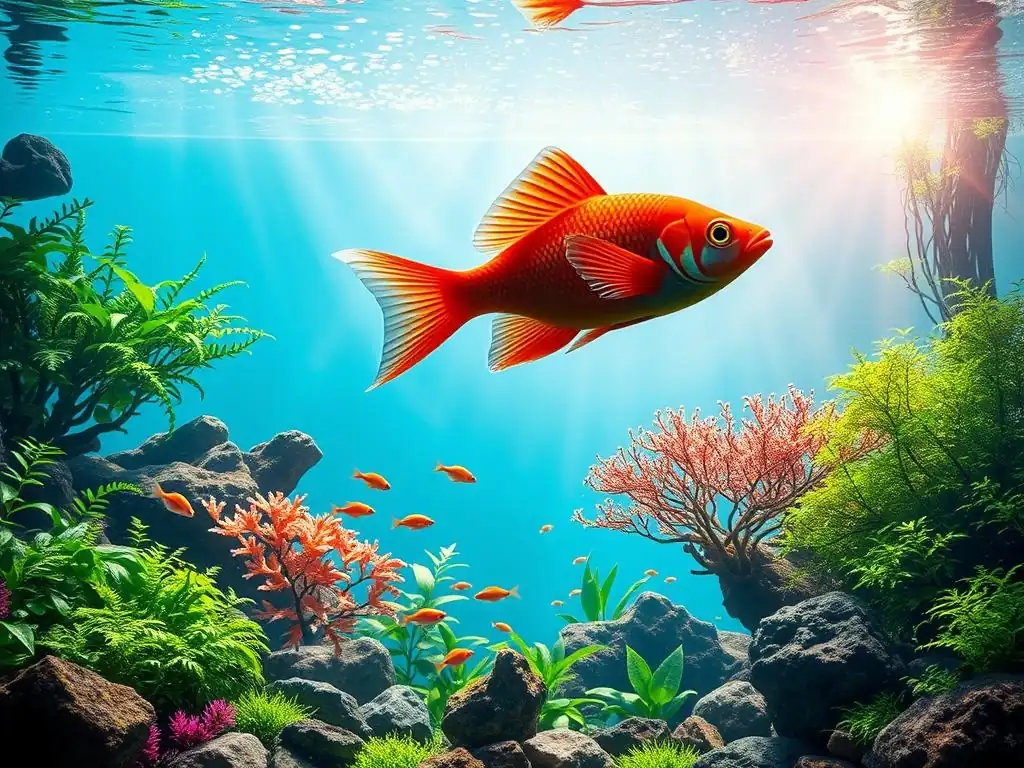
Ever been captivated by the vibrant flash of red in your aquarium? Dive in and discover the secrets to keeping your Red Wagtail Platy thriving. From beginner-friendly care tips to ensuring a happy and healthy life for these classic beauties, we'll guide you through everything you need to know. Ready to unlock the full potential of your Red Wagtail Platy's vibrant colors and playful personality? Let's get started!
- Understanding the Red Wagtail Platy: An Introduction
- Red Wagtail Platy Care Tips: A Comprehensive Guide
- Red Wagtail Platy Breeding: A Beginner's Guide
- Red Wagtail Platy Tank Mates: Compatibility Guide
- Common Red Wagtail Platy Diseases and Treatments
- Troubleshooting Common Red Wagtail Platy Problems
-
Frequently Asked Questions
- What are the basic care requirements for Red Wagtail Platies?
- What is the ideal tank size for a group of Red Wagtail Platies?
- What do Red Wagtail Platies eat?
- How can I encourage breeding in my Red Wagtail Platy aquarium?
- What are some common health problems that affect Red Wagtail Platies and how can I prevent them?
- Final Reflection: Appreciating the Enduring Charm of the Red Wagtail Platy
- Dive Deeper into the Platy Paradise!
Understanding the Red Wagtail Platy: An Introduction
What is a Red Wagtail Platy? Identifying Characteristics
The Red Wagtail Platy, scientifically known as Xiphophorus maculatus, is a popular and visually striking freshwater fish belonging to the Poeciliidae family. Originating from the warm waters of Central America and Mexico, this specific variety is instantly recognizable by its vibrant, often solid, red or orange-red body contrasted sharply with deep black fins, including the caudal (tail) fin. This distinct coloration gives it the "wagtail" moniker, making it a favorite among aquarists seeking a splash of color.
These peaceful livebearers typically reach a modest adult size of 1.5 to 2.5 inches (approximately 3.8 to 6.3 cm), with females generally being slightly larger than males. Their compact size and tranquil disposition make them excellent candidates for community aquariums. With optimal Red Wagtail Platy care tips, these fish can live for 2 to 3 years, offering consistent activity and beauty to their aquatic environment.
Why Choose Red Wagtail Platies for Your Aquarium?
Red Wagtail Platies are an excellent choice for both novice and experienced aquarists due to their hardiness and adaptability. They are forgiving of minor fluctuations in water conditions, making them a robust option for those new to the hobby. Their active yet peaceful temperament means they coexist well with a wide variety of other non-aggressive fish species, creating a harmonious and bustling tank environment.
Beyond their resilience, the aesthetic appeal of Red Wagtail Platies is undeniable. Their vivid red and black markings add a dramatic and lively contrast to any planted or decorated aquarium. Furthermore, their prolific breeding habits provide an engaging experience for hobbyists interested in observing the life cycle of fish firsthand, reinforcing the value of diligent Red Wagtail Platy care tips to ensure successful reproduction.
Red Wagtail Platy Care Tips: A Comprehensive Guide
Setting Up the Ideal Red Wagtail Platy Tank Environment
Tank Size Recommendations for Red Wagtail Platies
Providing an appropriately sized aquarium is fundamental for the well-being of Red Wagtail Platies. While a single platy can survive in a 5-gallon tank, a minimum of 10 gallons is recommended for a small group of 3 to 5 platies, allowing adequate swimming space and reducing stress. For a thriving community setup, a 20-gallon or larger aquarium is ideal, especially considering their active nature and potential for breeding.
The "one gallon per inch of fish" rule can serve as a rough guideline, but platies benefit significantly from more generous space. Overcrowding is a common issue that leads to stress, aggression, and poor water quality, undermining even the best Red Wagtail Platy care tips. A larger tank also provides greater stability in water parameters, which is crucial for their long-term health.
Essential Water Parameters for Platy Health
Maintaining stable and appropriate water parameters is paramount for the health and longevity of Red Wagtail Platies. They thrive in temperatures ranging from 72-78°F (22-26°C), which can be consistently maintained with a reliable aquarium heater. The pH level should be slightly alkaline, ideally between 7.0 and 8.0, reflecting their natural habitat.
Water hardness, measured in dGH (degrees of General Hardness), should be between 10 and 25 dGH, indicating moderately hard to hard water. Crucially, ammonia and nitrite levels must always be at 0 ppm, and nitrates should be kept below 20 ppm through regular maintenance. Consistent monitoring with a quality test kit and prompt adjustments are vital Red Wagtail Platy care tips to prevent stress and disease.
Substrate and Decoration Ideas for a Platy Aquarium
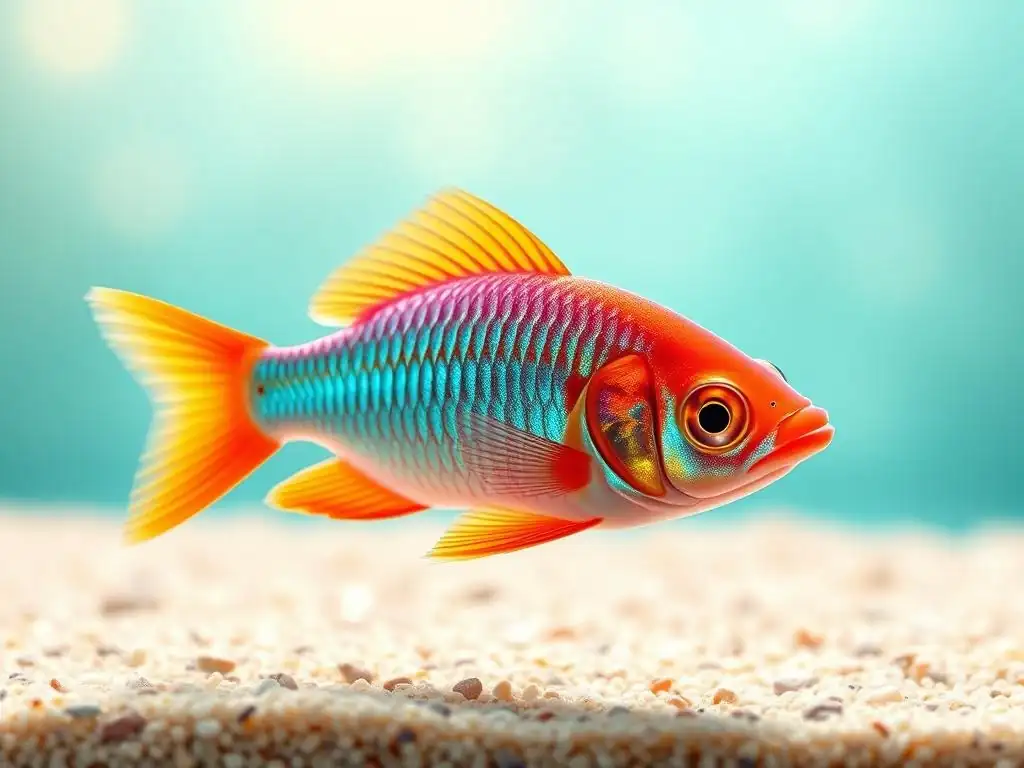
The choice of substrate and decorations plays a significant role in creating a comfortable and stimulating environment for Red Wagtail Platies. A fine gravel or sand substrate is suitable, with darker colors often helping to enhance the platies' vibrant coloration. Ensure the substrate is inert and won't alter water chemistry.
Live plants are highly recommended as they provide natural hiding spots, help oxygenate the water, and absorb nitrates. Good choices include Java Fern, Anubias, and Anacharis. Additionally, incorporating driftwood, smooth rocks, and ceramic caves offers visual barriers and safe havens, which are especially important for pregnant females or new fry. Always ensure decorations are aquarium-safe and do not have sharp edges that could injure the fish, adhering to comprehensive Red Wagtail Platy care tips.
Red Wagtail Platy Diet and Feeding Schedule
What to Feed Your Red Wagtail Platy: Optimal Food Choices
Red Wagtail Platies are omnivores with a varied diet, meaning they require a balance of both plant and animal matter to thrive. A high-quality flake food formulated for omnivorous community fish should serve as the staple of their diet. Look for brands that list fish meal, spirulina, and various vitamins among their primary ingredients.
To supplement their diet and ensure they receive all necessary nutrients, offer a variety of frozen or live foods such as brine shrimp, daphnia, and bloodworms once or twice a week. Vegetable matter is also crucial; blanched zucchini, peas, or spirulina flakes can be offered a few times a week. Providing a diverse diet is one of the most effective Red Wagtail Platy care tips for promoting vibrant colors and robust health.
Feeding Frequency and Portion Control for Platies
Proper feeding frequency and portion control are essential to prevent overfeeding, which can lead to obesity in fish and detrimental water quality issues. Red Wagtail Platies should be fed 2 to 3 times per day, offering small amounts that they can consume entirely within 2 to 3 minutes. Any uneaten food should be promptly removed to prevent it from decaying and fouling the water.
It's better to underfeed slightly than to overfeed. A good rule of thumb is to offer an amount roughly the size of the platy's eye. Observing their feeding behavior will help you fine-tune the portions. Consistent and controlled feeding is a core component of effective Red Wagtail Platy care tips, supporting both their health and tank cleanliness.
Maintaining a Healthy Red Wagtail Platy Aquarium
Regular Water Changes for Platy Tanks
Regular water changes are arguably the most critical aspect of maintaining a healthy Red Wagtail Platy aquarium. A weekly water change of 25-30% of the tank volume is highly recommended to dilute nitrates, replenish essential minerals, and remove accumulated waste. Always use a good quality water conditioner to neutralize chlorine and chloramines from tap water before adding it to the tank.
During water changes, it's beneficial to use a gravel vacuum to remove detritus and uneaten food from the substrate. This practice prevents the buildup of harmful compounds like ammonia and nitrites, which can quickly become toxic. Consistent water changes are non-negotiable Red Wagtail Platy care tips that directly impact their immunity and overall vitality.
Filtration and Aeration for Optimal Platy Health
An efficient filtration system is indispensable for a platy tank. A hang-on-back (HOB) filter, sponge filter, or canister filter, depending on tank size, can provide mechanical, chemical, and biological filtration. Mechanical filtration removes particulate matter, chemical filtration removes dissolved pollutants, and biological filtration converts toxic ammonia and nitrite into less harmful nitrate.
Adequate aeration is also crucial, as it ensures sufficient dissolved oxygen levels for the fish and supports beneficial bacteria in the filter. This can be achieved through the agitation of the water surface by the filter outflow, or by adding an air stone connected to an air pump. Proper filtration and aeration are fundamental Red Wagtail Platy care tips that contribute significantly to a stable and healthy aquatic environment.
Monitoring Water Quality: Preventing Platy Diseases
Proactive monitoring of water quality is key to preventing diseases in Red Wagtail Platies. Regular testing for ammonia, nitrite, nitrate, and pH levels, ideally once a week or bi-weekly, allows aquarists to detect issues before they become critical. Ammonia and nitrite should always be zero, as even small amounts can be lethal. Nitrates should be kept below 20 ppm.
Consistent water parameter checks, coupled with immediate corrective actions when necessary, form the backbone of preventative Red Wagtail Platy care tips. Beyond chemical parameters, observing the fish's behavior and appearance daily can also signal potential problems early. A well-maintained tank with stable conditions greatly reduces stress, making platies less susceptible to common ailments.
Red Wagtail Platy Breeding: A Beginner's Guide
Creating Breeding Conditions for Red Wagtail Platies
Red Wagtail Platies are livebearers, meaning they give birth to live, free-swimming fry rather than laying eggs. This makes them relatively easy to breed, even for beginner aquarists. To encourage breeding, ensure the tank has stable, optimal water parameters within their preferred range (72-78°F, pH 7.0-8.0, 10-25 dGH). A slightly higher temperature, around 78°F (25.5°C), can sometimes stimulate breeding activity.
A well-balanced, nutritious diet, as detailed in our Red Wagtail Platy care tips section, is also vital for healthy breeding pairs. It's recommended to keep a ratio of 2-3 females for every male to distribute the male's attention and reduce stress on individual females, as males can be persistent in their pursuit of mates. Providing ample hiding spots for females, such as dense plant cover, is also beneficial.
Identifying Pregnant Platies: Signs to Look For
Identifying a pregnant Red Wagtail Platy is relatively straightforward. The most noticeable sign is a significant swelling of the female's abdomen, which will appear noticeably rounded or even "squared off" as the gestation period progresses. This squaring off is particularly evident in the days leading up to birth.
Another common indicator is the development of a dark "gravid spot" near the anal fin. This spot, which is essentially the developing fry's eyes showing through the translucent abdominal wall, becomes more pronounced and darker as the female approaches delivery. The gestation period for Red Wagtail Platies typically lasts between 28 and 30 days.
Caring for Red Wagtail Platy Fry: Ensuring Survival
Setting up a Separate Fry Tank
To significantly increase the survival rate of Red Wagtail Platy fry, setting up a separate "fry tank" or a breeding box within the main tank is highly recommended. A 5-10 gallon tank equipped with a small heater and a gentle sponge filter is ideal for fry. Sponge filters are preferred because they prevent tiny fry from being sucked into the filter intake.
The fry tank should also include plenty of fine-leaved plants, such as Java Moss or hornwort, which provide essential hiding places for the fry from their parents (who may eat them) and other tank inhabitants. Once the female is observed to be heavily pregnant, she can be carefully moved to this separate tank or breeding box. After giving birth, the mother should be returned to the main tank to prevent her from eating her offspring.
Feeding Red Wagtail Platy Fry: What and How Often
Newly hatched Red Wagtail Platy fry are tiny and require specialized food. For the first few days, infusoria or liquid fry food are excellent choices due to their microscopic size. As the fry grow, which happens quite rapidly with proper care, they can transition to finely crushed high-quality flake food, micro-worms, or newly hatched brine shrimp.
Feeding frequency is crucial for fry development; they should be fed small amounts 3 to 5 times daily. Overfeeding should be avoided, but consistent nourishment is key to their rapid growth. Due to frequent feeding, daily or every-other-day small water changes (10-15%) are necessary to maintain pristine water quality in the fry tank, reinforcing the importance of diligent Red Wagtail Platy care tips for all life stages.
Red Wagtail Platy Tank Mates: Compatibility Guide
Suitable Tank Mates for Red Wagtail Platies
Red Wagtail Platies are renowned for their peaceful and sociable nature, making them excellent candidates for a community aquarium. They thrive when kept with other non-aggressive, similarly sized fish that prefer similar water parameters. Ideal tank mates include other peaceful livebearers such as Guppies, Mollies, and Swordtails (though be aware of potential cross-breeding).
Other suitable companions are small, peaceful schooling fish like Neon Tetras, Cardinal Tetras, and Ember Tetras, as well as various types of Danios (e.g., Zebra Danios, Leopard Danios). Bottom dwellers like Corydoras catfish and Otocinclus catfish are also excellent choices, as they occupy a different part of the water column and help keep the tank clean. Peaceful snails (Nerite, Mystery) and even dwarf shrimp (Cherry, Amano) can coexist well, especially in heavily planted tanks.
Fish to Avoid Keeping with Red Wagtail Platies
While platies are adaptable, certain fish species are incompatible and should be avoided to ensure the safety and well-being of your Red Wagtail Platies. Any large, aggressive, or predatory fish should be excluded, as they may view platies as a food source or constantly harass them. Examples include most Cichlids (e.g., Oscars, Jack Dempseys) and larger, more territorial species.
Fin-nipping fish, such as Tiger Barbs or some larger Gourami species, can also cause significant stress and injury to platies, especially their delicate fins. Additionally, fish that require vastly different water parameters (e.g., extremely soft, acidic water) should not be housed with platies, as maintaining disparate conditions can compromise the health of all inhabitants. Adhering to these compatibility guidelines is a vital part of comprehensive Red Wagtail Platy care tips.
Common Red Wagtail Platy Diseases and Treatments
Recognizing Signs of Illness in Red Wagtail Platies
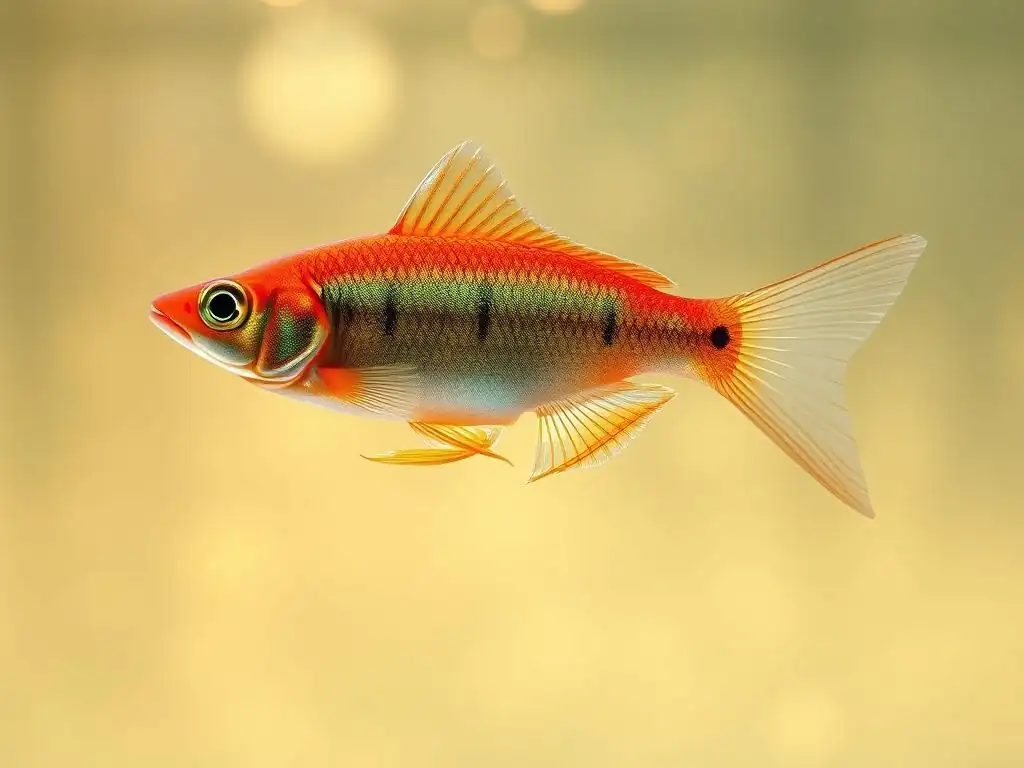
Early detection of illness is crucial for successful treatment and preventing the spread of disease in your Red Wagtail Platy tank. Common behavioral signs of illness include lethargy, hiding more than usual, erratic swimming (such as darting or shimmying), gasping at the surface, or rubbing against tank decorations. A sudden loss of appetite is also a significant indicator.
Physical symptoms can manifest in various ways: clamped fins (held close to the body), white spots resembling salt grains (Ich), fuzzy white or gray growths (fungus), frayed or rotting fins (fin rot), red streaks, ulcers, or sores on the body. Swelling of the abdomen (dropsy) or pale, faded colors are also serious warning signs. Regular observation of your platies' normal behavior and appearance is an essential Red Wagtail Platy care tip for maintaining a healthy aquarium.
Treating Common Platy Diseases: A Quick Reference
Many common platy diseases can be treated effectively if caught early. For Ich (White Spot Disease), gradually raising the water temperature to 82-84°F (28-29°C) over 24 hours, combined with the addition of aquarium salt (1 teaspoon per gallon, dissolved first), or an Ich-specific medication (e.g., those containing malachite green or formalin), is often effective.
Fin Rot and Fungus are typically caused by poor water quality and secondary bacterial infections. Treatment involves improving water conditions through significant water changes and gravel vacuuming, along with the use of broad-spectrum antibiotics (for fin rot, e.g., erythromycin) or antifungal medications (for fungus, e.g., methylene blue). Bloat or Dropsy, often a symptom of internal bacterial infection or organ failure, is more challenging to treat but can sometimes respond to medicated foods or Epsom salt baths in a quarantine tank. Always quarantine sick fish to prevent infecting others.
Preventing Diseases in Your Red Wagtail Platy Tank
Prevention is always better than cure when it comes to fish diseases. The cornerstone of disease prevention in Red Wagtail Platies is maintaining excellent water quality through consistent execution of Red Wagtail Platy care tips. This includes regular weekly water changes (25-30%), efficient filtration, and routine monitoring of water parameters (ammonia, nitrite, nitrate, pH).
Providing a balanced and varied diet boosts their immune system. Avoiding overcrowding in the tank minimizes stress and the buildup of waste. Crucially, always quarantine new fish for 2-4 weeks in a separate tank before introducing them to your main aquarium. This allows time to observe for any signs of illness and treat them before they can potentially infect your established fish. Minimizing stress factors and ensuring a stable environment significantly reduces the likelihood of disease outbreaks.
Troubleshooting Common Red Wagtail Platy Problems
Red Wagtail Platy Not Eating: Possible Causes and Solutions
A Red Wagtail Platy refusing to eat is a significant red flag that requires immediate investigation. Possible causes include stress from a new environment, incompatible tank mates, or recent water changes. Poor water quality, particularly elevated ammonia or nitrite levels, is a common culprit. Additionally, the fish might be suffering from an underlying illness or internal parasites, or simply not find the offered food palatable.
To address this, first test your water parameters (ammonia, nitrite, nitrate, pH) immediately and perform a partial water change if any are off. Observe the fish for any other signs of illness (e.g., clamped fins, lethargy). Try offering a different type of food, such as frozen brine shrimp or bloodworms, to entice them. Ensure tank mates are not bullying the platy. If the issue persists with no clear cause, further investigation into internal parasites or bacterial infections may be warranted.
Red Wagtail Platy Color Loss: Addressing the Issue
Fading or loss of vibrant coloration in Red Wagtail Platies can be disheartening and often indicates a problem with their environment or health. Common causes include chronic stress, which can stem from poor water quality, unsuitable tank mates, or an overcrowded tank. An inadequate or unbalanced diet lacking essential nutrients can also lead to dull colors. Underlying illness, old age, or even genetics can play a role.
To restore their vibrant hues, review all aspects of your Red Wagtail Platy care tips. Start by ensuring optimal water parameters are maintained consistently. Provide a high-quality, varied diet rich in spirulina and color-enhancing ingredients. Confirm that tank mates are peaceful and that the tank is not overstocked. Adequate lighting that mimics natural daylight cycles can also contribute to better coloration. If all environmental factors are optimal, consider the possibility of a subtle illness or simply the fish reaching old age.
Red Wagtail Platy Swimming Erratically: Identifying the Problem
Erratic swimming patterns in a Red Wagtail Platy, such as darting suddenly, swimming in circles, shimmying, or struggling to maintain buoyancy, are clear indicators of distress or illness. The most common cause is poor water quality, especially sudden spikes in ammonia or nitrite, which are highly toxic. Internal parasites or bacterial infections can also affect a fish's nervous system or swim bladder, leading to abnormal swimming. Stress from bullying by more aggressive tank mates or a lack of hiding spots can also manifest as erratic behavior.
Upon noticing erratic swimming, immediately test the water parameters for ammonia, nitrite, and nitrate. Perform a large water change (50% or more) if any toxic compounds are detected. Observe the fish closely for other symptoms of disease (e.g., bloating, clamped fins, spots). If bullying is suspected, separate the aggressive fish or provide more hiding places. Persistent erratic swimming without clear water quality issues may point to internal infections requiring specific medication. Consistent application of Red Wagtail Platy care tips helps prevent these stressful scenarios.
Frequently Asked Questions
What are the basic care requirements for Red Wagtail Platies?
Red Wagtail Platies are relatively easy to care for, requiring a well-maintained aquarium, a temperature range of 70-82°F, and a pH between 6.8 and 7.8. They also appreciate a varied diet and plenty of hiding places.
What is the ideal tank size for a group of Red Wagtail Platies?
A minimum of 10 gallons is recommended for a small group (3-5) of Red Wagtail Platies. A larger tank (20 gallons or more) is preferable, especially if you plan to keep them with other fish or if you anticipate breeding.
What do Red Wagtail Platies eat?
Red Wagtail Platies are omnivores and will eat a variety of foods. A good diet includes high-quality flake food, supplemented with live or frozen foods like brine shrimp, daphnia, and bloodworms. Algae wafers can also be offered.
How can I encourage breeding in my Red Wagtail Platy aquarium?
To encourage breeding, maintain excellent water quality, provide plenty of live plants for cover, and keep a ratio of more females than males. Regular water changes and a slightly warmer temperature can also stimulate breeding behavior.
What are some common health problems that affect Red Wagtail Platies and how can I prevent them?
Common issues include ich, fin rot, and dropsy. These can often be prevented by maintaining pristine water conditions, avoiding overcrowding, and quarantining new fish before introducing them to the main tank.
Final Reflection: Appreciating the Enduring Charm of the Red Wagtail Platy
The enduring popularity of the Red Wagtail Platy, as we've explored, isn't just about its vibrant colors and playful nature; it's a testament to the enduring appeal of simplicity and accessibility in the aquarium hobby. Its ease of care, coupled with its striking appearance, makes it a perfect entry point for aspiring aquarists and a beloved staple for seasoned hobbyists alike. This enduring relevance speaks volumes about the power of a well-balanced ecosystem and the joy of nurturing life, even within the confines of a glass tank.
The Red Wagtail Platy, in its own small way, has shaped the landscape of home aquariums, introducing countless individuals to the wonders of aquatic life. My own journey into fishkeeping began with a small school of these vibrant fish, and the lessons I learned about responsibility, observation, and the delicate balance of nature have stayed with me ever since. The best things in life are often the simplest. The Red Wagtail Platy embodies this perfectly, offering beauty and fulfillment without demanding excessive resources or expertise.
This sentiment reflects the broader appeal of the Red Wagtail Platy: a reminder that profound joy can be found in the everyday.
As you consider the information shared about Red Wagtail Platy care, I invite you to reflect on the broader lessons it offers. Consider how the principles of responsible care, attention to detail, and appreciation for natural beauty can be applied to other aspects of your life. Embrace the opportunity to create your own thriving ecosystem, whether it's in a fish tank, a garden, or within your own personal well-being. Let the Red Wagtail Platy inspire you to cultivate simplicity, appreciate beauty, and nurture life wherever you find it.
Dive Deeper into the Platy Paradise!
Thank you for exploring the vibrant world of Red Wagtail Platies! We hope you’ve found the insights shared valuable and inspiring. Now, let’s turn that inspiration into action!
- Boldly start your own Red Wagtail Platy adventure by setting up a dedicated breeding tank. This hands-on experience will connect you even more deeply to these beautiful fish.
- Share your newfound knowledge! Teach a friend or family member about the joys of keeping Platies and inspire them to start their own aquarium.
- Unveil the mystery. Document your Platy's behavior and post it on the Aquarium Mastery community forum.
What unique aquascaping ideas will you implement to create the perfect Platy paradise?