
Albino Oscar Unveiled: Essential Care Tips for This Pale Giant

Welcome to Aquarium Mastery!
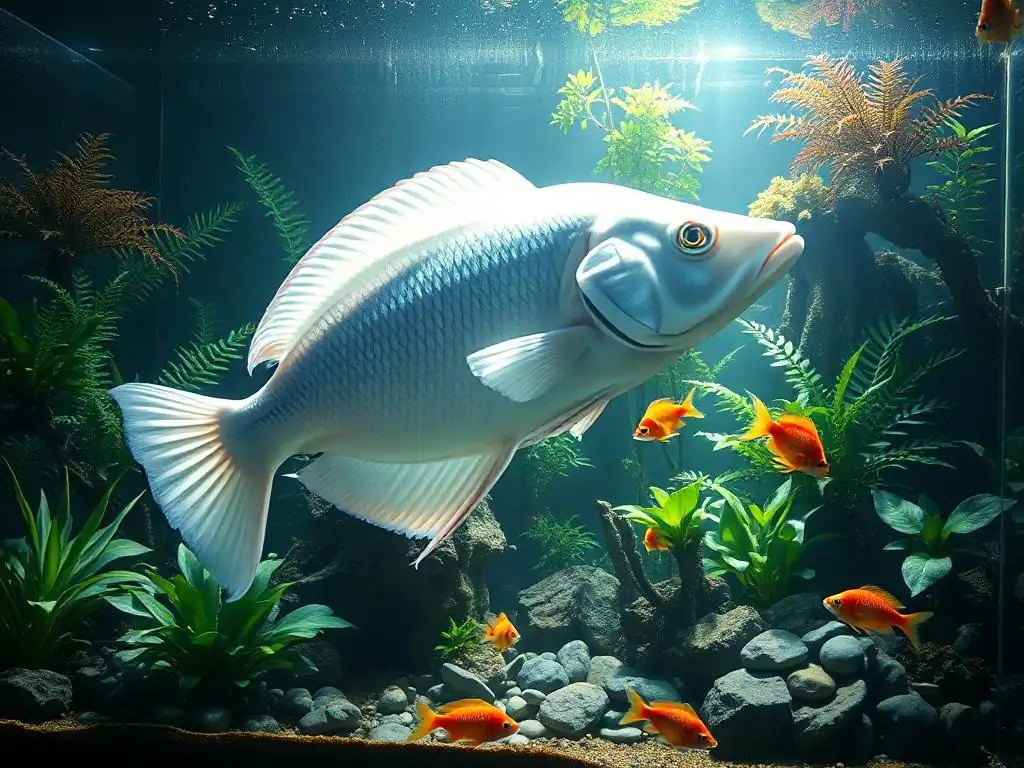
Ever been captivated by the ethereal beauty of an Albino Oscar? Unveiled within these pages is your complete Albino Oscar care guide, packed with essential tips to ensure your pale giant thrives. Curious about creating the perfect environment for this captivating freshwater species? Dive in and discover the secrets to their health, happiness, and longevity!
- Oscar Care: A Comprehensive Guide for Healthy Fish
- Understanding Oscars: Origins and Characteristics
- Setting Up the Ideal Oscar Tank Environment
- Oscar Diet and Nutrition: Feeding for Optimal Health
- Oscar Tank Mates: Choosing Compatible Species
- Oscar Health and Disease Prevention
- Breeding Oscars: A Detailed Guide
- Oscar Care: Addressing Specific Needs
- Advanced Oscar Care Techniques
-
Frequently Asked Questions
- How large will my Albino Oscar grow, and what size tank do I need?
- What are the ideal water parameters for an Albino Oscar aquarium?
- What should I feed my Albino Oscar?
- Are Albino Oscars aggressive fish, and what tank mates are suitable?
- What are some common health issues to watch out for with Albino Oscars?
- Final Reflection: Embracing the Unique Beauty of Albino Oscars
- Dive Deeper: Transform Your Albino Oscar's Life Today!
Oscar Care: A Comprehensive Guide for Healthy Fish
Understanding Oscars: Origins and Characteristics
Oscar Varieties: Identifying Different Types and Color Morphs
Oscars (Astronotus ocellatus) are renowned for their intelligence and captivating personalities, making them popular choices among cichlid enthusiasts. While the wild-type Oscar exhibits a dark body with striking orange-red patterns, selective breeding has led to a diverse array of color morphs and fin variations. These include the Red Oscar, characterized by its vibrant red-orange coloration; the Tiger Oscar, which features distinct black and orange vertical banding; and the Lemon Oscar, known for its bright yellow hues. Each variety retains the core characteristics of the species but offers a unique aesthetic appeal to aquarists.
Among these, the Albino Oscar stands out with its striking white to pale yellow body and characteristic red eyes, a result of a genetic mutation that inhibits melanin production. Caring for an Albino Oscar often follows the same general guidelines as other Oscar varieties, though their lack of pigmentation might make them slightly more sensitive to very bright lighting.
Understanding these distinct types is crucial for any aspiring Oscar owner, as while their care requirements are largely similar, their visual differences are significant. This comprehensive Albino Oscar care guide will cover general Oscar husbandry applicable to all varieties, with specific mentions for the Albino where relevant.
Benefits of Owning Oscars: Personality and Considerations
Owning Oscars offers a uniquely rewarding experience for aquarists due to their highly interactive and intelligent nature. Unlike many other freshwater fish, Oscars are known to recognize their owners, respond to their presence, and even engage in playful behaviors like "begging" for food or rearranging tank decorations. Their distinct personalities develop over time, providing a dynamic and engaging pet that can offer years of enjoyment. Many owners report a strong bond with their Oscars, comparing them to terrestrial pets due to their responsiveness and individual quirks.
However, these benefits come with significant considerations. Oscars are large, messy fish that produce a substantial bioload, requiring robust filtration and diligent maintenance. An adult Oscar can reach lengths of 12-14 inches (30-35 cm), necessitating a large aquarium. Their intelligence also means they can become bored or destructive if not provided with adequate enrichment, such as varied diets and appropriately sized decorations. Understanding these commitments upfront is essential for anyone considering adding an Oscar, including an Albino Oscar, to their aquatic family.
Setting Up the Ideal Oscar Tank Environment
Tank Size: Determining the Appropriate Tank Volume
The most critical factor in setting up an Oscar tank is undoubtedly its size, directly impacting the fish's health, growth, and behavior. For a single adult Oscar, a minimum tank volume of 75 gallons (approximately 280 liters) is widely recommended. This provides sufficient swimming space and helps to dilute the significant waste products an Oscar generates. Housing an Oscar in a tank smaller than this minimum can lead to stunted growth, increased aggression, poor water quality, and a drastically reduced lifespan, often manifesting as stress-related diseases.
When planning for multiple Oscars or considering them as part of a larger cichlid community, the tank size must increase substantially. For two adult Oscars, a 125-gallon (approximately 470 liters) tank is often considered the bare minimum, with larger tanks of 150-200 gallons (560-750 liters) being preferable to accommodate their territorial nature and waste output. Adequate space is paramount for preventing aggression and ensuring that each fish has enough territory, which is a key component of successful Albino Oscar care and general Oscar husbandry.
Filtration: Maintaining Water Quality for Oscars
Effective filtration is absolutely essential for an Oscar aquarium, given their substantial bioload. A multi-stage filtration system that incorporates mechanical, chemical, and biological filtration is highly recommended. Mechanical filtration, typically filter floss or sponges, removes large particulate matter, preventing the water from becoming cloudy. Chemical filtration, such as activated carbon, helps to remove dissolved organic compounds and odors, contributing to crystal-clear water.
Biological filtration, often provided by ceramic rings, bio-balls, or sponges, is the most crucial component, as it houses beneficial bacteria that convert toxic ammonia and nitrites into less harmful nitrates. For Oscars, external canister filters are generally preferred over hang-on-back filters due to their larger media capacity and greater flow rates. Many experienced aquarists even run multiple canister filters or combine them with a large sump system to maintain pristine water parameters, which is vital for preventing common Oscar diseases and ensuring the long-term health of your Albino Oscar.
Heating and Lighting: Creating a Stable Environment
Maintaining a stable and appropriate temperature is vital for the health of Oscars, as they are tropical fish native to the Amazon Basin. The ideal water temperature range for Oscars is typically between 74-81°F (23-27°C). A reliable, appropriately sized aquarium heater, preferably with an external thermostat, is necessary to maintain this consistent temperature. For larger tanks, multiple heaters might be required to ensure even heat distribution and provide a backup in case one fails. Fluctuations outside this range can cause stress, weaken their immune system, and make them susceptible to diseases.
Lighting for an Oscar tank serves primarily to highlight the fish's colors and support any live plants, if used. Oscars do not require specialized lighting, and standard fluorescent or LED aquarium lights are generally sufficient. However, for Albino Oscars, overly intense lighting might cause discomfort due to their lack of protective pigmentation; a moderate light level or providing plenty of shaded areas is advisable. A typical 10-12 hour light cycle per day is recommended to mimic natural conditions and prevent excessive algae growth, contributing to a balanced environment for your Albino Oscar care guide.
Substrate and Decorations: Enhancing the Oscar's Habitat
Choosing the right substrate and decorations is important for both the aesthetic appeal of the tank and the well-being of your Oscars. A fine to medium-grade sand or gravel substrate is generally suitable, as Oscars are known to dig and rearrange their tank. Avoid sharp-edged gravel that could injure their sensitive mouths. A depth of 2-3 inches (5-7.5 cm) is usually adequate. Many aquarists opt for bare-bottom tanks to simplify cleaning and maintenance, especially in very large setups, though this can sometimes make the fish appear more skittish.
Decorations should be robust, heavy, and securely placed to withstand the Oscar's digging and moving habits. Large, smooth rocks, driftwood, and ceramic caves provide hiding spots and territorial boundaries, reducing stress and aggression. Ensure all decorations are non-toxic and have no sharp edges. While live plants can be challenging with Oscars due to their tendency to uproot them, hardy species like Anubias and Java Fern, anchored to driftwood or rocks, can sometimes thrive. Providing a stimulating environment with appropriate decorations is a key aspect of comprehensive Albino Oscar care.
Oscar Diet and Nutrition: Feeding for Optimal Health
Balanced Diet: Providing Essential Nutrients
A balanced and varied diet is paramount for the long-term health, vibrant coloration, and robust growth of Oscars. Their natural diet in the wild consists largely of insects, crustaceans, and smaller fish, making them omnivores with a strong carnivorous leaning. High-quality Oscar-specific pellets or sticks should form the staple of their diet, as these are formulated to provide the necessary protein, fats, vitamins, and minerals. Look for pellets with a protein content of 40-50% and low ash content.
Supplementing the staple diet with a variety of other foods is crucial to ensure all nutritional needs are met and to prevent boredom. This includes frozen foods such as bloodworms, brine shrimp, Mysis shrimp, and chopped earthworms. Occasional treats like feeder fish (only from a trusted, disease-free source and sparingly due to fat content) or blanched vegetables like peas can also be offered. Providing this varied diet is a cornerstone of responsible Albino Oscar care, promoting optimal digestion and nutrient absorption.
Feeding Schedule and Portion Control: Preventing Health Issues
Establishing a consistent feeding schedule and practicing proper portion control are vital for preventing common health issues in Oscars, such as bloat and fatty liver disease. Juvenile Oscars, up to about 6 inches (15 cm), should be fed 2-3 times per day, offering an amount they can consume within 2-3 minutes. As they mature and grow larger, adult Oscars typically thrive on one feeding per day, or even every other day, with a slightly larger portion. Overfeeding is a common mistake that leads to excess waste, poor water quality, and potential digestive problems.
It is important to observe your Oscar's behavior during feeding. A healthy Oscar will be eager to eat and display strong feeding responses. Any uneaten food should be promptly removed from the tank to prevent decomposition and ammonia spikes. Fasting your Oscar for one day a week can also be beneficial, aiding digestion and preventing obesity. This disciplined approach to feeding is a key element of any effective Albino Oscar care guide, ensuring your fish receives adequate nutrition without the risks associated with overindulgence.
Supplementation: Vitamins and Minerals for Oscar Health
While a high-quality, varied diet should provide most essential nutrients, targeted supplementation with vitamins and minerals can further enhance an Oscar's health, particularly during periods of stress, recovery from illness, or for breeding pairs. Vitamin C, for instance, is crucial for immune function and tissue repair, and while often included in commercial foods, additional supplementation can be beneficial. B vitamins support metabolism and nerve function.
Liquid vitamin supplements designed for aquarium fish can be added to the water during water changes or soaked into dry foods before feeding. Calcium and other trace minerals are also important for bone structure and overall metabolic processes. Regular water changes with appropriately conditioned tap water or remineralized RO water typically provide sufficient minerals, but specific mineral supplements can be used if deficiencies are suspected or if you are using very soft water. Consulting a comprehensive Albino Oscar care guide or an experienced aquarist can help determine if specific supplementation is necessary for your particular setup.
Oscar Tank Mates: Choosing Compatible Species
Suitable Tank Mates: Creating a Community Tank
Choosing suitable tank mates for Oscars requires careful consideration due to their large size, predatory nature, and potential for aggression. While Oscars are best kept alone or as a bonded pair in a species-specific tank, a well-planned community tank can be successful if specific criteria are met. Ideal tank mates should be similarly sized (to avoid being seen as prey), robust enough to withstand potential aggression, and tolerant of similar water parameters.
Some commonly suggested tank mates include other large, semi-aggressive cichlids such as Green Terrors, Convict Cichlids (though they can be very aggressive themselves), or even other Oscars of similar size, provided the tank is sufficiently large (150+ gallons). Large plecos (e.g., Common Pleco, Sailfin Pleco) are often compatible as they occupy different tank levels and are well-armored. Other possibilities include Silver Dollars, Tinfoil Barbs, and Arowanas, though Arowanas require even larger tanks. The key to success is providing ample space and multiple hiding spots to diffuse aggression.
Fish to Avoid: Aggression and Compatibility Issues
Many fish species are entirely unsuitable as Oscar tank mates and should be strictly avoided to prevent injury, stress, or predation. Any fish small enough to fit into an Oscar's mouth, even if it seems unlikely, will eventually be eaten. This includes most small tetras, guppies, mollies, and even juvenile cichlids. Their predatory instincts are strong and should not be underestimated.
Furthermore, overly aggressive or highly territorial cichlids that are not of similar size or temperament can lead to constant conflict and severe stress for both parties. Slow-moving, delicate, or long-finned fish like Angelfish or Gouramis are also poor choices, as their fins can be nipped, and they are not robust enough to handle an Oscar's presence. Even seemingly compatible species can sometimes become targets if the Oscar is particularly aggressive or the tank is overcrowded. Understanding these compatibility dynamics is crucial for any Albino Oscar care guide aiming for a harmonious community tank.
Maintaining Harmony: Monitoring Tank Interactions
Even with carefully selected tank mates, maintaining harmony in an Oscar community tank requires constant vigilance and proactive management. Regularly observe all fish for signs of stress, bullying, or injury. Nipped fins, faded colors, hiding, or rapid breathing can indicate problems. Oscars establish a pecking order, and occasional chasing or minor squabbles are normal, but persistent aggression or severe damage warrants intervention.
Providing plenty of visual breaks, such as large rocks, driftwood, and tall artificial plants, can help create territories and reduce direct confrontation. If aggression becomes problematic, consider rearranging the tank décor to disrupt established territories, adding more hiding spots, or, in severe cases, removing the aggressor or the target fish. A large tank with complex aquascaping is the best defense against aggression. Regular monitoring is a non-negotiable part of effective Albino Oscar care in a community setting.
Oscar Health and Disease Prevention
Common Oscar Diseases: Identification and Treatment
Oscars, like all fish, are susceptible to various diseases, though a well-maintained tank significantly reduces the risk. One of the most common ailments is Ich (Ichthyophthirius multifiliis), a parasitic infection characterized by small white spots resembling salt grains on the body and fins. It is highly contagious and often triggered by stress or fluctuating water temperatures. Treatment typically involves raising the tank temperature gradually and using over-the-counter Ich medications.
Another prevalent issue is Hole-in-the-Head disease (HITH), often attributed to poor water quality, nutritional deficiencies, and possibly a parasitic flagellate. This disease manifests as pitting and lesions around the head and lateral line. Treatment involves improving water quality through frequent water changes, ensuring a balanced diet, and sometimes using antibiotics or antiparasitic medications. Fin rot, characterized by frayed or deteriorating fins, is usually bacterial and can be treated with broad-spectrum antibiotics and improved water conditions. Prompt identification and treatment are crucial for successful Albino Oscar care.
Water Parameters: Maintaining Optimal Levels
Maintaining stable and optimal water parameters is the single most important factor in preventing disease and ensuring the long-term health of your Oscars. Regular testing of the water is indispensable. The ideal parameters for Oscars are:
- Temperature: 74-81°F (23-27°C)
- pH: 6.5-7.5 (slightly acidic to neutral)
- Ammonia (NH3/NH4+): 0 ppm (parts per million)
- Nitrite (NO2-): 0 ppm
- Nitrate (NO3-): Below 20 ppm (preferably below 10 ppm)
Oscars are tolerant of a range of pH values but are sensitive to sudden fluctuations. Consistent pH is more important than hitting an exact number within the acceptable range. Ammonia and nitrite are highly toxic, and their presence indicates insufficient biological filtration or overfeeding. Nitrates, while less toxic, accumulate over time and require regular water changes to keep within safe levels. Diligent monitoring and correction of these parameters are central to any effective Albino Oscar care guide.
Quarantine Procedures: Preventing Disease Spread
Implementing a strict quarantine procedure for all new fish, plants, and even some decorations is a critical preventative measure against disease introduction into your main Oscar tank. A separate quarantine tank, typically 10-20 gallons (38-75 liters) with its own heater and filter, should be set up. New fish should be housed in this tank for at least 2-4 weeks before being introduced to the main aquarium.
During the quarantine period, observe the new fish closely for any signs of illness, such as lethargy, clamped fins, white spots, or unusual growths. Perform daily water changes and feed a high-quality diet to minimize stress. Some aquarists also opt for prophylactic treatment with a broad-spectrum medication during this time, though this is debated. If any signs of disease appear, treat the fish in the quarantine tank. This isolation prevents potential pathogens from spreading to your established fish, safeguarding the health of your valuable Albino Oscar and other tank inhabitants.
Breeding Oscars: A Detailed Guide
Setting Up a Breeding Tank: Creating Suitable Conditions
Breeding Oscars in a home aquarium can be a challenging yet rewarding endeavor, requiring specific conditions to encourage spawning. A dedicated breeding tank, separate from the main display tank, is highly recommended to provide a calm environment and protect the fry. This tank should be at least 75 gallons (280 liters) for a single breeding pair, with larger tanks being preferable. The water parameters should be consistent with their general care requirements: temperature around 78-82°F (26-28°C) and a pH between 6.5-7.0.
The breeding tank should be equipped with a large, flat, smooth surface for egg deposition, such as a slate tile, a large flat rock, or even a ceramic flower pot turned on its side. Provide some hiding spots for the female, as males can become aggressive during spawning. Filtration should be robust but gentle, such as sponge filters, to avoid disturbing eggs or fry. Dim lighting and minimal disturbances will further encourage the pair to spawn. Successfully creating these conditions is a significant step in the Albino Oscar care journey for breeders.
Identifying Male and Female Oscars: Physical Differences
Distinguishing between male and female Oscars can be challenging outside of breeding season, as there are no obvious external sexual dimorphisms in their juvenile stages. Both sexes exhibit similar coloration and body shapes. However, during the breeding period, subtle differences become more apparent. The most reliable method for sexing is observing their breeding tubes, or papillae, which become visible just prior to spawning.
The male's breeding tube is typically pointed and narrower, while the female's is blunter and wider, designed for egg deposition. This difference is often difficult to discern without close observation. Another indicator, though less reliable, is behavior; males may become more aggressive and territorial, while females may appear rounder due to developing eggs. Often, the best way to obtain a breeding pair is to purchase a group of 4-6 juvenile Oscars and allow them to grow out together, as they will naturally pair off when mature. This natural pairing is key to successful Albino Oscar breeding.
Caring for Oscar Fry: From Hatching to Independence
Once Oscar eggs are laid, typically numbering in the hundreds or even thousands, the parents will diligently guard and fan them. The eggs usually hatch within 3-5 days, depending on temperature. The newly hatched fry, known as "wigglers," will remain attached to the spawning surface, absorbing their yolk sacs for the first few days. During this period, the parents may move the fry to different locations within the tank.
After about 5-7 days, the fry become free-swimming and will require their first external food source. Infusoria or liquid fry food can be offered initially, followed by newly hatched brine shrimp nauplii, which are an excellent first food due to their small size and high nutritional value. As the fry grow, they can be transitioned to finely crushed flake food and then to small pellets.
Maintaining pristine water quality with frequent, small water changes is paramount for fry survival, as they are extremely sensitive to ammonia and nitrites. This intensive care for the fry is a demanding but rewarding aspect of advanced Albino Oscar care.
Oscar Care: Addressing Specific Needs
Water Change Routine: Maintaining Water Quality
A consistent and rigorous water change routine is arguably the most critical aspect of long-term Oscar care, directly impacting their health and longevity. Due to their large size and messy eating habits, Oscars produce a significant amount of waste, leading to a rapid accumulation of nitrates and other dissolved organic compounds. Regular water changes dilute these toxins, replenishing essential trace minerals and maintaining stable water parameters.
For a single adult Oscar in a 75-gallon tank, a minimum of 25-30% water change weekly is recommended. For larger tanks or those with multiple Oscars, 30-50% bi-weekly or even weekly changes might be necessary. Always use a good quality dechlorinator to neutralize chlorine and chloramines in tap water. The temperature of the new water should closely match that of the tank to prevent temperature shock. This diligent water change schedule is foundational to effective Albino Oscar care and prevents many common health issues.
Recognizing Stress: Signs and Solutions
Recognizing signs of stress in your Oscar is crucial for early intervention and preventing more serious health problems. Common indicators of stress include:
- Faded coloration: An Oscar's vibrant colors may dull significantly.
- Clamped fins: Fins held close to the body, rather than spread out.
- Rapid breathing: Gills moving unusually fast.
- Lethargy or hiding: Reduced activity or spending excessive time in hiding spots.
- Loss of appetite: Refusal to eat or spitting out food.
- Rubbing against objects: "Flashing" against decor or substrate, often indicating parasites or irritation.
Stress can be caused by poor water quality, incorrect water parameters, overcrowding, aggression from tank mates, inadequate tank size, or sudden environmental changes. Identifying the root cause is the first step towards a solution. Solutions often involve performing a partial water change, checking parameters, adjusting temperature, removing aggressive tank mates, or providing more hiding spots. Addressing stress promptly is a key component of proactive Albino Oscar care.
Long-Term Care: Ensuring a Healthy Life
Ensuring a healthy and long life for an Oscar involves a holistic approach that integrates all aspects of their care over many years. Oscars can live for 10-15 years or more in captivity with proper husbandry. This longevity depends on consistent adherence to a strict maintenance schedule, including regular water changes and filter cleaning. A high-quality, varied diet, as discussed previously, is also fundamental to their long-term vitality.
Beyond the basics, providing mental stimulation is important for these intelligent fish. Rearranging decorations occasionally, offering varied foods, and even interacting with them through the glass can keep them engaged. Regular observation of their behavior, appetite, and physical appearance allows for early detection of any issues. Proactive Albino Oscar care, focusing on prevention rather than cure, is the most effective strategy for providing your Oscar with a thriving and extended life.
Advanced Oscar Care Techniques
Aquascaping Ideas: Creating Natural Environments
While Oscars are notorious for rearranging their tank decor, creative aquascaping is still possible and can greatly enhance their environment. The goal is to create a natural-looking habitat that is also durable and safe for a large, active cichlid. Utilizing large, smooth river rocks and substantial pieces of driftwood that are too heavy for the Oscar to move easily can form the backbone of the aquascape. These elements provide visual breaks, hiding spots, and territorial markers.
Consider creating rock caves or overhangs using aquarium-safe silicone to secure rocks together, ensuring they won't collapse. For the substrate, a fine sand or very smooth gravel allows for natural digging behavior without injury. While live plants are challenging, hardy, robust species that can be anchored securely (like Anubias or Java Fern) can add to the natural aesthetic. Planning the layout to maximize swimming space while still providing complex areas for exploration is key to a stimulating and aesthetically pleasing Albino Oscar habitat.
Utilizing Live Plants: Anubias and Java Fern
Incorporating live plants into an Oscar tank can be challenging due to their digging habits and tendency to uproot vegetation. However, certain hardy plant species can thrive and offer significant benefits, such as contributing to water quality by absorbing nitrates and providing natural enrichment. The most suitable options are typically robust, root-feeding plants that can be anchored to hardscape rather than planted directly into the substrate.
Anubias species (e.g., Anubias barteri, Anubias nana) and Java Fern (Microsorum pteropus) are excellent choices. Their rhizomes (the horizontal stem from which leaves and roots grow) should not be buried in the substrate, as this can cause them to rot. Instead, they can be securely tied or superglued to driftwood or rocks. These plants are tough, can tolerate a wide range of water conditions, and are generally not appealing to Oscars as food. They add a natural aesthetic and provide visual barriers, contributing positively to an advanced Albino Oscar care setup.
Advanced Filtration Methods: Canister Filters and Sumps
For large Oscar tanks, basic filtration may not be sufficient to maintain pristine water quality, necessitating the use of advanced filtration methods. Canister filters are a popular upgrade from hang-on-back filters due to their larger media capacity, superior flow rates, and ability to house multiple types of filter media (mechanical, chemical, biological) efficiently. Many experienced Oscar keepers run two large canister filters simultaneously to handle the heavy bioload and provide redundancy.
For the ultimate in water quality and stability, a sump system is often employed. A sump is a separate tank, usually placed below the main display tank, that houses filtration media, heaters, and sometimes protein skimmers (for saltwater, though some freshwater sumps exist). Water flows from the main tank into the sump, is filtered, and then pumped back up. Sumps offer immense filtration volume, excellent gas exchange, and stable water parameters, making them ideal for very large Oscar tanks (150+ gallons) or multi-Oscar setups. This advanced filtration is a hallmark of comprehensive Albino Oscar care for serious aquarists.
Frequently Asked Questions
How large will my Albino Oscar grow, and what size tank do I need?
Albino Oscars can reach 12-14 inches in length. Therefore, you'll need a tank that's at least 75 gallons for a single Oscar, and considerably larger for a pair.
What are the ideal water parameters for an Albino Oscar aquarium?
Albino Oscars thrive in water temperatures between 74-86°F (23-30°C), with a pH of 6.0-8.0. Regular water changes are essential to maintain water quality and prevent the buildup of harmful substances.
What should I feed my Albino Oscar?
Albino Oscars are omnivores and enjoy a varied diet. Offer them high-quality cichlid pellets as a staple, supplemented with live or frozen foods like earthworms, crickets, and shrimp.
Are Albino Oscars aggressive fish, and what tank mates are suitable?
Albino Oscars can be territorial and aggressive, especially towards smaller fish. Suitable tank mates include larger, robust fish of similar size and temperament, such as other large cichlids or plecos.
What are some common health issues to watch out for with Albino Oscars?
Common health problems include Hole-in-the-Head disease (HITH), ich, and fin rot. Maintaining excellent water quality and providing a balanced diet are crucial for preventing these issues.
Final Reflection: Embracing the Unique Beauty of Albino Oscars
The journey of understanding and caring for Albino Oscars, as we've explored, is more than just a technical exercise; it's a testament to our capacity to appreciate the extraordinary within the ordinary. By delving into the specific needs of these pale giants, we've not only equipped ourselves with practical knowledge but also opened our eyes to the delicate balance required to nurture life in all its diverse forms. This understanding is particularly relevant today, as responsible pet ownership becomes increasingly crucial in a world grappling with environmental and ethical considerations.
This exploration has profoundly influenced my perspective on aquarium keeping, highlighting the importance of informed and compassionate care. Witnessing the resilience and beauty of these unique fish underscores the responsibility we bear as custodians of their well-being. The greatness of a nation and its moral progress can be judged by the way its animals are treated.
- Mahatma Gandhi. This quote resonates deeply, reminding us that our interactions with animals, even those within the confines of an aquarium, reflect our values and shape our character.
As you close this guide, I invite you to reflect on the commitment you're making to provide the best possible life for your Albino Oscar. Let the knowledge you've gained inspire you to not only meet their needs but to celebrate their unique beauty and contribute to a world where all creatures, great and small, are treated with respect and compassion. Embrace the challenge, and you'll find that the rewards of caring for these magnificent fish are immeasurable.
Dive Deeper: Transform Your Albino Oscar's Life Today!
Thanks for exploring the unique world of Albino Oscars! We hope you’ve gained valuable insights into caring for these magnificent fish. Now, let's put that knowledge into action and ensure your Oscar thrives.
Here's how you can elevate your Albino Oscar's life:
- Immediately reassess your tank's lighting. Is it too harsh for your albino beauty? Consider adding floating plants or adjusting the intensity to reduce stress. This is the most crucial step!
- Research and prepare a special treat for your Oscar this week! Perhaps some live blackworms or a high-quality, color-enhancing pellet food.
- Share your experience! Post a picture of your Albino Oscar on social media with the hashtag #AlbinoOscarLove and connect with fellow enthusiasts.
What's the first small change you'll make to create a brighter and happier environment for your Albino Oscar?