
Choosing Your Green (or Red!): An Aquarium Mastery Guide to Popular Saltwater Macroalgae

Welcome to Aquarium Mastery!
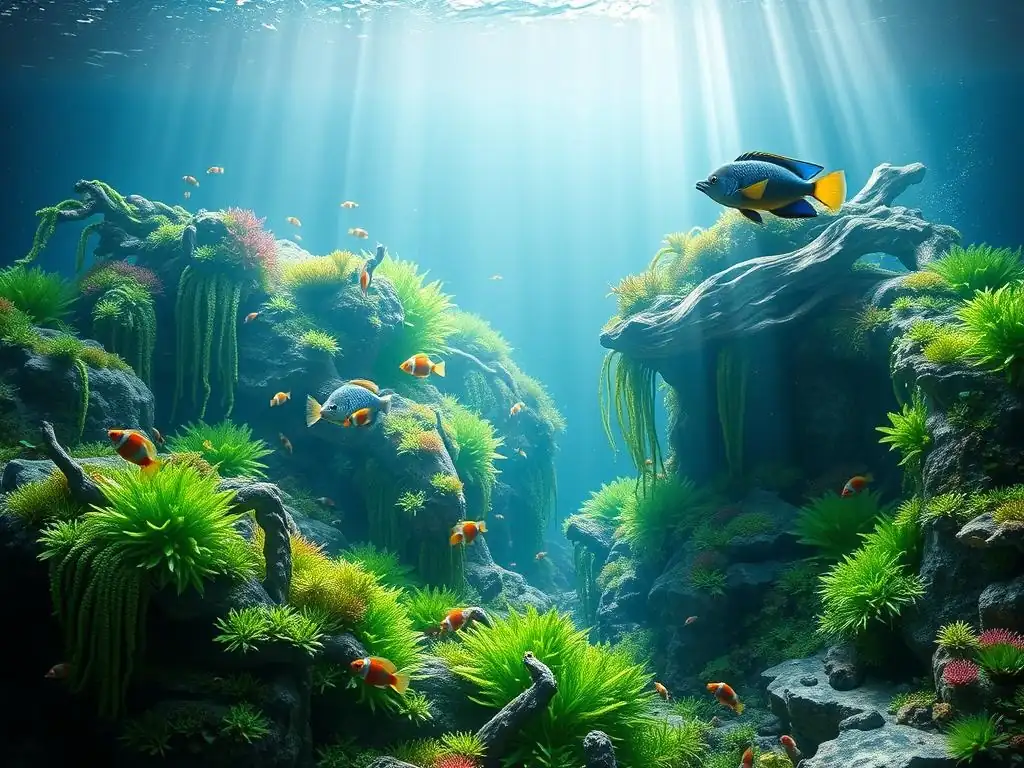
Ever wondered how to transform your saltwater aquarium into a vibrant, thriving ecosystem, teeming with color and life beyond just fish? Dive in and discover the secrets to beautiful and beneficial saltwater macroalgae! Our Saltwater Macroalgae Beginner Guide unlocks the potential of these often-overlooked aquarium additions. Ready to choose your green (or red!) and create a stunning underwater landscape? Let's get started!
- Saltwater Macroalgae Beginner Guide: Introduction to Reef Tank Algae
- Popular Saltwater Macroalgae Species: A Visual Guide
- Setting Up a Saltwater Macroalgae Refugium: A Step-by-Step Guide
- Maintaining Your Saltwater Macroalgae: Care Tips and Best Practices
- Troubleshooting Common Saltwater Macroalgae Issues
- Saltwater Macroalgae and Tank Mates: Compatibility Considerations
- Advanced Saltwater Macroalgae Techniques: Beyond the Basics
- Conclusion: Mastering Saltwater Macroalgae for a Thriving Reef Tank
-
Frequently Asked Questions
- What exactly is saltwater macroalgae, and why should I consider adding it to my reef tank?
- What are some of the best macroalgae species for beginner saltwater aquarists?
- How do I properly introduce new macroalgae into my saltwater aquarium?
- What kind of lighting and water flow do saltwater macroalgae typically need?
- How can I prevent my macroalgae from taking over my entire aquarium?
- Final Reflection: Cultivating Underwater Gardens
- Unleash Your Inner Aquascaper: Dive Deeper!
Saltwater Macroalgae Beginner Guide: Introduction to Reef Tank Algae
Understanding the Role of Macroalgae in Saltwater Aquariums
Macroalgae, often referred to as "seaweeds," are multicellular photosynthetic organisms that play a crucial role in natural marine ecosystems and increasingly so in home saltwater aquariums. Unlike nuisance microalgae that can quickly coat tank surfaces, macroalgae are larger, more structured plants that absorb excess nutrients directly from the water column. In the ocean, they form vast beds, providing shelter, food, and breeding grounds for countless marine species, while simultaneously processing dissolved organic compounds and performing vital gas exchange.
In a closed reef tank system, macroalgae serve as a powerful biological filter, actively consuming nitrates and phosphates that accumulate from fish waste, uneaten food, and decaying organic matter. This natural nutrient export mechanism is a cornerstone of a successful saltwater macroalgae beginner guide strategy, helping to maintain pristine water quality and prevent the proliferation of undesirable nuisance algae. By cultivating specific types of macroalgae, aquarists can create a more stable and healthier environment for corals, fish, and invertebrates.
Benefits of Adding Saltwater Macroalgae to Your Reef System
The integration of saltwater macroalgae into a reef system offers a multitude of benefits, making it an essential component for many advanced and even beginner aquarists. One of the primary advantages is their exceptional ability to export excess nutrients. For instance, a well-established refugium with fast-growing Chaetomorpha can significantly reduce nitrate levels from potentially harmful concentrations, such as 20 parts per million (ppm), down to undetectable levels or below 5 ppm, and similarly impact phosphate levels. This active nutrient removal directly competes with nuisance algae, helping to keep the display tank cleaner.
Beyond nutrient export, macroalgae contribute to overall tank stability. During the day, through photosynthesis, they absorb carbon dioxide and release oxygen, helping to stabilize the water's pH by reducing fluctuations, especially overnight when pH naturally dips.
They also provide a natural habitat and food source for beneficial microfauna like copepods and amphipods, which are crucial for the health of many corals and fish, particularly those that are finicky eaters. Furthermore, certain species add vibrant colors and natural aesthetics to the aquarium, enhancing its visual appeal while providing practical ecological advantages, making them a valuable part of any saltwater macroalgae beginner guide.
Popular Saltwater Macroalgae Species: A Visual Guide
Green Macroalgae for Reef Tanks: Options and Characteristics
Green macroalgae are among the most common and widely utilized species in saltwater aquariums, known for their rapid growth and efficient nutrient uptake. Their vibrant hues range from bright lime green to deeper emerald tones, offering both functional benefits and aesthetic appeal within a reef system. These species are generally robust and adaptable, making them excellent choices for various tank setups, from dedicated refugiums to integrated display systems.
When considering green macroalgae for your reef tank, factors such as growth rate, nutrient absorption efficiency, and potential for becoming a nuisance need to be evaluated. Some species grow in dense, tangled masses, ideal for harboring microfauna, while others spread more broadly. Understanding their specific characteristics is key to selecting the right green macroalgae to support your aquarium's health and balance, a critical aspect covered in any comprehensive saltwater macroalgae beginner guide.
Chaetomorpha (Chaeto): The Beginner-Friendly Algae
Chaetomorpha linum, commonly known as "Chaeto," is arguably the most popular and recommended macroalgae for saltwater aquariums, especially for those following a saltwater macroalgae beginner guide. Its spaghetti-like structure forms a dense, tangled ball, which makes it an ideal habitat for copepods and amphipods – crucial live food sources for many reef inhabitants. Chaeto is highly efficient at absorbing nitrates and phosphates, typically growing at a rate that necessitates weekly or bi-weekly harvesting in active systems to maintain optimal nutrient export.
One of Chaeto's greatest advantages is its non-invasive nature; it does not attach to rockwork or substrate with rhizoids, making it easy to contain within a refugium and preventing it from spreading uncontrollably into the main display tank. This ease of management, combined with its robust nutrient removal capabilities and minimal care requirements, solidifies Chaeto's reputation as the go-to macroalgae for both novice and experienced reef keepers looking for reliable nutrient control.
Caulerpa: Pros and Cons of Using Caulerpa in Your Aquarium
Caulerpa is a genus of macroalgae known for its diverse forms, ranging from grape-like clusters ( Caulerpa racemosa) to fern-like fronds ( Caulerpa prolifera). Historically, Caulerpa species were widely used in reef aquariums due to their very fast growth rate and exceptional nutrient uptake capabilities, often outcompeting nuisance algae effectively. They can quickly consume significant amounts of nitrates, potentially dropping levels from 10 ppm to near zero within days in a well-established refugium.
However, Caulerpa has a significant drawback: it can "go sexual" or "crash," releasing all its absorbed nutrients back into the water column and potentially causing an ammonia spike that is detrimental to tank inhabitants. Furthermore, many Caulerpa species are highly invasive, spreading aggressively by sending out runners (rhizoids) that attach to rocks and sand, making them difficult to control once established in the main display tank. Due to these risks, Caulerpa is generally not recommended for a saltwater macroalgae beginner guide, and careful consideration is advised for experienced aquarists who choose to use it, often with strict containment.
Ulva (Sea Lettuce): A Nutritious and Attractive Macroalgae
Ulva lactuca, commonly known as "Sea Lettuce," is a bright green, broad-leafed macroalgae that resembles its terrestrial namesake. It is highly valued for its rapid growth and excellent nutrient absorption, making it an effective tool for maintaining water quality in reef tanks. Ulva is particularly efficient at absorbing nitrates and phosphates, and its flat, wavy fronds provide a unique aesthetic appeal, often used in display refugiums or even in the main tank if it can be contained.
Beyond its filtration capabilities, Ulva is also highly palatable to many herbivorous fish, such as tangs and angelfish, making it a natural and nutritious food source. While it can attach to surfaces, it is generally less invasive than Caulerpa and easier to manage with regular harvesting. Its robust nature and dual benefits as a nutrient exporter and a food source make Ulva a valuable addition for aquarists looking to diversify their macroalgae selection, though its rapid growth requires consistent pruning.
Red Macroalgae for Reef Tanks: Adding Color and Function
Red macroalgae introduce a stunning palette of colors, from deep crimson to vibrant pinks, providing a striking contrast to the green and brown tones often found in reef tanks. Beyond their aesthetic appeal, many red macroalgae species are highly effective at nutrient export and can serve as a natural food source for various herbivores. Their unique structures and growth patterns add diversity and visual interest, making them popular choices for display refugiums or integrated reef aquascapes.
While some red macroalgae can be more demanding in terms of lighting or flow compared to their green counterparts, their functional benefits coupled with their beauty make them a compelling option for aquarists seeking to enhance their system's biodiversity and nutrient management. Including red macroalgae can be an advanced step in a saltwater macroalgae beginner guide, offering a rewarding challenge with vibrant results for the dedicated hobbyist.
Gracilaria: A Palatable and Effective Nutrient Exporter
Gracilaria is a diverse genus of red macroalgae, with species like Gracilaria parvispora (often sold as Ogo) being particularly popular in the aquarium hobby. These macroalgae typically grow as branching, bushy structures that provide excellent surface area for beneficial bacteria and shelter for microfauna. Gracilaria species are highly effective nutrient exporters, efficiently consuming nitrates and phosphates, and can help maintain stable water parameters. Anecdotal evidence suggests that a dense patch of Gracilaria can significantly reduce nitrate levels in a 100-gallon system from 15 ppm to below 2 ppm over a few weeks with proper lighting and flow.
One of the significant advantages of Gracilaria is its high palatability to many herbivorous fish, including tangs, rabbitfish, and some angelfish. This makes it an excellent natural food source, allowing aquarists to supplement their fish's diet directly from their refugium or even the display tank. While it grows slower than some green macroalgae like Caulerpa, its consistent nutrient uptake and utility as a food source make it a valuable and reliable choice for a healthy reef system, fitting well within an advanced saltwater macroalgae beginner guide.
Ogo (Gracilaria parvispora): A Popular Choice for Refugiums
Gracilaria parvispora, commonly known as "Ogo," is a specific species of Gracilaria that stands out for its robust growth and distinct, often reddish-brown to deep red, tangled filaments. It is particularly favored for use in refugiums due to its efficient nutrient absorption capabilities, especially for nitrates and phosphates. Ogo grows in dense, bushy clumps, providing an excellent environment for the proliferation of copepods and amphipods, which are essential live food sources for many corals and fish.
Beyond its role in nutrient export and microfauna cultivation, Ogo is also highly prized as a natural food source for herbivorous marine fish. Its texture and nutritional profile make it a preferred snack for tangs and other grazers, offering a healthy dietary supplement directly from the aquarium. Its relatively easy care and significant benefits solidify Ogo's position as a top choice for aquarists looking to enhance their refugium's functionality and provide a natural, sustainable food source.
Dragon's Breath Macroalgae (Halymenia): Adding Deep Red Color
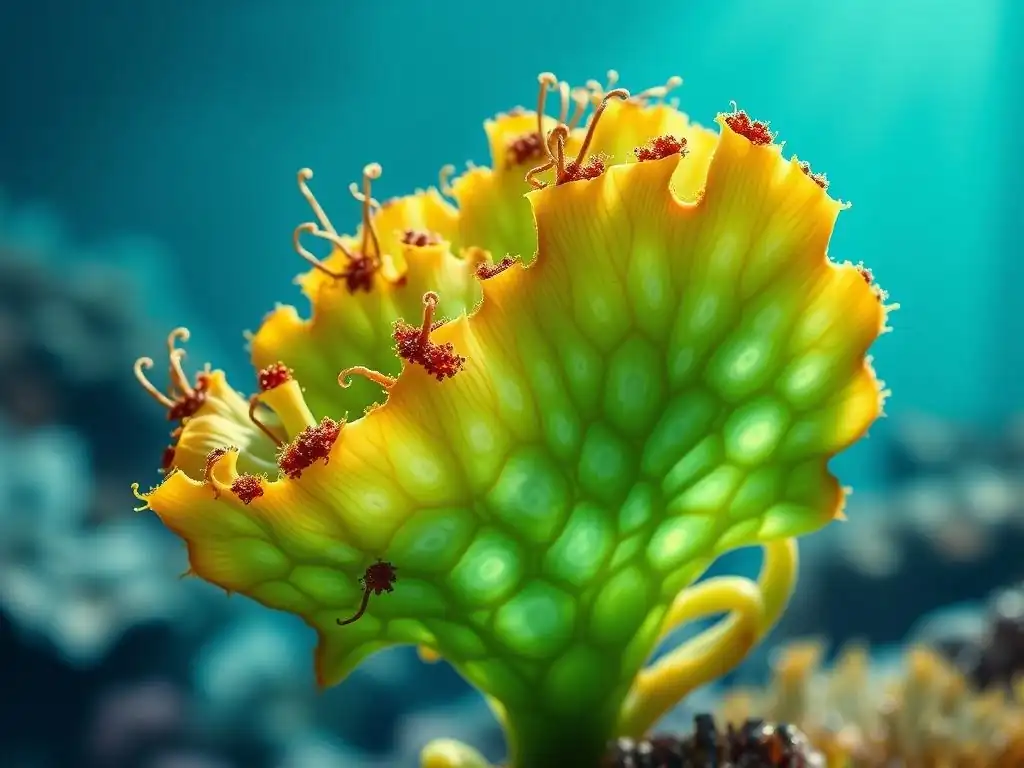
Halymenia floresia, commonly known as "Dragon's Breath Macroalgae," is a visually stunning red macroalgae that adds a dramatic splash of deep crimson to magenta to any reef aquarium. Its unique, delicate, fan-like or frilly structure with bright red veins makes it a popular choice for display refugiums or even as an aesthetic accent in the main display tank, provided it's placed in an area with stable flow and light. Unlike many other macroalgae, its primary appeal often lies in its vibrant coloration rather than rapid nutrient export.
While Halymenia does contribute to nutrient uptake, its growth rate is generally slower compared to fast-growing species like Chaetomorpha or Gracilaria. It prefers moderate to high light and consistent water parameters. Its beauty and relatively slow growth mean it's less likely to become invasive, making it a safe choice for adding unique visual interest. For those developing an advanced saltwater macroalgae beginner guide, Halymenia offers an opportunity to explore aesthetic macroalgae while still benefiting from some nutrient reduction.
Setting Up a Saltwater Macroalgae Refugium: A Step-by-Step Guide
Choosing the Right Refugium Size and Equipment
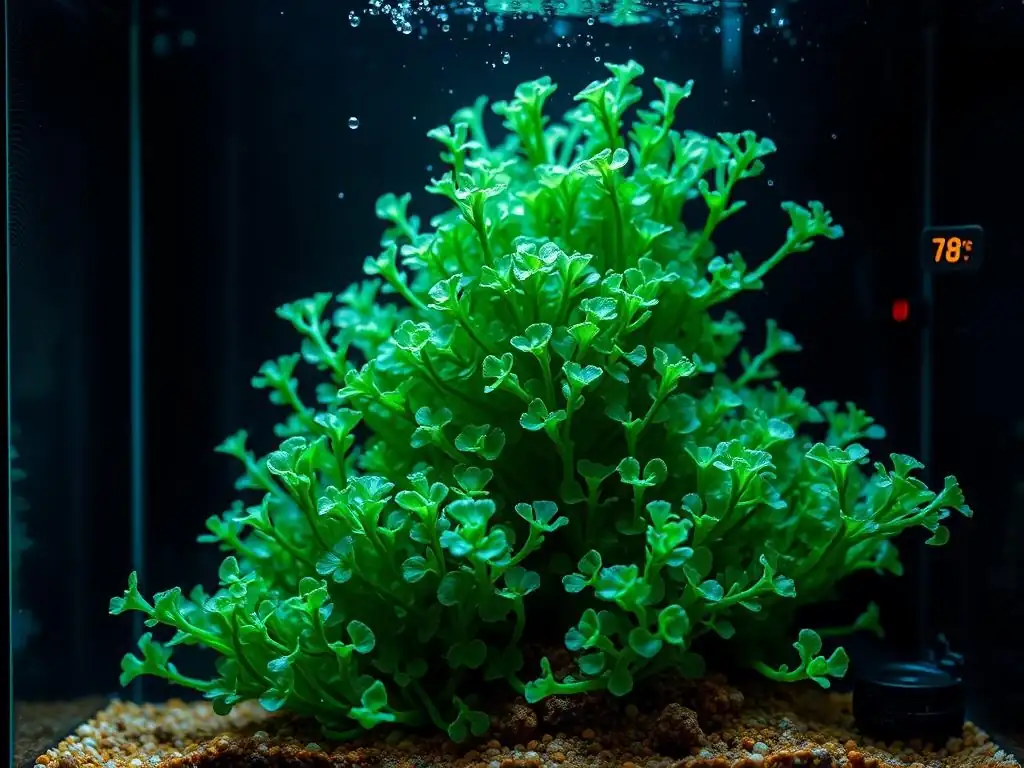
Selecting the appropriate size and equipment for a saltwater macroalgae refugium is crucial for its effectiveness in nutrient export and microfauna production. The ideal refugium size is generally recommended to be at least 10-20% of the main display tank's volume; for example, a 100-gallon display tank would benefit from a 10-20 gallon refugium.
This volume allows for a sufficient biomass of macroalgae to process nutrients efficiently and provides ample space for copepod and amphipod populations to flourish. Common equipment includes the refugium chamber itself (which can be a dedicated sump section, an external hang-on unit, or an in-tank breeder box), a return pump to feed water from the display, and an overflow system to return processed water.
Beyond the chamber and plumbing, essential equipment includes dedicated lighting for macroalgae, typically an LED grow light with a spectrum rich in red and blue wavelengths, and a heater if the refugium is isolated from the main sump's heating. Flow within the refugium should be gentle but consistent, typically achieved with the return pump or a small powerhead, ensuring that macroalgae are gently tumbled and all parts receive light and nutrients without being exposed to strong, damaging currents. Proper equipment selection is a foundational element of any effective saltwater macroalgae beginner guide.
Lighting for Optimal Macroalgae Growth: Spectrum and Intensity
Lighting is a critical factor for successful macroalgae cultivation in a refugium, as photosynthesis drives their nutrient uptake and growth. Macroalgae thrive under specific light spectrums, primarily those rich in red (620-700 nm) and blue (400-500 nm) wavelengths, which are most effectively absorbed by their photosynthetic pigments. Full-spectrum white lights with a Kelvin rating of 6500K or higher, or specialized LED grow lights designed for refugiums, are excellent choices. Many aquarists opt for simple, energy-efficient LED floodlights or dedicated refugium lights that emit a purplish hue due to their concentrated red and blue output.
The intensity and photoperiod of the lighting are equally important. A common practice is to run the refugium light on a reverse daylight schedule (RDL), meaning it is on when the main display tank lights are off (e.g., 10-14 hours overnight).
This strategy helps to stabilize pH by counteracting the natural nighttime pH drop in the main tank, as macroalgae consume CO2 and release oxygen when the main tank's corals and photosynthetic organisms are not. Intensity should be sufficient to promote vigorous growth without causing bleaching or excessive heat, often requiring some experimentation based on the specific macroalgae species being grown.
Substrate and Water Flow Considerations for Macroalgae
While many popular macroalgae, such as Chaetomorpha, are free-floating and do not require a substrate, some species, particularly certain types of Caulerpa and red macroalgae, benefit from or require a sand bed or rubble for attachment. If a substrate is used, a shallow layer (1-2 inches) of coarse sand or crushed coral can provide a stable base and additional surface area for beneficial bacteria. However, for most common refugium setups focused on Chaetomorpha or Gracilaria, a bare bottom is often preferred as it simplifies cleaning and harvesting.
Water flow within the refugium should be gentle but consistent to ensure that all parts of the macroalgae receive adequate nutrients and light, and to prevent detritus from settling. Excessive flow can damage delicate macroalgae structures or dislodge them, while insufficient flow can lead to stagnant areas and hinder nutrient uptake.
A typical flow rate that causes the macroalgae to gently tumble or sway is ideal. This can be achieved by directing the flow from the return pump into the refugium in a way that creates a soft, circulating current, ensuring a healthy and productive environment for your macroalgae and microfauna.
Maintaining Your Saltwater Macroalgae: Care Tips and Best Practices
Nutrient Management: Balancing Nitrate and Phosphate Levels
Effective nutrient management is the cornerstone of a successful saltwater macroalgae system. Macroalgae thrive on nitrates and phosphates, consuming these compounds to fuel their growth. The goal is to provide enough nutrients to sustain healthy macroalgae growth without allowing them to accumulate to levels that promote nuisance algae in the main display. Regular testing of nitrate and phosphate levels using reliable test kits (e.g., Hanna checkers for phosphate, Salifert for nitrate) is essential. Ideally, nitrates should be maintained below 10 ppm, and phosphates below 0.05 ppm in a reef tank with macroalgae.
If nutrient levels become too low, macroalgae growth can stall, leading to die-off and the release of absorbed nutrients back into the water. Conversely, if levels are too high, the macroalgae may not be able to keep up, and nuisance algae can proliferate. Adjustments might include increasing feeding if nutrients are too low, or increasing the amount of macroalgae and frequency of harvesting if levels are persistently high. Supplemental dosing of trace elements like iron can also boost macroalgae growth, as iron is a critical micronutrient for their health.
Pruning and Harvesting Macroalgae for Nutrient Export
Regular pruning and harvesting are vital practices for maximizing the nutrient export capabilities of your saltwater macroalgae. As macroalgae grow, they absorb nitrates and phosphates from the water, effectively locking these nutrients within their biomass. To export these nutrients permanently from the system, the macroalgae must be physically removed. Failing to harvest allows the macroalgae to eventually die off, releasing stored nutrients back into the water column, negating their benefit.
The frequency of harvesting depends on the macroalgae's growth rate and the nutrient load of the tank. Fast-growing species like Chaetomorpha may require harvesting every 1-2 weeks, while slower-growing red macroalgae might only need trimming monthly. When harvesting, remove about 30-50% of the macroalgae biomass, focusing on older, less vibrant sections if possible. This stimulates new growth and ensures continuous, efficient nutrient uptake. For Chaetomorpha, simply remove a clump, rinse it in old tank water to dislodge detritus and microfauna (which can be returned to the tank), and discard the harvested portion.
Dealing with Common Macroalgae Problems: Algae Blooms and Pests
Even with a well-maintained refugium, aquarists may encounter challenges with macroalgae, including the dreaded algae blooms in the display tank or pests within the macroalgae itself. If nuisance algae blooms persist despite healthy macroalgae growth, it often indicates an imbalance, such as insufficient nutrient export relative to nutrient input, or a lack of flow in certain areas of the display. Solutions may involve increasing the macroalgae biomass, adjusting harvesting frequency, reducing feeding, or improving water circulation in the main tank. It's crucial to address the root cause, as simply adding more macroalgae isn't a silver bullet.
Pests can also affect macroalgae. A common issue is the presence of small, unwanted hitchhikers like Aiptasia anemones or undesirable microalgae that can proliferate within the refugium. Regularly inspecting the macroalgae and manually removing any unwanted organisms can prevent their spread. Certain types of nudibranchs or small snails might graze on macroalgae, though this is less common with popular species like Chaetomorpha. Maintaining good water quality and quarantine procedures for new additions can help prevent the introduction of these pests, ensuring your saltwater macroalgae beginner guide journey remains smooth.
Troubleshooting Common Saltwater Macroalgae Issues
Identifying and Treating Macroalgae Deficiencies
When saltwater macroalgae growth slows down, appears pale, or begins to die off, it often indicates a deficiency in essential nutrients or trace elements. The most common deficiencies are typically related to nitrates and phosphates, which the macroalgae consume in large quantities. If testing shows these levels are consistently near zero, it suggests the macroalgae are "starving." In such cases, a slight increase in feeding or a reduction in harvesting frequency might be necessary to provide more fuel for growth.
Beyond primary nutrients, macroalgae also require trace elements like iron, manganese, and iodine. Iron deficiency, for example, can manifest as pale or yellowing fronds, particularly in red macroalgae. If primary nutrients are sufficient, but macroalgae still appear unhealthy, consider dosing a high-quality, reef-safe trace element supplement that specifically includes iron. Following the manufacturer's instructions carefully is crucial to avoid overdosing, which can be detrimental to corals and other invertebrates. Regular observation and consistent water testing are key to identifying and addressing these deficiencies promptly.
Preventing and Controlling Unwanted Algae Growth
One of the primary reasons aquarists incorporate macroalgae is to prevent and control unwanted nuisance algae in the display tank. If nuisance algae such as diatoms, dinoflagellates, or hair algae are still proliferating, it indicates that the macroalgae system is not fully effective, or there are other underlying issues. The most common cause is an imbalance where nutrient input (from feeding, fish waste, etc.) exceeds the nutrient export capacity of the macroalgae and other filtration methods.
To prevent and control unwanted algae, ensure your macroalgae are growing vigorously and being harvested regularly to export nutrients. Verify that your refugium lighting is appropriate in spectrum and intensity, and that water flow is adequate. Beyond the refugium, evaluate feeding habits (overfeeding is a common culprit), ensure proper water changes, and check for decaying organic matter in the display tank or sump. Implementing a comprehensive nutrient management strategy, including mechanical filtration (filter socks) and protein skimming, alongside a robust saltwater macroalgae beginner guide, is essential for long-term algae control.
Addressing Pests and Predators Affecting Macroalgae
While macroalgae are generally robust, they can occasionally fall prey to pests or predators that can hinder their growth or even decimate a refugium. One of the most common "pests" is actually a lack of proper containment for invasive species like Caulerpa, which can spread aggressively into the main display tank via runners. The best prevention is to avoid such species or ensure they are strictly confined within a sealed refugium.
In terms of true predators, certain invertebrates or fish may occasionally graze on macroalgae. For example, some species of snails, sea slugs, or even specific types of crabs might consume macroalgae. If you notice significant portions of your macroalgae disappearing without harvesting, identify the culprit and consider relocating them to a different tank or implementing physical barriers if the macroalgae are in the display. For refugiums, ensuring that no unwanted organisms are accidentally introduced with new livestock or rock can prevent most pest issues.
Saltwater Macroalgae and Tank Mates: Compatibility Considerations
Choosing Fish and Invertebrates That Won't Eat Your Macroalgae
When integrating saltwater macroalgae into a reef tank, especially in the display, careful consideration of tank mate compatibility is crucial. Many fish and invertebrates are voracious herbivores and will happily graze on your carefully cultivated macroalgae, turning your nutrient export system into a high-cost snack bar. To maintain your macroalgae's integrity, particularly in a visible refugium or the main tank, it's important to select fish and invertebrates that are known to be reef-safe and typically ignore macroalgae.
Examples of fish that generally do not consume macroalgae include clownfish, gobies (such as watchman gobies or pistol shrimp gobies), blennies (like the Midas blenny or starry blenny, but avoid combtooth blennies that graze on algae), and many wrasse species (e.g., fairy wrasses, flasher wrasses). Invertebrates like most ornamental shrimp (peppermint shrimp, cleaner shrimp), hermit crabs (though some larger species might occasionally nip), and snails like Nassarius snails or Cerith snails are typically safe. Always research specific species before introducing them, especially if you're committed to growing macroalgae in your display.
Herbivore Compatibility: Fish and Invertebrates to Avoid
For those intending to cultivate specific macroalgae for nutrient export or aesthetic purposes, particularly in the main display, certain fish and invertebrates must be avoided or introduced with extreme caution. Any fish primarily classified as an herbivore or omnivore with a strong herbivorous tendency is a potential threat. This includes the majority of tangs (e.g., Yellow Tang, Blue Tang, Sailfin Tang), most rabbitfish, many angelfish (especially larger species), and certain blennies (like the Lawnmower Blenny, known for its algae-grazing habits). Even some seemingly harmless fish, such as pygmy angelfish, might develop a taste for certain macroalgae.
Among invertebrates, certain snails, particularly large turbos or some species of Tegula snails, can graze on macroalgae. Urchins, while excellent at controlling nuisance algae, will also readily consume most macroalgae species. Some species of emerald crabs, especially as they grow larger, might also become opportunistic grazers. If your goal is to grow and maintain a vibrant macroalgae garden, understanding and avoiding these known herbivores is a fundamental part of any saltwater macroalgae beginner guide.
Beneficial Tank Mates: Detritivores and Nutrient Reducers
While some tank mates pose a threat to macroalgae, others can actually be highly beneficial, working in conjunction with your macroalgae to create a healthier, more balanced reef system. Detritivores play a crucial role by consuming uneaten food, decaying organic matter, and waste, thereby reducing the nutrient load that would otherwise fuel nuisance algae. This includes various species of snails (e.g., Nassarius snails, Cerith snails, Trochus snails), hermit crabs (e.g., blue leg hermit crabs), and certain sand-sifting gobies.
Furthermore, some fish and invertebrates can directly assist in nutrient reduction or provide other ecological services. For instance, copepods and amphipods, which thrive within macroalgae beds, serve as a natural food source for many fish and corals, reducing the need for external feeding and thus minimizing nutrient input. Certain filter feeders, while not directly interacting with macroalgae, also contribute to water clarity and nutrient export by consuming suspended particles. A diverse clean-up crew and a thriving microfauna population complement the work of your macroalgae, fostering a more resilient and self-sustaining ecosystem.
Advanced Saltwater Macroalgae Techniques: Beyond the Basics
Using Macroalgae as a Natural Food Source for Fish
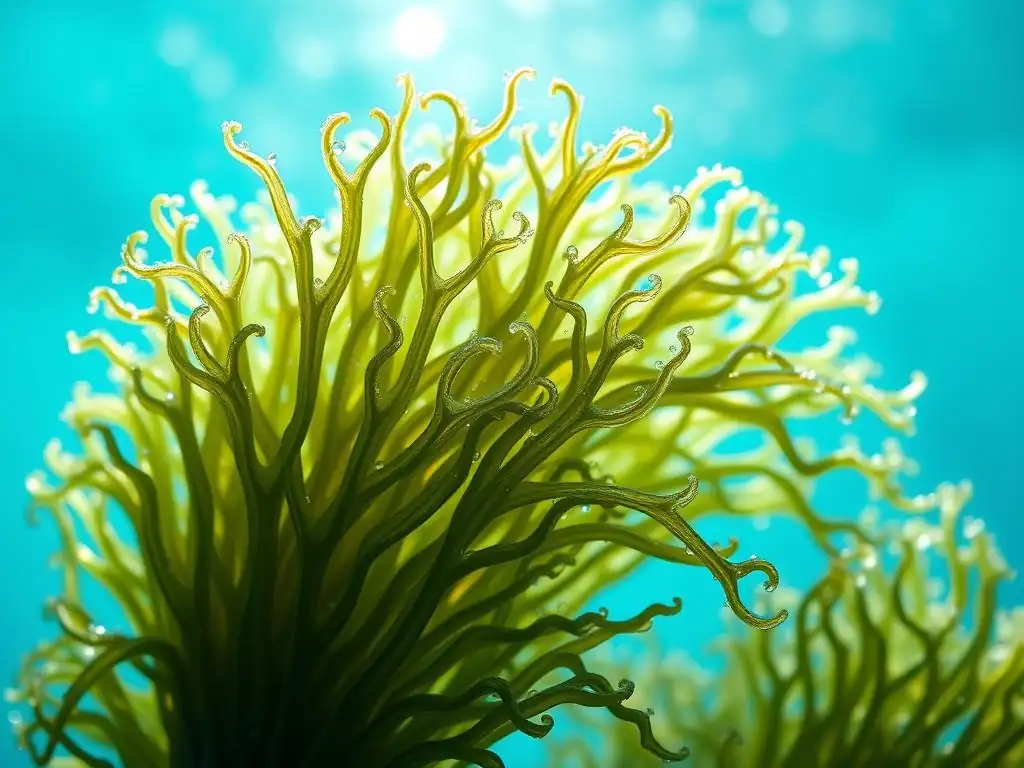
Beyond their primary role in nutrient export, certain species of saltwater macroalgae can serve as an excellent, natural, and sustainable food source for herbivorous marine fish. Species like Gracilaria (Ogo), Ulva (Sea Lettuce), and some types of Eucheuma are highly palatable and nutritious for tangs, rabbitfish, angelfish, and other grazers. This practice allows aquarists to supplement their fish's diet with fresh, living plant matter, which can improve their coloration, boost their immune system, and promote natural grazing behaviors.
To utilize macroalgae as a food source, simply harvest a portion from your refugium and offer it to your fish. It can be placed directly into the display tank, clipped to an algae clip, or even grown in a small, dedicated section of the display if tank mates allow. This method not only provides superior nutrition compared to dried algae sheets but also offers a continuous, renewable supply. It's an economical and environmentally friendly approach to feeding, enhancing the overall health and well-being of your herbivorous fish.
Macroalgae Propagation: Growing Your Own Supply
Propagating macroalgae is a straightforward process that allows aquarists to maintain a continuous supply for nutrient export, feeding, or even to share with other hobbyists. The simplest method of propagation is fragmentation, which involves taking a healthy portion of an existing macroalgae colony and placing it in a new location or a dedicated grow-out system. For species like Chaetomorpha, simply tearing off a chunk and letting it tumble in a refugium is sufficient.
For attached species like Gracilaria or Halymenia, a small piece can be gently tied or glued (using reef-safe super glue gel) to a frag plug or a piece of live rock rubble. With adequate lighting, flow, and nutrients, these fragments will grow into new colonies. Establishing a dedicated macroalgae grow-out tank or a larger refugium allows for the cultivation of significant biomass, ensuring a consistent supply for both nutrient control and as a natural food source, further enhancing the sustainable practices outlined in a comprehensive saltwater macroalgae beginner guide.
Utilizing Algae Scrubbers for Enhanced Nutrient Control
While not strictly macroalgae, Algae Turf Scrubbers (ATS) are an advanced form of nutrient export that relies on the rapid growth of microalgae, often in conjunction with or as an alternative to macroalgae. An ATS works by flowing tank water over a textured screen that is illuminated by intense light, encouraging a dense mat of various types of green and red microalgae to grow. These microalgae efficiently consume nitrates, phosphates, and other dissolved organic compounds from the water.
The concept is similar to macroalgae in a refugium: nutrients are absorbed by the algae, and then physically removed from the system when the algae mat is harvested (typically weekly). ATS units can be highly effective, sometimes exporting more nutrients than a traditional refugium of comparable size due to the high surface area and fast growth rate of the turf algae. Combining an ATS with a macroalgae refugium can provide a robust, multi-faceted approach to nutrient control, offering an even higher level of water quality management for advanced reef keepers.
Conclusion: Mastering Saltwater Macroalgae for a Thriving Reef Tank
The Future of Macroalgae in Reef Keeping
The role of macroalgae in reef keeping continues to evolve, moving beyond just a basic nutrient export tool to an integral component of sustainable and thriving reef ecosystems. As aquarists seek more natural and robust methods for maintaining water quality and promoting biodiversity, macroalgae are gaining increasing recognition for their multifaceted benefits. Innovations in refugium design, lighting technology, and the availability of diverse macroalgae species are making it easier for hobbyists to integrate these beneficial organisms effectively.
The future likely holds more widespread adoption of macroalgae as a primary filtration method, reducing reliance on chemical filtration and potentially even some mechanical filtration. There's also a growing interest in cultivating specific macroalgae for their unique aesthetic qualities, creating "macroalgae gardens" within display tanks. As our understanding of marine ecosystems deepens, the emphasis on creating self-sustaining, naturally balanced systems will only grow, solidifying macroalgae's position as an indispensable element for the modern reef aquarist.
Resources for Further Learning About Saltwater Macroalgae
For those looking to deepen their knowledge and master the art of cultivating saltwater macroalgae, a wealth of resources is available. Online forums and communities dedicated to reef keeping, such as Reef2Reef and Nano-Reef.com, offer invaluable insights from experienced hobbyists, practical troubleshooting tips, and discussions on the latest techniques and species. These platforms are excellent for asking specific questions and learning from real-world experiences.
Additionally, numerous dedicated websites and reputable online stores specializing in marine aquarium supplies often feature detailed care guides and profiles for various macroalgae species. Scientific papers and academic resources, while sometimes technical, can provide in-depth information on macroalgae biology, nutrient uptake mechanisms, and ecological roles. Continual learning and experimentation are key to successfully integrating macroalgae into your reef system, transforming your tank into a more stable, beautiful, and naturally balanced aquatic environment.
Frequently Asked Questions
What exactly is saltwater macroalgae, and why should I consider adding it to my reef tank?
Saltwater macroalgae are large, multicellular algae that can be a beautiful and functional addition to reef tanks. They provide natural filtration, nutrient export, and can create a more natural-looking environment for your fish and invertebrates.
What are some of the best macroalgae species for beginner saltwater aquarists?
Several species are known for their hardiness and ease of care, including Chaetomorpha, Caulerpa (with caution!), and Ulva (sea lettuce). These are generally easy to grow and can handle a wider range of water parameters than some other, more delicate species. Consider your tank size and nutrient levels when choosing.
How do I properly introduce new macroalgae into my saltwater aquarium?
Quarantine is crucial! Inspect new macroalgae for pests and parasites before introducing them to your main tank. A brief dip in a saltwater solution can help eliminate unwanted hitchhikers. Also, acclimate them slowly to your tank's temperature and salinity.
What kind of lighting and water flow do saltwater macroalgae typically need?
Most macroalgae thrive under moderate to high lighting, such as LED or metal halide systems. Good water flow is also important to ensure they receive adequate nutrients and prevent detritus buildup. Adequate lighting and good water flow are key for success.
How can I prevent my macroalgae from taking over my entire aquarium?
Regular pruning is essential to keep macroalgae under control. Manually remove excess growth or consider adding herbivores like snails or crabs to help graze on the algae. Using a separate refugium is also a great way to control growth and prevent overgrowth in the main display tank.
Final Reflection: Cultivating Underwater Gardens
The journey into saltwater aquariums, as we've explored, isn't just about fish; it's about creating a thriving ecosystem. The selection of saltwater macroalgae, as this guide has demonstrated, is a crucial step in achieving that balance, offering both aesthetic beauty and vital ecological functions. Understanding these options is more relevant than ever, as reefkeeping becomes increasingly accessible and environmentally conscious.
This exploration of macroalgae has highlighted their profound impact on the aquarium's health and the aquarist's experience. My own fascination with these underwater plants stems from their resilience and the sheer diversity of forms and colors they offer. In nature, nothing exists alone.
- Rachel Carson. This quote perfectly encapsulates the interconnectedness we strive for in our aquariums, and macroalgae are a key component in fostering that symbiotic relationship.
Now, armed with this knowledge, I invite you to reflect on the potential of your own aquarium. Consider how you can incorporate these vibrant plants, not just as decorations, but as active participants in the health and beauty of your underwater world. Embrace the challenge, experiment with different species, and cultivate your own thriving underwater garden. The rewards, both aesthetically and ecologically, are well worth the effort.
Unleash Your Inner Aquascaper: Dive Deeper!
Thank you for exploring the fascinating world of saltwater macroalgae with us! We hope this guide has empowered you to add a splash of color and ecological benefits to your aquarium. Now, let's put that knowledge into action!
Here are a few things you can do next:
- Plan your macroalgae garden: Visit your local fish store or trusted online vendor and select three different types of macroalgae discussed in this article to start your own vibrant underwater display.
- Share your newfound knowledge: Create a post on social media about your favorite macroalgae and tag #AquariumMastery.
- Contribute to our community: Document your macroalgae journey. We are looking to showcase photos and videos sent by other hobbyists who are applying tips provided by the website.
What unexpected color combination will you experiment with in your aquascape?