
Tiger Lotus (Nymphaea Zenkeri): Stunning Lily Pads for Your Aquarium

Welcome to Aquarium Mastery!
Ever dreamed of adding a touch of vibrant drama to your underwater world? Then prepare to be captivated! The Tiger Lotus (Nymphaea Zenkeri), with its stunning lily pads and striking colors, can transform your aquarium into a living masterpiece. But is it the right plant for your tank? Dive in to discover the secrets to successful Tiger lotus aquarium care, and unlock the full potential of this aquatic gem. Ready to grow?
- Understanding the Allure of the Tiger Lotus in Aquariums
- Tiger Lotus Aquarium Care: A Comprehensive Guide
- Planting and Propagation of Nymphaea Zenkeri
- Maintaining Your Tiger Lotus: Pruning and Care Tips
- Choosing the Right Tank Mates for Your Tiger Lotus
- Tiger Lotus Varieties and Color Variations
- Where to Buy Tiger Lotus Bulbs and Plants
- Troubleshooting Common Tiger Lotus Issues
- Tiger Lotus vs. Other Aquarium Lily Plants: A Comparison
- The Beauty and Benefits of Tiger Lotus in Your Freshwater Aquarium
- Frequently Asked Questions
- Final Reflection: Cultivating Aquatic Beauty
- Ignite Your Aquarium: Unveil the Tiger Lotus Transformation!
Understanding the Allure of the Tiger Lotus in Aquariums
Why Choose a Tiger Lotus for Your Freshwater Tank?
The Tiger Lotus, scientifically known as Nymphaea zenkeri, is a highly sought-after aquatic plant for freshwater aquariums due to its striking appearance and relatively straightforward Tiger lotus aquarium care requirements. Its unique, often heart-shaped or arrowhead-shaped leaves, which can display a range of colors from vibrant green to deep red, immediately capture attention. This plant can serve as an exceptional focal point in tanks ranging from 10 gallons upwards, with individual leaves growing up to 8-12 inches (20-30 cm) long, depending on tank size and pruning.
Beyond its aesthetic appeal, the Tiger Lotus offers significant functional benefits to an aquarium ecosystem. Its broad leaves provide excellent shade and hiding spots for shy fish species, reducing stress and encouraging natural behaviors. Furthermore, as a robust grower, it actively absorbs excess nitrates and phosphates from the water column, acting as a natural biofilter. In a well-planted tank, a healthy Tiger Lotus can contribute to maintaining nitrate levels below 10-20 mg/L, improving overall water quality and inhibiting algae growth.
Tiger Lotus (Nymphaea Zenkeri): A Visual Masterpiece
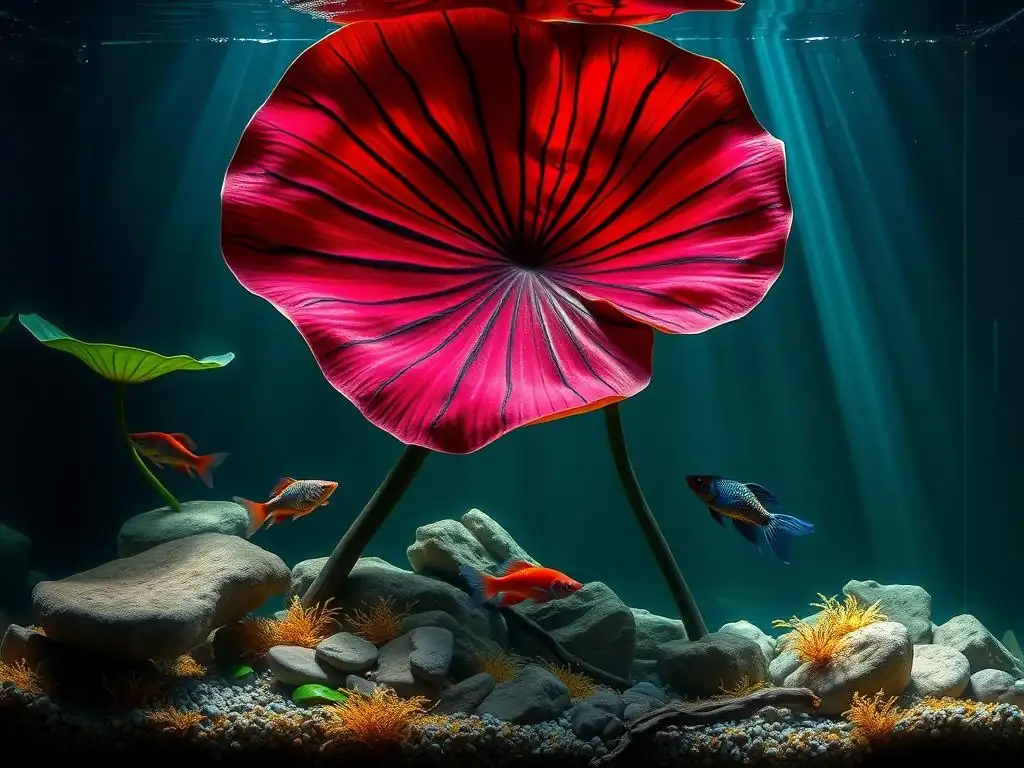
The visual appeal of the Tiger Lotus lies in its dynamic growth and stunning coloration. While some varieties remain primarily green, many exhibit beautiful mottled patterns of red, bronze, or maroon spots over a green base. The undersides of the leaves often present an even more intense hue, adding depth and contrast to the aquascape. New leaves typically emerge with vibrant, fresh colors, gradually maturing and sometimes intensifying in coloration under optimal conditions.
One of the most captivating characteristics of Nymphaea zenkeri is its ability to produce both submerged and floating leaves. The submerged leaves maintain a more compact form, while floating leaves, resembling miniature lily pads, stretch towards the water surface, creating a serene, natural pond-like aesthetic. These floating pads can grow quite large, sometimes reaching 6-8 inches (15-20 cm) in diameter, offering a unique dimension to the top layer of the aquarium and further enhancing the visual richness of the tank.
Tiger Lotus Aquarium Care: A Comprehensive Guide
Essential Water Parameters for Optimal Tiger Lotus Growth
Ideal Temperature Range for Nymphaea Zenkeri
Maintaining the correct water temperature is a critical aspect of successful Tiger lotus aquarium care. Nymphaea zenkeri thrives in tropical freshwater conditions, with an ideal temperature range of 72-82°F (22-28°C). Within this range, the plant's metabolic processes, including nutrient absorption and photosynthesis, function optimally, leading to robust growth and vibrant coloration. Temperatures consistently below 70°F (21°C) can significantly slow down growth and may even lead to dormancy, while prolonged exposure to temperatures above 84°F (29°C) can stress the plant, potentially causing leaf melt or stunted development.
Stability in temperature is just as important as the specific range. Sudden or drastic temperature fluctuations, such as a drop or rise of more than 3-4°F (1.5-2°C) within a short period, can shock the Tiger Lotus, leading to signs of stress like translucent leaves or inhibited growth. Using a reliable aquarium heater and thermometer, and avoiding placing the tank near drafts or direct sunlight, will help maintain the consistent conditions necessary for the plant to flourish.
Water Hardness and pH Preferences for Tiger Lotus
The Tiger Lotus is relatively adaptable when it comes to water chemistry, but it shows a preference for slightly acidic to neutral conditions. An ideal pH range for Nymphaea zenkeri is between 6.0 and 7.5. Within this pH range, essential nutrients are more readily available for the plant to absorb, promoting healthier growth and more intense coloration, especially in red varieties. While it can tolerate a slightly wider pH spectrum, maintaining stability is paramount to prevent stress.
Regarding water hardness, the Tiger Lotus prefers soft to moderately hard water, typically within a General Hardness (GH) range of 3-8 dGH and a Carbonate Hardness (KH) range of 3-8 dKH. In very hard water (e.g., above 10 dGH), some micronutrients, particularly iron, may become less accessible to the plant, potentially leading to deficiencies. Regular testing of your aquarium water parameters will ensure these conditions are met, which is a fundamental component of effective Tiger lotus aquarium care.
Substrate and Lighting Requirements for a Thriving Tiger Lotus
Choosing the Right Substrate for Tiger Lotus Root Development
As a heavy root feeder, the Tiger Lotus relies significantly on nutrient absorption through its extensive root system. Therefore, selecting a rich and appropriate substrate is crucial for its long-term health and vibrant growth. Substrates rich in iron, clay, and other essential micronutrients, such as aqua soil or specialized planted tank substrates like ADA Aqua Soil or Fluval Stratum, are highly beneficial. If using inert gravel, it is imperative to supplement with nutrient-rich root tabs.
A substrate depth of at least 2-3 inches (5-7.5 cm) is recommended to allow the Tiger Lotus's robust root system ample space to develop and anchor firmly. For gravel substrates, inserting root tabs (e.g., Seachem Flourish Tabs or API Root Tabs) every 2-3 months directly into the substrate near the base of the plant, typically within a 4-6 inch (10-15 cm) radius, will provide a consistent supply of vital nutrients directly to the roots. This targeted nutrition is a cornerstone of successful Tiger lotus aquarium care.
Providing Adequate Lighting for Tiger Lotus Photosynthesis
Lighting is a primary driver of growth and color development in the Tiger Lotus. This plant thrives in moderate to high lighting conditions, generally requiring 2-4 watts per gallon (WPG) using fluorescent lighting, or approximately 30-50 PAR (Photosynthetically Active Radiation) at the substrate level for LED setups. Insufficient lighting will result in leggy, pale growth, reduced leaf size, and a reluctance to produce the characteristic floating lily pads. An optimal photoperiod of 8-10 hours per day is recommended to support healthy photosynthesis.
The intensity and spectrum of light also directly influence the coloration of the Tiger Lotus, particularly in red varieties. Higher light levels, especially those rich in red and blue spectrums, tend to bring out the most vibrant red and bronze hues. Conversely, under lower light, even genetically red varieties may appear predominantly green. Adjusting your lighting system to meet these needs is a key aspect of Tiger lotus aquarium care to unlock the plant's full aesthetic potential and encourage robust growth.
Fertilization Strategies for Tiger Lotus: Promoting Healthy Growth
Liquid Fertilizers vs. Root Tabs for Tiger Lotus
Given its nature as a heavy root feeder, the primary method for fertilizing the Tiger Lotus should involve root tabs. These concentrated nutrient pellets, designed to be inserted directly into the substrate near the plant's roots, provide a slow and steady release of essential macro and micronutrients like iron, potassium, and nitrogen precisely where the plant can absorb them most efficiently. For example, placing one root tab approximately 2 inches from the base of the plant every 2-3 months is often sufficient to meet its basal nutrient demands.
While root tabs are crucial, liquid fertilizers play a supplementary role in comprehensive Tiger lotus aquarium care. Liquid fertilizers deliver nutrients directly into the water column, which are absorbed through the leaves and provide a broad spectrum of trace elements that might not be fully supplied by root tabs alone. A balanced liquid fertilizer dosed weekly, following manufacturer recommendations (e.g., 5-10 ml per 10 gallons), can ensure the plant receives a complete nutritional profile, supporting both root and leaf health.
Avoiding Nutrient Deficiencies in Your Tiger Lotus
Recognizing and addressing nutrient deficiencies promptly is vital for maintaining the health and beauty of your Tiger Lotus. Common signs of deficiency include yellowing or browning leaves, stunted growth, or a loss of vibrant coloration. For instance, yellowing of older leaves, particularly at the edges, often indicates a lack of potassium, while an overall pale appearance or new leaves turning yellow can point to nitrogen deficiency. If red varieties lose their color and appear green or very pale, it's a strong indicator of insufficient iron.
To rectify these issues, precise supplementation is required. If potassium is low, a potassium-specific liquid fertilizer or a comprehensive macro-nutrient solution can be added. For nitrogen, ensuring adequate fish waste or introducing a nitrogen-rich liquid fertilizer can help. Iron deficiency, critical for red variants, can be combated with chelated iron supplements dosed regularly (e.g., 2-3 times per week at half dose) or iron-rich root tabs. Regular observation and water testing are your best tools for proactive Tiger lotus aquarium care and nutrient management.
Planting and Propagation of Nymphaea Zenkeri
How to Plant Your Tiger Lotus Bulb or Plant Correctly
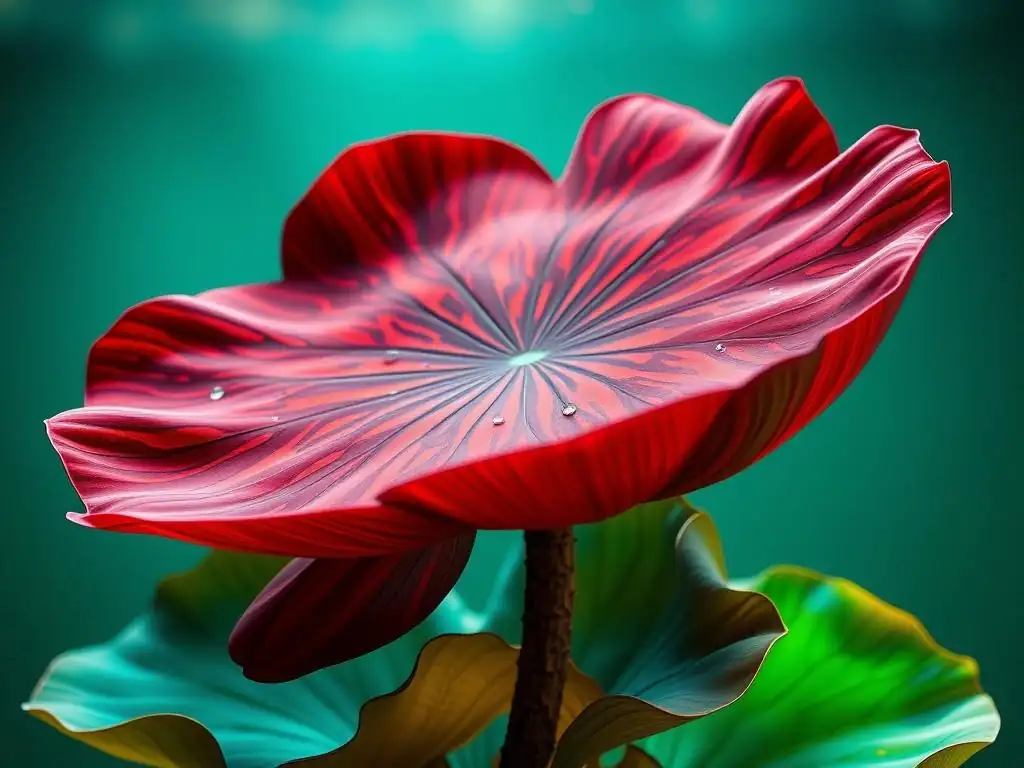
Proper planting is crucial for the successful establishment of your Tiger Lotus. If you've acquired a bulb, it's important to plant it partially buried in the substrate, with approximately one-third to one-half of the bulb exposed above the substrate line. Completely burying the bulb can lead to rot due to a lack of oxygen, especially in denser substrates. The pointed end of the bulb, where sprouts typically emerge, should face upwards.
For Tiger Lotus plants that come already sprouted with roots and leaves, the planting process is slightly different. Gently bury the root structure into the substrate, ensuring that the crown – the point where the leaves emerge from the roots – remains just above the substrate surface. Avoid burying the crown too deeply, as this can also lead to rot and hinder new growth. Careful handling during planting minimizes damage to the delicate root system, setting the stage for thriving Tiger lotus aquarium care.
Encouraging Tiger Lotus Bulb Sprouting
If you've planted a dormant Tiger Lotus bulb, providing the right conditions will encourage it to sprout. Place the bulb in a warm area of the aquarium, ideally where temperatures consistently remain within the optimal range of 75-80°F (24-27°C). Good water circulation around the bulb also aids in preventing stagnant conditions that could lead to rot. Adequate lighting, even moderate levels, can help signal to the bulb that conditions are favorable for growth.
Patience is key when waiting for a Tiger Lotus bulb to sprout. While some bulbs may show signs of growth within a week, others can take 2-3 weeks or even longer. Regularly check the bulb for firmness; a healthy bulb will remain firm, whereas a soft or mushy texture indicates rot, in which case it should be removed from the tank to prevent water quality issues. Providing stable parameters and avoiding disturbances will greatly assist in the sprouting process, a foundational step in Tiger lotus aquarium care.
Propagating Tiger Lotus Through Bulb Division
The Tiger Lotus can be propagated through bulb division, allowing aquarists to expand their collection or share with others. As a mature Tiger Lotus plant grows and establishes itself, it can produce offsets or smaller daughter bulbs from its main rhizome. These offsets are essentially miniature versions of the parent plant, complete with their own root structures and emerging leaves. This natural propagation often occurs when the plant is well-established and receiving optimal Tiger lotus aquarium care.
To propagate, carefully excavate the mature Tiger Lotus plant from the substrate. Gently locate the daughter bulbs or offsets attached to the main rhizome. Using a clean, sharp blade or scissors, carefully separate these offsets, ensuring that each new division has a portion of the rhizome and some roots attached. Each separated offset can then be replanted as a new individual plant, following the same guidelines for planting a new bulb or sprouted plant. This method allows for sustainable growth and management of your Tiger Lotus population.
Maintaining Your Tiger Lotus: Pruning and Care Tips
Pruning Strategies to Control Tiger Lotus Size and Shape
Pruning is an essential aspect of Tiger lotus aquarium care to manage its growth, maintain its aesthetic appeal, and prevent it from overshadowing other plants or becoming too dominant in the aquarium. The Tiger Lotus can produce both submerged and floating leaves. If you prefer a compact, bushy plant with only submerged leaves, regularly trim any leaves that show signs of stretching towards the water surface. These are easily identifiable by their elongated stems.
To prune, use a sharp pair of aquarium scissors to make clean cuts at the base of the leaf stem, as close to the rhizome as possible. This prevents decaying plant matter from polluting the water. For instance, in a 20-gallon tank, you might need to remove 1-2 floating leaves per week to maintain a compact form. Regularly removing older, decaying, or damaged leaves also promotes new, healthy growth and redirects the plant's energy to stronger foliage.
Dealing with Common Tiger Lotus Problems
Identifying and Treating Tiger Lotus Leaf Melt
Leaf melt is a common issue experienced with many aquatic plants, including the Tiger Lotus, especially after being newly introduced to an aquarium or following significant changes in water parameters. This condition manifests as leaves turning translucent, becoming mushy, or disintegrating entirely. While it can be alarming, it is often a natural acclimation process as the plant adjusts to new water chemistry and lighting conditions. A new plant might lose 30-50% of its initial leaves within the first week.
To treat leaf melt, ensure stable water parameters, provide adequate lighting, and confirm that the plant is receiving sufficient nutrients, particularly through root tabs. Promptly remove any melted or decaying leaves from the tank to prevent them from breaking down and polluting the water, which can lead to ammonia or nitrite spikes. In most cases, if underlying conditions are optimal, the Tiger Lotus will recover and produce new, healthier leaves that are better adapted to your aquarium environment, demonstrating the resilience achievable with consistent Tiger lotus aquarium care.
Addressing Algae Growth on Tiger Lotus Leaves
Algae growth on Tiger Lotus leaves is a common nuisance that can hinder photosynthesis and detract from the plant's beauty. It often indicates an imbalance in the aquarium, such as excessive light, high nutrient levels (nitrates, phosphates), or insufficient CO2. Brown diatom algae or green spot algae are frequently observed on the broad leaves of the Tiger Lotus. For example, a photoperiod exceeding 10 hours or infrequent water changes can significantly contribute to these issues.
To combat algae, first identify and correct the underlying cause. Reduce lighting duration to 8-10 hours per day, perform more frequent or larger water changes (e.g., 25-30% weekly) to lower nutrient concentrations, and ensure your fertilization regime is balanced. Introducing algae-eating invertebrates like Nerite snails (e.g., 1 snail per 5-10 gallons) or Amano shrimp (e.g., 2-3 shrimp per 20 gallons) can also be highly effective. For stubborn algae, gently wipe the leaves with a soft cloth or your fingers to manually remove it without damaging the plant, an important step in thorough Tiger lotus aquarium care.
Preventing Tiger Lotus From Overgrowing Your Aquarium
A healthy Tiger Lotus can grow quite large and, if left unmanaged, can quickly dominate an aquarium, especially smaller tanks (e.g., under 30 gallons). Its wide leaves can shade out other plants below, and its floating pads can block light from reaching the lower levels of the tank entirely. This robust growth is a testament to good Tiger lotus aquarium care, but it also necessitates proactive management.
The most effective strategy for preventing overgrowth is consistent and strategic pruning. Regularly trim any leaves that are growing too large or are stretching towards the surface, particularly if you prefer a compact, submerged form. If the plant is producing too many floating pads, simply cut them at the stem before they reach the surface.
For extremely vigorous plants, dividing the bulb (as discussed in the propagation section) can help manage its size by creating new, smaller plants. Regular trimming every 1-2 weeks can ensure the Tiger Lotus remains a beautiful focal point rather than an overwhelming presence in your aquascape.
Choosing the Right Tank Mates for Your Tiger Lotus
Compatible Fish Species for a Tiger Lotus Aquarium
Selecting appropriate tank mates is crucial for the longevity and health of your Tiger Lotus. Ideal companions are peaceful, herbivore-safe fish species that will not nibble on or uproot the plant. Small schooling fish, such as Neon Tetras, Cardinal Tetras, Harlequin Rasboras, and various species of Corydoras catfish, are excellent choices. A school of 6-8 Neon Tetras in a 20-gallon tank, for instance, will coexist harmoniously with a Tiger Lotus, enjoying the shade and cover it provides without damaging its leaves.
It is important to avoid fish species known for their plant-eating habits. Silver Dollars, many larger Cichlid species (unless specifically known to be plant-safe), and Goldfish are notorious for consuming soft-leaved plants like the Tiger Lotus. Even some common aquarium snails, such as larger Mystery Snails, might occasionally graze on delicate plant tissue. Researching the dietary habits of potential tank mates is a key component of holistic Tiger lotus aquarium care and overall tank harmony.
Invertebrates That Complement Tiger Lotus Growth
Several invertebrate species can be highly beneficial tank mates for a Tiger Lotus aquarium, primarily by assisting with algae control without harming the plant. Amano shrimp ( Caridina multidentata) are exceptional algae eaters, diligently grazing on various types of algae that might accumulate on plant leaves and decor. A group of 2-3 Amano shrimp can effectively keep the leaves of a Tiger Lotus clean in a 20-gallon tank. Cherry Shrimp ( Neocaridina davidi) are another popular choice, though they primarily consume detritus and softer algae.
Nerite snails are also highly recommended for their efficiency in consuming tough green spot algae and diatoms from plant surfaces and glass. Unlike some other snail species, Nerite snails typically do not consume healthy plant matter. These invertebrates contribute significantly to the overall cleanliness and health of the aquarium, ensuring the Tiger Lotus remains free from unsightly algae, which is a vital aspect of comprehensive Tiger lotus aquarium care.
Tiger Lotus Varieties and Color Variations

Exploring Different Tiger Lotus Leaf Colors and Patterns
The Tiger Lotus ( Nymphaea zenkeri) is celebrated for its genetic diversity, which manifests in a remarkable range of leaf colors and patterns. While the base color is typically green, many varieties feature distinctive mottling or spotting in shades of red, bronze, or purple. The intensity and distribution of these patterns can vary significantly from one plant to another, even within the same variety, influenced by factors such as light intensity, iron levels, and overall nutrient availability in the water column and substrate.
New leaves often emerge with a vivid, fresh coloration that can change as the leaf matures and adapts to the aquarium environment. Some specific cultivars have been selectively bred to enhance certain color traits, leading to distinct variations available in the hobby. Understanding these genetic predispositions and how environmental factors influence them is key to achieving the desired aesthetic results through targeted Tiger lotus aquarium care.
Red Tiger Lotus: Enhancing Your Aquarium's Color Palette
The Red Tiger Lotus is arguably the most popular and visually striking variety of Nymphaea zenkeri. Its leaves display a stunning spectrum of colors, ranging from deep burgundy and maroon to rich reddish-brown, often with darker mottling. This vibrant coloration makes it an exceptional focal point in any aquascape, providing a dramatic contrast against the more common green aquatic plants. The intensity of the red hues is largely dependent on proper Tiger lotus aquarium care.
To maximize the red coloration, high light intensity (e.g., 3-4 watts per gallon LED equivalent or 40-50 PAR) is crucial, as is consistent and ample iron fertilization. Iron is a key micronutrient for chlorophyll production and, indirectly, for the expression of red pigments (anthocyanins). Dosing iron supplements to maintain a concentration of 0.1-0.2 mg/L in the water column, along with nutrient-rich root tabs, will significantly enhance the plant's red tones. CO2 injection can also further boost nutrient uptake and color vibrancy.
Green Tiger Lotus: A Classic and Elegant Choice
While the Red Tiger Lotus often steals the spotlight, the Green Tiger Lotus offers a classic and equally elegant aesthetic. This variety typically features lush green leaves, sometimes with subtle, darker green or brownish mottling. It provides a more subdued yet equally beautiful presence in the aquarium, blending seamlessly into naturalistic or Dutch-style aquascapes and offering a calming backdrop to brighter fish or decor.
The Green Tiger Lotus is generally more forgiving regarding lighting and iron levels compared to its red counterpart, making it an excellent choice for beginners or those running lower-tech aquarium setups. It still retains the distinctive lily pad shape and growth habit of the species, contributing significant visual interest and structural depth to the tank. Its robust nature and slightly less demanding Tiger lotus aquarium care for color enhancement make it a reliable and attractive option for a wide range of aquarists.
Where to Buy Tiger Lotus Bulbs and Plants
Selecting a Reputable Source for Nymphaea Zenkeri
When purchasing Tiger Lotus bulbs or plants, selecting a reputable source is paramount to ensure you receive healthy, disease-free specimens. Look for specialized aquatic plant nurseries, well-regarded online retailers, or trusted local fish stores with a proven track record. Reputable vendors will typically offer firm, unblemished bulbs without any signs of rot or mold, and sprouted plants with vibrant, intact leaves free from algae, pests, or significant damage.
Always check customer reviews and ratings if buying online; a vendor with an average rating of 4.5 stars or higher from hundreds of reviews is generally a good indicator of quality and reliable Tiger lotus aquarium care practices. Inquire about their return policy or live arrival guarantee for plants, which demonstrates their confidence in the quality of their stock. Avoiding unknown or questionable sources can prevent the introduction of diseases or unwanted pests into your established aquarium.
Acclimation Process for New Tiger Lotus Plants
Upon receiving your new Tiger Lotus, a proper acclimation process is crucial to minimize shock and promote successful integration into your aquarium. Begin by floating the sealed bag containing the plant in your aquarium for 15-30 minutes. This step allows the water temperature inside the bag to gradually equalize with your tank's water temperature, preventing sudden thermal shock.
After temperature equalization, carefully open the bag and, over the next 15-30 minutes, slowly add small amounts of your aquarium water into the bag. This gradual mixing helps the plant adjust to your tank's specific water parameters (pH, hardness, etc.). Finally, gently remove the Tiger Lotus from the bag and carefully place it into your pre-prepared substrate. Be prepared for some initial leaf melt, which is a normal response to environmental changes. Providing stable conditions and consistent Tiger lotus aquarium care during this initial period will greatly aid its recovery and establishment.
Troubleshooting Common Tiger Lotus Issues
Why Is My Tiger Lotus Not Growing?
A Tiger Lotus failing to grow, or exhibiting stunted growth, is a common concern that typically points to one or more environmental deficiencies. The most frequent culprits include insufficient lighting, inadequate substrate nutrition, or incorrect water parameters. For example, a plant placed in inert gravel without any root tab supplementation, under low-light conditions (e.g., less than 20 PAR), might cease growing entirely or show very slow progress within a few weeks of planting.
To address this, first assess your lighting. Ensure your tank provides moderate to high light (30-50 PAR or 2-4 WPG equivalent) for 8-10 hours daily. Next, verify your substrate. As a heavy root feeder, a nutrient-rich substrate or regular root tab supplementation (every 2-3 months) is essential. Lastly, check your water parameters: ensure temperature is 72-82°F (22-28°C), pH is 6.0-7.5, and hardness is 3-8 dGH. Rectifying these fundamental aspects of Tiger lotus aquarium care will usually stimulate renewed growth.
Tiger Lotus Leaves Turning Yellow or Brown: Possible Causes and Solutions
Yellowing or browning leaves on your Tiger Lotus are clear indicators of underlying stress or nutrient deficiencies. Yellowing, especially of older leaves, often signals a lack of nitrogen or potassium, vital macronutrients. If new growth appears pale or yellow, it might suggest an iron deficiency, which is particularly crucial for maintaining the vibrant red coloration in specific varieties. Brown or decaying spots, or overall browning, could indicate potassium deficiency or insufficient carbon (CO2) availability.
To remedy these issues, a systematic approach is best. If nitrogen or potassium is suspected, consider a comprehensive liquid fertilizer that includes these macronutrients, or ensure your root tabs are regularly replenished. For iron deficiency, supplement with a chelated iron product, aiming for a concentration of 0.1-0.2 mg/L in the water column. Ensure adequate CO2 if you have high lighting. Promptly remove any affected leaves to encourage new, healthy growth and prevent further decay from impacting water quality. Regular water testing and targeted fertilization are key to successful Tiger lotus aquarium care.
Addressing Tiger Lotus Bulb Rot
Tiger Lotus bulb rot is a serious issue that can lead to the complete loss of the plant if not addressed. It typically occurs when the bulb is buried too deeply in the substrate, leading to anaerobic conditions, or if the bulb was already unhealthy or damaged upon purchase. A rotten bulb will feel soft, mushy, and may emit an unpleasant odor when gently squeezed. This is in stark contrast to a healthy bulb, which should be firm and solid.
Prevention is the best approach for bulb rot. When planting, always ensure that at least the top third to half of the bulb remains exposed above the substrate line, allowing for proper water circulation and oxygenation around the bulb. If you notice a bulb starting to rot, it is best to remove it immediately to prevent the decay from affecting water quality or spreading to other plants. In some cases, if only a small portion is affected, you might try carefully trimming away the rotten part with a sterile blade and replanting the healthy portion, though success is not guaranteed. Proper initial planting and diligent observation are crucial elements of effective Tiger lotus aquarium care.
Tiger Lotus vs. Other Aquarium Lily Plants: A Comparison
Distinguishing Tiger Lotus From Other Nymphaea Species
While the Tiger Lotus ( Nymphaea zenkeri) is a popular aquarium plant, it's important to distinguish it from other Nymphaea species and similar-looking aquatic lilies. The Tiger Lotus is uniquely characterized by its often mottled or spotted leaves, which can display a wide range of colors from green to deep red. Its leaves are typically heart-shaped or sagittate (arrowhead-shaped) and can grow quite large, reaching up to 12 inches (30 cm) or more in length when submerged, and even larger as floating pads.
Other Nymphaea species might have solid green leaves, different leaf shapes, or a less pronounced tendency to produce floating pads. For example, Nymphaea micrantha often has smaller, less patterned leaves.
A key differentiator is the Tiger Lotus's growth habit from a distinct bulb or rhizome, producing both submerged and floating foliage. Its robust root system and large growth potential also set it apart from some other Nymphaea varieties that may be smaller or have different root structures. Understanding these specific characteristics is vital for accurate identification and for applying appropriate Tiger lotus aquarium care strategies, as care requirements can vary between species.
Comparing Tiger Lotus to Banana Lilies
Another common aquatic lily often confused with the Tiger Lotus is the Banana Lily ( Nymphoides aquatica). While both plants produce floating lily pads and are popular in freshwater aquariums, they belong to different genera and have distinct growth structures and care requirements. The most obvious difference lies in their nutrient storage organs: the Banana Lily is named for its unique cluster of banana-shaped rhizomes at its base, which store nutrients. In contrast, the Tiger Lotus grows from a more conventional, rounded bulb.
In terms of growth and care, Banana Lilies are generally smaller than Tiger Lotuses and typically less demanding in terms of substrate nutrition, as they can absorb a significant portion of their nutrients directly from the water column. Their root systems are usually less extensive compared to the Tiger Lotus's deep-feeding roots. This means that while Tiger lotus aquarium care heavily emphasizes nutrient-rich substrates and root tabs, Banana Lilies might thrive with just liquid fertilization. This fundamental difference in nutrient acquisition impacts how each plant should be fertilized and maintained in an aquascape.
The Beauty and Benefits of Tiger Lotus in Your Freshwater Aquarium
Tiger Lotus as a Natural Water Purifier
Beyond its striking aesthetic, the Tiger Lotus serves as a highly effective natural water purifier in a freshwater aquarium. Like many fast-growing aquatic plants, Nymphaea zenkeri is exceptionally efficient at absorbing excess nutrients such as nitrates, phosphates, and other dissolved organic pollutants from the water column. These nutrients, if left unchecked, can lead to severe algae outbreaks and poor water quality, stressing fish and other inhabitants.
A well-established and thriving Tiger Lotus can significantly contribute to maintaining low nitrate levels, potentially reducing concentrations from 40 ppm down to below 10 ppm in a moderately stocked aquarium over the course of a week, thereby reducing the frequency of water changes needed. By outcompeting nuisance algae for these essential nutrients, the Tiger Lotus also acts as a natural algae inhibitor. Its large leaves provide shade, further reducing light penetration to the substrate and discouraging algae growth on lower surfaces. This natural filtration is a significant benefit to diligent Tiger lotus aquarium care.
Creating a Stunning Aquascape with Nymphaea Zenkeri
The Tiger Lotus is an aquascaper's dream, offering immense versatility and visual impact in freshwater aquarium design. Its vibrant colors, especially the red and bronze varieties, make it an exceptional focal point, drawing the eye and adding a dramatic splash of color against a backdrop of green plants. Its large size and distinctive leaf shape allow it to serve as a prominent midground or background plant, providing structural depth and visual interest.
The ability of the Tiger Lotus to produce both submerged and floating leaves further enhances its aquascaping potential. Submerged leaves contribute to a lush, dense underwater landscape, while floating lily pads create a serene, natural pond-like surface, offering unique visual appeal and providing shaded areas for shy fish. Whether aiming for a naturalistic biotope, a vibrant Dutch-style layout, or a simple yet elegant display, mastering Tiger lotus aquarium care allows aquarists to fully leverage its aesthetic potential, creating truly stunning and dynamic underwater environments.
Frequently Asked Questions
How difficult is it to care for a Tiger Lotus in an aquarium?
Tiger Lotus care is generally considered moderate. While not overly demanding, they require adequate lighting and nutrient-rich substrate to thrive. Regular monitoring is also recommended.
What are the ideal water parameters for a Tiger Lotus?
Tiger Lotuses prefer slightly acidic to neutral water, with a pH between 6.5 and 7.5. Water temperature should be kept between 72-82°F (22-28°C) for optimal growth and vibrant colors.
How much light does a Tiger Lotus need?
Tiger Lotuses require moderate to high lighting to flourish. Insufficient light can lead to stunted growth and pale coloration. Consider using a full-spectrum aquarium light for best results.
What kind of substrate is best for planting a Tiger Lotus?
A nutrient-rich substrate, such as aquarium soil or root tabs, is crucial. This provides the necessary nutrients for healthy root development and growth. Avoid using inert gravel alone.
How do I control the size of my Tiger Lotus if it grows too large?
Pruning is key. You can trim the lily pads as needed to prevent them from blocking light to other plants. Removing excess runners will also help manage its spread.
Final Reflection: Cultivating Aquatic Beauty
The journey of understanding and nurturing the Tiger Lotus, as we've explored, is more than just aquarium maintenance; it's about fostering a miniature ecosystem and appreciating the delicate balance between aesthetics and responsibility. In a world increasingly disconnected from nature, the vibrant hues and unique growth patterns of Nymphaea zenkeri offer a tangible connection to the natural world, bringing a touch of wild beauty into our homes.
This connection resonates deeply, reminding us of the power of nature to inspire and heal. The dedication required to provide optimal Tiger Lotus aquarium care mirrors the dedication needed to protect our planet's larger ecosystems. Look deep into nature, and then you will understand everything better.
- Albert Einstein. This quote encapsulates the essence of our interaction with the Tiger Lotus: by understanding its needs, we gain a deeper appreciation for the interconnectedness of all living things.
As you consider adding a Tiger Lotus to your aquarium, or perhaps simply admire its beauty from afar, remember that you are participating in a story much larger than yourself. Let the vibrant colors and graceful forms of this aquatic gem inspire you to reflect on your own role in preserving the beauty and balance of our world. Consider how you can cultivate not only a thriving aquarium, but also a more sustainable and compassionate lifestyle.
Ignite Your Aquarium: Unveil the Tiger Lotus Transformation!
Thank you for exploring the vibrant world of the Tiger Lotus with us! We hope you've discovered new ways to bring unmatched beauty to your aquarium. Now, it's time to take action and witness the magic firsthand!
Here are a few ways to get started:
- Plant Your Own Tiger Lotus Bulb: Start the journey toward a spectacular aquarium centerpiece. Ensure you choose the right substrate and provide optimal lighting for the best results!
- Research compatible tankmates to complement your Tiger Lotus. A well-chosen community enhances the beauty and health of your aquarium ecosystem.
- Share your Tiger Lotus transformation online! Inspire other aquarists with your unique setup and growth progress.
What unique aquascaping idea will you bring to life with your Tiger Lotus?