
Dwarf Gourami Tank Mates: Friends & Foes in Your Community Aquarium

Welcome to Aquarium Mastery!
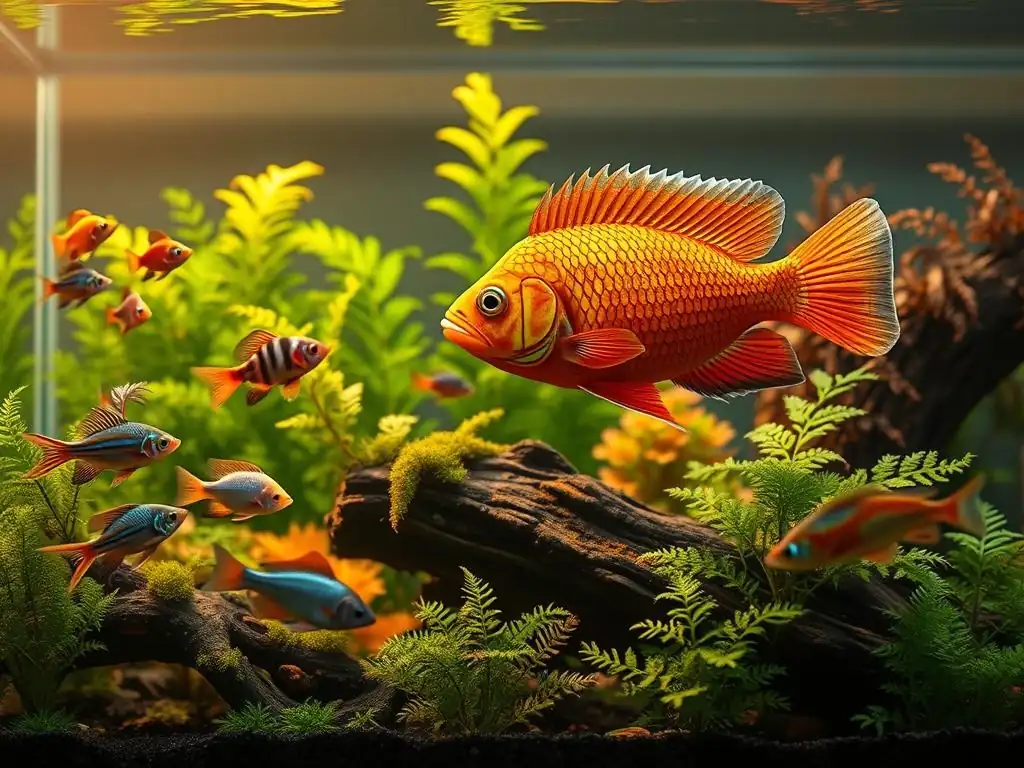
Ever wondered who the best and worst neighbors are for your vibrant Dwarf Gourami? Dive into our guide and unlock the secrets to a thriving community aquarium! Discover which fish will be fast friends and which might cause trouble in your tranquil underwater world. Let's explore Dwarf Gourami compatible tank mates and create the perfect aquatic harmony for your finned friends!
- Introduction to Dwarf Gourami Compatibility
- Best Dwarf Gourami Compatible Tank Mates: A Detailed Guide
- Incompatible Tank Mates: Fish to Avoid with Dwarf Gouramis
- Creating an Ideal Community Tank for Dwarf Gouramis
- Observing and Managing Tank Mate Interactions
- Dwarf Gourami Tank Mates: Summary of Compatible and Incompatible Species
- Addressing Common Concerns About Dwarf Gourami Tank Mates
-
Frequently Asked Questions
- What are some ideal tank mates for a Dwarf Gourami in a community aquarium?
- Are there any fish species that should absolutely be avoided when keeping Dwarf Gouramis?
- How important is tank size when considering tank mates for a Dwarf Gourami?
- What are some signs that my Dwarf Gourami is not getting along with its tank mates?
- How can I ensure a peaceful environment for my Dwarf Gourami and its tank mates?
- Final Reflection: Cultivating Harmony in the Aquarium
- Unlock Your Gourami's Best Life!
Introduction to Dwarf Gourami Compatibility
Understanding Dwarf Gourami Temperament for Successful Tank Mates
Dwarf Gouramis ( Colisa lalia) are celebrated for their vibrant colors and generally peaceful disposition, making them a popular choice for community aquariums. These labyrinth fish, capable of breathing atmospheric oxygen, typically reach an adult size of about 2 to 2.5 inches, with some individuals growing slightly larger, up to 3 inches. While often described as docile, male Dwarf Gouramis can exhibit territorial behavior, especially towards other male gouramis or similar-looking fish. This territoriality is more pronounced during breeding or in smaller tanks where space is limited, leading to potential confrontations.
Their temperament is a critical factor when selecting Dwarf Gourami compatible tank mates. They are generally shy and can become stressed by overly boisterous or aggressive fish. A calm environment allows their natural curiosity and beautiful swimming patterns to shine. Understanding their need for personal space and their potential for mild aggression towards conspecifics or fish with long, flowing fins is paramount to establishing a successful and harmonious community aquarium.
Why Choosing the Right Tank Mates for Dwarf Gouramis is Crucial
The selection of appropriate tank mates for Dwarf Gouramis is not merely about preventing direct conflict; it's fundamental to the long-term health and well-being of all inhabitants in your aquarium. Incorrect tank mate choices can lead to chronic stress for the Dwarf Gourami, manifesting as faded colors, clamped fins, and a suppressed immune system. This makes them highly susceptible to common aquarium diseases such as Ich (white spot disease) or Fin Rot, which can spread rapidly through the entire tank.
Furthermore, an incompatible mix can result in fin nipping, injury, or even death, particularly for the more delicate Dwarf Gourami. Aggressive fish might outcompete them for food, leading to malnutrition, while overly active species can simply stress them into hiding constantly. Ensuring that Dwarf Gourami compatible tank mates share similar water parameter requirements and temperament ensures a thriving ecosystem where every fish can flourish, displaying its natural behaviors and vibrant coloration.
Best Dwarf Gourami Compatible Tank Mates: A Detailed Guide
Peaceful Community Fish That Thrive with Dwarf Gouramis
Small Tetras (Ember, Neon, Cardinal): Ideal Companions for Dwarf Gouramis
Small schooling tetras are among the most ideal companions for Dwarf Gouramis due to their peaceful nature and preference for similar water conditions. Ember Tetras ( Hyphessobrycon amandae), for instance, are tiny, reaching only about 0.8 inches, and are incredibly tranquil. They prefer to swim in tight schools, which provides them a sense of security and adds dynamic movement to the mid-water column, leaving the Gourami's preferred upper and middle areas undisturbed. A school of at least six Ember Tetras is recommended for a 10-gallon tank or larger.
Neon Tetras ( Paracheirodon innesi) and Cardinal Tetras ( Paracheirodon axelrodi) are also excellent choices, growing to approximately 1.5 inches and 2 inches respectively. Both species are known for their vibrant colors and schooling behavior, which helps to deter any potential nipping tendencies if they are kept in sufficiently large groups (at least 6-10 individuals). They typically occupy the middle regions of the tank, providing visual interest without directly competing for space or food with the Dwarf Gourami. Their calm demeanor and consistent swimming patterns contribute to a stable and low-stress environment for the more delicate gourami.
Rasboras (Harlequin, Chili): Vibrant and Peaceful Tank Mates
Rasboras are another group of fish that make excellent Dwarf Gourami compatible tank mates due to their peaceful disposition and attractive schooling behavior. Harlequin Rasboras ( Trigonostigma heteromorpha) grow to about 1.5-2 inches and are known for their distinctive copper-colored bodies and black triangular patch. They are active swimmers that primarily inhabit the middle and upper levels of the tank, but their gentle nature means they rarely bother other fish. A school of 8-10 Harlequin Rasboras can add a beautiful, shimmering presence to a 20-gallon tank or larger, complementing the Gourami's more deliberate movements.
For smaller setups or nano tanks, Chili Rasboras ( Boraras brigittae) are an outstanding option. These tiny fish, reaching a maximum size of only 0.7 inches, are incredibly peaceful and display striking red coloration. A school of 10-15 Chili Rasboras can thrive in a 10-gallon tank, providing a captivating display without overwhelming the Dwarf Gourami. Both Harlequin and Chili Rasboras are not known for fin nipping or aggression, making them safe and visually appealing additions to a Dwarf Gourami community.
Corydoras Catfish (Pygmy, Sterbai): Bottom Dwellers That Complement Dwarf Gouramis
Corydoras catfish are highly recommended as Dwarf Gourami compatible tank mates because they occupy a completely different niche in the aquarium – the bottom substrate. This eliminates direct competition for swimming space and food. Pygmy Corydoras ( Corydoras pygmaeus) are particularly suitable for smaller tanks, growing to a mere 1 inch. They are unique among Corydoras as they often school in the mid-water column, yet they still spend considerable time sifting the substrate for food. A group of at least six Pygmy Corydoras is advisable for a 10-gallon tank.
Larger, but equally peaceful, Sterbai Corydoras ( Corydoras sterbai) reach about 2.5 inches and are known for their striking pattern and robust nature. They are excellent scavengers, helping to keep the substrate clean by consuming uneaten food. Both types of Corydoras require a soft substrate like sand to protect their delicate barbels, which they use to forage. Their docile nature ensures they will not stress or interact negatively with the Dwarf Gourami, making them a perfect addition for maintaining tank cleanliness and adding diversity to the lower levels of the aquarium.
Otocinclus Catfish: Algae Eaters and Peaceful Community Members
Otocinclus Catfish ( Otocinclus affinis or macrospilus), often simply called "Oto cats," are small, peaceful, and highly beneficial additions to a Dwarf Gourami community tank, particularly for their role as natural algae eaters. These diminutive fish typically grow to about 1.5-2 inches and spend their time grazing on algae from tank surfaces, plants, and decor. Their primary diet consists of diatoms and soft green algae, making them excellent clean-up crew members.
Oto cats are non-aggressive and do not compete with Dwarf Gouramis for food or space, as they are primarily bottom and surface grazers. They are schooling fish and thrive in groups of at least three to five individuals, which helps them feel secure and exhibit their natural behaviors. While generally hardy, they are sensitive to fluctuating water parameters and require a well-established tank with stable conditions. Their calm temperament and practical benefits make them an ideal choice among Dwarf Gourami compatible tank mates.
Other Suitable Tank Mates for Dwarf Gouramis
Peaceful Loaches (Kuhli Loach): Adding Diversity to Your Aquarium
Peaceful loaches, such as the Kuhli Loach ( Pangio kuhlii), can add unique character and diversity to a Dwarf Gourami community tank. Kuhli Loaches are eel-like bottom dwellers, growing to approximately 3-4 inches. They are nocturnal and spend most of their day hiding in substrate or decor, emerging primarily at night to scavenge for food. Their reclusive nature ensures they will not interfere with the Dwarf Gourami, and their activity during off-hours adds a fascinating dimension to the tank.
These loaches are extremely peaceful and require a soft, sandy substrate where they can burrow without damaging their delicate bodies. They also appreciate plenty of hiding spots like small caves, driftwood, and dense plant cover. As they are schooling fish, it's best to keep them in groups of at least three to five individuals, though larger groups will make them more confident and visible. Their unique appearance and non-competitive behavior make them suitable Dwarf Gourami compatible tank mates, particularly if you are looking to populate the lower levels of your aquarium.
Certain Species of Shrimp (Amano, Cherry): A Cautionary Tale of Predation
While certain species of shrimp can theoretically be kept with Dwarf Gouramis, it often comes with a significant caveat: the potential for predation. Amano Shrimp ( Caridina multidentata), which grow to about 2 inches, are generally considered safer options due to their larger size and excellent algae-eating capabilities. They are quite robust and can often coexist with Dwarf Gouramis without major issues, though smaller Gouramis might still attempt to nip at their antennae or legs.
Cherry Shrimp ( Neocaridina davidi), on the other hand, are much smaller, typically reaching only 0.5-1 inch. While incredibly popular for their vibrant colors and prolific breeding, they are highly susceptible to predation by Dwarf Gouramis, especially the juveniles. Dwarf Gouramis are omnivores and opportunistic eaters; anything small enough to fit into their mouths, including baby shrimp, can become a meal. Therefore, while it's not impossible to keep them together, success largely depends on the individual temperament of the Gourami and the density of hiding spots for the shrimp. It's a "cautionary tale" because the risk of shrimp becoming food is considerable, particularly for smaller or newly hatched shrimp.
Incompatible Tank Mates: Fish to Avoid with Dwarf Gouramis
Aggressive Fish That Will Bully Dwarf Gouramis
Cichlids (Convict, Jack Dempsey): A Recipe for Disaster
Aggressive cichlids are unequivocally unsuitable Dwarf Gourami tank mates and represent a recipe for disaster in a community aquarium. Species like the Convict Cichlid ( Amatitlania nigrofasciata) are notorious for their highly aggressive and territorial nature, especially during breeding. They can grow to 5 inches or more and will relentlessly bully, chase, and injure the much smaller and more delicate Dwarf Gourami, leading to severe stress, fin damage, and eventually death.
Similarly, the Jack Dempsey Cichlid ( Rocio octofasciata), while beautiful, is a semi-aggressive, predatory fish that can reach an impressive size of 8-10 inches. Any fish that fits into their mouth is considered potential food. Introducing a Dwarf Gourami into a tank with a Jack Dempsey would almost certainly result in the Gourami being consumed. The vast size and temperament mismatch between these cichlids and Dwarf Gouramis make them entirely incompatible.
Barbs (Tiger, Rosy): Avoiding Stress and Injury
Many species of barbs are incompatible with Dwarf Gouramis due to their tendency to be fin-nippers and their boisterous activity levels, which can cause significant stress and injury. Tiger Barbs ( Puntigrus tetrazona) are perhaps the most infamous culprits. Growing to about 3 inches, these active, schooling fish are known for their aggressive fin-nipping behavior, particularly towards slow-moving fish with long, flowing fins like Dwarf Gouramis. Their constant harassment will shred the Gourami's delicate fins, leading to infection and severe stress.
While Rosy Barbs ( Pethia conchonius) are generally considered less aggressive than Tiger Barbs, they can still exhibit nippy behavior, especially if not kept in large schools (at least 6-8 individuals) or if the tank is too small. Rosy Barbs can also grow quite large, up to 4-6 inches, and their energetic swimming can overwhelm a more timid Dwarf Gourami. To ensure the well-being of your Dwarf Gourami, it is best to avoid housing them with these types of barbs.
Larger, Predatory Fish (Oscar, Piranha): Obvious Threats to Dwarf Gourami Safety
Larger, predatory fish pose an obvious and immediate threat to the safety of Dwarf Gouramis. Species like the Oscar ( Astronotus ocellatus) are large, highly predatory cichlids that can grow to 12-14 inches in length. Their diet primarily consists of smaller fish in their natural habitat, and any fish that can fit into their capacious mouths, including a Dwarf Gourami, will be viewed as food. Housing a Dwarf Gourami with an Oscar is akin to placing it in a predator's enclosure.
Piranhas ( Pygocentrus nattereri and related species), though illegal to keep in many regions, are specialized, highly aggressive predators known for their sharp teeth and schooling hunting behavior. While their diet is varied, smaller fish are certainly on the menu. The fundamental rule of thumb for these larger, predatory species is simple: if it fits, it's food. Therefore, these fish are completely out of the question as Dwarf Gourami compatible tank mates.
Fish with Similar Temperaments That Could Cause Conflict
Other Gourami Species (Moon, Three Spot): Potential Territorial Disputes
While Dwarf Gouramis are members of the gourami family, introducing them to other, larger gourami species often leads to significant territorial disputes and aggression. Moon Gouramis ( Trichopodus microlepis) can reach 4-5 inches and, while generally peaceful, can become semi-aggressive, particularly during breeding or if tank space is limited. Their larger size can intimidate a Dwarf Gourami, and competition for prime territory can result in stress and physical confrontations.
Three Spot Gouramis ( Trichopodus trichopterus), which include popular variations like Blue Gouramis, Gold Gouramis, and Opaline Gouramis, are even more problematic. These species can grow up to 6 inches and are known for their assertive and sometimes aggressive temperament, especially among males. They are highly territorial and will almost certainly bully and harass a smaller Dwarf Gourami. The similar body shapes and labyrinth organ make them direct competitors for space and resources, ensuring that conflict will arise. Therefore, other gourami species are generally not considered suitable Dwarf Gourami compatible tank mates.
Betta Fish: Usually Not a Good Match Due to Aggression
Despite both being labyrinth fish with vibrant colors, Betta fish ( Betta splendens) are usually not a good match for Dwarf Gouramis due to their shared territorial nature and potential for aggression. Male Betta fish, in particular, are highly territorial and known to be aggressive towards other fish with long, flowing fins or similar body shapes, which describes the Dwarf Gourami perfectly. A male Betta will often nip at the Dwarf Gourami's fins, chase it, and stress it relentlessly, leading to injury or even death.
While female Betta fish can sometimes be kept in sororities, they still possess the inherent Betta aggression and can be unpredictable when introduced to other species, especially those resembling them. The risk of aggression and stress for both the Betta and the Dwarf Gourami is simply too high to recommend them as tank mates. It is best to keep these beautiful, but potentially combative, fish in separate environments.
Creating an Ideal Community Tank for Dwarf Gouramis
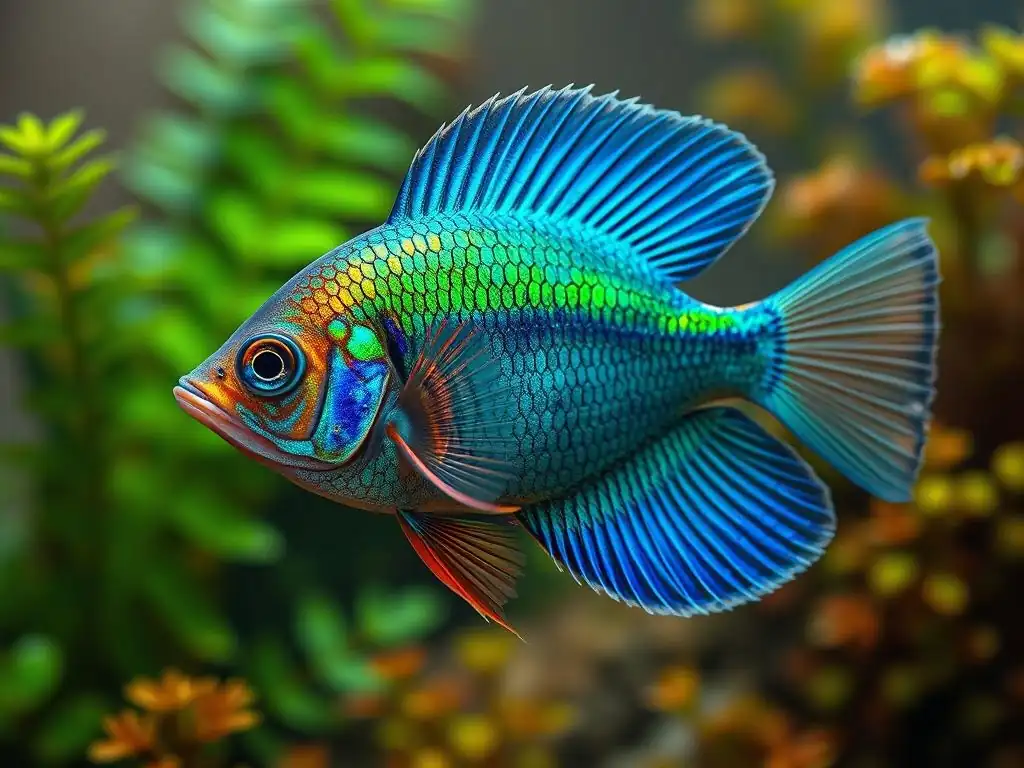
Tank Size and Setup Considerations for a Dwarf Gourami Community
Creating an ideal community tank for Dwarf Gouramis begins with choosing the right tank size and setting it up appropriately to minimize stress and promote harmonious interactions among Dwarf Gourami compatible tank mates. For a single Dwarf Gourami, a minimum tank size of 10 gallons is generally recommended. However, for a pair or a community setup with other fish, a 20-gallon long tank (30 inches in length) or larger is much more suitable. The added length provides more horizontal swimming space and helps to dilute territorial disputes.
The tank setup should mimic their natural habitat, which typically includes dense vegetation. Heavily planted tanks with both rooted and floating plants (e.g., Anubias, Java Fern, Amazon Swords, Water Lettuce, Frogbit) are ideal. Plants provide crucial hiding spots, break up lines of sight, and create visual barriers that help diffuse aggression.
Driftwood, rocks, and caves can also serve as additional territories and retreats. A soft substrate, such as sand or fine gravel, is beneficial, especially if you plan to include bottom-dwelling Dwarf Gourami compatible tank mates like Corydoras. Strong filtration that doesn't create excessive current is also important, as Dwarf Gouramis prefer calmer waters.
Maintaining Water Parameters for Optimal Tank Mate Health
Maintaining stable and appropriate water parameters is paramount for the health of Dwarf Gouramis and their compatible tank mates. Dwarf Gouramis thrive in tropical freshwater conditions. The ideal temperature range is between 72-82°F (22-28°C), which is suitable for most peaceful community fish. A reliable heater with a thermostat is essential to keep the temperature consistent.
The pH level should be slightly acidic to neutral, ranging from 6.0 to 7.5. While they can tolerate a slightly wider range, consistency is more important than hitting an exact number. Water hardness (GH) should be soft to moderately hard, approximately 5-18 dGH.
Regular water changes are critical: performing 25-30% water changes weekly helps to keep nitrate levels low and replenish essential minerals. Using a good quality water conditioner to neutralize chlorine and chloramines is also a must. Consistent monitoring of ammonia, nitrite, and nitrate levels with a reliable test kit will ensure the water remains pristine and healthy for all Dwarf Gourami compatible tank mates.
Feeding Your Dwarf Gourami and Its Tank Mates: Ensuring Adequate Nutrition
Proper nutrition is vital for the health and vibrancy of Dwarf Gouramis and all their compatible tank mates. Dwarf Gouramis are omnivores, meaning their diet should consist of both plant and animal matter. A high-quality flake or small pellet food should form the staple of their diet, supplemented with a variety of frozen or live foods. Good options include bloodworms, brine shrimp, daphnia, and spirulina flakes or pellets. Feeding small amounts 2-3 times a day is generally better than one large feeding, as it prevents overfeeding and maintains water quality.
When feeding a community tank, it's crucial to ensure that all Dwarf Gourami compatible tank mates receive adequate nutrition. Active mid-water swimmers like tetras and rasboras will readily consume floating or slow-sinking flakes. Bottom dwellers, such as Corydoras and Otocinclus, require sinking pellets, wafers, or algae wafers to ensure they get enough food. Observing feeding behavior will help you determine if any fish are being outcompeted and if targeted feeding is necessary. A varied diet not only promotes optimal health but also enhances the natural coloration and activity levels of all your fish.
Observing and Managing Tank Mate Interactions
Signs of Stress or Aggression in Dwarf Gouramis
Vigilant observation of your Dwarf Gourami and its tank mates is crucial for identifying early signs of stress or aggression, allowing for timely intervention. A healthy Dwarf Gourami will typically exhibit vibrant colors, active swimming, and a curious nature. Signs of stress in Dwarf Gouramis include:
- Loss of color: Their vibrant blues and reds may fade significantly.
- Clamped fins: Fins held close to the body, indicating discomfort or illness.
- Hiding constantly: Retreating to decor or plants and rarely emerging.
- Rapid gill movement: Suggests poor water quality or respiratory distress.
- Refusal to eat: A clear sign of distress or illness.
- Physical injuries: Torn fins, missing scales, or body wounds from nipping or fighting.
- Chasing or nipping: While Dwarf Gouramis are generally peaceful, a stressed individual might become unusually aggressive towards others, or conversely, be constantly chased by other fish.
Any of these signs warrant immediate investigation into water parameters, tank mate compatibility, or potential disease. Addressing these issues promptly can prevent chronic stress and ensure the well-being of your Dwarf Gourami compatible tank mates.
Quarantine New Fish Before Introducing Them to the Main Tank
Quarantining new fish is a non-negotiable best practice for any aquarist, especially when introducing new Dwarf Gourami compatible tank mates. A quarantine tank is a separate, smaller aquarium (e.g., 5-10 gallons) used to house new arrivals for a period of 2 to 4 weeks before they are introduced to the main display tank. This practice serves several critical purposes:
- Disease Prevention: It prevents the introduction of common aquarium diseases such as Ich, Velvet, bacterial infections, or parasites, which could devastate your established community. Many diseases have a lifecycle that allows them to manifest during this period.
- Observation: It allows you to observe the new fish for any signs of illness, unusual behavior, or parasites without risking your existing fish.
- Acclimation: It gives the new fish time to acclimate to your water parameters and recover from the stress of transport in a low-stress environment.
- Temperament Assessment: For Dwarf Gourami compatible tank mates, it's an opportunity to assess their true temperament before they interact with your existing Gourami.
During quarantine, maintain excellent water quality and observe the fish daily. Treat any signs of illness in the quarantine tank, not the main display. This simple step significantly reduces the risk to your entire aquarium ecosystem.
Adjusting Your Tank Setup to Minimize Conflict
Even with careful planning, sometimes conflicts can arise between Dwarf Gourami compatible tank mates. Fortunately, several adjustments to your tank setup can help minimize aggression and stress:
- Add More Hiding Spots: Increase the density of plants (both live and artificial), add more driftwood, rocks, or ceramic caves. This provides ample escape routes and secure territories for all fish.
- Rearrange Decor: Periodically rearranging the internal decor can disrupt established territories, forcing fish to re-evaluate their boundaries. This can be particularly effective if one fish is overly dominant in a specific area.
- Increase Plant Density: Densely planted areas offer visual breaks and reduce direct line of sight, which can lower aggression by preventing constant visual contact between fish. Floating plants are excellent for this purpose, providing shaded areas that Dwarf Gouramis appreciate.
- Increase Tank Size: If possible, upgrading to a larger tank is often the most effective solution for persistent aggression. More space dilutes territoriality and reduces competition for resources. For example, moving from a 20-gallon to a 30-gallon long tank can make a significant difference.
- Consider Rehoming: If a particular fish consistently causes problems despite all efforts, rehoming the aggressor or the targeted fish may be the only way to restore harmony to the community.
These adjustments help create a more complex and secure environment, promoting natural behaviors and reducing stress for all inhabitants, ensuring a peaceful home for your Dwarf Gourami compatible tank mates.
Dwarf Gourami Tank Mates: Summary of Compatible and Incompatible Species
Quick Reference Guide: Best and Worst Tank Mates for Dwarf Gouramis
Establishing a harmonious community aquarium for your Dwarf Gourami relies heavily on selecting the right companions. This quick reference guide summarizes the best and worst Dwarf Gourami compatible tank mates:
Best Dwarf Gourami Compatible Tank Mates (Generally Peaceful & Suitable):
- Small Tetras:
- Ember Tetras (
Hyphessobrycon amandae): Very peaceful, ~0.8 inches. - Neon Tetras (
Paracheirodon innesi): Peaceful, ~1.5 inches. - Cardinal Tetras (
Paracheirodon axelrodi): Peaceful, ~2 inches.
- Ember Tetras (
- Rasboras:
- Harlequin Rasboras (
Trigonostigma heteromorpha): Peaceful, ~1.5-2 inches. - Chili Rasboras (
Boraras brigittae): Tiny, very peaceful, ~0.7 inches.
- Harlequin Rasboras (
- Corydoras Catfish:
- Pygmy Corydoras (
Corydoras pygmaeus): Peaceful bottom/mid-water, ~1 inch. - Sterbai Corydoras (
Corydoras sterbai): Peaceful bottom dweller, ~2.5 inches.
- Pygmy Corydoras (
- Otocinclus Catfish: Peaceful algae eater, ~1.5-2 inches.
- Peaceful Loaches:
- Kuhli Loach (
Pangio kuhlii): Peaceful, nocturnal bottom dweller, ~3-4 inches.
- Kuhli Loach (
- Certain Shrimp Species (with caution):
- Amano Shrimp (
Caridina multidentata): Larger, generally safer, ~2 inches. - Cherry Shrimp (
Neocaridina davidi): Smaller, higher predation risk, ~0.5-1 inch.
- Amano Shrimp (
Worst Dwarf Gourami Tank Mates (Aggressive, Predatory, or Conflict-Prone):
- Aggressive Cichlids:
- Convict Cichlid (
Amatitlania nigrofasciata): Highly aggressive, ~5 inches+. - Jack Dempsey (
Rocio octofasciata): Aggressive, predatory, ~8-10 inches.
- Convict Cichlid (
- Fin-Nipping Barbs:
- Tiger Barbs (
Puntigrus tetrazona): Notorious fin nippers, ~3 inches. - Rosy Barbs (
Pethia conchonius): Can be nippy, especially if not schooled, ~4-6 inches.
- Tiger Barbs (
- Larger, Predatory Fish:
- Oscar (
Astronotus ocellatus): Large, highly predatory, ~12-14 inches. - Piranha (
Pygocentrusspp.): Extreme predators.
- Oscar (
- Other Gourami Species:
- Moon Gourami (
Trichopodus microlepis): Can be semi-aggressive, ~4-5 inches. - Three Spot Gourami (
Trichopodus trichopterus): Aggressive, territorial, ~6 inches.
- Moon Gourami (
- Betta Fish (
Betta splendens): Highly territorial towards similar-looking fish.
Ensuring a Harmonious Community Aquarium with Dwarf Gouramis
Creating a harmonious community aquarium with Dwarf Gouramis is an achievable goal that brings immense satisfaction to aquarists. The key lies in thorough research, careful planning, and continuous observation. By understanding the specific temperament and needs of Dwarf Gouramis, you can make informed decisions about their compatible tank mates, avoiding species that are either too aggressive, too timid, or too large.
Beyond just selecting the right fish, providing an appropriately sized tank with ample hiding spots, maintaining pristine water conditions, and offering a varied diet are all crucial elements. Regular monitoring for signs of stress or aggression allows for early intervention, whether it's adjusting the environment or re-evaluating tank inhabitants. Ultimately, ensuring a harmonious environment for Dwarf Gourami compatible tank mates means fostering a thriving ecosystem where every fish can display its natural beauty and behavior, making your aquarium a truly captivating display.
Addressing Common Concerns About Dwarf Gourami Tank Mates
Can I Keep Dwarf Gouramis with Angelfish?
Generally, it is not recommended to keep Dwarf Gouramis with Angelfish ( Pterophyllum scalare). While both are popular freshwater aquarium fish, their temperaments and needs often conflict. Angelfish, especially as they mature, can become semi-aggressive and territorial, particularly during breeding. They can grow quite large, typically 6 inches or more in height, which can easily intimidate a smaller Dwarf Gourami (average 2-2.5 inches).
Furthermore, Angelfish are known to be fin-nippers, and the long, flowing fins of a Dwarf Gourami can be an inviting target, leading to stress, injury, and potential infection for the Gourami. While some aquarists might report success in very large tanks (e.g., 55 gallons or more) with a highly planted setup, the risk of conflict and stress for the Dwarf Gourami remains high. It is usually best to avoid this pairing to ensure the well-being of both species.
What to Do If Tank Mates Are Fighting
If you observe fighting among your Dwarf Gourami and its tank mates, prompt action is essential to prevent injury, chronic stress, or even death.
- Identify the Aggressor and Victim: Carefully observe to determine which fish is initiating the aggression and which is being targeted.
- Check Water Parameters: Poor water quality (e.g., high nitrates, ammonia) or unstable parameters can increase stress and aggression. Perform a water test and correct any issues.
- Add More Hiding Spots: Introduce additional plants, driftwood, or rock caves to provide more retreats and break up lines of sight. This can diffuse territorial disputes.
- Rearrange Decor: Slightly rearranging the tank decor can disrupt established territories and force fish to find new ones, sometimes reducing conflict.
- Increase Tank Size (If Possible): If the tank is too small for the combination of fish, a larger aquarium provides more space and reduces competition.
- Separate or Rehome: If aggression persists and is causing significant harm or stress, consider temporarily separating the aggressor or victim into a quarantine tank. If the behavior doesn't improve, rehoming the problematic fish might be the only long-term solution to restore harmony among your Dwarf Gourami compatible tank mates.
How to Introduce New Tank Mates to a Dwarf Gourami Tank.
Introducing new Dwarf Gourami compatible tank mates to an established aquarium requires a careful and methodical approach to minimize stress and potential aggression from existing inhabitants:
- Quarantine New Fish: Always start by quarantining new fish in a separate tank for 2 to 4 weeks. This prevents the introduction of diseases and allows you to observe their health and temperament.
- Dim Lights: Before introducing the new fish to the main tank, dim the aquarium lights for a few hours. This reduces stress for both the new fish and the existing inhabitants, making the introduction less startling.
- Acclimate Slowly: Acclimate the new fish to your tank's water parameters slowly using a drip acclimation method. This minimizes shock from changes in temperature, pH, and hardness.
- Rearrange Decor (Slightly): While the lights are dim, you can make minor rearrangements to the tank decor. This disrupts existing territories and can make the established fish less possessive of specific spots, as they too will be re-evaluating the layout.
- Introduce When Gourami is Less Active: Introduce the new fish when your Dwarf Gourami is typically less active, such as in the morning or after a water change.
- Feed Existing Fish: Feed your existing fish a small amount just before introducing the new ones. This can distract them and make them less likely to immediately focus on the new arrivals as intruders.
- Monitor Closely: For the first few hours and days, observe the tank closely for any signs of aggression or excessive stress. Be prepared to intervene if necessary, such as separating fish or adding more hiding spots.
Frequently Asked Questions
What are some ideal tank mates for a Dwarf Gourami in a community aquarium?
Dwarf Gouramis generally do well with peaceful, community fish. Some good choices include small tetras like Neon Tetras or Ember Tetras, peaceful rasboras, and Corydoras catfish.
Are there any fish species that should absolutely be avoided when keeping Dwarf Gouramis?
Yes, it's best to avoid aggressive or fin-nipping fish, such as tiger barbs, certain cichlids, and larger, boisterous species that could stress the Dwarf Gourami.
How important is tank size when considering tank mates for a Dwarf Gourami?
Tank size is crucial! A larger tank (at least 20 gallons) provides enough space to reduce aggression and allow each species to establish its own territory and reduces stress.
What are some signs that my Dwarf Gourami is not getting along with its tank mates?
Signs of stress include hiding frequently, loss of appetite, faded coloration, and increased aggression or being chased by other fish. Monitor your aquarium closely.
How can I ensure a peaceful environment for my Dwarf Gourami and its tank mates?
Provide plenty of hiding places like plants and decorations, maintain excellent water quality through regular water changes, and avoid overcrowding the aquarium.
Final Reflection: Cultivating Harmony in the Aquarium
The delicate balance of a community aquarium, as we've explored in the context of dwarf gourami compatibility, mirrors the intricate ecosystems found in nature. Understanding the nuances of temperament, size, and environmental needs is not just about creating a visually appealing tank; it's about fostering a thriving, harmonious environment where each creature can flourish. This understanding is particularly crucial now, as the popularity of home aquariums continues to rise, placing a greater responsibility on hobbyists to prioritize ethical and informed fishkeeping.
The journey of selecting appropriate tank mates for a dwarf gourami is a microcosm of the broader challenge of responsible pet ownership. It forces us to consider the needs of others, to anticipate potential conflicts, and to actively cultivate a space where everyone can thrive. This extends beyond the glass walls of our aquariums and into our interactions with the world around us. The greatness of a nation and its moral progress can be judged by the way its animals are treated.
- Mahatma Gandhi. This quote, though speaking of all animals, resonates deeply with the care we give to our aquatic companions.
As you consider the information presented here, I encourage you to reflect on your own role in creating a balanced and enriching environment, not just for your fish, but in all aspects of your life. Take the lessons learned about compatibility and apply them to your own relationships, your own community, and your own understanding of the interconnectedness of all living things. Strive to be a mindful steward of your aquarium, and a thoughtful inhabitant of our shared planet.
Unlock Your Gourami's Best Life!
Thank you for diving into the world of Dwarf Gouramis! We hope you found valuable insights to create a thriving aquarium for your finned friends. Now, let's take those insights and turn them into action.
Here are some ways to further enhance your Dwarf Gourami's aquatic experience:
- Re-evaluate your current tank setup. Carefully observe your gourami’s interactions with its tank mates for the next week. Note any signs of stress or aggression and adjust accordingly.
- Share your gourami success (or struggles!)! Join our community forum on AquariumMastery.com and discuss your tank mate choices with fellow enthusiasts. Help others learn from your experiences!
- Consider a species-only tank! If you find your gourami is consistently stressed, sometimes the best solution is to give them the peace and quiet of their own personal paradise.
What surprising behavior have you noticed between your Dwarf Gourami and its tank mates that you're curious to explore further?