
BeginnerFriendly Barbs? Rating Tiger, Cherry, and Denison for New Aquarists

Welcome to Aquarium Mastery!
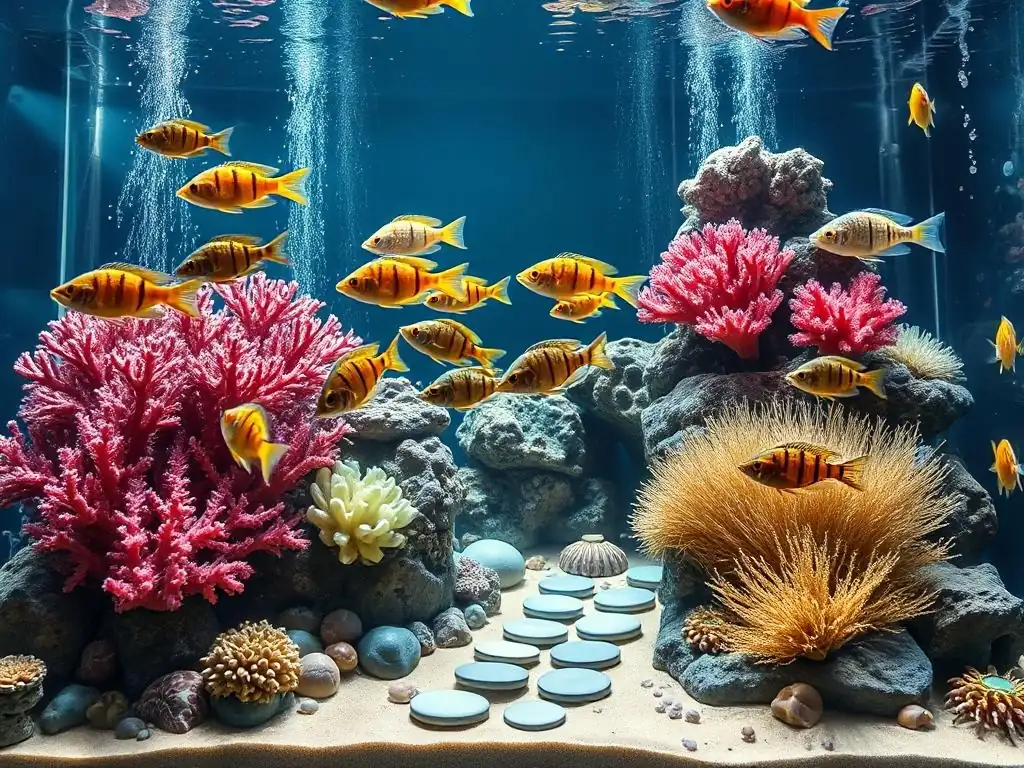
Ever wondered if the vibrant colors and playful energy of Barbs could brighten up your beginner aquarium? Dive in as we explore the world of these fascinating freshwater fish! We'll rate the Tiger, Cherry, and Denison Barbs, revealing which are truly beginner-friendly and which might require a little more experience. Get ready to unlock the secrets to a thriving Barb-filled aquarium and discover if these beautiful fish are the perfect fit for your aquatic journey!
- Choosing the Right Barb for Your First Aquarium: A Beginner's Guide
- Introduction: Why Barbs Can Be a Rewarding Addition
- Understanding Barb Temperament and Care
- Cherry Barb ( Puntius titteya): A Peaceful and Colorful Choice
- Gold Barb ( Barbodes semifasciolatus): A Hardy and Active Option
- Rosy Barb ( Pethia conchonius): A Robust and Adaptable Fish
- Comparing Cherry, Gold, and Rosy Barbs: A Beginner's Analysis
- Setting Up a Barb-Friendly Aquarium: Essential Guidance
- Avoiding Common Mistakes in Barb Care
- Conclusion: Selecting the Ideal Barb for Your First Aquarium
-
Frequently Asked Questions
- What are the best beginner-friendly barbs for saltwater aquariums, considering their temperament and care requirements?
- Are Tiger Barbs a good choice for a beginner saltwater aquarium due to their hardiness?
- How do Cherry Barbs adapt to the saline conditions of a typical saltwater aquarium?
- What are the ideal water parameters (salinity, pH, temperature) for Denison Barbs in a saltwater aquarium?
- Can I keep Barbs with other saltwater fish like clownfish or damselfish in the same tank?
- Final Reflection: Navigating the Barb Landscape
- Ignite Your Aquarium Journey!
Choosing the Right Barb for Your First Aquarium: A Beginner's Guide
Introduction: Why Barbs Can Be a Rewarding Addition
Understanding the Allure and Potential Challenges of Keeping Barbs
Barbs are a diverse group of freshwater fish belonging to the family Cyprinidae, known for their active schooling behavior, vibrant colors, and generally hardy nature. Their constant movement and interactive dynamics can bring a captivating energy to any freshwater aquarium, making them a popular choice among aquarists. For those looking to add a lively and visually appealing element to their tank, barbs often present an excellent opportunity.
However, it is crucial for new aquarists to understand that while many barb species are robust, their care requirements and temperaments vary significantly. For instance, it's vital to clarify that barbs are exclusively freshwater fish, thriving in various freshwater environments, from slow-moving streams to larger rivers. Therefore, for those specifically seeking beginner-friendly options for saltwater aquariums, barbs are not suitable and entirely distinct species would need to be considered.
A Guide to Selecting the Best Barb Species for Beginners
Selecting the right barb species is paramount for a successful and enjoyable first aquarium experience. Beginners should prioritize species known for their peaceful temperament, manageable size, and adaptability to a range of common water parameters. These characteristics ensure that the fish will thrive with standard care routines and coexist harmoniously within a community tank.
This guide will focus on three specific barb species – the Cherry Barb, Gold Barb, and Rosy Barb – which are widely recognized as excellent choices for new aquarists due to their general hardiness and relatively straightforward care. By understanding their unique traits, beginners can confidently choose the best barbs for their freshwater setup and embark on a rewarding journey in aquarium keeping.
Understanding Barb Temperament and Care
Essential Factors for Successful Barb Keeping
Successful barb keeping hinges on providing a stable and appropriate environment that mimics their natural freshwater habitats. This includes maintaining consistent water parameters, ensuring excellent water quality through effective filtration, and offering a balanced diet. Barbs generally thrive in temperatures between 72-78°F (22-26°C) and a pH range of 6.0-7.5, though specific species may have narrower preferences. Regular monitoring of ammonia, nitrite, and nitrate levels using a reliable test kit is critical to prevent the accumulation of harmful toxins.
Beyond water parameters, a varied diet is essential for the health and vibrancy of these active fish. High-quality flake or pellet food should form the staple, supplemented with live or frozen foods such as bloodworms, brine shrimp, and daphnia two to three times a week. This comprehensive feeding approach ensures they receive all necessary nutrients, promoting strong immune systems and vivid coloration.
The Significance of Schooling and Tank Size for Barb Well-being
Barbs are inherently schooling fish, and their well-being is heavily dependent on being kept in appropriate group sizes. Housing them in schools of at least six individuals of their own species not only reduces stress and aggression but also encourages their natural social behaviors, such as schooling tightly when feeling threatened or engaging in playful chases. A smaller group can lead to increased stress, shyness, or even aggression towards other tank mates as they seek to establish a pecking order without enough individuals to distribute it.
The size of the aquarium directly correlates with the success of keeping a barb school. While smaller barbs, like Cherry Barbs, can be housed in a 10-gallon tank for a small group, larger or more active species, such as Rosy Barbs, require a minimum of 30 gallons to accommodate their size and energetic swimming patterns. Providing ample swimming space is crucial, as it allows them to exhibit their natural schooling behavior without feeling confined, contributing significantly to their overall health and longevity.
Cherry Barb ( Puntius titteya): A Peaceful and Colorful Choice
Cherry Barb Appearance and Size: Small and Vibrant Details
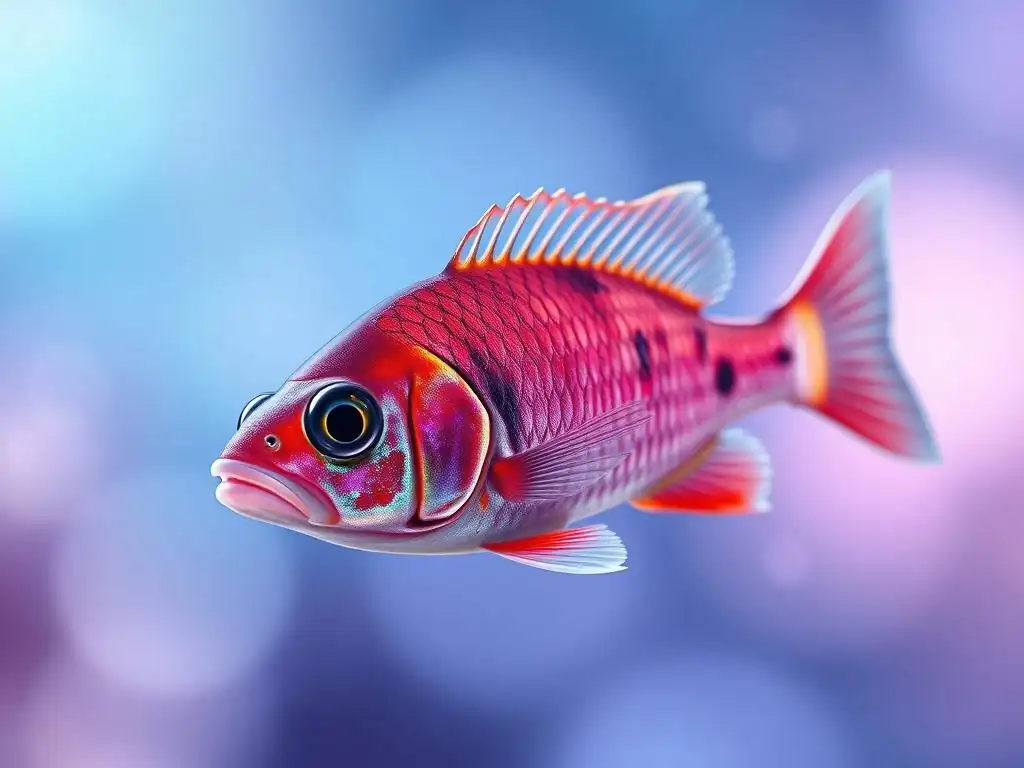
The Cherry Barb ( Puntius titteya) is a small, torpedo-shaped freshwater fish celebrated for its striking coloration, particularly in males. Adult males display a deep, iridescent cherry-red hue, which intensifies during breeding periods, making them a captivating focal point in any aquarium. Females are typically a more subdued orange-brown or pale pink, often adorned with a distinct dark horizontal stripe running along their body.
These beginner-friendly barbs are relatively small, typically reaching an adult size of about 1.5 to 2 inches (3.8 to 5 cm) in length. Their modest size makes them an excellent choice for smaller community tanks, including those as compact as 10 gallons, provided they are kept in appropriate numbers. Their elegant appearance and manageable dimensions contribute to their popularity among new aquarists.
Cherry Barb Temperament: Gentle and Community-Friendly
Cherry Barbs are renowned for their peaceful and timid temperament, making them one of the most community-friendly barb species available. Unlike some of their more boisterous relatives, they are rarely known to nip fins or display aggression towards other fish. This gentle nature allows them to coexist harmoniously with a wide range of peaceful tank mates, including smaller tetras, rasboras, corydoras catfish, and dwarf gouramis.
To truly thrive and exhibit their natural schooling behaviors, Cherry Barbs should be kept in groups of at least six individuals. In larger schools, their shyness diminishes, and they become more active and confident, darting through plants and open water. Their calm demeanor and schooling tendencies make them an ideal addition for beginners aiming to establish a serene and balanced freshwater community aquarium.
Cherry Barb Care: Optimal Tank Conditions
Caring for Cherry Barbs is relatively straightforward, contributing to their status as excellent beginner-friendly barbs. They prefer a well-planted aquarium with plenty of hiding spots and shaded areas, which helps them feel secure and reduces stress. A minimum tank size of 10 gallons is recommended for a small school of 6-8 individuals, with larger tanks being preferable for bigger groups or more diverse communities.
Optimal water parameters for Cherry Barbs include a temperature range of 72-79°F (22-26°C), a pH between 6.0 and 7.0, and soft to moderately hard water (5-19 dGH). They are omnivores and readily accept a varied diet of high-quality flake food, micro-pellets, and occasional live or frozen treats like daphnia, brine shrimp, or bloodworms. Regular water changes of 25% weekly are essential to maintain pristine water quality, which is crucial for their long-term health and vibrant coloration.
Breeding Cherry Barbs: A Simple Introduction
Breeding Cherry Barbs can be a relatively simple and rewarding experience for the beginner aquarist interested in trying their hand at fish propagation. These barbs are egg-scatterers, meaning they will deposit their eggs among fine-leaved plants or a spawning mop. To encourage breeding, a separate breeding tank of about 5-10 gallons is recommended, furnished with a substrate of marbles or a mesh bottom to protect the eggs from being eaten by the parents.
Conditioning the breeding pair with high-protein foods, such as live or frozen brine shrimp and bloodworms, for several days often stimulates spawning. Once the eggs are laid (often in the early morning), the adult barbs should be removed immediately, as they will consume their own eggs. The eggs typically hatch within 24-48 hours, and the fry become free-swimming a few days later, requiring infusoria or specialized liquid fry food before transitioning to powdered flakes.
Pros and Cons of Cherry Barbs for Beginners
Pros:
- Peaceful Temperament: Extremely unlikely to nip fins or show aggression, making them ideal for community tanks.
- Small Size: Maxing out at 2 inches, they are suitable for smaller aquariums (10+ gallons for a school).
- Vibrant Coloration: Males display a beautiful cherry-red, adding a lively splash of color.
- Hardy: Generally robust and forgiving of minor water parameter fluctuations, making them good beginner-friendly barbs.
- Easy to Care For: Straightforward feeding and environmental requirements.
Cons:
- Can Be Shy: If not kept in a sufficiently large school (6+ individuals), they may become timid and hide frequently.
- Subtle Female Coloration: Females are less colorful than males, which might be a minor aesthetic consideration for some.
Gold Barb ( Barbodes semifasciolatus): A Hardy and Active Option
Gold Barb Appearance and Size: Describing Key Features
The Gold Barb ( Barbodes semifasciolatus) is a popular freshwater fish admired for its striking metallic gold or brassy coloration, which can shimmer beautifully under aquarium lighting. While the wild type often features faint vertical bands, the common aquarium variety is typically solid gold, sometimes with a few dark blotches along its flanks. Its body is streamlined and robust, indicative of its active swimming nature.
These beginner-friendly barbs are larger than Cherry Barbs, typically reaching an adult size of about 2.5 to 3 inches (6 to 7.5 cm) in length. Their slightly larger stature and vibrant, reflective scales make them a prominent and attractive addition to medium-sized community aquariums. The Gold Barb's distinctive appearance and active demeanor contribute to its enduring appeal among aquarists.
Gold Barbs are energetic and highly social fish, known for their constant activity and inquisitive nature. While generally peaceful, they can be boisterous and occasionally display a mild nipping tendency, particularly if kept in insufficient numbers or with very slow-moving, long-finned tank mates. However, when kept in a proper school, this behavior is usually directed at each other, reinforcing their social hierarchy rather than bothering other species.
To thrive and exhibit their natural behaviors, Gold Barbs should be kept in schools of at least six individuals. In larger groups, they are more confident and less prone to aggression, engaging in playful chases and synchronized swimming that creates a dynamic display in the aquarium. Their lively temperament makes them an engaging and rewarding species for beginners who appreciate active freshwater fish.
Gold Barb Care: Maintaining a Thriving Environment
Gold Barbs are exceptionally hardy and adaptable, making them excellent beginner-friendly barbs that can tolerate a wider range of water conditions than many other aquarium fish. They prefer a tank with open swimming areas but also appreciate dense plant cover along the back and sides, providing security and visual interest. A minimum tank size of 20 gallons is recommended for a school of 6-8 Gold Barbs, as their active nature requires ample space.
Optimal water parameters for Gold Barbs include a temperature range of 64-74°F (18-23°C), making them suitable for unheated tanks in warmer climates, though a heater is recommended for stability. They are tolerant of a pH range from 6.0 to 8.0 and soft to moderately hard water (5-20 dGH). As omnivores, they are unfussy eaters, readily accepting high-quality flakes, pellets, and various live or frozen foods such as bloodworms, brine shrimp, and vegetable matter. Regular weekly water changes of 25% are crucial to maintain water quality and prevent health issues.
Pros and Cons of Gold Barbs for Beginners
Pros:
- Very Hardy and Adaptable: Tolerant of a wide range of water parameters, making them forgiving for new aquarists.
- Active and Engaging: Their constant swimming adds dynamic movement to the aquarium.
- Attractive Coloration: The metallic gold sheen is visually appealing and stands out.
- Good for Cooler Temperatures: Can thrive in slightly cooler water than many tropical fish.
- Easy to Feed: Not picky eaters, readily accepting various foods.
Cons:
- Can Be Mildly Nipy: May occasionally nip the fins of very slow-moving or long-finned tank mates if not kept in a large enough school.
- Requires More Space: Their activity level and size necessitate a larger tank (20+ gallons) compared to smaller barbs.
Rosy Barb ( Pethia conchonius): A Robust and Adaptable Fish
Rosy Barb Appearance and Size: Distinctive Characteristics
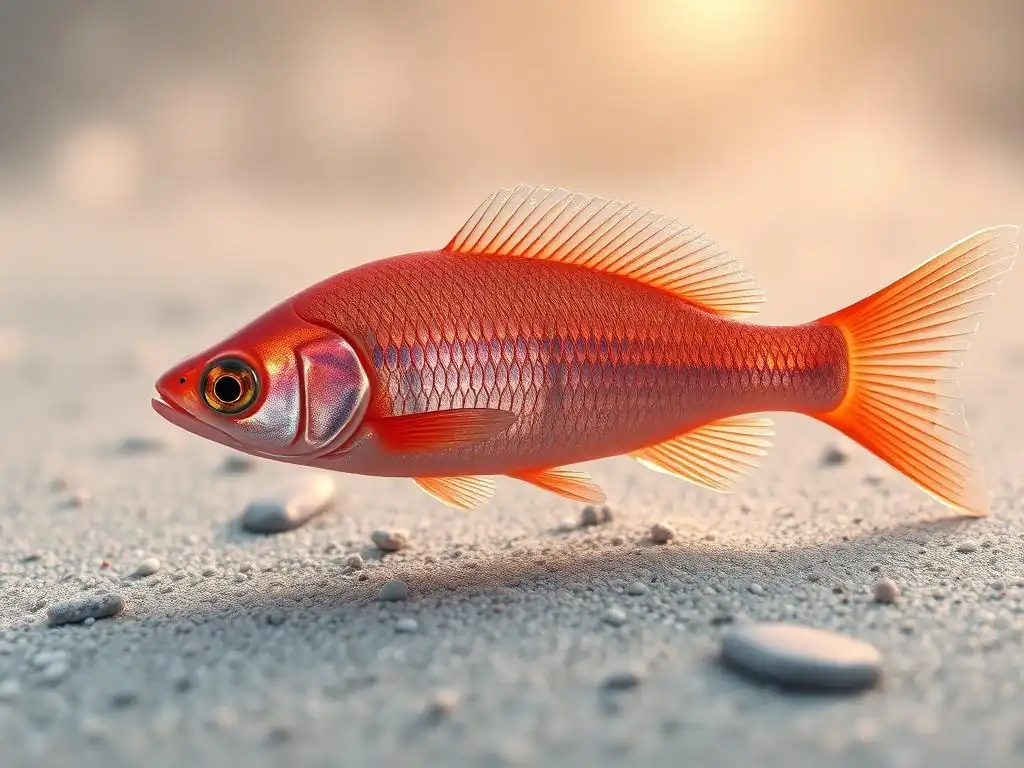
The Rosy Barb ( Pethia conchonius) is a robust and visually striking freshwater fish, particularly the males, which develop a brilliant rosy-red coloration during breeding periods. Females are typically larger and fuller-bodied, with a more muted golden-silver hue. Both sexes feature a distinct black spot near the caudal peduncle (base of the tail) and often have a few smaller dark spots along their flanks. Their body shape is deeper and more compressed than that of Cherry or Gold Barbs, giving them a more substantial presence in the aquarium.
Rosy Barbs are among the larger popular barb species available to hobbyists, with adults commonly reaching lengths of 4 to 6 inches (10 to 15 cm) in a well-maintained environment. Their significant size and vibrant male coloration make them a prominent and impressive addition to larger community aquariums, offering a bold visual statement compared to their smaller relatives.
Rosy Barb Temperament: Peaceful Shoaling Behavior
Rosy Barbs are generally peaceful and active shoaling fish, though their larger size and energetic nature mean they can sometimes be boisterous. While they are not typically aggressive, their enthusiastic swimming and feeding can occasionally intimidate very small or timid tank mates. They are best kept in groups of at least five or six individuals, as this helps to diffuse any potential aggression among themselves and allows them to display their natural schooling behavior.
When kept in appropriate numbers and tank sizes, Rosy Barbs are a lively and engaging addition to a community tank, constantly exploring and interacting with their environment. Their robust nature means they can hold their own with other similarly sized and active fish, making them suitable tank mates for species that are not easily stressed by their energetic movements.
Rosy Barb Care: Easy-to-Meet Environmental Needs
Rosy Barbs are renowned for their exceptional hardiness and adaptability, making them one of the most forgiving and beginner-friendly barbs available. They can tolerate a wide range of water conditions, which is a significant advantage for new aquarists. Due to their larger size and active nature, a minimum tank size of 30 gallons is recommended for a school of 5-6 Rosy Barbs, with larger tanks being ideal for bigger groups or more diverse communities.
Optimal water parameters for Rosy Barbs include a temperature range of 64-79°F (18-26°C), a pH between 6.0 and 8.0, and soft to hard water (5-20 dGH). They are omnivores with a hearty appetite, readily accepting high-quality flakes, pellets, and a variety of live or frozen foods such as bloodworms, brine shrimp, and vegetable matter. Due to their robust metabolism, excellent filtration and regular weekly water changes of 25-30% are essential to maintain pristine water quality and prevent the accumulation of nitrates.
Pros and Cons of Rosy Barbs for Beginners
Pros:
- Extremely Hardy: Very tolerant of varying water conditions and resilient to common beginner mistakes.
- Vibrant Coloration: Males develop stunning rosy-red hues, especially during breeding.
- Active and Engaging: Their constant movement and interaction make them a dynamic addition to the tank.
- Adaptable: Can thrive in a wide range of temperatures and pH levels.
- Easy to Feed: Eager eaters that accept most aquarium foods.
Cons:
- Larger Size: Requires a bigger tank (minimum 30 gallons) compared to Cherry or Gold Barbs.
- Can Be Boisterous: Their energetic nature might overwhelm very small or timid tank mates.
- Potential for Aggression: If not kept in a sufficient school, they may become nippy or territorial towards other fish.
Comparing Cherry, Gold, and Rosy Barbs: A Beginner's Analysis
Temperament Comparison: Assessing Peacefulness
When evaluating beginner-friendly barbs, temperament is a crucial factor for ensuring a harmonious community aquarium. Among the three, the Cherry Barb stands out as the most consistently peaceful and least prone to nipping. Its shy nature, especially when not in a large school, means it rarely bothers other tank inhabitants, making it an ideal choice for serene community setups.
The Gold Barb, while generally peaceful, is more active and can be mildly boisterous. If kept in small groups or with very slow-moving, long-finned tank mates, it might display occasional nipping. The Rosy Barb, being the largest and most robust, is also generally peaceful when in a proper school, but its energetic nature means it can outcompete or inadvertently stress very timid or delicate fish. Therefore, tank mate selection is more critical for Gold and Rosy Barbs than for the gentle Cherry Barb.
Care Level Comparison: Evaluating Ease of Maintenance
All three species – Cherry, Gold, and Rosy Barbs – are considered excellent beginner-friendly barbs due to their overall hardiness and adaptability. They are forgiving of minor fluctuations in water parameters and readily accept a standard aquarium diet, making their daily care relatively simple for new aquarists.
However, there are subtle differences in their environmental needs. Cherry Barbs, being smaller, require less space and are content in smaller tanks (10+ gallons). Gold Barbs are exceptionally hardy and adaptable to a wide temperature range, making them very forgiving. Rosy Barbs, while also very robust, demand a larger tank due to their adult size and active swimming. All three benefit immensely from consistent water changes and good filtration, which are fundamental practices for any successful freshwater aquarium.
Size and Tank Requirements: Considering Spatial Needs
The adult size of each barb species directly dictates the minimum tank volume required to house a healthy school. Cherry Barbs, at 1.5-2 inches (3.8-5 cm), are the smallest and can comfortably thrive in a 10-gallon aquarium for a group of 6-8. This makes them highly suitable for those with limited space or a desire for a smaller initial setup.
Gold Barbs, growing to 2.5-3 inches (6-7.5 cm), require slightly more room. A 20-gallon long aquarium is generally recommended as a minimum for a school of 6-8 Gold Barbs, providing adequate horizontal swimming space for their energetic movements. Rosy Barbs, being the largest at 4-6 inches (10-15 cm), demand the most significant space. A minimum of a 30-gallon tank is necessary for a school of 5-6 Rosy Barbs, ensuring they have ample room to swim and reduce potential stress or aggression associated with confinement.
Appearance and Visual Appeal: Selecting the Right Aesthetic
Each of these beginner-friendly barbs offers a distinct visual appeal, allowing aquarists to choose based on their aesthetic preferences. The Cherry Barb is admired for its subtle elegance and the striking, deep cherry-red coloration of the males, providing a vibrant yet refined splash of color. Their smaller size makes them ideal for intricate planted tanks where they can weave through foliage.
The Gold Barb brings a bright, metallic sheen to the aquarium, with its brassy gold scales reflecting light beautifully. Its active nature ensures it is always visible, adding a dynamic sparkle to the mid-water column. The Rosy Barb, with its larger size and bold rosy-red hues (especially in males), creates a more dominant and impressive presence. It is an excellent choice for those looking for a robust, colorful fish that truly stands out in a larger freshwater community tank.
Setting Up a Barb-Friendly Aquarium: Essential Guidance
Tank Size and Dimensions: Optimal Space for Barbs
Establishing the correct tank size and dimensions is foundational for the health and happiness of your barbs. As previously discussed, the minimum tank size varies by species: a 10-gallon aquarium for Cherry Barbs, 20 gallons for Gold Barbs, and 30 gallons for Rosy Barbs, always considering a school of at least 6 individuals. It is crucial to prioritize tanks with a longer footprint over taller, narrower ones, as barbs are active, schooling fish that require ample horizontal swimming space.
For instance, a 20-gallon long tank (30 inches long) provides significantly more beneficial swimming area for a school of Gold Barbs than a 20-gallon high tank (24 inches long). Opting for a tank slightly larger than the minimum recommendation is always beneficial, as it provides more stable water parameters, reduces the likelihood of aggression, and allows for greater flexibility in stocking.
Substrate and Decoration: Creating a Natural Habitat
The choice of substrate for a barb aquarium is not overly critical, as these fish primarily inhabit the mid-water column. Fine gravel or sand is generally suitable, allowing for easy cleaning and providing a natural aesthetic. What is more important is the strategic placement of decorations to create a stimulating yet secure environment for these beginner-friendly barbs.
Ample live or high-quality silk plants are highly recommended, as they provide essential hiding spots, break line of sight to reduce potential aggression, and offer areas for exploration. Driftwood, rocks, and caves can further enhance the natural feel of the tank, providing additional shelter. However, it's vital to leave substantial open swimming areas in the foreground and mid-ground to accommodate their active schooling behavior, ensuring a balance between cover and open space.
Filtration and Water Chemistry: Maintaining Water Quality
Effective filtration and consistent water chemistry are paramount for maintaining a thriving barb aquarium. Given their active metabolism and schooling nature, barbs produce a fair amount of waste, necessitating robust filtration. A hang-on-back (HOB) filter with adequate flow or a canister filter for larger tanks is highly recommended to provide both mechanical and biological filtration, keeping the water clear and free of harmful compounds. Barbs also appreciate a moderate water flow, which mimics their natural riverine habitats.
Maintaining stable water parameters is equally important. While these beginner-friendly barbs are generally hardy, sudden fluctuations in temperature or pH can cause stress. Aim for a temperature between 72-78°F (22-26°C) and a pH between 6.0-7.5, depending on the specific species. Regular weekly water changes of 25% are crucial for diluting nitrates and replenishing essential minerals. Consistent testing for ammonia, nitrite, and nitrate levels will provide valuable insights into your water quality and overall tank health.
Choosing Compatible Tank Mates: Ensuring Community Harmony
Selecting compatible tank mates is essential for ensuring a peaceful and thriving community aquarium with barbs. While Cherry Barbs are exceptionally peaceful, Gold and Rosy Barbs, despite being beginner-friendly, can be more boisterous or occasionally nippy if not kept in large enough schools. Therefore, it's generally best to avoid very slow-moving, long-finned fish such as Bettas or Angelfish, as their fins might become targets.
Good tank mates for barbs include other active, similarly sized, and peaceful community fish. Ideal companions for a barb aquarium often include various species of Danios (e.g., Zebra Danios, Giant Danios), Rasboras (e.g., Harlequin Rasboras), and certain Tetras (e.g., Neon Tetras, Black Skirt Tetras, though these should be watched with Rosy Barbs due to size differences). Bottom dwellers like Corydoras catfish and peaceful Plecos also make excellent additions, occupying different levels of the tank without interfering with the barbs' mid-water activity.
Avoiding Common Mistakes in Barb Care
Overcrowding and Aggression: Prevention Strategies
One of the most common mistakes in barb care, particularly for beginner aquarists, is overcrowding the tank. Placing too many fish in an inadequately sized aquarium leads to increased stress, poor water quality due to excessive waste, and heightened aggression among the inhabitants. For barbs, which are schooling fish, overcrowding can ironically lead to more aggressive behavior as they struggle to establish territory and hierarchy in a confined space.
To prevent this, always adhere to the recommended tank size guidelines for your chosen barb species and ensure you maintain a minimum school size of 6 individuals. For instance, a small school of 6 Cherry Barbs requires at least a 10-gallon tank, while 6 Rosy Barbs need a minimum of 30 gallons. Providing ample space allows barbs to exhibit natural schooling behavior, reduces stress levels, and minimizes the likelihood of nipping or territorial disputes, contributing to their overall health and longevity as beginner-friendly barbs.
Inadequate Filtration: Addressing Water Quality Issues
Another critical error in barb care is providing inadequate filtration or neglecting filter maintenance. Barbs are active fish with a relatively high metabolism, meaning they produce a significant amount of waste. Without proper filtration, harmful ammonia and nitrite can quickly accumulate, leading to severe stress, compromised immune systems, and ultimately, disease or death. High nitrate levels, while less acutely toxic, also contribute to long-term health problems.
To combat this, invest in a filter system that is rated for your tank's volume or even slightly larger, ensuring robust mechanical, chemical, and biological filtration. Regular filter maintenance, including rinsing filter media in old tank water and replacing chemical media as needed, is essential to keep the system running efficiently. This proactive approach to water quality is paramount for keeping beginner-friendly barbs healthy and vibrant.
Improper Diet: Providing Balanced Nutrition
Feeding barbs an improper or unvaried diet is a common pitfall that can lead to nutritional deficiencies, dull coloration, and susceptibility to disease. Many beginner aquarists rely solely on basic flake food, which, while a good staple, often lacks the complete nutritional profile required for optimal fish health. A diet consisting only of flakes can result in a lack of essential vitamins, minerals, and proteins necessary for growth and vitality.
To ensure your barbs receive balanced nutrition, supplement high-quality flakes or pellets with a variety of live or frozen foods 2-3 times per week. Options like bloodworms, brine shrimp, daphnia, and even blanched vegetables (such as zucchini or shelled peas) provide crucial proteins, vitamins, and roughage. A varied diet not only boosts their immune system and enhances their colors but also provides mental stimulation for these active freshwater fish.
Recognizing Diseases: Early Detection and Treatment
While barbs are generally hardy, they are not immune to diseases, especially if water quality is poor or they are stressed. A common mistake is failing to recognize the early signs of illness, which can lead to rapid deterioration of fish health. Diseases like Ich (white spot disease), fin rot, fungal infections, and bacterial infections are prevalent in freshwater aquariums and can spread quickly if not addressed promptly.
Regular daily observation of your barbs is crucial. Look for changes in behavior such as lethargy, clamped fins, scratching against decorations, or unusual swimming patterns. Also, inspect their physical appearance for white spots, fuzzy growths, frayed fins, or discolored patches. Early detection allows for more effective treatment, often through water changes, aquarium salt, or specific medications. Always quarantine new fish for 2-4 weeks in a separate tank before introducing them to your main aquarium to prevent the introduction of pathogens.
Conclusion: Selecting the Ideal Barb for Your First Aquarium
Summarizing the Advantages and Disadvantages of Each Species
Choosing the ideal beginner-friendly barbs for your first freshwater aquarium involves weighing the distinct advantages and disadvantages of popular species. Cherry Barbs are celebrated for their exceptionally peaceful nature, small size (1.5-2 inches), and vibrant red coloration, making them perfect for smaller, serene community tanks. Their primary drawback is a potential for shyness if not kept in a large enough school.
Gold Barbs offer remarkable hardiness, adaptability to varying water parameters, and an active, engaging presence, reaching about 2.5-3 inches. While generally peaceful, their boisterous nature means they can occasionally nip fins if not in a large school or with inappropriate tank mates. Rosy Barbs, the largest of the three at 4-6 inches, are exceptionally robust and display stunning rosy-red hues, but their size necessitates a larger tank (minimum 30 gallons) and careful selection of tank mates to avoid overwhelming smaller fish. All three are excellent choices for beginner aquarists, provided their specific needs are met.
Final Recommendations for Beginner Aquarists
For beginners with smaller tanks (10-15 gallons) prioritizing maximum peacefulness and vibrant, yet subtle, color, the Cherry Barb is the unequivocal top recommendation. Its gentle disposition and compact size make it an ideal inhabitant for a tranquil, planted community aquarium. These beginner-friendly barbs are forgiving and rarely cause issues.
If you have a slightly larger tank (20+ gallons) and desire an active, very hardy fish that tolerates a broader range of conditions, the Gold Barb is an excellent choice. Its metallic sheen and constant movement add significant life to the mid-water column. For aquarists with substantial tank space (30+ gallons) who want a robust, strikingly colorful fish with a strong presence, the Rosy Barb stands out.
Its exceptional hardiness makes it incredibly forgiving, ensuring a rewarding experience even for those new to the hobby. Always ensure you can provide the recommended tank size and maintain a proper school for whichever barb species you choose.
Where to Purchase Healthy Barbs
Acquiring healthy barbs from a reputable source is a fundamental step towards a successful aquarium. When purchasing beginner-friendly barbs, whether from a local fish store or an online supplier, observe the fish closely before making a selection. Look for active, alert individuals that are swimming freely, not clamped or hiding excessively. Their fins should be intact and free of tears, and their bodies should show no signs of disease such as white spots (Ich), fuzzy growths, or open sores. Their colors should be vibrant and not faded.
A good fish store will have clean tanks, healthy-looking fish across all their displays, and knowledgeable staff who can answer questions about the fish's origin and care. Inquire about their quarantine procedures for new arrivals, as this indicates a commitment to preventing the spread of disease. Choosing healthy specimens from the outset significantly increases your chances of a positive experience with these rewarding freshwater fish.
Frequently Asked Questions
What are the best beginner-friendly barbs for saltwater aquariums, considering their temperament and care requirements?
Barbs are freshwater fish and not suitable for saltwater aquariums. You'll need to research appropriate saltwater fish for beginners. This is a common mistake!
Are Tiger Barbs a good choice for a beginner saltwater aquarium due to their hardiness?
Tiger Barbs are a popular freshwater species. Saltwater aquariums require very different water parameters and inhabitants. Tiger barbs would not survive.
How do Cherry Barbs adapt to the saline conditions of a typical saltwater aquarium?
Cherry Barbs are strictly freshwater fish and cannot tolerate saline conditions. Introducing them to saltwater would be fatal.
What are the ideal water parameters (salinity, pH, temperature) for Denison Barbs in a saltwater aquarium?
Denison Barbs are freshwater fish. Trying to adapt them to saltwater parameters will cause them extreme stress and death.
Can I keep Barbs with other saltwater fish like clownfish or damselfish in the same tank?
No, you absolutely cannot. Barbs are freshwater fish and incompatible with saltwater ecosystems. Keeping them together is impossible.
Okay, here's a final reflection tailored to your article, "BeginnerFriendly Barbs? Rating Tiger, Cherry, and Denison for New Aquarists," optimized for the keyword "Barbs for beginner saltwater aquariums" and following your specified structure:
The journey into the world of aquariums, especially saltwater, can feel like navigating a vast and uncharted ocean. This exploration of Tiger, Cherry, and Denison barbs for beginner saltwater aquarists highlights the crucial need for informed choices and responsible fishkeeping. The suitability of these barbs, often associated with freshwater, for a saltwater environment demands careful consideration, emphasizing the importance of research and understanding before introducing any species to a new habitat.
This exploration underscores how aquarium keeping is more than just a hobby; it's a responsibility to create thriving ecosystems. The well-being of these creatures depends on our knowledge and dedication. As we've seen, not all fish are created equal when it comes to adaptability. The best way to observe a fish is to become a fish.
- Jacques Cousteau. This quote reminds us that empathy and understanding are essential for responsible aquarists.
Now, as you embark on or continue your saltwater aquarium journey, remember the lessons learned here. Consider the specific needs of each species, research thoroughly, and prioritize the health and happiness of your aquatic companions. Let's strive to create not just beautiful aquariums, but thriving, ethical ecosystems where every fish, even the humble barb, can flourish.
Ignite Your Aquarium Journey!
Thank you for diving into the world of barbs with us! We hope this guide has equipped you with the knowledge to confidently choose the perfect finned friends for your first aquarium. Ready to take the plunge and bring these vibrant personalities home?
Here's how to get started:
- Visit your local fish store and observe the barbs we discussed—Tiger, Cherry, and Denison—in person. Pay attention to their behavior and health.
- Share this article with a friend who's also considering starting an aquarium – spreading the joy of aquascaping!
- Research compatible tank mates for your chosen barb species to create a harmonious underwater community.
What unique aquascaping theme are you envisioning for your barb-filled tank?