
The Algae Eating Powerhouses: Which Catfish Cleans Best – Pleco, Ancistrus, or Oto?

Welcome to Aquarium Mastery, your go-to resource for all things aquariums!
Ever wondered which catfish reigns supreme in the algae-eating arena? Dive in and discover the best algae eating catfish – from the popular Pleco to the hardworking Ancistrus and the tiny, but mighty, Oto. We'll explore their unique strengths and weaknesses, helping you choose the perfect algae-control solution for your freshwater paradise. Get ready to unlock the secrets to a sparkling clean tank!
- Introduction: Finding the Top Algae Eating Catfish for Your Aquarium
- Understanding Algae Control in Aquariums: A Natural Approach
- Meet the Contenders: Pleco, Ancistrus, and Otocinclus
- Algae Eating Abilities Compared: Pleco vs. Ancistrus vs. Oto
- Temperament and Compatibility: Choosing the Right Catfish for Your Community Tank
- Care Requirements: Ensuring the Health of Your Algae Eating Catfish
- Potential Drawbacks: Considering the Cons of Each Algae Eater
- Choosing the Best Algae Eating Catfish for Your Aquarium: A Summary
- Maintaining a Balanced Aquarium Ecosystem: Beyond Algae Eaters
- Conclusion: Achieving a Pristine Aquarium with the Right Algae Eating Catfish.
-
Frequently Asked Questions
- How effective are Plecos as algae eaters compared to other catfish?
- Are Ancistrus catfish a good choice for smaller aquariums?
- Do Otocinclus catfish effectively clean all types of algae?
- What are the primary factors to consider when choosing an algae-eating catfish for my aquarium?
- How can I supplement the diet of my algae-eating catfish to ensure they are getting enough nutrition?
- Final Reflection: The Unsung Heroes of the Aquarium
- Unleash the Power of a Sparkling Clean Aquarium!
Introduction: Finding the Top Algae Eating Catfish for Your Aquarium
Algae is a universal challenge for aquarium enthusiasts, often marring the pristine beauty of a well-maintained tank. While chemical solutions offer a quick fix, a more sustainable and natural approach involves introducing specialized fish known for their algae-eating prowess. Among the most popular and effective choices are various species of catfish, particularly the Common Pleco, Bristlenose Pleco, and Otocinclus catfish. These bottom-dwellers are often hailed as the best algae eating catfish for freshwater setups.
This article delves into a comprehensive comparison of these three formidable contenders to help you determine which catfish truly cleans best for your specific aquarium environment. We will explore their unique algae-eating habits, tank requirements, temperament, and potential drawbacks, providing the insights needed to make an informed decision and find the ideal natural cleaner for your aquatic haven. Understanding their specific needs and contributions is key to maintaining a balanced and beautiful tank.
Understanding Algae Control in Aquariums: A Natural Approach
The Importance of Algae Control for a Healthy Aquarium Ecosystem
Controlling algae growth is paramount for the health and aesthetic appeal of any aquarium ecosystem. Excessive algae not only detracts from the visual clarity of the tank, obscuring the view of your fish and plants, but it also signifies an imbalance in the aquatic environment. A thick blanket of algae can compete with aquatic plants for essential nutrients and light, potentially stunting plant growth and overall vitality.
Furthermore, during the night, algae consume oxygen, which can deplete dissolved oxygen levels in the water, posing a significant threat to fish, especially in heavily planted or densely stocked tanks. Unchecked algae growth can also provide hiding spots for unwanted pests and contribute to the accumulation of detritus, leading to poor water quality. Therefore, effective algae management is not merely about aesthetics; it is a critical component of maintaining a thriving and stress-free environment for all inhabitants.
Natural Algae Eaters vs. Chemical Solutions: Which is Best?
When faced with an algae outbreak, aquarists typically have two primary approaches: natural algae eaters or chemical solutions. While chemical algaecides can offer a rapid reduction in algae, they often come with significant drawbacks. Many algaecides can be harmful to sensitive fish species, invertebrates like shrimp, and beneficial nitrifying bacteria that are crucial for maintaining water quality. Moreover, chemical treatments typically address the symptom (algae) rather than the root cause (imbalance in nutrients, light, or maintenance), leading to recurrent algae blooms once the chemical's effects wear off.
In contrast, incorporating natural algae eaters provides a sustainable, long-term solution that integrates seamlessly into the aquarium's ecosystem. Species like the best algae eating catfish not only consume existing algae but also help prevent future growth by continuously grazing on biofilm and microscopic algae before it becomes problematic. This biological control method is safer for tank inhabitants, contributes to a more stable environment, and helps establish a balanced, self-regulating aquarium, making it the preferred method for experienced aquarists seeking enduring results.
Meet the Contenders: Pleco, Ancistrus, and Otocinclus
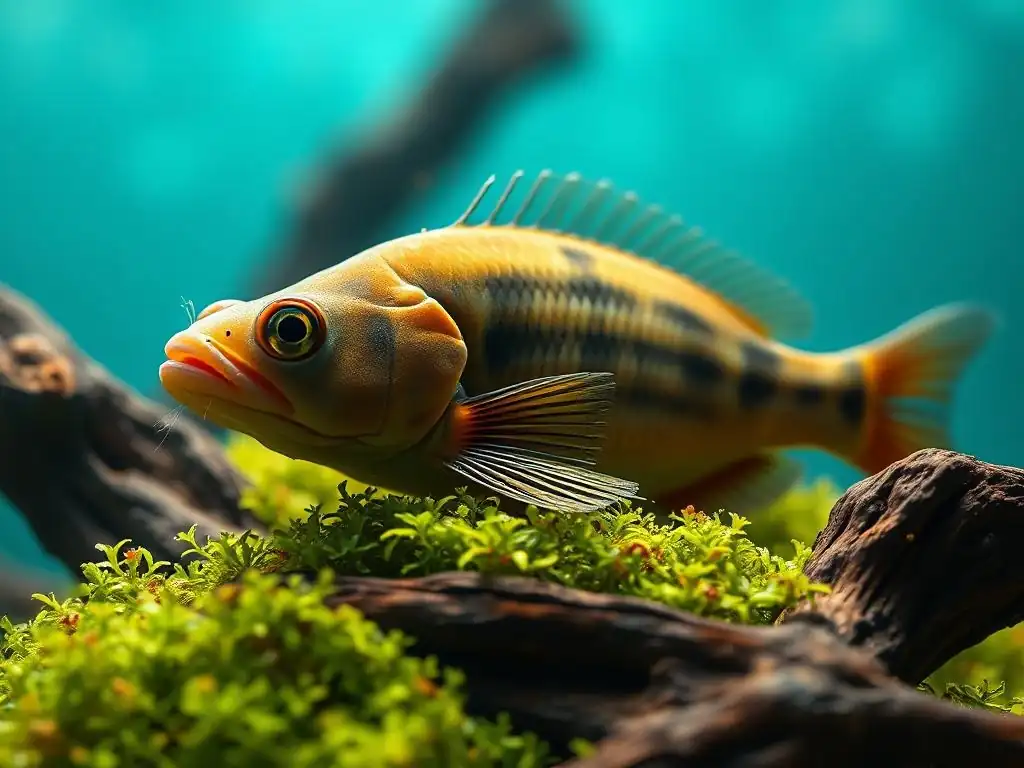
Common Pleco (Hypostomus plecostomus): The Common Algae Eater
The Common Pleco, scientifically known as Hypostomus plecostomus or similar large species within the Loricariidae family, is perhaps the most widely recognized algae eater in the hobby. Originating from the rivers of South America, these fish are characterized by their armored bodies and distinctive suckermouths. Young Common Plecos are highly efficient at consuming various types of soft green algae and diatoms, making them a popular choice for initial algae control.
However, their suitability as a long-term solution for most home aquariums is often overestimated due to their immense size potential. A Common Pleco can grow rapidly, reaching impressive lengths of 18 to 24 inches (45 to 60 cm) within a few years, and can live for 10 to 15 years or even longer with proper care.
This substantial growth means they quickly outgrow typical home tanks, often requiring aquariums of 75-100 gallons or more to thrive, which many hobbyists do not possess. As they mature, their diet also shifts, with a reduced interest in algae and an increased preference for prepared foods and even protein, leading to significant waste production.
Bristlenose Pleco (Ancistrus sp. ): A More Manageable Algae Grazer
The Bristlenose Pleco ( Ancistrus sp.), often referred to simply as Ancistrus, is a much more manageable and popular alternative to the Common Pleco for the average home aquarium. Native to the Amazon basin, these charming catfish are distinguished by the fleshy, tentacle-like bristles that males develop on their snouts, which are particularly prominent during breeding. Unlike their larger cousins, Bristlenose Plecos typically reach a maximum size of 3 to 5 inches (7 to 13 cm), making them suitable for tanks as small as 20-30 gallons.
Bristlenose Plecos are highly effective and dedicated algae grazers, particularly fond of soft green algae, diatoms (brown algae), and biofilm. Their smaller size means they produce significantly less waste than Common Plecos, thereby contributing less to the tank's bioload. They are also known for their relatively peaceful temperament, making them excellent candidates for most community aquariums. With a lifespan typically ranging from 5 to 8 years, these hardy and efficient cleaners are often considered a superior choice among the best algae eating catfish for their consistent performance and appropriate size.
Otocinclus Catfish (Otocinclus affinis): The Small but Mighty Algae Crew
Otocinclus catfish, commonly known as "Otos" or "Dwarf Suckermouth Catfish" ( Otocinclus vittatus and Otocinclus affinis are common species), are the smallest of the three contenders, rarely exceeding 1.5 to 2 inches (3 to 5 cm) in length. These diminutive yet incredibly efficient algae eaters originate from the clear, slow-moving waters of South America. Their small size and gentle nature make them ideal for nano tanks and heavily planted aquariums where larger fish might be too disruptive.
Otos are highly specialized grazers, excelling at consuming diatoms (brown algae), soft green algae, and the biofilm that accumulates on plant leaves and aquarium decorations. They are constant grazers, meticulously cleaning surfaces without damaging delicate plant foliage.
Due to their schooling nature, Otocinclus catfish thrive when kept in groups of at least 6 individuals, which not only makes them feel secure but also enhances their algae-eating efficiency. While their lifespan is typically shorter, around 3 to 5 years, their unparalleled ability to reach into tight spaces and their continuous grazing make them a top contender for the title of best algae eating catfish for smaller, planted setups.
Algae Eating Abilities Compared: Pleco vs. Ancistrus vs. Oto
Algae Types Consumed: What Each Catfish Eats
The effectiveness of an algae eater largely depends on the specific types of algae it prefers. Common Plecos, especially when young, are generalists; they will graze on various soft green algae, diatoms, and even some tougher green spot algae. However, as they grow, their diet diversifies, and they often become less reliant on algae, preferring prepared foods and even consuming protein. They are generally not effective against tough algae like Black Beard Algae (BBA) or hair algae.
Bristlenose Plecos are highly effective against soft green algae, brown diatoms, and the biofilm that coats surfaces. Their rasping mouthparts are well-suited for scraping these types of growth from glass, rocks, and driftwood. While diligent, they are typically not the best algae eating catfish for controlling fibrous hair algae or the stubborn Black Beard Algae.
Otocinclus catfish are specialists in diatoms (brown algae) and soft, thin green algae, as well as the microscopic biofilm that is often invisible to the naked eye. They are meticulous cleaners of plant leaves and fine decorations, but their small mouths and gentle scraping action mean they are ineffective against tough, stringy, or brush-like algae varieties.
Efficiency in Algae Removal: Comparison of Algae Consumption Rates
The rate and thoroughness of algae removal vary significantly among these species. Common Plecos, due to their sheer size, can consume a large volume of algae when they are young and actively grazing. However, their efficiency often diminishes with age as they seek out other food sources and their waste production increases, potentially contributing to future algae issues. A mature Common Pleco might graze less than 10% of its diet from algae in a well-fed tank.
Bristlenose Plecos offer a more consistent and sustained efficiency. A single adult Bristlenose can effectively manage soft algae in a 20-30 gallon tank, continuously grazing throughout the day. They are known for their diligent cleaning, often leaving surfaces visibly clear of soft green and brown algae within a few days of introduction.
Otocinclus catfish, despite their tiny size, are incredibly efficient for the specific types of algae they consume. A small school of 6-8 Otos can keep a 10-20 gallon tank remarkably free of diatoms and thin green film algae, constantly patrolling every surface. Their continuous grazing makes them arguably the best algae eating catfish for pristine plant leaves and delicate decor in smaller, planted aquariums.
Tank Size Requirements for Effective Algae Control
Matching the catfish to the appropriate tank size is crucial for both their well-being and their effectiveness as algae eaters. Common Plecos, due to their potential to grow over 20 inches (50 cm), require truly massive aquariums, ideally 75-100 gallons minimum for a single adult. Keeping them in smaller tanks will stunt their growth, lead to health issues, and result in a significant bioload that can worsen water quality and algae problems.
Bristlenose Plecos, with their modest adult size of 3-5 inches (7-13 cm), are well-suited for medium-sized aquariums. A single Bristlenose can comfortably inhabit a 20-30 gallon tank, while larger tanks can accommodate a pair or a small group, provided there are enough hiding spots and territories. Otocinclus catfish, being the smallest, are perfect for smaller setups. A school of 6-8 Otos can thrive in a 10-gallon aquarium or larger, making them the best algae eating catfish choice for nano tanks and densely planted tanks where space is limited. Their small footprint allows for effective algae control without overcrowding.
Temperament and Compatibility: Choosing the Right Catfish for Your Community Tank
Pleco Compatibility: Potential Aggression and Tank Mate Considerations
The temperament of Common Plecos can be a significant factor in their suitability for community tanks. While generally peaceful when young, as they mature and grow to impressive sizes, they can become territorial and occasionally aggressive. They may harass slower-moving, flat-bodied fish such as Discus or Angelfish, sometimes even attempting to "suck" on their slime coat, which can cause severe stress and injury.
Common Plecos are best housed with fast-moving, robust fish that occupy the mid to upper levels of the tank, or in very large setups where they have ample space to establish a territory without infringing on other inhabitants. They can also be destructive to live plants, uprooting them or rasping on their leaves, making them less ideal for planted aquariums. Careful consideration of tank mates and tank size is essential to prevent conflicts and ensure a harmonious environment if you choose this large algae eater.
Ancistrus Compatibility: Peaceful Nature and Tank Mate Suitability
Bristlenose Plecos are highly regarded for their peaceful and non-aggressive nature, making them an excellent addition to most community aquariums. They generally coexist well with a wide variety of fish, from small schooling tetras to larger, semi-aggressive cichlids, as long as the tank mates do not view them as food. While males can exhibit some territoriality towards other male Bristlenoses, especially in smaller tanks or during breeding, this behavior rarely escalates into serious aggression or harm.
Their bottom-dwelling, algae-grazing habits mean they typically do not interfere with mid-water or top-dwelling fish. They are also less prone to damaging plants compared to Common Plecos, although very soft-leaved plants might occasionally show minor rasping marks if algae is scarce. This amiable disposition, combined with their effective algae control, makes the Bristlenose Pleco a strong contender for the best algae eating catfish in diverse community tank settings.
Otocinclus Compatibility: Schooling Behavior and Community Tank Harmony
Otocinclus catfish are among the most peaceful and shy algae eaters available, making them perfectly suited for delicate community tanks, especially those with small, non-aggressive fish. Their diminutive size and timid nature mean they are easily intimidated by larger, boisterous, or aggressive tank mates. It is crucial to house Otos with equally peaceful species such as small tetras (e.g., Neon Tetras, Ember Tetras), rasboras, dwarf gouramis, or peaceful livebearers like Guppies.
A key aspect of Otocinclus compatibility is their strong schooling behavior. They thrive and feel secure when kept in groups of at least 6 individuals, and ideally more. Keeping them alone or in small numbers can lead to stress, shyness, and a reduced lifespan. Their gentle grazing habits ensure they do not harm plants or other tank inhabitants. For a peaceful, planted community tank seeking the best algae eating catfish for meticulous cleaning, Otocinclus are an unparalleled choice, provided their specific social and environmental needs are met.
Care Requirements: Ensuring the Health of Your Algae Eating Catfish
Water Parameter Needs: Ideal Temperature, pH, and Hardness
Maintaining stable and appropriate water parameters is fundamental for the health and longevity of any aquarium inhabitant, including algae-eating catfish. Common Plecos are relatively tolerant but thrive in temperatures between 72-82°F (22-28°C), a pH range of 6.5-7.5, and moderate hardness (GH 5-15 dGH). They can adapt to slight variations but prefer consistent conditions.
Bristlenose Plecos are similarly adaptable, preferring temperatures from 72-80°F (22-27°C), a pH between 6.0-7.5, and moderate hardness (GH 5-15 dGH). They are quite hardy once established. Otocinclus catfish, however, are considerably more sensitive to water quality fluctuations. They prefer slightly cooler temperatures, typically 72-79°F (22-26°C), a slightly acidic to neutral pH of 6.0-7.5, and soft to moderately hard water (GH 2-15 dGH). Sudden changes in parameters, especially ammonia and nitrite spikes, can be fatal for Otos, making careful acclimation and consistent water quality paramount for these delicate cleaners.
Diet Supplementation: When Algae Isn't Enough
While these catfish are renowned for their algae-eating abilities, a diet solely reliant on tank algae is rarely sufficient for their long-term health. All three species require dietary supplementation. Common Plecos, especially as they grow, need a varied diet of sinking algae wafers, spirulina pellets, and blanched vegetables such as zucchini, cucumber, and peas. Driftwood is also essential for their digestion, providing necessary lignin.
Bristlenose Plecos similarly benefit from high-quality algae wafers, sinking pellets, and blanched vegetables. Like Common Plecos, driftwood is crucial for their digestive health and should always be present in their tank. Otocinclus catfish, despite their small size, also need supplementation, particularly if the tank's algae supply is low.
Fine-grained algae wafers (sometimes crushed for their tiny mouths), blanched spinach, zucchini, and specialized Oto pellets are excellent additions. Ensuring a consistent food source is vital, as Otos are prone to starvation if adequate algae or supplemental food is not available, which can affect their performance as the best algae eating catfish.
Tank Maintenance: Importance of Water Changes and Substrate Cleaning
Consistent and thorough tank maintenance is critical for preventing algae outbreaks and ensuring the health of your algae-eating catfish. Regular water changes are perhaps the most important single practice. For most aquariums, a 25-30% weekly water change is recommended. This practice removes nitrates, phosphates, and other dissolved organic compounds that fuel algae growth, while replenishing essential minerals. For large waste producers like Common Plecos, more frequent or larger water changes may be necessary to manage their significant bioload effectively.
Substrate cleaning, often done with a gravel vacuum, helps remove uneaten food, fish waste, and decaying plant matter that accumulate in the substrate. This detritus contributes to nutrient buildup, which directly promotes algae proliferation. A clean substrate reduces the available food for algae and maintains overall water quality. Combined with effective filtration, proper lighting management, and appropriate stocking levels, diligent water changes and substrate cleaning form the backbone of a healthy aquarium environment, minimizing the workload for even the best algae eating catfish.
Potential Drawbacks: Considering the Cons of Each Algae Eater
Pleco Drawbacks: Size, Waste Production, and Plant Damage
Despite their reputation, Common Plecos come with several significant drawbacks that often make them unsuitable for the average home aquarium. The most prominent issue is their eventual size; a Common Pleco can easily reach 18-24 inches (45-60 cm) within a few years, rapidly outgrowing tanks smaller than 75-100 gallons. This leads to stunted growth, stress, and health problems for the fish.
Furthermore, these large fish are prolific waste producers. A mature Common Pleco can generate a bioload equivalent to several dozen smaller fish, necessitating robust filtration and very frequent, large water changes to maintain water quality. Their substantial waste can actually contribute to nutrient buildup, ironically fostering algae growth in an improperly maintained tank. Lastly, Common Plecos can be destructive to live plants, uprooting them or rasping holes in broad-leafed species, especially when algae is scarce or they are not adequately fed with vegetables.
Ancistrus Drawbacks: Breeding Prolificacy and Wood Requirements
While Bristlenose Plecos are generally excellent algae eaters, they do have a couple of considerations. One potential drawback is their breeding prolificacy. In suitable conditions, a male and female pair can breed quite readily, producing dozens of fry in a single clutch. Without a plan for managing the offspring, this can quickly lead to overpopulation in a home aquarium, straining the tank's bioload and resources. Hobbyists must be prepared to either find homes for the fry or manage breeding to prevent overcrowding.
Another important aspect of Bristlenose care is their absolute requirement for driftwood in their tank. Lignin, a substance found in wood, is crucial for their digestion. Without access to driftwood to rasp on, Bristlenose Plecos can suffer from digestive issues, poor health, and even death. While this isn't a direct "drawback" in terms of their algae-eating ability, it is a non-negotiable care requirement that adds to the setup complexity.
Otocinclus Drawbacks: Sensitivity to Water Quality and Acclimation Challenges
Otocinclus catfish, despite being among the best algae eating catfish for smaller tanks, are notoriously delicate and sensitive, especially during the initial acclimation period. They are often wild-caught and can suffer significant stress during transportation, leading to high mortality rates (sometimes 30-50%) within the first few weeks after purchase. They are highly susceptible to poor water quality, especially ammonia and nitrite spikes, and even elevated nitrate levels can be detrimental.
Their sensitivity necessitates a well-established, mature aquarium with stable water parameters and a slow, drip-acclimation process. Furthermore, Otos can be prone to starvation if there isn't a consistent supply of soft algae or if their supplemental diet is insufficient. Their tiny mouths and specialized diet mean they won't consume larger food particles, and they may struggle to compete for food in a tank with more aggressive eaters. Careful attention to their delicate nature is crucial for their survival and performance.
Choosing the Best Algae Eating Catfish for Your Aquarium: A Summary
Factors to Consider: Tank Size, Algae Type, and Tank Mates
Selecting the best algae eating catfish for your aquarium requires a careful evaluation of several key factors. Firstly, tank size is paramount. Common Plecos demand very large aquariums (75-100+ gallons) due to their potential to grow over 20 inches, making them unsuitable for most home setups. Bristlenose Plecos, reaching 3-5 inches, are ideal for medium tanks (20-30+ gallons), while the tiny Otocinclus (1.5-2 inches) thrive in smaller tanks (10+ gallons) when kept in schools.
Secondly, consider the algae type prevalent in your tank. Otocinclus excel at consuming diatoms (brown algae) and soft green film algae on plants and glass. Bristlenose Plecos are highly effective against soft green algae and diatoms on all surfaces, including driftwood. Common Plecos are generalists but become less effective on algae as they mature. Lastly, tank mates are crucial for compatibility. Otocinclus require peaceful, small community fish. Bristlenose Plecos are generally peaceful and fit well into most community tanks. Common Plecos can be territorial and potentially harmful to slow, flat-bodied fish, requiring robust tank mates.
Recommendations Based on Aquarium Type: Specific Fish for Planted Tanks, Community Tanks, etc.
Based on the factors discussed, specific recommendations can be made for different aquarium types. For heavily planted tanks with delicate foliage, the Otocinclus catfish is arguably the best algae eating catfish. Their small size and gentle grazing ensure they meticulously clean plant leaves without causing damage, and they thrive in the stable conditions of a well-planted setup. A school of 6-8 Otos can keep a 10-20 gallon planted tank pristine.
For a general community tank ranging from 20 to 75 gallons, the Bristlenose Pleco is an outstanding choice. Their manageable size, peaceful temperament, and consistent algae-eating habits (especially for soft green and brown algae) make them compatible with a wide array of tank mates and less prone to plant damage than larger plecos.
For very large community tanks or cichlid setups (75+ gallons), a Common Pleco might be considered, but only if the aquarist is prepared for their immense size, significant waste production, and potential for plant disruption. In such cases, a large school of Bristlenose Plecos or even a combination of Bristlenose and Otocinclus in a multi-species tank often provides superior, more manageable algae control.
Maintaining a Balanced Aquarium Ecosystem: Beyond Algae Eaters
The Role of Lighting and Nutrients in Algae Growth
While algae-eating catfish are invaluable tools, they are just one component of a holistic algae control strategy. Understanding the fundamental drivers of algae growth – lighting and nutrients – is critical for long-term success. Excessive or inappropriate lighting is a common culprit. Aquariums typically require 8-10 hours of light per day; extending this duration, using overly powerful lights for the tank's depth, or employing incorrect spectrums (e.g., too much blue or green light) can trigger rapid algae proliferation. Adjusting the photoperiod or light intensity can significantly curb algae blooms.
Similarly, an excess of nutrients in the water column directly fuels algae growth. The primary culprits are nitrates and phosphates, which accumulate from fish waste, uneaten food, and decaying organic matter. While plants consume these nutrients, an imbalance (e.g., too many nutrients for the plant mass) will favor algae. Proper plant fertilization, avoiding overfeeding, and ensuring adequate plant mass are essential steps to outcompete algae for available nutrients.
Effective Filtration for Reducing Algae Bloom Potential
Effective filtration is a cornerstone of a healthy, algae-free aquarium. A robust filtration system plays a crucial role in removing the organic compounds and nutrients that contribute to algae growth. Mechanical filtration, typically via sponges or filter floss, physically removes particulate matter such as uneaten food, fish waste, and detritus from the water column before it breaks down and releases nutrients. Regular cleaning or replacement of mechanical media is essential to prevent it from becoming a source of nitrates itself.
Biological filtration, facilitated by media like ceramic rings, bio-balls, or sponges, houses beneficial bacteria that convert toxic ammonia and nitrite into less harmful nitrates. A well-established biological filter is vital for maintaining stable water parameters and preventing the buildup of nitrogenous compounds that feed algae. Chemical filtration, such as activated carbon or specialized phosphate removers, can also be employed to target specific nutrient imbalances or remove dissolved organic compounds that contribute to water discoloration and algae potential. A multi-stage filtration approach significantly reduces the overall nutrient load, complementing the efforts of the best algae eating catfish.
Regular Water Changes: A Key Component of Algae Prevention
Among all aquarium maintenance practices, regular water changes are arguably the most impactful for preventing algae and maintaining overall tank health. Water changes directly remove nitrates, phosphates, and other dissolved organic compounds that accumulate in the aquarium water over time and act as primary fuel for algae growth. While filtration systems work to process these compounds, they cannot remove them entirely from the water column; only physical removal through water changes achieves this.
A standard recommendation is to perform a 25-30% water change weekly. This routine not only reduces the nutrient load but also replenishes essential trace elements and minerals that are consumed by fish and plants. Consistent water changes dilute pollutants, stabilize water parameters, and reduce the likelihood of algae outbreaks, creating an environment where even the best algae eating catfish can thrive and perform their duties most effectively. Neglecting water changes almost inevitably leads to nutrient buildup and a flourishing algae problem.
Conclusion: Achieving a Pristine Aquarium with the Right Algae Eating Catfish.
In the quest for a pristine, algae-free aquarium, selecting the right natural cleaner is a crucial step. While all three contenders—the Common Pleco, Bristlenose Pleco, and Otocinclus catfish—are renowned for their algae-eating capabilities, the "best algae eating catfish" is ultimately determined by the specific characteristics of your aquarium. The Common Pleco, despite its initial appeal, is largely unsuitable for most home setups due to its immense size and high bioload.
For the vast majority of aquarists, the Bristlenose Pleco offers a superb balance of effective algae control, manageable size, and peaceful temperament, making it an ideal choice for medium to large community tanks. For smaller, delicate, or heavily planted aquariums, the Otocinclus catfish, when kept in schools, stands out as an unparalleled cleaner of fine algae and biofilm.
Regardless of your choice, remember that these fish are living creatures with specific needs beyond just eating algae. A balanced approach, combining the right algae-eating catfish with proper lighting, nutrient control, robust filtration, and consistent water changes, is the true secret to maintaining a vibrant, healthy, and pristine aquarium ecosystem.
Frequently Asked Questions
How effective are Plecos as algae eaters compared to other catfish?
Plecos, especially the Common Pleco, are often chosen for their algae-eating reputation, but their effectiveness varies. Young Plecos are voracious algae eaters, but as they mature, they often develop a preference for other foods, reducing their algae consumption.
Are Ancistrus catfish a good choice for smaller aquariums?
Yes, Ancistrus catfish, also known as Bristlenose Plecos, are generally a good choice for smaller tanks. They tend to stay smaller than Common Plecos and are more dedicated algae eaters throughout their lives, making them suitable for tanks where space is a concern.
Do Otocinclus catfish effectively clean all types of algae?
Otocinclus are excellent algae eaters, particularly for soft green algae and diatoms. However, they may not be as effective at consuming tougher algae types like black beard algae (BBA).
What are the primary factors to consider when choosing an algae-eating catfish for my aquarium?
Consider the size of your aquarium, the type of algae you're dealing with, and the temperament of your other fish. Different catfish have different requirements and behaviors that might not be suitable for all tank setups.
How can I supplement the diet of my algae-eating catfish to ensure they are getting enough nutrition?
Even with algae present, supplement their diet with algae wafers, blanched vegetables (like zucchini or spinach), and sinking pellets. This ensures they receive a balanced diet and remain healthy even when algae levels fluctuate.
Final Reflection: The Unsung Heroes of the Aquarium
The quest for a pristine aquarium often leads us to consider the unsung heroes of the aquatic world: the algae-eating catfish. Their tireless work in maintaining balance and clarity is a testament to the power of natural solutions in even the most controlled environments. Understanding the nuances between species like the Pleco, Ancistrus, and Oto, as we've explored, is crucial for creating a thriving and harmonious ecosystem within our glass walls.
This exploration into the best algae-eating catfish has not only provided practical guidance but has also highlighted the delicate interconnectedness of life within an aquarium. It reminds us that even seemingly small choices, like selecting the right cleanup crew, can have a profound impact on the overall health and beauty of our aquatic landscapes. In nature, nothing exists alone.
- Rachel Carson. This quote resonates deeply when considering the role these catfish play, not just as algae eaters, but as integral parts of a larger, living system.
Now, armed with this knowledge, consider the potential for positive change within your own aquarium. Reflect on the specific needs of your tank, the types of algae you're battling, and the temperament of your existing inhabitants. Choose wisely, not just for the sake of a cleaner tank, but for the well-being of the creatures within it. Let's strive to create aquariums that are not only visually stunning but also thriving ecosystems, where every member, from the smallest Oto to the most vibrant fish, can flourish.
Unleash the Power of a Sparkling Clean Aquarium!
Thank you for diving deep into the world of algae-eating catfish! We hope you've gained a clearer understanding of which species best suits your aquarium's needs. Now, it's time to take action and create a thriving, algae-free environment for your aquatic friends!
Here are some next steps to consider:
- Carefully evaluate your aquarium size and algae type and choose the perfect algae-eating catfish for your setup – whether it's the Pleco, Ancistrus, or Oto!
- Explore alternative methods for algae control, such as adjusting your lighting schedule or manually removing algae, and share your experiences with other aquarium enthusiasts.
- Consider setting up a dedicated algae culture to supplement your catfish's diet and ensure they always have a healthy snack available!
Ready to welcome your new algae-eating superhero into your aquarium?