
From Wild Stock to Designer Fish: The Journey of LineBred Swordtails

Welcome to Aquarium Mastery!
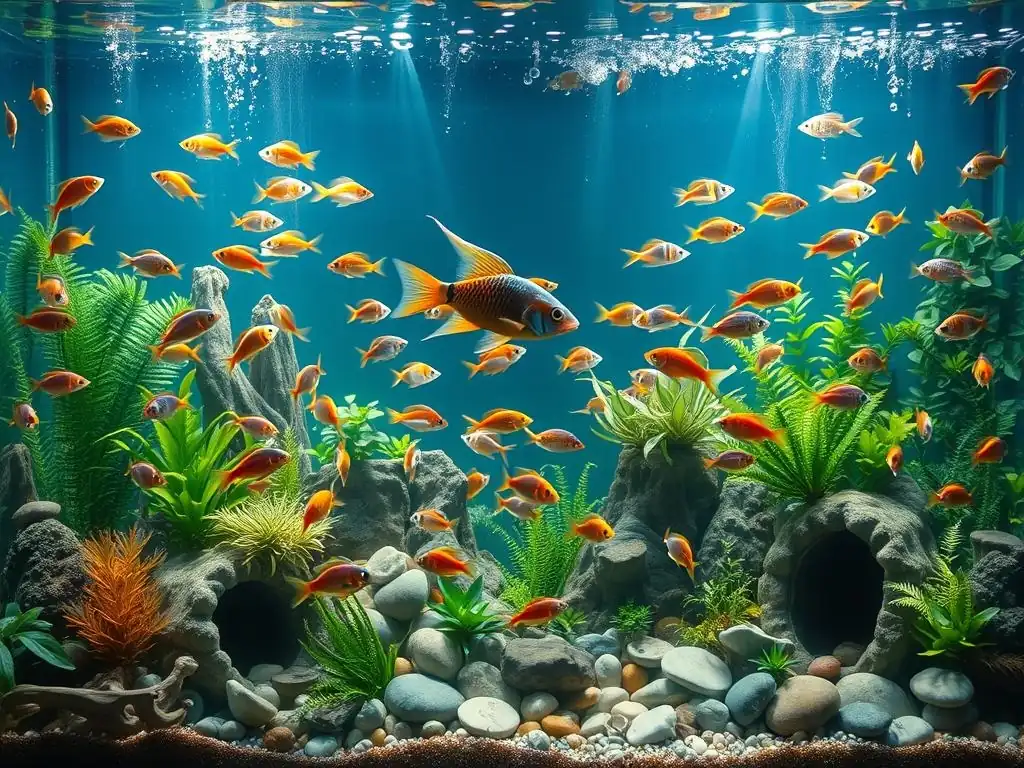
Ever wondered how those stunning, brightly colored swordtails you see at your local fish store come to be? Dive into the fascinating world of linebred swordtail breeding care and unlock the secrets to creating your own vibrant strains. Get ready to embark on a journey from wild stock to designer fish, and discover the techniques that will transform you into a true Aquarium Master! Eager to learn more? Let's get started!
- Understanding Linebred Swordtails: An Introduction to Selective Breeding
- The Fundamentals of Linebred Swordtail Breeding Care
- Linebreeding Swordtails: A Step-by-Step Guide
- Advanced Linebreeding Techniques for Swordtails
- Common Challenges in Linebred Swordtail Breeding and How to Overcome Them
- Linebred Swordtail Varieties: A Showcase of Designer Fish
- The Future of Linebred Swordtail Breeding: Trends and Innovations
- Resources for Linebred Swordtail Breeders
-
Frequently Asked Questions
- How does linebreeding impact the overall health and genetic diversity of swordtails?
- What are the key environmental factors to consider when caring for linebred swordtails?
- What specific dietary needs do linebred swordtails have compared to wild-type swordtails?
- What are some common health issues that linebred swordtails are prone to, and how can I prevent them?
- How can I successfully breed linebred swordtails to maintain or enhance specific traits?
- Final Reflection: The Enduring Art of Selective Breeding
- Unleash Your Inner Fishkeeper: Shape the Future of Swordtails!
Understanding Linebred Swordtails: An Introduction to Selective Breeding
What are Linebred Swordtails and Why are They So Popular?
Linebred swordtails are a testament to selective breeding, where aquarists meticulously choose parent fish with desirable traits to produce offspring that consistently exhibit those characteristics. Unlike their wild counterparts, which display a more uniform appearance, linebred varieties showcase an astonishing array of colors, fin shapes, and patterns. This controlled genetic selection has led to the development of stunning strains like the Red Velvet, Pineapple, and Lyretail swordtails, making them highly sought after by hobbyists.
Their popularity stems from several factors: the predictable beauty they offer, the challenge and reward of the linebred swordtail breeding care process, and their generally robust nature as livebearers. For instance, a well-established line of Red Velvet swordtails can consistently produce over 90% offspring with the desired intense red coloration, a stark contrast to the variability seen in mixed-stock populations. This predictability allows aquarists to create visually cohesive displays and pursue specific breeding goals with greater success.
The Origins: From Wild Swordtails to Aquarium Favorites
The journey of the swordtail ( Xiphophorus hellerii) from a humble wild fish to a designer aquarium staple began in the freshwaters of Central America, specifically Mexico, Guatemala, and Honduras. In their natural habitat, these fish typically exhibit a greenish-silver body with a prominent red or orange stripe running along the lateral line, and males possess the characteristic elongated "sword" on their caudal fin. Early aquarium enthusiasts recognized their hardiness and live-bearing nature, making them easy to breed and distribute.
The transformation into "designer fish" started with the identification and isolation of natural mutations. For example, the first red swordtails were likely the result of a spontaneous genetic mutation that intensified red pigmentation. Breeders then began the intensive process of linebred swordtail breeding care, selecting individuals with the strongest red color, breeding them together, and culling offspring that did not meet the desired standard. Over decades, this iterative process, which often involves hundreds of fish per generation, led to the stabilization of distinct color morphs and fin types, far removed from their wild ancestors.
The Fundamentals of Linebred Swordtail Breeding Care
Essential Tank Setup for Linebred Swordtails
A successful linebred swordtail breeding care program begins with an appropriate tank setup that caters to the specific needs of these active livebearers. For a small breeding group, consisting of one male and two to three females, a minimum 20-gallon long aquarium is recommended. This provides ample swimming space and helps to disperse the male's attention among multiple females, reducing stress. For larger breeding projects or grow-out tanks for fry, 30- to 40-gallon tanks are often preferred.
Filtration should be gentle yet effective; sponge filters are excellent for breeding tanks as they provide biological filtration without strong currents that could stress fish or suck in delicate fry. Substrate can be fine gravel or sand, and dense planting is crucial. Plants like Java moss, Anubias, and Hornwort offer essential hiding spots for pregnant females and, more importantly, provide sanctuary for newly born fry, significantly increasing their survival rate. A reliable heater is also necessary to maintain stable water temperatures.
Water Parameters and Maintaining Ideal Conditions for Swordtail Health
Maintaining pristine and stable water parameters is paramount for robust linebred swordtail breeding care and the overall health of your fish. Swordtails thrive in temperatures ranging from 72°F to 79°F (22°C to 26°C), with temperatures on the higher end of this spectrum often encouraging breeding activity. The pH should be kept slightly alkaline, ideally between 7.0 and 8.0, while water hardness (GH) should be moderate to hard, roughly 10-25 dGH.
Crucially, ammonia and nitrite levels must always be at zero, and nitrates should be kept below 20 ppm. This requires a fully cycled aquarium and consistent weekly water changes of 25-30%. Regular testing with a reliable liquid test kit is indispensable for monitoring these parameters. Unstable or poor water quality can lead to stress, disease outbreaks, and reduced fertility or fry survival, undermining all efforts in linebred swordtail breeding care.
Diet and Nutrition: Optimizing Growth and Color in Linebred Swordtails
Optimal diet and nutrition are not just about survival; they are critical for maximizing growth, enhancing color vibrancy, and ensuring the reproductive success of linebred swordtails. As omnivores, swordtails benefit immensely from a varied diet. A high-quality flake or pellet food should form the staple of their diet, fed 2-3 times daily in small amounts that can be consumed within a few minutes.
To truly optimize their health and bring out their best coloration, supplementation with live or frozen foods is essential. Bloodworms, brine shrimp, and daphnia, offered 2-3 times per week, provide crucial protein and fat content, conditioning the breeding stock. Incorporating vegetable matter, such as spirulina flakes, blanched zucchini, or algae wafers, ensures they receive necessary plant-based nutrients. For specific color morphs like the Red Velvet, diets rich in carotenoids (e.g., astaxanthin-enhanced foods) can significantly intensify their red pigmentation, showcasing the dedication required for specialized linebred swordtail breeding care.
Linebreeding Swordtails: A Step-by-Step Guide
Selecting Breeding Stock: Identifying Desirable Traits
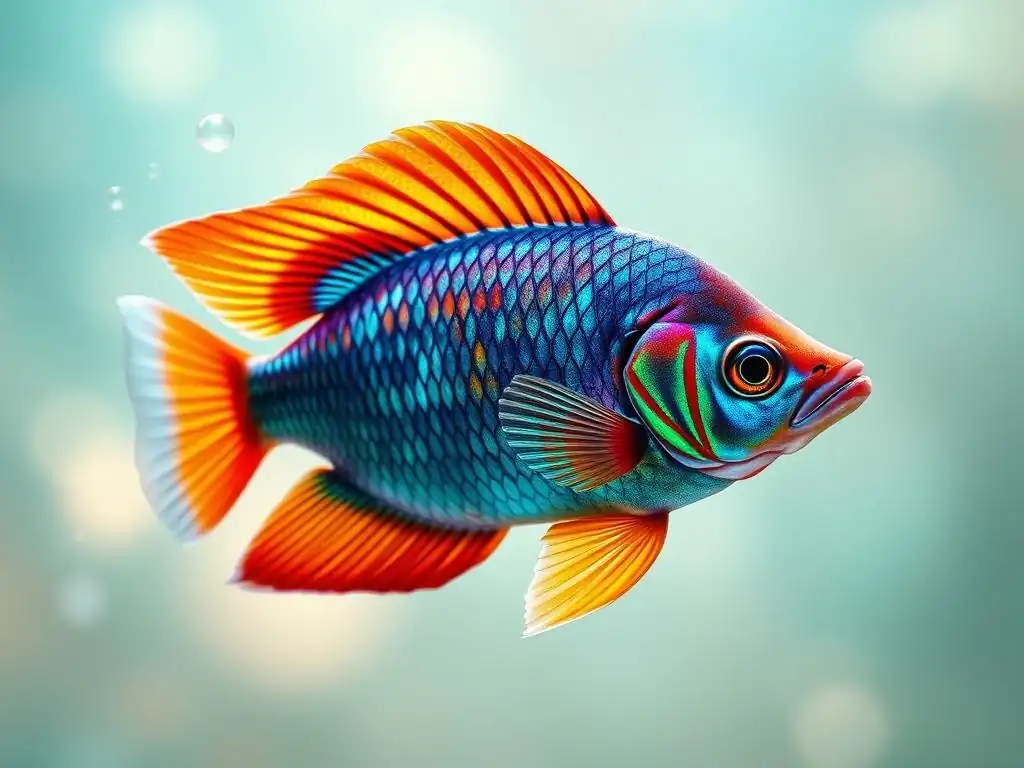
The cornerstone of successful linebred swordtail breeding care lies in the meticulous selection of your breeding stock. Do not simply pick any male and female; instead, choose individuals that exemplify the traits you wish to intensify in future generations. This involves a keen eye for health, vigor, and the specific aesthetic qualities you're targeting, such as intense coloration, symmetrical finnage, or a particular body shape. Avoid any fish exhibiting signs of disease, deformities like bent spines or misshapen fins, or stunted growth, as these issues can be genetically passed down.
For instance, if your goal is to enhance the deep red of a Red Velvet strain, select the male and females that display the most uniform, vibrant, and deep red across their entire bodies, with minimal black or orange spots. Observe their swimming patterns and overall behavior; active, alert fish are generally healthier. It is often beneficial to select young adults, typically around 3-4 months old, who are just reaching sexual maturity, as they tend to have a longer productive breeding life.
Setting Up a Breeding Tank for Swordtails
A dedicated breeding tank is highly recommended to control the breeding environment and ensure the survival of fry. A 10-20 gallon tank is usually sufficient for a single breeding trio (one male and two females). The tank should be sparsely decorated to make it easier to observe the fish and manage the fry, but it must include ample hiding places for the pregnant females to escape the male's persistent courtship and for fry to seek refuge immediately after birth.
Dense clumps of fine-leaved plants like Java moss, Hornwort, or water sprite are ideal for this purpose. A gentle sponge filter is preferred to prevent fry from being sucked in, and a heater should maintain a stable temperature of 75-78°F (24-25.5°C). Conditioning the breeding pair with high-quality, varied foods for 1-2 weeks prior to placing them in the breeding tank can significantly improve their fertility and the health of their offspring, underscoring the vital role of preparation in linebred swordtail breeding care.
The Breeding Process: From Courtship to Fry
Swordtails are livebearers, meaning the female retains the eggs internally and gives birth to live, free-swimming fry. The breeding process begins with the male pursuing the female, displaying his sword and attempting to fertilize her using his gonopodium (a modified anal fin). Once fertilized, a female swordtail can store sperm for several months, allowing her to produce multiple batches of fry from a single mating, even without the male present.
The gestation period typically lasts between 28 to 30 days, though this can vary slightly based on temperature, nutrition, and individual fish. As the female approaches birth, her abdomen will swell significantly, and a dark "gravid spot" will become more pronounced near her anal fin. When she is ready to give birth, she will often seek seclusion among dense plants. She releases fry individually, and a single drop can range from 20 to over 100 fry, depending on the female's size, age, and health. Observing this critical stage is a rewarding part of linebred swordtail breeding care.
Caring for Swordtail Fry: Ensuring Healthy Development
Once the swordtail fry are born, swift action is often necessary to maximize their survival rate, as adult swordtails, including the mother, may prey on them. The most effective method is to either remove the adult fish from the breeding tank immediately after birth or to move the gravid female to a separate birthing tank before she delivers. Fry are born relatively large and free-swimming, capable of eating finely crushed flake food or specialized fry foods right away.
For optimal growth and development, feed the fry small amounts frequently, about 4-5 times a day. Their diet should consist of high-protein foods such as newly hatched brine shrimp, micro worms, or high-quality powdered flake food. Pristine water quality is paramount for fry health; daily small water changes (10-15%) using temperature-matched, dechlorinated water are crucial to prevent ammonia and nitrite buildup. With proper linebred swordtail breeding care, fry can grow rapidly, reaching sexual maturity and displaying their adult coloration within 3-4 months.
Advanced Linebreeding Techniques for Swordtails
Understanding Genetic Principles in Swordtail Breeding
Advanced linebred swordtail breeding care demands a foundational understanding of genetics. Basic Mendelian principles, such as dominant and recessive traits, govern the inheritance of many characteristics in swordtails. For example, specific genes dictate primary color morphs like red or black, where one allele might be dominant over another. However, many desirable traits, such as the intensity of a red color or the full expression of a lyretail, are polygenic, meaning they are influenced by multiple genes working in concert.
Understanding these genetic principles allows breeders to predict outcomes with greater accuracy and devise effective breeding plans. For instance, the "Li" gene is known to be responsible for the lyretail trait, causing elongated fin rays. A breeder aiming for lyretail swordtails needs to understand how this gene is inherited and how to select for its full expression. Detailed record-keeping of parentage and offspring phenotypes becomes an invaluable tool for tracking genetic lines and understanding the complex interplay of genes in linebred swordtail breeding care.
Selective Breeding Strategies: Focusing on Specific Traits
Implementing effective selective breeding strategies is crucial for refining and fixing desired traits within a line of swordtails. The primary strategy involves careful selection and controlled matings. Inbreeding, mating closely related individuals (e.g., brother-sister or parent-offspring), is often employed to quickly fix desired traits and create a genetically homogenous line. While effective, this carries the risk of inbreeding depression, leading to reduced vigor, fertility, and increased susceptibility to disease.
To mitigate this, breeders often employ outcrossing, introducing new, unrelated bloodlines with similar desired traits to reintroduce genetic diversity and improve overall health, followed by backcrossing to the original line to re-establish the specific traits. Culling is another vital, though sometimes difficult, aspect of linebred swordtail breeding care.
Removing individuals that do not meet the desired standard or exhibit undesirable traits (e.g., poor color, deformities, or weak growth) ensures that only the best examples contribute to the next generation, continuously improving the quality of the line. For a specific example, a dedicated breeder might cull 50% or more of a fry batch to select only the top performers for their next breeding cycle.
Maintaining Genetic Diversity in Linebred Swordtail Lines
One of the most significant challenges in advanced linebred swordtail breeding care is balancing the goal of fixing specific traits with the necessity of maintaining sufficient genetic diversity. Over-reliance on inbreeding can lead to a genetic bottleneck, where the gene pool becomes too narrow, resulting in inbreeding depression over successive generations. This can manifest as smaller fish, reduced brood sizes (e.g., a drop from 50 fry per spawn to 10-15), increased susceptibility to common diseases like Ich, or even sterility.
To counteract this, experienced breeders adopt several strategies. Maintaining multiple sub-lines of the same variety, periodically crossing individuals between these sub-lines, can help introduce fresh genes without losing the desired characteristics. Another approach is judicious outcrossing with carefully selected, unrelated individuals that possess strong genetics and health, even if they don't perfectly match the desired phenotype. The offspring from such crosses are then selectively bred back into the main line. Aiming to maintain a breeding population of at least 10-15 unrelated individuals across a few generations can help preserve genetic breadth and ensure the long-term vitality of the line.
Common Challenges in Linebred Swordtail Breeding and How to Overcome Them
Preventing Inbreeding Depression in Swordtails
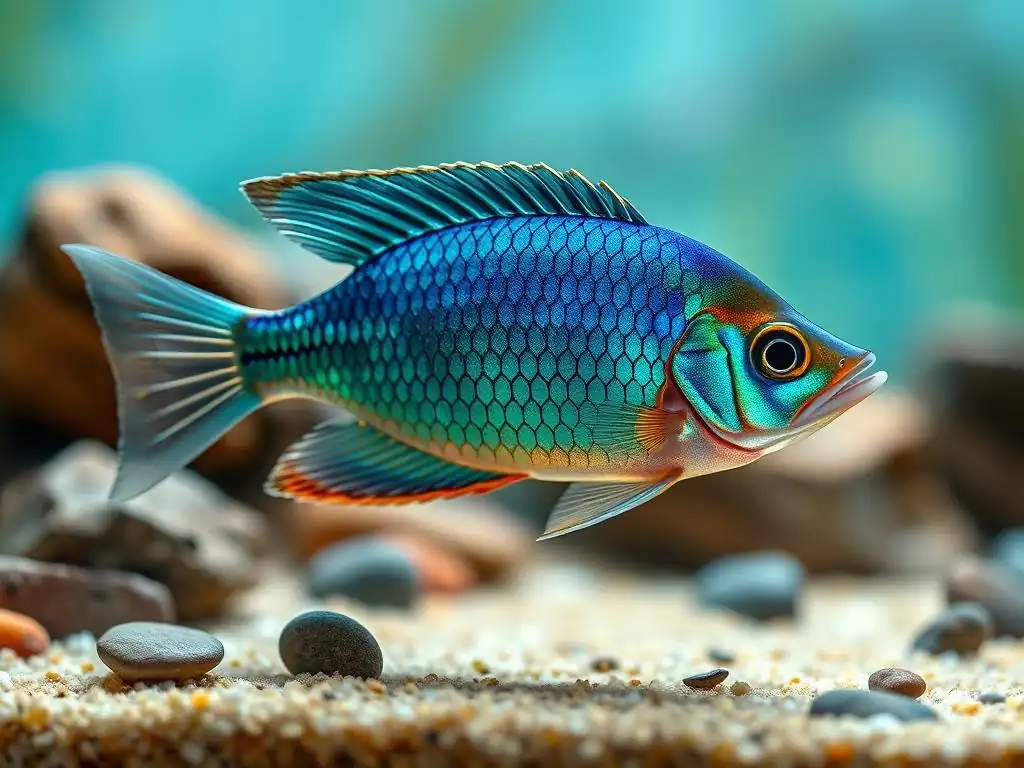
Inbreeding depression is a significant hurdle in linebred swordtail breeding care, manifesting as a decline in the overall health, vigor, and reproductive capacity of a fish line over successive generations of close-relative breeding. Symptoms often include reduced growth rates, smaller adult size, decreased fertility (e.g., fewer fry per spawn or sterile individuals), weakened immune systems making them more prone to common diseases, and an increased incidence of genetic deformities such as bent spines or malformed fins.
To prevent this, breeders must strategically manage their genetic lines. One effective method is rotational breeding, where breeding pairs are selected from different sub-lines within the same variety, ensuring that new genetic material is introduced periodically without losing the desired traits. Another crucial strategy is controlled outcrossing with unrelated individuals of the same species that possess excellent health and desirable traits, even if their specific coloration or finnage isn't identical.
After outcrossing, careful backcrossing to the original line can help re-establish specific traits while refreshing the gene pool. Maintaining detailed pedigree records for each fish is vital for tracking lineage and planning crosses to avoid excessive inbreeding.
Addressing Genetic Defects and Diseases in Linebred Swordtails
Despite careful selection, genetic defects and increased susceptibility to diseases can emerge in linebred swordtails, particularly in highly inbred lines. Common genetic defects include severe spinal deformities (e.g., "kinked" spines), short bodies, fin deformities that impair swimming, and organ malfunctions leading to reduced lifespan or sterility. When such defects appear, the most responsible action in linebred swordtail breeding care is immediate culling of the affected individuals. This prevents the propagation of undesirable genes within the breeding line and maintains the integrity and health of the stock.
Beyond genetic predispositions, linebred fish, due to potentially weaker immune systems from inbreeding, can be more susceptible to common aquarium diseases like Ich (white spot disease), fin rot, or bacterial infections. Therefore, impeccable water quality, stable parameters, and a nutritious diet are even more critical for these fish. A strict quarantine protocol for any new fish introduced to the breeding facility—typically 4-6 weeks in a separate tank—is essential to prevent the introduction of pathogens that could devastate a vulnerable line.
Maintaining Color and Finnage Quality Across Generations
A constant challenge in linebred swordtail breeding care is maintaining the intense color and exquisite finnage that define designer varieties across multiple generations. Without diligent selection, colors can fade or become patchy, and finnage can become shorter, less symmetrical, or ragged. This "drift" away from the ideal phenotype can be due to insufficient selective pressure, genetic recombination, or even environmental factors.
To combat this, breeders must implement rigorous culling standards at every stage of development, from fry to adult. For color morphs like the Red Velvet, only fish exhibiting the deepest, most uniform red should be chosen as breeders; any with orange tones, black spotting, or dull coloration should be removed from the breeding program. Similarly, for Lyretail swordtails, individuals with the longest, most symmetrical, and undamaged fins should be prioritized.
A high-quality diet rich in color-enhancing ingredients, such as astaxanthin for red pigments, can also help maximize the expression of genetic potential. Regular assessment and comparison against the ideal standard are key to preventing phenotypic degradation in linebred swordtail breeding care.
Linebred Swordtail Varieties: A Showcase of Designer Fish
Popular Color Morphs and Fin Types in Linebred Swordtails
The world of linebred swordtails is a vibrant tapestry of colors and forms, a direct result of dedicated linebred swordtail breeding care. Among the most popular color morphs are the intense "Red" varieties, ranging from bright cherry to deep crimson. Other striking colors include "Pineapple" (yellowish-orange with black fins), "Koi" (red and white patches), and "Black" (solid black body). Beyond single colors, "Wag" varieties feature a solid body color with black fins, while "Neon" swordtails exhibit iridescent blue or green scales.
Fin types have also been dramatically modified. The "Lyretail" is characterized by elongated rays in the caudal (tail) fin, often accompanied by extended dorsal and anal fins, creating an elegant, flowing appearance. "Hi-Fin" varieties have a significantly taller dorsal fin, sometimes extending almost the length of the back. "Pintail" swordtails have a central extension on their caudal fin, resembling a needle. These traits are often combined, leading to complex and visually stunning fish like the "Red Lyretail" or "Black Wag Hi-Fin," each a testament to the art of linebred swordtail breeding care.
The Red Velvet Swordtail – Breeding for Intense Color
The Red Velvet Swordtail stands as a prime example of successful linebred swordtail breeding care focused on color intensification. The breeding objective for this variety is to achieve a deep, uniform, and vibrant red coloration that covers the entire body, including the fins, with minimal or no other colors like orange or black spotting. This intense red is not a simple dominant trait but often results from the cumulative effect of multiple genes, making its stabilization a significant breeding challenge.
To achieve and maintain the "velvet" quality, breeders must rigorously select only the most intensely red individuals for breeding, culling any fish that show signs of fading color, patchiness, or undesirable orange undertones. Furthermore, diet plays a crucial role; feeding high-quality foods rich in natural carotenoids, such as astaxanthin, can significantly enhance the expression of red pigments, pushing the color intensity to its genetic maximum. A successful Red Velvet line can produce offspring where over 95% exhibit the desired deep red hue, a remarkable achievement in linebred swordtail breeding care.
The Lyretail Swordtail – Enhancing Fin Development
The Lyretail Swordtail is another iconic variety, showcasing the remarkable enhancements in fin development achievable through dedicated linebred swordtail breeding care. The defining characteristic is the dramatically elongated rays in the caudal fin, which form a lyre-like shape, often accompanied by extended dorsal and anal fins. This trait is typically controlled by a specific gene, such as the "Li" gene, which causes the continuous growth of fin rays throughout the fish's life.
Breeding for the ideal Lyretail involves selecting individuals with the longest, most symmetrical, and least damaged fins. Challenges include ensuring the fins don't become so long they hinder swimming or become prone to tearing. Breeders meticulously observe fin development, culling fish with asymmetrical finnage, stunted growth, or those prone to fin damage.
For example, a prime Lyretail male might have caudal fin extensions that are two to three times the length of its body, requiring careful tank setup free of sharp decorations. The goal in linebred swordtail breeding care for Lyretails is to achieve maximum fin length and elegance while maintaining the fish's health and mobility.
The Future of Linebred Swordtail Breeding: Trends and Innovations
Emerging Genetic Research and Its Impact on Swordtail Breeding
The future of linebred swordtail breeding care is increasingly intertwined with advancements in genetic research. As genomic sequencing becomes more accessible and affordable, hobbyist breeders and scientific researchers are gaining a deeper understanding of the genetic architecture underlying specific traits in Xiphophorus hellerii. Identifying the precise genes responsible for color, finnage, and even disease resistance could revolutionize breeding programs. For instance, knowing the exact gene locus for a specific red pigment could allow for more targeted selection, potentially reducing the number of generations needed to fix a trait.
While technologies like CRISPR gene editing are far from mainstream hobbyist use and raise ethical considerations, the basic principles of genetic mapping and marker-assisted selection could one day allow breeders to identify desirable traits in fry much earlier, or even predict the outcome of crosses with greater certainty. This scientific approach could lead to an era of highly precise linebred swordtail breeding care, creating new, stable varieties with unprecedented efficiency and predictability.
The Role of Technology in Advanced Selective Breeding Programs
Technology is already playing a growing role in advanced linebred swordtail breeding care, moving beyond traditional pen-and-paper record-keeping. Digital databases and specialized pedigree software allow breeders to meticulously track individual fish, their parentage, and the traits of their offspring across multiple generations. This data-driven approach enables more informed decisions about which fish to breed, which to cull, and how to manage genetic diversity effectively.
Beyond record-keeping, technologies like high-resolution digital photography and image analysis software can assist in objectively assessing and quantifying phenotypic traits such as fin length, color intensity, or pattern symmetry, reducing subjective bias in selection. While not yet widespread in the hobby, automated feeding systems, advanced water quality monitoring devices, and even smart tank systems could further optimize environmental conditions, allowing breeders to focus more on genetic selection and less on daily manual tasks, thereby enhancing the efficiency and success of linebred swordtail breeding care programs.
Ethical Considerations in Linebred Swordtail Development
As linebred swordtail breeding care continues to push the boundaries of genetic selection, ethical considerations become increasingly important. The primary concern is ensuring that the pursuit of aesthetic traits does not compromise the fish's welfare, health, or natural behavior. For example, extreme finnage, while visually striking, can sometimes impair a fish's ability to swim efficiently, making them more vulnerable to stress or injury. Similarly, some selective breeding practices might inadvertently lead to weakened immune systems or increased susceptibility to specific diseases.
Responsible linebred swordtail breeding care emphasizes a balance between beauty and robustness. This includes:
- Maintaining genetic diversity to prevent inbreeding depression and ensure the long-term health of the line.
- Culling practices that are humane and necessary for the integrity of the breeding program, focusing on health and vigor as much as aesthetics.
- Avoiding the selection for traits that cause significant physical discomfort or reduce the fish's natural lifespan.
- Educating fellow hobbyists about the importance of responsible breeding practices.
Ultimately, the ethical breeder prioritizes the well-being of their fish, ensuring that the designer varieties produced are not only beautiful but also healthy and capable of thriving.
Resources for Linebred Swordtail Breeders
Recommended Books and Articles on Swordtail Genetics and Breeding
For those serious about mastering linebred swordtail breeding care, delving into specialized literature is essential. While specific books solely dedicated to swordtail genetics are rare, broader texts on livebearer genetics and general aquarium fish breeding provide invaluable insights. Key recommendations include:
- "Genetics of the Livebearing Fishes" by Dr. Klaus K. F. L. Korthaus: While highly technical and potentially out of print, this book offers deep insights into the genetic principles applicable to swordtails and other livebearers.
- General aquarium breeding guides: Books by authors like Herbert Axelrod or specific livebearer associations often contain chapters on swordtail breeding, covering basic care and selection.
- Scientific articles: Searching academic databases for research papers on Xiphophorus hellerii genetics, particularly those related to color patterns and fin morphology, can provide cutting-edge information. Publications from institutions studying model organisms like swordtails often yield detailed genetic maps and inheritance patterns.
These resources provide the theoretical foundation necessary to truly understand and excel in advanced linebred swordtail breeding care.
Online Communities and Forums for Swordtail Enthusiasts
The digital age offers an unparalleled platform for sharing knowledge and connecting with fellow enthusiasts passionate about linebred swordtail breeding care. Online communities and dedicated forums are invaluable resources for both novice and experienced breeders.
- Specific Livebearer Forums: Websites like the American Livebearer Association (ALA) forum (though their primary site might link to forums) or other international livebearer groups often have active discussion boards where breeders share experiences, troubleshoot problems, and discuss genetic lines.
- General Aquarium Forums: Large aquarium forums typically have dedicated sections for livebearers or breeding, where swordtail-specific questions can be posted and answered by a wide community.
- Social Media Groups: Facebook groups and other social media platforms focused on "Swordtail Breeders," "Livebearer Enthusiasts," or "Aquarium Genetics" provide real-time interaction, photo sharing, and opportunities to connect with breeders globally.
These platforms offer a dynamic environment for learning, asking questions, and staying updated on the latest trends and challenges in linebred swordtail breeding care.
Swordtail Clubs: Building a Network for Support and Knowledge Sharing
Beyond online interactions, joining a physical or virtual swordtail club or a broader livebearer association can significantly enhance your linebred swordtail breeding care journey. Organizations like the American Livebearer Association (ALA) or local aquarium societies often have special interest groups dedicated to livebearers, including swordtails.
- Knowledge Sharing: These clubs provide opportunities to attend meetings, workshops, and speaker events where experienced breeders share their insights, techniques, and often, their breeding secrets. Learning from decades of collective experience is invaluable.
- Networking and Mentorship: Connecting with other swordtail enthusiasts allows for the exchange of ideas, the formation of mentorship relationships, and the opportunity to acquire or trade high-quality breeding stock.
- Shows and Competitions: Many clubs host fish shows and breeding competitions, providing a platform to showcase your linebred swordtails, receive feedback from judges, and measure your breeding success against established standards. For instance, winning "Best of Show" for a Lyretail Swordtail at a regional ALA convention can be a significant achievement and validation of your linebred swordtail breeding care efforts.
These clubs foster a sense of community and provide tangible benefits that can accelerate your progress as a swordtail breeder.
Frequently Asked Questions
How does linebreeding impact the overall health and genetic diversity of swordtails?
Linebreeding, while creating desirable traits, can reduce genetic diversity and increase the risk of inherited health problems. Careful selection and occasional outcrossing are crucial.
What are the key environmental factors to consider when caring for linebred swordtails?
Linebred swordtails often require pristine water conditions. Maintaining stable water parameters (temperature, pH, ammonia, nitrite, nitrate) and performing regular water changes are essential.
What specific dietary needs do linebred swordtails have compared to wild-type swordtails?
Linebred swordtails often have higher metabolisms due to selective breeding. A varied diet rich in protein and vitamins is necessary to support their growth and vibrant coloration.
What are some common health issues that linebred swordtails are prone to, and how can I prevent them?
Linebred swordtails are susceptible to fin rot, ich, and other diseases due to weakened immune systems. Maintaining optimal water quality and providing a stress-free environment are crucial for prevention.
How can I successfully breed linebred swordtails to maintain or enhance specific traits?
Selective breeding involves choosing individuals with the desired traits and carefully controlling mating. Isolating breeding pairs and meticulous record-keeping are key to maintaining and improving desired characteristics.
Okay, here's a final reflection designed to fit your article "From Wild Stock to Designer Fish: The Journey of LineBred Swordtails," optimized for the keyword "Linebred swordtail breeding care," and following the structure you provided:
Final Reflection: The Enduring Art of Selective Breeding
The journey from the wild rivers where swordtails first swam to the vibrant tanks showcasing today's designer varieties underscores the power of selective breeding. This transformation, driven by dedicated aquarists, highlights not only the potential for enhancing beauty but also the responsibility that comes with manipulating genetics. Understanding the nuances of linebred swordtail breeding care is therefore not just about creating stunning fish; it's about upholding ethical practices and ensuring the health and vitality of future generations.
This intricate process of selective breeding has profoundly shaped the aquarium hobby, fostering a deeper appreciation for the diversity and adaptability of life. The dedication required to maintain and improve these lines is a testament to the passion of aquarists, and it reminds us that even seemingly small creatures can be the focus of immense care and scientific curiosity. The beauty of selective breeding lies not just in the creation of new forms, but in the understanding of the underlying principles of inheritance and the responsibility to steward these creations with care.
This quote encapsulates the essence of our journey with linebred swordtails.
Now, as you embark on your own path of linebred swordtail breeding care, remember that you are not merely a hobbyist, but a custodian of a living legacy. Reflect on the ethical considerations, the scientific principles, and the sheer dedication that has brought these magnificent fish to your tank. Let your passion be guided by knowledge, your actions by responsibility, and your results by a commitment to the well-being of these remarkable creatures. Embrace the art, the science, and the joy of creating beauty, and contribute to the ongoing story of the linebred swordtail.
Unleash Your Inner Fishkeeper: Shape the Future of Swordtails!
Thank you for diving into the fascinating world of LineBred Swordtails! We hope you've found inspiration and knowledge to elevate your fishkeeping journey. Now, it's time to put that passion into action!
Here are some steps you can take to further explore the world of selective breeding and contribute to the hobby:
- Start your own LineBred Swordtail project! Carefully select your initial stock and begin observing and recording traits.
- Share your experiences and insights! Join our Aquarium Mastery community forum to discuss your successes and challenges with fellow breeders.
- Dive into the science of fish genetics! Research basic Mendelian inheritance to better understand the potential outcomes of your breeding efforts.
What unique trait will you strive to bring out in your LineBred Swordtails? Share your vision in the comments below!