
Ancistrus (Bristlenose) Compatibility: Friends and Foes in the Aquarium

Welcome to Aquarium Mastery!
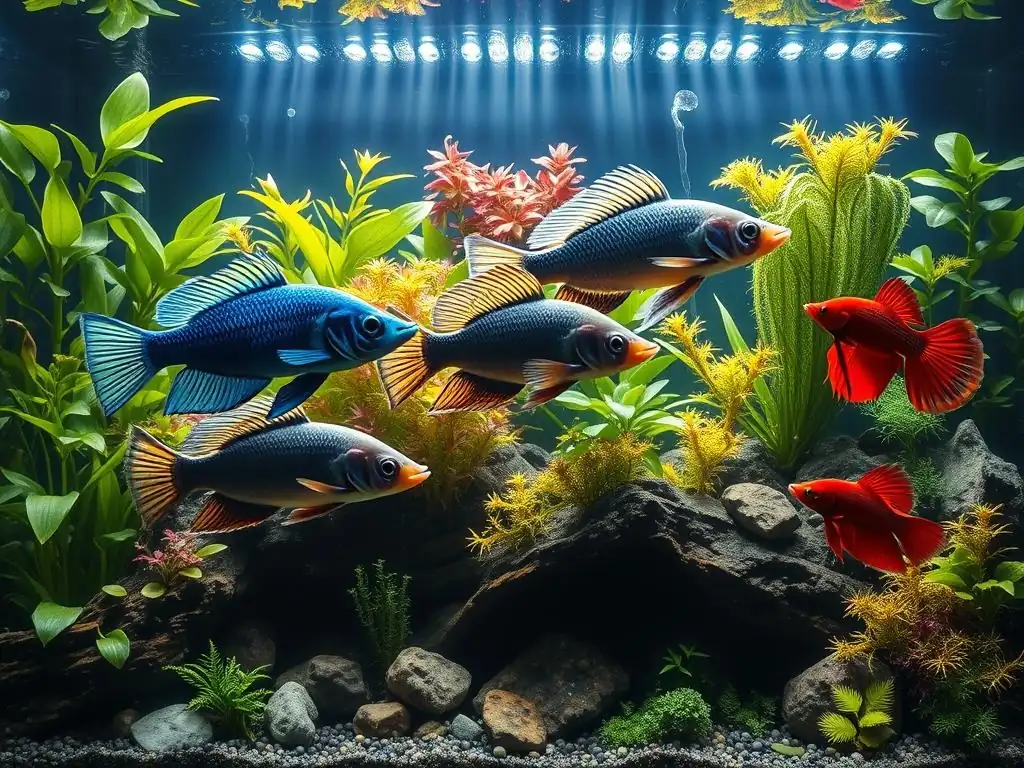
Ever wondered which fish play nice with the ever-popular Bristlenose catfish? Choosing the right tank mates is crucial for a thriving aquarium, and finding the perfect companions for your Ancistrus can be a delightful, yet sometimes tricky, endeavor. Dive into our comprehensive guide, "Ancistrus (Bristlenose) Compatibility: Friends and Foes in the Aquarium," to discover which species will create a harmonious community and which might spell disaster! Ready to unlock the secrets to a peaceful and vibrant tank?
- Understanding Bristlenose Catfish Temperament and Tank Mate Selection
- Best Tank Mates for Bristlenose Catfish: Creating a Harmonious Aquarium
- Fish to Avoid Housing with Bristlenose Catfish: Potential Conflicts
- Invertebrate Tank Mates for Bristlenose: Shrimp and Snails
- Tank Size and Environment: Key Factors for Compatibility
- Monitoring Your Aquarium: Ensuring a Peaceful Community
- Breeding Considerations: Impact on Tank Mate Compatibility
- Conclusion: Building a Thriving Community Aquarium with Bristlenose Catfish
-
Frequently Asked Questions
- What types of fish are generally considered good compatible tank mates for Bristlenose Catfish?
- Are there any specific types of fish that should definitely be avoided as Bristlenose Catfish compatible tank mates?
- How does tank size affect the selection of Bristlenose catfish compatible tank mates?
- What role do plants and decorations play in ensuring a peaceful community with Bristlenose catfish compatible tank mates?
- What should I consider regarding feeding habits when choosing Bristlenose catfish compatible tank mates?
- Final Reflection: Harmony in the Aquarium
- Unleash Your Bristlenose Potential!
Understanding Bristlenose Catfish Temperament and Tank Mate Selection
Bristlenose Catfish: A Gentle Giant of the Aquarium
Bristlenose catfish, scientifically known as Ancistrus, are among the most popular and beneficial additions to freshwater aquariums. These unique plecos are renowned for their algae-eating prowess and their relatively small adult size, typically ranging from 4 to 6 inches (10-15 cm), making them suitable for many home setups. Unlike some larger pleco species, Bristlenose are generally peaceful and non-aggressive towards most other fish, spending their days grazing on surfaces or resting in shaded areas. Their armored bodies provide a degree of protection, and their primary focus is on maintaining a clean environment and finding food.
While their demeanor is largely calm, male Bristlenose can exhibit territorial behavior, particularly towards other male Bristlenose or similar-looking bottom-dwelling fish, especially if the tank is too small or lacks sufficient hiding spots. They are primarily nocturnal, becoming more active during the evening hours. Providing a varied diet, including high-quality sinking pellets, blanched vegetables like zucchini or cucumber, and the essential presence of driftwood, is crucial for their long-term health, even though they are excellent algae consumers.
Factors Influencing Bristlenose Compatibility in a Community Tank
Selecting appropriate Bristlenose catfish compatible tank mates hinges on several critical factors beyond just individual species temperament. Tank size is paramount; a single adult Bristlenose requires a minimum of 20-30 gallons, but a community setup with multiple species benefits greatly from a larger volume, ideally 40 gallons or more, to provide ample swimming space and reduce potential territorial disputes. Stable water parameters, typically a pH range of 6.5-7.5 and temperatures between 72-80°F (22-27°C), are also vital for the well-being of the Bristlenose and its companions.
Equally important is considering the chosen tank mates' activity levels and dietary needs. Highly energetic or predatory fish can stress a Bristlenose, causing it to hide excessively and potentially impacting its feeding. Competition for food, particularly sinking pellets or blanched vegetables, can also be an issue if faster, more aggressive bottom dwellers are present. Ensuring a balanced environment with ample hiding spots, such as caves and driftwood, is essential to allow the Bristlenose to feel secure and thrive alongside its Bristlenose catfish compatible tank mates.
Best Tank Mates for Bristlenose Catfish: Creating a Harmonious Aquarium
Peaceful Community Fish That Thrive with Bristlenose Plecos
The best Bristlenose catfish compatible tank mates are typically peaceful, mid-to-top dwelling species that do not compete directly for the Bristlenose's primary food sources or territory. These fish should have a calm temperament and not be prone to fin-nipping or aggressive chasing. Ideal companions will appreciate similar water parameters and contribute to a balanced aquatic ecosystem without causing stress to the Bristlenose.
Focusing on species that occupy different levels of the water column helps to minimize competition and allows each fish to establish its own space. Schooling fish, in particular, often make excellent additions as their group behavior can add stability and beauty to the tank without posing a threat to the more solitary Bristlenose.
Tetras as Compatible Tank Mates for Bristlenose Catfish
Many species of Tetras are excellent Bristlenose catfish compatible tank mates due to their peaceful nature and preference for the middle to upper water column. Classic examples include Neon Tetras, Cardinal Tetras, and Rummy-nose Tetras, which typically grow to about 1 to 2 inches (2.5-5 cm). These schooling fish are non-aggressive and generally ignore bottom-dwelling fish, allowing the Bristlenose to graze undisturbed.
Maintaining Tetras in appropriate school sizes, usually six or more individuals, not only promotes their health and natural behavior but also contributes to a calm and stable environment for the entire community. It's crucial to avoid larger, more boisterous or fin-nipping Tetra species like Serpae Tetras or Buenos Aires Tetras, which could potentially harass or stress a Bristlenose over time.
Rasboras: A Good Choice for a Bristlenose Aquarium?
Absolutely, Rasboras are another superb choice for Bristlenose catfish compatible tank mates. Species such as Harlequin Rasboras, Chili Rasboras, and Emerald Dwarf Rasboras are small, peaceful, and primarily inhabit the upper and middle sections of the tank. Their average size ranges from 0.8 to 2 inches (2-5 cm), making them completely harmless to the larger Bristlenose.
Like Tetras, Rasboras are schooling fish, and keeping them in groups of six or more enhances their well-being and showcases their natural beauty. Their calm demeanor and preference for different swimming levels ensure they do not compete with the Bristlenose for food or territory, fostering a tranquil and harmonious community aquarium.
Guppies and Platies: Livebearers that Can Coexist with Bristlenose
Guppies and Platies, popular livebearing fish, are generally considered good Bristlenose catfish compatible tank mates. They are active but not aggressive, typically growing to about 1.5 to 2.5 inches (4-6 cm), and spend most of their time in the mid to upper water column. Their vibrant colors and lively behavior can add dynamic visual interest to the aquarium without posing a threat to the Bristlenose.
However, a key consideration with Guppies and Platies is their prolific breeding. Their populations can explode quickly, potentially leading to overstocking if not managed, which can cause stress for all tank inhabitants, including the Bristlenose. Regular culling or planning for an outlet for excess fry is often necessary to maintain a healthy and balanced ecosystem.
Bottom-Dwelling Companions for Bristlenose Catfish
Selecting other bottom-dwelling companions for Bristlenose catfish requires careful consideration due to the Bristlenose's territorial nature, especially among males. The key is to choose species that are equally peaceful, have different feeding habits, or occupy slightly different niches within the bottom layer to minimize direct competition for space and resources. Ample tank size and abundant hiding spots are crucial to ensure harmony among these bottom dwellers.
Providing multiple caves, logs, and dense plant cover can help delineate territories and offer escape routes, reducing potential conflicts. It's also important to ensure that all bottom dwellers receive adequate food, as faster or more assertive species might outcompete the Bristlenose for sinking pellets or blanched vegetables if not carefully managed.
Corydoras Catfish: Ideal Bottom Dwellers for a Bristlenose Tank
Corydoras catfish are widely regarded as one of the best Bristlenose catfish compatible tank mates for the bottom layer. Species like Panda Corys, Bronze Corys, and Albino Corys are exceptionally peaceful, active scavengers that typically grow to 2-3 inches (5-7.5 cm). They are schooling fish and thrive in groups of six or more, sifting through the substrate for leftover food rather than competing directly with Bristlenose for algae on surfaces or driftwood.
Their distinct feeding habits and calm temperament make them ideal companions. Corydoras prefer soft, sandy substrate, which protects their delicate barbels. Their presence helps keep the substrate clean, contributing to overall tank health without causing stress or territorial disputes with the Bristlenose.
Kuhli Loaches: Peaceful and Compatible Bottom Feeders
Kuhli Loaches are another excellent choice for Bristlenose catfish compatible tank mates that inhabit the bottom. These unique, eel-like fish are incredibly peaceful, shy, and primarily nocturnal scavengers, reaching lengths of about 4 inches (10 cm). They spend much of their time burrowing in soft substrate or hiding among decor, emerging to forage for food scraps.
Their reclusive nature and preference for different hiding spots (often preferring to burrow rather than occupy caves) mean they rarely interact directly with the Bristlenose, minimizing any potential for conflict. Kuhli Loaches contribute to cleaning the substrate and add an interesting dynamic to the tank without posing any threat to the Bristlenose.
Fish to Avoid Housing with Bristlenose Catfish: Potential Conflicts
Aggressive Fish Species Unsuitable for Bristlenose Tanks
Housing Bristlenose catfish with aggressive or highly territorial fish species is strongly discouraged, as it can lead to significant stress, injury, or even death for the peaceful Bristlenose. Even though Bristlenose possess armored bodies, constant harassment can wear down their defenses, lead to fin damage, and prevent them from feeding adequately. This chronic stress can severely compromise their immune system, making them susceptible to various diseases.
Aggressive tank mates can also monopolize feeding areas, forcing the Bristlenose to forage less or at riskier times, further impacting its health. It is crucial to research the temperament of any potential tank mate thoroughly to ensure a peaceful environment for the Bristlenose.
Cichlids: Why They Are Often Incompatible with Bristlenose
Many Cichlid species are generally unsuitable as Bristlenose catfish compatible tank mates due to their highly territorial and often aggressive nature. Large Cichlids such as Oscar fish, Flowerhorns, or many African Cichlids can easily bully, chase, or even injure a Bristlenose. Their aggressive tendencies are particularly pronounced during breeding periods, when they will fiercely defend their chosen spawning sites, often at the expense of any perceived intruders, including a harmless Bristlenose.
While some smaller, more peaceful dwarf cichlids (e.g., German Blue Rams or Bolivian Rams) might coexist in very large, heavily planted tanks with ample hiding spots, even these can become territorial, especially if breeding. The risk of consistent stress and potential injury to the Bristlenose makes most Cichlids a poor choice for companions.
Larger, Predatory Fish: A Threat to Bristlenose Catfish
Housing Bristlenose catfish with larger, predatory fish poses a significant threat, regardless of the Bristlenose's armored plates. Species like Arowanas, large Gouramis, or predatory Catfish can view smaller tank inhabitants, including juvenile Bristlenose, as potential food items. Even adult Bristlenose can be subjected to continuous harassment, nipping, or attempts at predation by these larger, more dominant fish.
The risk of predation or severe injury from such tank mates is simply too high. A Bristlenose that is constantly on edge or being chased will not thrive, will likely refuse to feed properly, and will eventually succumb to stress or direct harm. Therefore, these predatory species should be entirely avoided when considering Bristlenose catfish compatible tank mates.
Overly Active Fish That Stress Bristlenose Catfish
Even fish species that are not overtly aggressive can still be unsuitable Bristlenose catfish compatible tank mates if they are excessively active or boisterous. The constant, rapid movement of such fish can make the naturally shy and nocturnal Bristlenose feel insecure and exposed. This can lead to the Bristlenose hiding more frequently, reducing its feeding opportunities, and ultimately impacting its overall health and well-being due to chronic stress.
Furthermore, highly active fish can outcompete the slower-moving Bristlenose for sinking food items. If food is consumed too quickly by faster tank mates, the Bristlenose may not get sufficient nutrition, leading to malnourishment over time, even in a well-fed tank.
Tiger Barbs: High Energy and Potential Fin Nippers
Tiger Barbs are a prime example of fish that, despite not being large predators, are generally incompatible with Bristlenose catfish. While their schooling behavior can be captivating, Tiger Barbs are notorious fin-nippers and possess a very high energy level. Their constant, darting movements and tendency to harass slower-moving or long-finned fish can be a source of continuous stress for a Bristlenose.
The frequent nipping and chasing by Tiger Barbs can lead to damaged fins on the Bristlenose, making it more susceptible to bacterial infections and fungal issues. Their boisterous nature can also make the Bristlenose feel unsafe in open areas, forcing it to remain hidden excessively, which hinders its ability to graze and feed properly, making them poor Bristlenose catfish compatible tank mates.
Invertebrate Tank Mates for Bristlenose: Shrimp and Snails
Shrimp Compatibility with Bristlenose Catfish: A Delicate Balance
When considering shrimp as Bristlenose catfish compatible tank mates, a delicate balance must be achieved. Most adult dwarf shrimp species are generally safe with Bristlenose catfish. Bristlenose are primarily herbivorous and are not predatory towards adult shrimp. However, very small, newly hatched shrimp fry might be at a slight risk of accidental ingestion if they are in the Bristlenose's grazing path, though this is not a common occurrence.
To ensure the safety and thriving of shrimp in a Bristlenose tank, it is crucial to provide ample hiding spots for the shrimp. Dense plant cover, mosses, and small rock crevices offer excellent refuge, especially during vulnerable times like molting. A well-established tank with plenty of biofilm for shrimp to graze on also contributes to their well-being alongside the Bristlenose.
Cherry Shrimp and Amano Shrimp: Popular Choices for Bristlenose Tanks
Cherry Shrimp ( Neocaridina davidi) and Amano Shrimp ( Caridina multidentata) are two of the most popular and generally safe Bristlenose catfish compatible tank mates. Cherry Shrimp are small, typically reaching 0.8 to 1.2 inches (2-3 cm), and reproduce readily, providing a continuous population even if a few fry are occasionally lost. Amano Shrimp are larger, growing to about 1.5 to 2 inches (4-5 cm), and are highly valued for their excellent algae-eating capabilities.
Both species are peaceful and occupy different niches from the Bristlenose. Cherry Shrimp primarily graze on biofilm and micro-algae on surfaces and plants, while Amano Shrimp are more robust scavengers. Their distinct roles and non-competitive nature make them excellent additions, contributing to tank cleanliness without posing any conflict with the Bristlenose.
Snail Companions for Bristlenose: Beneficial Algae Eaters
Snails are almost universally excellent Bristlenose catfish compatible tank mates. They are slow-moving, peaceful, and contribute significantly to algae control and the breakdown of detritus in the aquarium. Bristlenose catfish generally ignore snails, as their diets and movements do not conflict. Snails can reach algae in areas that the Bristlenose might miss, making them complementary cleaners.
The presence of snails can also help manage any excess food left behind by the fish, further contributing to water quality. Their calm demeanor ensures they do not stress the Bristlenose, making them a harmonious addition to a community tank.
Nerite Snails: A Safe and Effective Addition to a Bristlenose Tank
Nerite Snails (e.g., Zebra, Horned, Olive Nerite) are arguably the best snail choice for a Bristlenose tank. They are highly effective algae eaters, excelling at cleaning tank glass, decorations, and plant leaves. These snails typically grow to about 1 inch (2.5 cm) and, crucially, do not reproduce in freshwater, preventing any risk of overpopulation that can plague other snail species.
Their hard, protective shells make them invulnerable to accidental bumps from the Bristlenose, and their diet of primarily green algae perfectly complements the Bristlenose's feeding habits without any significant competition. Nerite Snails are a safe, beneficial, and aesthetic addition to any aquarium housing Bristlenose catfish compatible tank mates.
Tank Size and Environment: Key Factors for Compatibility
Adequate Space: Reducing Aggression and Competition
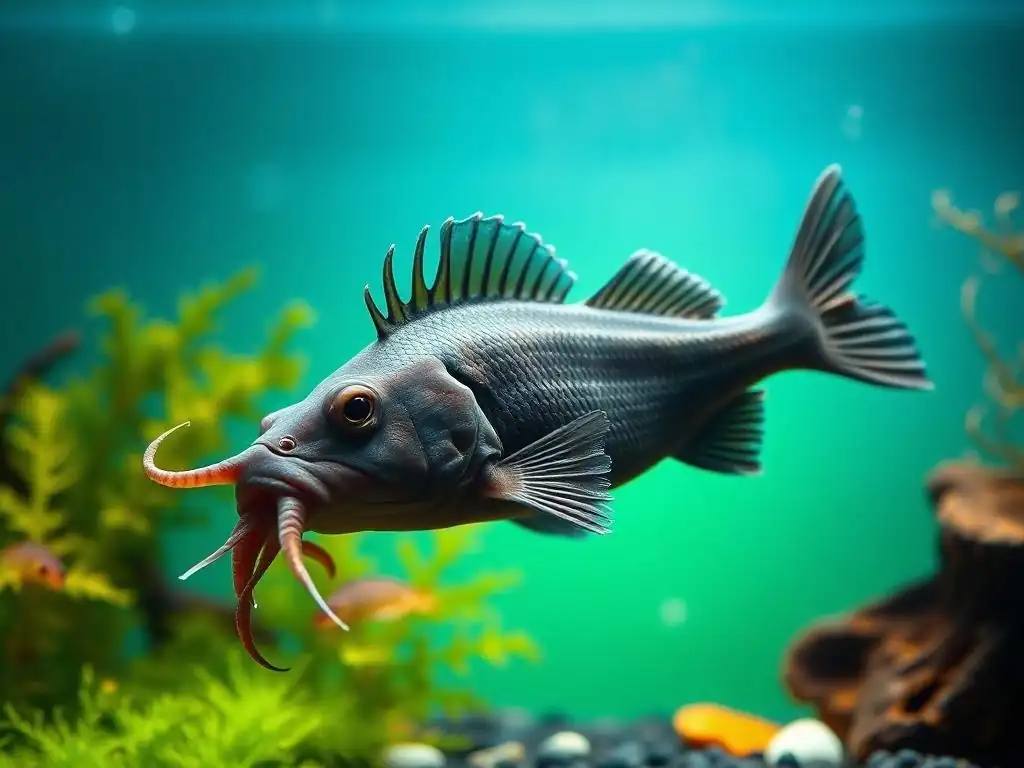
Adequate tank size is a foundational element for ensuring compatibility among all aquarium inhabitants, especially for Bristlenose catfish compatible tank mates. While a single adult Bristlenose can be comfortably housed in a 20-30 gallon tank, a community setup with multiple species, particularly other bottom dwellers, benefits immensely from a larger volume, ideally 40 gallons or more. This increased space provides sufficient territory for each fish, reducing the likelihood of aggression and competition for resources.
Larger tanks also offer greater stability in water parameters, as the increased volume dilutes waste products more effectively. This leads to a healthier environment, which in turn reduces stress levels for all fish, fostering a more peaceful and harmonious community. Insufficient space is a common cause of stress-induced aggression, even among otherwise peaceful species.
Providing Hiding Places: Crucial for Bristlenose Comfort and Safety
Providing an abundance of hiding places is absolutely crucial for the comfort and safety of Bristlenose catfish. As primarily nocturnal and somewhat shy fish, Bristlenose require secure, dark retreats where they can rest, digest their food, and feel protected from perceived threats. A lack of adequate hiding spots can lead to chronic stress, causing the Bristlenose to become timid, reluctant to feed, and more susceptible to disease.
Multiple hiding spots also help to de-escalate potential territorial disputes, especially if housing more than one Bristlenose or other bottom-dwelling Bristlenose catfish compatible tank mates. Each fish can claim its own space, reducing direct confrontation and allowing for a more natural expression of their behaviors.
Driftwood and Caves: Essential Elements for a Bristlenose-Friendly Tank
Driftwood is not just a decorative element but an essential component of a Bristlenose-friendly tank. Bristlenose catfish naturally rasp on driftwood, consuming lignin, a fiber vital for their digestive health. A large piece of driftwood provides both a crucial dietary supplement and a natural, secure hiding spot. Ideally, multiple pieces or a large, intricate structure should be included to offer varied grazing surfaces and retreats.
Caves, whether ceramic, PVC, or natural rock formations, are equally important. These provide dark, confined spaces where the Bristlenose can truly feel safe and undisturbed. Including several caves, potentially of different sizes and orientations, allows the Bristlenose to choose its preferred resting spot and ensures that other Bristlenose catfish compatible tank mates do not inadvertently displace it from its sanctuary.
Monitoring Your Aquarium: Ensuring a Peaceful Community
Observing Fish Behavior: Signs of Stress or Aggression
Regular and attentive observation of your aquarium inhabitants is paramount to ensuring a peaceful and thriving community, especially when integrating Bristlenose catfish compatible tank mates. Pay close attention to the Bristlenose itself: signs of stress can include clamped fins, faded coloration, rapid breathing, excessive hiding (even during feeding times), or a general reluctance to move. These indicators suggest it might be feeling threatened or unwell.
Equally important is observing the behavior of other fish towards the Bristlenose. Look for consistent chasing, nipping at its fins, or blocking its access to food or preferred hiding spots. Any consistent negative interaction, even if subtle, can lead to chronic stress for the Bristlenose. Prompt identification of such behaviors allows for timely intervention, such as rearranging decor, adjusting feeding, or, if necessary, rehoming a problematic fish.
Water Quality: Maintaining Optimal Conditions for All Tank Inhabitants
Maintaining pristine water quality is fundamental to the health and harmony of any aquarium, including those housing Bristlenose catfish compatible tank mates. Poor water quality, characterized by high levels of ammonia, nitrite, or nitrate, can lead to significant stress for all fish, weakening their immune systems and making them more susceptible to disease. Stress can also exacerbate aggressive behaviors among fish that might otherwise be peaceful.
Regular water changes, typically 25% weekly or bi-weekly depending on stocking density and filtration, are essential for keeping nitrate levels low and maintaining stable water parameters (temperature, pH). A well-maintained tank with consistent water quality promotes a healthy and calm environment, reducing the overall stress load on the Bristlenose and its companions, thereby fostering a more peaceful coexistence.
Breeding Considerations: Impact on Tank Mate Compatibility
Breeding Bristlenose: Temporary Adjustments to Tank Mates
When Bristlenose catfish begin to breed, the male, in particular, will undergo a significant behavioral shift that impacts Bristlenose catfish compatible tank mates. The male becomes highly territorial and protective of his chosen spawning cave and the eggs within it. He will fiercely guard the nest, potentially becoming aggressive towards any fish that approaches too closely, even those that are normally peaceful. This protective instinct is natural but can cause stress for other tank inhabitants if space is limited.
While most Bristlenose catfish compatible tank mates are generally safe from serious harm due to the male's focus on the cave, it's wise to ensure there are plenty of alternative hiding spots and space for other fish to retreat. If aggression becomes a significant issue, temporarily separating the male and his eggs/fry into a dedicated breeding tank can be considered to reduce stress on the community.
Protecting Fry: Ensuring the Survival of Baby Bristlenose
The survival of baby Bristlenose fry is another critical consideration regarding tank mate compatibility. Bristlenose fry are very small and vulnerable once free-swimming. While adult Bristlenose generally do not predate on their own fry, many other Bristlenose catfish compatible tank mates, even typically peaceful community fish like Tetras, Rasboras, or Guppies, may view the tiny fry as a food source.
To maximize the survival rate of Bristlenose fry, it is highly recommended to move the eggs or the free-swimming fry to a separate, dedicated grow-out tank, typically a 10-gallon setup, once they emerge from the cave. This protects them from predation by other tank inhabitants and prevents them from being accidentally sucked into filters, ensuring a higher chance of successful growth to maturity.
Conclusion: Building a Thriving Community Aquarium with Bristlenose Catfish
Key Takeaways for Successful Bristlenose Tank Mate Selection.
Building a thriving community aquarium with Bristlenose catfish is highly achievable with careful planning and consistent care. The key to successful Bristlenose catfish compatible tank mates selection lies in prioritizing peaceful, non-competitive species that occupy different levels of the water column. Always ensure the tank is adequately sized for all inhabitants, providing ample space to reduce stress and territorial disputes.
Crucially, provide abundant hiding spots, especially driftwood and caves, which are essential for the Bristlenose's security, digestion, and overall well-being. Continuous observation of fish behavior and maintaining pristine water quality are paramount for preventing stress and promoting a harmonious environment. By adhering to these guidelines, aquarists can create a beautiful and balanced ecosystem where Bristlenose catfish and their companions flourish.
Frequently Asked Questions
What types of fish are generally considered good compatible tank mates for Bristlenose Catfish?
Generally, peaceful community fish that occupy the upper and middle levels of the tank are good choices. This includes fish like tetras, rasboras, and certain gouramis, as they won't compete for bottom-dwelling resources.
Are there any specific types of fish that should definitely be avoided as Bristlenose Catfish compatible tank mates?
Yes, aggressive fish like cichlids, especially those of similar size, should be avoided. Also, large, boisterous fish that might outcompete the Bristlenose for food are problematic.
How does tank size affect the selection of Bristlenose catfish compatible tank mates?
Tank size is crucial. A smaller tank limits choices, requiring more carefully selected compatible tank mates that won't overpopulate or stress the Bristlenose. A larger tank allows for a wider variety of suitable companions.
What role do plants and decorations play in ensuring a peaceful community with Bristlenose catfish compatible tank mates?
Providing plenty of hiding places with plants, rocks, and driftwood is essential. This helps the Bristlenose and its tank mates establish territories and reduce stress, promoting a harmonious environment.
What should I consider regarding feeding habits when choosing Bristlenose catfish compatible tank mates?
Ensure that all fish are getting enough food. Choose tank mates that are not overly aggressive feeders and won't outcompete the Bristlenose for algae wafers and other bottom-dwelling food sources. Make sure food reaches the bottom!
Final Reflection: Harmony in the Aquarium
The intricate dance of life within an aquarium, as explored in this article, highlights the delicate balance required for a thriving ecosystem. Understanding Bristlenose catfish compatible tank mates isn't just about selecting aesthetically pleasing companions; it's about fostering an environment where each creature can flourish without undue stress or competition. This knowledge is more crucial than ever as the aquarium hobby grows, and the responsibility to create ethical and sustainable environments falls squarely on our shoulders.
The impact of responsible aquascaping and informed species selection extends far beyond the glass walls of our tanks. It reflects a deeper understanding of interconnectedness and the importance of respecting the needs of all living beings. This understanding, cultivated through careful research and observation, enriches not only our aquariums but also our appreciation for the natural world. In nature, nothing exists alone.
– Rachel Carson. This quote reminds us that every creature plays a role, and our aquariums should strive to mirror that harmonious interdependence.
Now, as you consider the information presented here, I encourage you to reflect on your own role in creating a balanced and thriving aquarium. Think beyond aesthetics and consider the long-term well-being of your aquatic companions. By embracing a mindset of mindful stewardship, you can transform your aquarium into a vibrant testament to the beauty and complexity of life, a miniature ecosystem where every creature, including your Bristlenose catfish, can truly thrive.
Unleash Your Bristlenose Potential!
Thank you for diving into the world of Ancistrus compatibility! We hope this guide has given you a clearer understanding of creating a harmonious aquarium environment for your bristlenose plecos. Now, it's time to take action and make your aquarium a thriving ecosystem.
Here's how you can continue your journey:
- Carefully evaluate your current tank mates against the compatibility considerations discussed and make adjustments as needed for a happier, healthier community. This is the most crucial step.
- Share your experiences! What surprising tank mate pairings have you discovered (good or bad)? Comment down below!
- Explore advanced care topics! Research specific diets to boost the health and vibrancy of your Ancistrus' colors.
What's one specific step you'll take today to improve your bristlenose pleco's environment?