
Budget vs. Premium Heaters: Is Spending More Worth the Peace of Mind? (InDepth Review)

Welcome to Aquarium Mastery!
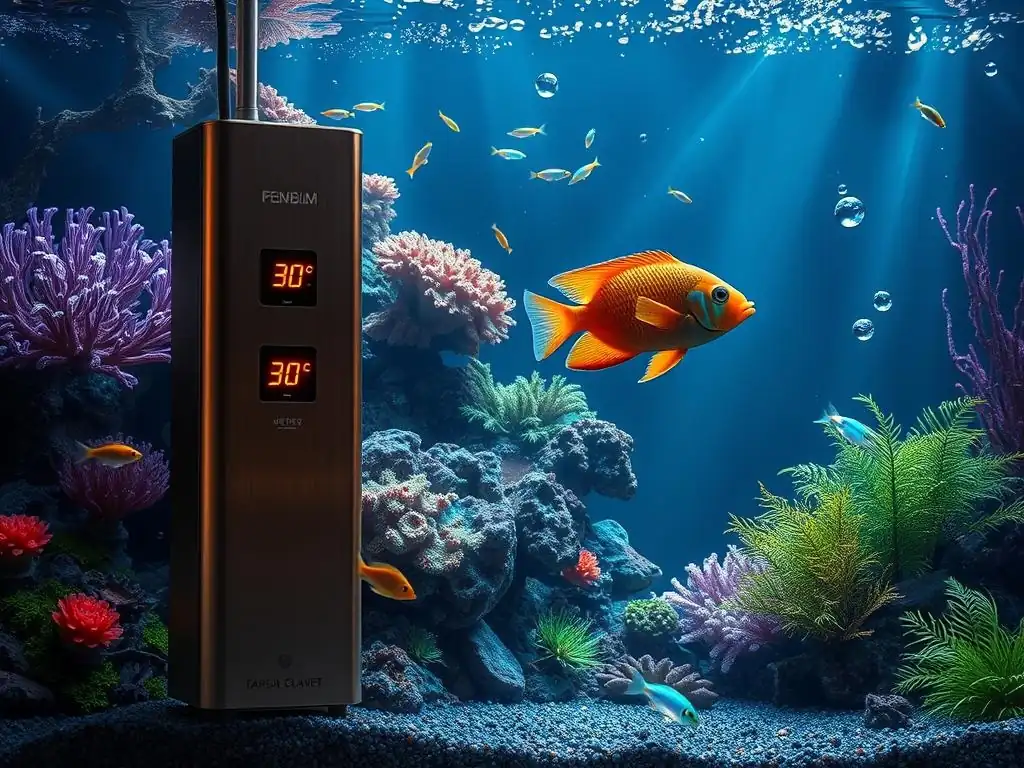
Ever wondered if that extra investment in a premium aquarium heater really is worth it? We're diving deep into the debate with our Premium Aquarium Heater Benefits Review, exploring whether the peace of mind and performance justify the higher price tag. Get ready to uncover the truth about temperature stability, longevity, and safety features – and ultimately, discover if upgrading your heater is the key to a thriving aquatic ecosystem. Ready to find out? Let's get started!
- Introduction: Choosing the Right Aquarium Heater for Your Needs
- Understanding the Importance of a Reliable Aquarium Heater
- Budget Aquarium Heaters: An Overview
- Premium Aquarium Heaters: An In-Depth Look
- Budget vs. Premium: A Detailed Comparison of Aquarium Heaters
- Case Studies: Real-World Examples of Heater Performance
- Factors to Consider When Choosing an Aquarium Heater
- Premium Aquarium Heater Benefits Review: Is the Investment Justified?
- Maintaining Your Aquarium Heater for Optimal Performance
- Conclusion: Investing in the Right Aquarium Heater for Peace of Mind.
-
Frequently Asked Questions
- What are the key differences between budget and premium aquarium heaters?
- How does a premium aquarium heater benefit the overall health of my fish?
- What are some advanced features commonly found in premium aquarium heaters?
- Is a premium aquarium heater energy efficient compared to a budget model?
- When should I consider investing in a premium aquarium heater over a budget option?
- Final Reflection: The Value of Lasting Warmth
- Ignite Your Aquarium's Potential: Take Control Now!
Introduction: Choosing the Right Aquarium Heater for Your Needs
Maintaining a stable and appropriate water temperature is paramount for the health and well-being of any aquatic ecosystem, whether it's a vibrant freshwater planted tank or a complex saltwater reef system. An aquarium heater is often considered the unsung hero of tank equipment, silently working to prevent drastic temperature swings that can critically impact fish, invertebrates, and plant life. Without a reliable heater, even the most meticulously planned aquarium can quickly become a stressful and unhealthy environment for its inhabitants.
The market offers a vast array of aquarium heaters, ranging from remarkably inexpensive budget options to sophisticated, high-end premium models. For many aquarists, the immediate appeal of a lower price point is strong, yet the long-term implications of such a choice can be significant. This in-depth review aims to dissect the differences between budget and premium aquarium heaters, exploring their features, performance, safety, and ultimately, whether the peace of mind offered by a higher investment truly justifies the cost. We will delve into a comprehensive premium aquarium heater benefits review, comparing and contrasting the value proposition of each type.
Understanding the Importance of a Reliable Aquarium Heater
Why Temperature Stability is Crucial for Aquarium Health
Temperature stability is a foundational pillar of successful aquarium keeping, directly influencing the biological processes of all aquatic organisms. Fish, being ectothermic, rely entirely on their external environment to regulate their body temperature, which in turn dictates their metabolic rate, immune function, and overall activity levels. Even minor fluctuations, especially rapid ones, can induce severe stress, making them susceptible to diseases and reducing their lifespan.
For instance, a sudden drop of just 5°F (approximately 2.8°C) can suppress the immune system of many tropical fish species within hours, potentially leading to outbreaks of common ailments like Ich (white spot disease) or fin rot. Conversely, an unexpected temperature spike can reduce dissolved oxygen levels, accelerate metabolism to dangerous levels, and even cause organ damage or death.
Corals in reef tanks are particularly sensitive, with temperature swings of more than 2-3°F (1-1.5°C) often leading to bleaching events or tissue necrosis. Therefore, a heater's ability to maintain a consistent temperature within a narrow range is not merely a convenience but a critical life-support function.
The Risks of Using an Inadequate or Faulty Heater
The consequences of an inadequate or faulty aquarium heater can range from minor inconveniences to catastrophic tank crashes. An undersized heater might struggle to maintain the desired temperature, leading to chronically low temperatures or significant daily fluctuations that stress inhabitants. Over time, this chronic stress can manifest as listlessness, poor coloration, reduced appetite, and increased susceptibility to pathogens. It's estimated that improper heating accounts for roughly 10-15% of reported fish health issues in home aquariums.
More acutely, a faulty heater poses immediate and severe risks. Malfunctions can lead to overheating, where the heater gets stuck in the "on" position, rapidly raising the water temperature to lethal levels. Temperatures exceeding 88-90°F (31-32°C) can quickly suffocate most tropical fish by reducing oxygen availability and denaturing proteins.
Conversely, a heater that fails to turn on can cause chilling, especially in cooler environments, leading to hypothermia and shock. Beyond biological risks, some older or low-quality heaters can pose electrical hazards, including short circuits or even fire risks if they fail catastrophically and are not properly protected. The potential for equipment failure to wipe out an entire aquatic ecosystem underscores the necessity of choosing a reliable heating solution.
Budget Aquarium Heaters: An Overview

Key Features of Affordable Aquarium Heaters
Budget aquarium heaters are typically designed to offer a straightforward, no-frills heating solution at the lowest possible price point. Most models consist of a simple glass tube containing a heating element and a bimetallic strip thermostat. These heaters are almost always fully submersible and come with suction cups for mounting inside the tank. Their wattage is usually fixed, and temperature adjustment is often done via a dial on the top of the unit, which can be somewhat imprecise.
Common features include a basic indicator light (red for heating, green for standby) and a fixed power cord. Some may offer a small protective guard for the glass tube, but many do not. While generally sufficient for basic temperature maintenance in less sensitive setups, their simplicity means they often lack advanced safety mechanisms or precise control. For a typical 100-watt budget heater, prices often range from $15 to $30, making them highly accessible for beginners or those with limited budgets.
Common Brands and Models of Budget Heaters
Several brands dominate the budget aquarium heater market, often found in large pet store chains or online marketplaces due to their competitive pricing. Brands like Aqueon, Tetra, Top Fin, and Marina frequently offer entry-level submersible heaters. For example, the Aqueon Submersible Heater is a widely available option, known for its basic functionality and affordability. Similarly, Tetra HT Submersible Heaters are popular for their compact design and ease of use, often included in starter aquarium kits.
These models typically come in a range of wattages, from 25W for small nano tanks up to 300W for larger community aquariums. While they fulfill the primary function of warming water, user reviews frequently point to their limitations in terms of temperature accuracy and long-term durability. Many hobbyists report needing to replace these units every 1-2 years due due to performance degradation or complete failure, highlighting a potential hidden cost in their apparent affordability.
Potential Drawbacks of Low-Cost Aquarium Heaters
Temperature Fluctuations and Inaccuracy in Budget Models
One of the most significant drawbacks of low-cost aquarium heaters is their inherent struggle with precise temperature control and stability. The bimetallic strip thermostats commonly used in these units are less accurate and prone to drift compared to digital sensors. This can result in the heater cycling on and off less efficiently, leading to wider temperature swings within the aquarium. For example, a budget heater set to 78°F (25.5°C) might allow the water to drop to 75°F (23.9°C) before kicking on, then heat it up to 80°F (26.7°C) before turning off.
These fluctuations, even if seemingly minor, can create a constant stressor for sensitive aquatic inhabitants, impacting their immune systems and overall health. Over time, this inconsistency can contribute to a higher incidence of disease and reduced vitality in fish and invertebrates. Hobbyists often find themselves needing to calibrate these heaters with an external thermometer and frequently adjust the dial to compensate for inaccuracies, adding an ongoing management burden.
Durability and Lifespan Concerns with Cheaper Heaters
The materials and construction quality of budget aquarium heaters are often compromised to keep manufacturing costs low, directly impacting their durability and lifespan. Many budget models utilize thinner glass tubes that are more susceptible to cracking from thermal shock or accidental bumps during tank maintenance. Internal components, such as the heating element and thermostat, may also be of lower quality, leading to premature failure.
It is not uncommon for budget heaters to fail within 12 to 24 months of continuous operation. Common failure modes include the heater getting stuck "on" (overheating), stuck "off" (chilling), or simply ceasing to function altogether. While the initial investment is low, needing to replace a $25 heater every year or two quickly accumulates, potentially exceeding the cost of a more durable premium unit over a five-year period. This shorter lifespan also translates to increased waste and a greater environmental footprint.
Safety Considerations: Are Budget Heaters Safe for Your Aquarium?
While most modern budget heaters include basic safety features, some critical protections may be absent, raising concerns for both the aquarium and the home. The primary safety concern with glass-tube budget heaters is the risk of shattering. If a heater is exposed to air while hot (e.g., during a water change when the water level drops too low), the sudden temperature change upon re-submersion can cause the glass to crack or explode, potentially releasing electrical current into the water and creating a dangerous situation for both the aquarist and the tank inhabitants.
Furthermore, some lower-end models lack an automatic shut-off feature for dry running or overheating. This means if the heater is left on outside the water, it could overheat dangerously, potentially posing a fire hazard, or if it malfunctions and continuously heats the water, it could cook the tank's inhabitants. While rare, electrical failures can also occur, leading to stray voltage in the water, which can be harmful to fish and pose a shock risk. While many budget heaters function without incident, their lack of robust, redundant safety mechanisms means a higher inherent risk compared to their premium counterparts.
Defining Features of High-End Aquarium Heaters
Premium aquarium heaters distinguish themselves through superior construction, advanced technology, and a suite of sophisticated features designed for precision, durability, and safety. Unlike their budget counterparts, many high-end models incorporate external temperature controllers, allowing for highly accurate digital temperature settings and real-time monitoring. The heating elements themselves are often encased in shatterproof materials like titanium, high-impact plastic, or thick, specialized glass, significantly reducing the risk of breakage.
Key defining features include:
- Digital Microprocessor Control: For precise temperature regulation, often accurate to within +/- 0.5°F (0.2-0.3°C).
- External Temperature Probes: Separating the sensor from the heating element for more accurate readings of the actual tank temperature.
- Advanced Safety Mechanisms: Including automatic shut-off for dry running, overheat protection, and integrated thermal cut-offs.
- Durable Construction: Utilizing materials like titanium, quartz glass, or robust plastic that are highly resistant to corrosion and impact.
- Redundant Heating Elements or Sensors: Some premium heaters incorporate multiple elements or sensors to provide backup in case one fails.
- Slim Profile and Compact Design: Many are designed to be less obtrusive in the tank.
- Longer Warranties: Reflecting manufacturer confidence in their product's longevity, often 3-5 years or more.
The premium aquarium heater market is characterized by brands renowned for their engineering excellence and commitment to quality. These manufacturers often specialize in high-performance aquarium equipment, earning the trust of serious hobbyists and professional aquarists alike. Among the most respected names are Eheim Jäger, Cobalt Aquatics, Finnex, and Hydor.
The Eheim Jäger submersible heater is a long-standing favorite, known for its robust construction, thermal shock-resistant glass, and TruTemp dial for accurate calibration. Its reliability has made it a benchmark in the industry. The Cobalt Aquatics Neo-Therm series represents a modern premium option, featuring an electronic thermostat, shatterproof design, and a unique "thermal protection system" that prevents overheating.
Finnex heaters, particularly their titanium models, are also highly regarded for their durability and consistent performance, often paired with external controllers for precise temperature management. These brands, while commanding a higher price point (often $50-$150+ for a 100-300W unit), deliver on their promise of superior performance and peace of mind, a key aspect of any comprehensive premium aquarium heater benefits review.
Investing in a premium aquarium heater offers a multitude of advantages that extend far beyond simple temperature regulation, providing significant long-term value and safeguarding your aquatic investment. These benefits contribute directly to the stability and health of your aquarium, making the higher initial cost a worthwhile consideration for serious aquarists. The comprehensive premium aquarium heater benefits review often highlights these core advantages as differentiating factors.
Precise Temperature Control and Stability
The hallmark of a premium aquarium heater is its unparalleled precision in temperature control. Utilizing advanced digital thermostats and often external temperature probes, these heaters can maintain water temperatures within a very narrow range, typically +/- 0.5°F (0.2-0.3°C) of the set point. This level of accuracy virtually eliminates the subtle temperature fluctuations that can stress sensitive fish and invertebrates, such as discus, certain types of shrimp, or delicate corals.
For example, a high-end heater in a 75-gallon reef tank can consistently hold the temperature at 77.5°F (25.3°C) without significant deviation, ensuring optimal conditions for coral growth and the well-being of highly sensitive marine fish. This precise control minimizes metabolic stress, strengthens immune responses, and promotes a more natural and thriving environment, directly contributing to the longevity and vibrancy of your aquatic inhabitants.
Enhanced Durability and Extended Lifespan
Premium aquarium heaters are constructed with high-quality, robust materials designed to withstand the rigors of continuous submersion and potential impacts. Many utilize shatterproof quartz glass, high-grade plastics, or corrosion-resistant titanium, making them significantly more durable than their budget counterparts. These materials are less prone to cracking from thermal shock during water changes or accidental bumps during maintenance.
Manufacturers of premium heaters often back their products with extended warranties, typically ranging from 3 to 5 years, and it's common for these units to perform reliably for 7 to 10 years or even longer. This extended lifespan means fewer replacements, reducing the overall cost of ownership over time and minimizing the hassle and risk associated with swapping out critical equipment. The longevity factor is a significant aspect of any premium aquarium heater benefits review, as it translates to reliability and reduced long-term expenditure.
Advanced Safety Features and Reliability
Safety is a paramount concern in aquarium heating, and premium heaters excel in this area by incorporating multiple layers of protection. Features like automatic shut-off mechanisms prevent the heater from overheating if it's accidentally exposed to air during a water change or if the water level drops too low. This dry-run protection prevents glass shattering and eliminates potential fire hazards.
Furthermore, many premium models include integrated thermal cut-offs that trip if the heater's internal temperature exceeds a safe limit, preventing runaway heating and safeguarding your tank's inhabitants from lethal overheating. Some even offer audible alarms or error codes on their external controllers to alert the aquarist to malfunctions. This comprehensive suite of safety features provides invaluable peace of mind, knowing that your valuable aquatic life is protected against common heater failures. This reliability is a cornerstone of the premium aquarium heater benefits review, ensuring tank integrity.
Energy Efficiency and Cost Savings Over Time
While premium heaters often have a higher upfront cost, their advanced design can lead to energy efficiency and potential cost savings over their lifespan. Their precise thermostats and more efficient heating elements mean they cycle on and off less frequently and more accurately, preventing unnecessary heating. A budget heater with a wider temperature swing might heat the water past the target, then let it cool too much before restarting, leading to more frequent and longer heating cycles.
For instance, in a 100-gallon aquarium, a premium 300W heater with tight temperature control might consume 5-10% less energy annually compared to a similarly wattage budget heater due to its superior efficiency. Over several years, these small daily savings can accumulate significantly, partially offsetting the initial higher purchase price. Moreover, the reduced risk of equipment failure and subsequent tank issues (like disease outbreaks or fish loss) prevents costly interventions, further cementing the long-term financial wisdom highlighted in a thorough premium aquarium heater benefits review.
The most critical distinction between budget and premium aquarium heaters lies in their ability to maintain precise and stable water temperatures. Budget heaters, typically relying on bimetallic strip thermostats, often exhibit a wider temperature variance, sometimes allowing swings of +/- 2-3°F (1-1.5°C) from the set point. This means that if you set your heater to 78°F (25.5°C), the actual tank temperature might fluctuate between 75°F and 81°F (23.9°C and 27.2°C) throughout the day. Such fluctuations can be a constant source of stress for sensitive fish and invertebrates, impacting their immune systems and overall health.
In contrast, premium heaters utilize advanced digital microprocessors and often external temperature probes, enabling them to maintain temperatures with remarkable accuracy, typically within +/- 0.5°F (0.2-0.3°C). This tight control ensures that the aquatic environment remains consistently within the optimal range for your tank's inhabitants. For high-value or sensitive species, this level of stability is not just a luxury but a necessity, directly contributing to their longevity and well-being. This precise control is a primary highlight of any premium aquarium heater benefits review.
Lifespan and Durability: Which Heater Lasts Longer?
Durability and expected lifespan are significant factors when comparing heater types. Budget heaters, due to their simpler construction and often thinner glass, are notoriously prone to premature failure. It's common for aquarists to report that these units last only 1 to 2 years before performance degrades, they get stuck on or off, or the glass tube cracks. The cost savings on the initial purchase can quickly be negated by the need for frequent replacements, leading to accumulated costs that can surpass the price of a single premium unit over a five-year period.
Premium heaters, built with robust materials like titanium, shatterproof quartz, or high-impact plastic, are designed for extended longevity. Manufacturers often provide warranties of 3 to 5 years, and many users report their premium heaters functioning reliably for 7 to 10 years or even more. For example, a well-maintained Eheim Jäger heater can easily last a decade. This extended lifespan translates to greater reliability, fewer disruptions to the tank, and ultimately, a better return on investment in terms of sustained performance and peace of mind.
Safety Features: A Critical Comparison
Safety is a non-negotiable aspect of any aquarium equipment, and this is where premium heaters demonstrably outperform budget options. Many budget heaters lack crucial safety mechanisms. For instance, if a budget glass heater is exposed to air during a water change and then re-submerged while still hot, the thermal shock can cause the glass to shatter, potentially exposing live electrical components to the water. Some also lack effective overheat protection, meaning if the thermostat fails, the heater could continue to raise the water temperature to dangerous, lethal levels.
Premium heaters incorporate multiple layers of advanced safety features. These often include:
- Dry-run protection: Automatically shuts off the heater if it's removed from water or if the water level drops too low, preventing shattering or overheating outside the tank.
- Overheat protection: Internal thermal cut-offs prevent the heater from reaching dangerously high temperatures even if the primary thermostat fails.
- Shatter-resistant materials: Titanium or quartz glass construction significantly reduces the risk of breakage.
- Integrated alarms/error codes: Some external controllers for premium heaters will alert the user to malfunctions.
These features provide a crucial safeguard against common heater failures, protecting both your aquarium inhabitants and your home. The enhanced safety profile is a key component of any comprehensive premium aquarium heater benefits review.
Energy Efficiency and Operational Costs: Saving Money in the Long Run
While the wattage rating of a heater indicates its maximum power consumption, actual energy usage depends heavily on its efficiency in maintaining the set temperature. Budget heaters, with their less precise thermostats, often cycle more frequently and for longer durations than necessary. This "overshooting" and "undershooting" of the target temperature can lead to wasted energy as the heater works harder to correct these wider fluctuations.
Premium heaters, with their precise digital controls, maintain the temperature more accurately, leading to less frequent and more optimized heating cycles. This efficiency can translate into tangible energy savings over time. For a large aquarium (e.g., 100 gallons), the difference in energy consumption between a budget heater that cycles inefficiently and a premium heater that maintains tight control could amount to 5-10% in annual electricity costs for heating.
While seemingly small, these savings accumulate over the heater's extended lifespan, potentially recouping a portion of the initial higher investment. The reduced energy footprint is a valuable point in a thorough premium aquarium heater benefits review.
Initial Cost vs. Long-Term Value: Making an Informed Decision
The initial cost difference between budget and premium heaters is substantial. A 100-watt budget heater might cost $20-$30, while a premium equivalent could range from $60 to $100 or more. This upfront price disparity often sways new aquarists towards the cheaper option. However, it's crucial to consider the long-term value proposition.
If a budget heater needs to be replaced every 1.5 years at $25 a pop, over a 6-year period, you would spend $100 on heaters alone. In contrast, a single premium heater costing $80 might reliably last for 6-8 years or even longer.
When factoring in the reduced risk of fish loss (which can be very costly for a tank of expensive fish or corals), lower energy bills, and the sheer peace of mind that comes with reliable equipment, the long-term value of a premium heater often far outweighs its higher initial price. The investment in a premium aquarium heater is not just about the equipment itself, but about protecting your entire aquatic ecosystem and reducing future headaches and expenses.
Case Studies: Real-World Examples of Heater Performance
Case Study 1: Budget Heater Failure and its Consequences
A hobbyist with a 55-gallon community tank, housing a mix of tetras, mollies, and a few corydoras, relied on a $25 budget submersible heater. One particularly cold winter night, the heater, which was approximately 18 months old, malfunctioned. Its internal thermostat failed, causing the heating element to get stuck in the "off" position. By morning, the tank temperature had plummeted from its usual 78°F (25.5°C) to 65°F (18.3°C), a drastic 13°F drop.
The sudden chilling severely stressed the fish. Within 24 hours, several fish displayed clamped fins and labored breathing. A severe outbreak of Ich (white spot disease) followed, as the fish's compromised immune systems could not fight off the common parasite. Despite immediate treatment, the hobbyist lost 7 out of 15 fish, including a prized school of Neon Tetras. The cost of replacing the lost fish, purchasing medication, and replacing the faulty heater far exceeded the initial savings of choosing a budget model, highlighting the significant risks associated with unreliable equipment.
A dedicated reef keeper maintained a 90-gallon mixed reef tank, home to various SPS and LPS corals, along with sensitive marine fish like a Yellow Tang and a pair of Clownfish. Recognizing the critical importance of stable parameters for corals, they invested in two 200W premium titanium heaters, each connected to an independent external temperature controller. The system was set to maintain a precise 77.8°F (25.4°C).
During a routine maintenance session, the aquarist accidentally lowered the water level below one of the heater's minimum immersion lines. The premium heater's integrated dry-run protection immediately detected the exposure to air and automatically shut off, preventing the heating element from overheating and potentially shattering. No damage occurred, and upon refilling the tank, the heater resumed normal operation. This rapid and effective safety mechanism prevented a potentially catastrophic event that could have led to damaged equipment, a shattered glass heater in the tank, or worse, a dangerous electrical issue, showcasing a clear premium aquarium heater benefits review point.
In a controlled experiment, two identical 40-gallon breeder tanks, both maintained at 78°F (25.5°C) in a room with an ambient temperature of 68°F (20°C), were equipped with different 150W heaters. Tank A used a popular budget glass heater, while Tank B used a premium shatterproof heater with a digital external controller. Energy consumption was monitored over a 30-day period.
The budget heater in Tank A, due to its less precise bimetallic thermostat, showed a temperature variance of +/- 2.5°F (1.4°C) and cycled on and off more frequently and for longer durations. It consumed approximately 105 kWh over the month. The premium heater in Tank B maintained a much tighter temperature range of +/- 0.5°F (0.3°C) and exhibited more efficient cycling.
It consumed approximately 98 kWh over the same period. While the difference of 7 kWh might seem small, extrapolated over a year, this represents an 80-85 kWh saving. At an average electricity cost of $0.15 per kWh, this equates to an annual saving of $12-$13, demonstrating how the energy efficiency of a premium heater contributes to long-term operational cost reductions.
Factors to Consider When Choosing an Aquarium Heater
Aquarium Size and Volume: Matching Heater Wattage to Tank Size
The most fundamental factor in choosing an aquarium heater is ensuring its wattage is appropriate for the volume of your tank. An undersized heater will struggle to maintain the desired temperature, especially in cooler rooms, leading to constant running and potential stress for your aquatic inhabitants. An oversized heater, while seemingly providing more power, can lead to rapid temperature swings or even dangerous overheating if its thermostat malfunctions.
A common guideline is to provide 3 to 5 watts per gallon for tanks up to 50 gallons. For larger tanks or those in colder environments, closer to 5 watts per gallon is advisable. For example:
- A 10-gallon tank: 25-50 watts
- A 20-gallon tank: 50-75 watts
- A 55-gallon tank: 150-250 watts
- A 75-gallon tank: 200-300 watts
- A 125-gallon tank: 300-500 watts (often two smaller heaters are preferred for redundancy and even heat distribution)
It is often recommended to use two smaller heaters rather than one large one for tanks over 75 gallons. This provides redundancy – if one heater fails, the other can still provide some heat – and helps distribute heat more evenly throughout the aquarium.
Type of Aquarium: Freshwater, Saltwater, or Reef Tank Considerations
The specific type of aquarium you maintain heavily influences heater selection. Freshwater community tanks with hardy species like mollies or platies might tolerate minor temperature fluctuations more readily, making a reliable budget heater a feasible option if carefully monitored. However, sensitive freshwater species such as Discus or certain types of South American cichlids demand exceptionally stable temperatures, making a premium heater with precise control a wise investment.
Saltwater and, especially, reef tanks have far stricter temperature requirements. Many marine fish and most corals are highly sensitive to temperature swings, and even a few degrees of deviation can lead to stress, disease, or coral bleaching. For these high-value and sensitive ecosystems, the precision, reliability, and advanced safety features offered by premium heaters are virtually indispensable. The consistent temperature maintenance provided by premium units directly contributes to the success and longevity of a delicate reef environment, a crucial part of any premium aquarium heater benefits review.
Ambient Room Temperature: Accounting for External Factors
The ambient temperature of the room where your aquarium is located plays a significant role in determining the necessary heater wattage and performance. A tank in a consistently warm room (e.g., 72-75°F / 22-24°C) will require less heating power to maintain a target temperature of 78°F (25.5°C) than a tank in a cooler basement or garage that might drop to 60°F (15.5°C) or lower.
If your room temperature fluctuates widely, or if it consistently remains well below your target tank temperature, you will need a higher wattage heater, or perhaps even two heaters, to cope with the increased heat loss. In such scenarios, the efficiency and precise control of a premium heater become even more valuable, as they can more effectively compensate for external temperature variations without overshooting or undershooting the desired temperature. Always consider the lowest likely room temperature when calculating your heater wattage needs.
Specific Needs of Your Aquarium Inhabitants: Fish, Plants, and Invertebrates
The specific thermal requirements of your aquarium's inhabitants should be a primary driver in your heater choice. Different species have different optimal temperature ranges and varying tolerances for fluctuations. For example:
- Tropical Freshwater Fish: Most thrive between 75-80°F (24-27°C). Species like Discus require very stable temperatures, often 82-86°F (28-30°C), with minimal fluctuation.
- Coldwater Fish: Goldfish and Koi prefer cooler temperatures, typically 65-72°F (18-22°C), and may not require a heater unless the ambient temperature drops significantly.
- Marine Fish: Most marine fish prefer 75-82°F (24-28°C), with reef species being particularly sensitive to changes.
- Corals: SPS (Small Polyp Stony) corals are extremely sensitive to temperature swings, often requiring stability within 0.5°F (0.3°C) of their ideal range (e.g., 77-78°F / 25-25.5°C).
- Aquatic Plants: While most plants are tolerant, extreme temperature fluctuations can stress them, leading to stunted growth or melt.
If you keep sensitive or high-value species, the investment in a premium heater becomes a non-negotiable aspect of responsible husbandry. The precise temperature control and reliability of a premium unit directly support the specific physiological needs of these delicate inhabitants, ensuring their health and longevity. This tailored approach is a key part of making an informed decision about heating equipment.
Weighing the Pros and Cons of Each Option
When conducting a comprehensive premium aquarium heater benefits review, it becomes clear that both budget and premium options have distinct pros and cons. Budget heaters offer an undeniable advantage in terms of initial cost, making them accessible for beginners or those with limited funds. They are simple to operate and provide basic heating functionality. However, their drawbacks include less precise temperature control, shorter lifespans (often 1-2 years), and fewer advanced safety features, leading to higher long-term replacement costs and increased risk of tank issues.
Premium heaters, while requiring a significantly higher upfront investment, deliver on precision, durability, and safety. Their ability to maintain stable temperatures within narrow ranges, coupled with robust construction and features like dry-run protection and overheat prevention, provides unparalleled peace of mind. They boast extended lifespans (often 7-10+ years) and can even offer slight energy savings over time. The primary con is the higher initial price tag, which can be a barrier for some aquarists.
Determining Your Individual Needs and Priorities
The justification for investing in a premium aquarium heater ultimately hinges on your individual needs, priorities, and the specific characteristics of your aquarium. Ask yourself:
- What type of fish or invertebrates do you keep? If you have high-value, sensitive, or delicate species (e.g., Discus, rare marine fish, SPS corals), the precision and stability offered by a premium heater are crucial for their survival and thriving. For hardy community fish, a carefully monitored budget heater might suffice.
- How much are you willing to spend upfront versus over time? Are you comfortable with a higher initial investment for long-term reliability and reduced future costs (replacements, fish loss, medication)?
- How important is peace of mind? Do you want to minimize the risk of equipment failure, overheating, or chilling, and avoid the stress and expense of potential tank crashes?
- What is your experience level? Experienced aquarists often understand the value of reliable equipment, while beginners might prioritize simplicity and low cost initially, perhaps learning the hard way about heater limitations.
For aquarists with significant investments in livestock or those who simply desire the utmost reliability and minimal risk, the benefits of a premium aquarium heater strongly justify the investment.
Making the Right Choice for a Healthy and Thriving Aquarium
Based on a thorough premium aquarium heater benefits review, making the "right" choice means aligning the heater's capabilities with the specific demands of your aquatic environment and your personal comfort level with risk and expenditure. For many, the long-term value, enhanced safety, and superior performance of a premium aquarium heater translate directly into peace of mind and a more stable, thriving aquarium. It's an investment in the health and longevity of your aquatic inhabitants and the overall success of your hobby.
While a budget heater can serve as a temporary solution or for less demanding setups, the potential for temperature instability, premature failure, and lack of advanced safety features often outweighs the initial cost savings. For any serious aquarist, especially those with saltwater or sensitive freshwater systems, the robust features, precise control, and proven reliability of a premium aquarium heater make it the superior choice, ensuring a healthy and stable environment for years to come.
Maintaining Your Aquarium Heater for Optimal Performance
Even the most premium aquarium heater requires regular maintenance to ensure optimal performance and extend its lifespan. Neglecting simple checks can lead to inefficiency, inaccuracy, or even premature failure. Proactive maintenance is key to safeguarding your aquatic environment.
Regular Inspection and Cleaning
Heaters should be inspected regularly, ideally during weekly or bi-weekly water changes.
- Visual Check: Look for any signs of physical damage, such as cracks in glass heaters, loose wires, or discoloration on the heating element.
- Mineral Buildup: Over time, heaters can accumulate mineral deposits (calcium, limescale) or algae on their surface. This buildup can act as an insulator, reducing heating efficiency and potentially causing the heater to run hotter internally.
- Cleaning: Gently wipe down the heater with a soft cloth or sponge during water changes. For stubborn mineral deposits, carefully use a soft brush or a diluted vinegar solution (rinse thoroughly before re-submerging). Never use abrasive cleaners or sharp objects that could scratch or damage the heater's surface.
Calibration and Temperature Monitoring
Relying solely on your heater's built-in thermostat or dial is often insufficient for accurate temperature monitoring, especially with budget models.
- Independent Thermometer: Always use a separate, accurate thermometer (digital or glass) placed at the opposite end of the tank from the heater to get a true reading of the water temperature.
- Calibration (if applicable): Some premium heaters with external controllers allow for calibration. If your heater's reading consistently differs from your independent thermometer, follow the manufacturer's instructions to calibrate it for precision.
- Daily Monitoring: Make it a habit to check the tank temperature daily. This allows you to quickly identify any deviations from your target range and address potential heater issues before they become critical. Significant or sudden temperature changes are often the first sign of a malfunctioning heater.
Troubleshooting Common Heater Issues
Despite regular maintenance, heaters can occasionally encounter issues. Knowing how to troubleshoot common problems can help prevent tank disasters.
- Heater Not Turning On:
- Check if it's plugged in securely.
- Ensure the power outlet is working (test with another appliance).
- Verify the temperature setting is above the current tank temperature.
- Inspect for tripped GFCI outlets.
- If a premium heater with an external controller, check for error codes.
- Heater Always On/Overheating:
- Immediately unplug the heater to prevent further temperature spikes.
- Check the heater's thermostat dial; it might be set too high or stuck.
- Verify the tank temperature with an independent thermometer; the heater's sensor might be faulty.
- Consider if the heater is too powerful for the tank size or ambient conditions.
- Temperature Fluctuations:
- Ensure the heater wattage is appropriate for the tank size and ambient room temperature.
- Check for strong water flow around the heater; sometimes too much direct flow can confuse the sensor.
- Calibrate the heater if possible, or adjust the dial based on an accurate external thermometer.
- Consider if the heater is old and its thermostat is losing accuracy.
- Cracked Glass/Damage:
- Immediately unplug the heater and remove it from the tank. Do not re-submerge it.
- Check for stray voltage in the water (using a multimeter or simple voltage detector) before putting hands in the tank.
- Replace the heater immediately. Never use a damaged heater.
Conclusion: Investing in the Right Aquarium Heater for Peace of Mind.
The aquarium heater, though often overlooked, is a cornerstone of a healthy and stable aquatic environment. As this in-depth review has highlighted, the choice between a budget and a premium heater is not merely about initial cost, but about a critical balance of precision, durability, safety, and long-term value. While budget options offer an accessible entry point, their limitations in temperature accuracy, shorter lifespan, and fewer safety features often lead to hidden costs, potential stress for your aquatic inhabitants, and a higher risk of equipment failure.
A comprehensive premium aquarium heater benefits review unequivocally demonstrates that the increased investment in a high-quality unit is a justifiable and wise decision for the vast majority of aquarists. The precise temperature control, enhanced durability, advanced safety mechanisms, and potential energy efficiency of premium heaters translate directly into a more stable, thriving ecosystem and, crucially, unparalleled peace of mind.
Knowing that your valuable aquatic life is protected by reliable, accurate equipment allows you to focus on the joys of the hobby rather than worrying about catastrophic temperature swings. Ultimately, investing in the right aquarium heater is investing in the long-term health and success of your underwater world.
Frequently Asked Questions
Premium heaters often feature superior build quality and more precise temperature control, leading to greater reliability and longevity compared to budget options. Budget heaters may be more prone to temperature fluctuations and failure.
Stable and accurate temperature, maintained by a premium heater, minimizes stress on fish. This reduced stress boosts their immune system and makes them less susceptible to disease, contributing to a healthier aquarium environment.
Premium heaters often include features like digital temperature displays, automatic shut-off in case of overheating, and durable construction using materials like titanium or stainless steel for enhanced safety and longevity.
While initial cost is higher, some premium heaters are designed with energy-saving technology that can result in lower electricity bills over the long term. This is due to their ability to maintain consistent temperatures more efficiently.
If you have sensitive fish species, a large aquarium, or simply desire greater peace of mind regarding temperature stability and heater reliability, a premium aquarium heater is a worthwhile investment to protect your aquatic life.
Final Reflection: The Value of Lasting Warmth
The debate between budget and premium aquarium heaters extends far beyond mere price tags; it's a conversation about long-term reliability and the well-being of an entire ecosystem. As we've explored the nuances of each option, it becomes clear that the initial cost savings of a budget heater can quickly evaporate when faced with potential failures and the devastating consequences for your aquatic life. The peace of mind that comes with investing in quality is, in many ways, priceless.
The impact of choosing wisely resonates deeply, not just in the aquarium hobby, but in our broader approach to consumerism. We're often tempted by immediate gratification, but the true value lies in durability and the avoidance of future problems. The bitterness of poor quality remains long after the sweetness of low price is forgotten.
This adage rings especially true when the lives of delicate creatures hang in the balance. The choice of an aquarium heater, therefore, becomes a microcosm of our larger responsibility to invest in quality and sustainability.
Now, consider the lessons learned. Are you prioritizing short-term savings over long-term security in other areas of your life? Take a moment to reflect on the value you place on reliability and the potential consequences of compromise. Let this exploration of aquarium heaters inspire you to make informed decisions, not just for your aquatic friends, but for a more sustainable and peaceful future for yourself.
Ignite Your Aquarium's Potential: Take Control Now!
Thanks for diving into the world of aquarium heaters with us! We hope you’ve gained valuable insights to keep your aquatic friends happy and healthy. Now, it's time to put that knowledge into action and ensure your aquarium thrives.
Here's what you can do next:
- Evaluate your current heater: Is it truly meeting the needs of your aquarium setup, considering tank size, fish species, and ambient temperature? It's time to make an informed decision!
- Share your heating setup: Post a photo of your aquarium heater on your favorite aquarium forum and discuss its performance with other hobbyists. What works for you, and what challenges have you faced?
- Explore alternative solutions: Research unconventional heating methods like substrate heaters or even the placement of your aquarium near a naturally warmer location in your home, but be sure it's safe for your fish!
What's the one critical adjustment you'll make to your aquarium heating strategy this week for enhanced peace of mind?