
The Coral Health Trinity: Mastering Pests, Diseases, and Water Parameters for a Vibrant, Thriving Reef

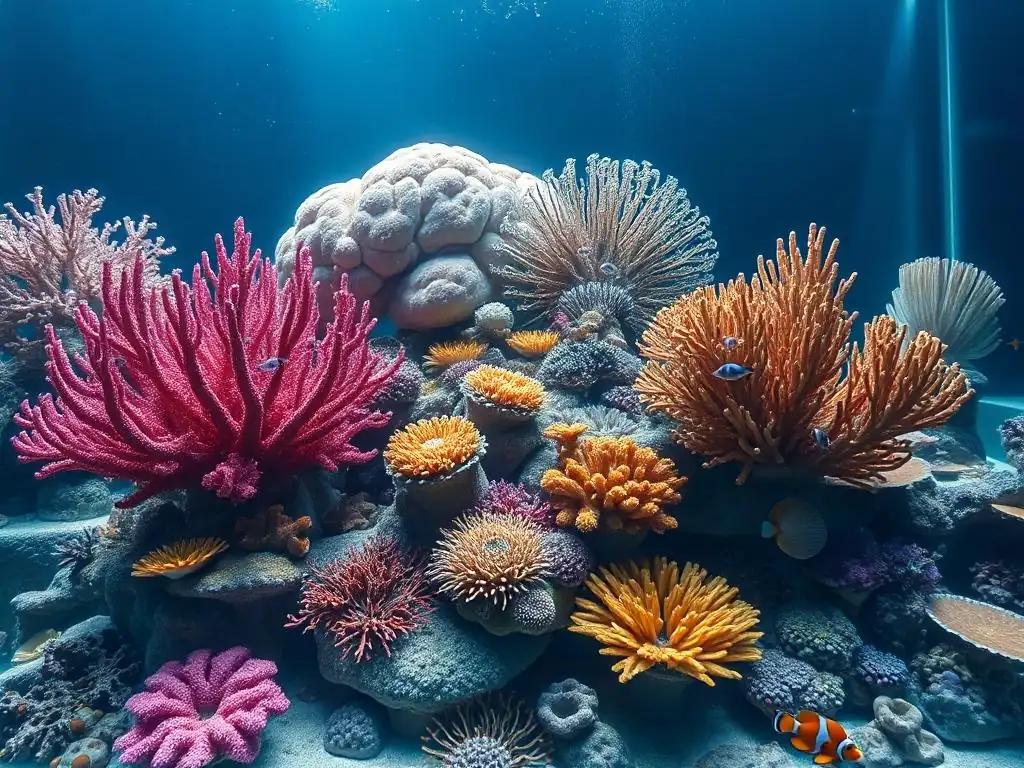
Welcome to Aquarium Mastery, where your aquatic dreams become reality!
Ever wondered what the secret is to unlocking a truly vibrant and thriving reef aquarium? In this article, we delve deep into the Coral Health Trinity, providing essential reef coral health tips to help you master pests, diseases, and the crucial water parameters that determine the success of your underwater ecosystem. Ready to discover the secrets to radiant, healthy corals? Let's dive in!
- Pillar 1: Conquering Coral Pests in Your Reef Tank
-
Frequently Asked Questions
- How important is maintaining stable water parameters for reef coral health?
- What are some common pests that can negatively impact reef coral health?
- What are some signs that my reef coral might be suffering from a disease?
- How can I prevent pests and diseases from affecting my reef corals?
- What role does lighting play in the health and coloration of reef corals?
- Final Reflection: Cultivating Resilience in Our Reefs
- Ignite Your Reef: Unlock Coral's True Potential!
Pillar 1: Conquering Coral Pests in Your Reef Tank
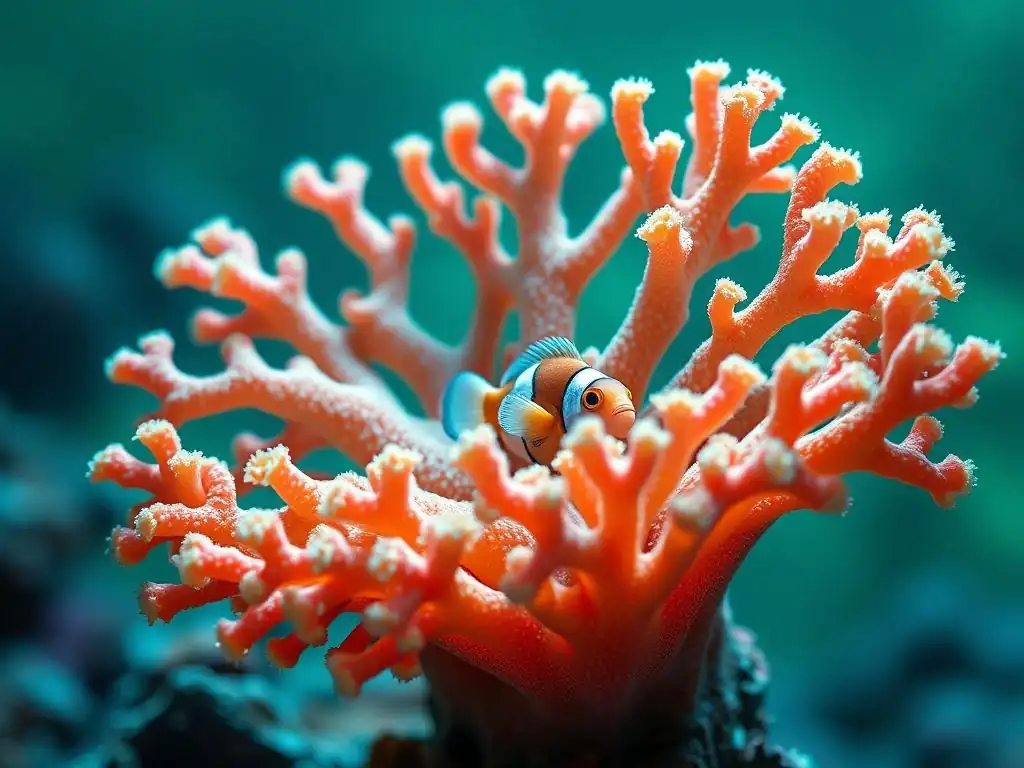
Identifying Common Reef Coral Pests: A Visual Guide
Maintaining optimal reef coral health hinges significantly on the early and accurate identification of common pests. These unwanted organisms can quickly proliferate, stressing corals, inhibiting their growth, and in severe cases, leading to complete colony loss. A vigilant approach, combining regular observation with a keen eye for subtle changes in coral appearance or behavior, is paramount for any successful reef keeper. Understanding the specific visual cues and damage patterns associated with each pest allows for targeted intervention, minimizing the impact on your vibrant reef ecosystem.
Early detection is the most effective reef coral health tip when it comes to pest management. Many coral pests are masters of camouflage, blending seamlessly with their host corals or the rockwork. Utilizing a magnifying glass, a strong flashlight, and even a macro lens for photography can help reveal these elusive invaders. Consistent monitoring during feeding times, when some pests might become more active, or after lights out, can provide crucial opportunities for identification. Knowing what to look for, from microscopic flatworms to larger nudibranchs, empowers aquarists to act swiftly before an infestation escalates beyond easy control.
Acropora Eating Flatworms (AEFW): Identification and Control
Acropora Eating Flatworms, Amakusaplana acroporae, are notorious predators of Acropora corals, capable of decimating entire colonies if left unchecked. These small, oval-shaped flatworms are typically brown or reddish-brown, often matching the color of their Acropora host, making them incredibly difficult to spot. Key indicators of an AEFW infestation include localized tissue recession on Acropora branches, often appearing as distinct white bite marks, and the presence of their egg masses – small, translucent, jelly-like clusters laid directly on the coral skeleton, typically in crevices or shaded areas.
Controlling AEFW requires a multi-pronged approach. Initial steps often involve coral dips, with products containing active ingredients like levamisole or specific flatworm-targeting solutions proving effective in dislodging adults. However, dips do not kill eggs, necessitating repeated treatments every 5-7 days over several weeks (typically 3-4 cycles) to break the life cycle.
Manual removal using a turkey baster or siphoning can reduce adult populations, while introducing natural predators like certain wrasse species, such as the Six-line Wrasse ( Pseudocheilinus hexataenia), can offer some long-term control, though their effectiveness varies. Quarantine new Acropora corals for at least 6-8 weeks, performing multiple dips during this period, is a critical preventative reef coral health tip to prevent introduction.
Montipora Eating Nudibranchs: Recognizing the Signs and Implementing Solutions
Montipora Eating Nudibranchs ( Phestilla spp.) are specialized predators that exclusively feed on Montipora corals. These small, often white or translucent nudibranchs are highly camouflaged, blending perfectly with the coral polyps. The primary sign of their presence is tissue recession on Montipora colonies, particularly along the edges or base, often accompanied by the nudibranchs themselves, which may be visible if you look closely. Their egg spirals, small white coils resembling tiny strings of pearls, are typically laid on the coral skeleton or nearby rockwork.
Eradicating Montipora Eating Nudibranchs requires persistence. Manual removal is effective for visible adults; a soft brush or forceps can carefully dislodge them. Coral dips specifically formulated for nudibranchs, often containing iodine or other broad-spectrum parasiticides, can stun or kill them, making them easier to remove. Similar to AEFW, repeated dips are necessary to address newly hatched nudibranchs, typically every 4-7 days for several weeks. Quarantining all new Montipora corals for at least 4-6 weeks with multiple visual inspections and dips is crucial to prevent these pests from entering the main display tank, safeguarding your reef coral health.
Red Bugs: Understanding and Eradicating These Tiny Copepods
Red Bugs ( Tegastes acroporae) are minute, reddish-orange copepods that specifically infest Acropora corals. While they don't directly consume coral tissue, they are believed to irritate the polyps, causing them to retract and preventing the coral from extending fully, leading to reduced growth and diminished coloration. They are extremely small, often appearing as tiny specks crawling on the coral branches, most easily observed with a magnifying glass or during periods of low flow when they may be more active.
Treatment for Red Bugs typically involves specific invertebrate-safe pesticide treatments. Products containing milbemycin oxime are highly effective against Red Bugs with minimal impact on other desirable invertebrates when used correctly. A single treatment, following precise dosing instructions, is often sufficient to eradicate an infestation. However, proper aeration and carbon filtration post-treatment are essential to remove medication residuals. Prevention through a stringent quarantine protocol for all new Acropora corals, including prophylactic dips and observation periods, remains the best reef coral health tip to avoid their introduction.
Asterina Starfish: Population Control and Potential Threat
Asterina starfish are small, often white or mottled starfish that commonly appear in reef tanks, usually hitchhiking on live rock or corals. While many species are harmless detritivores or algae grazers, some specific species, particularly those with pointed arms or a mottled appearance, are known to consume coral tissue, especially zoanthids, palythoas, and even some SPS or LPS corals. Identifying the problematic species can be challenging, but if you observe tissue loss on corals and see Asterina starfish nearby, they are likely the culprit.
Controlling Asterina starfish populations often involves manual removal. Regularly inspecting rockwork and coral bases and physically removing any observed starfish, particularly those congregating near damaged corals, can help manage their numbers. Some reef keepers introduce natural predators like Harlequin Shrimp ( Hymenocera picta), which exclusively feed on starfish. However, this is a long-term commitment as the shrimp will require a continuous supply of starfish. If a species is identified as coral-eating, aggressive manual removal is crucial. Maintaining good reef coral health through proper water parameters can also make corals more resilient to minor irritation from these starfish.
Effective Pest Control Strategies for Reef Corals
Implementing effective pest control strategies is a cornerstone of proactive reef coral health management. Beyond simply reacting to an infestation, a comprehensive approach involves preventative measures, targeted treatments, and ongoing vigilance. The goal is not just to eliminate existing pests but to create an environment where new introductions are minimized and any potential outbreaks are quickly contained, ensuring the long-term vitality of your coral collection.
A robust pest control plan integrates various techniques, each with its own advantages and limitations. From chemical dips designed to dislodge specific parasites to the establishment of dedicated quarantine systems, each strategy plays a vital role. Understanding when and how to deploy these tools, alongside continuous monitoring and observation, is crucial for maintaining a pest-free and thriving reef. This multi-faceted approach significantly reduces the risk of widespread infestations and supports the overall resilience of your corals.
Coral Dips: Choosing the Right Dip for Specific Pests
Coral dips are invaluable tools for pest eradication, acting as a chemical bath that dislodges or kills external parasites and pests. The effectiveness of a dip depends heavily on choosing the right product for the target pest. For example, iodine-based dips (like Lugol's solution) are effective as a general antiseptic and can help dislodge flatworms and some bacterial issues, but they are not specific pesticides.
Products containing active ingredients like permethrin or milbemycin oxime are highly effective against specific pests like AEFW, Red Bugs, or Montipora Eating Nudibranchs. Always follow manufacturer instructions precisely regarding concentration and dip duration, typically ranging from 5 to 15 minutes, and ensure the coral is well-rinsed in tank water before reintroduction to the display.
Proper execution of a coral dip involves preparing a separate container with tank water, adding the dip solution, gently swirling the coral to expose all surfaces, and using a turkey baster or small brush to dislodge any pests. Post-dip, it's critical to rinse the coral thoroughly in clean tank water to remove any residual dip solution before placing it back into the main display tank or quarantine system.
While effective, dips are primarily a surface treatment and often do not kill eggs, necessitating repeated treatments over several weeks to break the pest's life cycle. This proactive measure is a key reef coral health tip for new arrivals.
Quarantine Tanks: Preventing Pest Introduction and Spread
A dedicated quarantine tank (QT) is arguably the most critical preventative measure in maintaining excellent reef coral health. It serves as a sterile environment where new coral arrivals can be observed, dipped, and treated for potential pests and diseases before being introduced into the main display tank. A typical quarantine period for corals ranges from 4 to 8 weeks, allowing sufficient time for pest eggs to hatch and for any latent diseases to manifest. This isolation prevents the accidental introduction of notorious pests like AEFW, Montipora Eating Nudibranchs, or Red Bugs, which can quickly devastate an established reef.
Setting up a quarantine tank doesn't require complex equipment; a simple small tank (e.g., 10-20 gallons), a small powerhead for circulation, a heater, and a light are sufficient. Avoid using substrate or elaborate rockwork that could harbor pests. During the quarantine period, new corals should undergo multiple prophylactic dips, visual inspections, and observation for any signs of pest activity or disease. Any observed pests should be treated within the QT, ensuring they are eradicated before the coral ever enters the main system. This diligent practice is a foundational reef coral health tip for any serious aquarist.
Biological Control: Introducing Natural Predators
Biological control involves introducing specific organisms that prey on or compete with coral pests, offering a natural and sustainable method of pest management. For instance, certain species of wrasses, such as the Six-line Wrasse ( Pseudocheilinus hexataenia), Yellow Coris Wrasse ( Halichoeres chrysus), or Melanurus Wrasse ( Halichoeres melanurus), are known to actively hunt and consume small flatworms, nudibranchs, and other micro-invertebrates, including Red Bugs. Similarly, certain species of shrimp, like the Harlequin Shrimp ( Hymenocera picta), are specialized predators of starfish, including problematic Asterina species.
While biological control can be an effective long-term strategy, it's important to understand its limitations. Predators may not completely eradicate a pest population, especially in severe infestations, but they can significantly reduce numbers and prevent outbreaks from escalating. The effectiveness can also vary depending on the individual fish or shrimp and the specific pest.
Furthermore, ensuring the predator has a continuous food source (i.e., the pest) is crucial for its survival, which might mean accepting a low level of pest presence in the tank. This method is often best used as a preventative measure or as part of an integrated pest management plan for ongoing reef coral health.
Manual Removal Techniques: A Hands-On Approach
Manual removal is a direct and immediate method for controlling visible coral pests, particularly useful for larger organisms or localized infestations. This technique involves physically removing pests from the coral or tank using tools such as tweezers, forceps, a turkey baster, or even a soft brush. For instance, large flatworms, nudibranchs, or Asterina starfish can be siphoned out or carefully picked off the coral. This method is especially effective for pests that are easily seen and accessible.
When performing manual removal, exercise extreme caution to avoid damaging the coral tissue. For pests like AEFW or Montipora Eating Nudibranchs, carefully inspect the coral's crevices and underside, as these are common hiding spots and egg-laying sites. A gentle blast from a turkey baster can dislodge pests from intricate coral structures, making them easier to siphon out.
While manual removal can significantly reduce pest numbers, it is rarely a complete solution on its own, as microscopic eggs or hidden individuals may remain. It is best used in conjunction with other strategies like coral dips and quarantine to achieve comprehensive reef coral health.
Frequently Asked Questions
How important is maintaining stable water parameters for reef coral health?
Maintaining stable water parameters is absolutely critical for reef coral health. Fluctuations can cause stress and ultimately lead to coral bleaching and death. Aim for consistent levels of alkalinity, calcium, and magnesium.
What are some common pests that can negatively impact reef coral health?
Common pests include coral-eating nudibranchs, Aiptasia anemones, and red bugs. These pests can directly damage coral tissue and compete for resources, hindering their growth and overall health.
What are some signs that my reef coral might be suffering from a disease?
Signs of disease can include tissue necrosis (tissue loss), unusual discoloration, and the appearance of jelly-like substances on the coral. Early detection is key to successful treatment.
How can I prevent pests and diseases from affecting my reef corals?
Quarantine new corals in a separate tank before introducing them to your main reef. Maintain excellent water quality and observe your corals regularly for any signs of pests or diseases.
What role does lighting play in the health and coloration of reef corals?
Adequate and appropriate lighting is essential for photosynthesis, the process by which corals derive energy. Insufficient or incorrect lighting can lead to bleaching and a loss of vibrant coloration.
Final Reflection: Cultivating Resilience in Our Reefs
The journey to a thriving reef aquarium, as we've explored, hinges on mastering the delicate balance between pest control, disease prevention, and meticulous water parameter management. This isn't merely a checklist of tasks, but a continuous cycle of observation, learning, and adaptation, mirroring the very ecosystems we strive to replicate. The urgency of this understanding is amplified by the increasing pressures facing coral reefs worldwide, making responsible reef keeping not just a hobby, but a vital contribution to conservation awareness.
The pursuit of optimal reef coral health is more than just scientific; it's an art form that fosters a deep connection with the natural world. My own experiences have shown me that the more intimately we understand these ecosystems, the more profound our appreciation for their fragility becomes. This understanding compels us to act as stewards, not just consumers, of these precious resources. In the end, we will conserve only what we love; we will love only what we understand; and we will understand only what we are taught.
- Baba Dioum's words resonate deeply, reminding us of the power of knowledge and education in driving meaningful change.
So, let us not simply absorb these reef coral health tips, but internalize them. Let us transform our aquariums into microcosms of resilience, demonstrating the power of informed action and dedicated care. Consider how you can further refine your practices, share your knowledge with fellow enthusiasts, and advocate for the protection of coral reefs in the wild. The future of these vibrant ecosystems, both in our homes and in the ocean, depends on our collective commitment to understanding and nurturing their delicate balance.
Ignite Your Reef: Unlock Coral's True Potential!
Thanks for diving deep into the secrets of coral health! Now that you're armed with the knowledge to combat pests, diseases, and water parameter imbalances, it's time to put that expertise into action and witness your reef flourish. What amazing colors await?
- Prioritize water testing this week. Analyze your aquarium's key parameters (alkalinity, calcium, magnesium, nitrates, phosphates) and fine-tune as needed for optimal coral health.
- Explore unconventional pest control methods. Research natural predators or create a coral dip with ingredients you already have.
- Share your reef transformation! Post before-and-after photos of your revitalized coral on social media using #AquariumMastery, inspiring fellow reef keepers.
What's the first parameter you'll be testing to ensure your coral are living their best life? Let us know in the comments!