
The Art of Grading Crystal Shrimp: Understanding S, SS, SSS and Beyond

Welcome to Aquarium Mastery!
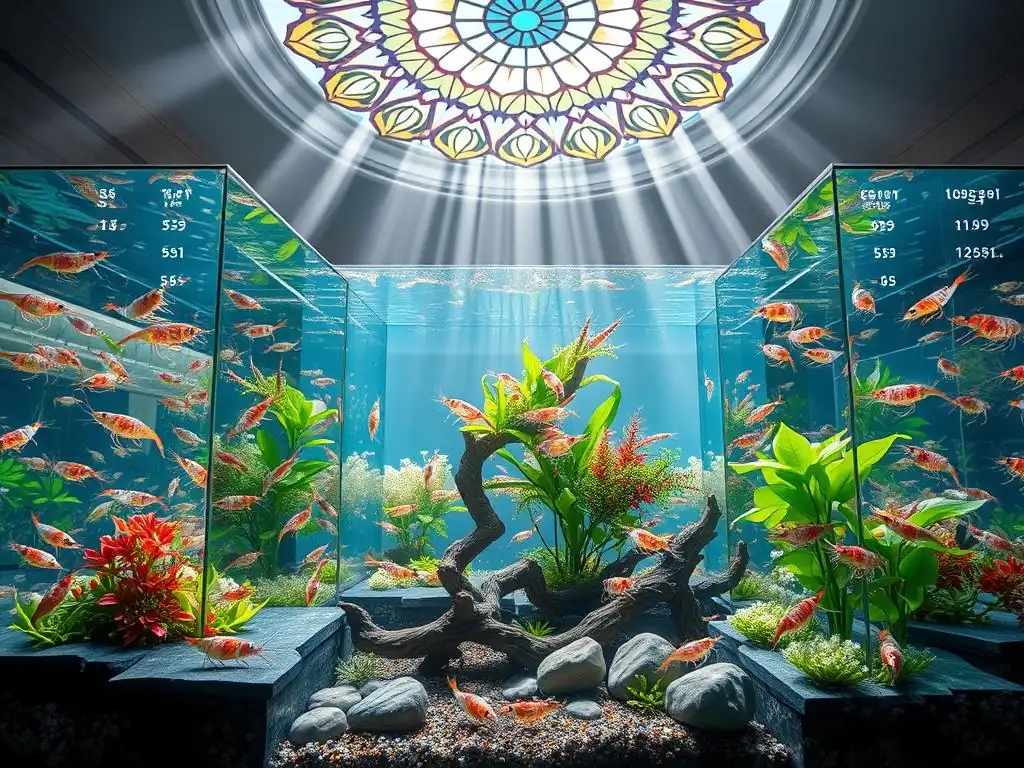
Intrigued by the vibrant world of Crystal Shrimp? Dive into the fascinating Art of Grading Crystal Shrimp, where we unravel the secrets to understanding S, SS, SSS, and beyond. Discover the nuances that distinguish these captivating invertebrates and unlock the knowledge to truly appreciate their beauty. Eager to learn the criteria that defines their value? Let's explore!
- Understanding Crystal Red Shrimp Grading for Optimal Selection
- Decoding Crystal Red Shrimp Grades: A Comprehensive Guide
- Crystal Red Shrimp Grade S: Basic Characteristics and Identification
- Crystal Red Shrimp Grade SS: Enhanced Quality and Features
- Crystal Red Shrimp Grade SSS: Premium Quality and Rarity
- Exploring Higher Grades of Crystal Red Shrimp
- Factors Influencing Crystal Red Shrimp Grade
- Practical Tips for Grading Your Own Crystal Red Shrimp
- Avoiding Common Mistakes in Crystal Red Shrimp Grading
- Buying and Selling Crystal Red Shrimp Based on Grade
- Maintaining Crystal Red Shrimp Quality Through Proper Care
-
Frequently Asked Questions
- What are the primary characteristics used in Crystal Shrimp grading?
- Why is Crystal Shrimp grading important for aquarists?
- What are the basic grading levels for Crystal Shrimp?
- How does one learn to accurately grade Crystal Shrimp?
- What factors can influence a Crystal Shrimp's grade besides genetics?
- Final Reflection: Appreciating the Nuance of Perfection
- Transform Your Shrimp-Keeping Skills Today!
Understanding Crystal Red Shrimp Grading for Optimal Selection
Introduction to Crystal Red Shrimp (Caridina cantonensis)
Crystal Red Shrimp, scientifically known as Caridina cantonensis, are one of the most sought-after freshwater invertebrates in the aquarium hobby, originating from selective breeding of bee shrimp in Japan. These captivating crustaceans are admired for their striking red and white coloration, which can range from translucent patterns to solid, opaque bands. They typically grow to about 1 to 1.2 inches (2.5 to 3 cm) in length and can live for approximately 1.5 to 2 years under optimal conditions, making them a relatively long-lived resident for a nano tank.
Their popularity stems not only from their aesthetic appeal but also from the fascinating challenge of maintaining specific water parameters crucial for their health and breeding. Crystal Red Shrimp thrive in soft, acidic water with a pH range of 6.0-6.8, GH of 4-6, and KH of 0-1, and a temperature between 68-74°F (20-23°C). Mastering these conditions is a rewarding aspect of keeping these delicate creatures, often leading aquarists to delve deeper into the nuances of their care, including specialized Crystal shrimp grading techniques.
The Significance of Grading in Crystal Red Shrimp Keeping
Grading in Crystal Red Shrimp keeping is a crucial system that allows hobbyists and breeders to assess the quality, genetic purity, and aesthetic appeal of individual shrimp. This standardized method helps in distinguishing between common specimens and those with superior coloration, pattern, and overall vitality. For breeders, understanding and applying precise Crystal shrimp grading techniques is fundamental to selective breeding programs aimed at improving the genetic lines and producing higher-grade offspring.
Beyond breeding, grading plays a significant role for general hobbyists who wish to curate a visually stunning aquarium. A tank populated with higher-grade Crystal Red Shrimp often presents a more uniform and vibrant display, enhancing the overall aesthetic. It also serves as a benchmark for health and genetic strength; higher-grade shrimp typically exhibit more robust coloration and clearer patterns, which are often indicative of good lineage and proper care.
Impact of Grade on Crystal Red Shrimp Price and Value
The grade of a Crystal Red Shrimp directly correlates with its market price and perceived value within the aquarium hobby. As with many specialized animals, rarity, genetic purity, and aesthetic perfection command a premium. Entry-level S-grade Crystal Red Shrimp, while still beautiful, might typically be priced between $5 to $15 USD per shrimp, depending on the seller and region. These shrimp generally exhibit good red and white coloration but may have less opaque white coverage or more irregular patterns.
Conversely, higher grades like SSS, Mosura, or Hinomaru can fetch significantly higher prices, often ranging from $50 to $200 USD or more per individual specimen, especially for exceptional examples. For instance, a pristine Hinomaru shrimp with a perfectly solid red circle on its back and immaculate white body can be a centerpiece of a collection and demand top dollar.
This substantial price differential underscores the importance of mastering Crystal shrimp grading techniques for both buyers seeking quality and sellers aiming to value their stock accurately. The investment in higher-grade shrimp is often seen as an investment in a breeding project, with the potential for producing offspring that also command high prices.
Decoding Crystal Red Shrimp Grades: A Comprehensive Guide
The Crystal Red Shrimp Grading Scale Explained
The Crystal Red Shrimp grading scale is a hierarchical system designed to categorize shrimp based on the intensity and opacity of their white coloration, the richness of their red, and the distinctness of their patterns. This scale, largely standardized across the global shrimp keeping community, begins with the "S" grade and progresses upwards through "SS" and "SSS," with even rarer and more specific patterns like "Mosura" and "Hinomaru" representing the pinnacle of quality. The primary goal of these Crystal shrimp grading techniques is to objectively assess the visual characteristics that define a superior specimen.
Each ascending grade signifies an improvement in white coverage, a reduction in translucent areas, and a more defined, often intricate, red and white pattern. For example, a lower-grade shrimp might have a translucent white, while a high-grade one will boast a thick, opaque, porcelain-like white. This systematic approach allows hobbyists to communicate quality levels effectively and helps breeders track their progress in producing genetically stable and aesthetically pleasing lines.
Understanding the "S" Grade System
The "S" grade system, originating from Japanese breeders, serves as the foundational framework for Crystal Red Shrimp grading. "S" stands for "Super" or "Standard," indicating a shrimp that meets a certain quality benchmark above wild-type or common, less selectively bred shrimp.
The progression from S to SS to SSS primarily reflects an increase in the proportion and opacity of white coloration relative to the red, as well as the clarity and sharpness of the color boundaries. A basic S-grade shrimp will have clear red and white bands, but the white may not be entirely opaque, and patterns might be less defined.
As one moves to SS and then SSS, the white becomes increasingly solid and porcelain-like, often covering a larger percentage of the body. The red also tends to be deeper and more vibrant. This systematic progression allows breeders to set clear goals for their selective breeding programs, focusing on traits that enhance the visual appeal and genetic stability, which are key aspects of advanced Crystal shrimp grading techniques.
The Role of Markings and Color Intensity in Grading
Markings and color intensity are paramount in determining a Crystal Red Shrimp's grade. The ideal Crystal Red Shrimp exhibits a vivid, deep red and a pure, opaque white. The sharpness of the lines separating these two colors is a critical factor; crisp, well-defined bands indicate a higher grade, while blurry or uneven transitions suggest a lower quality. Specific patterns, such as the "V-band" (a V-shaped white band on the head), "Tiger Tooth" (zig-zag white patterns), and the iconic "Hinomaru" (a solid red circle on the back), significantly influence the grade.
The degree of white coverage is perhaps the most influential factor. Lower grades might have white covering 30-50% of the body, whereas SSS and higher grades often boast 70-90% or more opaque white coverage. Any translucent areas, especially on the abdomen, will typically reduce the grade. Breeders meticulously select for these traits, understanding that consistent color intensity and precise markings are not only aesthetically pleasing but also indicators of strong genetic lines achieved through diligent Crystal shrimp grading techniques.
Crystal Red Shrimp Grade S: Basic Characteristics and Identification
Identifying Grade S Crystal Red Shrimp
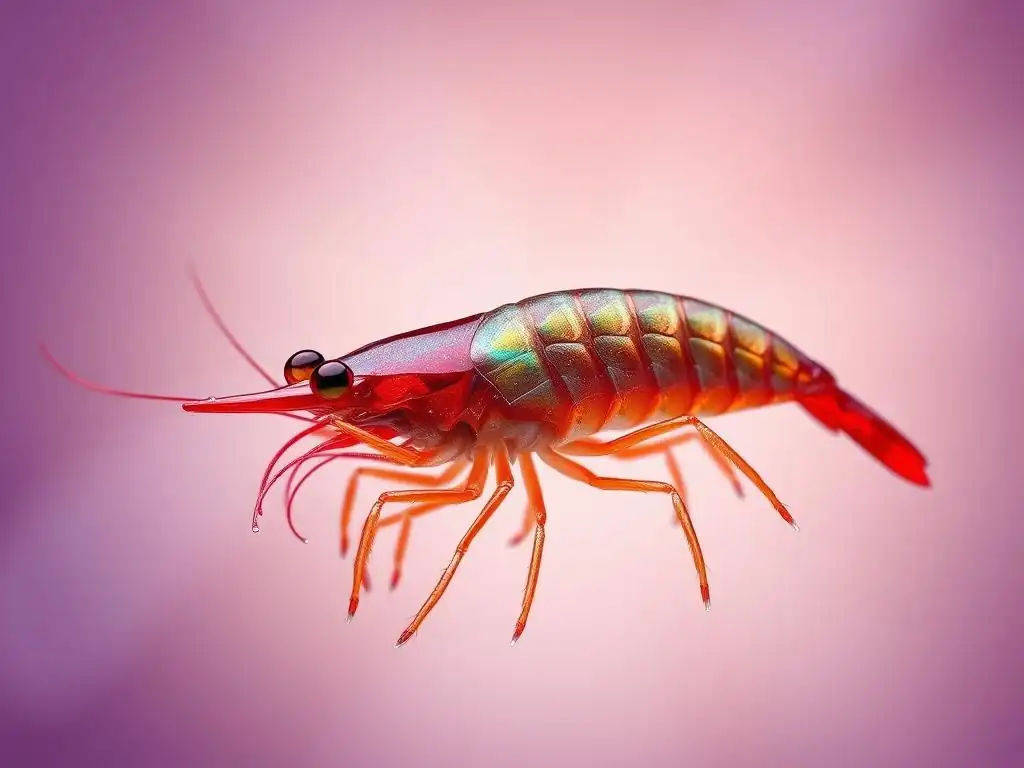
Grade S Crystal Red Shrimp represent the entry point into the graded hierarchy, offering a balance of aesthetic appeal and affordability. When identifying Grade S specimens, look for distinct red and white bands, though the white may not be entirely opaque or cover a large portion of the body. Typically, the white areas might appear slightly translucent or milky, especially under bright lighting, and the red may not be as deep or uniform as in higher grades. The pattern is usually relatively simple, often featuring two to three broad red bands interspersed with white.
A common characteristic of Grade S shrimp is the presence of a "V-band" on the head, or perhaps a "No-Entry" sign pattern (a white circle with a red line through it) on the tail. While these patterns are desirable, in an S-grade shrimp, they might not be as perfectly formed or as opaque as in SS or SSS grades. These shrimp are excellent for beginners looking to start a Crystal Red Shrimp colony without a significant initial investment, providing a solid foundation for learning about their care and basic Crystal shrimp grading techniques.
Color and Pattern Expectations for S Grade Shrimp
For Grade S Crystal Red Shrimp, the color expectations include a clear distinction between the red and white segments, even if the white is not perfectly solid. The red color should be noticeable and present, though it might lean towards an orange-red rather than a deep, vibrant crimson. The white is generally present in bands, but its opacity can vary, sometimes appearing somewhat "cloudy" or less dense than higher grades. It's common to see areas where the underlying body color (a faint translucent base) is visible through the white.
In terms of patterns, S-grade shrimp often display a classic "tiger tooth" pattern (jagged white lines) or a "V-band" on the head. These patterns might not be perfectly symmetrical or consistently sharp across all specimens within this grade. For instance, a V-band might be slightly irregular, or the red bands might have minor breaks. Despite these minor imperfections compared to higher grades, S-grade shrimp are still very attractive and represent a good starting point for understanding the nuances of Crystal shrimp grading techniques before moving to more advanced specimens.
Considerations When Buying S Grade Crystal Red Shrimp
When purchasing S Grade Crystal Red Shrimp, several factors should be considered to ensure a healthy and satisfying addition to your aquarium. Firstly, while the grade indicates a certain aesthetic standard, prioritize the shrimp's overall health and vitality. Look for active shrimp with clear exoskeletons, good antennae movement, and no signs of lethargy or stress. Even an S-grade shrimp should be robust. Secondly, understand that S-grade shrimp offer a fantastic entry point for learning proper care and breeding without the financial pressure associated with premium grades.
It's also important to consider the source. Buying from a reputable breeder or store that maintains optimal water parameters and provides good nutrition will significantly increase your chances of acquiring healthy S-grade shrimp that can thrive and potentially produce higher-grade offspring over generations. While S-grade shrimp might not be the pinnacle of Crystal shrimp grading techniques, they provide an accessible and rewarding experience for anyone venturing into the world of Caridina cantonensis. They are often available in larger quantities and at more competitive prices, making them ideal for establishing a new colony.
Crystal Red Shrimp Grade SS: Enhanced Quality and Features
Distinguishing SS Grade Crystal Red Shrimp from S Grade
Distinguishing SS Grade Crystal Red Shrimp from their S Grade counterparts primarily involves a noticeable improvement in the opacity and coverage of the white coloration, coupled with a more intense red. While S-grade shrimp may have some translucency in their white bands, SS-grade shrimp exhibit a much more solid, opaque white that covers a greater percentage of their body. This white typically appears brighter and more "porcelain-like," with minimal or no translucent spots, especially on the carapace and body segments.
Furthermore, the red coloration in SS-grade shrimp is generally deeper, more vibrant, and evenly distributed, signifying a stronger genetic line. The patterns are also more defined and consistent. For example, a "V-band" or "No-Entry" pattern on an SS-grade shrimp will be sharper and more complete than on an S-grade. These improvements are critical indicators for applying advanced Crystal shrimp grading techniques, as they reflect successful selective breeding efforts aimed at enhancing key aesthetic traits.
Advanced Pattern Recognition in SS Grade Shrimp
Advanced pattern recognition is a key aspect of identifying SS Grade Crystal Red Shrimp. While S-grade shrimp may show basic patterns, SS-grade specimens often display more intricate and well-formed designs. Common patterns to look for include a very solid and clean "V-band" on the head, or a clearly defined "Hinomaru" (a red circle on the back) that is not quite as perfect as an SSS-grade Hinomaru, but still distinct. The "Tiger Tooth" pattern (jagged white lines) will be sharper and more consistent across the body.
Another important aspect is the "Mosura" pattern, which begins to emerge in higher SS grades. A true Mosura will have significant white coverage, often with only small patches of red, typically on the head or tail. While a full Mosura is usually an SSS-grade or higher, an SS-grade might show early signs of this pattern, with large, continuous white areas. Mastering these Crystal shrimp grading techniques allows hobbyists to appreciate the subtle yet significant differences in pattern quality that elevate a shrimp to the SS grade.
Breeding for Improved SS Grade Crystal Red Shrimp
Breeding for improved SS Grade Crystal Red Shrimp requires a dedicated approach to selective breeding, focusing on pairing high-quality S or SS-grade individuals. The primary goal is to consistently produce offspring that exhibit enhanced white opacity, deeper red coloration, and more refined patterns. This involves careful observation of parent shrimp for desirable traits, such as a strong, opaque white shell and vibrant, solid red bands. Breeders often keep detailed records of their breeding pairs and their offspring's grades to track genetic progress over generations.
To achieve consistent SS-grade offspring, it's crucial to maintain stable and optimal water parameters, as environmental stress can negatively impact coloration and pattern development. A varied diet rich in high-quality shrimp food, spirulina, and various minerals also contributes significantly to robust health and vibrant colors, which are essential for achieving higher grades. Successful breeders understand that patience and meticulous application of Crystal shrimp grading techniques are key to elevating their colony's overall quality and producing valuable SS-grade specimens.
Defining Characteristics of SSS Grade Crystal Red Shrimp
SSS Grade Crystal Red Shrimp represent a pinnacle of quality in the grading system, characterized by an exceptionally high degree of white opacity and coverage, combined with a deep, vivid red. The white on SSS specimens is often described as "porcelain white" or "snow white" due to its dense, solid appearance, with virtually no translucent areas visible anywhere on the body, including the underside. This immaculate white typically covers 70% to 90% or more of the shrimp's body, leaving distinct, rich red patterns.
The red coloration in SSS-grade shrimp is usually a deep, opaque crimson, not a faint or orange-red. Patterns are extremely sharp, well-defined, and often intricate. Common SSS patterns include the "Mosura" (where red is limited to a small patch on the head or tail, or a single spot on the back), and the "Hinomaru" (a perfect, solid red circle on the back surrounded by immaculate white). Identifying these precise features requires keen observation and a solid understanding of advanced Crystal shrimp grading techniques.
The Importance of White Coverage in SSS Grading
White coverage is arguably the most critical factor in determining an SSS grade for Crystal Red Shrimp. For a shrimp to achieve SSS status, its white coloration must be not only extensive but also incredibly opaque and uniform. Any significant translucent areas, especially on the carapace or abdomen, would typically relegate the shrimp to a lower grade. This high level of white coverage signifies superior genetics and meticulous selective breeding over many generations.
For patterns like "Mosura" and "Hinomaru," the vast expanse of pristine white serves as the backdrop, making the limited red markings stand out with striking contrast. A Mosura SSS shrimp, for instance, might have only a small red "crown" on its head or a single "dot" of red on its back, with the rest of its body covered in flawless white. This emphasis on white coverage highlights the dedication involved in producing such high-grade specimens and is a cornerstone of precise Crystal shrimp grading techniques.
Genetic Potential of SSS Grade Crystal Red Shrimp
The genetic potential of SSS Grade Crystal Red Shrimp is exceptionally high, making them highly sought after by serious breeders aiming to establish or improve their top-tier lines. These shrimp are the result of extensive selective breeding, where individuals exhibiting the most desirable traits—superior white opacity, deep red coloration, and perfect patterns—are consistently chosen for reproduction. Consequently, SSS-grade shrimp carry a strong genetic predisposition to pass on these premium characteristics to their offspring.
While not every offspring from SSS parents will be SSS grade (due to genetic variability), the probability of producing a higher percentage of SS and SSS grade shrimp is significantly increased compared to breeding lower-grade individuals. Breeders often invest heavily in SSS-grade shrimp to introduce new, strong genetics into their colonies, thereby elevating the overall quality and consistency of their future generations. This focus on genetic potential underscores the strategic importance of Crystal shrimp grading techniques in the advanced hobby.
Exploring Higher Grades of Crystal Red Shrimp
Understanding rarer grades like Mosura and Hinomaru
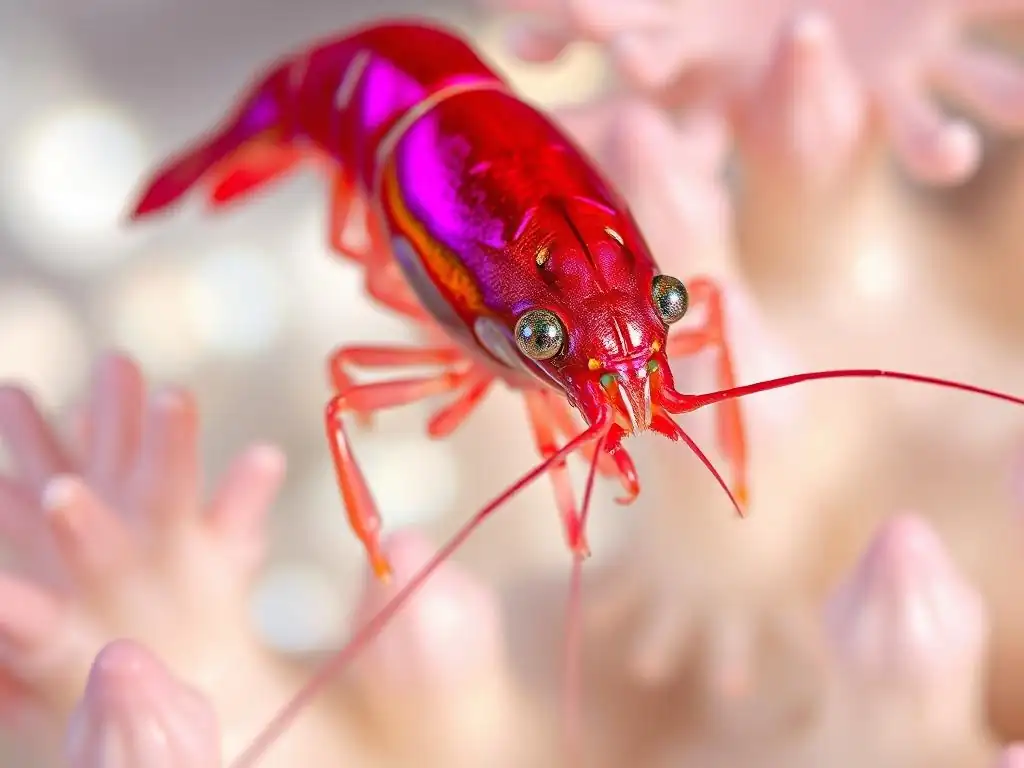
Beyond the SSS grade, Crystal Red Shrimp can reach even rarer and more specialized grades, notably "Mosura" and "Hinomaru." These grades are not merely about more white coverage but about specific, highly sought-after patterns achieved through intensive selective breeding. A "Mosura" grade shrimp is characterized by an almost entirely white body with very minimal red markings, typically limited to a small patch on the head (often called a "crown" or "helmet") or a tiny dot on the back. The white is exceptionally opaque and pristine, creating a stunning, stark contrast.
The "Hinomaru" grade, named after the Japanese flag, is defined by a perfect, solid red circle (or sometimes a diamond or square) on the shrimp's back, completely surrounded by flawless, opaque white. This specific pattern is extremely difficult to achieve consistently, making Hinomaru shrimp among the most valuable. Other variations exist, like "日の丸モスラ" (Hinomaru Mosura), which combines a Hinomaru pattern with the extensive white coverage of a Mosura. These advanced Crystal shrimp grading techniques highlight the artistry and dedication involved in pushing the boundaries of shrimp aesthetics.
The role of breeders in establishing new grades
Breeders play an indispensable role in establishing and refining new grades of Crystal Red Shrimp. Through meticulous selective breeding over many generations, they identify and isolate individuals with unique or superior genetic traits, then work to stabilize these traits within a breeding line. This process can take years, involving careful pairing, culling of undesirable offspring, and precise record-keeping. For example, the development of the Mosura pattern was likely a gradual process, with breeders selecting for increasing white coverage until the iconic minimal-red pattern emerged and became stable.
As new genetic mutations or pattern variations appear, dedicated breeders are the first to recognize their potential. They then embark on the challenging journey of consistently reproducing these traits, eventually leading to the recognition and standardization of new grades within the hobby. This continuous innovation by breeders drives the evolution of Crystal shrimp grading techniques and ensures the hobby remains dynamic and exciting, with new aesthetic goals constantly emerging.
Future Trends in Crystal Red Shrimp Grading
Future trends in Crystal Red Shrimp grading are likely to continue pushing the boundaries of coloration, pattern complexity, and genetic stability. As breeding techniques become more sophisticated, we may see the emergence of even more specific and intricate patterns, possibly with unique color combinations or variations in the existing red and white. There's also a growing interest in genetic markers that can predict a shrimp's potential grade early in its life, or even before hatching, which could revolutionize breeding efficiency.
Furthermore, as the hobby expands globally, there might be a greater emphasis on standardizing Crystal shrimp grading techniques across different regions to ensure consistency in quality assessment and market value. While the core S-SSS system will likely remain, expect to see more nuanced sub-grades or new descriptive terms for highly specialized patterns. The ongoing pursuit of perfection by dedicated aquarists and breeders will undoubtedly lead to new and exciting developments in how we appreciate and grade these miniature aquatic jewels.
Factors Influencing Crystal Red Shrimp Grade
Genetics and Selective Breeding
Genetics is by far the most dominant factor influencing a Crystal Red Shrimp's grade. The traits that define a high-grade shrimp—such as opaque white coverage, deep red coloration, and precise patterns—are primarily inherited. Selective breeding involves carefully choosing parent shrimp that exhibit superior characteristics and pairing them to increase the likelihood of their offspring inheriting those same desirable traits. For instance, if you breed two SSS-grade Hinomaru shrimp, the probability of their progeny also being high-grade Hinomaru is significantly higher than if you bred lower-grade individuals.
This process requires meticulous record-keeping and often involves culling (removing) shrimp that do not meet the desired grade to prevent undesirable genes from propagating through the colony. Over multiple generations, consistent selective breeding can dramatically improve the overall quality of a shrimp line, transforming a colony of average S-grade shrimp into one consistently producing SS or even SSS specimens. This underscores why understanding genetics is crucial for anyone applying advanced Crystal shrimp grading techniques.
Environmental Conditions and Their Impact
While genetics lay the foundation, environmental conditions play a crucial role in allowing a Crystal Red Shrimp to express its full genetic potential and achieve its highest possible grade. Suboptimal water parameters, such as fluctuating temperatures, incorrect pH, or elevated nitrates, can stress shrimp, leading to duller colors, less opaque white, and even stunted growth. For instance, a shrimp genetically capable of being an SS-grade might only exhibit S-grade characteristics if kept in poor water conditions, as its body prioritizes survival over color development.
Ideal water parameters for Crystal Red Shrimp are typically soft and acidic (pH 6.0-6.8, GH 4-6, KH 0-1) with stable temperatures around 68-74°F (20-23°C). Consistent water changes using remineralized RO water, coupled with a mature filter system, minimize stress and allow the shrimp to fully develop their vibrant colors and opaque patterns. Maintaining these pristine conditions is essential for any serious aquarist aiming for accurate Crystal shrimp grading techniques and maximizing their shrimp's aesthetic potential.
Diet and Its Role in Color Development
Diet is another significant factor influencing the color development and overall health, and thus the potential grade, of Crystal Red Shrimp. A balanced and nutritious diet provides the essential building blocks for vibrant coloration and a strong exoskeleton. High-quality shrimp foods often contain natural color enhancers like astaxanthin, which can deepen the red pigments in shrimp. For example, shrimp fed a diet rich in spirulina or other algae-based foods often exhibit more intense red coloration compared to those fed only generic flakes.
Beyond color, a good diet contributes to robust health, which is indirectly linked to grade. Healthy shrimp are more likely to develop solid, opaque white coloration and maintain sharp pattern definition. Conversely, a poor diet can lead to faded colors, thin exoskeletons, and overall poor vitality, preventing even genetically superior shrimp from reaching their potential grade. Therefore, providing a varied diet consisting of specialized shrimp pellets, blanched vegetables, and occasional protein sources is crucial for optimizing the expression of desirable traits when applying Crystal shrimp grading techniques.
Practical Tips for Grading Your Own Crystal Red Shrimp
Setting Up a Grading Tank
Setting up a dedicated grading tank can significantly improve the accuracy and consistency of your Crystal shrimp grading techniques. A small, bare-bottom tank (e.g., a 2.5 to 5-gallon tank) is ideal. The lack of substrate or elaborate decor prevents shrimp from hiding and allows for clear, unobstructed views. Use simple, dark-colored backgrounds (e.g., black or dark blue poster board) to make the red and white colors pop and minimize reflections.
Ensure the tank is well-lit with a consistent, bright light source that simulates natural daylight. LED lights with a high Color Rendering Index (CRI) are excellent for this purpose, as they reveal true colors without distortion. Maintain the same pristine water parameters as your main shrimp tank to avoid stressing the shrimp during the grading process. A small sponge filter provides adequate filtration without creating strong currents. This controlled environment allows for objective assessment of patterns, color opacity, and overall form.
Essential Tools for Accurate Grading
Accurate Crystal shrimp grading techniques rely on a few essential tools that enhance visibility and precision. Firstly, a high-quality magnifying glass or a macro lens for your smartphone camera is invaluable. This allows you to zoom in on intricate patterns, assess the opacity of the white, and identify any subtle imperfections that might affect the grade, such as translucent spots or irregular lines. Many hobbyists use a 5x or 10x magnification for detailed inspection.
Secondly, a clear, wide-mouthed glass or acrylic container (like a small specimen jar) is crucial for isolating individual shrimp during grading. This allows you to view the shrimp from all angles against a consistent background without the distraction of other tank inhabitants. Finally, consistent lighting, as mentioned for the grading tank, is a tool in itself. Avoid grading under varying light conditions or direct sunlight, as this can lead to misinterpretations of color intensity and pattern clarity.
Step-by-Step Guide to Crystal Red Shrimp Grading
To effectively grade your Crystal Red Shrimp, follow a systematic approach. First, prepare your grading tank with stable water parameters and optimal lighting. Gently net a single shrimp and transfer it to your clear grading container, allowing it a moment to settle. Observe the shrimp from all angles against a dark background. Begin by assessing the overall color intensity: Is the red vibrant and deep? Is the white pure and opaque?
Next, focus on the white coverage and opacity. Look for any translucent areas, especially on the body and tail. The more solid and porcelain-like the white, the higher the grade. Then, examine the patterns: Are the red and white bands sharp and well-defined? Look for specific patterns like the V-band, Hinomaru, or Mosura.
Use your magnifying glass to scrutinize details. Compare the shrimp to established grading charts or reference images. Based on these observations, assign a grade (S, SS, SSS, or higher). Repeat the process for each shrimp, maintaining consistent conditions and a critical eye to refine your Crystal shrimp grading techniques.
Avoiding Common Mistakes in Crystal Red Shrimp Grading
Misinterpreting Markings and Patterns
One of the most common mistakes in Crystal shrimp grading techniques is misinterpreting markings and patterns, leading to an inaccurate assessment of a shrimp's grade. Beginners might confuse minor imperfections with significant flaws, or conversely, overestimate the quality of a pattern. For instance, a slightly irregular V-band might be seen as a perfect one, or a translucent patch might be overlooked due to excitement. It's crucial to understand the precise definitions for each pattern (e.g., a true Hinomaru requires a perfectly circular, solid red dot, not just any red spot).
Additionally, the perception of patterns can vary greatly depending on the shrimp's age, health, and even its recent diet. A young shrimp's colors might not be fully developed, or a stressed shrimp might appear duller. Always observe shrimp that are healthy and well-fed to ensure they are displaying their true potential. Consulting multiple reference guides and images, and even seeking opinions from experienced breeders, can help calibrate your eye and prevent misinterpretations.
Overlooking Physical Imperfections
Overlooking physical imperfections is another pitfall in Crystal shrimp grading techniques. While color and pattern are primary grading criteria, the shrimp's overall physical integrity also plays a role, especially in higher grades. Imperfections such as bent rostrums, missing pleopods (swimmerets), or deformed antennae, even if minor, can detract from a shrimp's overall quality and value. These issues can sometimes indicate genetic weaknesses or past injuries, which are undesirable for breeding purposes.
Furthermore, subtle signs of stress or illness, like a dull exoskeleton, lethargy, or shrunken abdomen, should not be overlooked. While these might not be permanent grading factors, they indicate a shrimp that is not in optimal condition to display its true grade. Always ensure the shrimp is active and appears healthy before making a final assessment. A comprehensive approach to Crystal shrimp grading techniques involves evaluating both aesthetic traits and the shrimp's physical condition.
Consistent Lighting for Accurate Assessment
Maintaining consistent lighting is paramount for accurate Crystal shrimp grading techniques, yet it is often overlooked. The intensity and color temperature of the light source can significantly alter the appearance of a shrimp's red and white coloration, leading to misjudgments. For instance, a warm-toned light might make the red appear deeper, while a cool-toned light could make the white seem brighter, potentially misleading the grader. Natural daylight, while seemingly ideal, can fluctuate throughout the day, causing inconsistencies.
To avoid this, always use a dedicated, consistent light source with a known color temperature (e.g., 6500K LEDs, which mimic natural daylight) and intensity. Place the grading tank or container in the same spot each time, ensuring the light hits the shrimp uniformly. Avoiding direct sunlight or harsh, directional lighting that creates shadows is also crucial. A stable lighting environment ensures that your assessment of color opacity, vibrancy, and pattern sharpness is repeatable and reliable, making your Crystal shrimp grading techniques more accurate.
Buying and Selling Crystal Red Shrimp Based on Grade
Understanding Market Value by Grade
Understanding the market value by grade is fundamental for both buying and selling Crystal Red Shrimp effectively. The price difference between grades can be substantial, reflecting the rarity, genetic stability, and aesthetic perfection. For instance, a basic S-grade Crystal Red Shrimp might sell for $5-$10 USD, while an SS-grade could command $20-$40 USD, and an SSS-grade often fetches $50-$100+ USD, with exceptional Mosura or Hinomaru specimens sometimes reaching several hundred dollars. These figures are approximations and vary by region, breeder reputation, and market demand.
Buyers need to research current market prices for different grades to ensure they are paying a fair amount for the quality they receive. Sellers, on the other hand, must accurately grade their shrimp to price them competitively and transparently. Over-grading can lead to customer dissatisfaction, while under-grading means lost profit. A thorough grasp of Crystal shrimp grading techniques is essential for navigating this specialized market.
Ethical Considerations in Grading and Sales
Ethical considerations are paramount when buying and selling Crystal Red Shrimp based on grade. Transparency and honesty are key. Sellers have an ethical obligation to accurately grade their shrimp and provide clear, representative photos or videos that reflect the shrimp's true quality. Misrepresenting a lower-grade shrimp as a higher one is deceptive and damages trust within the hobby. It's also important to disclose any known genetic issues or physical imperfections that might not be immediately apparent but could impact the shrimp's long-term health or breeding potential.
Buyers, in turn, should educate themselves on Crystal shrimp grading techniques to make informed decisions and avoid being misled. Asking questions about the shrimp's lineage, water parameters, and feeding regimen can also help assess the seller's ethics and the quality of their stock. Promoting ethical practices benefits the entire Crystal Red Shrimp community by fostering trust and ensuring fair transactions.
Finding Reputable Crystal Red Shrimp Breeders and Sellers
Finding reputable Crystal Red Shrimp breeders and sellers is crucial for a positive experience, especially when dealing with higher-grade shrimp. Reputable sources typically have a strong track record of providing healthy, accurately graded shrimp and excellent customer service. Look for sellers who are active in online forums, dedicated shrimp groups, or have established websites with detailed information about their breeding practices and water parameters. Many reputable breeders will also offer guarantees on live arrival and provide support for any issues.
Word-of-mouth recommendations from experienced aquarists are often the most reliable way to find trustworthy sellers. Check reviews and testimonials, and don't hesitate to ask for photos or videos of the specific shrimp you intend to purchase. A good breeder will be transparent about their Crystal shrimp grading techniques and happy to answer questions, demonstrating their expertise and commitment to the hobby. Investing time in finding a reputable source will pay dividends in the long-term health and quality of your Crystal Red Shrimp colony.
Maintaining Crystal Red Shrimp Quality Through Proper Care
Water Parameters and Their Influence on Grade
Maintaining precise and stable water parameters is arguably the most critical factor in preserving and even enhancing the quality and grade of your Crystal Red Shrimp. These shrimp are highly sensitive to fluctuations, and improper parameters can lead to stress, faded colors, and a reduction in white opacity, effectively lowering their apparent grade. Ideal parameters include a soft, acidic environment: pH 6.0-6.8, GH (General Hardness) 4-6, and KH (Carbonate Hardness) 0-1. Temperature should be kept stable between 68-74°F (20-23°C).
Using Reverse Osmosis (RO) water remineralized with a product specifically designed for Caridina shrimp (e.g., SaltyShrimp GH+) allows for precise control over these parameters. Regular testing with reliable kits (e.g., drop test kits) ensures consistency. Even genetically high-grade shrimp will fail to display their full potential if water quality is compromised, highlighting that excellent husbandry is as important as genetics in maintaining the standards set by Crystal shrimp grading techniques.
Feeding Strategies for Optimal Color and Health
Effective feeding strategies are essential for ensuring optimal color development and overall health, which directly contribute to maintaining a Crystal Red Shrimp's grade. A varied diet of high-quality foods is key. Specialized shrimp pellets formulated for Caridina species often contain natural color enhancers like astaxanthin, which helps intensify the red pigmentation. Examples include foods from brands like Shirakura, Benibachi, or GlasGarten. Supplementing with blanched vegetables (e.g., spinach, zucchini) provides essential vitamins and fiber.
It's crucial to avoid overfeeding, as uneaten food can quickly foul the water, leading to poor water quality that stresses shrimp and dulls their colors. Feed small amounts once a day, or every other day, ensuring all food is consumed within a few hours. A healthy, well-fed shrimp will exhibit vibrant colors, opaque white, and robust activity, all indicators that its true grade is being fully expressed. Proper nutrition is a non-negotiable aspect of successful Crystal shrimp grading techniques.
Preventing Genetic Regression in Crystal Red Shrimp Colonies
Preventing genetic regression, or the decline in quality and grade over generations, is a significant challenge for Crystal Red Shrimp breeders. Without active intervention, even a high-grade colony can gradually revert to lower-grade characteristics due to random genetic recombination. The primary strategy to combat this is continuous selective breeding. This involves regularly culling (removing) any shrimp that do not meet the desired grade standards, whether they exhibit faded colors, poor patterns, or physical imperfections.
Introducing new, high-grade genetics from outside your colony can also help by broadening the gene pool and strengthening desirable traits. However, this must be done carefully to avoid introducing diseases. Maintaining a large breeding population helps ensure genetic diversity and reduces the risks associated with inbreeding. By diligently applying Crystal shrimp grading techniques, meticulously selecting breeding pairs, and maintaining optimal conditions, breeders can actively work to preserve and even enhance the quality of their Crystal Red Shrimp lines for future generations.
Frequently Asked Questions
What are the primary characteristics used in Crystal Shrimp grading?
Grading Crystal Shrimp relies heavily on the opacity and width of the white banding. Higher grades typically exhibit more intense white coloration and wider bands. Additionally, body shape and overall health are considered.
Why is Crystal Shrimp grading important for aquarists?
Grading helps aquarists understand the genetic quality and potential value of their Crystal Shrimp. It also guides breeding programs, allowing for selective breeding to improve desired traits. Ultimately, it impacts price and collectibility.
What are the basic grading levels for Crystal Shrimp?
The most common grades include S, SS, and SSS, with variations beyond. 'S' grade is typically the lowest, with 'SSS' exhibiting the highest quality and most defined banding. Grades beyond SSS are often specialized and can include unique patterns.
How does one learn to accurately grade Crystal Shrimp?
Accurate grading requires practice and observation. Comparing shrimp to established grading charts and seeking feedback from experienced breeders is essential. Online forums and communities can also provide valuable learning resources.
What factors can influence a Crystal Shrimp's grade besides genetics?
While genetics are the primary factor, water quality and diet can impact a shrimp's overall coloration and appearance. Stress can also temporarily affect coloration, making accurate grading difficult until the shrimp recovers.
Final Reflection: Appreciating the Nuance of Perfection
The intricacies of crystal shrimp grading, as we've explored, are not merely about categorizing crustaceans; they represent a deeper appreciation for the dedication and artistry involved in selectively breeding for beauty and health. This pursuit of perfection, evident in the meticulous distinctions between S, SS, SSS, and beyond, mirrors our own aspirations for excellence in various aspects of life, reminding us that even seemingly small details can contribute to extraordinary outcomes.
This journey into crystal shrimp grading has underscored the profound impact that passion and attention to detail can have on shaping the natural world. It's a testament to the human desire to cultivate beauty and refine existing forms, a desire that resonates across cultures and throughout history. The details are not the details. They make the design.
- Charles Eames. This quote perfectly encapsulates the essence of crystal shrimp grading, where minute variations in color, pattern, and form determine the ultimate value and aesthetic appeal.
Now, as you consider the dedication and precision involved in grading crystal shrimp, I invite you to reflect on your own pursuits. Where can you apply a similar level of attention and care to elevate your own craft, passion, or even your daily interactions? Embrace the art of refinement, and discover the extraordinary beauty that lies within the details.
Transform Your Shrimp-Keeping Skills Today!
Thanks for diving into the fascinating world of Crystal Shrimp grading! We hope you found this guide helpful in understanding the nuances of these beautiful creatures. Now it's time to take your knowledge to the next level and put it into practice.
Here are a few ways you can continue your shrimp-keeping journey:
- Start grading your own shrimp! Observe your colony closely, identify unique patterns, and try classifying them based on the criteria discussed. This hands-on experience is invaluable.
- Share your newfound knowledge: Create a post on social media of your favorite Crystal Shrimp and tag aquariummastery.com
- Explore advanced shrimp keeping techniques. Research water parameter optimization, specialized feeding regimes, and breeding strategies to further enhance your shrimp’s health and vibrancy.
What unique patterns have you noticed in your Crystal Shrimp colony? Share your observations in the comments below!