
Common Caridina Health Issues: Prevention, Diagnosis, and Treatment

Welcome to Aquarium Mastery!
Ever wondered what those subtle changes in your Caridina shrimp mean? Dive in to discover everything you need to know about Caridina disease treatment options. We'll guide you through prevention, diagnosis, and effective treatment strategies, ensuring your delicate invertebrates thrive. Curious to learn more? Let's get started!
- Caridina Shrimp Health: Prevention, Diagnosis, and Treatment
- Understanding Caridina Shrimp Health
- Identifying Caridina Shrimp Diseases and Symptoms
- Water Quality and Caridina Health
- Specific Caridina Health Problems and Treatment
- Prevention Strategies for Healthy Caridina Shrimp
- Caridina Treatment Options
- Seeking Expert Help
- Conclusion: Long-Term Health and Well-being
-
Frequently Asked Questions
- What are some common diseases that affect Caridina shrimp in aquariums?
- How can I prevent diseases in my Caridina shrimp tank?
- What are the initial signs that my Caridina shrimp might be sick?
- What are some Caridina disease treatment options available for bacterial infections?
- Where can I find more detailed information on specific Caridina diseases and treatments?
- Final Reflection: Nurturing the Tiny Ecosystems
- Ignite Your Shrimp-Keeping Passion!
Caridina Shrimp Health: Prevention, Diagnosis, and Treatment
Understanding Caridina Shrimp Health
Factors Affecting Caridina Shrimp Health
The health of Caridina shrimp is intrinsically linked to a complex interplay of environmental, nutritional, and genetic factors. Water parameters are paramount; fluctuations in pH, General Hardness (GH), Carbonate Hardness (KH), Total Dissolved Solids (TDS), and temperature are major stressors. For instance, most popular Caridina species, such as Crystal Red or Taiwan Bee shrimp, thrive in slightly acidic to neutral water with a pH range of 6.0-7.0, a GH of 4-6 dGH, and crucially, a very low KH of 0-1 dKH.
TDS levels typically range from 100-180 ppm, and temperatures should remain stable between 20-24°C (68-75°F). Deviations from these narrow ranges can weaken their immune systems, making them susceptible to various Caridina disease treatment options becoming necessary.
Beyond water chemistry, factors like overcrowding, sudden environmental changes (e.g., large, infrequent water changes), and incompatible tank mates can induce significant stress, leading to a compromised immune response. Poor nutrition, characterized by a lack of essential minerals and vitamins, also contributes to poor health and molting difficulties. Furthermore, the genetic lineage of shrimp plays a role; some lines are more robust than others, while inbred lines may exhibit weaker immune systems and increased susceptibility to illness, often requiring more intensive Caridina disease treatment options.
Proactive Caridina Shrimp Care
Proactive care is the cornerstone of preventing health issues in Caridina shrimp. Regular and precise water testing is essential to ensure parameters remain within the optimal range. This includes weekly checks for ammonia, nitrite, nitrate, pH, GH, KH, and TDS. Maintaining a stable environment, free from sudden fluctuations in temperature or water chemistry, significantly reduces stress on the shrimp. For example, using a reliable heater and performing small, frequent water changes with properly remineralized RO/DI water helps achieve this stability.
A high-quality, balanced diet is another critical component of proactive care. Shrimp-specific foods that provide a mix of protein, plant matter, and essential minerals are vital for growth, color, and overall vitality. Supplementing with blanched vegetables like spinach or specialized mineral supplements can further enhance their diet. Crucially, all new shrimp additions should undergo a strict quarantine period of at least three to four weeks in a separate tank. This practice allows for observation and, if necessary, proactive Caridina disease treatment options to be administered before introducing potential pathogens to the main display tank.
Identifying Caridina Shrimp Diseases and Symptoms
Recognizing Early Signs of Illness
Early detection of illness in Caridina shrimp is crucial for successful intervention and can significantly reduce the need for extensive Caridina disease treatment options. Subtle changes in behavior are often the first indicators. Healthy shrimp are typically active, constantly grazing, and exhibit a calm, steady movement. Signs of illness might include lethargy, unusual hiding, erratic swimming, or a complete loss of appetite. For instance, a shrimp that remains motionless for extended periods or attempts to climb out of the water line could be in distress.
Visual cues are also vital for early diagnosis. The body of a healthy Caridina shrimp should be translucent or display vibrant, consistent coloration. Any noticeable changes such as cloudiness in the body, unusual spots, discoloration (e.g., reddish patches), or growths on the shell or appendages warrant immediate investigation. Molting issues, such as a shrimp struggling to shed its old exoskeleton or exhibiting a "ring of death" (a white band around the body), are clear signs of distress and potential underlying health problems that might require specific Caridina disease treatment options.
Common Diseases and Visual Indicators
Caridina shrimp are susceptible to several common diseases, each with distinct visual indicators. Bacterial infections often manifest as reddish discoloration, particularly on the underside or around the joints, or a general cloudy appearance of the body. In severe cases, appendages may appear frayed or eroded. Fungal infections typically present as white, cotton-like growths on the shrimp's body, gills, or antennae, often appearing after an injury or periods of poor water quality.
Parasitic infestations can be identified by the presence of external organisms. Scutariella Japonica appears as small, white, worm-like structures, usually around the rostrum or eyes. Vorticella looks like small, white, fuzzy growths, often on the gills or carapace, indicative of poor water hygiene.
Planaria are flatworms with a distinct triangular head and two eye-spots, which are predatory and can harm shrimplets. Muscular necrosis is a severe condition where the muscle tissue turns opaque and milky white, usually starting from the tail and progressing forward, often a sign of extreme stress or advanced infection, for which Caridina disease treatment options are limited once established.
Water Quality and Caridina Health
Water Parameters for Disease Prevention
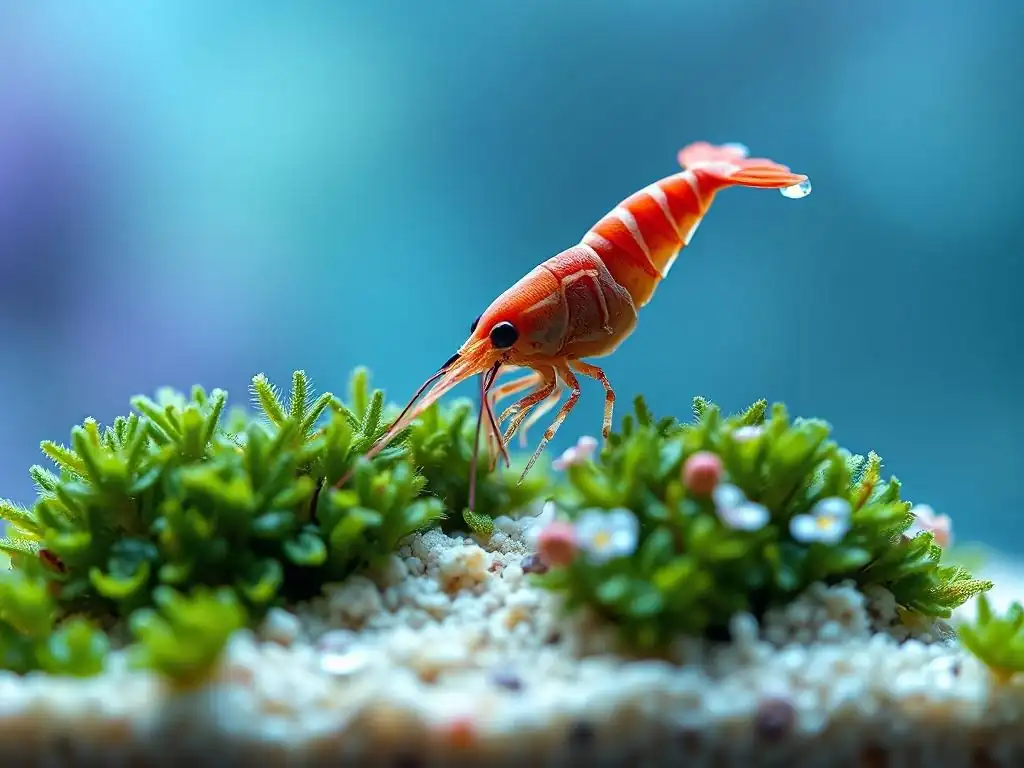
Maintaining precise water parameters is the single most effective Caridina disease treatment option for preventing diseases. For sensitive Caridina species like Crystal Red or Taiwan Bee shrimp, the ideal pH range is narrow, typically between 6.0 and 7.0. General Hardness (GH) should be maintained at 4-6 dGH, providing essential calcium and magnesium for molting and shell formation. Carbonate Hardness (KH) should be kept very low, ideally 0-1 dKH, to ensure pH stability without excessive buffering, which Caridina often dislike.
Total Dissolved Solids (TDS) values between 100-180 ppm are generally preferred, indicating the correct mineral balance. Consistent water temperature, ideally 20-24°C (68-75°F), is also crucial, as fluctuations cause significant stress. Deviations from these parameters can severely compromise a shrimp's immune system, making it highly susceptible to infections and other health complications.
Managing Ammonia, Nitrite, and Nitrate
The nitrogen cycle plays a critical role in Caridina health, and strict management of its byproducts is non-negotiable. Ammonia (NH3/NH4+) and nitrite (NO2-) are highly toxic to all aquatic life, especially sensitive invertebrates like Caridina shrimp. These compounds must always be at 0 ppm. Even trace amounts can cause gill damage, internal organ failure, and rapid death. Nitrate (NO3-), while less toxic than ammonia or nitrite, should still be kept very low, ideally below 10-20 ppm for sensitive Caridina species. High nitrate levels can lead to chronic stress, reduced growth, and increased susceptibility to disease.
To achieve these low levels, a fully cycled aquarium with robust biological filtration is essential. Overfeeding should be strictly avoided, as uneaten food quickly breaks down into ammonia. Regular, small water changes are also vital for diluting accumulated nitrates and removing other dissolved organic compounds. For example, in a well-maintained 10-gallon Caridina tank, ammonia and nitrite levels should consistently test at 0 ppm, and nitrates should typically hover below 10 ppm, demonstrating effective nitrogen cycle management.
GH and KH Importance
General Hardness (GH) and Carbonate Hardness (KH) are two distinct but equally vital water parameters for Caridina shrimp. GH measures the concentration of dissolved calcium and magnesium ions, which are absolutely essential for the shrimp's exoskeleton formation and successful molting. Without adequate GH, shrimp can suffer from incomplete molts, known as the "ring of death," or develop soft shells, making them vulnerable. A GH of 4-6 dGH is typically recommended for most Caridina species, providing sufficient minerals without being excessively hard.
Carbonate Hardness (KH), on the other hand, measures the water's buffering capacity, its ability to resist changes in pH. While essential for most fish, many sensitive Caridina species, particularly those from soft, acidic natural habitats, thrive in very low KH (0-1 dKH). This low KH allows the pH to remain stable within their preferred slightly acidic range without being over-buffered by carbonates.
Striking the right balance—sufficient GH for molting and low KH for pH stability—is critical. Many successful Caridina breeders use RO/DI (Reverse Osmosis/Deionized) water remineralized with products like SaltyShrimp GH+ to achieve these precise parameters, demonstrating a key preventative Caridina disease treatment option.
Water Change Best Practices
Water changes are a fundamental aspect of aquarium maintenance, but for Caridina shrimp, precision and consistency are paramount. Small, frequent water changes are vastly superior to large, infrequent ones, as they minimize sudden shifts in water parameters that can stress shrimp. A 10-20% water change weekly or bi-weekly is generally recommended for established Caridina tanks, depending on stocking levels and feeding habits. It is crucial to use RO/DI water that has been remineralized to match the tank's exact parameters (pH, GH, KH, TDS) before adding it.
The new water should also be temperature-matched to the tank water to prevent thermal shock. Drip acclimation is highly recommended when adding new water, even during routine water changes, especially if there's any doubt about parameter matching or if the shrimp are particularly sensitive.
This slow introduction minimizes stress and reduces the likelihood of molting issues or other health problems. For example, a hobbyist performing a 15% weekly water change on their Crystal Red shrimp tank might use a slow drip system for 30-60 minutes to introduce the precisely remineralized water, ensuring minimal disturbance and acting as a preventative Caridina disease treatment option.
Specific Caridina Health Problems and Treatment
Bacterial Infections: Identification and Treatment
Symptoms of Bacterial Infections
Bacterial infections in Caridina shrimp can manifest in several ways, often starting subtly before progressing rapidly. One common symptom is a reddish discoloration, particularly noticeable on the underside of the shrimp, around the gills, or on the walking legs. This redness is often a sign of septicemia, a systemic bacterial infection. The shrimp's body may also appear cloudy or milky, losing its natural translucence.
Other indicators include frayed or eroded appendages, antenna damage, or lesions on the shell. Affected shrimp often exhibit lethargy, loss of appetite, and unusual behavior such as erratic swimming or a reluctance to move. Early identification of these symptoms is crucial for effective Caridina disease treatment options.
Treatment Options for Bacterial Infections
When bacterial infections are suspected, prompt action is necessary. One of the most effective Caridina disease treatment options involves the use of broad-spectrum antibiotics. Medications containing Kanamycin (e.g., Seachem Kanaplex) or Furan-2 (containing Nitrofurazone) are often recommended, as they tend to be safer for invertebrates compared to other common aquarium antibiotics.
Treatment should ideally be carried out in a separate hospital tank to avoid harming the beneficial bacteria in the main aquarium's filter and to allow for more precise dosing and water changes. Dosing instructions must be followed meticulously, often at reduced concentrations for shrimp due to their sensitivity. For example, a hobbyist might use Kanaplex at half the recommended fish dose, administered over a few days with water changes between doses, while simultaneously improving water quality in the main tank to prevent recurrence.
Fungal Infections
Recognizing Fungal Infections
Fungal infections in Caridina shrimp typically appear as distinct, cotton-like growths on the shrimp's body, gills, or appendages. These growths are often white or grayish and can be mistaken for Vorticella (a ciliate parasite), but fungal growths tend to be more filamentous and less uniform. Fungal infections are often secondary, meaning they take hold when a shrimp is already weakened by stress, poor water quality, or a physical injury.
Affected shrimp may appear sluggish, exhibit labored breathing if gills are affected, or attempt to 'rub off' the growth against tank decorations. Recognizing these visual cues is the first step in applying appropriate Caridina disease treatment options.
Treatment Strategies for Fungal Infections
Treatment for fungal infections primarily involves antifungal medications, often administered as short-term dips or in a hospital tank. Methylene blue, at a diluted concentration (e.g., a 30-60 minute bath in a separate container with a very light blue solution), can be an effective Caridina disease treatment option for external fungal growths. Other general antifungal aquarium treatments, often containing compounds like malachite green or similar active ingredients, can also be used, but extreme caution is advised regarding dosage as shrimp are highly sensitive to many chemicals.
Improving overall water quality is paramount, as poor conditions are frequently the underlying cause of fungal outbreaks. For instance, a breeder might isolate an affected shrimp, perform a gentle methylene blue dip, and then return it to a meticulously maintained quarantine tank while simultaneously increasing water changes and reducing organic waste in the main tank.
Parasitic Infestations: Diagnosis and Management
Common Parasites
Caridina shrimp can be afflicted by several types of parasites, each with unique characteristics. Scutariella Japonica are small, white, worm-like organisms, typically observed around the shrimp's rostrum (nose) or eyes. While generally not lethal to adult shrimp, they can interfere with feeding and are unsightly.
Vorticella are sessile (stalked) ciliates that look like white fuzz or small tufts, often seen on the gills or carapace; their presence usually indicates poor water quality and they can impede respiration. Planaria are flatworms with a distinctive triangular head and two eye-spots, known predators of shrimp eggs and shrimplets. Lastly, Hydra are small, tentacled polyps that can sting and consume newly hatched shrimplets.
Treatment Options for Parasites
Effective Caridina disease treatment options for parasites vary by type. For Scutariella and Vorticella, the primary intervention should be a significant improvement in water quality, as these often proliferate in tanks with high organic waste. If persistent, very mild salt dips (e.g., 1 teaspoon non-iodized salt per gallon for a maximum of 30-60 seconds) or diluted methylene blue baths can be used with extreme caution. For Planaria and Hydra, Fenbendazole (marketed as "No-Planaria" or similar products) is highly effective.
Dosage is critical; typically, 0.1 gram per 10 gallons is administered, followed by a large water change after 72 hours. Overdosing can be lethal to shrimp. For example, a hobbyist discovering Planaria might meticulously weigh out Fenbendazole powder, dose the tank, and then perform a 50% water change three days later, ensuring the Caridina disease treatment option is both effective and safe.
Muscular Necrosis
Understanding Muscular Necrosis
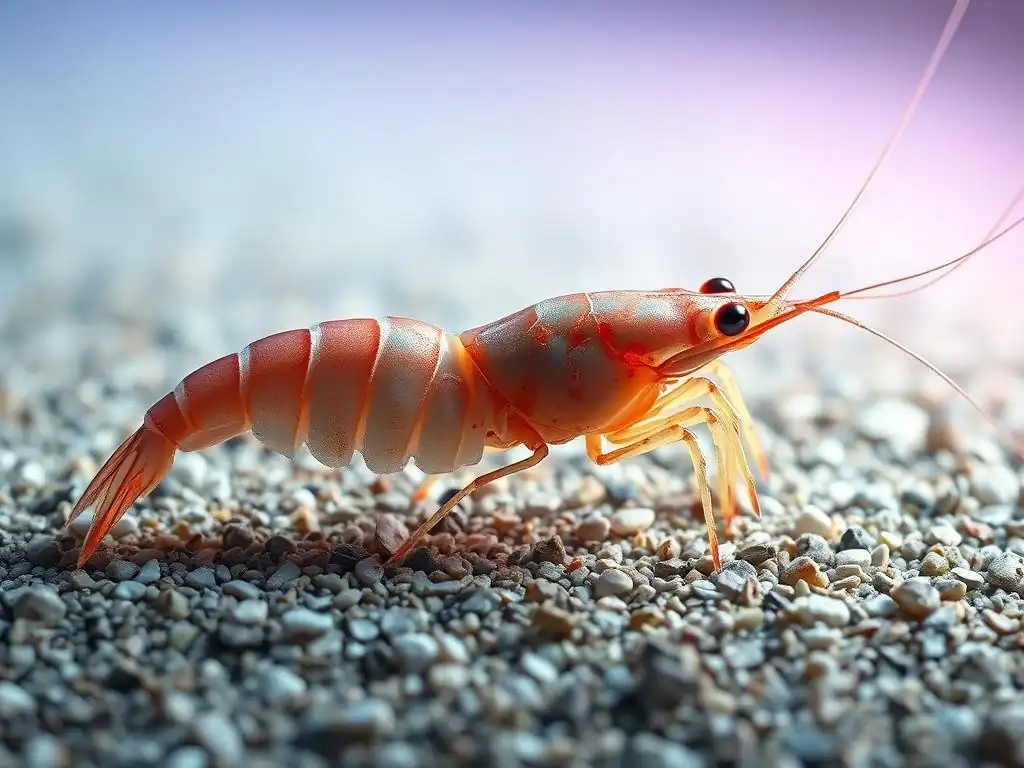
Muscular necrosis is a severe and often fatal condition in Caridina shrimp, characterized by the shrimp's muscle tissue turning opaque and milky white. This cloudiness typically starts from the tail section and progresses forward, eventually affecting the entire body. It is not a disease in itself but rather a symptom of extreme stress, advanced bacterial infection, or severe environmental issues.
Factors such as sudden, drastic changes in water parameters (e.g., temperature shock, pH swings), prolonged exposure to toxins like ammonia or nitrite, or severe overcrowding can trigger muscular necrosis. Once the condition is widespread, there is no known direct cure, making prevention the only viable Caridina disease treatment option.
Preventative Measures for Muscular Necrosis
Given the lack of a direct cure, preventative measures are paramount for muscular necrosis. Maintaining stable and pristine water parameters is the most critical step. This includes consistent temperature, pH, GH, KH, and zero ammonia/nitrite levels. Avoiding sudden changes in the aquarium environment, such as large, rapid water changes or significant temperature fluctuations, is also vital.
Providing a balanced, high-quality diet ensures the shrimp receive all necessary nutrients to maintain a robust immune system. Additionally, minimizing stress from overcrowding or aggressive tank mates and providing ample hiding spots contribute to a calm environment. For instance, an experienced aquarist might use a drip system for water changes and regularly test parameters to ensure stability, thereby preventing the conditions that lead to muscular necrosis and avoiding the need for reactive Caridina disease treatment options.
Shell Problems and Molting Issues
Identifying Shell Problems
Shell problems and molting issues are common concerns for Caridina shrimp keepers and are often indicative of underlying environmental or nutritional deficiencies. Shell problems can manifest as discoloration (e.g., white spots, dark patches, or a dull appearance), pitting, or erosion of the exoskeleton. These can sometimes be confused with bacterial or fungal infections but often lack the fuzzy growth or distinct lesions.
Molting issues, on the other hand, are characterized by a shrimp struggling to shed its old exoskeleton. This can appear as the shrimp being unable to fully exit the old shell, leaving a portion attached, or the infamous "ring of death," where a white band forms around the shrimp's body, indicating it cannot break free from the old shell.
Addressing Molting Difficulties
Addressing molting difficulties primarily involves ensuring optimal water parameters and nutrition. The most crucial factor is adequate General Hardness (GH), which provides the calcium and magnesium necessary for a strong new exoskeleton. A GH of 4-6 dGH is typically ideal for Caridina shrimp.
If GH is too low, shrimp may struggle to form a new shell, leading to incomplete molts. Stable water parameters, free from sudden swings in pH or temperature, also reduce molting stress. A diet rich in minerals and good quality protein is also vital; some shrimp foods are specifically formulated to support molting.
While iodine supplements are sometimes suggested, they should be used with extreme caution and only if a deficiency is confirmed, as overdose can be harmful. For example, a hobbyist experiencing molting issues might increase the frequency of GH testing and use a high-quality remineralizer like SaltyShrimp GH+ to bring their GH into the optimal range, a highly effective Caridina disease treatment option for this specific problem.
Prevention Strategies for Healthy Caridina Shrimp
Quarantine Procedures
Implementing strict quarantine procedures for all new shrimp arrivals is arguably the most critical preventative Caridina disease treatment option. New shrimp should be housed in a separate, fully cycled quarantine tank for a minimum of three to four weeks, or even longer if any signs of illness are observed. During this period, the shrimp can be closely monitored for symptoms of disease, parasites, or behavioral abnormalities.
This allows for proactive treatment in isolation, preventing the introduction of pathogens into the established main tank, where an outbreak could decimate an entire colony. Regular water changes and appropriate feeding in the quarantine tank are also essential for the new shrimp's well-being.
Diet and Nutrition
A balanced and high-quality diet is fundamental to the long-term health and resilience of Caridina shrimp. Their diet should consist of specialized shrimp foods that provide a mix of protein, plant-based ingredients, and essential minerals. Overfeeding should be strictly avoided, as uneaten food decomposes and pollutes the water, leading to poor water quality that can stress shrimp and foster disease.
Supplementing their diet with blanched vegetables such as spinach, zucchini, or nettle leaves can provide additional vitamins and fiber. For instance, feeding small amounts of a high-quality shrimp pellet once a day, along with occasional blanched spinach, ensures optimal nutrition, thereby building a stronger immune system and reducing the need for Caridina disease treatment options.
Maintaining a Clean Tank Environment
A clean tank environment is crucial for preventing disease outbreaks in Caridina shrimp. Regular maintenance includes gently vacuuming the substrate to remove uneaten food and waste, which can otherwise decompose and elevate ammonia and nitrate levels. Adequate filtration, typically sponge filters, is ideal for shrimp tanks as they provide excellent biological filtration without posing a risk to shrimplets. Removing any dead shrimp or plant matter promptly prevents the decomposition of organic material. Furthermore, ensuring the tank is not overcrowded allows for more stable water parameters and reduces stress among the shrimp, directly impacting their susceptibility to illness.
Avoiding Stressors
Stress is a major contributing factor to weakened immune systems and disease susceptibility in Caridina shrimp. Avoiding stressors is therefore a key preventative Caridina disease treatment option. Maintaining stable water parameters (temperature, pH, GH, KH, TDS) is paramount; sudden fluctuations are highly stressful.
Choosing compatible tank mates, or ideally, keeping a shrimp-only tank, eliminates the stress of predation or competition. Gentle handling during tank maintenance, providing ample hiding spots (e.g., moss, cholla wood, rock caves), and avoiding sudden changes in lighting or loud noises all contribute to a calm, secure environment. A stress-free shrimp colony is significantly more resilient to pathogens.
Caridina Treatment Options
Medications and Treatments
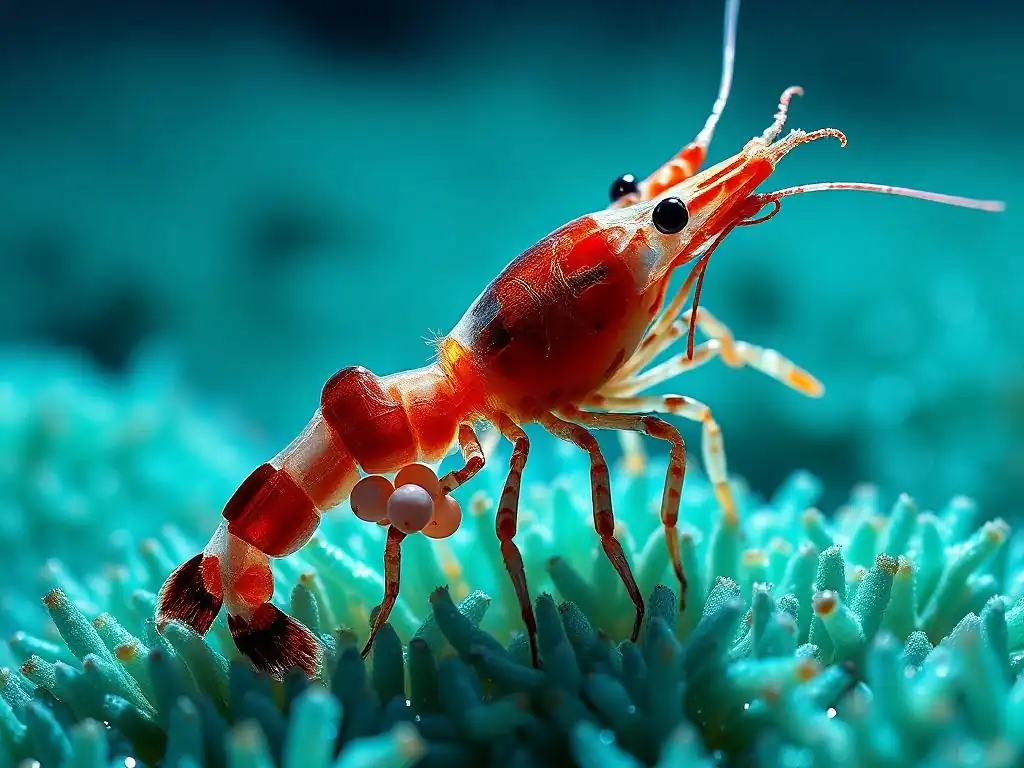
When dealing with Caridina health issues, the available Caridina disease treatment options often involve specific medications. For bacterial infections, broad-spectrum antibiotics like Kanamycin (e.g., Seachem Kanaplex) or Nitrofurazone (e.g., Furan-2) are frequently used, often at reduced dosages due to shrimp sensitivity. Fungal infections can sometimes be treated with diluted Methylene Blue dips or general antifungal agents, though caution is always advised.
For parasitic infestations like Planaria or Hydra, Fenbendazole (e.g., No-Planaria) is a highly effective antiparasitic. It is crucial to be aware that many common fish medications, particularly those containing copper, formaldehyde, or certain dyes, are highly toxic to shrimp and must be avoided. Always research the specific product's invertebrate safety before use, as this directly impacts the success of Caridina disease treatment options.
Natural Remedies and Alternatives
While not always sufficient for severe infections, several natural remedies and alternatives can support Caridina health and sometimes serve as mild Caridina disease treatment options or preventative measures. Indian Almond Leaves (IAL) and alder cones are widely used for their release of tannins, which possess mild antibacterial and antifungal properties, help lower pH naturally, and provide a more natural, comforting environment for shrimp. Good water quality, as previously emphasized, is arguably the best "natural remedy" for preventing and often resolving minor issues.
Some aquarists also use garlic-infused foods, believing it can boost shrimp immunity. These natural additions can create a more robust environment, potentially reducing the frequency and severity of disease outbreaks. For instance, regularly adding a quarter of an Indian Almond Leaf per 5 gallons can contribute to a healthier tank environment.
Proper Dosing and Application
Proper dosing and application are absolutely critical for the success and safety of any Caridina disease treatment options. Shrimp are highly sensitive to chemicals, and even slight overdoses can be fatal. Always follow the manufacturer's instructions meticulously, and where possible, use dosages specifically recommended for invertebrates or start with a reduced dose (e.g., half the fish dose) while closely observing the shrimp's reaction.
For powdered medications, a precise digital scale is indispensable to ensure accurate measurement. Treatment in a separate hospital tank is often preferred, as it allows for controlled dosing, prevents harm to the main tank's beneficial bacterial colony, and facilitates easier water changes to remove residual medication. After treatment, large water changes are usually necessary to completely remove the medication from the water column, ensuring the long-term health of the shrimp.
Seeking Expert Help
Recognizing When to Seek Professional Help
Recognizing when to seek professional help for Caridina health issues is a vital part of responsible shrimp keeping. If symptoms are severe, rapidly worsening, or affecting multiple shrimp in the colony, it is time to consider expert consultation. When home treatments or standard Caridina disease treatment options prove ineffective, or if you are unsure about the diagnosis despite thorough research, professional guidance becomes invaluable. Persistent unexplained deaths, unusual widespread behaviors, or symptoms that don't align with common ailments are also strong indicators that specialized advice is needed to prevent further losses.
Finding Aquatic Veterinarians or Specialists
Finding aquatic veterinarians or specialists can be challenging, as this is a niche field. Begin by searching online for "aquatic veterinarian near me" or "fish vet" in your region. While many vets specialize in larger animals, some have a passion for or specific training in aquatic health.
Local fish stores, particularly those specializing in shrimp or high-end aquariums, can sometimes provide referrals to experienced hobbyists, breeders, or even veterinarians who understand Caridina disease treatment options. Online forums and dedicated shrimp-keeping communities are also excellent resources for recommendations and advice, although professional diagnosis from a qualified expert is always best for complex or severe cases.
Conclusion: Long-Term Health and Well-being
Ensuring the long-term health and well-being of Caridina shrimp hinges on a proactive and holistic approach to their care. Understanding their specific environmental needs, meticulously maintaining stable water parameters, and providing a high-quality, balanced diet are the most effective preventative Caridina disease treatment options.
Vigilant observation for early signs of illness, coupled with a solid understanding of common diseases and their appropriate treatments, empowers aquarists to intervene effectively when issues arise. By prioritizing prevention, employing proper quarantine protocols, and avoiding stressors, shrimp keepers can cultivate thriving, vibrant colonies that are resilient to disease, minimizing the need for reactive interventions and maximizing the enjoyment of these fascinating invertebrates.
Frequently Asked Questions
What are some common diseases that affect Caridina shrimp in aquariums?
Common diseases include bacterial infections, fungal infections, and parasitic infestations. These can manifest as shell discoloration, lethargy, or unusual behavior.
How can I prevent diseases in my Caridina shrimp tank?
Prevention is key! Maintain excellent water quality through regular water changes and proper filtration. Also, quarantine new shrimp before introducing them to the main tank.
What are the initial signs that my Caridina shrimp might be sick?
Look for changes in behavior, such as decreased activity or loss of appetite. Also, observe for any physical abnormalities like white patches or shell deformities.
What are some Caridina disease treatment options available for bacterial infections?
Treatment options for bacterial infections often involve antibiotic medications designed for aquarium use. Water changes are crucial to reduce the bacterial load and improve water parameters.
Where can I find more detailed information on specific Caridina diseases and treatments?
AquariumMastery.com offers detailed articles on specific Caridina diseases and recommended treatment protocols. Consult the troubleshooting guides for specific symptoms and solutions.
Final Reflection: Nurturing the Tiny Ecosystems
The intricate world of Caridina shrimp keeping, as we've explored, demands a proactive approach to health management. Understanding the nuances of prevention, diagnosis, and treatment isn't merely about maintaining a beautiful aquarium; it's about safeguarding the delicate balance of a miniature ecosystem. The information shared here, particularly concerning Caridina disease treatment options, is more crucial than ever as the popularity of these captivating creatures continues to rise.
This journey into the realm of Caridina health has underscored the profound responsibility we undertake when we bring these animals into our care. The interconnectedness of water parameters, diet, and environment highlights the fragility of their existence and the importance of diligent observation. The greatness of a nation and its moral progress can be judged by the way its animals are treated.
- Mahatma Gandhi. While this quote speaks to a broader context, it resonates deeply with the ethos of responsible shrimp keeping, reminding us that even the smallest lives deserve our utmost respect and care.
Now, armed with knowledge of Caridina disease treatment options and preventative measures, I invite you to reflect on your own practices. Are you truly providing the optimal environment for your shrimp to thrive? Take a moment to assess your tank, your routines, and your understanding of these fascinating creatures. Let this article be a catalyst for continuous learning and improvement, ensuring that your Caridina shrimp live long, healthy, and vibrant lives.
Ignite Your Shrimp-Keeping Passion!
Thank you for diving into the world of Caridina shrimp health! We hope this article has empowered you with the knowledge to keep your miniature ecosystem thriving. Now, it's time to put that knowledge into action and truly elevate your shrimp-keeping game.
Here's how you can continue your journey:
- Take immediate action by assessing your own shrimp tank for potential health risks based on the diagnostic tips shared in this article. Early detection is key!
- Delve deeper into specific shrimp diseases: research a condition you're less familiar with and share your findings in online forums. Become the expert!
- Surprise yourself and your shrimp: try a new, all-natural food supplement to boost their immunity and vitality.
What's one small change you can make today to create a healthier and happier environment for your Caridina shrimp?