
The Art of Culling: Improving Your Angelfish & Discus Bloodlines for Show

Welcome to Aquarium Mastery!
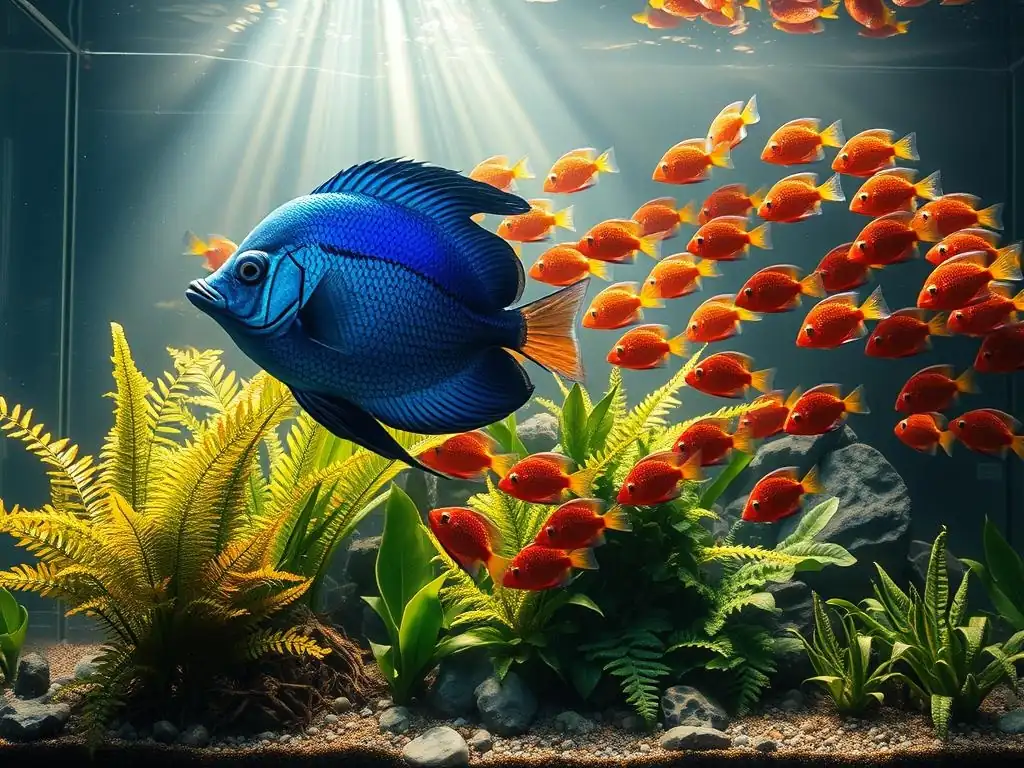
Ever wondered how breeders achieve those breathtaking Angelfish and Discus specimens you see at shows? Dive in and discover the secrets of selective breeding and the art of culling to improve your own bloodlines. This journey into the world of Angelfish discus bloodline improvement is just the beginning – prepare to unlock the potential hidden within your tanks!
- Understanding Angelfish and Discus Genetics for Selective Breeding
- The Culling Process: A Step-by-Step Guide for Angelfish and Discus
- Techniques for Effective Culling in Angelfish and Discus Breeding
- Maintaining Healthy Bloodlines Through Responsible Culling
- The Ethical Considerations of Culling Show Angelfish and Discus
- Optimizing Your Angelfish and Discus Breeding Program Through Culling
- Advanced Culling Techniques for Angelfish and Discus Breeders
- Common Mistakes to Avoid When Culling Angelfish and Discus
- Achieving Show-Winning Angelfish and Discus Through Strategic Culling
-
Frequently Asked Questions
- How does culling contribute to Angelfish & Discus bloodline improvement?
- What are the key traits to consider when culling Angelfish or Discus for show quality?
- At what age should culling decisions typically be made for Angelfish & Discus?
- What ethical considerations should be taken into account when practicing culling?
- How does understanding Angelfish & Discus genetics help in the culling process?
- Final Reflection: Shaping Aquatic Excellence
- Elevate Your Aquarium Game: Shape the Future of Your Angelfish & Discus!
Understanding Angelfish and Discus Genetics for Selective Breeding
The Importance of Genetic Diversity in Angelfish and Discus Breeding
Maintaining robust genetic diversity is paramount for the long-term health and vigor of any Angelfish or Discus breeding program. A broad gene pool helps prevent inbreeding depression, a condition that arises from the mating of closely related individuals and can lead to a significant decline in biological fitness.
Symptoms often include reduced fertility, with some highly inbred lines experiencing a drop in successful hatch rates from a typical 80-90% to as low as 50-60%. Additionally, inbred fish may exhibit slower growth, increased susceptibility to common diseases like Ich or Columnaris (potentially showing a 20-30% higher infection rate compared to outbred lines), and a greater incidence of genetic deformities.
Genetic diversity ensures that a population possesses a wider array of genes, increasing the likelihood of beneficial traits like disease resistance, adaptability to varying water conditions, and overall hardiness. For example, a diverse Angelfish population might show greater resilience during a sudden temperature fluctuation or a minor water quality issue than a genetically bottlenecked line. This inherent robustness is essential not only for the survival of individual fish but for the sustained success and vitality of the entire Angelfish discus bloodline improvement efforts, creating a more resilient and adaptable stock for future generations.
Identifying Desirable Traits in Angelfish and Discus Show Stock
Identifying desirable traits is the cornerstone of selective breeding and effective culling for show-quality Angelfish and Discus. For Discus, the ideal body shape is a perfect circle, with the height (excluding fins) being roughly equal to the length, a ratio close to 1:1. Fins should be full, symmetrical, and free of defects, with a broad dorsal and anal fin. Coloration should be intense, uniform, and true to the specific strain, with clear patterns where applicable. Mature Discus can reach sizes of 6-8 inches, with larger sizes being highly prized.
Angelfish, conversely, are judged on their tall, disc-shaped bodies, with a straight dorsal and anal fin line forming an almost perfect triangular shape. Long, flowing fins, particularly the dorsal and anal fins, are highly valued, often contributing to an overall height of 8-10 inches in a mature show specimen.
Color patterns should be crisp and well-defined, whether it's the solid black of a Black Lace, the intricate marbling of a Marble, or the metallic sheen of a Platinum. Understanding these specific breed standards, often outlined by organizations like the Angelfish Society or regional Discus clubs, is crucial for discerning potential show winners and driving Angelfish discus bloodline improvement.
Recognizing Undesirable Traits: Culling for Genetic Health
Recognizing and removing individuals with undesirable traits is a critical component of culling, aimed at improving the genetic health and overall quality of the Angelfish discus bloodline. Undesirable traits can range from minor aesthetic flaws to severe genetic deformities that impair a fish's quality of life.
Common deformities include bent spines, often appearing as a "kink" or "hunchback" (affecting perhaps 5-10% of a large fry batch if parents carry recessive genes), gill plate deformities (flared or incomplete operculum), and missing or severely stunted fins. Other issues include chronic swim bladder problems, persistent dwarfism (fish significantly smaller than siblings despite optimal care), and abnormal eye development (e.g., "pop-eye" that isn't disease-related).
The purpose of culling fish with these traits extends beyond mere aesthetics; it is fundamentally about preventing the propagation of genes that lead to poor health, reduced vitality, or an inability to thrive. A Discus with a severe spinal deformity, for instance, will struggle to swim and feed efficiently, leading to a diminished life span. By removing such individuals, breeders ensure that their resources are focused on healthier, more robust stock, and more importantly, they actively reduce the prevalence of these detrimental genes in future generations. This diligent approach is paramount for long-term Angelfish discus bloodline improvement.
The Culling Process: A Step-by-Step Guide for Angelfish and Discus
Stage 1: Early Culling – Identifying Deformities in Fry
The earliest stage of culling begins shortly after Angelfish or Discus fry become free-swimming, typically within 3-7 days post-hatch. At this point, the focus is on identifying and removing any fry with obvious and severe deformities. These can include fry that are non-swimmers, those with severe spinal kinks, missing or malformed gill plates, or significant runts that are visibly less developed than their siblings, often being less than half the size of the healthier fry. In a large spawn, it is not uncommon for 10-20% of the fry to exhibit some form of defect that warrants early culling.
This initial culling is crucial for several reasons. Firstly, it prevents resources (food, tank space, water quality) from being wasted on individuals unlikely to thrive or contribute positively to the bloodline. Secondly, it allows the healthier, more vigorous fry to receive optimal care and grow without competition from weaker individuals. The process involves gently siphoning or netting the affected fry, ensuring minimal stress to the remaining healthy fish. This proactive approach sets the foundation for efficient Angelfish discus bloodline improvement.
Stage 2: Juvenile Culling – Assessing Growth Rates and Body Shape
As Angelfish and Discus grow into their juvenile stage, typically from 1 to 3 months of age, the culling criteria expand beyond obvious deformities to include assessments of growth rate, body shape, and fin development. At this stage, breeders look for individuals that are significantly lagging in growth compared to their siblings – for example, if the average Discus fry reaches 1 inch in 6 weeks, those still under 0.6 inches might be considered for culling.
Body shape begins to solidify, and deviations from the ideal (e.g., an elongated, "football" shape in Discus instead of a round one, or a stunted body in Angelfish) become apparent.
Poor fin development, such as short, clamped, or irregular fins, is also a key indicator for culling. While some fin issues can be environmental, persistent problems often point to genetic predispositions. In a batch of 100 juveniles, it's common to identify another 15-20 individuals for culling based on these criteria. This stage is vital for refining the potential show stock, ensuring that only fish with the genetic potential for ideal form and size continue to be nurtured. This systematic removal of less promising individuals is central to Angelfish discus bloodline improvement.
Stage 3: Adult Culling – Evaluating Coloration and Finnage
The final and most selective stage of culling occurs as Angelfish and Discus approach sexual maturity, typically between 4-8 months for Angelfish and 6-12 months for Discus. At this point, the fish's full potential for coloration, finnage, and overall body conformation can be accurately assessed against stringent show standards. Breeders meticulously evaluate color intensity, pattern clarity, and uniformity. For instance, a Platinum Angelfish might be culled if it develops undesirable black speckling, or a Red Melon Discus might be removed if it lacks the desired solid, vibrant red saturation, showing instead patchy or dull coloration.
Finnage is critically inspected for proper spread, symmetry, and absence of any curling, rips, or deformities that have persisted despite optimal care. Only a small percentage of the initial spawn, perhaps 1-5%, will typically meet the exacting standards required for top-tier show or breeding stock. The remaining healthy but non-show-quality fish are usually sold as pet-grade. This meticulous evaluation ensures that only the very best individuals, representing the pinnacle of Angelfish discus bloodline improvement, are retained for future breeding or exhibition.
Techniques for Effective Culling in Angelfish and Discus Breeding
Culling Based on Angelfish and Discus Body Conformation Standards
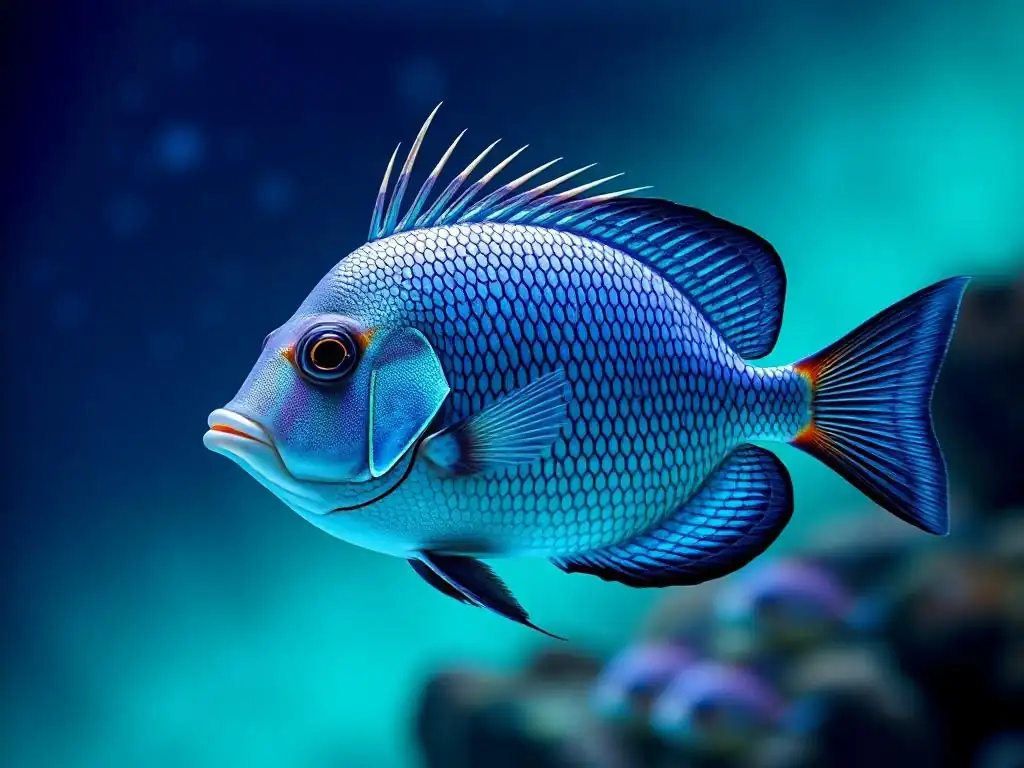
Culling based on body conformation standards is one of the most objective and crucial techniques for improving Angelfish discus bloodline. For Discus, the gold standard is a perfectly round body, where the height (excluding fins) is equal to the length, forming a near 1:1 ratio. Breeders rigorously cull any fish that exhibit an elongated or "football" shape, an overly pointed snout, or a disproportionately small or large head.
For Angelfish, the ideal is a tall, disc-shaped body with a straight, unbroken line from the top of the dorsal fin to the bottom of the anal fin, creating a symmetrical triangle. Any curvature in the spine, a "humped" back, or a narrow body profile are significant faults.
Breeders often use visual aids, such as transparent templates with a perfect circle for Discus or a triangular overlay for Angelfish, to ensure consistency in their assessment. For example, a batch of 100 Discus juveniles might yield 10-15 individuals that clearly deviate from the 1:1 height-to-length ratio, making them immediate candidates for culling. This precise, systematic removal of fish that do not meet the ideal morphological standards is fundamental to achieving high-quality Angelfish discus bloodline improvement and producing show-winning specimens.
Culling Based on Angelfish and Discus Coloration Defects
Culling based on coloration defects is essential for refining the aesthetic appeal and genetic purity of specific Angelfish and Discus strains. For Discus, common culling criteria include "pepper" (small black dots) on light-colored strains like Pigeon Blood, which is highly undesirable in show fish, or incomplete and inconsistent patterns in varieties like Leopard or Snakeskin. A Red Melon Discus, for example, might be culled if its red pigmentation is dull, patchy, or fails to cover the entire body as desired, despite optimal diet and water conditions.
Angelfish breeders likewise look for specific color flaws. A Marble Angelfish might be culled if its marbling pattern is too sparse, too heavy, or exhibits large, unpatterned white patches. For a Platinum Angelfish, the presence of black speckling or a lack of iridescent sheen would be grounds for removal.
While some environmental factors can influence color, persistent and inherent color deficiencies or unwanted pigmentations are strong indicators of genetic flaws. Approximately 10-15% of a batch might be culled specifically for significant color defects, ensuring that only fish with the most vibrant and accurate strain-specific coloration contribute to the Angelfish discus bloodline improvement.
Culling Based on Angelfish and Discus Temperament and Health
Beyond aesthetics, culling also considers temperament and overall health, vital for the vigor and manageability of the Angelfish discus bloodline. Overly aggressive individuals, particularly in schooling species like Discus, can cause undue stress to tank mates, leading to fin nipping, stunted growth, and increased susceptibility to disease among the entire group. Conversely, excessively timid or chronically stressed fish, which might constantly hide or refuse to feed in a normal manner, are also undesirable as they rarely thrive and often indicate underlying genetic weakness.
Persistent health issues, even seemingly minor ones like recurring fin rot or chronic shimmying despite pristine water conditions and a balanced diet, can indicate a compromised immune system or a genetic predisposition to illness. Such fish, even if visually appealing, are not suitable for breeding as they may pass on their vulnerabilities.
A healthy show fish must be robust, adaptable, and able to handle the stresses of transport and exhibition. By culling individuals with poor temperament or chronic health issues, breeders ensure that their Angelfish discus bloodline improvement focuses on producing not just beautiful, but also hardy and well-adjusted fish.
Maintaining Healthy Bloodlines Through Responsible Culling
Preventing Inbreeding Depression in Angelfish and Discus
Inbreeding depression, characterized by a decline in fitness due to reduced genetic variation, poses a significant threat to the long-term viability of Angelfish and Discus bloodlines. Symptoms include decreased fertility (e.g., lower egg counts or reduced fertilization rates, potentially dropping from 90% to 70% in successive inbred generations), slower growth, increased incidence of deformities, and a weakened immune system, making fish more vulnerable to common pathogens. While culling removes individuals with undesirable traits, overly aggressive culling from a small, closed gene pool can inadvertently exacerbate inbreeding depression by further narrowing the genetic base.
Responsible culling plays a crucial role in mitigating this risk by removing individuals that carry detrimental recessive genes, thus preventing their propagation. However, breeders must strike a delicate balance: while removing the weakest link, they must also ensure sufficient genetic diversity remains to maintain robustness. This often means culling only the most severely affected or those with clear genetic flaws, rather than discarding healthy fish for minor imperfections. A well-managed culling program, coupled with strategic outcrossing, is vital for sustained Angelfish discus bloodline improvement without succumbing to the pitfalls of excessive inbreeding.
Introducing New Genetic Material to Improve Bloodlines
Introducing new genetic material, commonly known as outcrossing, is a pivotal strategy for enhancing the vitality and improving specific traits within an Angelfish or Discus bloodline. This involves carefully selecting and acquiring unrelated fish with strong, desirable characteristics to infuse fresh genes into an existing line. For instance, a breeder might purchase a top-tier wild-caught Discus or a proven show-quality Angelfish from a reputable, distinct breeder to introduce new vigor, enhance coloration, or correct a persistent conformational flaw in their own stock.
The process of introducing new genetic material requires meticulous planning and execution. New fish must undergo a rigorous quarantine period, typically 4-6 weeks, to prevent the introduction of diseases or parasites into the established breeding facility. Breeders then carefully assess how the new genetics integrate with their existing line, observing the offspring for improvements in desired traits and for the emergence of any unexpected undesirable characteristics. This strategic infusion of fresh genes is a powerful tool for overcoming genetic plateaus and achieving significant Angelfish discus bloodline improvement over generations.
Record Keeping: Tracking Angelfish and Discus Pedigrees for Culling Decisions
Meticulous record keeping is an indispensable tool for informed culling decisions and for the overall management of an Angelfish and Discus breeding program. Comprehensive records should include detailed information for each breeding pair and their offspring, such as: parentage, spawn dates, total number of eggs laid, fertilization rates, hatch rates, and the number of fry culled at each developmental stage.
Beyond quantitative data, qualitative observations on specific traits—both desirable (e.g., exceptional color, robust finnage) and undesirable (e.g., recurring spinal kinks, slow growth)—for each batch of fry are invaluable. A simple spreadsheet can effectively manage data for 20-30 breeding pairs over multiple generations.
These detailed records empower breeders to make data-driven culling decisions. By tracking the lineage, breeders can identify specific breeding pairs that consistently produce a high percentage of offspring with desired traits, making them prime candidates for future breeding. Conversely, pairs that consistently yield a high proportion of culled fish (e.g., over 50% for significant defects) can be identified and removed from the breeding program, preventing the perpetuation of undesirable genes. This systematic, evidence-based approach to record keeping provides the foundation for precise and effective Angelfish discus bloodline improvement.
The Ethical Considerations of Culling Show Angelfish and Discus
Balancing Aesthetics with Animal Welfare
The practice of culling in Angelfish and Discus breeding inherently involves a tension between the pursuit of aesthetic perfection for show purposes and the fundamental responsibility for animal welfare. While the goal is to produce fish that meet exacting breed standards, breeders must ensure that culling decisions are made responsibly and ethically, prioritizing the well-being of the fish. Culling should not be an indiscriminate act based on minor imperfections that do not impact a fish's quality of life or its ability to thrive.
Instead, ethical culling focuses on individuals that are unlikely to survive, suffer from severe deformities that impair their function (e.g., swim bladder issues, severe spinal deformities), or would propagate genetic weaknesses that compromise the health of future generations. It is about preventing prolonged suffering and enhancing the overall genetic health and vigor of the Angelfish discus bloodline, rather than merely discarding fish for slight deviations from an ideal. Responsible breeders understand that animal welfare is paramount and integrates ethical considerations into every culling decision.
Humane Euthanasia Methods for Culling
When culling is deemed necessary, it is paramount to employ humane euthanasia methods that minimize pain, stress, and discomfort for the fish. Inhumane methods such as flushing live fish, freezing them alive, or prolonged exposure to air are unacceptable and should be strictly avoided. The chosen method should result in rapid and irreversible unconsciousness followed swiftly by death.
Widely accepted humane methods include:
- Clove Oil Overdose: This method involves first anesthetizing the fish with a lower concentration of clove oil (e.g., 100-200 mg/L) until it is unresponsive, then increasing the concentration (e.g., 400 mg/L) to induce euthanasia. The fish should remain in the solution for at least 10-15 minutes after all gill movement ceases to ensure complete cessation of brain activity.
- Blunt Force Trauma: For very small fish (e.g., fry), a single, swift, and forceful blow to the head with a hard object can cause immediate brain destruction. This method requires precision and confidence to be humane.
- MS-222 (Tricaine Methanesulfonate): A veterinary anesthetic that can be used at higher concentrations for euthanasia.
Regardless of the method chosen, ensuring the fish is completely unconscious and unresponsive before final disposal is crucial for ethical practice.
Responsible Disposal of Culled Angelfish and Discus
Responsible disposal of culled Angelfish and Discus is an important final step in the ethical culling process, preventing both environmental harm and the spread of potential pathogens. It is unequivocally prohibited to release any culled fish, regardless of their health status, into natural waterways, ponds, or lakes. Doing so can introduce non-native species, spread diseases to wild populations, or dilute the genetic purity of local fish species, potentially causing significant ecological damage.
Appropriate disposal methods for culled fish include:
- Burying: Digging a deep hole in a garden or yard, away from any water sources, is a common and environmentally safe method.
- Household Waste: Double-bagging the deceased fish in sealed plastic bags and disposing of them in regular household waste is acceptable in most municipal waste systems.
- Composting: If available and appropriate for the size of the fish, adding them to a well-managed compost pile can be an environmentally friendly option.
The primary objective is to ensure that culled fish do not pose a risk to the environment or other aquatic life, maintaining hygiene within the breeding facility and upholding responsible practices throughout the Angelfish discus bloodline improvement journey.
Optimizing Your Angelfish and Discus Breeding Program Through Culling
Setting Clear Breeding Goals and Culling Criteria
Optimizing an Angelfish and Discus breeding program begins with the establishment of clear, well-defined breeding goals and corresponding culling criteria. Before a single egg is laid, breeders should articulate the specific traits they aim to enhance or establish within their bloodline. For example, a breeder might set a goal to produce "Red Melon" Discus with 90% solid red coverage and minimal peppering, or "Black Lace" Angelfish with exceptionally tall fins and intense, uniform black coloration. These precise objectives directly inform the criteria used for culling.
Having written, objective culling criteria, perhaps derived from official show judging standards, is crucial. This helps to prevent emotional or inconsistent culling decisions and ensures that every removal contributes directly to the overarching breeding goals. By establishing that any Discus fry showing visible "pepper" by 3 weeks of age will be culled, or any Angelfish juvenile with a significantly undersized dorsal fin will be removed, the breeder systematically guides the genetic trajectory of their stock, making each culling action a strategic step towards Angelfish discus bloodline improvement.
Using Culling to Refine Specific Traits in Angelfish and Discus
Culling serves as a powerful filter, allowing breeders to progressively refine specific desirable traits within their Angelfish and Discus bloodlines. By consistently removing individuals that do not exhibit the desired characteristics or that possess undesirable ones, the genetic pool of the remaining fish becomes increasingly concentrated with the genes responsible for the favored traits. Over successive generations, this selective pressure significantly increases the percentage of offspring that meet or exceed the desired standards.
Consider a breeder aiming to enhance the "Red Turquoise" pattern in their Discus. In early spawns, only 30% of the offspring might exhibit the desired vibrant red and blue striations with good coverage.
Through diligent culling of fish with dull colors, indistinct patterns, or excessive brown tones, and by consistently breeding only the best patterned individuals, the breeder can, over 3-5 generations, increase the proportion of high-quality patterned fish to 70-80% or more within each spawn. This systematic application of culling is the very essence of effective Angelfish discus bloodline improvement and leads to a more predictable and high-quality output.
Case Study: Culling Program for Achieving "Pigeon Blood" Discus
The development of the "Pigeon Blood" Discus strain provides an excellent case study for the profound impact of strategic culling on Angelfish discus bloodline improvement. The original Pigeon Blood mutation, discovered in Thailand in the early 1990s, produced a vibrant red-orange body but was often accompanied by "pepper," small black melanin deposits that detracted from the clean, uniform coloration. The primary goal for breeders was to eliminate this undesirable peppering while maintaining the brilliant base color.
The culling program for Pigeon Blood Discus was rigorous. Breeders meticulously examined fry and juveniles, culling any individuals that showed early signs of excessive dark pigmentation or visible pepper. As the fish matured, those developing more pronounced pepper or inconsistent coloration were systematically removed from the breeding pool.
In some cases, up to 30-50% of a batch might be culled specifically for pepper reduction. Over many generations, this relentless selective pressure, combined with careful line breeding, led to the development of "pepper-free" or "super red" Pigeon Blood variants, which are now highly prized for their clean, vibrant hues. This historical example vividly demonstrates how focused culling can transform and significantly improve a specific Angelfish discus bloodline.
Advanced Culling Techniques for Angelfish and Discus Breeders
Implementing Selective Breeding Strategies for Show Quality
Beyond the basic removal of undesirable fish, advanced Angelfish and Discus breeders implement sophisticated selective breeding strategies to consistently produce show-quality offspring. This involves not just culling based on individual merit but strategically pairing specific fish whose combined genetics are likely to yield superior progeny.
Breeders often rely on "progeny testing," where the true value of a breeding pair is assessed by the quality and consistency of their offspring. If a pair consistently produces a high percentage (e.g., 70-80%) of show-quality fish with desired traits, they are deemed invaluable and retained for further breeding, even if they themselves aren't prime show specimens.
Conversely, a visually appealing pair that consistently produces a high rate of culls (e.g., over 50% with significant defects or undesirable traits) might be removed from the breeding program, despite their own good looks. This advanced strategy moves beyond simply identifying the "best looking" fish to identifying the "best producers" of quality offspring. By rigorously evaluating the genetic contribution of each parent through their progeny, breeders can make highly informed decisions that significantly accelerate Angelfish discus bloodline improvement for competitive success.
Understanding Genetic Markers and Their Role in Culling
While still largely an emerging field for hobbyist Angelfish and Discus breeders, the understanding of genetic markers holds immense potential for revolutionizing culling and selective breeding. Genetic markers are specific DNA sequences or genes that are linked to particular traits, whether desirable (e.g., specific color genes, disease resistance) or undesirable (e.g., predispositions to certain deformities or health issues). Although not yet widely accessible or affordable for the average breeder, commercial aquaculture operations and research facilities are increasingly utilizing such markers.
In the future, advanced breeders might be able to take a small, non-invasive fin clip from a young fry and send it for genetic analysis. This analysis could identify whether the fish carries genes for a desired color pattern before it fully develops, or if it carries a recessive gene for a debilitating deformity. This would allow for highly precise and early culling, long before visual traits become apparent, significantly increasing the efficiency and accuracy of Angelfish discus bloodline improvement by targeting genetic potential rather than just phenotypic expression.
Using Line Breeding and Culling to Establish a Stable Bloodline
Line breeding is a strategic form of inbreeding, distinct from indiscriminate inbreeding, that aims to concentrate desirable genes and "fix" specific traits within an Angelfish or Discus bloodline. It involves mating related individuals, but typically not as closely as full sibling-to-sibling or parent-to-offspring crosses (e.g., half-siblings, cousins, or grandparent-grandchild crosses). The primary goal is to increase homozygosity for desired traits, making them consistently expressed across generations, thereby creating a stable and recognizable strain.
Culling is an absolutely indispensable component of successful line breeding. As desired genes are concentrated, so too are any recessive undesirable genes. Without rigorous and consistent culling, line breeding can quickly lead to an accumulation of genetic defects and inbreeding depression. Therefore, every generation in a line breeding program must be meticulously culled to remove any offspring exhibiting deformities, health issues, or deviations from the desired type. This disciplined combination of targeted breeding and aggressive culling allows breeders to purify the line, eliminating detrimental alleles while solidifying beneficial ones, ultimately establishing a stable and high-quality Angelfish discus bloodline improvement.
Common Mistakes to Avoid When Culling Angelfish and Discus
Over-Culling and Reducing Genetic Diversity
One of the most significant pitfalls in Angelfish and Discus breeding is over-culling, which can inadvertently lead to a dangerous reduction in genetic diversity. While culling is necessary to remove undesirable traits, culling too aggressively, especially from a small initial gene pool, can create a genetic bottleneck. This narrows the gene pool so severely that it paradoxically increases the risk of inbreeding depression symptoms appearing in later generations, even if the immediate offspring appear robust. Such symptoms include reduced fertility, decreased disease resistance, and an increased susceptibility to environmental stressors.
For example, if a breeder consistently culls 95% of a spawn based on minor aesthetic imperfections that don't affect health or vitality, they might be unknowingly eliminating valuable genetic variations that could provide future adaptability or resistance to emerging diseases. A more balanced approach, typically culling 20-40% of a typical spawn for serious defects or major deviations from the standard, is generally more sustainable. This ensures that while improving the Angelfish discus bloodline, enough genetic variation is retained to maintain long-term health and resilience.
Neglecting Environmental Factors Affecting Angelfish and Discus Development
A common mistake in culling is attributing all perceived flaws to genetics while neglecting the significant impact of environmental factors on Angelfish and Discus development. Many issues that might seem genetic, such as stunted growth, poor color development, fin deformities, or even some cases of shimmying, can be directly caused or exacerbated by suboptimal husbandry. Inadequate diet (e.g., insufficient protein or vitamins), poor water quality (e.g., high nitrates, incorrect pH or temperature fluctuations), overcrowding, or insufficient tank space can all lead to fish failing to reach their full potential.
Before culling a fish for a perceived genetic flaw, breeders must first ensure that all environmental parameters are optimal. For instance, a Discus showing stress bars or dull coloration might simply require more frequent large water changes (e.g., 50% daily) and a higher-quality protein diet, rather than being inherently genetically inferior. Misattributing environmentally induced issues to genetics can lead to unnecessary culling of potentially valuable fish and distract from the true path of Angelfish discus bloodline improvement, which always relies on a foundation of excellent care.
Ignoring Underlying Health Issues Masked by Culling
Another critical error in culling is to focus solely on external appearance or growth rates without considering underlying health issues that might be masked or contributing to the perceived flaws. A fish that appears "weak" or "slow-growing" might not be genetically inferior but could be suffering from an undiagnosed parasitic infection (e.g., internal worms, gill flukes), bacterial disease, or nutritional deficiency. Culling such fish without investigating the root cause can leave a breeding tank vulnerable to widespread outbreaks, as the source of the problem remains unchecked.
Breeders should always perform a thorough health check before culling, especially for systemic issues. Look for signs like clamped fins, rapid breathing, excessive slime coat, white spots (Ich), or wasting disease. Treating the underlying illness can often save valuable fish and prevent the spread of disease to the rest of the brood. By addressing and eliminating health problems, breeders ensure that their culling efforts are genuinely focused on genetic improvement, rather than simply removing sick fish, thereby supporting true Angelfish discus bloodline improvement.
Achieving Show-Winning Angelfish and Discus Through Strategic Culling
Fine-Tuning Your Breeding Program for Competitive Success
Achieving competitive success in the world of Angelfish and Discus shows hinges on a breeding program that is continuously fine-tuned through strategic culling. Culling is not a one-time event but an iterative, ongoing process that evolves with each generation. Every spawn provides invaluable feedback on the genetic potential of the parent pair and the effectiveness of the breeder's selection criteria. This allows breeders to make continuous adjustments, refining their culling standards and optimizing their breeding pairs to consistently produce fish that meet or exceed the demanding requirements of show judges.
The most successful breeders are those who rigorously apply their culling criteria, identifying and removing fish that do not align with their vision for the bloodline. This relentless pursuit of perfection, combined with impeccable husbandry and careful selective breeding, is what sets show-winning fish apart. By systematically filtering out the less-than-ideal, breeders increase the statistical probability of producing exceptional individuals, giving them a significant competitive edge and showcasing their dedication to Angelfish discus bloodline improvement.
The Long-Term Benefits of Consistent and Effective Culling
The long-term benefits of consistent and effective culling extend far beyond immediate aesthetic improvements; they lay the foundation for a healthier, more vigorous, and more consistent Angelfish and Discus bloodline over many generations. By systematically removing individuals with genetic predispositions to deformities, disease, or poor vitality, breeders create a population that is inherently more robust. This leads to higher survival rates for fry and juveniles, improved disease resistance across the entire stock, and a significantly higher percentage of fish that consistently meet or exceed show standards in every spawn.
Furthermore, a breeder known for consistently producing high-quality, healthy fish through effective culling builds an excellent reputation within the hobby. This reputation translates into increased demand for their stock, establishing them as a trusted source for superior genetics. Ultimately, the diligent application of culling contributes not only to individual breeder success but also to the overall advancement and improvement of Angelfish discus bloodline improvement across the entire Angelfish and Discus community, raising the bar for quality and health.
Tips for Preparing Your Angelfish and Discus for Show After Culling.
Once the rigorous culling process has identified your prime show Angelfish and Discus, the final phase involves meticulous preparation to ensure they are in peak condition for exhibition. This post-culling care is critical for maximizing their potential. Firstly, provide optimal nutrition: feed a varied diet of high-quality live, frozen, and dry foods, rich in protein and color-enhancing ingredients (e.g., spirulina, astaxanthin). This ensures vibrant coloration and robust growth. Secondly, maintain pristine water conditions with frequent, large water changes (e.g., 50% daily for Discus, 25-50% several times a week for Angelfish) to promote health and fin integrity.
Finally, dedicate a "grow-out" or "show" tank with minimal stress factors. This means stable temperatures, appropriate lighting, and limited tank mates to prevent fin nipping or undue stress. For Angelfish, pay close attention to fin health, ensuring they are free of tears or nips. For Discus, consistent large water changes are paramount to maintain their ideal roundness and vibrant color. This final polish, after effective Angelfish discus bloodline improvement through culling, ensures your fish present their absolute best on the show bench, maximizing their chances of winning.
Frequently Asked Questions
How does culling contribute to Angelfish & Discus bloodline improvement?
Culling, the selective removal of individuals, allows breeders to focus on propagating the best traits and eliminate undesirable characteristics. This concentrates the desired genetic qualities in future generations.
What are the key traits to consider when culling Angelfish or Discus for show quality?
Key traits include body shape, finnage quality, color intensity, and overall health. Breeders also look for traits specific to the desired bloodline, like Discus's round shape or Angelfish's extended fins.
At what age should culling decisions typically be made for Angelfish & Discus?
Early culling often occurs during the juvenile stage, when deformities or obvious flaws are apparent. Final selections are usually made closer to maturity, when full coloration and body form are developed.
What ethical considerations should be taken into account when practicing culling?
Ethical culling requires humane euthanasia methods for removed fish. The goal is to improve the overall health and quality of the remaining population, not simply to discard unwanted individuals carelessly.
How does understanding Angelfish & Discus genetics help in the culling process?
Knowing the heredity of specific traits allows breeders to predict which fish are most likely to pass on desirable characteristics. This understanding helps in making informed culling decisions and avoiding unintended consequences.
Final Reflection: Shaping Aquatic Excellence
The journey of Angelfish and Discus bloodline improvement is not merely a technical process, but a testament to dedication and a deep understanding of aquatic life. Today, as the demand for show-quality fish continues to rise, the principles of selective breeding and responsible culling are more crucial than ever to ensure the health, beauty, and genetic integrity of these magnificent species.
This meticulous art has profoundly shaped the aquascaping landscape, elevating the standards of beauty and pushing the boundaries of what's possible in home aquariums. The commitment to refining these bloodlines reflects a broader appreciation for the delicate balance of nature and our role in preserving its wonders. The best way to predict the future is to create it.
- Peter Drucker. This quote resonates deeply with the proactive approach required to cultivate superior Angelfish and Discus, shaping their future generations with intention and care.
Now, as you consider the intricacies of Angelfish and Discus bloodline improvement, I invite you to reflect on the power of intentionality in all aspects of your life. Whether you're a seasoned breeder or simply an admirer of these aquatic gems, embrace the principles of selective improvement, not just in your aquariums, but in your own personal growth. Cultivate excellence, nurture potential, and strive to leave a legacy of beauty and integrity in all that you do.
Elevate Your Aquarium Game: Shape the Future of Your Angelfish & Discus!
Thanks for diving deep into the world of angelfish and discus genetics! We hope you've gained valuable insights into how strategic culling can transform your breeding program and produce truly exceptional fish. Ready to put your newfound knowledge into action?
Here’s how you can start refining your bloodlines today:
- Commit to a Culling Strategy: Identify your top 3 desired traits in your angelfish or discus, and ruthlessly cull any individuals that don't meet your standards. Don't be afraid to make tough choices; it's the key to progress!
- Document everything! Keep detailed records of your breeding pairs, cull decisions, and observable traits. This helps refine your strategy over time.
- Share your culling insights! Join our Aquarium Mastery community forums to discuss your experiences, exchange tips, and learn from fellow breeders.
What specific trait will you prioritize in your next culling session, and how will you measure its success?