
Common Diseases in Plecos, Ancistrus & Otos: Symptoms, Prevention & Treatment

Welcome to Aquarium Mastery!
Ever wondered if that spot on your Pleco means trouble? Dive into our Pleco Disease Treatment Guide and unlock the secrets to keeping your freshwater friends healthy and thriving. Learn to spot the early warning signs, understand common ailments, and discover effective treatment strategies. Curious to learn more and ensure a vibrant life for your bottom-dwelling companions? Let's explore!
- Understanding Pleco, Ancistrus, and Otocinclus Health in Aquariums
- Common Pleco Diseases: Identification and Symptoms
- Diagnosing Pleco Diseases: A Step-by-Step Guide
- Pleco Disease Treatment Guide: Effective Methods
- Preventing Pleco Diseases: Proactive Aquarium Care
- Natural Remedies & Alternative Treatments for Pleco Ailments
- Advanced Pleco Care: Ensuring Long-Term Health
- Conclusion: Keeping Your Plecos, Ancistrus, and Otos Healthy
-
Frequently Asked Questions
- What are the most common diseases affecting Plecos, Ancistrus, and Otos?
- How can I prevent diseases in my Plecos, Ancistrus, and Otos?
- What are the typical symptoms of a sick Pleco, Ancistrus, or Oto?
- What is the best treatment for Ich (white spot disease) in Plecos?
- Where can I find detailed information on specific Pleco disease treatment options?
- Final Reflection: A Healthier Future for Our Aquatic Companions
- Unveil a Healthier Aquarium: Your Next Steps!
Understanding Pleco, Ancistrus, and Otocinclus Health in Aquariums
Introduction to Pleco, Ancistrus, and Otocinclus Health Concerns
Plecos, Ancistrus (Bushy Nose Plecos), and Otocinclus catfish are beloved aquarium inhabitants, primarily for their algae-eating prowess and unique appearances. Despite their generally robust nature, these armored catfish are not immune to common aquarium diseases. Their bottom-dwelling habits and often nocturnal nature can sometimes make early symptom detection challenging, necessitating a thorough understanding of their health needs.
Many aquarists, particularly those new to keeping these species, may underestimate their specific vulnerabilities. For instance, the delicate Otocinclus can be highly sensitive to water parameter fluctuations, while larger Plecos might suffer from diet-related issues. A comprehensive "Pleco disease treatment guide" is crucial for any owner to ensure these valuable fish thrive in their aquatic environment.
Importance of Early Detection for Pleco Diseases
Early detection is paramount for successfully treating diseases in Plecos, Ancistrus, and Otocinclus. Fish diseases, especially bacterial and parasitic infections, can progress rapidly, turning a minor issue into a life-threatening condition within a matter of days. For example, Ich, if caught within the first 24-48 hours, often boasts a recovery rate exceeding 90% with proper treatment, whereas advanced stages might see survival rates drop below 50% due to severe gill damage and secondary infections.
Regular observation of your fish's behavior and physical appearance is the most effective tool for early diagnosis. A change in swimming patterns, appetite, or even subtle discoloration can be the first indication of a problem. Proactive monitoring significantly increases the chances of successful intervention and reduces the stress and potential loss of your entire fish population, making any "Pleco disease treatment guide" much more effective.
Common Pleco Diseases: Identification and Symptoms
Ich (White Spot Disease) in Plecos, Ancistrus, and Otos
Identifying Ich Symptoms on Plecos and Other Catfish
Ich, caused by the parasite Ichthyophthirius multifiliis, manifests as small, white spots resembling grains of salt (typically 0.5 to 1.0 mm in diameter) scattered across the fish's body, fins, and gills. On darker Plecos or Ancistrus, these spots might be less obvious, requiring close inspection, perhaps with a flashlight. Affected fish often exhibit behavioral changes, such as flashing (rubbing their bodies against tank decor or substrate), clamped fins, lethargy, and rapid gill movement due to irritation and damage to the gill filaments.
In severe cases, the fish may become covered in a thick white film, making breathing difficult and leading to secondary bacterial infections. Otocinclus, being smaller and more delicate, can succumb to Ich very quickly, sometimes showing only rapid gill movement and lethargy before visible spots appear. Observing these subtle cues is a critical part of any "Pleco disease treatment guide."
Causes of Ich Infestation in Aquariums
Ich is often introduced into an aquarium through new, infected fish that were not properly quarantined. However, the parasite can also be present in a dormant state in tanks and only become problematic when fish are stressed, compromising their immune system. Common stressors include sudden temperature fluctuations (e.g., more than a 2-3°C swing in 24 hours), poor water quality (high ammonia or nitrite levels), overcrowding, or incompatible tank mates.
The life cycle of Ich is temperature-dependent; at warmer temperatures (25-28°C or 77-82°F), the cycle can complete in as little as 3-7 days, meaning an outbreak can spread rapidly. Each mature parasite (trophont) can release hundreds of free-swimming theronts, each capable of infecting a new host, making rapid intervention vital for effective "Pleco disease treatment."
Columnaris (Cotton Mouth Disease) in Plecos
Recognizing Columnaris Infections on Plecos
Columnaris, caused by the bacterium Flavobacterium columnare, is a highly contagious and often rapidly fatal disease. It typically appears as fuzzy, white or grayish lesions that resemble cotton wool, often starting around the mouth (hence "cotton mouth disease"), gills, or fins. On Plecos, these lesions can quickly spread to other parts of the body, leading to tissue erosion, fin disintegration, and ulceration.
Unlike fungal infections, which are usually a secondary problem, Columnaris is a primary bacterial infection that thrives in warm water. Affected fish may also show lethargy, loss of appetite, rapid breathing, and a general decline in health. The lesions can sometimes have a yellowish or brownish tint, distinguishing them from pure white fungal growths.
Factors Contributing to Columnaris Growth in Aquariums
Flavobacterium columnare is an opportunistic bacterium that is often present in aquarium environments but only becomes pathogenic under specific conditions. The most significant contributing factors include poor water quality (especially high organic waste, elevated nitrates above 40 ppm, or low oxygen levels), overcrowding, and high water temperatures (it thrives at 28-30°C or 82-86°F). Fish that are already stressed from shipping, improper acclimation, or other underlying health issues are particularly susceptible.
Physical injuries, such as scrapes from tank decor or fin nipping, can also provide entry points for the bacteria. A tank with a high bioload and infrequent water changes provides an ideal breeding ground for this aggressive bacterium, making prevention a cornerstone of any effective "Pleco disease treatment guide."
Bacterial Infections Affecting Plecos, Ancistrus, and Otos
Symptoms of Bacterial Infections in Plecos
Bacterial infections in Plecos, Ancistrus, and Otocinclus can manifest in a variety of ways, ranging from external lesions to internal organ damage. Common external symptoms include red streaks on the fins or body, ulcers or open sores, frayed or clamped fins (often indicative of fin rot), cloudy eyes, and general discoloration. Internally, fish may exhibit lethargy, loss of appetite, labored breathing, and dropsy (a condition where the scales protrude, resembling a pinecone, due to internal fluid retention).
Other signs can include abdominal swelling not related to feeding or gravidity, bulging eyes (exophthalmia), and abnormal swimming patterns. These symptoms can sometimes overlap with other diseases, making accurate diagnosis crucial for effective "Pleco disease treatment."
Common Bacterial Strains Impacting Aquarium Catfish
Several bacterial strains commonly impact aquarium catfish, often as opportunistic pathogens. Aeromonas and Pseudomonas species are frequently responsible for external ulcers, hemorrhagic septicemia (red streaks), and fin rot, especially in tanks with poor sanitation. Mycobacterium marinum, while less common, causes "fish tuberculosis," a chronic and often fatal disease characterized by emaciation, deformities, and internal lesions; it is also zoonotic.
Other bacteria like Edwardsiella and various Streptococcus species can cause systemic infections. These bacteria typically thrive in environments with high organic loads, inadequate filtration, and stressed fish. Understanding the common culprits helps in selecting appropriate antibiotic treatments as part of a comprehensive "Pleco disease treatment guide."
Fin Rot in Plecos: Causes and Progression
Identifying Fin Rot in Plecos and Otocinclus
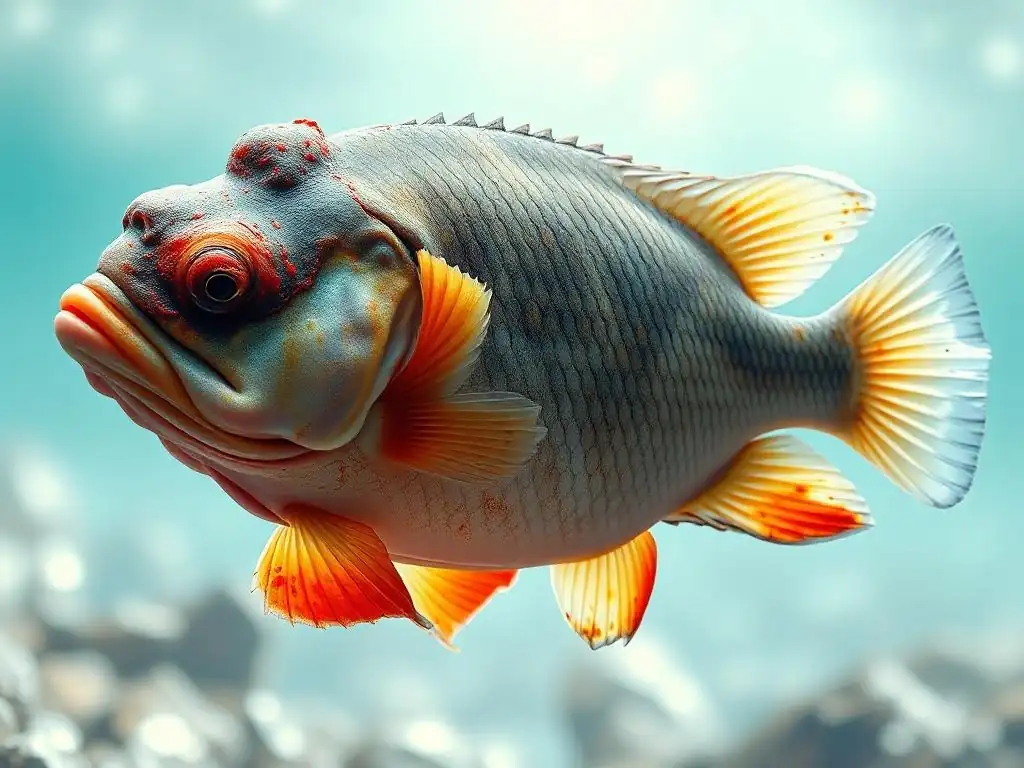
Fin rot is a common bacterial infection that causes the fins of Plecos, Ancistrus, and Otocinclus to appear ragged, frayed, or torn. It typically starts at the edges of the fins, which may become white, cloudy, or reddish due to inflammation. As the infection progresses, the fin tissue deteriorates, leading to significant loss of fin material and, in severe cases, can even affect the body of the fish.
Unlike physical damage, fin rot is characterized by a gradual, often symmetrical, erosion of the fin membranes, sometimes exposing the fin rays. Affected fish may also display clamped fins, lethargy, and a reluctance to swim actively. Early identification is key to preventing permanent fin damage and ensuring a swift recovery.
Preventing Fin Rot Through Proper Water Parameters
The primary cause of fin rot is poor water quality, specifically elevated levels of ammonia, nitrite, or nitrate, often combined with fluctuating pH. These stressors weaken the fish's immune system, allowing opportunistic bacteria (like Aeromonas and Pseudomonas) to take hold. Overcrowding, inadequate filtration, and infrequent water changes are significant contributors.
Preventing fin rot hinges on maintaining pristine water parameters: ammonia and nitrite at 0 ppm, and nitrates below 20 ppm. Regular partial water changes (e.g., 25-30% weekly) and efficient filtration are essential. A stable temperature and pH, appropriate for the specific Pleco species, also reduce stress and bolster their natural resistance, making preventive care a vital component of any "Pleco disease treatment guide."
Bloat in Plecos: Recognizing the Signs
Understanding the Causes of Pleco Bloat
Bloat in Plecos, Ancistrus, and Otocinclus is a serious condition characterized by a noticeable swelling of the abdomen. While it can sometimes be a symptom of internal parasites or bacterial infections, it is most commonly linked to dietary issues. Overfeeding, particularly with high-protein foods that Plecos are not naturally adapted to consume in large quantities, can overwhelm their digestive system. Lack of sufficient roughage or fiber (like cellulose from driftwood) is another major contributor, as many Pleco species are primarily herbivorous or omnivorous with a strong need for plant matter.
Sudden changes in diet, poor quality food, or contaminated food can also trigger bloat. In some cases, environmental stress or internal organ failure can also be underlying causes. Understanding these varied origins is crucial for appropriate "Pleco disease treatment."
Differentiating Bloat from Other Abdominal Swelling
It's important to differentiate bloat from other forms of abdominal swelling, particularly in female fish. A gravid (egg-bearing) female Pleco will exhibit a more localized, symmetrical swelling in the lower abdomen, often appearing plump but not distended or pineconed. The swelling is usually firm and consistent, and the fish's behavior remains normal.
In contrast, bloat typically presents as a more generalized, often uneven, and severe swelling of the entire abdomen. The most distinguishing symptom of severe bloat is "pineconing," where the scales protrude outwards due to internal fluid accumulation, a sign of dropsy. Bloated fish also often show signs of distress, such as lethargy, loss of appetite, labored breathing, and a general decline in condition.
Diagnosing Pleco Diseases: A Step-by-Step Guide
Observing Pleco Behavior for Disease Indicators
The first and often most telling step in diagnosing Pleco diseases is careful observation of their behavior. Healthy Plecos are typically active, exploring their environment, and feeding regularly. Changes such as prolonged hiding, unusual swimming patterns (e.g., darting erratically, listlessness, or staying motionless for extended periods), or rubbing against tank objects (flashing) are significant red flags.
Other behavioral indicators include a sudden loss of appetite, refusal to eat their usual food, or rapid, labored breathing (gasping at the surface or increased gill movement). While some Plecos are naturally reclusive, a marked change from their normal routine warrants immediate investigation. These subtle shifts are often the earliest signs an aquarist will notice, preceding visible physical symptoms.
Examining Pleco Physical Appearance for Symptoms
Once behavioral changes are noted, a thorough physical examination of your Pleco is the next crucial step. This might involve using a flashlight to get a better view, especially for nocturnal species or those with dark coloration. Look for specific visible symptoms such as white spots (Ich), fuzzy growths (Columnaris), red streaks, ulcers, or open sores (bacterial infections).
Pay close attention to the fins: are they clamped, frayed, or discolored? Examine the eyes for cloudiness or bulging. Check the body for any swelling (bloat) or scales protruding like a pinecone (dropsy). Inspect the gills for redness, swelling, or excessive mucus. Any deviation from their normal appearance should be noted and cross-referenced with potential disease symptoms in a reliable "Pleco disease treatment guide."
Water Parameter Testing for Disease Diagnosis
Water quality is the foundation of fish health, and poor parameters are often the root cause or a significant contributing factor to disease outbreaks. Therefore, testing your aquarium water is an indispensable step in disease diagnosis. Use a reliable liquid test kit to measure ammonia, nitrite, nitrate, and pH.
Ammonia and nitrite should always be 0 ppm. Any detectable levels (>0.1 ppm) indicate a problem with the nitrogen cycle and are highly stressful to fish, making them susceptible to opportunistic infections. Nitrates should ideally be below 20 ppm for most Plecos. Sudden fluctuations in pH (e.g., more than 0.5 change within 24 hours) or temperatures outside the species' preferred range (e.g., below 23°C or above 27°C for many common Plecos) also induce stress. Addressing these parameters is often the first and most critical part of any "Pleco disease treatment guide."
Pleco Disease Treatment Guide: Effective Methods
Treating Ich in Plecos: Medications and Methods
Salt Treatment for Ich in Plecos
Aquarium salt (non-iodized sodium chloride) is a widely recommended and effective treatment for Ich, especially for sensitive fish like Otocinclus, when used correctly. The salt works by disrupting the osmotic balance of the free-swimming Ich parasites (theronts and tomonts), dehydrating and killing them. For Ich, a common dosage is 1 to 3 tablespoons per 5 gallons (approx.
19 liters) of water, dissolved completely before adding to the tank. It's crucial to raise the temperature slowly to 28-30°C (82-86°F) to speed up the Ich life cycle, ensuring all parasites enter the free-swimming stage where they are vulnerable to salt and medication.
Maintain this treatment for at least 10-14 days, even if symptoms disappear, to ensure all stages of the parasite are eradicated. Perform daily partial water changes (25-30%) and redose the salt proportionally to the amount of water removed. Otocinclus are more sensitive; start with 0.5-1 tablespoon per 5 gallons and observe carefully.
Medication Options for Ich Control
For more severe Ich infestations or when salt treatment alone isn't sufficient, various commercial medications are available as part of a comprehensive "Pleco disease treatment guide." Common active ingredients include malachite green, formalin, and methylene blue. Brands like Seachem Paraguard, API Super Ick Cure, and Kordon Rid-Ich Plus are popular choices. These medications target the free-swimming stage of the parasite.
Always follow the manufacturer's instructions precisely regarding dosage and duration. It is crucial to remove activated carbon from the filter during treatment, as it will absorb the medication, rendering it ineffective. Increase aeration, as some medications can reduce oxygen levels. Continue treatment for the full recommended period, typically 7-14 days, to ensure complete eradication of the parasite's life cycle.
Treating Columnaris in Plecos: Antibiotic Remedies
Antibiotic Medications for Pleco Treatment
Treating Columnaris in Plecos requires prompt action with appropriate antibiotics. Broad-spectrum antibiotics are generally recommended, such as Furan-2 (nitrofurazone), Kanaplex (kanamycin), or Maracyn 2 (minocycline). These medications are effective against Gram-negative bacteria like Flavobacterium columnare. Administering medication in a hospital tank is often preferred to avoid treating the main display tank and potentially harming beneficial bacteria or sensitive invertebrates.
Always adhere strictly to the dosage and treatment duration specified by the medication manufacturer. A typical course might last 5-7 days, with daily redosing or as indicated. Combining treatments, such as using a methylene blue dip for severe external lesions, can also be beneficial in a complete "Pleco disease treatment guide."
Water Changes and Supportive Care
Alongside antibiotic treatment, aggressive water changes and supportive care are critical for successful Columnaris recovery. Perform large daily water changes (30-50%) to reduce the bacterial load in the water and remove toxins. Ensure the water parameters (ammonia, nitrite, nitrate) remain pristine. Increase aeration in the tank, as Columnaris often thrives in low-oxygen environments.
Maintain a stable, slightly lower temperature (around 24-25°C or 75-77°F) if the species tolerates it, as Columnaris thrives in warmer water. Providing a high-quality, easily digestible diet can also help boost the fish's immune system during recovery. Remove any uneaten food promptly to prevent further bacterial growth.
Treating Bacterial Infections in Plecos: Antibiotic Options
Antibiotic Medications for Aquarium Use
For general bacterial infections affecting Plecos, a range of antibiotic medications can be effective. Common choices include Kanamycin (e.g., Seachem Kanaplex), Erythromycin (e.g., Maracyn), and Nitrofurazone (e.g., API Furan-2). The specific choice often depends on the suspected bacterial strain and the symptoms observed. Kanamycin is a broad-spectrum antibiotic effective against many Gram-negative and some Gram-positive bacteria, often used for systemic infections. Erythromycin is effective against Gram-positive bacteria and some atypical bacteria.
It's advisable to use these medications in a hospital tank to protect the main tank's biological filter and other inhabitants. Always follow the manufacturer's instructions carefully for dosage, duration, and whether to perform water changes during treatment. In severe cases, a multi-day treatment course (e.g., 5-10 days) may be necessary. This targeted approach is a core component of any "Pleco disease treatment guide."
Water Changes and Supportive Care
Regardless of the antibiotic chosen, supportive care and diligent water management are crucial for the recovery of Plecos with bacterial infections. Daily partial water changes (25-50%) are highly recommended to dilute bacterial toxins and maintain optimal water quality, especially if treating in the main tank. Ensure ammonia and nitrite levels are zero and nitrates are below 20 ppm.
Enhance aeration in the tank, as sick fish often have compromised respiratory systems. Provide a stable water temperature within the fish's preferred range to minimize stress. Offering easily digestible, high-quality food in small quantities can help bolster the fish's immune system and aid recovery. Remove any uneaten food promptly to prevent further water fouling.
Treating Fin Rot in Plecos: Repairing Damaged Fins
Medications for Fin Rot Treatment
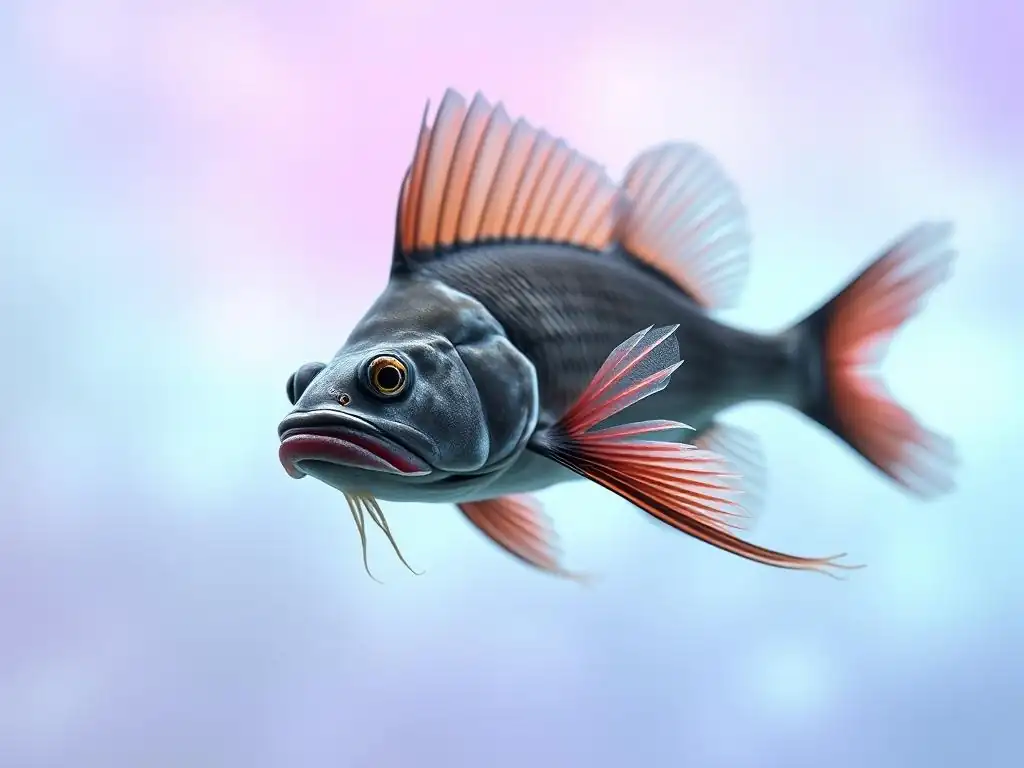
Treatment for fin rot depends on its severity. For mild cases, significantly improving water quality is often sufficient. Daily 25-30% water changes, ensuring ammonia and nitrite are zero, and adding aquarium salt (1 tablespoon per 5-10 gallons) can help the fins heal naturally. The salt acts as a mild antiseptic and reduces osmotic stress.
For more advanced cases where the infection is clearly progressing or affecting the body, a broad-spectrum antibiotic may be necessary. Medications containing Furan-2 (nitrofurazone), Erythromycin, or Maracyn 2 (minocycline) are commonly used. These target the bacterial pathogens responsible for the rot. Administer these treatments in a hospital tank if possible, following the product's specific instructions. Continued excellent water quality is vital throughout the treatment period as part of a comprehensive "Pleco disease treatment guide."
Addressing Underlying Causes of Fin Rot
Treating fin rot effectively requires addressing its underlying causes, which are almost always related to environmental stress. The most common culprit is poor water quality, specifically elevated levels of ammonia and nitrite, or consistently high nitrates. Therefore, the first step is always to perform thorough water parameter tests and correct any deficiencies immediately.
Other contributing factors include overcrowding, which leads to increased waste and competition, and physical injury from aggressive tank mates or sharp decor. Ensure your Pleco has adequate hiding spots and that tank mates are compatible and non-aggressive. Reducing overall stress in the aquarium environment will allow the fish's immune system to recover and effectively fight off opportunistic bacteria, preventing recurrence.
Treating Bloat in Plecos: Dietary Adjustments and Medications
Dietary Changes to Relieve Bloat
When bloat in Plecos is suspected to be diet-related, immediate dietary adjustments are crucial. The first step is to fast the affected fish for 2-3 days to allow its digestive system to clear. After fasting, offer blanched, deshelled peas, which act as a natural laxative and are easily digestible. Feed only a small portion, ensuring it's consumed.
Moving forward, review and adjust the regular diet. Ensure that herbivorous Plecos receive plenty of plant-based foods, such as high-quality spirulina wafers, blanched zucchini, cucumber slices, or spinach. Driftwood is essential for many species (e.g., Ancistrus, Common Plecos) as a source of cellulose, aiding digestion. Avoid overfeeding, especially with high-protein foods, and remove any uneaten food promptly to prevent water fouling.
Medications for Severe Bloat Cases
If dietary changes do not alleviate bloat, or if other symptoms like lethargy and pineconing are present, it might indicate an underlying bacterial infection or internal parasites. In such cases, a medication like Metronidazole (e.g., Seachem MetroPlex) can be effective. Metronidazole is active against anaerobic bacteria and certain protozoan parasites, which can contribute to internal swelling and bloat. It can be dosed directly into the water or, ideally, mixed with food for internal ingestion.
For fluid retention associated with bloat (dropsy), Epsom salt (magnesium sulfate) can be added to the water at a concentration of 1 teaspoon per 10 gallons (approx. 38 liters). Epsom salt helps draw out excess fluid from the fish's body. Always use a separate hospital tank for medication to protect the main tank's ecosystem, and monitor the fish closely. This specialized "Pleco disease treatment guide" approach is critical for severe bloat.
Preventing Pleco Diseases: Proactive Aquarium Care
Maintaining Optimal Water Quality for Plecos
Regular Water Changes and Filtration
Maintaining optimal water quality is the single most important factor in preventing diseases in Plecos, Ancistrus, and Otocinclus. Regular partial water changes are essential to dilute accumulated nitrates, remove organic pollutants, and replenish essential minerals. For most established aquariums with Plecos, a weekly water change of 25-30% is recommended. Larger tanks with a higher bioload or heavily stocked tanks might benefit from 50% bi-weekly changes.
Coupled with water changes, efficient filtration is vital. A robust filtration system, including mechanical (to remove particles), chemical (e.g., activated carbon to remove toxins), and biological (to process ammonia and nitrite) media, is crucial. Ensure filters are cleaned regularly but gently, avoiding the destruction of beneficial bacterial colonies.
Monitoring Water Parameters: pH, Ammonia, Nitrite, Nitrate
Consistent monitoring of water parameters is non-negotiable for Pleco health. Ammonia and nitrite levels must always be at 0 parts per million (ppm), as even trace amounts are highly toxic and suppress the fish's immune system. Nitrates should be kept below 20 ppm; higher levels indicate a need for more frequent or larger water changes.
The pH should be stable and within the preferred range for your specific Pleco species (e.g., 6.5-7.5 for many common varieties). Sudden pH swings (more than 0.2-0.3 in 24 hours) are highly stressful. Temperature stability is also critical, typically between 23-27°C (73-80°F). Regular testing, at least weekly, allows for early detection of issues before they impact fish health, making it a key aspect of preventing the need for a "Pleco disease treatment guide."
Proper Nutrition for Plecos, Ancistrus, and Otos
Balanced Diet for Plecos
A balanced and appropriate diet is fundamental to preventing nutritional deficiencies and digestive issues that can lead to disease in Plecos, Ancistrus, and Otocinclus. Many Pleco species are primarily herbivorous or omnivorous, requiring a diet rich in plant matter. High-quality sinking algae wafers or spirulina pellets should form the staple of their diet.
Crucially, fresh vegetables like blanched zucchini, cucumber slices, spinach, or green beans should be offered several times a week. For species that consume wood (e.g., Ancistrus, Hypostomus species), providing driftwood in the tank is essential as a source of cellulose for digestion. While some Plecos will accept occasional protein (like bloodworms or brine shrimp), overfeeding protein can lead to bloat and other digestive problems.
Avoiding Overfeeding and Food Contamination
Overfeeding is a common mistake that significantly contributes to poor water quality and fish health issues. Excess food breaks down, leading to spikes in ammonia and nitrite, and provides a breeding ground for harmful bacteria. Feed only what your Plecos can consume within a few hours for wafers, or overnight for vegetables. Remove any uneaten food promptly to prevent it from decaying.
Food contamination is another concern. Always store fish food in a cool, dry place, sealed tightly to prevent moisture and air exposure, which can lead to spoilage and mold growth. Use food within its expiry date. Feeding contaminated or stale food can introduce harmful bacteria and fungi, directly leading to illnesses that require a "Pleco disease treatment guide."
Quarantine New Fish to Prevent Disease Introduction
Quarantining new fish is one of the most effective preventative measures against introducing diseases into your main aquarium. A separate quarantine tank, ideally 10-20 gallons (38-76 liters), equipped with a heater, filter, and basic decor, should be used for all new fish, including Plecos, Ancistrus, and Otocinclus.
The recommended quarantine period is a minimum of 2-4 weeks. During this time, observe the new fish closely for any signs of disease such as spots, lesions, abnormal behavior, or breathing difficulties. If any symptoms appear, treat them in the quarantine tank before introducing the fish to the main display. This practice significantly reduces the risk of infecting your established fish population and can save you from needing a full "Pleco disease treatment guide" for your entire tank.
Minimizing Stress to Boost Pleco Immunity
Stress is a major factor in suppressing a fish's immune system, making them highly susceptible to diseases that they might otherwise resist. Minimizing stress for Plecos, Ancistrus, and Otocinclus involves several key aspects of their environment and care. This includes maintaining consistent, optimal water parameters (temperature, pH, ammonia, nitrite, nitrate) without sudden fluctuations.
Providing an appropriately sized tank for their adult size is crucial; an adult Common Pleco (e.g., Hypostomus plecostomus) requires a tank of at least 75-100 gallons (280-380 liters). Ensure compatible tank mates that are not aggressive or overly boisterous, and provide ample hiding places like caves, driftwood, and dense planting. A stable routine for feeding and tank maintenance also contributes significantly to a stress-free environment, bolstering their natural immunity against common ailments.
Natural Remedies & Alternative Treatments for Pleco Ailments
Using Aquarium Salt for Pleco Health
Aquarium salt (non-iodized sodium chloride) can be a valuable natural remedy and preventative measure for Pleco health. When added to the aquarium water, it helps reduce osmotic stress, making it easier for fish to regulate their internal fluids and recover from illness or stress. It can also aid gill function and act as a mild antiseptic, inhibiting the growth of some external parasites and bacteria.
For general stress reduction or as a preventative measure during transport or acclimation, a dosage of 1 tablespoon per 10 gallons (38 liters) is often used. For treating Ich, the dosage can be increased to 1-3 tablespoons per 5 gallons (19 liters). However, caution is advised for planted tanks or tanks with sensitive invertebrates (like snails or shrimp), as they can be negatively affected by higher salt concentrations. Always dissolve the salt thoroughly before adding it to the tank.
Garlic as an Immune Booster
Garlic has gained popularity in the aquarium hobby as a natural immune booster and appetite stimulant for fish. The active compound, allicin, is believed to have antibacterial, antiviral, and antiparasitic properties. While not a standalone cure for severe diseases, it can significantly support a fish's immune system, making them more resilient to infections and aiding recovery.
Garlic can be administered by soaking fish food (e.g., Pleco wafers, pellets) in a garlic extract (like Seachem GarlicGuard) for 10-15 minutes before feeding. Some aquarists also add a small amount of crushed fresh garlic to the water, though this should be done sparingly to avoid water fouling. Garlic is particularly useful for enticing sick or finicky eaters to resume feeding, which is crucial for their recovery and complements any "Pleco disease treatment guide."
Indian Almond Leaves for Water Conditioning
Indian Almond Leaves (also known as Catappa leaves) are a popular natural additive that provides numerous benefits for Plecos and other fish, particularly those from blackwater environments. When submerged, these leaves release tannins, which tint the water a tea-like color, subtly lower the pH, and soften the water, mimicking natural habitats.
More importantly, the tannins possess natural antibacterial, antifungal, and antiparasitic properties. They can help prevent common skin and fin infections, reduce stress, and promote healing of minor wounds. They also provide a natural food source for some micro-organisms that Plecos might graze on. Typically, 1 medium leaf per 10-20 gallons (38-76 liters) is sufficient, replaced every 2-3 weeks as they decompose. This natural conditioning supports overall fish health and reduces the likelihood of needing an intensive "Pleco disease treatment guide."
Advanced Pleco Care: Ensuring Long-Term Health
Choosing the Right Tank Mates for Plecos
Choosing compatible tank mates is crucial for the long-term health and stress reduction of Plecos, Ancistrus, and Otocinclus. Avoid overly aggressive or territorial fish that might harass or injure your catfish, especially during feeding times or when they are resting. Similarly, steer clear of fin-nipping species (like some Barbs or Tetras) that could damage their delicate fins, leading to secondary bacterial infections like fin rot.
Ideal tank mates are peaceful, community-oriented fish that occupy different levels of the water column. Examples include various species of Tetras, Rasboras, Corydoras catfish (who won't compete for the same bottom space as much), and peaceful Gouramis. Ensure tank mates do not outcompete your Plecos for food, particularly sinking wafers and vegetables, as Plecos can be slow eaters.
Providing Adequate Hiding Places for Stress Reduction
Adequate hiding places are essential for the well-being of Plecos, Ancistrus, and Otocinclus. These fish are often shy, nocturnal, and prefer sheltered environments where they can feel secure and retreat from light or perceived threats. Providing numerous caves, driftwood pieces, rock formations, and dense plant cover significantly reduces stress levels.
For many Pleco species, driftwood is not just a hiding spot but also a vital source of cellulose, which aids in their digestion. Ensure there are enough hiding spots for all bottom dwellers, allowing each fish to establish its own territory and reducing competition. Reduced stress directly translates to a stronger immune system, making your Plecos less susceptible to diseases and reducing the need for a "Pleco disease treatment guide."
Maintaining a Stable Aquarium Environment
Consistency and stability are paramount for the long-term health of Plecos and other aquarium fish. Sudden or drastic changes in the aquarium environment are major stressors that can compromise their immune systems and trigger disease outbreaks. This includes maintaining a stable water temperature without significant daily fluctuations (e.g., within 1-2°C).
Regularly performing water changes on a consistent schedule, rather than erratically, helps maintain stable water parameters. Avoid sudden changes in lighting cycles, tank decor, or the introduction of large groups of new fish without proper quarantine. Ensuring that filtration systems are consistently running and well-maintained also contributes to stability. A stable environment allows Plecos to thrive, preventing many common ailments and making proactive care the best "Pleco disease treatment guide."
Conclusion: Keeping Your Plecos, Ancistrus, and Otos Healthy
Key Takeaways for Pleco Disease Prevention
Keeping Plecos, Ancistrus, and Otocinclus healthy primarily revolves around proactive prevention rather than reactive treatment. The most critical takeaways for disease prevention include maintaining consistently pristine water quality through regular partial water changes and effective filtration, ensuring ammonia and nitrite are always at zero, and nitrates are below 20 ppm. A balanced, species-appropriate diet, rich in plant matter and fiber, is also fundamental.
Furthermore, always quarantine new fish for at least 2-4 weeks to prevent the introduction of pathogens. Minimizing stress by providing ample hiding places, compatible tank mates, and a stable environment will significantly bolster their natural immunity. Adhering to these principles is the most effective "Pleco disease treatment guide" because it reduces the likelihood of diseases occurring in the first place.
Importance of Continuous Monitoring and Care
Ultimately, the long-term health of your Plecos, Ancistrus, and Otocinclus depends on continuous monitoring and dedicated care. Regularly observing your fish for any subtle changes in behavior or physical appearance is the earliest form of disease detection and the most powerful tool in an aquarist's arsenal. Prompt action upon noticing any anomalies can mean the difference between a swift recovery and a devastating outbreak.
Understanding the specific needs of these unique catfish, from their dietary requirements to their preferred environmental conditions, empowers you to provide an optimal habitat. A vigilant eye, combined with consistent, high-quality husbandry practices, ensures your armored algae-eaters remain vibrant, healthy, and a joy to behold in your aquarium for many years.
Frequently Asked Questions
What are the most common diseases affecting Plecos, Ancistrus, and Otos?
The most common diseases include bacterial infections, fungal infections, and parasitic infestations like ich (white spot disease). Identifying the specific disease early is crucial for effective treatment.
How can I prevent diseases in my Plecos, Ancistrus, and Otos?
Prevention involves maintaining pristine water quality through regular water changes, providing a balanced diet, and quarantining new fish before introducing them to the main tank.
What are the typical symptoms of a sick Pleco, Ancistrus, or Oto?
Symptoms can vary but often include loss of appetite, lethargy, white spots or fuzzy growths on the body, and abnormal swimming behavior.
What is the best treatment for Ich (white spot disease) in Plecos?
Ich can be treated with aquarium salt and increased water temperature, or commercially available medications formulated for Ich. Always follow product instructions carefully.
Where can I find detailed information on specific Pleco disease treatment options?
AquariumMastery.com provides a Pleco disease treatment guide with detailed information on specific treatments, including medication dosages and preventative measures for various ailments.
Final Reflection: A Healthier Future for Our Aquatic Companions
The information presented throughout this Pleco disease treatment guide underscores a vital truth: responsible fishkeeping extends far beyond simply providing food and shelter. It demands a proactive understanding of potential health challenges and a commitment to preventative care. The prevalence of these common diseases highlights the delicate balance within our aquariums and the significant impact we, as keepers, have on the well-being of these fascinating creatures.
This journey into the world of Pleco, Ancistrus, and Oto health has, I hope, illuminated the importance of observation and informed action. The ability to recognize early symptoms and implement appropriate treatment strategies is not just about saving a fish; it's about fostering a deeper connection with the natural world and upholding our ethical responsibility as caretakers. The greatness of a nation and its moral progress can be judged by the way its animals are treated.
- Mahatma Gandhi. This quote, while often applied to larger animals, resonates deeply within the microcosm of our aquariums.
Now, armed with this knowledge, I urge you to reflect on your own practices. Are you diligently monitoring your tank parameters? Are you providing a varied and nutritious diet? Are you observing your fish for subtle signs of distress? Let this guide serve as a catalyst for continuous learning and improvement. Embrace the challenge of creating a thriving aquatic environment, and together, we can ensure a healthier and happier future for our beloved Plecos, Ancistrus, and Otos.
Unveil a Healthier Aquarium: Your Next Steps!
Thank you for diving deep into the world of Pleco, Ancistrus, and Oto health! Now that you're armed with knowledge, let's put it into action to ensure your finned friends thrive.
Here are some immediate steps you can take:
- Prioritize a comprehensive water quality test to ensure your aquarium parameters are optimal.
- Share this article with fellow aquarium enthusiasts to spread awareness and create a community of informed fish keepers.
- Consider starting a journal to track your fish's behavior and health, noting any changes or potential warning signs.
What's the first step you'll take to create an even healthier environment for your Plecos, Ancistrus, or Otos?