
How Long Do Variatus Platies Live? Tips for a Long, Healthy Life

Welcome to Aquarium Mastery!
Curious about how to ensure your vibrant Variatus platy enjoys a long and fulfilling life? Dive in as we unravel the secrets to maximizing their lifespan and providing optimal care. Prepare to discover everything you need to know about keeping these colorful freshwater fish thriving!
- Understanding the Variatus Platy Lifespan
- Variatus Platy Care: Key to a Longer Life
- Maximizing Variatus Platy Lifespan: Advanced Care Tips
- Troubleshooting Common Variatus Platy Health Issues
- Creating a Thriving Environment for Your Variatus Platy
- Conclusion: Ensuring a Long and Happy Life for Your Variatus Platies
-
Frequently Asked Questions
- How long do Variatus Platies typically live?
- What are the most important factors in ensuring a long life for my Variatus Platy?
- What signs might indicate my Variatus Platy is unwell and potentially shortening its lifespan?
- What is the best food to feed my Variatus Platies to maximize their health and lifespan?
- How often should I perform water changes to ensure optimal water quality for my Variatus Platies?
- Final Reflection: Embracing the Fleeting Beauty of Life
- Nurture a Thriving Platy Paradise!
Understanding the Variatus Platy Lifespan
Average Lifespan of a Variatus Platy in Home Aquariums
The Variatus Platy (Xiphophorus variatus), a popular and vibrant freshwater livebearer, typically enjoys a lifespan of approximately 2 to 3 years when kept in a well-maintained home aquarium. While this is the most common range, some exceptionally well-cared-for individuals have been known to live for up to 4 years, showcasing the potential for extended longevity under optimal conditions. This average lifespan is comparable to many other small, fast-breeding livebearers, such as guppies and mollies, but often slightly longer than the more delicate species.
Factors such as genetic predisposition, the initial health of the fish at purchase, and the overall quality of their environment significantly influence where an individual platy falls within this range. A platy from a reputable breeder with strong genetics is more likely to reach the upper end of its potential Variatus platy lifespan, whereas fish subjected to stress or poor conditions from a young age may experience a significantly shorter existence, sometimes less than a year.
Factors Influencing Variatus Platy Life Expectancy
Several critical factors directly impact the Variatus platy lifespan and overall health. Paramount among these is water quality; consistent and stable water parameters free from harmful ammonia and nitrite spikes are non-negotiable for long-term survival. A tank that undergoes regular partial water changes, for instance, a weekly 25% water change, helps maintain low nitrate levels and replenishes essential minerals, directly contributing to a longer life.
Beyond water quality, diet, stress levels, and the frequency of breeding play significant roles. A balanced diet rich in both plant and animal matter provides the necessary nutrients for robust immune systems and healthy growth. Chronic stress, often induced by aggressive tank mates, overcrowding, or inadequate hiding spots, can suppress the immune system, making platies more susceptible to diseases that shorten their life. For female platies, constant breeding can severely deplete their energy reserves and nutrients, often leading to a noticeably shorter Variatus platy lifespan compared to males or females kept in single-sex tanks.
Variatus Platy Care: Key to a Longer Life
Optimal Tank Conditions for Variatus Platies
Ideal Water Parameters: Temperature, pH, and Hardness for Variatus Platies
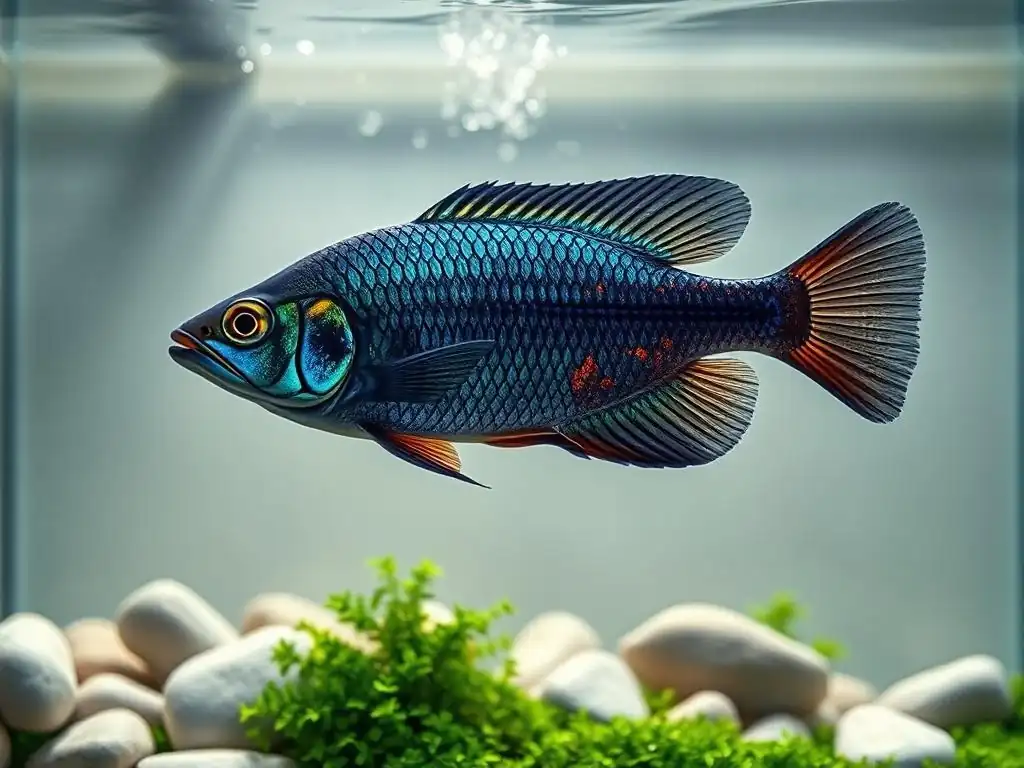
Maintaining precise and stable water parameters is fundamental for extending the Variatus platy lifespan. These adaptable fish thrive in temperatures ranging from 72°F to 78°F (22°C to 26°C). Fluctuations outside this range can cause stress and weaken their immune system, making them vulnerable to illness. A reliable aquarium heater with a thermostat is essential to prevent sudden temperature drops, especially in cooler environments.
Regarding pH, Variatus Platies prefer slightly alkaline conditions, with an ideal range between 7.0 and 8.0. While they can tolerate a small deviation, rapid pH shifts are detrimental. Water hardness (GH) should be moderate to hard, ideally between 10-25 dGH (180-450 ppm), as these minerals are crucial for their osmoregulation and overall health. Regular testing using a reliable aquarium test kit for pH, GH, temperature, and nitrogen compounds (ammonia, nitrite, nitrate) is vital to ensure these conditions remain consistent, directly supporting the Variatus platy lifespan care.
Importance of a Well-Cycled Aquarium for Platy Health
A fully cycled aquarium is the bedrock of good Variatus platy lifespan care and overall fish health. The nitrogen cycle, which involves beneficial bacteria converting toxic ammonia (from fish waste and decaying food) into less harmful nitrite, and then into even less harmful nitrate, is crucial. Ammonia and nitrite are highly poisonous to fish, even in small concentrations, leading to gill damage, stress, and ultimately death if left unchecked.
Establishing a robust biological filter through the cycling process (which typically takes 4-8 weeks) ensures that these toxins are continuously neutralized. Without a proper cycle, platies will suffer from "new tank syndrome," characterized by lethargy, clamped fins, and rapid breathing, significantly shortening their life expectancy. Regular testing for ammonia and nitrite (which should always read zero in a cycled tank) and nitrate (which should be managed through water changes) confirms the health of your biological filter and contributes significantly to the Variatus platy lifespan.
Nutrition and Diet for a Healthy Variatus Platy
What to Feed Your Variatus Platy: A Balanced Diet
A balanced and varied diet is paramount to robust Variatus platy lifespan care. Variatus Platies are omnivores, meaning their diet should consist of both plant and animal matter. A high-quality flake food specifically formulated for tropical fish should serve as the staple, providing essential vitamins and minerals. Look for flakes that list fish meal, spirulina, and various plant and animal proteins among their primary ingredients.
Supplementing their diet with live or frozen foods like brine shrimp, daphnia, and bloodworms once or twice a week provides crucial protein and enhances their coloration and vitality. Additionally, blanched vegetables such as zucchini slices, shelled peas, or spirulina wafers offer necessary plant matter and fiber, aiding digestion. Offering a diverse diet not only prevents nutritional deficiencies but also simulates their natural foraging behaviors, contributing to their overall well-being and extending the Variatus platy lifespan.
Feeding Frequency and Portion Control for Optimal Platy Health
Proper feeding frequency and portion control are critical aspects of Variatus platy lifespan care, preventing both underfeeding and overfeeding. It is generally recommended to feed Variatus Platies small amounts 2-3 times a day. Each feeding should last no more than 2-3 minutes, with all food consumed within that timeframe. Any uneaten food should be promptly removed from the tank to prevent decay, which can lead to dangerous ammonia spikes and cloudy water.
Overfeeding is a common mistake that can have severe consequences, including digestive issues like bloating, fatty liver disease, and a significant decline in water quality due to excess waste. This deterioration in water parameters directly stresses the fish and shortens their Variatus platy lifespan. Conversely, underfeeding can lead to stunted growth, weakened immune systems, and increased susceptibility to diseases. Observing your platies' feeding behavior and adjusting portions accordingly is key to their long-term health.
Preventing Diseases to Extend Variatus Platy Life
Common Variatus Platy Diseases and Their Symptoms
Preventing disease is a cornerstone of effective Variatus platy lifespan care. Despite their hardiness, platies can fall victim to common freshwater ailments. Ich (Ichthyophthirius multifiliis), or white spot disease, is characterized by small, salt-like white spots on the body and fins, often accompanied by scratching against tank surfaces. Fin rot, a bacterial infection, presents as frayed, discolored, or disintegrating fins, frequently caused by poor water quality.
Dropsy, although a symptom rather than a disease itself, indicates severe internal organ failure and is recognized by a severely bloated body and scales that protrude like a pinecone. Fungal infections appear as white, cotton-like growths on the body or fins. Early detection of these symptoms is crucial for successful treatment and preventing the spread to other fish, thereby protecting the entire population's Variatus platy lifespan. Regular observation of your fish for behavioral changes, such as lethargy, loss of appetite, or abnormal swimming, can signal the onset of illness.
Quarantine Procedures for New Fish to Protect Your Platies
Implementing a strict quarantine procedure for all new fish is perhaps the single most effective measure in preventing the introduction of diseases into your main display tank, thereby safeguarding the Variatus platy lifespan of your existing inhabitants. A separate quarantine tank, ideally 10-20 gallons, equipped with its own heater and filter, should be used for this purpose. New fish should be housed in this tank for a minimum of 2 to 4 weeks before being introduced to the community.
During the quarantine period, closely observe the new arrivals for any signs of illness, such as spots, clamped fins, labored breathing, or unusual behavior. It is often advisable to perform prophylactic treatments for common ailments like Ich or external parasites during this time, especially if the fish show any subtle signs of stress or illness. This proactive approach significantly reduces the risk of devastating outbreaks in your main aquarium, ensuring a healthier environment for a longer Variatus platy lifespan for all.
Natural Remedies and Medications for Platy Health
While prevention is key, understanding treatment options is vital for comprehensive Variatus platy lifespan care. For mild cases of external parasites or bacterial infections, natural remedies can sometimes be effective. Aquarium salt, added at a concentration of 1 tablespoon per 5 gallons, can help treat Ich and some bacterial infections by aiding slime coat production and reducing osmotic stress. Indian Almond Leaves (Catappa leaves) release tannins that have mild antibacterial and antifungal properties, beneficial for overall fish health and stress reduction.
For more severe or persistent conditions, specific medications may be necessary. For Ich, products containing malachite green or formalin are common. Bacterial infections like fin rot often respond to broad-spectrum antibiotics such as Maracyn or Furan-2. Fungal infections can be treated with antifungals like Methylene Blue. Always follow the manufacturer's instructions carefully regarding dosage and duration. It's crucial to correctly diagnose the ailment before administering medication, as incorrect treatments can further stress the fish and impede their Variatus platy lifespan.
Minimizing Stress for a Longer Platy Life
Choosing Compatible Tank Mates for Variatus Platies
Minimizing stress is a vital component of Variatus platy lifespan care. A primary source of stress for platies can be aggressive or incompatible tank mates. Variatus Platies are peaceful, active community fish that thrive alongside species of similar temperament and size. Ideal companions include other peaceful livebearers like guppies and mollies (though be mindful of potential cross-breeding), small tetras (e.g., Neon Tetras, Cardinal Tetras, Ember Tetras), corydoras catfish, Otocinclus catfish, and various snail species.
Avoid housing platies with notoriously aggressive fish such as most cichlids (excluding dwarf cichlids like German Blue Rams, which still require careful consideration), large barbs (e.g., Tiger Barbs known for fin nipping), or fish that grow significantly larger and could view platies as prey. Constant harassment or the threat of predation leads to chronic stress, suppresses the immune system, and significantly shortens the Variatus platy lifespan. A general guideline is to select tank mates that share similar water parameter requirements and do not exhibit fin-nipping tendencies or territorial aggression.
Providing Adequate Hiding Places and Enrichment
Beyond compatible tank mates, the physical environment of the aquarium plays a crucial role in minimizing stress and enhancing the Variatus platy lifespan. Variatus Platies, particularly females and younger fish, benefit immensely from ample hiding places. Dense vegetation, whether live plants like Java Fern, Anubias, Hornwort, or Water Sprite, or well-designed artificial plants and decorations such as caves, driftwood, and rock formations, provide safe havens where platies can retreat when feeling threatened or simply to rest.
These hiding spots reduce inter-fish aggression, especially among males or when a female is being pursued by multiple males, a common behavior in livebearers. Enrichment, provided by a varied aquascape with different textures and levels, encourages natural behaviors like exploring and foraging, reducing boredom and promoting overall mental and physical health. A well-structured tank environment contributes significantly to a stress-free existence, directly impacting the Variatus platy lifespan.
Maximizing Variatus Platy Lifespan: Advanced Care Tips
Regular Water Changes and Tank Maintenance for Platy Longevity
Consistent and diligent water changes are perhaps the most impactful advanced care tip for maximizing Variatus platy lifespan. While a well-cycled tank handles the nitrogen cycle, nitrates accumulate over time and can become toxic at high levels (above 20 ppm). Performing weekly partial water changes, typically 25% to 30% of the tank volume, effectively dilutes nitrates, replenishes essential trace minerals, and removes dissolved organic compounds that can build up and stress fish.
Beyond water changes, regular tank maintenance includes gravel vacuuming to remove uneaten food and fish waste from the substrate, which prevents the build-up of decaying organic matter and harmful toxins. Filter maintenance, such as rinsing filter media in old tank water (never tap water, which contains chlorine that kills beneficial bacteria), should be done every 2-4 weeks to ensure optimal flow and biological filtration. A consistent maintenance schedule is far more beneficial than sporadic, large water changes, as it prevents sudden environmental shifts that can shock and stress fish, ultimately extending their Variatus platy lifespan.
Recognizing Signs of Aging in Variatus Platies
As Variatus Platies approach the upper end of their Variatus platy lifespan, typically around 2.5 to 3 years, they may begin to show signs of aging. Recognizing these indicators can help aquarists provide appropriate supportive care. Common signs of an aging platy include a noticeable fading or dulling of their vibrant colors, which were once a hallmark of their youth. Their activity levels might decrease significantly, with less vigorous swimming and more time spent resting at the bottom or near the surface.
Physically, older platies might exhibit a slight curvature of the spine, a common sign of age in many fish species. They may also appear to lose muscle mass, becoming thinner despite consistent feeding, or conversely, develop a more rounded, less streamlined body shape. Their appetite might diminish, or they may become more susceptible to minor illnesses that younger, more robust fish would easily shake off. While these signs are part of the natural aging process, ensuring continued optimal water quality and a stress-free environment can help make their final months as comfortable as possible.
Breeding Considerations and Their Impact on Platy Lifespan
Breeding Variatus Platies Responsibly
Variatus Platies are prolific breeders, and responsible breeding practices are an important aspect of overall Variatus platy lifespan care. If you intend to breed, it's crucial to have a plan for the fry, as a single female can produce 20-50 or more fry every 30 days. Overpopulation quickly leads to poor water quality, stunted growth, and increased stress and disease transmission among all fish in the tank, significantly shortening the Variatus platy lifespan for both adults and fry.
Consider setting up a separate breeding tank for pregnant females and a dedicated grow-out tank for fry to ensure they receive adequate nutrition and are not preyed upon by adults. Selective breeding for desired traits, such as vibrant coloration or robust health, can also contribute to the overall genetic strength and longevity of your platy line. Understanding the commitment involved in managing successive generations of platies is key to maintaining a healthy and sustainable population.
The Effect of Frequent Breeding on Female Platy Lifespan
The constant cycle of pregnancy and birth places immense physiological stress on female Variatus Platies, often significantly shortening their Variatus platy lifespan. Female platies can store sperm for multiple pregnancies, meaning they can continually produce fry even without a male present for several months after initial contact. Each pregnancy depletes the female's energy reserves and nutrients, particularly calcium, which is vital for bone health and fry development.
Studies on livebearers suggest that females subjected to continuous breeding can have their lifespan reduced by several months to a year compared to males or females kept in single-sex tanks. Signs of exhaustion from frequent breeding include reduced activity, a hunched appearance, and increased susceptibility to disease. To mitigate this, consider separating males and females if you do not wish to breed constantly, or maintain a ratio of at least 2-3 females per male to distribute the male's attention and reduce stress on individual females, thereby preserving their Variatus platy lifespan.
Troubleshooting Common Variatus Platy Health Issues
Addressing Fin Rot in Variatus Platies
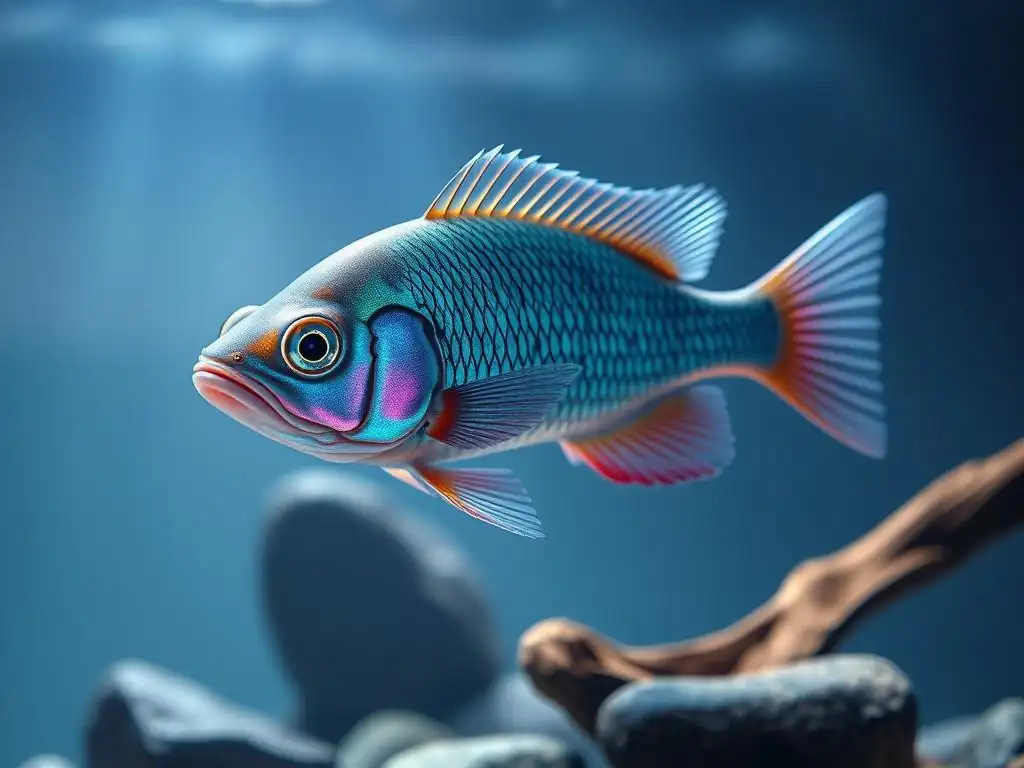
Fin rot is a common bacterial infection that can significantly impact a Variatus platy lifespan if left untreated. It typically manifests as frayed, ragged, or discolored fins, which may appear milky or reddish at the edges. In severe cases, the fins can completely disintegrate, exposing the fin rays. The primary cause is almost always poor water quality, particularly high levels of ammonia, nitrite, or nitrate, coupled with stress or physical injury.
Treatment involves immediate and significant improvement of water conditions. Perform a 50% water change immediately, followed by daily 25% water changes for several days. Ensure excellent filtration and gravel vacuuming. For mild cases, aquarium salt (1 tablespoon per 5 gallons) can aid recovery. For more advanced infections, a broad-spectrum antibiotic medication like Maracyn (Erythromycin) or Furan-2 (Nitrofurazone) should be used, strictly following the product's instructions. Early intervention is crucial to save the fins and prevent the infection from spreading to the body, which can be fatal.
Dealing with Ich (White Spot Disease) in Platies
Ich, caused by the parasite Ichthyophthirius multifiliis, is one of the most common and recognizable diseases affecting Variatus Platies. Symptoms include small, distinct white spots resembling grains of salt scattered across the fish's body and fins. Affected fish may also rub or scratch themselves against tank decorations or substrate due to irritation. Ich outbreaks are often triggered by stress, sudden temperature fluctuations, or the introduction of infected fish.
Effective treatment for Ich involves a multi-pronged approach. Gradually raise the tank temperature to 82-84°F (28-29°C) over 24 hours, as higher temperatures accelerate the parasite's life cycle, making it more vulnerable to treatment. Simultaneously, add aquarium salt at a concentration of 1 tablespoon per 5 gallons. For persistent or severe cases, use an Ich medication containing malachite green or formalin, following the manufacturer's instructions carefully. Continue treatment for at least 7-10 days, even if spots disappear, to ensure all stages of the parasite are eradicated, thereby preventing recurrence and protecting the Variatus platy lifespan.
Preventing and Treating Dropsy in Variatus Platies
Dropsy is not a disease itself but rather a symptom of severe underlying internal bacterial infection or organ failure, often of the kidneys, leading to fluid accumulation within the body cavity. The most distinctive sign is a severely bloated appearance, often accompanied by scales that stick out from the body, resembling a pinecone. Other symptoms may include lethargy, loss of appetite, pale gills, and clamped fins. Unfortunately, by the time dropsy is evident, the condition is often advanced and difficult to cure, making prevention paramount for Variatus platy lifespan care.
Prevention focuses on maintaining pristine water quality, a balanced diet, and minimizing stress to keep the fish's immune system robust. If a platy develops dropsy, isolate it immediately in a hospital tank. Treatment typically involves a broad-spectrum antibiotic that can be mixed with food, such as Kanaplex or Metronidazole, as internal infections are hard to reach with water-borne medications. Adding Epsom salt (not aquarium salt) at 1 teaspoon per 5 gallons can help draw out some fluid. However, the prognosis for fish with confirmed dropsy is often poor, highlighting the importance of preventative Variatus platy lifespan care.
Creating a Thriving Environment for Your Variatus Platy
Choosing the Right Tank Size for a Group of Variatus Platies
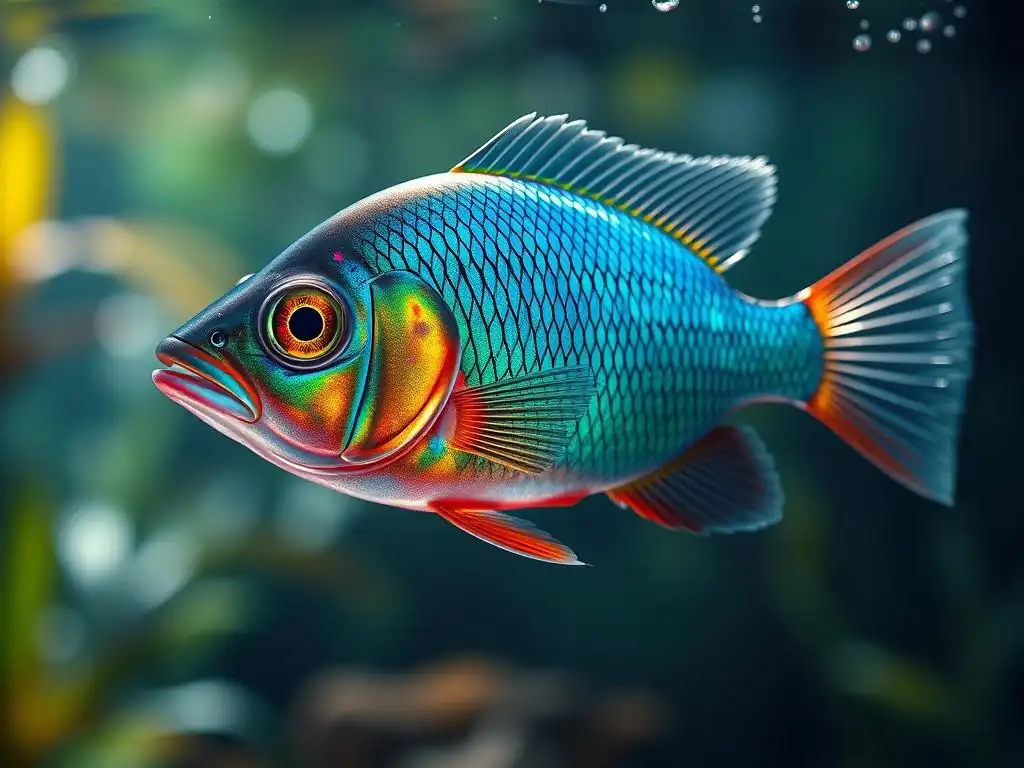
The appropriate tank size is a foundational element in creating a thriving environment and ensuring a long Variatus platy lifespan. While a single platy might survive in a 5-gallon tank, Variatus Platies are active, social fish that do best in groups and require ample swimming space. A minimum tank size of 10 gallons is recommended for a small group of 3-5 platies, allowing for proper schooling behavior and reducing aggression.
For a larger, more stable group of 6 or more platies, or if you plan to include other peaceful tank mates, a 15-20 gallon tank or larger is ideal. Larger tanks are also more stable in terms of water parameters, making them easier to maintain and reducing stress on the fish. The general rule of thumb of "one inch of fish per gallon" can be a starting point, but for active fish like platies, providing more space than the minimum is always beneficial for their health and Variatus platy lifespan.
The Role of Live Plants in a Variatus Platy Aquarium
Live plants are incredibly beneficial for a Variatus platy aquarium, playing multiple roles in creating a thriving ecosystem and contributing significantly to Variatus platy lifespan care. Firstly, plants absorb nitrates and other waste products from the water, acting as natural filters and improving water quality, which is crucial for fish health. They also oxygenate the water through photosynthesis, particularly during daylight hours.
Secondly, live plants provide essential hiding places and a sense of security for platies, especially for females seeking refuge from persistent males or for fry to escape predation. This reduces stress and encourages natural behaviors. Species like Java Fern, Anubias, Hornwort, Water Sprite, and various stem plants are excellent choices as they are relatively easy to care for and provide dense cover. A well-planted tank mimics the platy's natural habitat, promoting their well-being and extending their Variatus platy lifespan.
Maintaining a Stable Aquarium Ecosystem for Platy Well-being
Maintaining a stable aquarium ecosystem is paramount for the long-term well-being and Variatus platy lifespan. This stability hinges on consistency in all aspects of care. Once the tank is fully cycled and parameters are optimized, avoid sudden or drastic changes. This means performing regular, rather than sporadic, partial water changes, ensuring the new water matches the tank's temperature and pH as closely as possible.
Consistent feeding schedules, avoiding overfeeding, and routine monitoring of water parameters (ammonia, nitrite, nitrate, pH, temperature) are crucial. A reliable filtration system – mechanical for debris removal, chemical for toxins, and biological for the nitrogen cycle – is essential for maintaining water quality. Introducing new fish slowly and with proper quarantine also prevents ecosystem disruption. A stable environment minimizes stress on your Variatus Platies, allowing their immune systems to function optimally and ensuring a healthier, longer Variatus platy lifespan.
Conclusion: Ensuring a Long and Happy Life for Your Variatus Platies
Ensuring a long and happy life for your Variatus Platies is a rewarding endeavor that hinges on consistent, diligent care. While their average Variatus platy lifespan is typically 2 to 3 years, providing optimal conditions can see them thrive for even longer. This comprehensive Variatus platy lifespan care involves a multi-faceted approach, starting with stable and pristine water parameters, achieved through a well-cycled tank and regular, partial water changes.
A balanced and varied diet, coupled with appropriate feeding practices, is crucial for their vitality and disease resistance. Proactive disease prevention, including stringent quarantine for new additions and prompt treatment of any ailments, safeguards the entire aquatic community. Minimizing stress through compatible tank mates and ample hiding places further contributes to their well-being. By embracing these core principles of Variatus platy lifespan care, aquarists can create a thriving environment that allows these vibrant fish to live out their full potential, bringing color and activity to any freshwater aquarium for years to come.
Frequently Asked Questions
How long do Variatus Platies typically live?
Variatus Platies generally live for 2-3 years in a well-maintained aquarium. However, their lifespan can vary depending on genetics and care.
What are the most important factors in ensuring a long life for my Variatus Platy?
The most important factors are maintaining excellent water quality, providing a balanced diet, and minimizing stress within the tank.
What signs might indicate my Variatus Platy is unwell and potentially shortening its lifespan?
Signs of illness include lethargy, loss of appetite, physical deformities, and abnormal swimming patterns. Early detection is crucial for treatment.
What is the best food to feed my Variatus Platies to maximize their health and lifespan?
A high-quality flake food supplemented with live or frozen foods like brine shrimp and daphnia will provide a balanced diet. Also, include vegetable matter in their diet.
How often should I perform water changes to ensure optimal water quality for my Variatus Platies?
Regular weekly water changes of around 25% are recommended to remove nitrates and maintain optimal water parameters, contributing to a longer and healthier lifespan.
Final Reflection: Embracing the Fleeting Beauty of Life
The exploration of the Variatus platy lifespan reminds us that even within the seemingly simple world of aquarium keeping, profound lessons about life, care, and appreciation can be found. Understanding the factors that influence a platy's longevity, as we've discussed, isn't just about keeping fish alive; it's about fostering a deeper connection with the natural world and recognizing the delicate balance that sustains all living things.
The relatively short lifespan of the Variatus platy compels us to cherish each moment and provide the best possible environment for these vibrant creatures. This understanding has personally reinforced the importance of proactive care and mindful observation, not just in aquariums, but in all aspects of life. The best and most beautiful things in the world cannot be seen or even touched - they must be felt with the heart.
This quote, often attributed to Helen Keller, resonates deeply when considering the subtle joys and responsibilities that come with nurturing life, however brief its duration.
As you consider the insights shared in this article, I invite you to reflect on the broader implications of responsible care. Let the dedication you apply to ensuring a long and healthy life for your Variatus platies inspire you to cultivate similar compassion and attentiveness in all your interactions, fostering a world where every life, big or small, is valued and nurtured to its fullest potential.
Nurture a Thriving Platy Paradise!
Thank you for diving into the fascinating world of Variatus Platies! We hope you've gained valuable insights into their lifespan and how to ensure a long, healthy life for your aquatic companions. Now, it's time to put that knowledge into action!
Here's how you can further enhance your Platy-keeping experience:
- Prioritize a pristine environment: Actively test your water parameters weekly and perform regular water changes to maintain optimal conditions.
- Share your success! Post pictures or videos of your thriving Platies on social media using #AquariumMasteryPlaties and inspire others to create beautiful aquatic habitats.
- Consider adding a new, vibrant plant species to your aquarium to not only enhance the aesthetic appeal but also provide your Platies with additional hiding spots and grazing opportunities.
What innovative aquascaping idea will you implement to create the ultimate Platy haven?