
Neon Tetra Deep Dive: Illuminating Care for Dazzling, Healthy Schools

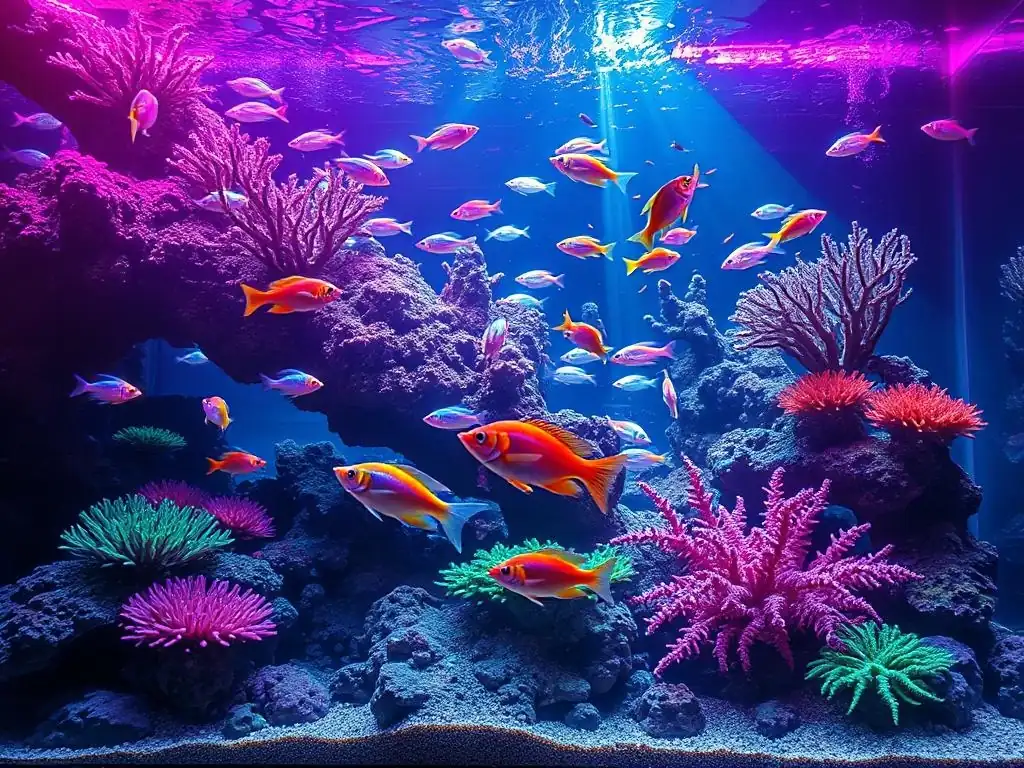
Welcome to Aquarium Mastery, where your aquatic dreams come to life! Ever wondered how to keep those shimmering Neon Tetras thriving in your freshwater aquarium? Unlock the secrets to their dazzling health and vibrant schools in our comprehensive Neon Tetra Care Guide below. Dive in and discover everything you need to know to create the perfect environment for these captivating little fish, and let's illuminate your aquarium journey together!
- Understanding Neon Tetras: An Essential Care Guide
- Setting Up the Ideal Neon Tetra Tank Environment
- Neon Tetra Diet and Nutrition: Ensuring Vibrant Colors and Health
- Maintaining a Healthy Neon Tetra Aquarium: A Step-by-Step Guide
- Neon Tetra Tank Mates: Choosing Compatible Species
- Neon Tetra Breeding: A Detailed Guide
- Troubleshooting Common Neon Tetra Problems
- Advanced Neon Tetra Care Tips for Experienced Aquarists
- Conclusion: Mastering Neon Tetra Care for a Thriving Aquarium
- Frequently Asked Questions
- Final Reflection: A Symphony of Shimmers
- Ignite Your Tetra Tank: Design a Thriving Neon Paradise!
Understanding Neon Tetras: An Essential Care Guide
What are Neon Tetras? Origins and Characteristics
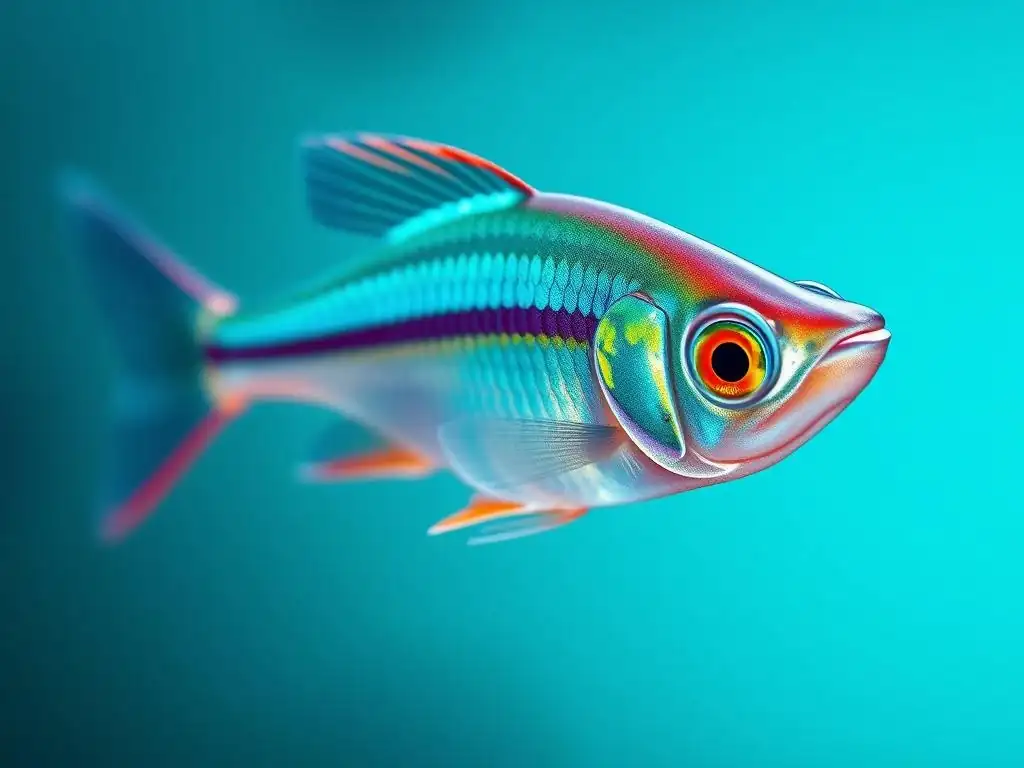
Neon Tetras (Paracheirodon innesi) are small, freshwater fish renowned for their vibrant iridescent blue and red stripes. Originating from the clearwater and blackwater streams of the Amazon basin, specifically in southeastern Colombia, eastern Peru, and western Brazil, these fish thrive in environments characterized by soft, acidic water and dense vegetation. Their distinctive lateral stripe, which runs from their nose to the adipose fin, is a striking neon blue, while a bright red stripe extends from the middle of their body to the caudal fin, creating a captivating contrast that makes them stand out in any aquarium.
These peaceful schooling fish typically reach an adult size of about 1.5 inches (4 cm) and have a lifespan of approximately 5 to 10 years in a well-maintained aquarium. Their natural habitat often features a substrate of fine sand or leaf litter, with plenty of submerged roots and branches providing shelter. Understanding their natural origins is crucial for providing optimal Neon tetra care, as replicating these conditions in an aquarium environment significantly contributes to their health, vibrancy, and longevity. This foundational knowledge is key to any comprehensive Neon tetra care guide.
Why Neon Tetras are Popular Aquarium Fish
Neon Tetras have consistently ranked among the most popular aquarium fish for several compelling reasons, making them a staple in freshwater community tanks. Their small size, combined with their striking coloration, allows aquarists to keep a large school, creating a dynamic and visually stunning display. A school of 6-10 or more Neon Tetras moving in unison is a truly mesmerizing sight, adding a sense of natural beauty and activity to the aquarium. This schooling behavior also contributes to their sense of security and well-being, reducing stress and enhancing their natural behaviors.
Beyond their aesthetic appeal, Neon Tetras are generally peaceful and adaptable, making them suitable for a wide range of community aquarium setups. They are not overly aggressive and tend to coexist well with other non-aggressive, similarly sized fish. Their relatively easy care requirements, once their specific water parameters are met, also contribute to their widespread popularity, especially among beginner to intermediate aquarists seeking to establish a vibrant and healthy freshwater environment. This ease of integration into community tanks, coupled with their dazzling appearance, solidifies their status as a top choice in any Neon tetra care guide.
Setting Up the Ideal Neon Tetra Tank Environment
Choosing the Right Tank Size for Neon Tetra Schools
Selecting an appropriately sized aquarium is a critical first step in providing excellent Neon tetra care. While these fish are small, they are active swimmers and thrive in schools, requiring adequate space to exhibit their natural schooling behaviors and reduce stress. A minimum tank size of 10 gallons (approximately 38 liters) is generally recommended for a small school of 6-8 Neon Tetras. However, for larger, more robust schools of 10-15 individuals, a 20-gallon long (approximately 76 liters) or even a 29-gallon (approximately 110 liters) tank is far more beneficial, offering ample swimming room and greater water stability.
The "long" dimension of a tank is often preferred over a "tall" one for Neon Tetras, as it provides more horizontal swimming space, which better mimics their natural riverine habitats. Overcrowding can lead to increased stress, aggressive behavior among the fish, and rapid deterioration of water quality, making a larger tank a better investment for long-term Neon tetra care. Always remember that the more space and stability you can provide, the healthier and more vibrant your Neon Tetras will be, making tank size a cornerstone of any effective Neon tetra care guide.
Neon Tetra Water Parameters: Temperature, pH, and Hardness
Maintaining stable and appropriate water parameters is paramount for the health and longevity of Neon Tetras, as they are sensitive to fluctuations. The ideal water temperature for Neon Tetras ranges from 72°F to 78°F (22°C to 26°C). Temperatures outside this range can lead to weakened immune systems and increased susceptibility to disease. Consistent temperature is crucial, which often necessitates a reliable aquarium heater.
Furthermore, Neon Tetras prefer soft, acidic water, mirroring their Amazonian origins. The optimal pH level for these fish is between 6.0 and 7.0, with a slightly acidic pH of 6.5 often considered ideal. Water hardness (GH) should be kept very low, typically between 1 to 2 dKH (degrees of carbonate hardness) or 4 to 8 ppm. High pH or hard water can cause significant stress and health issues over time. Regular monitoring with a reliable test kit is essential to ensure these parameters remain stable, forming a core component of any comprehensive Neon tetra care guide.
Substrate and Decoration for a Neon Tetra Habitat
The choice of substrate and decorations plays a significant role in creating a comfortable and natural environment for your Neon Tetras, enhancing their colors and reducing stress. A dark-colored substrate, such as fine gravel or sand, is highly recommended. This not only highlights their vibrant blue and red stripes, making them appear more dazzling, but also mimics their natural dark riverbed environments, making them feel more secure. Light-colored substrates can reflect too much light, causing stress and making their colors appear faded.
Dense planting is also crucial for a thriving Neon tetra habitat. Live plants like Java Fern, Anubias, Amazon Sword, and various stem plants provide essential hiding spots, reduce aggression, and contribute to overall water quality by absorbing nitrates. Driftwood and smooth rocks can further enhance the natural feel, offering additional shelter and breaking up lines of sight. When arranging decorations, ensure there are still open swimming areas for the school to move freely. This thoughtful approach to tank setup is vital for successful Neon tetra care and a visually appealing display.
Essential Aquarium Equipment for Neon Tetra Care: Filters, Heaters, and Lighting
Proper equipment is non-negotiable for maintaining a stable and healthy environment for your Neon Tetras. A reliable filtration system is paramount to keep the water clean and free of harmful toxins like ammonia and nitrite. For a 10-gallon tank, a hang-on-back (HOB) filter rated for 20-30 gallons or a small internal filter with good mechanical and biological filtration will suffice. For larger tanks (20 gallons or more), a canister filter or a larger HOB filter is often preferred for superior filtration capacity and less frequent maintenance, ensuring optimal water conditions for Neon tetra care.
A heater is equally essential to maintain the stable temperature range of 72-78°F (22-26°C). A general guideline is 5 watts per gallon, so a 50-watt heater for a 10-gallon tank or a 100-watt heater for a 20-gallon tank is appropriate. Ensure the heater has a reliable thermostat. Lighting should be moderate, mimicking the dappled light of their natural, heavily vegetated habitats.
LED lights with adjustable intensity are ideal, allowing you to provide sufficient light for plant growth without overwhelming the fish. Too bright lighting can stress Neon Tetras and cause their colors to fade. These equipment choices are fundamental to any effective Neon tetra care guide.
Neon Tetra Diet and Nutrition: Ensuring Vibrant Colors and Health
What to Feed Neon Tetras: A Balanced Diet
Providing a varied and balanced diet is crucial for the health, vibrancy, and longevity of your Neon Tetras. While they are omnivores, their diet in the wild consists primarily of small invertebrates, algae, and detritus. In the aquarium, high-quality flake food should form the staple of their diet. Look for flakes specifically designed for small tropical fish, ensuring they contain a good balance of protein, vitamins, and minerals. Examples include Hikari Micro Pellets or TetraMin Tropical Flakes, which are formulated to meet the nutritional needs of small community fish.
In addition to flakes, supplement their diet with a variety of other foods to ensure they receive all necessary nutrients and to stimulate their natural feeding behaviors. Small frozen or freeze-dried foods like bloodworms, daphnia, and brine shrimp are excellent sources of protein and can significantly enhance their coloration. Vegetable-based foods, such as spirulina flakes or blanched zucchini, can also be offered occasionally. A diverse diet is a cornerstone of effective Neon tetra care, promoting strong immune systems and preventing nutritional deficiencies.
Feeding Frequency and Portion Control for Neon Tetras
Overfeeding is a common mistake in aquarium keeping and can quickly lead to poor water quality, which is detrimental to Neon Tetras. These small fish have tiny stomachs and do not require large quantities of food. The general rule of thumb is to feed them small amounts two to three times a day, only what they can consume within 2-3 minutes. Any uneaten food should be promptly removed from the tank to prevent it from decaying and polluting the water.
Consistent portion control is vital for maintaining pristine water conditions, which directly impacts the success of your Neon tetra care efforts. A feeding schedule of a small pinch of flake food in the morning and another in the evening, with occasional frozen treats, works well for most aquarists. Observing your fish during feeding will help you fine-tune the exact amount; if food settles on the bottom, you are feeding too much. This careful approach to feeding is a key element of any comprehensive Neon tetra care guide.
Supplementing Your Neon Tetra's Diet for Optimal Health
Beyond staple flakes and occasional frozen treats, thoughtfully supplementing your Neon Tetra's diet can significantly boost their overall health, immune system, and intensify their already vibrant colors. Live foods, when available and safe, are an excellent option. Live baby brine shrimp, micro worms, or daphnia can provide essential proteins and lipids, closely mimicking their natural diet and stimulating their hunting instincts. However, ensure live foods are sourced from reputable suppliers to avoid introducing diseases.
Vitamin supplements specifically designed for aquarium fish can also be added to their food or directly to the water, especially if you notice any signs of nutrient deficiency or during periods of stress. For instance, products containing astaxanthin can enhance the red and blue pigmentation in their stripes. Regular inclusion of spirulina-based flakes or pellets also provides essential plant-based nutrients and carotenoids. A well-rounded diet, including these supplements, is a key aspect of advanced Neon tetra care, ensuring your school remains dazzling and robust.
Maintaining a Healthy Neon Tetra Aquarium: A Step-by-Step Guide
Regular Water Changes for Neon Tetra Tanks
Regular partial water changes are the single most important maintenance activity for ensuring long-term health and stability in a Neon Tetra aquarium. These fish are sensitive to accumulating nitrates and other dissolved organic compounds. For a well-established tank with a moderate fish load, a weekly water change of 25-30% of the tank volume is highly recommended. For example, in a 20-gallon tank, this would mean replacing 5-6 gallons of water each week.
Before adding new water, it is crucial to treat it with a high-quality de-chlorinator to neutralize chlorine and chloramines, which are toxic to fish. Additionally, try to match the temperature of the new water to that of the tank water to prevent temperature shock, which can severely stress Neon Tetras. Consistent water changes dilute pollutants, replenish essential minerals, and help maintain the stable water parameters critical for proper Neon tetra care, directly contributing to their vibrant colors and prolonged lifespan.
Monitoring Water Quality: Testing for Ammonia, Nitrite, and Nitrate
Consistent monitoring of water parameters is indispensable for effective Neon tetra care, as these small fish are highly susceptible to poor water quality. Ammonia (NH3) and nitrite (NO2) are extremely toxic to fish, even in small concentrations, and should always be at 0 ppm in a cycled aquarium. Nitrates (NO3), while less toxic, can build up over time and should be kept below 20 ppm, ideally below 10 ppm for sensitive species like Neon Tetras.
Regular testing with a reliable liquid-based test kit is strongly advised. Test for ammonia and nitrite weekly, especially in new tanks or if you notice any signs of stress or illness in your fish. Nitrate levels should be checked weekly or bi-weekly. If ammonia or nitrite are detected, perform an immediate partial water change (25-50%) and investigate the cause, such as overfeeding or an uncycled filter. Consistent monitoring allows for proactive intervention, preventing serious health issues and ensuring a safe environment for your Neon Tetras.
Preventing and Treating Common Neon Tetra Diseases
While robust under ideal conditions, Neon Tetras can be susceptible to certain diseases, particularly if water quality is poor or they are stressed. The most notorious is "Neon Tetra Disease" (NTD), caused by the parasite Pleistophora hyphessobryconis, which often leads to loss of color, erratic swimming, and cysts. Unfortunately, NTD is highly contagious and often incurable. Prevention is key: quarantine new fish for at least 2-4 weeks before introducing them to your main tank to prevent disease transmission.
Other common ailments include Ich ( Ichthyophthirius multifiliis), characterized by white spots resembling salt grains, and Fin Rot, often caused by bacterial infections in poor water conditions. Ich can be treated by gradually raising the tank temperature to 82-84°F (28-29°C) for several days (if compatible with tank mates) and using an anti-parasitic medication. Fin Rot requires improved water quality and often a broad-spectrum antibiotic. Maintaining pristine water conditions, providing a balanced diet, and minimizing stress are the best preventative measures for any Neon tetra care guide, significantly reducing the risk of disease outbreaks.
Neon Tetra Tank Mates: Choosing Compatible Species
Ideal Tank Mates for Neon Tetras
Choosing the right tank mates is crucial for the well-being and longevity of your Neon Tetras, as they are peaceful and can easily be intimidated or preyed upon by larger, more aggressive fish. Ideal companions are small, peaceful, and similarly sized community fish that prefer similar water parameters. Good examples include other small schooling tetras such as Ember Tetras, Rummy Nose Tetras, or Glowlight Tetras, which enhance the schooling effect and add to the visual diversity of the tank.
Other excellent choices include peaceful bottom dwellers like Corydoras catfish (e.g., Panda Cory, Pygmy Cory), which are active scavengers and pose no threat to Neon Tetras. Small, peaceful livebearers like Guppies or Endler's Livebearers can also coexist well, provided their fin-nipping tendencies are minimal.
Small, non-aggressive species of dwarf cichlids, such as Dwarf Gouramis or peaceful Betta fish (if carefully selected and monitored), can sometimes work in larger tanks. The key is to select species that will not outcompete Neon Tetras for food or space and will not view them as prey, making this a vital aspect of any Neon tetra care guide.
Fish to Avoid Keeping with Neon Tetras
Just as important as choosing ideal tank mates is knowing which fish to absolutely avoid when planning your Neon tetra care strategy. Any large, aggressive, or predatory fish species should be excluded from a Neon Tetra tank. This includes most cichlids (except certain dwarf varieties), large gouramis, Oscars, Arowanas, and even larger Barbs like Tiger Barbs, which are notorious for fin-nipping and can stress or injure small, delicate fish like Neon Tetras.
Fish with significantly different water parameter requirements should also be avoided, as compromising on water conditions for one species will inevitably harm another. Additionally, highly boisterous or fast-swimming fish can stress slower-moving Neon Tetras, leading to inhibited schooling behavior and increased susceptibility to disease. Even seemingly benign fish like Angelfish, while often kept with Neons, can become predatory as they grow, potentially consuming adult Neon Tetras. Thorough research into compatibility is essential to ensure a peaceful and thriving community aquarium.
Considerations for a Peaceful Community Aquarium
Creating a truly peaceful community aquarium with Neon Tetras involves more than just selecting compatible species; it requires careful planning of the tank environment and understanding fish behavior. Ensure the tank is adequately sized for all inhabitants, preventing overcrowding which can lead to stress and aggression. For example, a 20-gallon tank might support a school of 10 Neon Tetras and 6 Corydoras, but adding more fish without increasing tank size could lead to problems.
Provide ample hiding spots and visual barriers using plants, driftwood, and rocks. This allows fish to retreat when feeling stressed or to establish small territories without conflict. Introduce new fish slowly and observe their interactions carefully for the first few days. Feed all fish adequately to prevent competition, and ensure that the food reaches all levels of the tank, including bottom dwellers. By considering these environmental and behavioral factors, you can significantly enhance the success of your Neon tetra care efforts and foster a harmonious aquatic community.
Neon Tetra Breeding: A Detailed Guide
Setting Up a Neon Tetra Breeding Tank
Breeding Neon Tetras can be a rewarding challenge, but it requires a dedicated breeding tank to increase success rates. A small, separate tank, typically 5-10 gallons (19-38 liters), is ideal. This tank should be dimly lit, as Neon Tetra eggs are light-sensitive. The substrate is crucial: a bare bottom tank is often preferred for easy egg collection, or a layer of marbles or a spawning mop (made from synthetic yarn) can be used to provide a place for eggs to fall and prevent the parents from eating them.
Water parameters in the breeding tank must be meticulously controlled. Ultra-soft water (GH 1-2 dKH or 4-8 ppm) and very acidic water (pH 5.5-6.5) are essential for successful spawning and egg hatching. This often requires using reverse osmosis (RO) water mixed with a small amount of tap water or specialized buffering agents to achieve the desired softness and acidity. A small sponge filter is recommended for gentle filtration, providing biological filtration without strong currents that could harm eggs or fry. This specialized setup is a key component of any advanced Neon tetra care guide focusing on reproduction.
Neon Tetra Breeding Conditions: Water Parameters and Lighting
Achieving successful Neon Tetra breeding hinges on replicating their natural spawning conditions, particularly through precise control of water parameters and lighting. As mentioned, the water must be extremely soft and acidic. A GH of 1-2 dKH and a pH of 5.5-6.5 are critical. Temperatures should be maintained consistently between 75-78°F (24-26°C) to encourage spawning. Using an accurate thermometer and a reliable, small heater is paramount.
Lighting should be very dim, ideally just ambient room light or a very low-wattage LED. Neon Tetras are egg scatterers, and their eggs are highly sensitive to light, which can prevent them from hatching. Spawning usually occurs in the early morning hours. Once spawning has taken place (often indicated by a noticeable slimming of the female), the parent fish should be immediately removed to prevent them from consuming the eggs. This meticulous attention to environmental factors is a hallmark of successful Neon tetra care for breeding.
Caring for Neon Tetra Fry: From Hatching to Independence
Caring for Neon Tetra fry requires dedication and specific attention to their delicate needs. Eggs typically hatch within 24-36 hours after spawning. The newly hatched fry are tiny and transparent, resembling slivers of glass, and will initially feed on their yolk sac for the first few days. During this period, keep the tank very dim or even dark. After about 3-5 days, once their yolk sacs are absorbed and they become free-swimming, they will need infusoria or specialized liquid fry food.
As they grow, usually within a week or two, they can be transitioned to larger foods like newly hatched brine shrimp or micro worms. Feed them small amounts multiple times a day (4-6 times) to support their rapid growth. Maintain pristine water quality through very small, frequent water changes (10-15% daily or every other day), siphoning off any uneaten food or waste gently.
Gradual acclimatization to regular tank water parameters and larger foods will eventually lead them to independence, typically around 3-4 months of age when they can be introduced to the main tank or sold. This careful fry rearing is the culmination of advanced Neon tetra care.
Troubleshooting Common Neon Tetra Problems
Neon Tetra Disease: Symptoms and Treatment
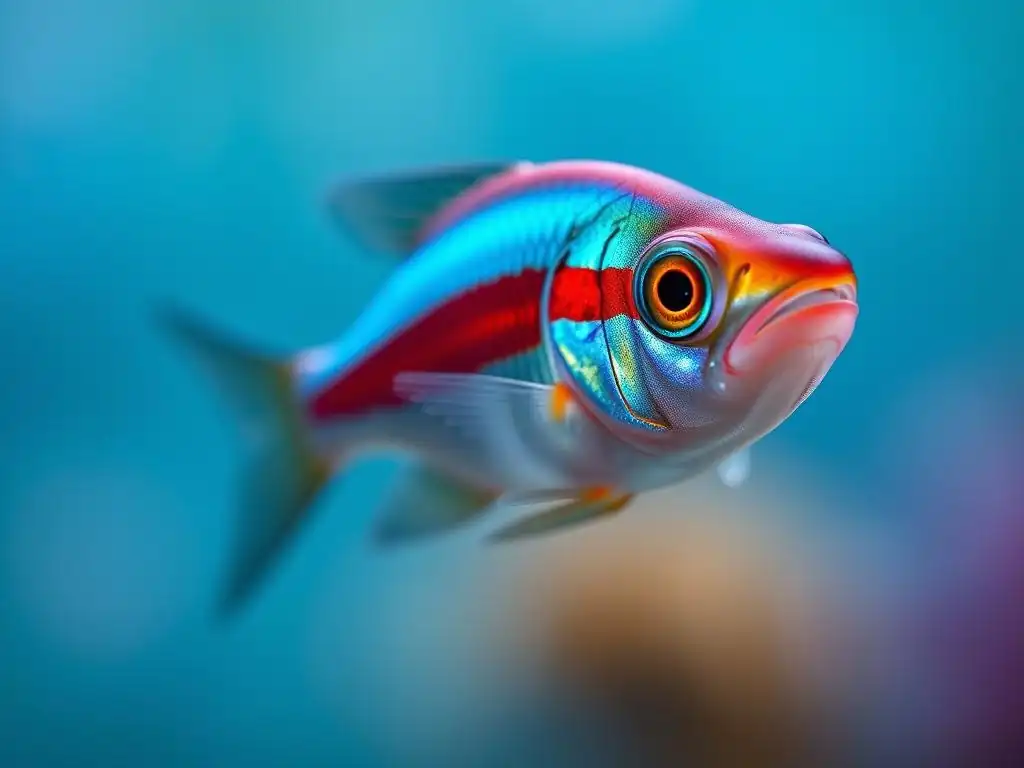
Neon Tetra Disease (NTD) is perhaps the most feared ailment among Neon Tetra enthusiasts due to its highly contagious nature and often fatal outcome. Caused by the spore-forming parasite Pleistophora hyphessobryconis, symptoms typically include a loss of the vibrant neon colors, particularly the red stripe which fades to a pale orange or grey. Affected fish may exhibit erratic swimming, difficulty schooling, isolation, and sometimes develop cysts or lumps on their body. As the disease progresses, spinal deformities can occur, leading to a bent spine.
Unfortunately, there is currently no definitive cure for NTD once it has taken hold. The best course of action for affected fish is often immediate isolation or humane euthanasia to prevent the spread to other tank inhabitants. Prevention is paramount: always quarantine new fish for at least 3-4 weeks to observe for signs of illness. Maintaining excellent water quality, providing a balanced diet, and minimizing stress are crucial preventative measures in any Neon tetra care guide, as healthy fish are less susceptible to infection.
Fin Rot in Neon Tetras: Causes and Solutions
Fin Rot is a common bacterial infection that can affect Neon Tetras, often manifesting as frayed, ragged, or discolored fins. The edges of the fins may appear white or red, and in severe cases, the fins can entirely disintegrate, exposing the fin rays. This condition is almost always a secondary infection, meaning it's caused by poor water quality, overcrowding, physical injury (e.g., fin-nipping from aggressive tank mates), or stress that weakens the fish's immune system.
The primary solution for Fin Rot is to address the underlying cause: perform a significant water change (30-50%) and thoroughly clean the substrate. Test water parameters to ensure ammonia and nitrite are zero and nitrates are low. If the condition is mild, improved water quality alone can often facilitate recovery. For more advanced cases, a broad-spectrum antibacterial medication specifically designed for aquarium fish can be used, following the manufacturer's instructions carefully. Consistent water maintenance and avoiding overcrowding are key to preventing Fin Rot and ensuring optimal Neon tetra care.
Loss of Color in Neon Tetras: Identifying the Cause
A noticeable fading of the vibrant blue and red stripes in Neon Tetras is a common indicator of stress or poor health, and identifying the root cause is essential for effective Neon tetra care. One of the most frequent reasons is poor water quality, specifically elevated levels of ammonia, nitrite, or high nitrates. These toxins can directly impact the fish's health and vibrancy. Immediately test your water parameters and perform a water change if necessary.
Other causes include improper lighting (too bright or insufficient), which can make them feel exposed and washed out. Stress from aggressive tank mates, insufficient hiding spots, or an undersized school (they feel more secure in larger numbers, ideally 6-10+) can also lead to faded colors. Nutritional deficiencies from an inadequate diet can also play a role. If you observe color loss, systematically review your tank's environment, water parameters, diet, and tank mates to pinpoint and rectify the issue, restoring your Neon Tetras to their dazzling best.
Advanced Neon Tetra Care Tips for Experienced Aquarists
Creating a Biotope Aquarium for Neon Tetras
For the experienced aquarist seeking to provide the ultimate Neon tetra care, creating a biotope aquarium offers a deeply enriching experience for both fish and keeper. A biotope tank aims to replicate a specific natural habitat, in this example, the blackwater or clearwater streams of the Amazon basin where Neon Tetras originate. This involves meticulous selection of substrate, plants, and decor. Use a fine, dark sand substrate, abundant driftwood (such as Malaysian or Manzanita wood) to release tannins, and leaf litter (like Indian almond leaves) to mimic the natural floor.
Plant choices should reflect species found in the Amazon, such as Echinodorus (Amazon Swords), Cabomba, and various Cryptocoryne species, though the latter are Asian, they fit the aesthetic of dense, shady growth. The goal is soft, acidic, tannin-stained water (pH 5.5-6.5, GH 1-2 dKH, temperature 75-78°F) and subdued lighting. This specialized setup not only enhances the Neon Tetras' natural behaviors and colors but also creates a stunning, ecologically accurate display, representing the pinnacle of Neon tetra care.
Optimizing Water Parameters for Breeding Success
While standard Neon tetra care involves maintaining stable water parameters, optimizing them for breeding requires an even more precise approach. The key lies in mimicking the extremely soft and acidic conditions found in their natural spawning grounds during the rainy season. This often means using 100% reverse osmosis (RO) water remineralized with specific products to achieve a General Hardness (GH) of 1-2 dKH and a pH between 5.5 and 6.5. Tap water, even if relatively soft, usually contains too many dissolved solids to be ideal for breeding.
Temperature stability is also crucial, maintaining a consistent 75-78°F (24-26°C). Some breeders even slightly increase the temperature to the higher end of this range to induce spawning. Introducing small amounts of blackwater extract or Indian almond leaves can further condition the water with beneficial tannins, which are believed to act as an antifungal for eggs and mimic natural conditions. Meticulous testing and adjustment are necessary to create this very specific environment, maximizing the chances of successful egg hatching and fry survival, a true test of advanced Neon tetra care.
Enhancing Neon Tetra Colors Through Diet and Lighting
For aquarists aiming to make their Neon Tetras truly pop, enhancing their already vibrant colors is achievable through targeted diet and lighting strategies. Diet plays a significant role: incorporating foods rich in carotenoids, such as astaxanthin, can intensify their red and blue pigments. High-quality flake foods often contain these color enhancers, but supplementing with frozen or live foods like spirulina-enriched brine shrimp, bloodworms, or krill can provide a more potent dose. Feeding small amounts of these color-enhancing foods 2-3 times per week can yield noticeable results over several weeks.
Lighting also contributes to perceived color vibrancy. While Neon Tetras prefer subdued lighting, a full-spectrum LED light with adjustable intensity allows for optimal viewing. Using a light with a color temperature around 6500K can make their blue stripe appear more brilliant, while warmer tones might bring out the red. Furthermore, a dark substrate and background will make their colors stand out more dramatically by providing contrast. Combining these dietary and environmental strategies is a hallmark of advanced Neon tetra care, ensuring your school is as dazzling as possible.
Conclusion: Mastering Neon Tetra Care for a Thriving Aquarium
Frequently Asked Questions
How difficult are Neon Tetras to care for?
Neon Tetras are generally considered easy to care for, making them a good choice for beginner aquarists. However, they are sensitive to changes in water parameters.
What is the ideal tank size for a school of Neon Tetras?
A minimum of 10 gallons is recommended to house a school of at least six Neon Tetras. This allows for adequate swimming space and helps maintain stable water conditions.
What type of water chemistry do Neon Tetras require?
Neon Tetras thrive in soft, slightly acidic water with a pH between 6.0 and 7.0. Maintaining stable water parameters is crucial for their health.
What should I feed my Neon Tetras?
They are omnivores and should be fed a balanced diet of high-quality flake food, supplemented with small live or frozen foods like bloodworms or daphnia.
What are common diseases that affect Neon Tetras, and how can I prevent them?
Neon Tetras are susceptible to Neon Tetra Disease, a debilitating illness. Preventative measures include maintaining pristine water quality and quarantining new fish.
Okay, here's a final reflection designed to close your "Neon Tetra Deep Dive: Illuminating Care for Dazzling, Healthy Schools" article, optimized for emotional connection and a lasting impression, while also subtly reinforcing the keyword "Neon tetra care guide":
Final Reflection: A Symphony of Shimmers
The journey through the world of Paracheirodon innesi, better known as the Neon Tetra, reveals more than just the specifics of aquarium maintenance; it highlights the profound responsibility we undertake when bringing these vibrant creatures into our lives. Understanding and implementing proper Neon Tetra care is not merely a task, but a commitment to fostering a thriving ecosystem within our homes, mirroring the delicate balance found in their natural Amazonian habitat. This commitment ensures their dazzling shimmer continues to brighten our aquariums for years to come.
The enduring appeal of Neon Tetras lies not only in their beauty but also in the gentle reminder they offer about the interconnectedness of life. Their well-being is directly tied to our diligence and knowledge, urging us to become more mindful and observant caretakers. In the end, we will conserve only what we love; we will love only what we understand; and we will understand only what we are taught.
- Baba Dioum. This quote perfectly encapsulates the essence of responsible Neon Tetra care; it's about education, understanding, and ultimately, love for these miniature marvels.
Now, as you close this Neon tetra care guide, consider the impact you can have on the lives of these shimmering jewels. Take the knowledge you've gained and transform it into action. Observe your Neon Tetras closely, adjust your practices as needed, and share your insights with fellow aquarists. By embracing the principles of responsible care, you contribute to a world where these dazzling schools continue to thrive, bringing joy and wonder to all who behold them. Let your aquarium be a testament to your dedication and a beacon of responsible aquascaping.
Ignite Your Tetra Tank: Design a Thriving Neon Paradise!
Thank you for diving into the world of Neon Tetras with us! We hope this guide has armed you with the knowledge to create a vibrant and healthy environment for these dazzling gems. Now, let's translate knowledge into action and watch your aquarium come alive!
Here are a few ways to bring your Neon Tetra care to the next level:
- Implement the "Tetra Twilight": Dim your aquarium lights earlier each evening to mimic their natural habitat and promote restful sleep, enhancing their colors and overall health.
- Share the Sparkle: Post a photo or video of your Neon Tetras in their aquarium on social media using #AquariumMasteryNeon and inspire other enthusiasts to embrace the beauty of these little fish.
- Delve deeper into the aquatic ecosystem: Research compatible tank mates that will thrive alongside your Neons, creating a harmonious community within your aquarium.
What unique decorative element are you most excited to add to your Neon Tetra's tank to enhance their natural beauty and reduce stress?