
The Playful Antics of Zebra Danios: Activity Levels and Enrichment Ideas

Welcome to Aquarium Mastery!
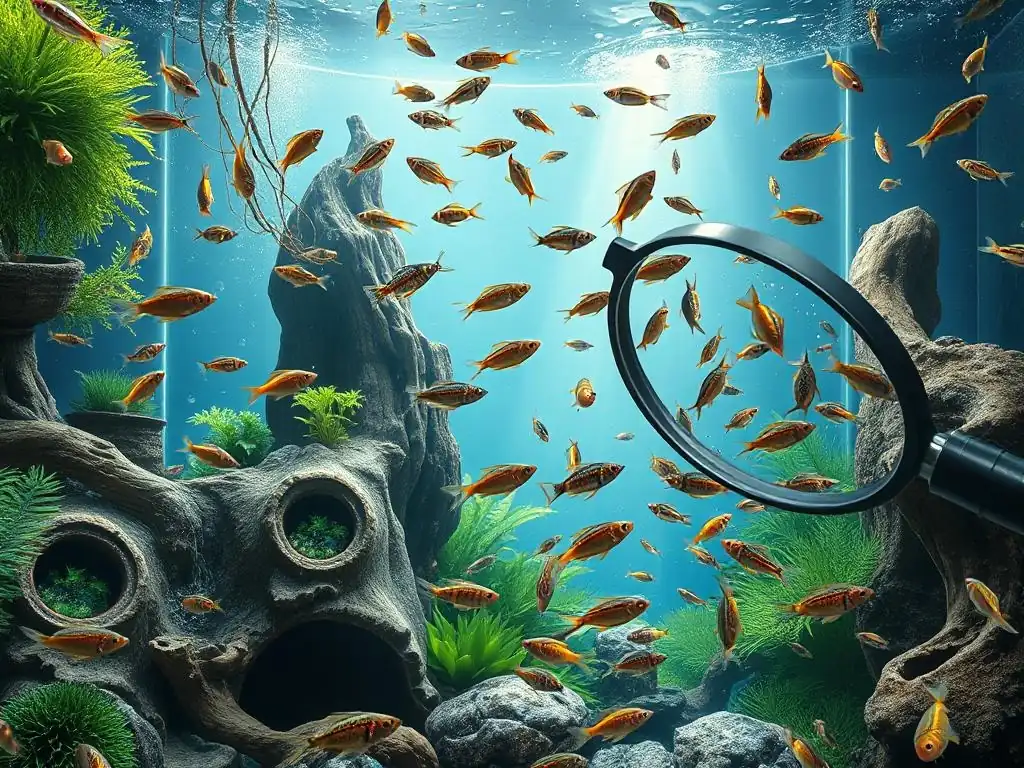
Ever wondered how to truly unlock the playful potential of your Zebra Danios? These energetic little fish are more than just pretty stripes! Dive in to discover fascinating insights into their activity levels and learn some creative Zebra danio activity enrichment ideas to keep them happy, healthy, and thriving in your freshwater aquarium. Ready to see your Danios at their absolute best? Let's explore!
- Understanding Zebra Danio Behavior and Activity
- Optimizing Your Aquarium for Zebra Danio Activity
- Zebra Danio Activity Enrichment Ideas: Keeping Them Engaged
- Feeding Strategies for Active and Healthy Zebra Danios
- Social Interaction and Schooling Dynamics
- Troubleshooting Common Issues Affecting Zebra Danio Activity
-
Frequently Asked Questions
- What makes Zebra Danios so active?
- What are some simple ways to increase activity enrichment for my Zebra Danios?
- How can I encourage natural foraging behaviors in Zebra Danios?
- Are there any tank decorations that Zebra Danios particularly enjoy?
- How do I know if my Zebra Danios are bored or stressed, and not just being active?
- Final Reflection: Embracing the Zest of Zebra Danios
- Unleash the Zest: Dive Deeper into Zebra Danio Fun!
Understanding Zebra Danio Behavior and Activity
Natural Habitat Influences on Zebra Danio Activity
Zebra Danios, scientifically known as Danio rerio, originate from the freshwater streams, rivers, and floodplains of South Asia, primarily in India, Bangladesh, Bhutan, and Nepal. Their natural habitats are characterized by clear, often fast-flowing waters with abundant submerged vegetation. This environment has shaped their highly active and gregarious nature, as constant movement is essential for foraging for small invertebrates and evading predators in dynamic currents. They thrive in water temperatures typically ranging from 64-75°F (18-24°C) in these regions.
The intrinsic high activity levels and constant darting movements observed in Zebra Danios in an aquarium are direct adaptations to these wild conditions. Their need for continuous motion reflects their natural inclination to navigate currents and actively seek food. Therefore, providing an aquarium setup that mimics aspects of their flowing, vegetated environment is crucial for encouraging optimal Zebra danio activity and overall well-being in captivity.
Typical Zebra Danio Schooling Behavior
Schooling is a fundamental and vital behavior for Zebra Danios, serving primarily as a defense mechanism against predators and a means of social cohesion. In their natural habitat, they form large, cohesive schools, often comprising hundreds of individuals, moving in synchronized patterns. In an aquarium, a minimum school of six individuals is recommended, though a group of 8-10 or more will exhibit more pronounced and confident schooling behaviors, darting rapidly together across the tank.
When kept in adequate numbers, the confidence derived from schooling significantly reduces individual stress, allowing each fish to display its natural, playful antics. Conversely, Zebra Danios kept solitarily or in very small groups (fewer than six) often become shy, stressed, and withdrawn, exhibiting reduced Zebra danio activity and potentially succumbing to illness due to chronic stress. Observing a tightly knit, active school is a clear indicator of healthy and well-adjusted fish.
Recognizing Signs of Inactivity or Stress in Zebra Danios
Identifying signs of reduced activity or stress in Zebra Danios is crucial for timely intervention. Healthy Zebra Danios are almost constantly in motion, actively swimming, exploring, and interacting with their school. Signs of stress or inactivity include prolonged periods of lethargy, where a fish remains still or hovers near the bottom or surface for more than 30-60 minutes during active hours, without clear external stimuli. Other indicators are clamped fins, faded coloration, erratic swimming patterns (such as darting aimlessly or rubbing against tank objects), and isolating themselves from the school.
These behavioral changes often signal underlying issues such as poor water quality (e.g., ammonia or nitrite spikes, high nitrates above 20 ppm), incorrect water temperature, the presence of disease, bullying from incompatible tank mates, or an insufficient school size. Promptly addressing these issues is paramount to restoring natural Zebra danio activity and preventing further health deterioration.
Optimizing Your Aquarium for Zebra Danio Activity
Tank Size and Space Requirements for Active Zebra Danios
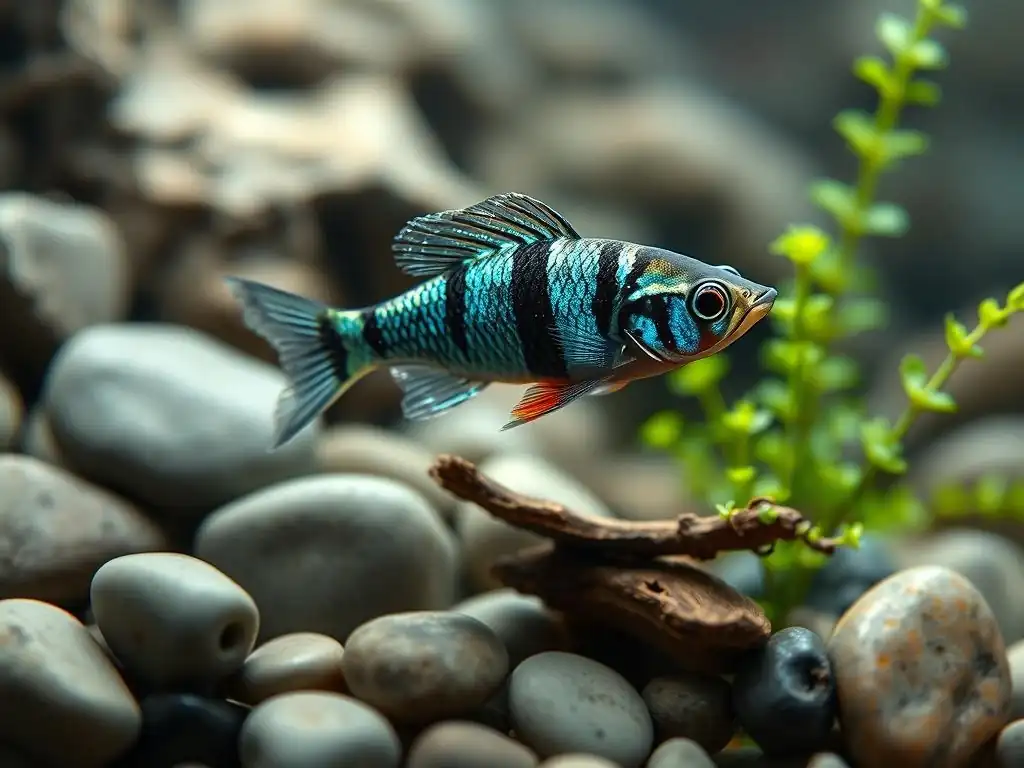
Given their highly active and schooling nature, Zebra Danios require ample swimming space to thrive. While a 10-gallon tank can technically house a very small school of 6-8 individuals, a 20-gallon long (approximately 24 inches in length) or larger aquarium is highly recommended for optimal Zebra danio activity. The longer tank dimensions provide significantly more horizontal swimming room, which is crucial for their darting and schooling patterns.
Larger tanks offer several advantages that directly contribute to increased Zebra danio activity. They provide more stable water parameters, dilute waste products more effectively, and offer sufficient space for a larger, more confident school. This increased room also reduces potential aggression within the school and allows for the implementation of various Zebra danio activity enrichment ideas without overcrowding the environment.
Ideal Water Parameters to Encourage Natural Behavior
Maintaining stable and appropriate water parameters is fundamental for encouraging natural Zebra danio behavior and robust activity levels. These hardy fish prefer a temperature range of 64-75°F (18-24°C), a pH between 6.5 and 7.5, and a moderate water hardness (GH) of 5-15 dGH (or approximately 80-250 ppm). Consistency in these parameters is far more critical than hitting exact numbers within the range.
Sudden fluctuations in temperature or pH can cause significant stress, leading to lethargy and reduced Zebra danio activity. Regular water testing with a reliable liquid test kit (e.g., weekly checks for ammonia, nitrite, nitrate, and pH) and consistent partial water changes (e.g., 25% weekly) are essential practices. These efforts ensure pristine water quality, which directly translates to healthier, more active, and naturally behaving Zebra Danios.
The Importance of a Well-Filtered and Oxygenated Aquarium
A robust filtration system is indispensable for an active fish like the Zebra Danio. They produce a fair amount of waste, and a high-quality filter (such as a hang-on-back or canister filter) providing mechanical, chemical, and biological filtration is necessary to maintain pristine water conditions. Aim for a filter that processes the tank volume 5-10 times per hour; for example, a 20-gallon tank would benefit from a filter with a flow rate of 100-200 gallons per hour (GPH). This ensures the efficient removal of waste and maintenance of beneficial bacteria colonies.
High oxygen levels are equally critical for these fast-moving fish. Zebra Danios are accustomed to oxygen-rich, flowing waters in their natural habitat. Insufficient oxygen will quickly lead to visible signs of distress, such as rapid gill movement and gasping at the surface, severely inhibiting their natural Zebra danio activity. Ensure adequate surface agitation through filter output or by adding an air stone connected to an air pump to guarantee proper gas exchange and maintain high dissolved oxygen levels.
Zebra Danio Activity Enrichment Ideas: Keeping Them Engaged
Introducing Live Plants for Exploration and Shelter
Live plants are an excellent addition to a Zebra Danio aquarium, providing both aesthetic beauty and significant benefits for fish well-being. They offer natural hiding spots, which help reduce stress, particularly for individuals feeling temporarily overwhelmed or during minor squabbles. Furthermore, plants contribute to water quality by absorbing nitrates and provide surfaces for beneficial biofilm growth, which fish can graze upon. Suitable plant choices include Java Fern, Anubias, Hornwort, and Water Wisteria, which are relatively hardy and adaptable.
Incorporating live plants is a fantastic Zebra danio activity enrichment idea because it encourages natural exploratory behavior. Danios will dart through plant thickets, chase each other around leaves, and feel more secure in a naturally furnished environment. This sense of security often leads to bolder and more confident swimming patterns in the open areas of the tank, enhancing their overall activity and engagement.
Creating Varied Water Flow for Stimulation
Zebra Danios originate from environments with moderate to strong water currents, and replicating this in the aquarium can significantly enhance their activity and well-being. A consistent, moderate flow encourages constant swimming against the current, which acts as a form of exercise and strengthens their muscles. This can be achieved by positioning the filter output strategically or by adding a small powerhead, ensuring there are also calmer areas for them to rest.
Varied water flow acts as a powerful form of mental and physical stimulation. They will actively seek out and swim against stronger currents, then retreat to quieter zones. This dynamic environment prevents boredom and encourages their natural inclination for movement, making it a prime Zebra danio activity enrichment idea. Such an setup can transform a stagnant tank into a vibrant, engaging habitat that truly promotes vigorous Zebra danio activity.
Using Aquarium Decorations to Mimic a Natural Environment
Aquarium decorations, when chosen thoughtfully, can significantly contribute to mimicking a natural environment for Zebra Danios, thereby enhancing their activity and engagement. The goal is to provide visual breaks, hiding spots, and exploration opportunities without overly cluttering the open swimming space crucial for their schooling behavior. All decorations must be aquarium-safe, non-toxic, and free of sharp edges that could injure the fish.
Strategic placement of decorations encourages exploratory behavior as fish navigate around and through them. This adds complexity to their environment, making it more stimulating than a bare tank.
Rock Structures and Caves for Zebra Danios
Smooth, inert rocks like river rocks or slate can be arranged to create interesting structures, crevices, and even small caves. While Zebra Danios are not typically cave-dwellers, these structures provide visual barriers and temporary retreats, which can help reduce stress and offer a sense of security. They also break up the line of sight, which can be beneficial in larger schools or if there's minor chasing.
Arranging rocks to form swim-throughs and varied terrain encourages Zebra Danios to dart around and between the formations. This adds a valuable dimension to their perceived territory and provides new pathways for exploration, directly contributing to increased Zebra danio activity as they navigate their environment.
Driftwood and Root Systems for Exploring
Cured driftwood and natural root systems are excellent additions that provide a natural aesthetic and functional benefits. They release beneficial tannins, which can slightly lower pH and tint the water, mimicking natural blackwater environments. More importantly, their complex shapes offer numerous surfaces for biofilm growth (a supplementary food source) and intricate structures for fish to explore.
The presence of driftwood and root systems closely mimics the submerged branches and roots found in the natural habitats of Zebra Danios. Fish will often swim around, over, and even through these structures, adding another layer of complexity and interest to their environment. This continuous interaction with their surroundings makes driftwood a significant Zebra danio activity enrichment idea, promoting natural foraging and exploratory behaviors.
The Role of Lighting in Zebra Danio Activity Levels
Establishing a consistent and appropriate lighting cycle is important for regulating Zebra Danio activity levels and overall health. A regular light-dark cycle, typically 10-12 hours of light followed by 12-14 hours of darkness, mimics natural daylight patterns. This consistent rhythm helps regulate their circadian clock, promoting natural periods of activity during the "day" and rest during the "night."
The intensity of the lighting also plays a role. Zebra Danios generally prefer moderate lighting. Overly bright lighting can cause stress, leading to shyness, hiding, and reduced activity, as they might perceive the environment as too exposed. Conversely, lighting that is too dim might lead to lethargy. A balanced light intensity encourages active swimming, foraging, and social interaction within the school, contributing positively to their Zebra danio activity.
Feeding Strategies for Active and Healthy Zebra Danios
Offering a Varied Diet to Promote Natural Foraging Behavior
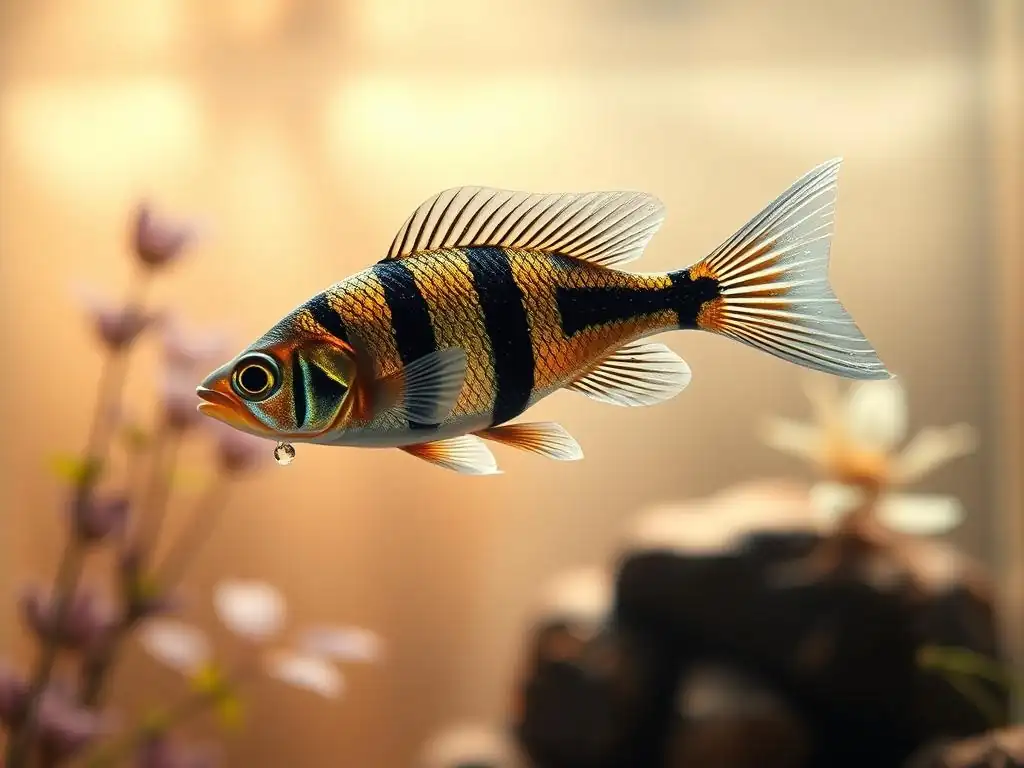
A varied and balanced diet is fundamental for maintaining the health and high activity levels of Zebra Danios. While high-quality flake food can serve as a staple, it should be supplemented with small pellets, micro-pellets, and freeze-dried foods such as bloodworms or brine shrimp. Ensure that the food particles are small enough for their mouths. For instance, reputable flake brands often provide sufficient nutrition, but diversification is key.
To promote natural foraging behavior and enhance Zebra danio activity, offer food at different levels of the water column. Feeding small amounts multiple times a day (e.g., 2-3 times) rather than one large meal mimics their natural continuous foraging behavior. This frequent, small feeding strategy keeps them engaged and active throughout the day, making mealtime a significant Zebra danio activity enrichment idea.
Avoiding Overfeeding: Maintaining Optimal Water Quality
Overfeeding is one of the most common mistakes in fish keeping and directly impacts water quality, which in turn inhibits Zebra danio activity. Uneaten food quickly decomposes, leading to dangerous spikes in ammonia and nitrite, followed by accumulating nitrates. These toxins stress the fish, weaken their immune systems, and can lead to disease and lethargy. As a general rule, feed only what your Danios can consume entirely within 2-3 minutes.
Poor water quality, often a direct consequence of overfeeding, is a major inhibitor of natural Zebra danio activity. Lethargy, clamped fins, and gasping at the surface are common signs of ammonia or nitrite poisoning. Regular partial water changes (e.g., 25% weekly) and strict adherence to a no-overfeeding policy are paramount for maintaining pristine water conditions and ensuring your Danios remain active and healthy.
Live and Frozen Foods as Enrichment for Zebra Danios
Incorporating live and frozen foods into the Zebra Danio diet is an excellent way to provide essential nutrients and offer significant enrichment. Options like frozen or live bloodworms (chopped for smaller mouths), brine shrimp, daphnia, and mosquito larvae provide a more natural and stimulating feeding experience compared to dry foods. These foods are packed with protein and vital nutrients that contribute to vibrant coloration and robust health.
Offering live or frozen foods 2-3 times a week acts as a powerful Zebra danio activity enrichment idea. The act of chasing and consuming live prey stimulates their natural hunting instincts and provides valuable mental and physical exercise. This type of feeding encourages more vigorous swimming, darting, and interactive behaviors, leading to a more engaged and active school of Zebra Danios.
Maintaining an Adequate School Size for Optimal Activity
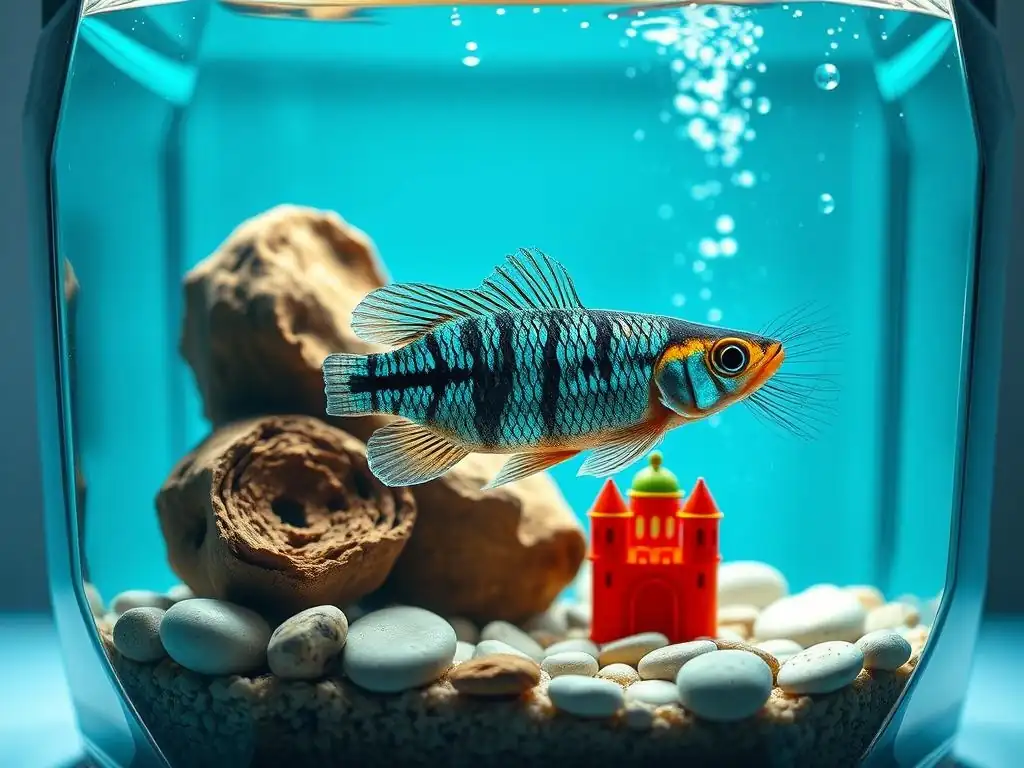
The social nature of Zebra Danios dictates that they must be kept in groups to thrive. A minimum school size of at least six individuals is crucial for their well-being, but a group of 8-10 or more is ideal, especially in larger tanks (20 gallons and up). Inadequate numbers lead to shyness, stress, and a significant reduction in their characteristic Zebra danio activity, as they feel insecure and exposed.
A robust and adequately sized school promotes stronger schooling behavior, where individuals move cohesively and confidently. This group dynamic reduces individual stress levels, allows for bolder exploration of the aquarium, and encourages the dynamic, playful interactions for which Zebra Danios are known. Maintaining a proper school size is therefore fundamental for observing their optimal activity and natural behaviors.
Choosing Compatible Tank Mates for Zebra Danios
Selecting appropriate tank mates is essential for preventing stress and ensuring optimal Zebra danio activity. Choose peaceful, similarly sized fish that prefer similar water parameters and do not have a reputation for fin-nipping or aggression. Avoid large, predatory, or overly boisterous species that could intimidate or harm your Danios. Good tank mate examples include peaceful bottom dwellers like Corydoras catfish or Otocinclus, and other small, community-oriented schooling fish such as Neon Tetras or various Rasbora species.
Incompatible tank mates can lead to chronic stress, causing Zebra Danios to hide, exhibit clamped fins, or suffer from fin damage, all of which severely inhibit their natural activity. A harmonious community tank ensures that Zebra Danios feel safe and secure, allowing them to exhibit their natural, playful, and highly active schooling behaviors without constant fear or harassment.
Observing and Addressing Aggression Within the School
While generally peaceful, minor chasing or "nipping" can occasionally occur within a Zebra Danio school, especially in smaller tanks or if the school size is insufficient. This is often a display of dominance or a form of play, but persistent aggression or bullying can indicate underlying stress or an imbalanced male-to-female ratio (males can be more dominant). It's important to differentiate between playful nipping and harmful aggression.
To address persistent aggression, consider increasing the school size (which helps dilute aggression among more individuals), providing more hiding spots and visual breaks with plants and decorations, or, if necessary, upgrading to a larger tank. Promptly addressing aggression prevents chronic stress for the bullied fish, ensuring all individuals can maintain healthy Zebra danio activity levels and enjoy their environment.
Troubleshooting Common Issues Affecting Zebra Danio Activity
Identifying and Treating Diseases That Cause Lethargy
Lethargy and reduced activity are often early indicators of disease in Zebra Danios. Common ailments include Ich (white spots resembling salt grains), Velvet (a dusty, golden coating), bacterial infections (e.g., fin rot, dropsy), and internal parasites. Besides inactivity, other symptoms might include clamped fins, loss of appetite, abnormal swimming patterns, or visible lesions. A sick fish will quickly show a noticeable decline in its typical vibrant Zebra danio activity.
Prompt diagnosis and treatment are crucial for recovery. Quarantining new fish for 2-4 weeks before introduction to the main tank is an effective preventative measure against disease spread. Once a disease is identified, use appropriate aquarium-safe medications strictly according to manufacturer instructions. Maintaining excellent water quality during the treatment period is also vital, as it aids recovery and helps restore the fish's natural activity levels.
Addressing Water Quality Problems That Inhibit Activity
Poor water quality is arguably the most common cause of lethargy, stress, and disease in aquarium fish, including Zebra Danios. High levels of ammonia and nitrite (which should always be 0 ppm) are acutely toxic, while elevated nitrates (ideally below 20 ppm, and certainly below 40 ppm) cause chronic stress. These toxins directly impair the fish's ability to absorb oxygen and function properly, leading to noticeable reductions in Zebra danio activity.
Regular water testing (weekly or bi-weekly) is essential to monitor these parameters. If ammonia or nitrite are detected, immediate partial water changes (e.g., 25-50%) are necessary. Consistent partial water changes (e.g., 25% weekly) are key to keeping nitrates in check. Additionally, ensuring adequate filtration and avoiding overfeeding will prevent the build-up of harmful substances, maintaining pristine water conditions crucial for promoting robust Zebra danio activity.
Preventing and Managing Stress in Zebra Danios
Stress is a significant factor contributing to reduced Zebra danio activity and overall poor health. Common stressors include poor water quality, an inappropriate tank size or incompatible tank mates, insufficient school size, sudden changes in environmental parameters (temperature, pH), loud noises or vibrations near the tank, and excessive or inconsistent lighting. Chronic stress weakens the fish's immune system, making them more susceptible to disease.
Effective stress management involves maintaining stable and appropriate water parameters, providing a suitably sized and enriched environment with plenty of space and hiding spots, and ensuring they are kept in an adequate school size. Handling tank maintenance gently, avoiding sudden movements, and maintaining a consistent light cycle also contribute to a stress-free environment. A calm, stable environment is fundamental for encouraging vibrant Zebra danio activity and ensuring their long-term health and well-being.
Frequently Asked Questions
What makes Zebra Danios so active?
Zebra Danios are naturally active due to their high metabolism and schooling behavior. They thrive in groups and constantly explore their environment, contributing to their lively antics.
What are some simple ways to increase activity enrichment for my Zebra Danios?
Adding live plants such as Java moss and Anubias provides hiding places and areas for exploration. Varying the water flow with a powerhead can also stimulate their activity.
How can I encourage natural foraging behaviors in Zebra Danios?
Scatter feeding with small, slow-sinking foods mimics their natural foraging habits. You can also introduce live foods like daphnia or brine shrimp for hunting.
Are there any tank decorations that Zebra Danios particularly enjoy?
Zebra Danios appreciate decorations that provide hiding spots and exploration opportunities. Consider adding smooth rocks, driftwood, or aquarium-safe caves.
How do I know if my Zebra Danios are bored or stressed, and not just being active?
Signs of boredom or stress include lethargy, loss of appetite, and hiding excessively. Aggression towards other fish can also indicate a problem.
Final Reflection: Embracing the Zest of Zebra Danios
The vibrant energy and playful antics of Zebra Danios, as explored throughout this article, are not merely fascinating observations; they are a potent reminder of the importance of enriching the lives of all creatures under our care. Understanding their natural behaviors and providing stimulating environments translates directly into healthier, happier fish, and a more rewarding experience for the aquarist.
The impact of understanding and catering to the needs of Zebra Danios extends beyond the individual aquarium. It represents a broader shift towards responsible pet ownership and a deeper appreciation for the complex lives of even the smallest creatures. This awareness fosters a more compassionate and informed approach to animal husbandry, influencing how we interact with and care for all living beings. The greatness of a nation and its moral progress can be judged by the way its animals are treated.
- Mahatma Gandhi. This quote resonates deeply when considering the simple act of providing enrichment for our Zebra Danios.
Now, take a moment to reflect on your own role in creating enriching environments, not just for your Zebra Danios, but for all aspects of your life. Consider how small changes, inspired by the principles of providing activity and stimulation, can lead to significant improvements in well-being. Let the playful antics of these tiny fish inspire you to cultivate a more vibrant and fulfilling existence, both for yourself and for those around you.
Unleash the Zest: Dive Deeper into Zebra Danio Fun!
Thank you for exploring the lively world of Zebra Danios with us! We hope you’ve gained valuable insights into their activity levels and how to keep these energetic fish thriving. Ready to put your newfound knowledge into action?
Here are a few things you can do right now:
- Reimagine your danios' habitat: Introduce a new, enriching element to their tank. This could be a unique piece of driftwood, a cluster of floating plants, or even a strategically placed bubbler to create zones of varying current strength.
- Share the joy! Post a picture or video of your Zebra Danios' antics on social media using #AquariumMasteryDanioFun and inspire other aquarists to enhance their fish's lives.
- Experiment with a DIY obstacle course for your danios using aquarium-safe decorations. Can you encourage them to explore different levels of the tank with food rewards?
What unusual enrichment have you tried with your Zebra Danios, and what were the results?