
Chevron Tang Transformation: Diet & Care from Juvenile Algae Eater to Adult Star

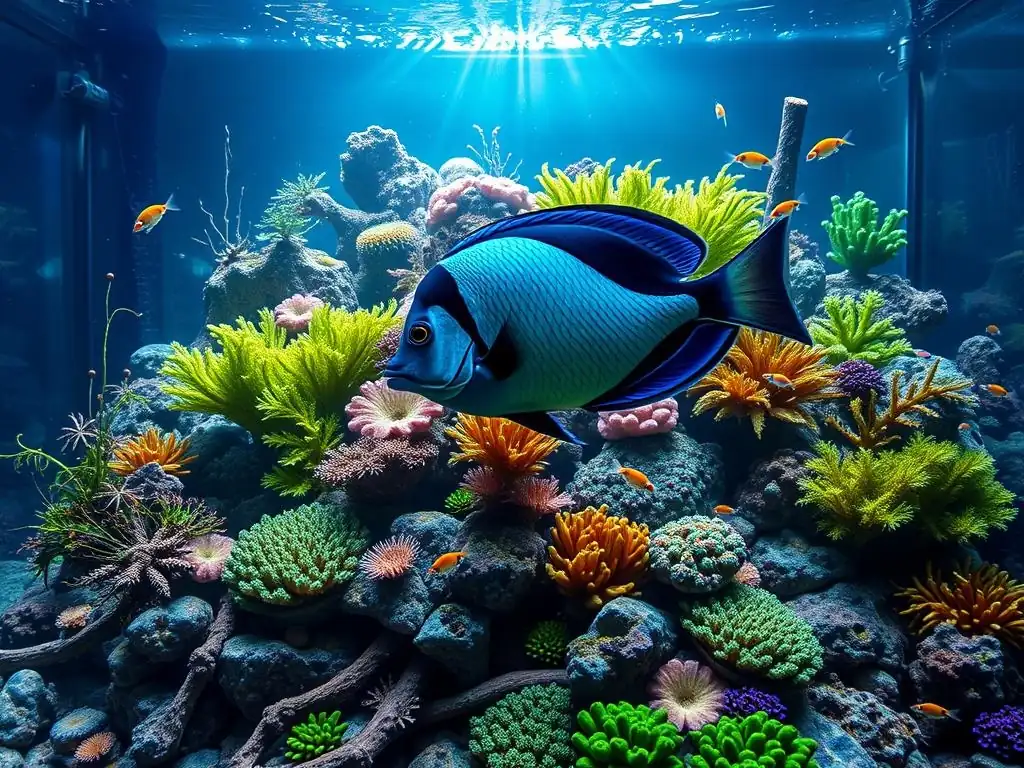
Welcome to Aquarium Mastery!
Ever wondered how to unlock the vibrant potential of a Chevron Tang, transforming it from a juvenile algae grazer into a stunning adult? Dive in! This article unveils the secrets to Chevron Tang Diet Care, guiding you through every stage of their fascinating life and ensuring they thrive in your saltwater paradise. Ready to witness this incredible transformation? Let's get started!
- Understanding the Chevron Tang: A Comprehensive Guide
- The Juvenile Chevron Tang Diet: Fueling Early Growth
- Transitioning to an Adult Chevron Tang Diet: Adapting to Maturity
- Crafting the Perfect Chevron Tang Diet Plan
- Maintaining a Healthy Chevron Tang: Beyond Diet
- Addressing Specific Dietary Challenges
- The Role of Diet in Chevron Tang Coloration and Health
- Chevron Tang Diet Care: A Summary and Best Practices
-
Frequently Asked Questions
- How does the diet of a Chevron Tang change as it matures?
- What are the essential components of a Chevron Tang's diet for optimal health?
- What are some signs that a Chevron Tang is not getting enough of the right nutrients?
- How often should I feed my Chevron Tang to maintain optimal health and color?
- What are some common mistakes to avoid when feeding a Chevron Tang?
- Final Reflection: Embracing the Chevron Tang's Journey
- Ignite Your Chevron Tang's Vibrant Future!
Understanding the Chevron Tang: A Comprehensive Guide
Introduction to the Chevron Tang (Ctenochaetus hawaiiensis)
The Chevron Tang, scientifically known as Ctenochaetus hawaiiensis, is a highly sought-after marine fish renowned for its striking transformation from a vibrant juvenile to a subtly elegant adult. Native to the reefs of the Indo-Pacific, particularly around Hawaii, this species is a member of the Surgeonfish family (Acanthuridae) and plays a vital role in its natural ecosystem as an herbivore. Its distinctive "chevron" pattern, prominent in its juvenile stage, gives it its common name, making it easily recognizable to aquarists.
As a fascinating subject for any saltwater aquarium, understanding the Chevron Tang's unique life stages is paramount for successful husbandry. Their dietary needs, in particular, undergo significant shifts, directly influencing their health, coloration, and longevity within a captive environment. Proper Chevron Tang diet care is foundational to mimicking their natural foraging behaviors and ensuring they thrive from their early, bright orange days to their more subdued adult appearance.
Chevron Tang Habitat and Natural Diet
In their natural habitat, Chevron Tangs inhabit coral reefs and rocky areas, typically found at depths ranging from 6 to 100 feet (about 2 to 30 meters). Juveniles often prefer shallower, protected lagoons and surge zones, while adults venture into deeper reef slopes. These areas provide abundant live rock and sandy substrates, crucial for their foraging activities and shelter. Their natural diet primarily consists of detritus, a complex mixture of decaying organic matter, diatoms, and various types of microalgae found on rocks and sand.
Unlike some other tang species that primarily graze on macroalgae, Chevron Tangs are highly specialized detritivores. They possess unique comb-like teeth adapted for sifting through sand and scraping surfaces to consume the biofilm and detritus that accumulate there. This makes their Chevron Tang diet care in an aquarium setting particularly challenging, as replicating this diverse, microscopic food source requires specific attention to detail and a varied feeding regimen.
Juvenile vs. Adult Chevron Tang: Key Differences
The transformation of the Chevron Tang is one of its most captivating features, encompassing not just changes in coloration but also subtle shifts in behavior and, importantly, dietary preferences. Juvenile Chevron Tangs are instantly recognizable by their brilliant orange bodies adorned with distinct black V-shaped markings, or "chevrons," running horizontally along their flanks. They are typically more shy and spend their time sifting through sand or grazing on microalgae and detritus on live rock.
As they mature, usually over 12 to 18 months, their coloration gradually transitions to a darker, more muted brown or purplish-brown, with the chevron patterns becoming much less pronounced, almost blending into the body. Adult Chevron Tangs also develop a more elongated body shape and can reach lengths of up to 10 inches (approximately 25 cm). While their core diet remains herbivorous, the sheer volume of food required increases significantly with size, and their foraging behavior becomes more robust, requiring aquarists to adapt their Chevron Tang diet care to meet these evolving needs.
The Juvenile Chevron Tang Diet: Fueling Early Growth
Algae and Plant Matter: The Foundation of a Juvenile Chevron Tang's Diet
For juvenile Chevron Tangs, algae and plant matter form the cornerstone of their nutritional intake, mirroring their natural detritivore habits. In the aquarium, this means providing a consistent supply of high-quality marine-based algae. Dried nori sheets (seaweed) are an excellent primary food source, offering essential fiber and a broad spectrum of vitamins. It's crucial to offer nori daily, preferably in a clip, allowing the juvenile tang to graze throughout the day, which mimics their continuous feeding behavior in the wild.
Beyond nori, ensuring the aquarium itself fosters a healthy growth of microalgae and diatoms on live rock and tank surfaces is vital. This natural biofilm provides a continuous, nutrient-rich grazing ground for young Chevron Tangs. Some aquarists even cultivate small refugiums or utilize a deep sand bed to encourage the growth of beneficial microorganisms and detritus, which are readily consumed by these specialized grazers. A consistent supply of this natural food source is fundamental to proper Chevron Tang diet care.
Supplementing Algae: Providing a Balanced Diet for Young Chevron Tangs
While algae are paramount, a balanced Chevron Tang diet care plan for juveniles necessitates supplementation to ensure they receive all necessary nutrients for healthy growth and development. High-quality marine-based flake and pellet foods, specifically formulated for herbivores, should be offered once or twice daily. Look for foods with spirulina, chlorella, and other plant-based ingredients as their primary components.
Additionally, introducing small amounts of frozen herbivore formulas, such as spirulina brine shrimp or mysis shrimp enriched with marine algae, can provide a boost of protein and lipids. These frozen foods should be offered a few times a week. It's important to vary the diet to prevent pickiness and ensure a comprehensive nutritional profile. For instance, Hikari Marine S pellets, which contain crude protein levels of around 48% and crude fiber around 3%, can be a good supplement when combined with ample algae.
Essential Nutrients for Juvenile Chevron Tangs: Vitamins and Minerals
Ensuring juvenile Chevron Tangs receive essential vitamins and minerals is critical for their immune system development, vibrant coloration, and overall well-being. A diet rich in marine algae naturally provides many of these micronutrients, including vitamin C, which is vital for immune function, and various B vitamins. However, commercial foods are often fortified to ensure complete nutrition.
Look for pellet and flake foods that list a complete vitamin and mineral complex. For example, some premium foods include added Vitamin E, known for its antioxidant properties, and various trace elements like iodine and selenium, which are crucial for metabolic functions. Supplementing with liquid vitamin drops designed for marine fish, added to their frozen foods a couple of times a week, can further ensure they meet their daily requirements. This proactive approach to Chevron Tang diet care significantly reduces the risk of nutritional deficiencies later in life.
Transitioning to an Adult Chevron Tang Diet: Adapting to Maturity
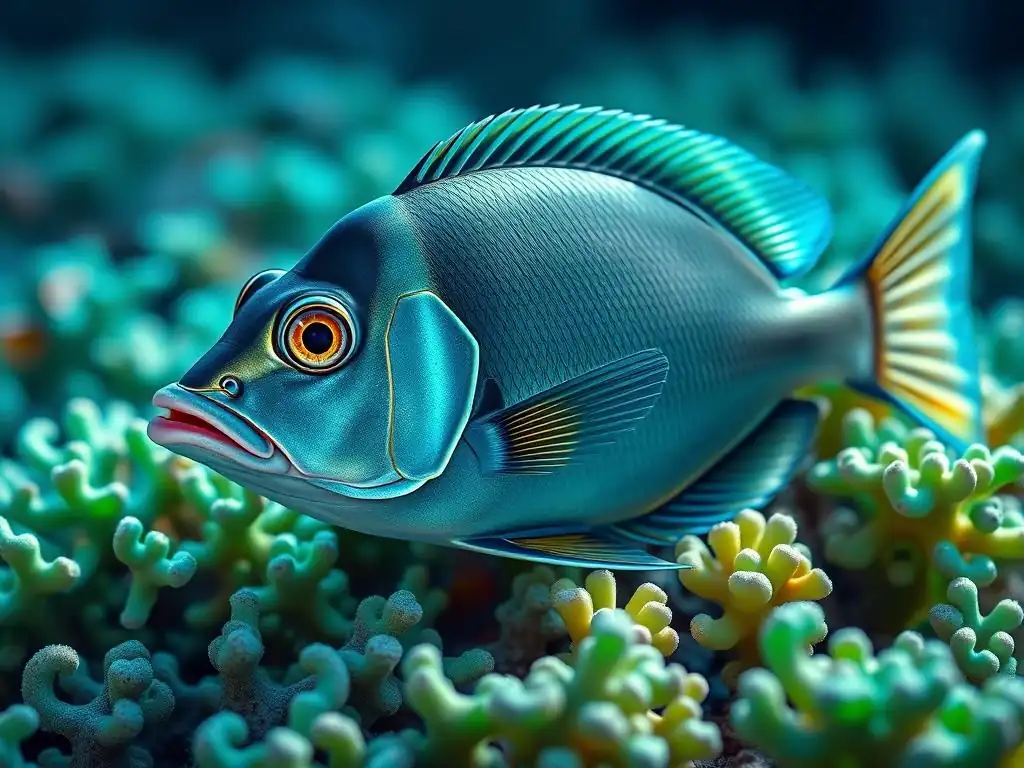
The Shifting Dietary Needs of Adult Chevron Tangs
As Chevron Tangs mature, their dietary needs evolve primarily due to their increased size and metabolic rate. While they remain predominantly herbivorous detritivores, the sheer volume of food required to sustain their larger bodies increases significantly. Adults still rely heavily on algae and detritus, but they also benefit from a slightly broader range of food items to ensure complete nutrition. Their foraging behavior becomes more efficient, and they can consume larger quantities of food in a single feeding session.
Maintaining a consistent supply of marine algae, such as daily nori sheets, remains crucial for adult Chevron Tangs. However, their larger size means they will consume these sheets much faster. Aquarists might need to provide multiple sheets throughout the day or larger pieces. The emphasis remains on high-fiber, plant-based foods, but ensuring a greater caloric intake becomes a key aspect of adult Chevron Tang diet care.
Introducing New Food Sources: A Gradual Approach
When transitioning a Chevron Tang to an adult diet, introducing new food sources should be a gradual process to avoid stress and ensure acceptance. Continue offering their staple nori and high-quality herbivore pellets, but slowly incorporate new items. For instance, frozen herbivore preparations that include a mix of spirulina, mysis shrimp, and perhaps finely chopped marine vegetables like spinach or romaine lettuce (blanched and rinsed) can be introduced.
Another effective strategy is to soak new foods in garlic extract or a vitamin supplement, which can enhance palatability. Offering new foods during peak feeding times, when the fish is most active and competitive, can also encourage acceptance. Monitor their consumption closely; if a new food isn't eaten within a few minutes, remove it to prevent water quality issues. This patient approach to Chevron Tang diet care ensures a smooth transition to a more diverse adult diet.
Importance of Varied Diet: Preventing Nutritional Deficiencies
A varied diet is paramount for adult Chevron Tangs to prevent nutritional deficiencies and promote long-term health. Relying on a single type of food, even a high-quality one, can lead to imbalances over time. For example, a diet solely of nori might lack certain essential amino acids or fatty acids. Conversely, an over-reliance on protein-rich foods can lead to liver issues in these primarily herbivorous fish.
Incorporating a rotation of different types of marine algae (e.g., green, red, brown nori), various brands of herbivore pellets (each with slightly different formulations), and a mix of frozen herbivore and some meaty preparations (like enriched brine shrimp or mysis) ensures a comprehensive nutrient profile. This diversity in Chevron Tang diet care helps prevent conditions like Head and Lateral Line Erosion (HLLE), which is often linked to nutritional imbalances, particularly a lack of certain vitamins and trace elements.
Crafting the Perfect Chevron Tang Diet Plan
Best Food Options for Chevron Tangs: Algae Sheets, Pellets, and Frozen Foods
For optimal Chevron Tang diet care, a combination of high-quality food options is essential. Algae sheets, particularly dried nori (seaweed), should form the bulk of their daily intake. Green, red, and brown varieties can be rotated to provide a broader spectrum of nutrients. These should be offered using a seaweed clip, allowing the tang to graze throughout the day, mimicking natural feeding behaviors.
High-quality herbivore pellets and flakes are crucial supplements. Brands like Hikari Marine S/A, Spectrum Thera-A, or Ocean Nutrition Formula Two are excellent choices, formulated with spirulina, chlorella, and marine proteins. These should be offered once or twice daily. Finally, frozen herbivore formulas (e.g., spirulina brine shrimp, mysis shrimp enriched with algae) or finely chopped fresh marine macroalgae (if available and safe) can be given a few times a week to add variety and enhance palatability.
Recommended Feeding Schedule: Optimizing Growth and Color
An effective Chevron Tang diet care schedule involves frequent, small feedings rather than one or two large meals. This mimics their natural grazing behavior and helps maintain stable water quality. For juveniles, aim for 3-4 small feedings per day. For adults, 2-3 feedings of commercial foods are usually sufficient, in addition to constant access to nori.
A typical daily schedule might look like this:
- Morning (e.g., 8:00 AM): Fresh sheet of nori in a clip.
- Late Morning (e.g., 11:00 AM): Small pinch of high-quality herbivore pellets.
- Afternoon (e.g., 3:00 PM): Another small pinch of pellets or flakes.
- Evening (e.g., 7:00 PM): Small portion of frozen herbivore food (2-3 times per week) or another small serving of pellets.
This consistent feeding regimen supports optimal growth, vibrant coloration, and a strong immune system for your Chevron Tang.
Avoiding Common Dietary Mistakes: Preventing Head and Lateral Line Erosion (HLLE)
One of the most critical aspects of Chevron Tang diet care is avoiding common mistakes that can lead to severe health issues, particularly Head and Lateral Line Erosion (HLLE). HLLE is often linked to poor water quality, stress, and, significantly, nutritional deficiencies. A common mistake is providing an insufficient amount of plant matter, relying too heavily on meaty foods, or feeding only one type of prepared food.
To prevent HLLE and other dietary issues:
- Do not overfeed meaty foods: Chevron Tangs are primarily herbivores. While some protein is needed, an excess can strain their digestive system.
- Ensure constant access to algae: Nori should be available for grazing for a significant portion of the day.
- Vary the diet: Rotate different types of dry, frozen, and fresh foods to ensure a complete nutrient profile.
- Provide adequate vitamins: Especially Vitamin C and Vitamin A, which are crucial for skin and immune health. Many quality foods are fortified, but supplementing frozen foods with a marine vitamin solution periodically can be beneficial.
- Maintain pristine water quality: High nitrates and phosphates can exacerbate HLLE and stress fish, making them more susceptible to nutritional issues.
Maintaining a Healthy Chevron Tang: Beyond Diet
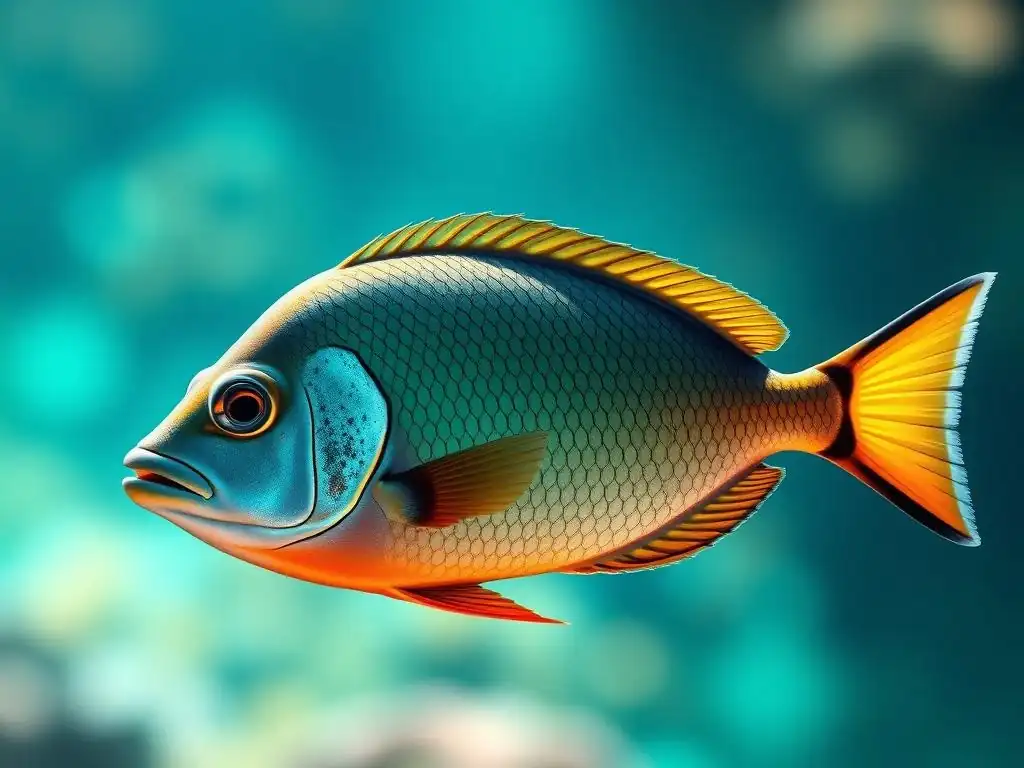
Water Quality: Essential for Optimal Health and Coloration
Pristine water quality is arguably the most crucial factor, alongside Chevron Tang diet care, for maintaining the health and vibrant coloration of your Chevron Tang. Tangs are highly sensitive to fluctuating or poor water parameters. Key parameters to monitor include:
- Salinity: Maintain stable specific gravity at 1.023-1.026.
- Temperature: Keep between 74-80°F (23-27°C).
- pH: Stable between 8.1-8.4.
- Ammonia, Nitrite: Must be undetectable (0 ppm).
- Nitrate: Keep below 10-20 ppm, ideally lower.
- Phosphate: Keep below 0.03 ppm.
Regular water changes (e.g., 10-20% weekly or bi-weekly) are essential to dilute nitrates and replenish trace elements. Utilizing a robust filtration system, including protein skimming, live rock, and potentially a refugium, greatly contributes to stable water parameters, directly impacting the fish's stress levels and susceptibility to disease.
Tank Size and Environment: Providing Adequate Swimming Space
Chevron Tangs, despite their relatively modest adult size of up to 10 inches, require ample swimming space due to their active nature. A minimum tank size of 90 gallons (approximately 340 liters) is recommended for a single adult Chevron Tang, with larger tanks (120 gallons or more) being preferable to allow for comfortable swimming and reduce territorial aggression if housed with other fish.
The aquarium environment should also include plenty of live rock with nooks and crannies for hiding, as well as open swimming areas. A deep sand bed (3-4 inches or 7-10 cm) is highly beneficial, as Chevron Tangs are natural detritivores that sift through sand for food. Proper aquascaping that provides both shelter and open water is vital for their well-being and aids in proper digestion and stress reduction, complementing effective Chevron Tang diet care.
Preventing Diseases: Maintaining a Strong Immune System Through Proper Diet
A strong immune system is the first line of defense against diseases, and it is inextricably linked to proper Chevron Tang diet care. A well-fed tang with a balanced diet is significantly less likely to succumb to common marine ailments like Ich (Cryptocaryon irritans) or Marine Velvet (Amyloodinium ocellatum). Deficiencies in essential vitamins, particularly Vitamin C, can weaken their immune response, making them more vulnerable.
Beyond nutrition, minimizing stress through stable water parameters, appropriate tank mates, and adequate space also supports immune health. Quarantine new fish before introducing them to the main display tank to prevent the introduction of pathogens. Regular observation for changes in behavior, appetite, or physical appearance allows for early intervention, but a robust Chevron Tang diet care plan is the most proactive measure an aquarist can take.
Addressing Specific Dietary Challenges
Dealing with Finicky Eaters: Encouraging Feeding Habits
Occasionally, a Chevron Tang, especially a newly introduced one, might be a finicky eater. This can be stressful for the aquarist, but patience and strategic approaches to Chevron Tang diet care can usually resolve the issue. One common tactic is to soak foods in garlic extract or a commercial appetite stimulant. Garlic is known to enhance palatability for many marine fish.
Another method is to offer food at various times of the day, particularly when other tank inhabitants are feeding vigorously, as this can stimulate a competitive feeding response. Ensure the food offered is small enough for the fish to easily consume. If the tang is accustomed to grazing, try attaching multiple small pieces of nori to different areas of the tank. Sometimes, simply having a healthy population of microalgae and detritus on live rock can be enough to sustain a finicky tang until it adapts to prepared foods.
Managing Algae Growth in the Aquarium: A Balanced Approach
While Chevron Tangs are excellent algae grazers, managing algae growth in the aquarium requires a balanced approach that extends beyond relying solely on the fish. Excessive algae can indicate nutrient imbalances (high nitrates/phosphates) or excessive light. While some algae are beneficial as a natural food source for the tang, uncontrolled blooms can smother corals and detract from the tank's aesthetics.
Implement regular water changes to export nutrients. Use a high-quality protein skimmer to remove dissolved organic waste. Consider a refugium with macroalgae like Chaetomorpha, which outcompetes nuisance algae for nutrients. Limiting light duration (e.g., 8-10 hours per day) and intensity can also help. A Chevron Tang is a valuable part of the cleanup crew, but it's not a magical solution for poor husbandry; instead, its Chevron Tang diet care relies on a healthy, balanced ecosystem.
Recognizing and Treating Nutritional Deficiencies
Recognizing nutritional deficiencies in Chevron Tangs early is key to successful treatment. Common signs include:
- Fading or dull coloration: A healthy Chevron Tang will display vibrant hues.
- Weight loss or emaciation: Despite eating, the fish may appear thin.
- HLLE (Head and Lateral Line Erosion): Pitting, lesions, or erosion around the face and lateral line, often linked to Vitamin A, C, and E deficiencies, or poor water quality.
- Lethargy or reduced activity: A normally active fish becomes sluggish.
- Fin erosion or ragged fins: Can be a sign of poor health linked to nutrition.
Treatment primarily involves correcting the Chevron Tang diet care plan. This means increasing the variety of foods, ensuring ample high-quality marine algae, and supplementing with vitamin-enriched foods or liquid vitamin drops. Addressing underlying water quality issues is also crucial. For severe cases, a veterinarian specializing in aquatic animals might recommend specific dietary supplements or treatments.
The Role of Diet in Chevron Tang Coloration and Health
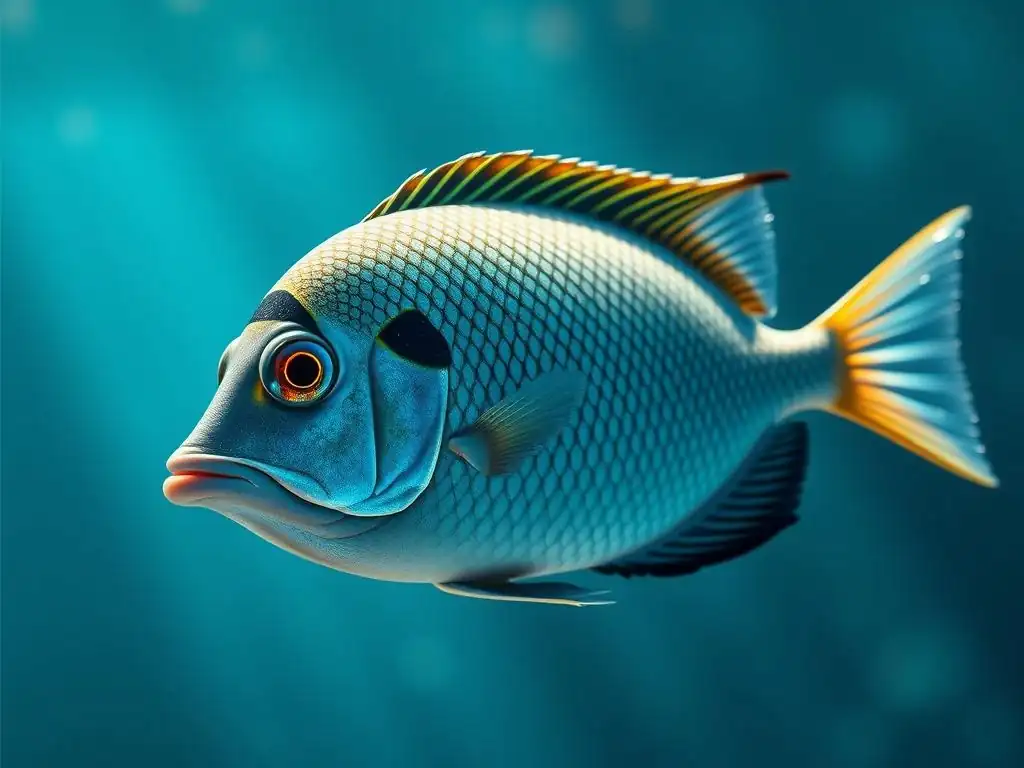
How Diet Influences Vibrant Color in Chevron Tangs
The vibrant coloration of Chevron Tangs, especially the striking orange and black of juveniles, is heavily influenced by their diet. Carotenoids, natural pigments found in various marine algae and some crustaceans, are responsible for these brilliant hues. When a Chevron Tang consumes a diet rich in these pigments, they are absorbed and deposited in the skin, enhancing and maintaining their natural colors.
A diet lacking in these essential pigments will often result in dull, faded coloration, even in a healthy fish. High-quality nori, spirulina-based pellets, and frozen foods enriched with marine algae are excellent sources of carotenoids. For example, the astaxanthin found in some marine algaes and krill can significantly enhance the orange and red tones. Therefore, meticulous Chevron Tang diet care is not just about survival but about showcasing the species' full aesthetic potential.
Impact of Diet on Disease Resistance and Longevity
The impact of Chevron Tang diet care extends far beyond just color; it directly influences their disease resistance and overall longevity. A well-nourished tang possesses a robust immune system, making it more resilient to pathogens and environmental stressors. Essential vitamins (like C, E, and A) and minerals play critical roles in immune function, tissue repair, and metabolic processes.
Conversely, a diet lacking in essential nutrients can lead to a compromised immune system, leaving the fish susceptible to common marine diseases. Chronic nutritional deficiencies can also lead to organ damage, stunted growth, and a significantly shortened lifespan. For instance, studies on fish nutrition consistently show that balanced diets reduce disease outbreaks by up to 30-40% compared to deficient ones. By investing in comprehensive Chevron Tang diet care, aquarists are essentially investing in the long-term health and vitality of their fish.
Chevron Tang Diet Care: A Summary and Best Practices
Key Takeaways for Optimal Chevron Tang Diet and Care
Optimal Chevron Tang diet care hinges on a few core principles:
- Herbivorous Foundation: Their diet must be predominantly plant-based, with marine algae (nori) as a daily staple.
- Dietary Diversity: Offer a variety of high-quality herbivore pellets, flakes, and frozen foods to ensure a complete nutritional profile and prevent deficiencies.
- Frequent, Small Feedings: Mimic their natural grazing behavior by offering small portions multiple times a day.
- Water Quality is Paramount: Pristine and stable water parameters are as crucial as diet for overall health and disease prevention.
- Adequate Space: Provide a large tank with plenty of live rock and sand for foraging and swimming.
- Monitor and Adapt: Observe your tang's behavior and coloration, adjusting the diet as it transitions from juvenile to adult.
By adhering to these best practices, aquarists can ensure their Chevron Tangs not only survive but thrive, displaying their stunning colors and active personalities for years.
Resources for Further Learning about Chevron Tangs
For aquarists seeking to deepen their understanding of Chevron Tang diet care and general husbandry, several excellent resources are available. Reputable online forums and communities dedicated to saltwater aquariums, such as Reef2Reef or The Reef Tank, often feature experienced aquarists sharing their insights and troubleshooting tips. Academic papers and scientific journals on marine biology and ichthyology can provide detailed information on the species' natural history and nutritional requirements.
Books specifically on marine fish husbandry or tang species are also invaluable. Websites from established aquarium product manufacturers often provide species-specific care sheets. Libraries and university databases can offer access to a wealth of information. Regularly consulting these resources ensures that your Chevron Tang diet care practices remain up-to-date with the latest knowledge in the hobby.
When faced with health issues in a Chevron Tang, particularly those suspected to be diet-related, a systematic troubleshooting approach is beneficial.
- Review the Diet: Is the tang getting enough algae? Is the diet varied enough? Are the foods fresh and high-quality? Consider introducing new foods or supplementing with vitamins.
- Check Water Parameters: Even with a perfect diet, poor water quality can lead to stress and disease. Test ammonia, nitrite, nitrate, pH, and salinity. Address any deviations immediately.
- Observe Behavior: Is the tang eating, but still losing weight? This could indicate internal parasites, which might be exacerbated by a weakened immune system from previous poor nutrition.
- Inspect for HLLE: If HLLE is present, immediately enhance the diet with Vitamin C and E-rich foods, ensure pristine water quality, and reduce stress.
- Consider Tank Mates: Aggressive tank mates can stress a tang, leading to reduced feeding and susceptibility to disease.
By methodically addressing these points, aquarists can effectively diagnose and treat many Chevron Tang health issues, ensuring their continued well-being through optimal Chevron Tang diet care.
Frequently Asked Questions
How does the diet of a Chevron Tang change as it matures?
Juvenile Chevron Tangs are primarily algae eaters, focusing on soft, filamentous algae. As they mature, their diet shifts to include a broader range of algae and plant matter, supplemented with meaty foods.
What are the essential components of a Chevron Tang's diet for optimal health?
A balanced Chevron Tang diet should consist mainly of high-quality marine algae (nori, spirulina), supplemented with vegetable-based flakes or pellets. Occasional feedings of meaty foods like mysis shrimp can also be beneficial.
What are some signs that a Chevron Tang is not getting enough of the right nutrients?
Signs of nutritional deficiency can include faded coloration, lethargy, and an increased susceptibility to disease. A sunken belly can also indicate inadequate food intake.
How often should I feed my Chevron Tang to maintain optimal health and color?
Chevron Tangs should be fed multiple small meals throughout the day, ideally mimicking their natural grazing behavior. Aim for at least 2-3 feedings of algae-based foods, supplemented as needed.
What are some common mistakes to avoid when feeding a Chevron Tang?
Avoid overfeeding protein-rich foods intended for carnivores, as this can lead to digestive issues. Also, ensure the tank has sufficient algae growth or provide readily accessible algae sheets.
Final Reflection: Embracing the Chevron Tang's Journey
The journey of the Chevron Tang, from its humble beginnings as an algae-grazing juvenile to its vibrant adult form, underscores the profound impact of informed and dedicated care. Understanding the Chevron Tang's dietary needs and providing a suitable environment is not merely about keeping a fish alive; it's about fostering a thriving life, mirroring our own responsibility to nurture growth and well-being in all living things.
This transformation, so vividly displayed in the Chevron Tang, reminds us of the delicate balance within our own ecosystems and the importance of responsible stewardship. Witnessing the Chevron Tang's metamorphosis reinforces the idea that even the smallest actions, like providing the correct diet, can have a monumental impact on an individual's life and, by extension, the health of the larger reef environment. We are tied to the ocean. And when we go back to the sea, whether it is to sail or to watch it, we are going back from whence we came.
- John F. Kennedy. This quote encapsulates the deep connection we have with the ocean and the responsibility that comes with it.
As you consider the Chevron Tang's remarkable journey, I invite you to reflect on your own role in the world. What small changes can you make in your daily life to nurture growth, promote well-being, and contribute to a healthier planet? Just as the Chevron Tang thrives with dedicated care, so too can our world flourish with our collective commitment to understanding and respecting the delicate balance of life.
Ignite Your Chevron Tang's Vibrant Future!
Thanks for diving into the world of Chevron Tangs! We hope you’ve gained valuable insights into nurturing these fascinating fish through every stage of their lives. Now, let’s translate knowledge into action and ensure your Chevron Tang thrives.
Here are some actionable steps you can take right now:
- Implement a varied diet to mirror the natural dietary progression of a Chevron Tang, transitioning from algae-rich juvenile to a more diverse adult diet.
- Explore different algae sources and discover unconventional food options like nori sheets attached to rocks with rubber bands to simulate natural grazing.
- Share this article with other aquarium enthusiasts to spread awareness about the specific care requirements of Chevron Tangs.
What innovative feeding strategies have you found successful for transitioning your algae-eating fish to more mature diets?