
Observing Lionfish Hunting Techniques: A Fascinating Spectacle in Your Tank

Welcome to Aquarium Mastery!
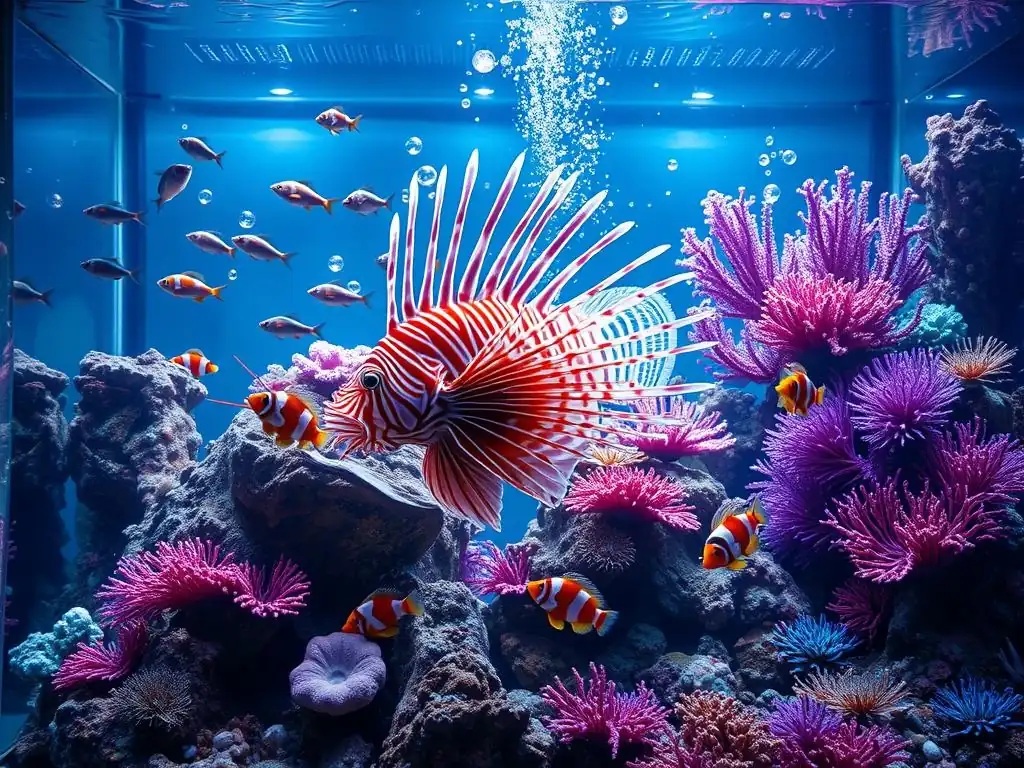
Ever wondered how a lionfish hunts in the controlled environment of an aquarium? Dive into our in-depth exploration of Lionfish Hunting Techniques in an aquarium tank, a truly fascinating spectacle to witness. Prepare to be amazed by their unique predatory strategies and discover how to best accommodate these captivating creatures in your saltwater setup. Intrigued? Let's explore the art of the hunt together!
- Understanding Lionfish Predatory Behavior in Home Aquariums
- Setting Up Your Aquarium for Optimal Lionfish Hunting Observation
- Lionfish Hunting Techniques: A Detailed Look Inside Your Aquarium
- Stimulating Natural Hunting Behaviors in Captive Lionfish
- Documenting and Sharing Your Lionfish Hunting Observations
- Potential Challenges and Solutions When Observing Lionfish Predation
- Enhancing Your Lionfish Aquarium for Hunting Display
- Conclusion: The Ongoing Fascination with Lionfish Hunting in the Aquarium
-
Frequently Asked Questions
- How can I safely observe lionfish hunting techniques in my aquarium?
- What types of prey are best suited for observing lionfish hunting behavior in an aquarium setting?
- What are the key signs that my lionfish is actively hunting in the aquarium?
- Are there ethical considerations when observing lionfish hunting techniques in an aquarium?
- How can I ensure the water quality remains optimal while observing lionfish hunting in my aquarium?
- Final Reflection: The Silent Dance of Predator and Prey
- Unleash Your Inner Reef Explorer!
Understanding Lionfish Predatory Behavior in Home Aquariums
The Allure of Observing Lionfish Hunting Strategies
The captivating beauty of a lionfish (Pterois species) is undeniable, but it's their deliberate, almost theatrical hunting strategies that truly mesmerize aquarists. Unlike many fast-paced predators, lionfish employ a slow, calculated approach, often fanning their elaborate fins to herd or corner their prey before a lightning-fast strike. This unique display of predatory intelligence makes them one of the most sought-after subjects for observation within a marine aquarium tank. Watching these "Lionfish hunting techniques aquarium tank" scenarios unfold provides a rare glimpse into the complex natural behaviors of a formidable reef predator.
Observing these intricate behaviors offers more than just entertainment; it provides valuable insights into marine ecology and the adaptations that allow species to thrive in their natural habitats. From their camouflage to their unique luring tactics, every movement is a testament to millions of years of evolution. For the dedicated aquarist, understanding these strategies enhances appreciation for the species and encourages responsible husbandry, ensuring the lionfish can exhibit its full repertoire of natural instincts within the confines of its home.
Lionfish Diet and Natural Hunting Instincts
In their native Indo-Pacific waters, lionfish are opportunistic carnivores, primarily preying on small fish and crustaceans. Studies of their stomach contents reveal a diet composed of various reef fish species, typically ranging from 2-15 cm in length, and a lesser proportion of crabs and shrimp. Their distinctive venomous spines serve primarily as a defense mechanism against larger predators, not as offensive tools for hunting. Instead, their hunting prowess relies on stealth, patience, and an incredibly fast mouth expansion that creates a powerful suction to engulf prey whole.
These innate hunting instincts persist strongly in a captive environment, making the observation of "Lionfish hunting techniques aquarium tank" behaviors a real possibility. Even when presented with frozen foods, lionfish often exhibit their characteristic stalking and striking motions, demonstrating that their predatory drive is deeply ingrained. Understanding these natural behaviors is crucial for providing an enriching environment that allows the lionfish to express its full behavioral repertoire, even if live prey is not consistently offered.
Setting Up Your Aquarium for Optimal Lionfish Hunting Observation
Creating a Suitable Environment for Lionfish Predation
To properly observe lionfish hunting techniques, a spacious aquarium is paramount. A single adult Pterois volitans or Pterois miles (common lionfish species) requires a minimum of 75 to 100 gallons, with larger tanks (125+ gallons) being ideal to accommodate their growth and provide ample swimming and hunting territory. The aquascape should feature plenty of live rock arranged to create caves, overhangs, and crevices, mimicking their natural reef habitat. These structures serve as ambush points, allowing the lionfish to hide and strategically position itself before striking.
Beyond providing hiding spots, the rockwork should also offer open areas for the lionfish to maneuver and stalk its prey. A thoughtful arrangement ensures that while the lionfish has places to retreat, it also has clear lines of sight for hunting and that observers have unobstructed views of the action. Avoid overly dense rock formations that could impede water flow or obscure the fascinating "Lionfish hunting techniques aquarium tank" display. A sand bed is also beneficial, allowing the lionfish to subtly approach prey from below or rest.
Essential Tank Parameters for Healthy Lionfish and Hunting
Maintaining stable and pristine water parameters is critical for the health and active behavior of your lionfish, which directly impacts their willingness and ability to hunt. Ideal salinity should be kept between 1.020 and 1.025 specific gravity, simulating natural oceanic conditions. Water temperature should consistently range from 75-80°F (24-27°C). pH levels should be maintained between 8.1 and 8.4. Crucially, ammonia and nitrite must be undetectable (0 ppm), and nitrates should be kept below 20 ppm through regular water changes and robust filtration.
A powerful filtration system, including a large protein skimmer and sufficient live rock, is essential to manage the bioload of a predatory fish that consumes a substantial amount of food. High-quality water supports the lionfish's immune system, promotes vibrant coloration, and encourages active, natural behaviors, including their distinctive hunting prowess. Any deviation from these optimal parameters can stress the fish, leading to lethargy, reduced appetite, and a disinterest in exhibiting their natural "Lionfish hunting techniques aquarium tank" behaviors.
Choosing the Right Tank Mates (or Lack Thereof) for Lionfish Hunting
When the primary goal is to observe lionfish hunting techniques, the selection of tank mates becomes incredibly important, often leading to the conclusion that a species-specific tank is ideal. Lionfish will attempt to eat any fish or invertebrate that can fit into their surprisingly expandable mouths, which can be up to two-thirds their own body size. Therefore, smaller fish such as gobies, damsels, small wrasses, and even shrimp or crabs are almost certainly destined to become prey. Introducing such species, even for observation, can be viewed as irresponsible and cruel.
If tank mates are desired, they must be significantly larger than the lionfish's mouth and preferably fast-moving or robust. Suitable companions might include large tangs (e.g., Yellow Tangs, Purple Tangs over 6 inches), large angelfish (e.g., Emperor Angelfish, Queen Angelfish), or certain triggers (e.g., Clown Triggerfish, Picasso Triggerfish) that are too large to be consumed. However, even with appropriate tank mates, the focus on observing pure "Lionfish hunting techniques aquarium tank" behaviors is best achieved in an environment where the lionfish is the sole apex predator, eliminating any competition or risk to other inhabitants.
Lionfish Hunting Techniques: A Detailed Look Inside Your Aquarium
The Ambush Predator: Patience and Precision
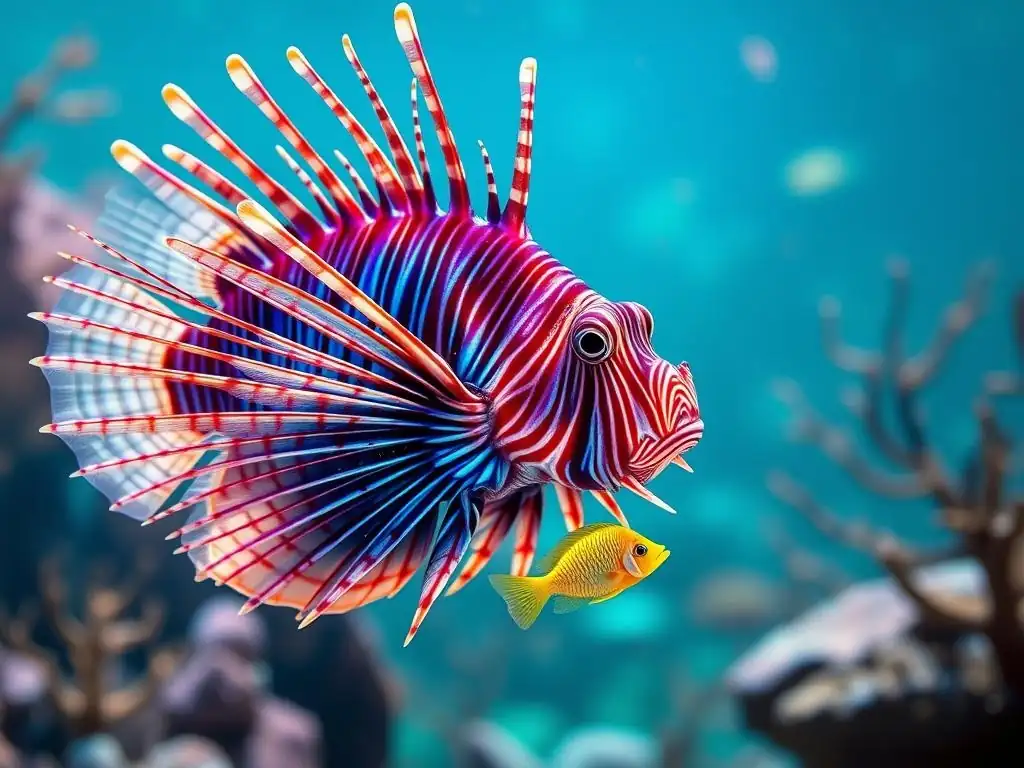
The lionfish is a quintessential ambush predator, a master of patience and precision. Unlike pelagic hunters that chase down prey, the lionfish often remains motionless, blending seamlessly with its surroundings among the live rock or coral structures. It waits for unsuspecting prey to drift within striking distance. When a target is identified, the lionfish may slowly orient itself, sometimes using its large, fanned pectoral fins to subtly herd or "corner" the prey against a rock or the aquarium glass. This deliberate approach can last for several minutes, showcasing remarkable focus.
Once the optimal position is achieved, the lionfish executes its strike with astonishing speed and accuracy. This sudden, explosive lunge is typically initiated from a static position, often from behind cover. The precise timing and minimal energy expenditure until the final moment highlight its efficiency as a predator. Observing this patient stalk followed by the sudden burst of energy is a core element of appreciating "Lionfish hunting techniques aquarium tank" behaviors, revealing a highly evolved predatory strategy.
Lionfish Luring Tactics: How They Entice Their Prey
Beyond mere ambush, lionfish are known to employ fascinating luring tactics to draw their prey closer. One common behavior is the "fin fanning" or "pec-fin spreading" technique. The lionfish will slowly spread its large, ornate pectoral fins, sometimes wiggling them gently. This movement can create the illusion of a larger, non-threatening object or even mimic drifting seaweed, thereby disorienting or enticing smaller fish to investigate. The fanned fins can also create a "net" effect, subtly guiding smaller prey into a more advantageous position for the strike.
Another subtle luring method involves the lionfish slowly drifting or swaying, mimicking a piece of debris or a non-predatory fish. This allows it to approach prey without alarming them, often getting within mere inches before initiating the attack. These sophisticated "Lionfish hunting techniques aquarium tank" displays demonstrate a higher level of predatory intelligence than simple pursuit, making them truly captivating to witness. Such intricate behaviors underscore the importance of providing an environment where these natural instincts can be observed.
Strike Speed and Efficiency: The Lionfish Hunting Method
The final act of a lionfish hunt is a breathtaking display of speed and efficiency. Once the prey is within optimal range, the lionfish executes a lightning-fast lunge, often propelled by a powerful thrust of its caudal fin. Simultaneously, its large, protractible mouth expands rapidly, creating a strong vacuum or negative pressure that sucks the unsuspecting prey inward. This entire process, from the initiation of the lunge to the complete engulfment of the prey, can occur in less than 0.1 seconds, making it one of the fastest strikes in the marine world.
This incredible speed and the powerful suction mechanism ensure a high success rate once the lionfish commits to a strike. The prey is typically swallowed whole, headfirst, leaving no remnants. The efficiency of this "Lionfish hunting techniques aquarium tank" method is a testament to millions of years of evolutionary refinement, allowing them to capture nimble reef fish with minimal effort and energy expenditure. Capturing this moment on camera often requires high-speed photography due to its sheer rapidity.
Stimulating Natural Hunting Behaviors in Captive Lionfish
Live Feeding Considerations and Ethical Implications
While the desire to observe natural "Lionfish hunting techniques aquarium tank" behaviors is strong, the practice of live feeding in home aquariums comes with significant considerations and ethical implications. Live feeder fish, such as goldfish or mollies from freshwater sources, often carry diseases or parasites that can be devastating to a saltwater system and its inhabitants. Furthermore, these feeder fish are typically nutritionally deficient, lacking essential marine fatty acids and vitamins crucial for a lionfish's long-term health. A diet solely of feeder fish can lead to severe health issues, including fatty liver disease.
Ethically, the deliberate introduction of live prey for the sole purpose of observation raises concerns about animal welfare. If live feeding is considered, it is paramount to use only ethically sourced, quarantined, and gut-loaded saltwater species like mollies or guppies, which have been acclimated to saltwater conditions and fed a nutritious diet for several weeks. However, for the majority of home aquarists, the risks of disease transmission and nutritional deficiencies far outweigh the benefits of observing a live hunt, making it generally not recommended as a regular feeding practice.
Alternative Feeding Methods to Encourage Hunting Skills
Despite the concerns surrounding live feeding, it is still possible to encourage and observe lionfish hunting techniques using alternative methods that are safer and more ethical. One effective approach is using a feeding stick or tongs to present frozen foods, such as silversides, krill, or pieces of squid or shrimp. By gently wiggling the food item in front of the lionfish, you can simulate the movement of live prey, prompting the lionfish to stalk, orient, and strike with its characteristic speed and suction.
This method allows aquarists to witness the lionfish's predatory instincts without introducing the risks associated with live feeders. Varying the presentation, such as dropping the food from above to mimic a falling prey item or moving it slowly through the water column, can further engage the lionfish's natural hunting drive. This controlled feeding not only ensures the lionfish receives proper nutrition but also provides a safe and repeatable way to observe its fascinating "Lionfish hunting techniques aquarium tank" behaviors.
Varying the Diet to Mimic Natural Prey Selection
To ensure the long-term health and vitality of your lionfish, and to keep its hunting instincts sharp, it's crucial to offer a varied diet that mimics the diversity of prey found in their natural environment. While silversides are a common staple, they should not be the sole food source. Incorporate a rotation of high-quality frozen marine meats such as squid, shrimp, scallops, and various types of frozen fish fillets (e.g., cod, pollock, tilapia, ensuring they are marine-based or freshwater fish known to be safe for marine predators).
This dietary variety provides a broader spectrum of nutrients, including essential amino acids and fatty acids, which are vital for a lionfish's immune system, coloration, and overall activity levels. A well-nourished lionfish is more likely to exhibit its full range of natural behaviors, including its impressive "Lionfish hunting techniques aquarium tank" repertoire. Regular feeding (2-3 times per week for adults) with diverse, high-quality foods will keep your lionfish healthy, active, and ready to demonstrate its predatory prowess.
Documenting and Sharing Your Lionfish Hunting Observations
Photography and Videography Tips for Capturing Lionfish Predation
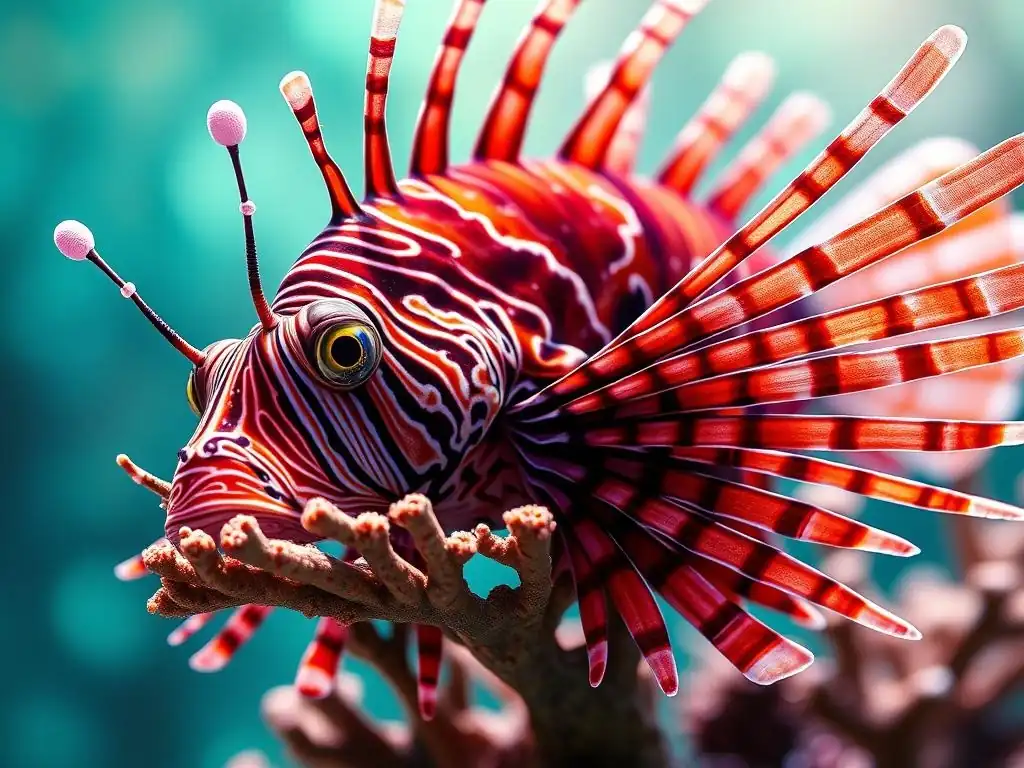
Capturing the fleeting moment of a lionfish strike requires preparation and patience. For photography, a fast shutter speed (e.g., 1/500 second or faster) is essential to freeze the action, given the lightning-fast nature of their strike. Good lighting is also crucial to illuminate the subject and allow for faster shutter speeds without increasing ISO too much, which can introduce noise. Using a tripod can help maintain stability and allow for precise framing while waiting for the perfect moment.
For videography, a camera capable of shooting at a high frame rate (e.g., 60fps or 120fps) will allow for smooth slow-motion playback, enabling you to truly appreciate the rapid sequence of events during a strike. Focus should be on the lionfish's mouth and pectoral fins, as these are central to its hunting movements. Patience is key; lionfish hunts can be unpredictable, but with perseverance, you can capture stunning footage that showcases the intricate "Lionfish hunting techniques aquarium tank" behaviors.
Sharing your observations of "Lionfish hunting techniques aquarium tank" behaviors with the wider aquarium community can be incredibly rewarding. Online forums, dedicated marine aquarium groups on social media platforms, and even local aquarium club meetings provide excellent venues for discussion. Posting your photos or videos, along with detailed descriptions of what you observed, can spark engaging conversations, allow others to learn from your experiences, and even inspire new aquarists.
When sharing, consider including details about your tank setup, the lionfish species, the type of food offered, and any specific behaviors you noticed leading up to the strike. This level of detail adds significant value and contributes to the collective knowledge base of lionfish husbandry and behavior. Your unique insights into "Lionfish hunting techniques aquarium tank" scenarios can help others understand and appreciate these magnificent predators even more.
The Educational Value of Observing Lionfish Hunting in Aquariums
Observing lionfish hunting techniques in a home aquarium offers profound educational value, extending beyond mere entertainment. It provides a tangible, up-close opportunity to study predator-prey dynamics, behavioral adaptations, and the intricate workings of a marine ecosystem, albeit on a smaller scale. For students and enthusiasts alike, witnessing these behaviors firsthand can deepen understanding of marine biology and the delicate balance of life in the ocean.
Documenting and analyzing these "Lionfish hunting techniques aquarium tank" observations can contribute to a better understanding of how these invasive species operate in non-native environments, or simply how they adapt to captivity. It fosters a greater appreciation for the complexity of life and encourages responsible animal care. This hands-on learning experience solidifies abstract biological concepts and inspires a deeper connection to the natural world.
Potential Challenges and Solutions When Observing Lionfish Predation
Addressing Aggression and Territoriality During Feeding
While lionfish are generally docile towards tank mates too large to be considered prey, they can exhibit territoriality and aggression, particularly during feeding times. If you have multiple lionfish (which is generally not recommended for most home aquariums due to their size and predatory nature) or other large, robust tank mates, competition for food can arise. To mitigate this, use long feeding tongs to individually target feed each lionfish, ensuring it receives its portion without having to compete.
If aggression between lionfish or towards other tank mates is observed, ensure there is ample hiding space and territory for each fish. For instance, in a 180-gallon tank with two lionfish, providing multiple distinct caves and feeding at opposite ends can reduce conflict. Overfeeding can also exacerbate territorial issues by increasing the bioload and potentially stressing fish. By managing feeding carefully, you can minimize aggression and create a more harmonious environment for observing "Lionfish hunting techniques aquarium tank" displays.
Preventing Overfeeding and Maintaining Water Quality
A common challenge when trying to stimulate lionfish hunting techniques is the temptation to overfeed, especially when offering frozen foods frequently to elicit strikes. Overfeeding a predatory fish like a lionfish can rapidly degrade water quality, leading to dangerously high levels of nitrates and phosphates, which in turn can fuel nuisance algae growth and stress all inhabitants. For adult lionfish, feeding 2-3 times per week with appropriate portion sizes is typically sufficient, rather than daily feeding.
To maintain pristine water quality, particularly in a tank housing a messy eater, robust filtration is essential, including a powerful protein skimmer, ample live rock, and potentially a refugium. Regular water changes (e.g., 20-25% every two weeks) are crucial for diluting accumulated nitrates and replenishing trace elements. Consistent monitoring of water parameters (ammonia, nitrite, nitrate, phosphate) will help prevent issues before they become critical, ensuring a healthy environment for observing "Lionfish hunting techniques aquarium tank" behaviors.
Recognizing Signs of Stress in Lionfish During Hunting Scenarios
While observing lionfish hunting techniques is fascinating, it's important to be vigilant for signs of stress in your fish. A stressed lionfish may exhibit clamped fins, rapid or labored breathing, fading or dull coloration, excessive hiding, or a refusal to eat even preferred foods. These symptoms can indicate a range of issues, from poor water quality (e.g., high nitrates, low pH) to inappropriate tank mates, or even excessive human interference during feeding.
If stress is observed, the first step is to thoroughly test all water parameters and make immediate corrections if necessary. Re-evaluate tank mates to ensure they are not causing undue stress or competition. Sometimes, simply reducing the frequency of observation or giving the lionfish more space can help. A healthy, unstressed lionfish will be active, alert, and willing to exhibit its natural "Lionfish hunting techniques aquarium tank" behaviors, making the observation a positive experience for both aquarist and fish.
Enhancing Your Lionfish Aquarium for Hunting Display
Aquascaping for Realistic Hunting Scenarios
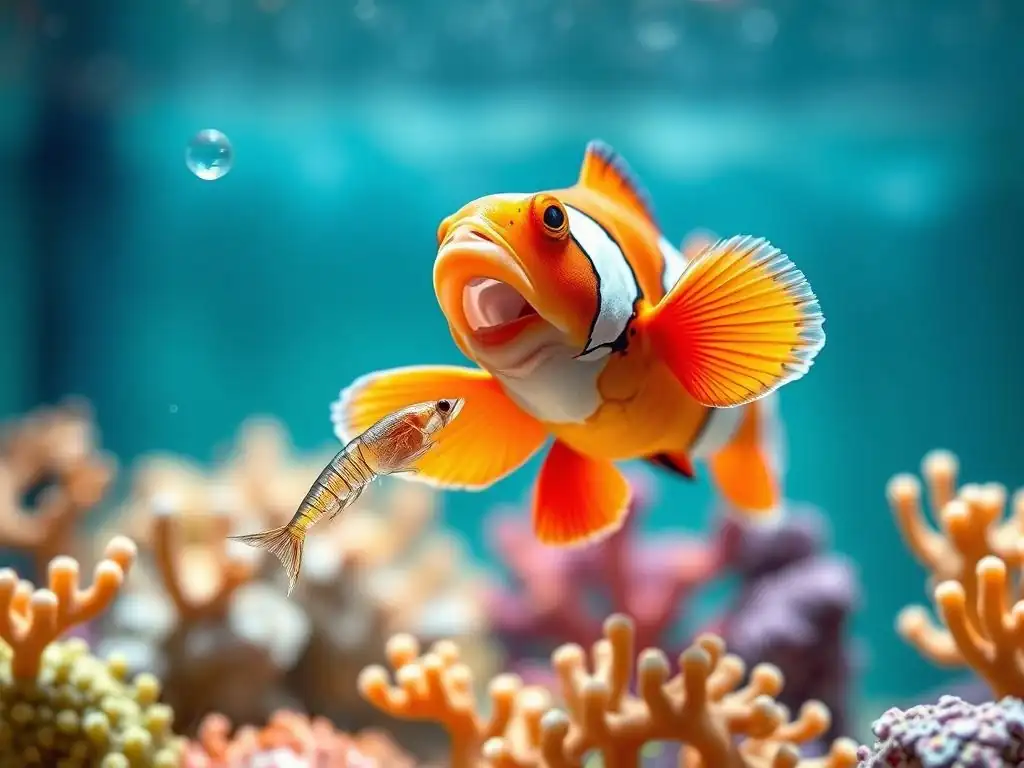
The aquascape of your lionfish aquarium plays a crucial role in enhancing the display of their hunting techniques. By arranging live rock, dry rock, or artificial reef structures, you can create a realistic environment that mimics their natural habitat. Incorporate plenty of caves, overhangs, and crevices where the lionfish can perch, hide, and ambush prey. These structures provide natural ambush points, allowing the lionfish to stalk and strike from concealment, much as they would in the wild.
In addition to hiding spots, ensure there are open areas within the aquascape that allow the lionfish ample swimming room and clear lines of sight for hunting. A thoughtful layout not only provides functional hunting grounds but also creates an aesthetically pleasing display for the observer. The strategic placement of decor can guide the lionfish's movements, making their "Lionfish hunting techniques aquarium tank" more predictable and easier to observe.
Lighting Considerations for Optimal Viewing of Predation
Proper lighting can significantly enhance the viewing experience of lionfish hunting techniques. While lionfish are not particularly demanding regarding specific light spectrums, moderate and consistent lighting is beneficial for overall tank health and visual clarity. Avoid overly bright or sudden changes in lighting, as these can stress the fish. LEDs with adjustable intensity and spectrum are ideal, allowing you to tailor the lighting to highlight the lionfish's vibrant colors and movements.
Using a combination of white and actinic (blue) lighting can create a dramatic effect, especially during early morning or late evening observations when some lionfish may be more active. The blue light can make the lionfish's stripes and fins pop, making their subtle movements during a stalk more visible. Proper lighting ensures that every detail of the "Lionfish hunting techniques aquarium tank" display is clearly visible, from the fanning of their fins to the rapid expansion of their mouth during a strike.
Maintaining a Healthy Ecosystem for Both Predator and Prey (If Applicable)
While the focus is on the lionfish as a predator, maintaining a healthy overall ecosystem within the aquarium tank is paramount, even if live prey is not intentionally introduced. A stable, balanced marine environment—characterized by consistent water parameters, robust biological filtration, and a thriving microfauna (like copepods, if present)—indirectly supports the lionfish's health and natural behaviors. A healthy ecosystem reduces stress on the lionfish, making it more likely to exhibit its full range of "Lionfish hunting techniques aquarium tank" behaviors.
If small, non-target invertebrates or microfauna naturally colonize the live rock, ensuring their environment is also thriving contributes to the overall stability and biodiversity of the tank. While these might occasionally become accidental prey, the primary goal is a balanced system. A well-maintained tank provides the ideal stage for observing the lionfish's predatory prowess in a sustainable and responsible manner.
Conclusion: The Ongoing Fascination with Lionfish Hunting in the Aquarium
The Benefits of Understanding Lionfish Predatory Behavior
Observing "Lionfish hunting techniques aquarium tank" provides aquarists with a unique and profound understanding of marine ecology and behavioral biology. It offers direct insight into the intricate adaptations that allow these beautiful yet formidable predators to thrive in their natural habitats. Witnessing their patient stalks, clever luring tactics, and explosive strikes deepens appreciation for the complexity of life in the ocean and the evolutionary pressures that shape species.
Beyond the sheer spectacle, this understanding fosters responsible husbandry. An aquarist who comprehends their lionfish's natural instincts is better equipped to provide an enriching environment, appropriate diet, and suitable tank conditions that support the fish's well-being. This knowledge empowers aquarists to become more informed caretakers and contributes to the overall health and longevity of their captive lionfish.
Further Research and Observation: Expanding Your Knowledge of Lionfish Hunting Techniques
The journey of observing "Lionfish hunting techniques aquarium tank" is an ongoing one, offering endless opportunities for further research and personal discovery. Encourage yourself to continue documenting and analyzing the nuances of your lionfish's behavior. Notice how different food types might elicit varied hunting strategies, or how environmental changes in the tank might influence their activity levels.
Engage with scientific literature, participate in online forums, and connect with experienced aquarists to expand your knowledge. Sharing your detailed observations contributes to a collective understanding of lionfish behavior in captivity. By continuously seeking to understand more about these fascinating creatures, you not only enhance your own aquarium experience but also contribute valuable insights to the broader marine biology community.
Frequently Asked Questions
How can I safely observe lionfish hunting techniques in my aquarium?
Observing lionfish hunt should be done with caution. Ensure your tank is large enough to accommodate the lionfish's hunting needs and the potential prey. Maintain a safe distance and use appropriate lighting to minimize stress on the fish.
What types of prey are best suited for observing lionfish hunting behavior in an aquarium setting?
Smaller feeder fish, such as guppies or ghost shrimp, are often used to observe hunting behaviors. Ensure these feeders are appropriately sized and sourced from a reputable supplier to minimize the risk of disease introduction.
What are the key signs that my lionfish is actively hunting in the aquarium?
Watch for behaviors like slow, deliberate movements, fanning of pectoral fins to corner prey, and sudden strikes. Color changes can also indicate excitement or readiness to hunt.
Are there ethical considerations when observing lionfish hunting techniques in an aquarium?
Yes, it's important to ensure the prey is not subjected to undue stress or prolonged suffering. Provide ample hiding places for prey and avoid overfeeding the lionfish to promote natural hunting behavior.
How can I ensure the water quality remains optimal while observing lionfish hunting in my aquarium?
Frequent water changes and a robust filtration system are crucial, as uneaten food and waste from hunting can quickly degrade water quality. Regularly test your water parameters, particularly ammonia, nitrite, and nitrate levels, and adjust your maintenance schedule accordingly.
Final Reflection: The Silent Dance of Predator and Prey
The observations detailed in this article, focused on lionfish hunting techniques within the controlled environment of an aquarium tank, hold a profound relevance today. They offer a microcosm of the intricate predator-prey dynamics that shape entire ecosystems, reminding us that even within our homes, nature's fundamental laws are constantly at play. These observations aren't just about keeping a pet; they're about witnessing evolution in action.
This captivating spectacle has undeniably influenced our understanding of marine biology and responsible aquarium keeping. The ability to observe these hunting strategies firsthand fosters a deeper appreciation for the delicate balance of nature and the responsibility we bear as custodians of these miniature ecosystems. In the end, we will conserve only what we love; we will love only what we understand; and we will understand only what we are taught.
- Baba Dioum's words resonate deeply, highlighting the power of observation and education in fostering conservation efforts.
As you reflect on the lionfish's hunting techniques, I encourage you to consider the broader implications of these observations. How can this understanding inform your own actions, both within and beyond the aquarium? Let this knowledge inspire you to become a more informed and responsible steward of our planet, recognizing the interconnectedness of all living things and the importance of preserving the delicate balance of nature, one observation, one tank, one ocean at a time.
Unleash Your Inner Reef Explorer!
Thanks for diving deep into the fascinating world of lionfish hunting! We hope you've enjoyed gaining a new appreciation for these captivating predators and their unique strategies. Now, it’s time to take that knowledge and turn it into action!
Here's how you can further explore the wonders of lionfish:
- Commit to observing your lionfish (or researching if you don’t have one) for at least 15 minutes each day this week, focusing on subtle changes in their hunting behavior. Note anything unexpected!
- Share your newfound lionfish insights! Teach a friend or family member about their hunting techniques – spark their curiosity about the underwater world.
- Consider contributing your own observations to an online aquarium forum. Your insights could help others better understand these remarkable creatures.
What's the most surprising hunting behavior you've ever witnessed in your aquarium, and how did it change your perception of aquatic life?