
Top 10 Most Peaceful ReefSafe Fish for a Tranquil Aquarium

Welcome to Aquarium Mastery!
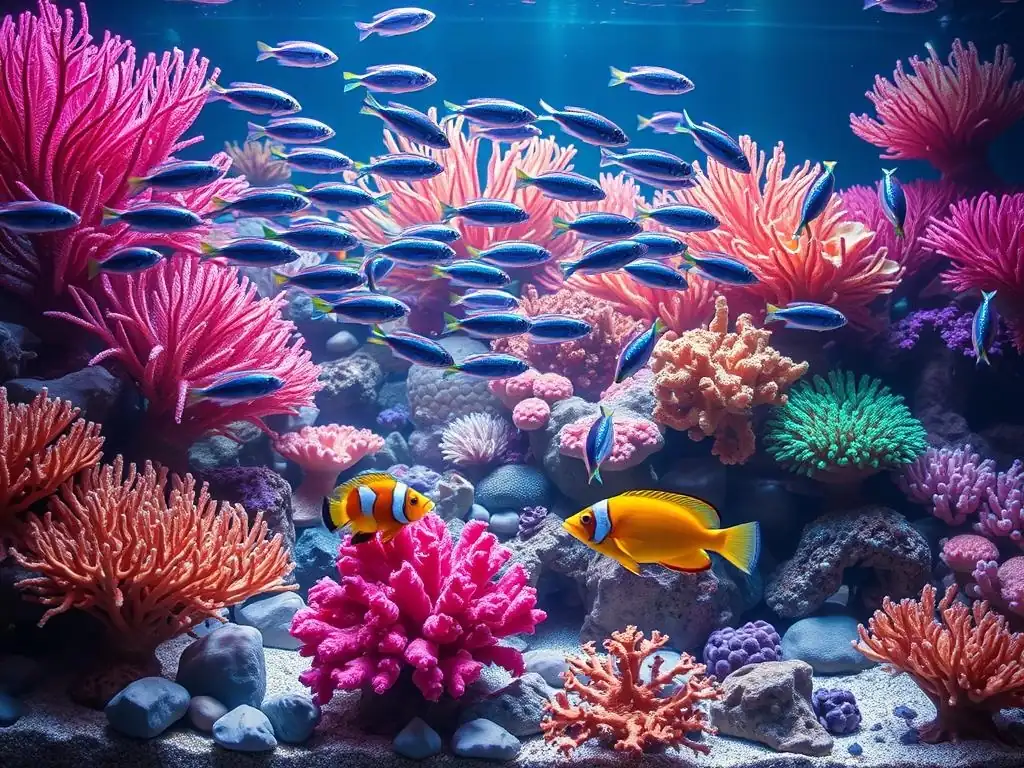
Ever dreamt of a vibrant reef teeming with life, where every inhabitant lives in harmony? Discover the secrets to creating a truly tranquil underwater paradise! Dive in to our guide and explore the top 10 most peaceful reef safe fish – the perfect starting point for building your own slice of underwater serenity. Intrigued? Let's unlock the key to a thriving, peaceful reef aquarium together!
- Introduction: Creating a Harmonious Reef Tank with Peaceful Fish
- Understanding Reef-Safe Fish and Compatibility
-
Top 10 Peaceful Reef Safe Fish for Your Aquarium
- 1. Pajama Cardinalfish ( Sphaeramia nematoptera): A Schooling Beauty
- 2. Green Chromis ( Chromis viridis): A Hardy and Docile Option
- 3. Firefish Goby ( Nemateleotris magnifica): Adding Color and Personality
- 4. Yellow Watchman Goby ( Cryptocentrus cinctus): A Beneficial Sand-Sifter
- 5. Ocellaris Clownfish ( Amphiprion ocellaris): The Classic Reef Fish
- 6. Six Line Wrasse ( Pseudocheilinus hexataenia): A Pest Controller
- 7. Royal Gramma ( Gramma loreto): A Colorful and Peaceful Addition
- 8. Tailspot Blenny ( Ecsenius stigmatura): An Algae Grazing Specialist
- 9. Hector's Goby ( Koumansetta hectori): Another Algae Eating Option
- 10. Chalk Basslet ( Serranus tortugarum): A Small and Peaceful Basslet
- Maintaining a Peaceful Reef Aquarium: Essential Tips
- Conclusion: Enjoying a Tranquil and Thriving Reef Tank
-
Frequently Asked Questions
- What does it mean for a fish to be "reef safe"?
- Why is choosing peaceful fish important for a reef tank?
- Are there any specific types of fish that are always reef safe?
- How does AquariumMastery.com help me choose the right fish for my reef tank?
- What are some signs that a "peaceful" fish is actually causing problems in my reef tank?
- Final Reflection: Cultivating Harmony Beneath the Waves
- Dive Deeper: Transform Your Aquarium into a Haven of Peace!
Introduction: Creating a Harmonious Reef Tank with Peaceful Fish
Creating a thriving reef aquarium is a rewarding endeavor, but achieving a truly harmonious environment hinges significantly on the judicious selection of its inhabitants. A tranquil reef tank, brimming with vibrant corals and invertebrates, can quickly become a stressful battleground if incompatible fish species are introduced. The key lies in understanding which fish are not only "reef-safe" – meaning they won't harm your precious corals and sessile invertebrates – but also inherently "peaceful," ensuring they coexist without aggression or undue stress.
This guide delves into the world of peaceful reef safe fish, offering detailed insights into ten exemplary species that can bring color, activity, and balance to your marine ecosystem. By prioritizing compatibility and understanding the specific needs of each species, aquarists can cultivate a breathtaking underwater world where all inhabitants flourish. Selecting the right peaceful reef safe fish is paramount for long-term success and enjoyment.
Understanding Reef-Safe Fish and Compatibility
Defining Reef-Safe: Protecting Corals and Invertebrates
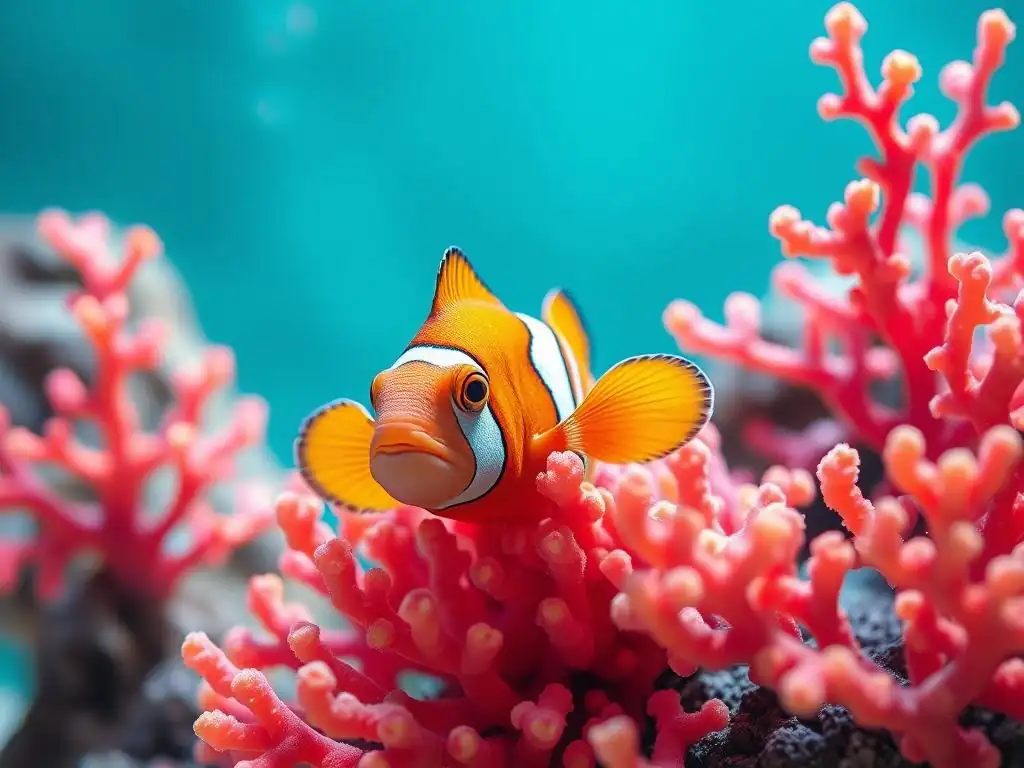
The term "reef-safe" is fundamental in marine aquariculture, specifically referring to fish species that will not consume, nip at, or otherwise damage corals (both soft and stony) or other sessile invertebrates such as anemones, clams, and shrimp. Many popular marine fish, while beautiful, are naturally carnivorous or omnivorous in ways that make them unsuitable for a mixed reef environment. For instance, certain angelfish species like the Emperor Angelfish ( Pomacanthus imperator) are known coral nippers, and large triggerfish such as the Clown Triggerfish ( Balistoides conspicillum) can easily decimate an invertebrate population.
Understanding this distinction is crucial before introducing any new inhabitant to your reef tank. A fish might be labeled "reef-safe with caution" if it only nips at certain coral types or exhibits this behavior inconsistently. For a truly peaceful reef safe fish community, absolute reef-safety is preferred, ensuring that your valuable coral collection remains pristine and your cleanup crew is unthreatened. Thorough research into the dietary habits and natural behaviors of potential fish is the first step towards a successful reef setup.
Identifying Peaceful Fish Species: Avoiding Aggression in the Aquarium
Beyond being reef-safe, the "peaceful" aspect refers to a fish's temperament towards other tank inhabitants, including other fish. Aggression in an aquarium can manifest in various forms: fin-nipping, chasing, territorial disputes, food competition, and even direct physical harm leading to injury or death. Species known for their calm demeanor, schooling tendencies, or shy nature are generally considered peaceful. Conversely, highly territorial fish, those that grow very large, or species known for their predatory instincts are typically not suitable for a community tank focused on tranquility.
Recognizing the signs of aggression and understanding the social dynamics of various species is vital for maintaining a stress-free environment for your peaceful reef safe fish. For example, some dottybacks can be extremely territorial, while many gobies are more docile and prefer to stick to their own designated areas. Introducing fish in a specific order (less aggressive first, more aggressive last) and providing ample space and hiding spots can mitigate some aggression, but selecting inherently peaceful species is the most effective preventative measure.
Key Considerations for Selecting Peaceful Reef Tank Inhabitants
When planning to stock your reef aquarium with peaceful reef safe fish, several factors beyond just species compatibility must be carefully considered to ensure long-term success and harmony. Firstly, tank size is paramount; even a peaceful fish needs adequate space to thrive without feeling overcrowded, which can lead to stress and unexpected aggression. For instance, while a single Ocellaris Clownfish might be content in a 20-gallon tank, a school of Green Chromis would require at least 30 gallons to display natural schooling behaviors without conflict.
Secondly, understanding the adult size of a fish is critical, as a small juvenile might appear peaceful but become problematic as it matures. Water parameters such as temperature (typically 72-78°F), salinity (1.023-1.026 specific gravity), and pH (8.1-8.4) must be stable and suitable for all chosen species.
Finally, the existing inhabitants of your tank play a significant role; introducing a new, shy peaceful reef safe fish into a tank with established, slightly more assertive fish can lead to bullying, even if the new fish is inherently peaceful. Planning your stocking list comprehensively and researching each fish's specific needs and social dynamics will lead to a more successful and tranquil reef environment.
Top 10 Peaceful Reef Safe Fish for Your Aquarium
1. Pajama Cardinalfish ( Sphaeramia nematoptera): A Schooling Beauty
The Pajama Cardinalfish, with its distinctive pattern of a large dark band, red eyes, and polka-dotted tail, is a truly unique and peaceful reef safe fish. Originating from the Indo-Pacific, these fish typically grow to about 3 inches (7.5 cm) and are known for their calm, slow-moving nature. They are primarily nocturnal, often seen hovering in groups during the day, which adds a fascinating dynamic to the reef tank. Their non-aggressive temperament makes them an excellent choice for community aquariums, as they generally ignore corals and other invertebrates.
These cardinalfish are one of the most docile peaceful reef safe fish available, making them ideal for beginners and experienced aquarists alike. While they appreciate the company of their own kind, forming loose schools, they can also be kept individually or in pairs. Their striking appearance, combined with their placid behavior, allows them to stand out without causing any disruption to the delicate reef ecosystem.
Pajama Cardinalfish Care Requirements
Pajama Cardinalfish are relatively hardy and adaptable, making their care straightforward for most aquarists. They thrive in established reef tanks with stable water parameters: a temperature range of 72-78°F (22-25.5°C), a specific gravity of 1.020-1.025, and a pH between 8.1 and 8.4. A minimum tank size of 30 gallons (113 liters) is recommended for a small group, providing enough space for them to school comfortably. They prefer subdued lighting and plenty of rockwork with caves and overhangs where they can retreat during the day or when feeling threatened.
Their diet should consist of a variety of meaty foods, as they are carnivores. High-quality frozen foods such as mysis shrimp, brine shrimp, and finely chopped seafood should be offered once or twice daily. They are generally not picky eaters, but ensuring a varied diet will contribute to their long-term health and vibrant coloration. Given their nocturnal tendencies, feeding them shortly after the main lights dim can encourage them to eat more readily.
Benefits of Keeping Pajama Cardinalfish in a Reef Tank
The primary benefit of integrating Pajama Cardinalfish into a reef tank is their exemplary peaceful nature, ensuring they pose no threat to corals, anemones, or any other invertebrates. This makes them a truly reliable peaceful reef safe fish option for sensitive reef environments. Their tendency to school, even loosely, adds a captivating visual element to the aquarium, creating a sense of movement and depth as they hover gracefully in the water column.
Furthermore, their unique appearance and relatively small size make them suitable for a wide range of tank sizes, from nano reefs to larger systems. They are also quite hardy, tolerating minor fluctuations in water parameters better than some more delicate species, which contributes to their appeal for novice reef keepers. Their calm demeanor helps to reduce overall stress levels within the tank, promoting a healthier environment for all inhabitants.
2. Green Chromis ( Chromis viridis): A Hardy and Docile Option
The Green Chromis is a quintessential peaceful reef safe fish, celebrated for its vibrant emerald green to sky-blue coloration and graceful schooling behavior. Native to the Indo-Pacific, these small damselfish typically reach an adult size of about 4 inches (10 cm). Unlike many of their damselfish relatives, Green Chromis are remarkably docile and rarely display aggression, making them ideal inhabitants for a community reef tank. Their constant, fluid movement adds a dynamic energy to the aquarium, resembling a living cloud of color.
These hardy fish are often recommended for beginner marine aquarists due to their resilience and ease of care. They are active swimmers and prefer to be kept in groups of three or more, which enhances their natural schooling instinct and reduces individual stress. A well-established group of Green Chromis can create a stunning visual spectacle, darting amongst the rockwork and corals without disturbing them.
Green Chromis Schooling Behavior and Tank Mates
Green Chromis are renowned for their strong schooling behavior, which is best observed and maintained in groups of at least five to seven individuals, though smaller groups of three can also work in tanks around 30 gallons. This schooling tendency not only provides a sense of security for the fish but also creates a captivating display within the reef aquarium.
When kept in insufficient numbers, or if introduced to an overly aggressive tank, individual Chromis may become stressed or bullied. They generally coexist well with a wide variety of other peaceful reef safe fish, including gobies, cardinalfish, and clownfish, making them excellent community tank inhabitants.
Care should be taken when adding them to tanks with much larger or overtly aggressive species, as their peaceful nature can make them targets. However, within a community of similarly tempered fish, they are unlikely to instigate conflicts. They are also completely reef-safe, showing no interest in corals or invertebrates, which is a significant advantage for a mixed reef system.
Maintaining Optimal Conditions for Green Chromis
Maintaining Green Chromis requires stable and clean water parameters typical of a reef aquarium: a temperature range of 72-78°F (22-25.5°C), a specific gravity of 1.020-1.025, and a pH of 8.1-8.4. While a single Chromis can theoretically live in a 20-gallon tank, a minimum of 30 gallons (113 liters) is recommended for a small school, with larger tanks (50+ gallons) being ideal for larger groups to ensure ample swimming space and reduce potential territorial squabbles among themselves. They appreciate moderate water flow and plenty of open swimming areas, interspersed with live rock for occasional retreats.
Their diet is omnivorous, consisting of small meaty foods and some vegetable matter. High-quality flake food, pellets, frozen mysis shrimp, brine shrimp, and finely chopped spirulina or nori should be provided two to three times daily. Their hardiness and active metabolism mean they appreciate consistent, small feedings.
3. Firefish Goby ( Nemateleotris magnifica): Adding Color and Personality
The Firefish Goby, also known as the Magnificent Firefish, is a slender, vividly colored fish that brings a striking visual appeal and engaging personality to any reef tank. Sporting a white head, a yellow body, and brilliant red and orange fins, this peaceful reef safe fish is a true gem.
Native to the Indo-Pacific, they typically grow to about 3 inches (7.5 cm) and are characterized by their elongated dorsal fin and darting movements. Firefish are known for their shy and skittish nature, often hovering in the water column but quickly retreating to a bolt hole in the rockwork when startled.
These gobies are a fantastic choice for aquarists looking for a fish that is absolutely reef-safe and compatible with almost all other peaceful species. Their unique hovering behavior, combined with their vibrant colors, makes them a captivating addition. While they are generally found singly or in pairs, a small group can sometimes be kept in larger tanks with plenty of hiding spots, though aggression between conspecifics can occur.
Firefish Goby Compatibility with Other Reef Fish
Firefish Gobies are among the most peaceful reef safe fish available, making them excellent candidates for a diverse community tank. They are non-aggressive towards other fish species, invertebrates, and corals, focusing primarily on their own safety and finding food. Their shy nature means they thrive best with similarly peaceful tank mates that won't bully or outcompete them for food. Ideal companions include other small gobies, cardinalfish, clownfish, and blennies.
It is crucial to avoid housing Firefish with aggressive or boisterous species such as larger damselfish, aggressive wrasses, or triggerfish, as their skittishness can lead to constant stress, refusal to eat, and ultimately, poor health. While they can sometimes be kept in pairs if acquired together as juveniles, introducing two adults may result in territorial disputes. A secure lid is absolutely essential for any tank housing Firefish, as they are notorious jumpers, especially when startled.
Creating a Suitable Habitat for Firefish Gobies
A minimum tank size of 10 gallons (38 liters) is suitable for a single Firefish Goby, though a 20-gallon (75 liters) tank is more ideal to provide ample swimming space and stability. They require plenty of live rock arranged to create numerous caves and crevices, providing them with essential hiding spots and bolt holes. A sand bed is also beneficial, as they occasionally sift through it. Water parameters should be stable: 72-78°F (22-25.5°C) temperature, 1.020-1.025 specific gravity, and pH 8.1-8.4.
Their diet consists primarily of zooplankton and small invertebrates in the wild. In the aquarium, they readily accept a varied diet of small meaty frozen foods like mysis shrimp, enriched brine shrimp, and cyclop-eeze, as well as high-quality marine flakes or pellets. Feeding small amounts two to three times a day is recommended to ensure they receive adequate nutrition, especially given their somewhat shy feeding habits.
4. Yellow Watchman Goby ( Cryptocentrus cinctus): A Beneficial Sand-Sifter
The Yellow Watchman Goby, also known as the Yellow Prawn Goby, is a fascinating and highly beneficial peaceful reef safe fish. With its striking bright yellow coloration dotted with iridescent blue spots and prominent eyes, it adds a unique character to any reef tank. These gobies typically grow to about 4 inches (10 cm) and are bottom-dwellers, known for their diligent sand-sifting activities. Their calm demeanor and interesting behaviors make them a popular choice for reef aquarists.
What truly sets the Yellow Watchman Goby apart is its remarkable symbiotic relationship with pistol shrimp ( Alpheus species). This natural partnership, where the goby acts as a lookout while the shrimp maintains their shared burrow, is a captivating display of interspecies cooperation that adds an incredible dynamic to the aquarium. Even without a pistol shrimp, the Yellow Watchman Goby remains a valuable and peaceful inhabitant.
Yellow Watchman Goby and Pistol Shrimp Symbiosis
The symbiotic relationship between the Yellow Watchman Goby and a pistol shrimp (e.g., Alpheus bellulus or Alpheus randalli) is one of the most compelling natural partnerships observable in a home aquarium. The pistol shrimp, being nearly blind, excavates and maintains a complex burrow system, providing a secure home for both itself and the goby. In return, the goby, with its superior eyesight, acts as a vigilant sentinel, perching at the entrance of the burrow and watching for predators.
If a threat is detected, the goby flicks its tail to signal the shrimp, and both retreat rapidly into the safety of the burrow. This fascinating interaction makes the Yellow Watchman Goby an even more desirable peaceful reef safe fish, as it introduces a dynamic ecological process into the tank. To facilitate this bond, it's best to introduce the goby and shrimp simultaneously or the shrimp first, ensuring they have sufficient sand depth (at least 2-3 inches) to build their shared home.
Ensuring a Healthy Diet for Yellow Watchman Gobies
Yellow Watchman Gobies are primarily carnivorous, feeding on small invertebrates and detritus found within the sand bed in their natural habitat. In the aquarium, a varied diet is crucial for their long-term health. They readily accept a range of meaty frozen foods such as mysis shrimp, brine shrimp, and finely chopped seafood. Pellets and flakes formulated for marine carnivores can also be offered. Due to their bottom-dwelling nature and tendency to sift sand, food should be allowed to sink to the substrate where they can easily access it.
Feeding should occur once or twice daily. If kept with a pistol shrimp, ensure enough food reaches the burrow entrance for both partners. While they do sift sand, their primary diet should not rely solely on detritus, as this may not provide sufficient nutrition. A well-fed Yellow Watchman Goby will exhibit vibrant colors and active sand-sifting behavior, contributing to a clean substrate.
5. Ocellaris Clownfish ( Amphiprion ocellaris): The Classic Reef Fish
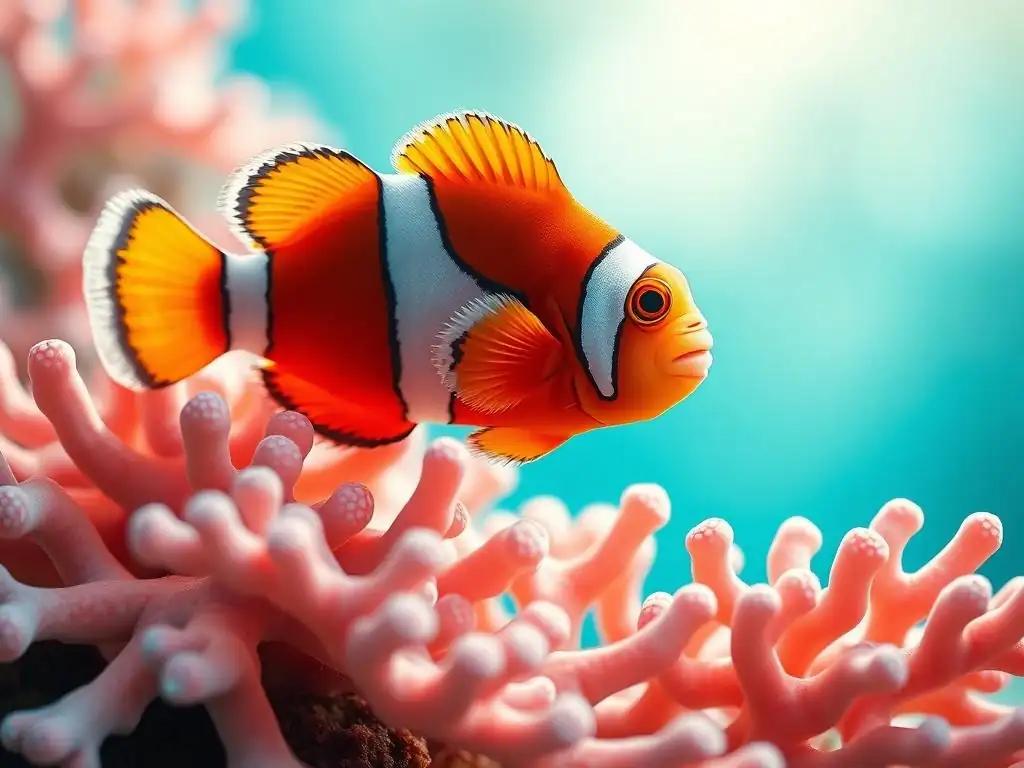
The Ocellaris Clownfish, famously depicted in popular media, is perhaps the most iconic and widely recognized peaceful reef safe fish in the aquarium hobby. With its vibrant orange body and three distinctive white bands outlined in black, it's a visually stunning addition. Growing up to 3 inches (7.5 cm), these clownfish are known for their hardy nature, engaging personalities, and relatively peaceful temperament. They are almost universally captive-bred, making them exceptionally robust and adaptable to aquarium life, reducing pressure on wild populations.
Ocellaris Clownfish are typically kept singly or in pairs, with the larger, more dominant individual transitioning into the female role. While they can be territorial towards other clownfish species or individuals, they are generally very peaceful towards other types of reef fish and completely safe with all corals and invertebrates. Their playful antics and curious nature make them a joy to observe.
Ocellaris Clownfish and Anemone Relationships
The symbiotic relationship between Ocellaris Clownfish and certain host anemones (most commonly Heteractis magnifica, Stichodactyla gigantea, Entacmaea quadricolor, and Macrodactyla doreensis) is one of nature's most captivating phenomena. In the wild, the clownfish gains protection from predators by living amongst the anemone's stinging tentacles, to which it is immune. The clownfish, in turn, may help clean the anemone and deter its predators. While fascinating, it's important to note that a host anemone is not a requirement for the health or happiness of an Ocellaris Clownfish in an aquarium; many thrive without one.
If you choose to host an anemone, be aware that anemones have very specific and often demanding care requirements, including intense lighting and pristine water quality. They also move around the tank and can sting corals. Clownfish may also host in certain corals, such as torch corals ( Euphyllia glabrescens) or bubble corals ( Plerogyra sinuosa), which provides a similar visual appeal without the challenges of an anemone.
Breeding Ocellaris Clownfish in Captivity
Ocellaris Clownfish are one of the most successfully bred marine fish in captivity, making them an excellent choice for aquarists interested in aquaculture. Breeding typically occurs in pairs, with the larger fish becoming the female and the smaller, more submissive one becoming the male. They are egg-layers, depositing clutches of orange eggs on a flat surface near their host (if present) or a chosen rock. The male diligently guards and fans the eggs until they hatch, usually within 7-10 days.
Raising clownfish fry is a challenging but rewarding endeavor, requiring specialized care including planktonic foods like rotifers and newly hatched brine shrimp. Success in breeding Ocellaris Clownfish significantly reduces the demand for wild-caught specimens, contributing to the sustainability of the hobby. Their relatively easy breeding habits further solidify their status as a versatile and enduringly popular peaceful reef safe fish.
6. Six Line Wrasse ( Pseudocheilinus hexataenia): A Pest Controller
The Six Line Wrasse is a small, active, and strikingly colored peaceful reef safe fish that serves a dual purpose in the reef aquarium: aesthetic appeal and pest control. Originating from the Indo-Pacific, this wrasse is named for the six distinct horizontal lines running along its body, set against a vibrant purple to orange background. They typically reach an adult size of about 3 inches (7.5 cm) and are known for their constant foraging amongst live rock. Their inquisitive nature and bold coloration make them a captivating addition to any tank.
While generally peaceful with most tank mates, the Six Line Wrasse can exhibit territorial behavior towards smaller, similarly shaped fish or other wrasses, especially in smaller tanks. However, their beneficial role in consuming common reef pests often outweighs this minor consideration for many aquarists. They are incredibly active and provide continuous movement and interest.
Six Line Wrasse and Reef Tank Parasites
One of the most significant benefits of the Six Line Wrasse is its natural inclination to prey on various common reef tank parasites and pests, making it an invaluable peaceful reef safe fish for maintaining a healthy coral environment. They are particularly effective at controlling populations of pyramid snails ( Pyramidellidae), which are notorious pests that feed on tridacnid clams, and various species of flatworms, including the problematic red planaria ( Convolutriloba retrogemma). Their keen eyesight and constant searching behavior allow them to actively seek out and consume these unwanted organisms.
While they are not a guaranteed cure for severe infestations, a Six Line Wrasse can act as an excellent preventative measure and aid in managing minor outbreaks, often reducing the need for chemical treatments. Their predatory nature towards these small invertebrates makes them a highly sought-after cleaner for the reef ecosystem, contributing to the overall well-being of corals and clams.
Six Line Wrasse Temperament and Tank Size
The temperament of a Six Line Wrasse can vary slightly depending on the individual and tank conditions. While generally considered a peaceful reef safe fish towards most larger, dissimilar species, they can become territorial, particularly if housed with other small, slender fish or other wrasses in tanks smaller than 30 gallons (113 liters). A minimum tank size of 30 gallons is recommended for a single Six Line Wrasse, providing enough territory and rockwork to prevent excessive aggression.
They require plenty of live rock with numerous crevices and hiding spots, as they are active foragers and will dart in and out of the rockwork throughout the day. Like many wrasses, they will burrow into the sand at night or when startled, so a sand bed of at least 2-3 inches (5-7.5 cm) is advisable. Their diet consists of small invertebrates, and they readily accept meaty frozen foods like mysis shrimp and brine shrimp, as well as high-quality pellets.
7. Royal Gramma ( Gramma loreto): A Colorful and Peaceful Addition
The Royal Gramma is an exquisitely colored and peaceful reef safe fish that hails from the Western Atlantic, including the Caribbean. Its striking coloration, featuring a vibrant purple front half transitioning sharply to a brilliant yellow rear half, makes it an instant showstopper in any reef aquarium. Growing to about 3 inches (7.5 cm), these basslets are known for their shy yet confident demeanor, often found hovering upside down under rock ledges or in caves. Their unique swimming style and stunning hues make them a favorite among aquarists.
Royal Grammas are generally very peaceful towards other fish species, as long as they are not overly aggressive or similar in appearance. They are completely reef-safe, showing no interest in corals or invertebrates. Their preference for caves and rockwork means they will spend much of their time exploring the nooks and crannies of your aquascape, adding an element of discovery to your tank.
Royal Gramma Care and Tank Parameters
Royal Grammas are relatively hardy and straightforward to care for, making them suitable for beginner reef aquarists. They thrive in stable reef tank conditions: a temperature range of 72-78°F (22-25.5°C), a specific gravity of 1.020-1.025, and a pH between 8.1 and 8.4. A minimum tank size of 20 gallons (75 liters) is recommended for a single Royal Gramma, providing enough space for a territory and adequate rockwork.
Their diet should be varied and consist of high-quality meaty foods. They readily accept frozen mysis shrimp, brine shrimp, cyclop-eeze, and finely chopped seafood. Pellets and flakes designed for marine carnivores can also be offered. Feeding once or twice daily is generally sufficient. Ensure that food reaches their hiding spots, as they can be a bit shy during feeding time, especially when first introduced.
Creating Rockwork for Royal Gramma to Thrive
Providing ample and appropriately structured live rock is crucial for the well-being of a Royal Gramma. As natural cave dwellers, these peaceful reef safe fish require numerous crevices, overhangs, and small caves where they can establish a territory, retreat when startled, and feel secure. Aim for an aquascape that offers multiple hiding spots and pathways through the rockwork, allowing the Royal Gramma to explore and claim a preferred spot.
While they are generally peaceful, having distinct territories helps prevent any potential squabbles if other bottom-dwelling or shy fish are present. The presence of suitable rockwork will also encourage their natural behavior of hovering upside down, showcasing their unique swimming style. A well-designed aquascape enhances their sense of security, leading to a more vibrant and confident fish.
8. Tailspot Blenny ( Ecsenius stigmatura): An Algae Grazing Specialist
The Tailspot Blenny is a small, charming, and highly beneficial peaceful reef safe fish, prized for its excellent algae-grazing habits and quirky personality. Reaching only about 2.5 inches (6 cm), this blenny is distinguished by its light brown body, often with faint vertical stripes, and a prominent black spot on the upper part of its caudal fin. Native to the Indo-Pacific, they are known for perching on rocks and corals, observing their surroundings with curious eyes. Their constant nibbling on nuisance algae makes them a welcome addition to any reef tank.
Tailspot Blennies are exceptionally peaceful and completely reef-safe, making them ideal inhabitants for nano tanks and larger community setups alike. They spend their days meticulously grazing on various types of microalgae, contributing to the cleanliness of the aquarium. Their endearing personality and unique perching behavior provide endless entertainment for aquarists.
Tailspot Blenny Diet and Algae Control
The Tailspot Blenny is primarily an herbivore, specializing in grazing on various types of microalgae that grow on live rock and tank surfaces. This natural feeding behavior makes them an excellent biological control agent for nuisance algae, contributing to a cleaner and healthier reef aquarium. They will actively pick at film algae, diatoms, and some forms of hair algae, though they are not a solution for severe macroalgae outbreaks.
While their primary diet is algae, it is important to supplement their feeding with high-quality marine flakes or pellets that contain spirulina or other vegetable matter. They will also accept small amounts of frozen foods like spirulina-enriched brine shrimp or mysis shrimp. Ensuring a consistent supply of algae, either naturally occurring or through supplemented nori sheets clipped to the glass, is crucial for their long-term health and vibrant coloration.
Tailspot Blenny Compatibility with Other Fish and Invertebrates
The Tailspot Blenny is one of the most peaceful reef safe fish available, making it highly compatible with a vast array of other marine species and all types of invertebrates. They exhibit no aggression towards corals, anemones, shrimp, crabs, or snails, allowing them to coexist harmoniously in a diverse reef community. Their small size and non-territorial nature mean they rarely instigate conflicts with other fish.
They thrive best with similarly peaceful tank mates such as gobies, cardinalfish, clownfish, and other small, non-aggressive species. Care should be taken to avoid housing them with much larger or overtly aggressive fish that might view them as prey or outcompete them for food. Their gentle demeanor makes them an ideal choice for peaceful mixed reef aquariums, where they can contribute to algae control without causing any disruption.
9. Hector's Goby ( Koumansetta hectori): Another Algae Eating Option
Hector's Goby is a small, attractive, and highly beneficial peaceful reef safe fish known for its distinctive horizontal stripes and diligent algae-grazing habits. Originating from the Indo-Pacific, this goby typically grows to about 2.5 inches (6 cm) and features a light body adorned with prominent blue and orange stripes. Unlike some bottom-dwelling gobies, Hector's Goby is an active swimmer, often seen darting around the rockwork and sand bed, meticulously picking at microalgae.
Their active foraging and algae-eating tendencies make them an excellent choice for maintaining a clean reef environment. Hector's Gobies are completely reef-safe and exhibit a peaceful temperament, making them suitable for most community aquariums. Their unique pattern and constant activity add visual interest without imposing on other tank inhabitants.
Hector's Goby Care and Feeding Habits
Hector's Goby requires stable reef tank parameters: a temperature of 72-78°F (22-25.5°C), specific gravity of 1.020-1.025, and pH of 8.1-8.4. A minimum tank size of 10 gallons (38 liters) is suitable for a single individual, though a 20-gallon (75 liters) tank or larger is recommended for better stability and to allow for more natural foraging. They appreciate plenty of live rock with crevices and hiding spots, as well as an established sand bed for occasional sifting.
Their diet is primarily herbivorous, consisting of various types of microalgae found on rocks and substrate. In the aquarium, their diet should be supplemented with high-quality spirulina flakes, marine pellets containing vegetable matter, and occasional offerings of frozen foods like spirulina-enriched brine shrimp or mysis shrimp. Ensuring a consistent food supply is important, especially in tanks with limited natural algae growth.
Hector's Goby Tank Requirements
For a Hector's Goby to thrive as a peaceful reef safe fish, a well-established reef aquarium with mature live rock is essential. The live rock provides ample surface area for algae growth, which forms a significant portion of their natural diet, and also offers numerous crevices for exploration and refuge. While they are active swimmers, they also appreciate the security of a safe retreat. A sand bed of at least 1-2 inches (2.5-5 cm) is beneficial, though they are not as reliant on it for burrowing as some other goby species.
Moderate water flow is preferred, allowing for good oxygenation and nutrient distribution without being overly turbulent. A secure lid is recommended, as some gobies can be prone to jumping, especially when startled. When kept in appropriate conditions with suitable tank mates, Hector's Goby will actively graze and exhibit its full range of natural behaviors, contributing to a vibrant and clean reef environment.
10. Chalk Basslet ( Serranus tortugarum): A Small and Peaceful Basslet
The Chalk Basslet is a small, hardy, and attractive fish that brings a splash of color and personality to the reef aquarium. Native to the Western Atlantic, this basslet features a striking pattern of alternating white and dark brown or black horizontal stripes, often with iridescent blue or purple highlights, particularly on its fins. Growing to a maximum size of about 3 inches (7.5 cm), the Chalk Basslet is known for its active swimming and inquisitive nature.
Unlike some of its larger, more aggressive basslet relatives, the Chalk Basslet is generally very peaceful towards other fish species, making it an excellent choice for a community reef tank. They are completely reef-safe, showing no interest in corals or invertebrates. Their hardiness and vibrant appearance make them a reliable and visually appealing peaceful reef safe fish for aquarists of all experience levels.
Chalk Basslet Care and Tank Mates
Chalk Basslets are relatively easy to care for and adaptable to a range of tank conditions, making them a robust peaceful reef safe fish. They thrive in standard reef tank parameters: a temperature range of 72-78°F (22-25.5°C), a specific gravity of 1.020-1.025, and a pH between 8.1 and 8.4. A minimum tank size of 20 gallons (75 liters) is suitable for a single Chalk Basslet, providing ample swimming space and areas to explore.
They are generally peaceful with a wide variety of tank mates, including other small, non-aggressive fish like gobies, cardinalfish, and clownfish. While they can be kept individually, they can also be housed in small groups if introduced simultaneously into a larger tank (50+ gallons) with plenty of rockwork to establish territories. However, introducing multiple Chalk Basslets to a smaller tank or adding them one by one can lead to aggression among conspecifics.
Chalk Basslet Diet and Feeding Recommendations
Chalk Basslets are carnivorous and are not particularly picky eaters, making their feeding relatively straightforward. In the wild, they primarily feed on small crustaceans and invertebrates. In the aquarium, they readily accept a varied diet of high-quality meaty frozen foods such as mysis shrimp, brine shrimp, cyclop-eeze, and finely chopped seafood. They will also typically accept high-quality marine flakes and pellets.
Feeding should occur once or twice daily, ensuring that all tank inhabitants receive adequate nutrition. Their active nature means they have a good appetite. Providing a diverse diet will help maintain their vibrant coloration and overall health. Their eagerness to feed makes them a responsive and engaging addition to the reef aquarium.
Maintaining a Peaceful Reef Aquarium: Essential Tips
Proper Acclimation Techniques for New Fish
Proper acclimation is a critical step in introducing any new fish, especially peaceful reef safe fish, to your aquarium, minimizing stress and preventing potential health issues. The drip acclimation method is highly recommended for marine fish due to its gentle approach to gradually equalize water parameters like temperature, pH, and salinity. This involves slowly dripping water from the display tank into a separate container holding the new fish over a period of 45-60 minutes, ensuring a gradual transition.
Beyond physical acclimation, a quarantine tank (QT) is an invaluable tool for maintaining a peaceful and healthy reef. Housing new fish in a QT for 2-4 weeks allows for observation, treatment of any potential diseases, and ensuring they are eating well before introducing them to the main display. This proactive measure prevents the introduction of pathogens that could devastate your established community of peaceful reef safe fish and corals.
Regular Water Changes and Monitoring Water Quality
Consistent water quality is the bedrock of a healthy and peaceful reef aquarium. Regular water changes are essential for replenishing vital trace elements, reducing accumulated nitrates, and maintaining stable parameters. A general guideline is to perform a 10-20% water change every two to four weeks, depending on tank bioload and nutrient levels. Using high-quality salt mix and RO/DI water is crucial for consistency.
Equally important is the diligent monitoring of key water parameters using reliable test kits. Regularly testing for ammonia (0 ppm), nitrite (0 ppm), nitrate (below 20 ppm, ideally much lower for a reef), alkalinity (8-12 dKH), calcium (400-450 ppm), and magnesium (1250-1350 ppm) ensures the environment remains optimal for your corals and peaceful reef safe fish. Stable parameters significantly reduce stress on inhabitants, promoting their health and preventing aggression often triggered by poor water conditions.
Avoiding Overcrowding to Minimize Aggression
Overcrowding is a common pitfall in aquarium keeping that can quickly turn a peaceful reef tank into a stressful environment, even for inherently peaceful reef safe fish. When too many fish are housed in a confined space, it leads to increased competition for food, territory, and hiding places, resulting in heightened stress levels and aggressive behaviors. A general rule of thumb suggests approximately one inch of adult fish per five gallons of water for smaller species, but this can vary significantly based on species temperament, adult size, and activity level.
It is vital to research the adult size and territorial needs of each fish before purchase, rather than relying on its juvenile appearance. Planning your stocking list carefully, considering the total bioload and the social dynamics of the chosen species, will prevent overcrowding. Providing ample space for each fish to establish its own territory and retreat when needed is key to fostering a truly harmonious and peaceful reef safe fish community.
Providing Adequate Hiding Places and Territory
The provision of adequate hiding places and clearly defined territories is fundamental for the well-being and peaceful coexistence of all inhabitants in a reef aquarium, especially for peaceful reef safe fish. Live rock, arranged to create numerous caves, crevices, and overhangs, serves as natural shelter and allows fish to establish their own "home base." This reduces stress by providing a sense of security, allowing shy species to retreat when startled or to rest undisturbed.
Strategically placed rockwork also helps break up sight lines, preventing dominant fish from constantly seeing and harassing subordinate ones. For species like gobies or basslets that appreciate a specific cave or perching spot, having multiple options ensures that every fish can find its niche without constant competition. A well-designed aquascape with diverse hiding spots promotes natural behaviors, reduces territorial disputes, and contributes significantly to a tranquil and thriving reef environment.
Conclusion: Enjoying a Tranquil and Thriving Reef Tank
Cultivating a tranquil and thriving reef aquarium is an immensely rewarding aspect of the marine hobby, and the cornerstone of this success lies in the thoughtful selection of its finned inhabitants. By prioritizing peaceful reef safe fish, aquarists can create a vibrant underwater ecosystem where corals flourish, invertebrates thrive, and fish coexist harmoniously. The ten species highlighted in this guide represent excellent choices for their compatibility, beauty, and contribution to a balanced environment.
Remember that diligent research, proper acclimation, consistent water quality management, and thoughtful aquascaping are all integral components of maintaining a peaceful reef safe fish community. With careful planning and dedication, your reef tank will not only be a breathtaking display of marine life but also a serene sanctuary, offering endless enjoyment and a window into the wonders of the ocean.
Frequently Asked Questions
What does it mean for a fish to be "reef safe"?
Being "reef safe" means a fish is unlikely to damage corals or invertebrates found in a reef aquarium. These fish generally don't nip at corals or consume beneficial inverts. They also don't disturb the substrate excessively.
Why is choosing peaceful fish important for a reef tank?
Peaceful fish are crucial for a healthy reef environment because they minimize stress on other inhabitants. Aggression can lead to weakened immune systems and increased susceptibility to disease in corals and other fish. A harmonious environment promotes growth and vibrant colors.
Are there any specific types of fish that are always reef safe?
While there are many generally reef-safe species, no fish is guaranteed to be. Individual temperaments can vary, and even normally peaceful fish might develop problematic behaviors. Careful observation and responsible stocking practices are key.
How does AquariumMastery.com help me choose the right fish for my reef tank?
AquariumMastery.com offers detailed species profiles and compatibility guides to help you make informed decisions. We provide information on fish temperaments, dietary needs, and tank requirements to ensure a successful and peaceful reef aquarium.
What are some signs that a "peaceful" fish is actually causing problems in my reef tank?
Signs of aggression include nipped fins, stressed coral that is not opening up or has lost its color, and fish hiding excessively. It can also be visible chasing behavior or other fish keeping their distance.
Final Reflection: Cultivating Harmony Beneath the Waves
The delicate balance of a reef aquarium mirrors the fragility of our own ecosystems, and choosing the right inhabitants is paramount to its success. Understanding the temperament and compatibility of reef-safe fish is not just about aesthetics; it's about fostering a thriving, stress-free environment. In a world increasingly disconnected from nature, the mindful creation of a peaceful underwater sanctuary becomes a powerful act of conservation and appreciation.
The pursuit of a tranquil reef aquarium reflects a deeper desire for harmony and balance in our lives. This connection between the microcosm of a tank and the macrocosm of the ocean reminds us of our responsibility as stewards of the planet. In the end, we will conserve only what we love; we will love only what we understand; and we will understand only what we are taught.
- Baba Dioum. This quote encapsulates the importance of education and mindful choices in preserving the beauty and biodiversity of our reefs, starting with the choices we make for our own aquariums.
Now, consider the lessons learned about creating a peaceful reef environment. How can you apply these principles of thoughtful selection and harmonious coexistence to other areas of your life? Let the tranquility of the reef inspire you to cultivate patience, understanding, and respect in your interactions with the world around you, fostering a more peaceful and balanced existence for yourself and for generations to come.
Dive Deeper: Transform Your Aquarium into a Haven of Peace!
Thanks for exploring the secrets to a truly tranquil reef aquarium! We hope you've discovered some fin-tastic additions to your underwater world. Ready to take the next step?
Here are a few ways to make your dream aquarium a reality:
- Carefully consider introducing one of the peaceful species mentioned to experience the serenity firsthand.
- Explore our other articles to discover optimal tank parameters to ensure a happy and healthy environment for your fish and corals.
- Share this article with fellow reef enthusiasts and help them create their slice of underwater bliss!
What specific peaceful fish are you most excited to introduce to your aquarium, and why?