
The "Monster" Fish Tank: Expertly Setting Up a Thriving Predatory Saltwater Aquarium

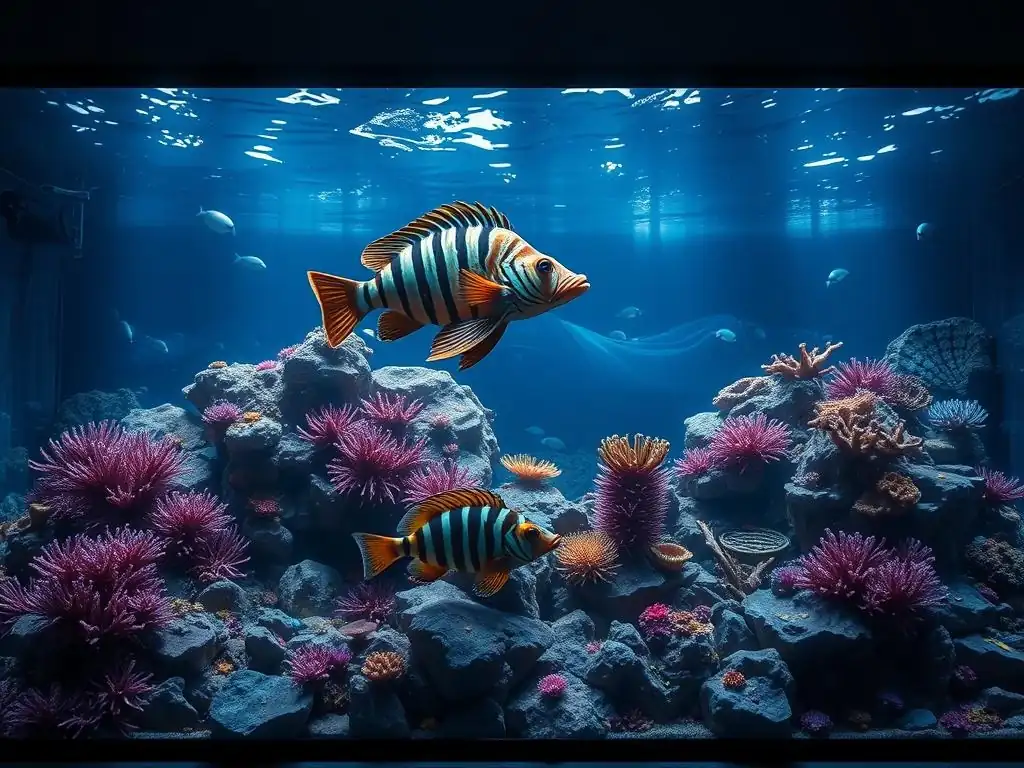
Welcome to Aquarium Mastery!
Ever dreamed of owning a truly captivating saltwater aquarium, a vibrant ecosystem teeming with fascinating, albeit slightly intimidating, predators? Prepare to dive deep! Our Predatory Saltwater Aquarium Setup Guide is your key to unlocking the secrets of creating a thriving "monster" fish tank. But be warned, this journey is not for the faint of heart! Ready to explore the thrilling challenges and unparalleled rewards of keeping these magnificent creatures? Let's begin!
- The Predatory Reef Tank: Expertly Setting Up a Thriving Ecosystem
- Introduction to Predatory Reef Aquariums: A Unique Challenge
-
Frequently Asked Questions
- What are the key considerations when starting a predatory saltwater aquarium?
- How does setting up a predatory saltwater aquarium differ from a regular saltwater aquarium?
- What types of filtration are essential for a thriving predatory saltwater aquarium?
- What are some examples of compatible predatory saltwater fish species that can be kept together?
- How often should I feed the predatory fish in my saltwater aquarium, and what type of food should I offer?
- Final Reflection: The Delicate Balance of Power
- Unleash Your Inner Aquarist: Build Your Predatory Paradise!
The Predatory Reef Tank: Expertly Setting Up a Thriving Ecosystem
Introduction to Predatory Reef Aquariums: A Unique Challenge
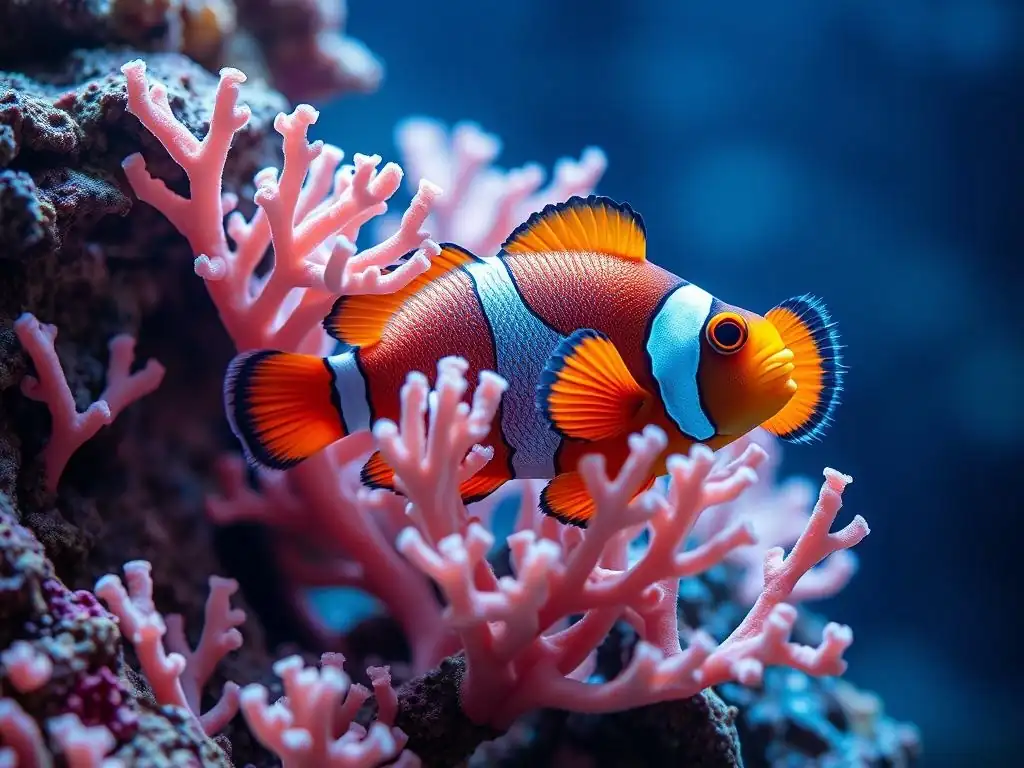
Understanding the Allure of a Predatory Reef Tank
The appeal of a predatory reef tank lies in its dynamic, often dramatic, display of natural behaviors rarely seen in typical community reef setups. Unlike serene tanks focused solely on vibrant corals and docile herbivores, a predatory saltwater aquarium setup guide emphasizes the raw power and intricate hunting strategies of apex marine predators. Aquarists are drawn to the challenge of replicating a complex ecosystem where these formidable creatures can thrive, showcasing their impressive size, unique coloration, and fascinating predatory instincts. It’s about creating a living diorama of the ocean's food chain, a stark contrast to the often-peaceful coral garden.
This niche within marine aquaria offers a profound educational experience, allowing enthusiasts to observe the intricate relationships between large piscivores and their environment. For instance, witnessing a Tessalata Eel ( Gymnothorax favagineus) emerge from its rockwork to stalk prey, or a Volitan Lionfish ( Pterois volitans) slowly cornering a feeder fish with its expansive fins, provides a captivating glimpse into marine biology.
These tanks often become the focal point of a room, drawing admiration for their powerful inhabitants and the successful management of a truly specialized aquatic environment. The dedication required for a predatory fish setup is significant, but the rewards of a vibrant, active ecosystem are immense, appealing to experienced aquarists seeking a new level of engagement.
Defining Reef-Safe Predators: Characteristics and Considerations
When discussing a predatory reef tank, the term "reef-safe" takes on a specific meaning: it refers to fish that will not consume or significantly damage corals and other sessile invertebrates, but are inherently predatory towards smaller fish, crustaceans, and motile invertebrates. True reef-safe predators are those whose primary diet in the wild, or whose opportunistic feeding behavior, does not include coral polyps or anemones.
Examples often include certain species of Lionfish, some larger Hawkfish, and specific types of Groupers that, while carnivorous, typically ignore corals. For instance, a Fuzzy Dwarf Lionfish ( Dendrochirus brachypterus) is considered reef-safe for corals but will readily consume any fish small enough to fit into its mouth.
Careful selection is paramount for a successful predatory saltwater aquarium setup guide. Key characteristics to consider include the fish's adult size, its natural diet, and its temperament. Many predatory fish grow quite large, requiring substantial tank volumes; a Panther Grouper ( Cromileptes altivelis), for example, can reach over 20 inches and requires hundreds of gallons.
Furthermore, their feeding habits must be thoroughly researched to ensure they won't decimate a coral collection. While a Harlequin Tuskfish ( Choerodon fasciatus) is stunning, its natural diet of crustaceans and mollusks means it would quickly decimate a clean-up crew of snails and crabs, making careful consideration of its compatibility with other tank inhabitants crucial, even if it leaves corals untouched. Understanding these nuances is vital to avoid costly mistakes and ensure the long-term health of the entire ecosystem.
Frequently Asked Questions
What are the key considerations when starting a predatory saltwater aquarium?
The most important considerations are tank size, filtration capacity, and choosing compatible species. You need a large enough tank to accommodate the adult size of the predators.
How does setting up a predatory saltwater aquarium differ from a regular saltwater aquarium?
Predatory tanks require more robust filtration due to the increased bioload from feeding larger fish. You'll also need to consider rockscape design to minimize aggression and provide hiding places.
What types of filtration are essential for a thriving predatory saltwater aquarium?
Essential filtration includes a high-capacity protein skimmer to remove organic waste, a powerful sump system for biological filtration, and potentially a UV sterilizer to control parasites.
What are some examples of compatible predatory saltwater fish species that can be kept together?
Careful research is crucial, but some potential combinations include lionfish with larger tangs (if tank size allows), groupers with triggers, or snowflake eels with larger puffers, always monitoring for aggression.
How often should I feed the predatory fish in my saltwater aquarium, and what type of food should I offer?
Feeding frequency depends on the species and size, but generally, 2-3 times per week is sufficient. Offer a varied diet of frozen or live foods such as silversides, krill, and occasionally feeder fish (with caution).
Final Reflection: The Delicate Balance of Power
The journey of creating a thriving predatory saltwater aquarium, as we've explored, is far more than just assembling equipment and adding fish. It's about understanding and respecting the complex ecosystem we're recreating, a miniature ocean where survival hinges on a delicate balance. This understanding is increasingly relevant today, as we grapple with the real-world consequences of disrupting natural ecosystems on a global scale.
This endeavor, the creation of a "monster" fish tank, has profoundly influenced my perspective on the interconnectedness of life. It's a constant reminder that even in a controlled environment, nature's laws prevail. The responsibility we undertake when curating such a system is significant, demanding continuous learning and adaptation. In the end, we will conserve only what we love; we will love only what we understand; and we will understand only what we are taught.
- Baba Dioum. This quote encapsulates the essence of responsible aquarism and, indeed, our relationship with the natural world.
Now, I invite you to reflect on the principles we've discussed. Consider how the lessons learned in setting up a predatory saltwater aquarium – the importance of research, careful planning, and continuous monitoring – can be applied to other areas of your life.
Perhaps you'll find inspiration to tackle a challenging project with renewed focus, or maybe you'll simply gain a deeper appreciation for the intricate beauty of the natural world. Whatever your takeaway, I hope this guide has empowered you to not only create a stunning aquarium but also to cultivate a greater sense of responsibility and wonder for the life it contains.
Unleash Your Inner Aquarist: Build Your Predatory Paradise!
Thanks for diving into the world of predatory saltwater aquariums! We hope you've gained valuable insights into creating a thriving ecosystem for your magnificent "monster" fish. Now, it's time to turn that knowledge into action.
Here are a few things you can do next:
- Take the plunge and finalize your tank setup! Start ordering your equipment, focusing on the filtration and water parameters needed for your chosen species. Don't forget to research reputable vendors for healthy, ethically sourced fish.
- Share your dream tank vision with the Aquarium Mastery community! Post your planned stocking list and tank design on our forum and get feedback from experienced predatory fish keepers.
- Surprise yourself with a deep dive into the less common predatory species. Read about anglerfish, frogfish, and other unique predators to possibly add a twist to your setup.
What's the first captivating creature you're dreaming of adding to your "Monster" Tank, and what are you most excited to provide for it?