
Coral Beauty Angelfish: Is It as ReefSafe as Its Name Suggests?

Welcome to Aquarium Mastery!
Ever wondered if that stunning Coral Beauty Angelfish will truly play nice with your precious reef? Dive in and uncover expert ReefSafe Angelfish care tips that go beyond the surface. We'll explore the nuances of keeping these beautiful fish without sacrificing your coral's health. Ready to unlock the secrets to a thriving, harmonious reef tank? Let's get started!
- Understanding the Coral Beauty Angelfish (Centropyge bispinosa)
- Reef Compatibility of the Coral Beauty Angelfish: A Closer Look
- ReefSafe Angelfish Care Tips: Minimizing the Risks
- Alternatives to the Coral Beauty: Truly Reef-Safe Angelfish Options
- Pros and Cons of Keeping a Coral Beauty in a Reef Tank
- Maintaining a Healthy Coral Beauty Angelfish: Essential Care Guidelines
- Conclusion: Making an Informed Decision About Keeping Coral Beauty Angelfish in a Reef Aquarium
-
Frequently Asked Questions
- What exactly does "reef safe" mean when we talk about angelfish?
- Is the Coral Beauty Angelfish truly reef safe?
- What are some key considerations when introducing a Coral Beauty Angelfish to a reef tank?
- What are the ideal tank parameters for keeping a Coral Beauty Angelfish healthy in a reef aquarium?
- What are some alternative angelfish species that are considered more reliably reef safe than the Coral Beauty?
- Final Reflection: Navigating the Reef-Safe Angelfish Dilemma
- Dive Deeper: Unlock Your Coral Beauty's Potential!
Understanding the Coral Beauty Angelfish (Centropyge bispinosa)
Identifying Features of the Coral Beauty Angelfish
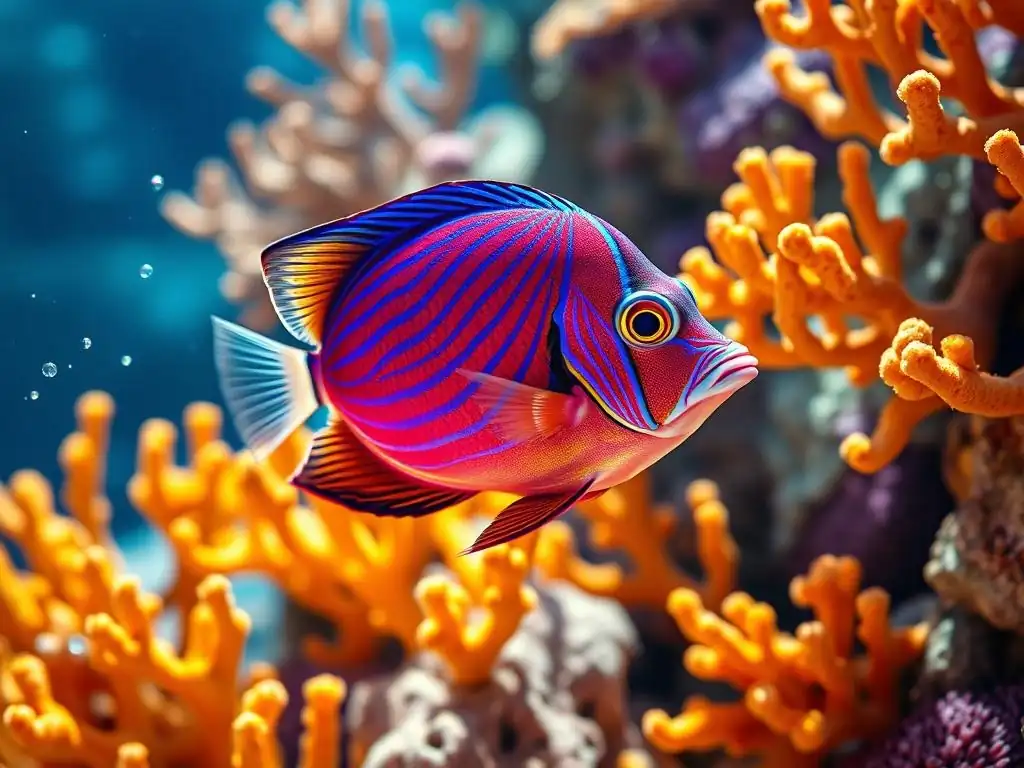
The Coral Beauty Angelfish, scientifically known as Centropyge bispinosa, is a captivating dwarf angelfish highly sought after for its vibrant coloration. Typically, its body exhibits a striking blend of deep blue and purple, transitioning seamlessly into fiery red or orange accents on its fins, particularly the dorsal, anal, and caudal fins. Some specimens may also display a yellowish wash on their faces or pectoral fins, enhancing their visual appeal.
Reaching an average adult size of approximately 3 to 4 inches (7.5 to 10 cm) in captivity, the Coral Beauty possesses a laterally compressed, oval-shaped body characteristic of angelfish. Its relatively small size makes it a popular choice for aquarists with medium-sized reef tanks, often fitting into spaces where larger angelfish would be unsuitable. The combination of its manageable size, stunning hues, and graceful swimming patterns contributes significantly to its allure in the marine aquarium hobby.
Natural Habitat and Behavior of the Coral Beauty
In its natural environment, the Coral Beauty Angelfish thrives across the vast Indo-Pacific region, spanning from the east coast of Africa, through the Maldives and Indonesia, all the way to Fiji and the Great Barrier Reef. These fish are typically found inhabiting the outer slopes of coral reefs, rocky crevices, and rubble zones at depths ranging from about 15 to 200 feet (5 to 60 meters). They prefer areas with abundant hiding spots and a steady supply of algae and small invertebrates to graze upon.
Behaviorally, Centropyge bispinosa is generally a solitary species, though it can occasionally be observed in pairs or small aggregations within its territory. They are known for their shy demeanor, often darting into rockwork at the first sign of perceived danger. As opportunistic omnivores, their natural diet consists primarily of various types of algae, detritus, and small benthic invertebrates, which they constantly graze from the rock and substrate surfaces throughout the day.
Coral Beauty Angelfish in the Aquarium Trade: A Popular Choice
The Coral Beauty Angelfish holds a prominent position in the marine aquarium trade, consistently ranking among the most popular dwarf angelfish. Its widespread appeal stems from a combination of factors, including its relatively affordable price point compared to other angelfish species, its striking and consistent coloration, and its reputation for being a hardy and adaptable fish once acclimated to a stable aquarium environment. Its moderate adult size also makes it suitable for a broader range of tank dimensions.
Despite its general hardiness, ensuring a successful transition to aquarium life requires proper care and attention. New specimens may initially be timid and require ample hiding places to feel secure. Their omnivorous diet, which includes a significant portion of marine algae, needs to be consistently met in captivity to maintain their health and potentially mitigate undesirable behaviors. The demand for this species remains high, making it readily available in most reputable fish stores.
Reef Compatibility of the Coral Beauty Angelfish: A Closer Look
The "Reef-Safe" Misconception: Why Coral Beauty Angelfish Are Considered Risky
The term "reef-safe" when applied to angelfish, particularly dwarf angelfish like the Coral Beauty, often comes with a significant caveat. While many hobbyists successfully keep Centropyge bispinosa in reef aquariums without incident, their natural omnivorous grazing habits inherently pose a risk to sessile invertebrates, including various corals. Unlike obligate planktivores or strict herbivores, the Coral Beauty's diet in the wild includes a component of small invertebrates and detritus, which can translate into an inclination to nip at coral polyps or mantle tissue in a captive environment.
The "reef-safe" label is frequently applied loosely, implying that the fish might be compatible, rather than being definitively so. The primary reason Coral Beauty Angelfish are considered risky for reef tanks is their unpredictable tendency to graze on coral tissue. This behavior is not universal; some individuals will ignore corals entirely, while others may develop a taste for them, often without warning. This unpredictability is the core of the misconception, as there is no reliable way to guarantee a specific Coral Beauty will be a "model citizen" in a reef setup.
Coral Nipping Behavior: What Corals Are Most at Risk?
When a Coral Beauty Angelfish does develop a propensity for coral nipping, certain types of corals are generally more susceptible to damage than others. Large Polyp Stony (LPS) corals, with their fleshy polyps, are often prime targets. Examples include Favia, Blastomussa, Acanthastrea, and brain corals, whose soft tissues can be easily picked at, leading to tissue recession, infection, and ultimately, coral death if the nipping is persistent.
Soft corals are also frequently at risk. Zoanthids, Palythoa, Xenia, Ricordea, and various types of mushrooms (Discosoma, Rhodactis) can suffer from repeated nipping, causing them to retract, remain closed, or slowly decline. While Small Polyp Stony (SPS) corals like Acropora and Montipora are generally considered less appealing due to their smaller polyps and harder skeletons, even they are not entirely immune, as a determined angelfish might still nip at their delicate polyps or tissue. The extent of damage depends on the frequency and intensity of the nipping, as well as the resilience of the specific coral species.
Factors Influencing Reef Safety: Individual Fish Personality
Perhaps the most significant factor influencing whether a Coral Beauty Angelfish will be "reef-safe" is its individual personality. Each fish, much like humans, possesses unique behavioral traits. Some Centropyge bispinosa individuals will live peacefully in a reef tank for years, meticulously grazing on algae and ignoring all corals. Others, even under seemingly identical conditions, may develop an insatiable appetite for coral polyps within weeks or months of introduction.
Stress, tank size, the availability of appropriate food, and the presence of aggressive tank mates can all influence a Coral Beauty's disposition and its likelihood of nipping corals. A stressed or underfed angelfish might be more inclined to seek alternative food sources, including corals.
Conversely, a well-fed, comfortable fish in a spacious environment with plenty of hiding spots might exhibit more benign behavior. Unfortunately, there is no way to predict an individual fish's personality or future behavior, making the decision to add a Coral Beauty to a reef tank a calculated risk, even when implementing the best ReefSafe Angelfish care tips.
ReefSafe Angelfish Care Tips: Minimizing the Risks
Tank Size and Aquascaping for Coral Beauty Angelfish
Providing Ample Swimming Space
One of the foundational ReefSafe Angelfish care tips for minimizing the risks associated with Coral Beauties in a reef tank is providing an appropriately sized aquarium. While their maximum size is about 4 inches, a minimum tank volume of 30 gallons (approximately 115 liters) is generally recommended for a single specimen to ensure adequate swimming space and reduce stress. However, to significantly enhance its chances of being a good reef citizen and to allow for more stable water parameters, a 50-gallon (about 190-liter) or larger tank is preferable.
Ample swimming space is crucial not only for the fish's physical well-being but also for its psychological health. A cramped environment can lead to increased stress, which in turn may exacerbate aggressive tendencies or lead to increased nipping behavior as the fish feels confined and seeks out new stimuli or food sources. Providing sufficient room allows the Coral Beauty to establish a territory and reduces potential conflicts with tank mates, contributing to a more harmonious reef environment.
Creating a Natural Environment with Live Rock
Thoughtful aquascaping is another vital component of effective ReefSafe Angelfish care tips. Incorporating a generous amount of live rock is paramount for creating a natural and enriching environment for the Coral Beauty Angelfish. Live rock serves multiple purposes: it provides numerous crevices and caves for the fish to explore and retreat into when feeling threatened, mimicking their natural reef habitat. This sense of security can significantly reduce stress levels.
Furthermore, live rock is a rich source of microalgae and small copepods, which can supplement the angelfish's diet and satisfy its natural grazing instincts. By providing a constant supply of natural forage, the likelihood of the Coral Beauty turning its attention to corals for food can be substantially reduced. Aim for a rock structure that offers both open swimming areas and complex hiding spots, allowing the fish to feel secure without being overly confined.
Diet and Feeding Strategies to Reduce Coral Grazing
Offering a Varied and Nutritious Diet
A cornerstone of successful ReefSafe Angelfish care tips, especially for minimizing coral grazing, is maintaining a consistent and highly varied diet. As omnivores, Coral Beauties require a diverse range of foods to meet their nutritional needs. High-quality marine flake foods and pellets designed for angelfish or omnivores should form the basis of their diet, providing essential vitamins and minerals.
Supplementing dry foods with a variety of frozen offerings is crucial. These should include nutrient-rich options like mysis shrimp, brine shrimp (often enriched with spirulina), and finely chopped marine-origin foods. Importantly, incorporating vegetable matter such as spirulina flakes, marine algae sheets (Nori), or specialized herbivore pellets several times a week is vital. A well-fed angelfish with a consistently full stomach is significantly less likely to nip at corals out of hunger or curiosity.
Frequent Feeding to Satisfy Natural Grazing Needs
Beyond variety, the frequency of feeding plays a critical role in mitigating coral nipping. In their natural habitat, Coral Beauties graze continuously throughout the day. To replicate this behavior and ensure their grazing instincts are satisfied on non-coral sources, it is advisable to feed them small portions two to three times a day. This approach keeps their digestive system active and their hunger at bay, reducing the motivation to pick at corals.
Consistent, frequent feeding ensures that the angelfish's natural grazing drive is directed towards appropriate food items rather than valuable corals. For instance, offering a small piece of Nori on a clip in the tank for several hours each day can provide a continuous grazing opportunity. This proactive feeding strategy is a powerful ReefSafe Angelfish care tip that can make a substantial difference in the compatibility of a Coral Beauty with a reef system.
Selecting Tank Mates: Compatible Fish and Invertebrates
Avoiding Aggressive Tank Mates
Careful selection of tank mates is another critical aspect of ReefSafe Angelfish care tips. While Coral Beauties are generally peaceful, they can become stressed or aggressive if housed with overly boisterous or territorial fish. Avoiding species known for aggression or fin-nipping, such as certain triggers, large predatory puffers, or highly territorial damselfish, is essential. Stress from aggressive tank mates can lead a Coral Beauty to exhibit undesirable behaviors, including coral nipping, as a displacement activity or due to heightened anxiety.
Ideal tank mates include peaceful community fish like clownfish, gobies, blennies, certain wrasses, and other non-aggressive, similarly sized reef inhabitants. Ensure that any potential tank mates are also compatible with the reef environment and do not pose a threat to corals or other invertebrates. Introducing the Coral Beauty after more established, peaceful tank mates can also help it settle in without being immediately challenged.
Choosing Invertebrates Carefully
When it comes to invertebrates, the selection process requires careful consideration. While Coral Beauties are generally considered safe with most crustaceans and motile invertebrates, certain delicate or slow-moving species might be at risk. For instance, very small, delicate shrimp species like Sexy Shrimp ( Thor amboinensis) or small ornamental crabs could potentially be viewed as food items, although this is less common. Larger, more robust cleaner shrimp (e.g., Lysmata amboinensis) and most types of snails (e.g., Trochus, Nassarius, Turbo) are typically safe companions.
Clams, particularly their fleshy mantles, can be attractive targets for some angelfish. While many Coral Beauties will ignore clams, there's always a risk of nipping that can stress the clam or even lead to its demise. If you have valuable or sensitive invertebrates, it's prudent to monitor the Coral Beauty closely or consider alternative angelfish species that are definitively known to be invertebrate-safe.
Monitoring Coral Health: Early Signs of Coral Damage
Recognizing Coral Stress and Decline
Vigilant monitoring of your corals is an indispensable part of ReefSafe Angelfish care tips. Even with the best preventive measures, a Coral Beauty might still develop a taste for corals. Early detection of coral stress or damage is crucial for intervention. Look for specific signs such as polyps not extending fully, tissue recession (where the coral tissue pulls away from its skeleton), discoloration, or visible bite marks on the coral's surface.
For example, if your Zoanthids consistently remain closed, or your Xenia polyps retract for extended periods despite stable water parameters, it could indicate stress from nipping. LPS corals might show patches of bleached or receding tissue. Documenting these observations, perhaps with photos, can help determine if the Coral Beauty is the culprit or if another issue is at play. Prompt action, such as increasing feeding frequency or considering rehoming the fish, can save your valuable coral collection.
Implementing Quarantine Procedures
While primarily for disease prevention, a robust quarantine procedure can also serve as a preliminary observation period for a new Coral Beauty Angelfish regarding its potential reef-safety. Before introducing the angelfish to your main display reef tank, house it in a separate quarantine tank for a period of two to four weeks. During this time, you can observe its behavior, feeding habits, and overall health without risking your established corals.
Though a quarantine tank typically won't have corals to nip at, observing how aggressively it picks at live rock or consumes algae can offer some insight into its grazing tendencies. More importantly, it allows the fish to de-stress and acclimate to captivity in a controlled environment, which can contribute to better behavior once introduced to the main display. This proactive step is an often-overlooked but valuable ReefSafe Angelfish care tip that benefits both the fish and your reef system.
Alternatives to the Coral Beauty: Truly Reef-Safe Angelfish Options
Considerations When Choosing Other Reef-Safe Angelfish
For aquarists seeking the beauty of an angelfish without the inherent risks to corals, several truly reef-safe alternatives exist. When considering these options, it's crucial to research each species thoroughly, focusing on their natural diet, maximum adult size, and documented behavior in reef aquariums. The key distinction lies in their feeding habits: truly reef-safe angelfish are typically obligate planktivores or strict herbivores that do not naturally graze on sessile invertebrates.
Always verify the species' specific dietary needs to ensure you can provide appropriate nutrition in captivity. Also, consider their temperament and compatibility with your existing tank inhabitants and overall tank size. While some dwarf angelfish species are more reef-safe than others (like certain Centropyge species such as the Flame Angelfish, though even they carry a slight, albeit lower, risk than the Coral Beauty), the most reliable reef-safe angelfish options often come from different genera.
Small Reef-Safe Angelfish Species
If absolute reef safety is your priority, the genus Genicanthus, commonly known as Swallowtail Angelfish, offers excellent choices. Unlike Centropyge species, Genicanthus angelfish are typically planktivores, meaning their primary diet consists of zooplankton in the water column, rather than grazing on surfaces. This dietary preference makes them highly unlikely to nip at corals.
Examples of small, truly reef-safe Genicanthus species include the Ornate Angelfish ( Genicanthus bellulus) and the Spotfin Angelfish ( Genicanthus melanospilos). These fish are known for their graceful swimming and distinct sexual dimorphism in coloration. While they can grow slightly larger than Coral Beauties (up to 5-7 inches), their peaceful nature and lack of interest in corals make them superior choices for established reef systems. They require stable water quality and a diet rich in high-quality frozen planktonic foods.
Pros and Cons of Keeping a Coral Beauty in a Reef Tank
Advantages of Owning a Coral Beauty Angelfish
Despite the potential risks, the Coral Beauty Angelfish offers several compelling advantages that contribute to its enduring popularity among marine aquarists. Its most obvious benefit is its stunning coloration, a vibrant tapestry of blue, purple, red, and orange that adds an undeniable splash of beauty to any aquarium. This visual appeal is hard to match for a fish of its size and price point.
Furthermore, Centropyge bispinosa is generally considered a hardy species once acclimated, capable of tolerating a range of aquarium conditions, making it a good choice for aquarists who have some experience with saltwater tanks. They are active swimmers, constantly exploring the rockwork and adding dynamic movement to the display. In some cases, they can also contribute to nuisance algae control by grazing on various types of film algae present on rocks and glass, providing a natural cleaning service.
Disadvantages and Potential Risks
The primary and most significant disadvantage of keeping a Coral Beauty Angelfish in a reef tank is its unpredictable nature regarding coral compatibility. The risk of coral nipping, particularly on LPS and soft corals, is ever-present and cannot be entirely eliminated, even with diligent ReefSafe Angelfish care tips. This behavior can lead to stressed corals, tissue recession, and in severe cases, the complete loss of valuable or cherished coral colonies.
The financial and emotional investment in corals can be substantial, and the potential for a Coral Beauty to damage them represents a considerable risk. Moreover, once a Coral Beauty develops a taste for corals, it can be challenging to deter the behavior, often necessitating the removal and rehoming of the fish. This can be a disruptive and stressful process for both the fish and the aquarist, highlighting the need for careful consideration before introducing this species into a mixed reef environment.
Maintaining a Healthy Coral Beauty Angelfish: Essential Care Guidelines
Water Parameters: Maintaining Optimal Conditions
Maintaining stable and optimal water parameters is fundamental for the health and well-being of a Coral Beauty Angelfish, and by extension, for minimizing stress that could lead to undesirable behaviors. For a thriving Centropyge bispinosa, the following parameters should be consistently maintained:
- Temperature: 72-78°F (22-26°C)
- Salinity: 1.023-1.026 specific gravity
- pH: 8.1-8.4
- Ammonia & Nitrite: 0 ppm
- Nitrate: below 10-20 ppm
Regular water testing is crucial to ensure these parameters remain stable. Sudden fluctuations in temperature, pH, or salinity can cause significant stress, weakening the fish's immune system and making it more susceptible to disease. Performing weekly or bi-weekly water changes (e.g., 10-20% of tank volume) using high-quality saltwater mix is essential for replenishing trace elements and removing accumulated nitrates and other pollutants.
Disease Prevention and Treatment
Proactive disease prevention is far more effective than treatment when it comes to Centropyge bispinosa. The best defense against illness involves a combination of factors:
- Quarantine: Always quarantine new fish for at least two to four weeks in a separate observation tank before introducing them to the main display. This allows for observation, treatment if necessary, and prevents the introduction of pathogens like Marine Ich ( Cryptocaryon irritans) or Marine Velvet ( Amyloodinium ocellatum).
- Balanced Diet: A varied and nutritious diet, as discussed earlier, strengthens the fish's immune system, making it more resilient to pathogens.
- Stable Water Quality: Consistent optimal water parameters reduce stress, which is a major contributor to disease outbreaks.
Should a Coral Beauty exhibit signs of illness (e.g., lethargy, clamped fins, white spots, labored breathing), it should be promptly moved to a hospital tank for diagnosis and treatment. Common treatments for parasitic infections often involve copper-based medications or hyposalinity, while bacterial infections may require antibiotics. Always ensure any treatments are administered in a separate tank, as many medications are harmful to corals and invertebrates.
Acclimation Process: Introducing a New Coral Beauty to Your Tank
A proper acclimation process is vital for the successful introduction of a new Coral Beauty Angelfish to your aquarium, minimizing stress and increasing its chances of thriving. The drip acclimation method is highly recommended, allowing the fish to slowly adjust to the new tank's water chemistry (pH, salinity, temperature). This process typically involves slowly dripping water from the display tank into the bag or container holding the new fish over a period of 30 to 60 minutes, gradually equalizing the parameters.
Once acclimated, dimming the aquarium lights for the first few hours after introduction can help reduce stress and prevent the fish from darting frantically. Ensure there are plenty of hiding spots in the aquascape for the Coral Beauty to retreat to as it becomes accustomed to its new surroundings and tank mates. It's often beneficial to introduce the new angelfish after other tank inhabitants have been fed, as this can distract them and reduce initial territorial aggression towards the newcomer.
Conclusion: Making an Informed Decision About Keeping Coral Beauty Angelfish in a Reef Aquarium
Weighing the Risks and Benefits
The decision to introduce a Coral Beauty Angelfish into a reef aquarium is one that requires careful consideration and an understanding of both its undeniable appeal and its inherent risks. On one hand, the Centropyge bispinosa offers stunning coloration, active movement, and general hardiness, making it a visually captivating and relatively robust addition to many marine setups. It can also contribute to algae control, providing a natural grazing presence.
On the other hand, the unpredictable nature of its coral-nipping behavior presents a significant drawback. While many individuals will coexist peacefully with corals, there is always a chance that a Coral Beauty will develop a taste for valuable LPS or soft corals, leading to damage or loss. This unpredictability means that even with the most diligent ReefSafe Angelfish care tips, a certain degree of risk remains, necessitating constant vigilance and a preparedness for potential intervention.
Responsible Fishkeeping Practices and Reef Conservation
Ultimately, responsible fishkeeping practices are paramount when considering a Coral Beauty for a reef tank. This involves thorough research, understanding the species' specific needs, and committing to providing an optimal environment. Aquarists should be prepared for the possibility that the fish may not be a perfect reef citizen and have a contingency plan, such as a separate tank for rehoming, if coral nipping becomes a persistent issue.
By making informed decisions and prioritizing the well-being of both the fish and the corals, hobbyists contribute to the broader goals of reef conservation. Choosing species that are compatible with their intended environment, providing appropriate care, and being prepared to adapt to the individual behaviors of their aquatic inhabitants ensures a thriving home aquarium and promotes sustainable practices within the hobby. The Coral Beauty Angelfish can be a rewarding addition, but its inclusion in a reef tank is a commitment to diligent observation and proactive management.
Frequently Asked Questions
What exactly does "reef safe" mean when we talk about angelfish?
"Reef safe" generally means an angelfish is unlikely to nip at corals or invertebrates. However, it's not a guarantee, as individual behavior varies. Some may pick at certain corals, even if generally considered reef safe.
Is the Coral Beauty Angelfish truly reef safe?
The Coral Beauty Angelfish is often considered semi-reef safe. It is less likely to damage corals than larger angelfish species. However, some individuals may nibble on soft corals and clam mantles.
What are some key considerations when introducing a Coral Beauty Angelfish to a reef tank?
Observe the fish carefully after introduction. Ensure the tank is well-fed to minimize the temptation to graze on corals. Provide plenty of hiding places to reduce stress.
What are the ideal tank parameters for keeping a Coral Beauty Angelfish healthy in a reef aquarium?
Maintain stable water parameters, including a specific gravity of 1.023-1.025, a temperature of 72-78°F (22-26°C), and low nitrate levels. Good water quality is vital for their health and reduces stress.
What are some alternative angelfish species that are considered more reliably reef safe than the Coral Beauty?
While no angelfish is 100% reef safe, some better choices include the Flame Angelfish (Centropyge loriculus) or the Pygmy Angelfish (Centropyge argi), but research each one individually. It is still important to monitor for coral nipping.
The exploration of the Coral Beauty Angelfish and its reef compatibility, as we've seen, is far from straightforward. The reality is that "reef-safe" is a spectrum, not a binary state, and understanding this nuance is crucial for responsible reef keeping. The experiences shared and care tips provided highlight the importance of informed decision-making when introducing any fish to a delicate reef ecosystem.
The ongoing debate surrounding the Coral Beauty's reef-safe status underscores the complex relationship between human desires and the well-being of our underwater environments. My own journey into reef keeping has taught me that patience and observation are paramount, and that no amount of research can fully replace the unique experience of watching a living ecosystem evolve. In the end, we will conserve only what we love; we will love only what we understand; and we will understand only what we are taught.
- Baba Dioum. This quote perfectly encapsulates the need for continuous learning and empathy in our pursuit of a thriving reef aquarium.
Now, armed with this knowledge, I encourage you to reflect on your own role in the reef keeping community. Consider the potential impact of your choices, and strive to create a balanced and sustainable environment for your aquatic inhabitants. Let's move forward with a commitment to responsible practices, ensuring that the beauty and wonder of coral reefs can be enjoyed for generations to come.
Dive Deeper: Unlock Your Coral Beauty's Potential!
Thanks for exploring the captivating world of the Coral Beauty Angelfish with us! We hope you now have a clearer understanding of its reef compatibility and how to make it thrive. Ready to take the next step?
Here are some actions you can take right now:
- Carefully observe your Coral Beauty's behavior and nip any bad habits in the bud by providing ample grazing opportunities and a varied diet. This is key to keeping your corals safe!
- Share this article with fellow reefing enthusiasts to spark conversation and help them navigate the challenges of keeping Coral Beauties.
- Experiment with different feeding strategies, like offering small amounts of food several times a day, to see what works best for your fish.
What specific coral species have you successfully (or unsuccessfully!) kept with a Coral Beauty Angelfish, and what strategies did you employ? Let's learn from each other in the comments below!