
The Allure of Cichlids: Why Angelfish & Discus Captivate Aquarists Worldwide

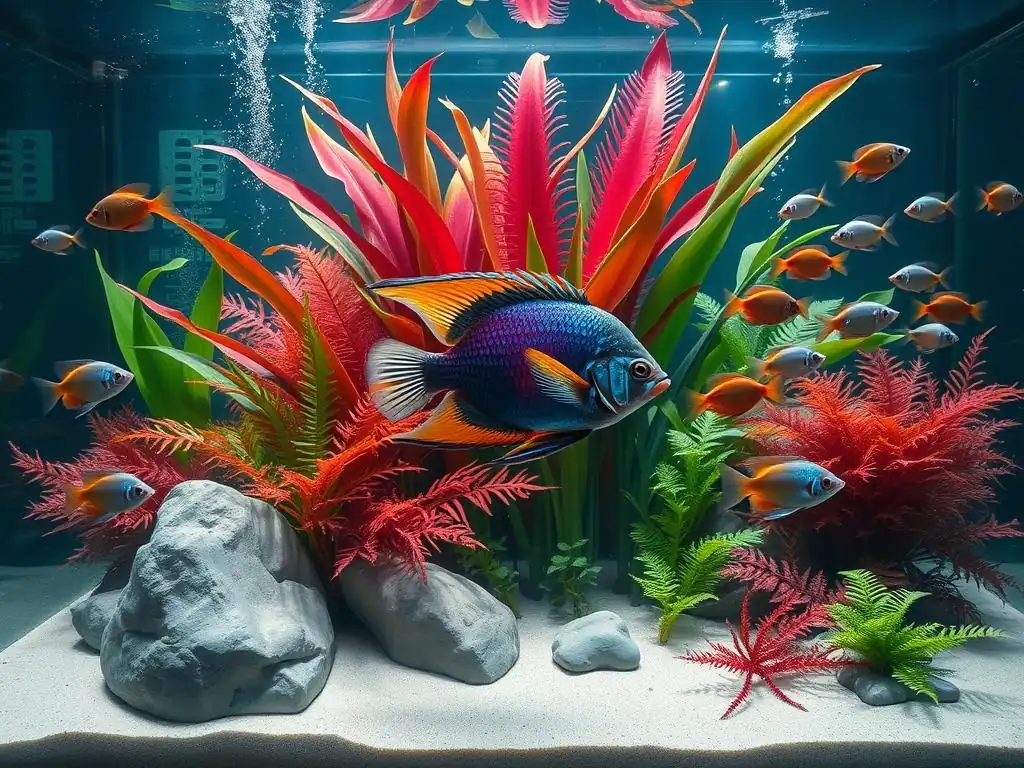
Welcome to Aquarium Mastery!
Ever been captivated by the vibrant colours and complex behaviours of aquarium fish? Dive in with us as we explore the fascinating world of freshwater aquariums, starting with a captivating deep dive into Cichlid care for beginners. Uncover the secrets to successfully keeping these intelligent and beautiful fish, and discover why they've captured the hearts of aquarists worldwide. Ready to unlock the mysteries of Cichlid keeping? Let's get started!
- Understanding the Captivating World of Cichlids: A Beginner's Guide
- Angelfish Care for Beginners: A Comprehensive Guide
- Discus Care for Beginners: Mastering the Art of Keeping Discus
- Comparing Angelfish and Discus: Key Differences and Similarities
- Advanced Cichlid Care: Breeding Angelfish and Discus
- The Rewards of Cichlid Keeping: A Fulfilling Aquarium Hobby
-
Frequently Asked Questions
- What makes Cichlids, especially Angelfish and Discus, so popular among aquarists?
- What are some key considerations for beginner aquarists before introducing Cichlids into their aquarium?
- What are the ideal water parameters for maintaining healthy Angelfish and Discus Cichlids?
- What type of food and feeding schedule is recommended for Cichlids like Angelfish and Discus?
- What are some common health issues that beginner aquarists should watch out for when keeping Cichlids?
- Final Reflection: The Enduring Fascination of Cichlids
- Dive Deeper: Create Your Cichlid Paradise!
Understanding the Captivating World of Cichlids: A Beginner's Guide
What Makes Angelfish and Discus So Popular?
Angelfish and Discus have long held a coveted place in the freshwater aquarium hobby, captivating aquarists with their unparalleled beauty and unique personalities. Angelfish, with their majestic, flowing fins and tall, triangular bodies, glide through the water with an ethereal grace, while Discus, true to their name, boast a striking disc-shaped form adorned with vibrant, intricate patterns. These visual attributes, combined with their often interactive and intelligent behavior, make them standout choices for enthusiasts seeking more than just ordinary community fish.
Their popularity is further fueled by the sheer diversity within their species, offering a wide array of color morphs and fin variations that appeal to different aesthetic preferences. From the classic silver Angelfish to the iridescent blue Diamond Discus, there's a unique specimen to mesmerize every observer. This combination of stunning appearance and engaging demeanor ensures they remain highly sought-after, drawing in both seasoned hobbyists and those just starting their journey in Cichlid care for beginners.
Defining "Cichlid": An Overview for New Aquarists
Cichlids (family Cichlidae) represent one of the largest and most diverse families of freshwater fish, encompassing over 1,700 scientifically described species, with many more yet to be discovered. Found across Africa, Central and South America, and parts of Asia, these fish are renowned for their intelligence, complex social behaviors, and often striking coloration. Unlike many other fish, cichlids exhibit advanced parental care, with many species diligently guarding their eggs and fry, a fascinating behavior that sets them apart.
Despite their vast diversity, cichlids share common characteristics such as a single nostril on each side of the head (most fish have two), and a distinct pharyngeal jaw apparatus used for processing food. While some cichlids are highly aggressive and territorial, others, like Angelfish and Discus, can thrive in peaceful community settings with proper management. Understanding these fundamental traits is crucial for anyone venturing into Cichlid care for beginners, as it lays the groundwork for successful keeping.
Angelfish Care for Beginners: A Comprehensive Guide
Setting Up the Ideal Angelfish Tank Environment
Establishing the correct environment is the first and most critical step in successful Angelfish keeping. These elegant fish require more than just water; they need a stable, well-maintained habitat that mimics their natural Amazonian river origins. Proper tank setup directly influences their health, stress levels, and overall longevity, making it a foundational element of Cichlid care for beginners.
A suitable Angelfish tank must prioritize vertical space due to their tall body shape, allowing them ample room to swim freely without feeling cramped. Furthermore, a mature and efficient filtration system is indispensable to maintain the pristine water quality that Angelfish demand, preventing the build-up of harmful toxins and ensuring a thriving aquatic ecosystem.
Tank Size Recommendations for Angelfish
For a single Angelfish or a breeding pair, a minimum tank size of 20-30 gallons (approximately 75-115 liters) is generally recommended, providing enough space for growth and establishing territory. However, to truly see these majestic fish thrive and to house a small group (3-5 individuals), a larger aquarium of at least 55 gallons (approximately 208 liters) is highly advisable. This larger volume offers ample swimming room, helps dilute waste products, and significantly reduces potential aggression, especially as they mature.
When planning for a group, it's beneficial to consider an even larger tank, such as 75 gallons or more, particularly if you intend to include tank mates. A general guideline is to allow at least 10 gallons per adult angelfish to ensure sufficient personal space and reduce stress. Providing generous space is a cornerstone of responsible Cichlid care for beginners, promoting healthier and happier fish.
Essential Water Parameters for Angelfish Health
Angelfish, originating from the Amazon basin, prefer soft to moderately hard water with a slightly acidic to neutral pH. The ideal pH range is typically between 6.0 and 7.5, though they can adapt to slightly higher pH levels if the change is gradual and stable. Water temperature should be consistently maintained within 76-82°F (24-28°C) to support their metabolism and immune system effectively.
Critically, ammonia and nitrite levels must always be at zero parts per million (ppm), as even small amounts can be highly toxic. Nitrate levels should be kept below 20 ppm through regular water changes. Utilizing a reliable liquid test kit to monitor these parameters weekly is essential for maintaining a stable environment, which is paramount for successful Cichlid care for beginners.
Choosing the Right Substrate and Decorations for Angelfish
For Angelfish aquariums, a fine gravel or sand substrate is recommended. This allows for easy cleaning, prevents food and waste from accumulating deep within the substrate, and minimizes the risk of injury to their delicate fins. Opting for a darker substrate can also help enhance their vibrant colors, making them stand out more prominently against the tank background.
Decorations should include tall, broadleaf plants such as Amazon Swords, Cryptocoryne, or Vallisneria, which provide excellent hiding spots and vertical lines that Angelfish appreciate. Driftwood, smooth river rocks, and artificial plants can also be incorporated to create a natural-looking habitat. Ensure all decorations are free of sharp edges that could tear their long, flowing fins, a vital consideration in Cichlid care for beginners.
Angelfish Diet and Feeding: What to Feed Your Angelfish
Angelfish are omnivores, meaning their diet in the wild consists of both plant matter and small invertebrates. To ensure their optimal health, vibrant coloration, and robust immune system in the aquarium, it is crucial to provide them with a varied and balanced diet that mimics their natural intake. A diverse diet not only meets their nutritional needs but also keeps them engaged and prevents boredom.
A well-rounded feeding regimen will significantly contribute to their longevity and vitality. Skipping meals or providing an imbalanced diet can lead to nutritional deficiencies, stunted growth, and increased susceptibility to diseases, highlighting the importance of proper nutrition in Cichlid care for beginners.
Recommended Angelfish Food Options
The staple diet for Angelfish should consist of high-quality flake food or pellets specifically formulated for cichlids, which provide essential vitamins and minerals. Supplementing this staple with frozen foods 2-3 times per week is highly beneficial. Excellent frozen options include bloodworms, brine shrimp, and daphnia, which offer protein and fiber.
Occasionally, offering live foods such as blackworms or small feeder shrimp can provide enrichment and stimulate their natural hunting instincts. However, be cautious with live foods as they can sometimes introduce parasites or diseases into the aquarium. Always source live foods from reputable suppliers, a key practice in advanced Cichlid care for beginners.
Feeding Schedule and Portion Control for Optimal Health
Adult Angelfish should be fed 1-2 times daily, offering only an amount they can completely consume within 2-3 minutes. Overfeeding is a common mistake that leads to excess waste, deteriorating water quality, and potential health issues like swim bladder problems. It is always better to slightly underfeed than to overfeed.
Juvenile Angelfish, due to their rapid growth, may require more frequent feedings, typically 3-4 smaller meals throughout the day. Always observe your fish during feeding to ensure all individuals are getting enough food. Promptly remove any uneaten food after a few minutes using a net or siphon to prevent it from decaying and fouling the water, a crucial step in maintaining water quality for Cichlid care for beginners.
Angelfish Tank Mates: Selecting Compatible Species
Choosing appropriate tank mates for Angelfish is crucial for maintaining a peaceful and harmonious aquarium environment. While Angelfish are generally considered semi-aggressive, their temperament can vary greatly depending on individual personality, tank size, and stocking density. During breeding periods, they can become particularly territorial and protective of their eggs and fry.
Compatibility primarily hinges on selecting species that share similar water parameter requirements, are of comparable size, and possess a non-aggressive temperament. Careful selection will prevent stress, aggression, and potential harm to your Angelfish, making tank mate choice a significant aspect of Cichlid care for beginners.
Best Tank Mates for Angelfish
Good tank mate choices for Angelfish include peaceful, medium-sized fish that are not prone to fin-nipping. Larger tetras such as Congo Tetras, Black Skirt Tetras, and Lemon Tetras are often suitable. Peaceful bottom dwellers like Corydoras catfish, Bristlenose Plecos, and Otocinclus catfish can also coexist well, occupying different levels of the tank.
Other compatible species include various types of Gouramis (e.g., Pearl Gouramis, Dwarf Gouramis), Rainbowfish, and larger Rasboras. When introducing new fish, always do so slowly and observe interactions closely for several days to ensure compatibility and minimize stress on both the Angelfish and the new inhabitants.
Fish to Avoid Keeping with Angelfish
There are several types of fish that should generally be avoided as tank mates for Angelfish. Very small fish, such as Neon Tetras or Guppies, may be viewed as food, especially by larger or adult Angelfish. Similarly, avoid any species known for fin-nipping, like Tiger Barbs or aggressive types of Barbs, as they can severely damage the Angelfish's long, flowing fins, leading to stress and potential infections.
Highly aggressive or overly territorial cichlids are also unsuitable, as they will outcompete or bully Angelfish. Fast-moving or boisterous species can also stress Angelfish due to constant activity. Finally, avoid fish that have significantly different water parameter requirements, as maintaining ideal conditions for both would be challenging, underscoring the importance of research in Cichlid care for beginners.
Maintaining a Healthy Angelfish Aquarium: Water Changes and Filtration
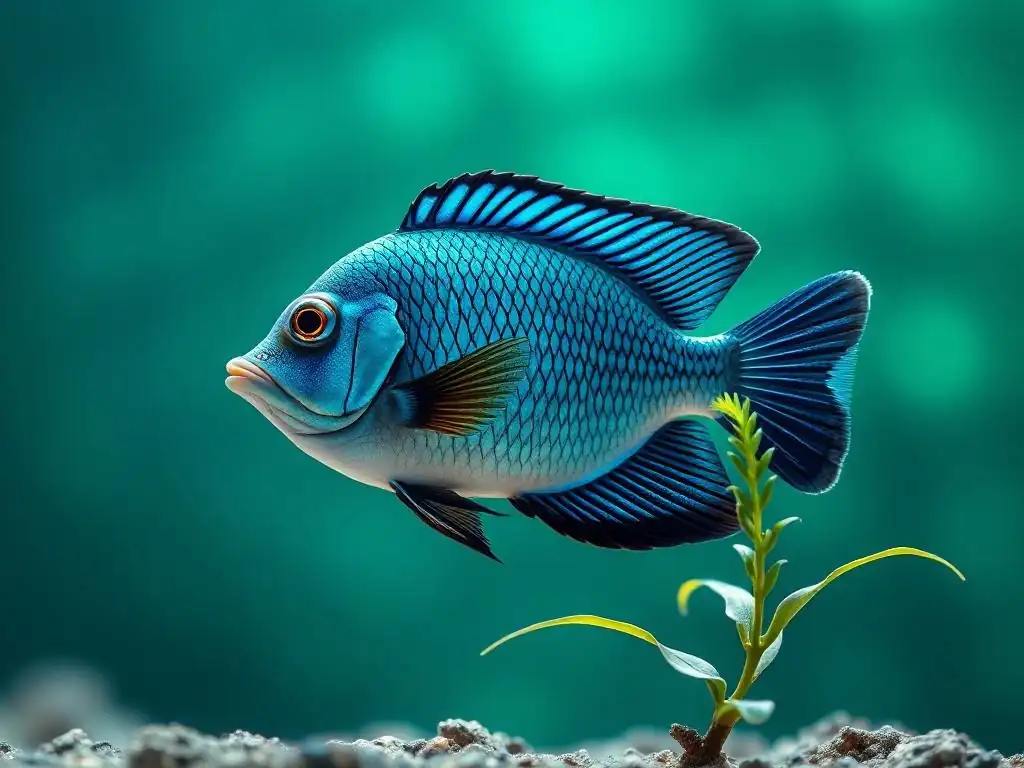
Consistent and diligent aquarium maintenance is absolutely paramount for the long-term health and vibrancy of Angelfish. These fish, like most cichlids, are sensitive to poor water quality, which can quickly lead to stress, disease, and even death. Regular water changes and robust filtration are the twin pillars of a successful Angelfish setup.
Neglecting these fundamental maintenance practices can lead to an accumulation of nitrates, phosphates, and other pollutants, creating an unhealthy environment that compromises the fish's immune system. Therefore, establishing and adhering to a strict maintenance schedule is indispensable for Cichlid care for beginners focused on Angelfish.
Water Change Schedule and Procedure
To maintain optimal water quality for Angelfish, weekly water changes of 20-30% of the tank volume are highly recommended. For instance, in a 55-gallon tank, this translates to changing approximately 11-16 gallons of water each week. During the water change, use a gravel vacuum to siphon out debris and uneaten food from the substrate, which helps remove accumulated waste.
Always ensure the new water is dechlorinated using a reputable water conditioner and is temperature-matched to the aquarium water to prevent shocking the fish. Rapid temperature fluctuations or the introduction of chlorinated water can cause significant stress and compromise their health, a critical detail often overlooked by those new to Cichlid care for beginners.
Filtration Systems for Angelfish Tanks
A high-quality filtration system is essential for Angelfish, providing biological, mechanical, and chemical filtration. Canister filters are often considered the gold standard for Angelfish tanks due to their large media capacity, efficiency in removing particulate matter, and excellent biological filtration capabilities. Hang-on-back (HOB) filters can also be effective for smaller tanks or as supplementary filtration.
The filter should be appropriately sized for your tank volume, ideally providing a turnover rate of at least 5-10 times the tank volume per hour. For a 55-gallon tank, aim for a filter rated for at least 275-550 gallons per hour (GPH). Regular cleaning of filter media is necessary to prevent clogs and maintain efficiency, ensuring stable water parameters crucial for Cichlid care for beginners.
Angelfish Health Issues and Disease Prevention
Even with the most diligent care, Angelfish can occasionally fall ill. Recognizing the early signs of common diseases and understanding their treatments is vital for minimizing their impact. However, the cornerstone of Angelfish health management lies firmly in prevention. A proactive approach significantly reduces the likelihood of outbreaks and ensures a more resilient fish population.
Stress, often caused by poor water quality, inadequate diet, or incompatible tank mates, is the primary trigger for most Angelfish health problems. By addressing these foundational elements, aquarists can create an environment where Angelfish thrive, making disease a rare occurrence rather than a frequent challenge. This proactive mindset is key for successful Cichlid care for beginners.
Common Angelfish Diseases and Treatments
Angelfish are susceptible to common freshwater aquarium diseases. Ich, or white spot disease, is one of the most prevalent, appearing as small white spots resembling salt grains on the fish's body and fins. It can often be treated by slowly raising the water temperature to 86°F (30°C) for several days (if tank mates can tolerate it) and using over-the-counter Ich medications. Fin rot, characterized by frayed or deteriorating fins, is typically caused by poor water quality and can be remedied with increased water changes and broad-spectrum antibiotics.
"Hole-in-the-head" disease, though less common, can affect Angelfish, often linked to poor nutrition, water quality issues, or internal parasites like Hexamita. It manifests as pitting or lesions on the head and lateral line. Treatment involves addressing the underlying cause, improving diet, and using specific antiparasitic medications like Metronidazole, highlighting the complexity of some aspects of Cichlid care for beginners.
Preventing Angelfish Illnesses Through Proper Care
The most effective strategy for preventing Angelfish illnesses is to consistently provide optimal living conditions. This includes maintaining excellent water quality through regular 20-30% weekly water changes and efficient filtration, ensuring ammonia and nitrite are always zero and nitrates are below 20 ppm. A varied and nutritious diet, as discussed previously, significantly strengthens their immune system.
Quarantining all new fish for 2-4 weeks in a separate tank before introducing them to the main aquarium is a critical preventative measure, preventing the introduction of pathogens. Avoiding overcrowding and maintaining stable water parameters by preventing sudden temperature swings or pH fluctuations will also minimize stress, which is a major contributor to disease. These preventative steps are paramount for effective Cichlid care for beginners.
Discus Care for Beginners: Mastering the Art of Keeping Discus
Creating the Perfect Discus Habitat: Replicating Their Natural Environment
Discus fish are often considered the "kings of the aquarium" due to their majestic appearance and demanding care requirements. Unlike Angelfish, Discus are notoriously sensitive to environmental fluctuations and require a highly stable, pristine habitat to truly thrive. Replicating their natural Amazonian blackwater environment is not just ideal, but essential for their long-term health and vibrant coloration.
Their specific needs mean that setting up a Discus tank requires more dedication and attention to detail than many other freshwater species. This makes Discus keeping a more advanced branch of Cichlid care for beginners, often appealing to those ready for a significant challenge and commitment.
Tank Size Requirements for Discus
Discus prefer to be kept in groups to feel secure and exhibit natural schooling behaviors. For a group of 5-6 juvenile discus, a minimum tank size of 55-75 gallons (approximately 208-284 liters) is recommended. As they mature, a larger aquarium of 75-100 gallons (approximately 284-378 liters) or more is ideal for a group of adult Discus.
A widely accepted guideline is to provide at least 10 gallons of water per adult discus, plus an additional 10 gallons for the first fish, meaning a group of five adult discus would ideally need a minimum of 60 gallons. Ample space is crucial not only for swimming but also for diluting waste and minimizing aggression, especially as they establish a pecking order within their group.
Maintaining Pristine Water Quality for Discus
Discus demand exceptionally clean, soft, and acidic water, closely mirroring their native blackwater habitats. The ideal pH range is typically between 5.5 and 6.5, with a higher temperature range of 82-86°F (28-30°C). Consistency in these parameters is far more important than hitting exact numbers, as sudden fluctuations can be highly detrimental.
Ammonia and nitrite levels must be undetectable (zero ppm), and nitrate levels should be kept extremely low, ideally below 5-10 ppm. This often necessitates a rigorous water change schedule, sometimes daily or every-other-day. Such strict water quality management is perhaps the most challenging aspect of Cichlid care for beginners attempting to keep Discus.
Substrate and Decor Considerations for Discus
Many experienced Discus keepers opt for a bare-bottom tank or use a very fine, inert sand substrate. A bare bottom facilitates easier cleaning, as it prevents food and waste from accumulating and decaying, which is critical for maintaining the pristine water quality Discus require. If sand is used, it should be thin and regularly siphoned.
Decorations should be smooth, easy to clean, and provide ample swimming space while offering some hiding spots. Bogwood, mopani wood, and smooth river stones are popular choices, as they can help soften the water and provide natural aesthetics. Hardy, broadleaf plants like Amazon Swords or Anubias can also be included, but they must tolerate the high temperatures and soft water.
Discus Nutrition and Feeding: Providing a Balanced Diet
Discus, with their delicate digestive systems and high metabolic rate, require a specialized and highly nutritious diet to maintain their vibrant colors, promote healthy growth, and support their overall well-being. Unlike many other fish, they often have specific preferences and may be finicky eaters, especially when first introduced to a new environment or food type.
A balanced diet is not just about quantity but also about quality and variety. Providing a diverse range of high-quality foods is essential to ensure they receive all necessary vitamins, minerals, and proteins, minimizing the risk of nutritional deficiencies and bolstering their immune system. This makes feeding a key focus for successful Cichlid care for beginners with Discus.
High-Quality Discus Food Options
The staple diet for Discus should consist of specialized, high-quality Discus pellets or flakes that are rich in protein and spirulina. These commercial foods are formulated to meet their specific nutritional needs. Supplementing this staple with frozen foods is crucial; excellent options include bloodworms, brine shrimp, Mysis shrimp, and specifically formulated beef heart or turkey heart mixes.
Many dedicated Discus aquarists prepare their own beef heart or turkey heart mixes, often enriched with vitamins, spirulina, and other beneficial ingredients, to ensure a complete and palatable diet. These homemade mixes can be tailored to the specific needs and preferences of their fish, providing a highly nutritious option.
Specialized Feeding Techniques for Discus
Discus should be fed small amounts multiple times a day, typically 3-5 times for adults, and even more frequently (5-8 times) for growing juveniles. This frequent feeding schedule supports their high metabolism and rapid growth. Offer only what they can consume within a few minutes to prevent uneaten food from decaying and polluting the water.
Observe your Discus closely during feeding to ensure all individuals are eating and receiving adequate nutrition. Shy or new fish may take time to adjust and compete for food. Promptly remove any uneaten food after each feeding using a net or siphon. This meticulous approach to feeding is fundamental for successful Cichlid care for beginners with Discus.
Discus Tank Mates: Ensuring a Peaceful Community
Selecting appropriate tank mates for Discus is a delicate process that requires careful consideration due to their shy nature, specific water parameter requirements, and susceptibility to stress. Discus are generally peaceful but can be easily intimidated or outcompeted for food by more aggressive or boisterous species.
The primary goal is to create a calm and stable environment where Discus feel secure. This means choosing tank mates that not only tolerate the same high temperatures and soft, acidic water but also possess a peaceful temperament and will not add undue stress to the Discus. This careful selection is crucial for Cichlid care for beginners embarking on Discus keeping.
Suitable Tank Mates for Discus
Ideal tank mates for Discus are peaceful, non-aggressive species that thrive in similar high temperatures and soft, acidic water conditions. Excellent choices include various species of peaceful tetras, such as Cardinal Tetras, Rummy-Nose Tetras, and Lemon Tetras, which often school and add vibrant movement without stressing the Discus.
Peaceful bottom dwellers like Corydoras catfish (e.g., Sterbai Corydoras, which tolerate higher temperatures) and smaller, peaceful plecos such as Bristlenose Plecos can also be suitable. Some peaceful dwarf cichlids, like German Blue Rams, can also coexist if the tank is large enough to provide ample territory for all inhabitants.
Species to Avoid with Discus
It is crucial to avoid any aggressive, fin-nipping, or overly boisterous fish as tank mates for Discus. Species like Tiger Barbs, aggressive cichlids (e.g., Jack Dempseys, Oscars), or large, territorial fish will inevitably stress and potentially harm Discus. Fast-moving or hyperactive fish can also intimidate Discus, leading to them hiding more and feeding less.
Fish that require significantly different water parameters (e.g., hard, alkaline water) or lower temperatures are also unsuitable, as it's impossible to provide ideal conditions for both. Similarly, avoid fish that are known to be food competitors or that might carry diseases that Discus are particularly susceptible to, making careful research paramount for Cichlid care for beginners.
Discus Aquarium Maintenance: A Rigorous Routine
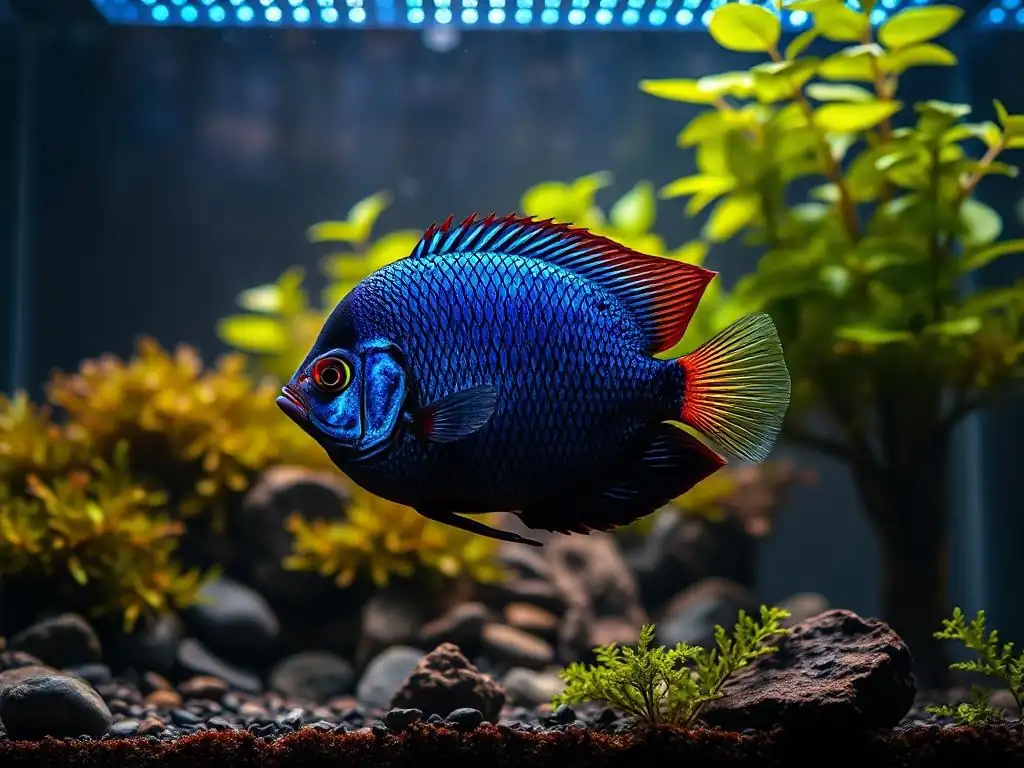
Maintaining a Discus aquarium is often cited as one of the most demanding aspects of freshwater fishkeeping, primarily due to their extreme sensitivity to water quality. Unlike many other aquarium fish, Discus do not tolerate fluctuations in water parameters or the accumulation of nitrates. A rigorous and consistent maintenance routine is not merely recommended; it is an absolute necessity for their survival and thriving.
This high level of commitment to maintenance is what often distinguishes successful Discus keepers. It requires dedication, time, and a thorough understanding of water chemistry, making it a significant step up in complexity for Cichlid care for beginners.
Frequent Water Changes: The Key to Discus Health
Frequent water changes are the single most important aspect of Discus care. For growing juveniles or heavily stocked tanks, daily or every-other-day water changes of 25-50% of the tank volume are common. This aggressive schedule is necessary to keep nitrate levels extremely low (ideally below 5-10 ppm) and to replenish essential trace elements.
For example, a 75-gallon Discus tank might require changing 20-35 gallons of water every day or two. The new water must always be thoroughly dechlorinated and precisely temperature-matched to the aquarium water to prevent shocking the sensitive fish. This commitment to regular, large-volume water changes is the defining characteristic of successful Discus care.
Filtration and Water Chemistry for Discus
Robust and efficient filtration is indispensable for a Discus tank. Canister filters are widely preferred due to their large media capacity, allowing for excellent mechanical, chemical, and especially biological filtration. Sponge filters are also commonly used, particularly in bare-bottom Discus tanks, providing gentle biological filtration without strong currents.
While chemical filtration (like activated carbon) can be used periodically, it is secondary to the importance of frequent water changes. Regular and precise testing of pH, ammonia, nitrite, and nitrate levels is critical. Maintaining stable water chemistry and avoiding sudden shifts in parameters is paramount, as Discus are highly intolerant of instability. This vigilance is a hallmark of advanced Cichlid care for beginners.
Discus Health and Disease Management: Recognizing and Treating Ailments
Discus fish are notoriously sensitive and can be more susceptible to stress-related diseases than many other aquarium inhabitants. Their delicate nature means that even minor fluctuations in water quality, temperature, or diet can quickly compromise their immune system, making them vulnerable to various ailments. Therefore, a proactive approach to health management is essential.
Understanding common Discus diseases, recognizing their early symptoms, and knowing appropriate treatment protocols is vital for any Discus keeper. However, the best defense against illness remains consistent, high-quality preventative care, which is the cornerstone of successful Cichlid care for beginners with Discus.
Common Discus Diseases and Treatments
Discus are particularly prone to internal parasites, most notably Hexamita (often leading to "hole-in-the-head" disease), which can cause white, stringy feces, loss of appetite, and darkening of color. Treatment typically involves specific antiparasitic medications like Metronidazole, often administered through food or as a bath. Bacterial infections, often manifesting as darkening, clamped fins, or rapid breathing (known as "Discus plague"), require prompt treatment with broad-spectrum antibiotics.
External parasites like flukes can also affect Discus, causing rubbing or flashing against tank objects, and can be treated with appropriate anti-parasitic medications. Fin rot and Ich (white spot disease) are also common but usually indicate underlying water quality issues or stress. Addressing the root cause, such as improving water quality or reducing stress, is crucial alongside medication for effective recovery.
Preventing Discus Diseases: Proactive Care Strategies
The most effective strategy for preventing Discus diseases is to maintain impeccable water quality, consistent temperatures, and a highly nutritious, varied diet. Stress is the primary trigger for most Discus ailments, so minimizing stress factors is paramount. This includes avoiding overcrowding, sudden changes in water parameters, and incompatible tank mates.
Quarantining all new fish for a minimum of 4-6 weeks in a separate observation tank is critical before introducing them to the main Discus display. This prevents the introduction of pathogens. Regular observation of your Discus for any changes in behavior, appetite, or physical appearance allows for early detection and intervention, significantly improving treatment outcomes. This preventative mindset is essential for Cichlid care for beginners with Discus.
Comparing Angelfish and Discus: Key Differences and Similarities
While both Angelfish and Discus belong to the Cichlidae family and originate from South America, they possess distinct characteristics that set them apart in terms of care requirements, temperament, and overall suitability for different aquarists. Understanding these differences is crucial for anyone deciding which of these captivating fish to keep, especially for those navigating Cichlid care for beginners.
Both species offer immense beauty and a rewarding experience, but their specific needs dictate a varying level of commitment and expertise. A side-by-side comparison highlights why Discus are often considered an advanced challenge, while Angelfish provide a more accessible entry point into the world of larger, more complex cichlids.
Temperament and Behavior: Angelfish vs. Discus
Angelfish generally exhibit a more robust and active temperament compared to Discus. They are semi-aggressive, especially when housed in smaller groups or during breeding, and can be quite territorial. Angelfish are active swimmers, readily competing for food and exploring all levels of the tank. Their boldness makes them more adaptable to a wider range of tank mates.
Discus, on the other hand, are typically much shyer, more peaceful, and sensitive to disturbances. They prefer a calm, low-stress environment and are slower, more deliberate swimmers, often forming tight shoals for security. Their timid nature means they can easily be intimidated or outcompeted by boisterous tank mates, requiring a more carefully curated community.
Water Parameter Requirements: A Side-by-Side Comparison
Both Angelfish and Discus prefer soft, acidic water, but Discus demand a much narrower and more pristine range. Angelfish thrive in a pH range of 6.0-7.5 and temperatures of 76-82°F (24-28°C), tolerating slight fluctuations if gradual. They can also handle nitrate levels up to 20 ppm with regular water changes.
Discus require a tighter pH range of 5.5-6.5 and higher, more stable temperatures of 82-86°F (28-30°C). Crucially, they demand extremely low nitrate levels, ideally below 5-10 ppm, necessitating more frequent and larger water changes. This heightened sensitivity to water quality is the primary reason Discus are considered more challenging for Cichlid care for beginners.
Feeding Habits: Angelfish and Discus Dietary Needs
While both are omnivores, their feeding habits and dietary needs differ in precision and frequency. Angelfish are generally less finicky eaters and readily accept a wide variety of high-quality flakes, pellets, and frozen foods. They typically require 1-2 feedings daily, consuming their food quickly.
Discus often require more specialized foods, such as protein-rich Discus pellets, frozen bloodworms, brine shrimp, and particularly beef heart mixes. They also need to be fed more frequently, typically 3-5 times daily (or more for juveniles), due to their higher metabolism and specific nutritional requirements. They are slower eaters and can be easily outcompeted, requiring careful observation during feeding.
Tank Mate Compatibility: What Works and What Doesn't
Angelfish are compatible with a broader range of peaceful, medium-sized community fish. They can coexist with larger tetras, peaceful bottom dwellers, and some gouramis, provided very small fish or aggressive fin-nippers are avoided. Their semi-aggressive nature means they can hold their own against similarly sized, non-aggressive species.
Discus, conversely, require highly peaceful, non-competitive tank mates that share their specific high-temperature, soft-water requirements. Examples include Cardinal Tetras, Rummy-Nose Tetras, and Corydoras catfish. Aggressive, fast-moving, or large, territorial fish are almost always unsuitable, as they will stress the Discus and lead to health issues. This strict compatibility requirement is a key consideration for Cichlid care for beginners with Discus.
Advanced Cichlid Care: Breeding Angelfish and Discus
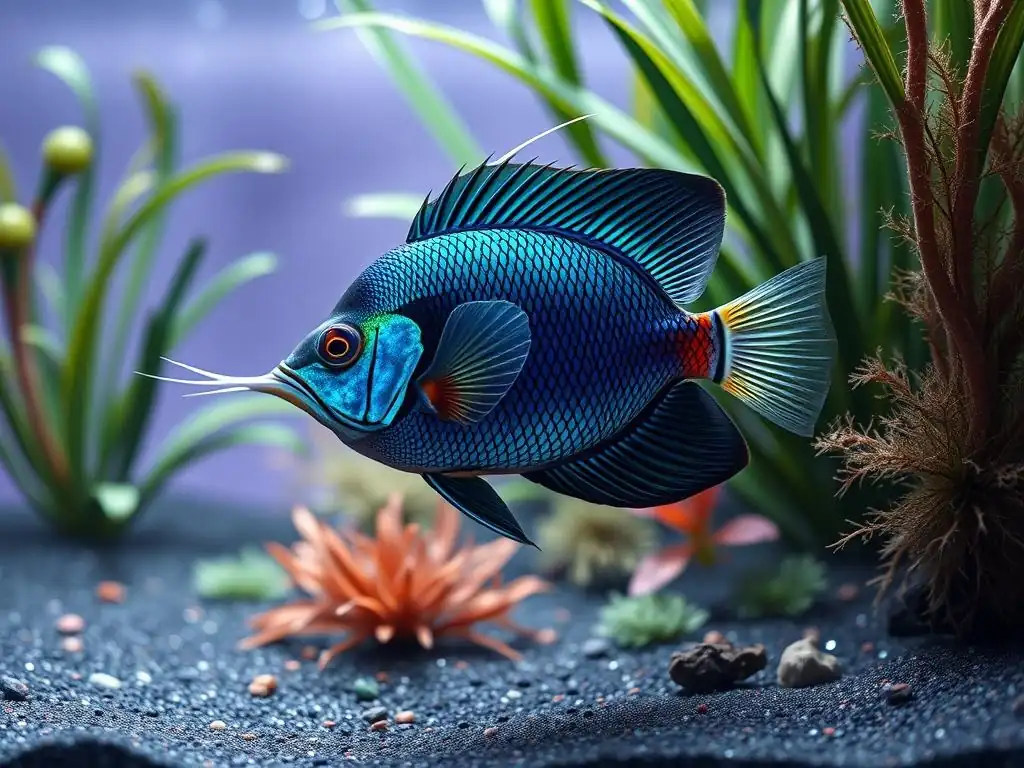
For many aquarists, the ultimate reward in Cichlid care for beginners is the successful breeding of their fish. Both Angelfish and Discus exhibit fascinating parental care, but the process of encouraging spawning and raising fry differs significantly in complexity and required dedication. Breeding these species offers a deeper dive into their natural behaviors and the satisfaction of contributing to their populations.
While Angelfish breeding is often achievable for intermediate hobbyists, Discus breeding is considered an advanced endeavor that requires meticulous attention to detail, specialized equipment, and a high level of commitment.
Angelfish Breeding: Encouraging Spawning and Raising Fry
Breeding Angelfish is a popular and often achievable goal for aquarists who provide optimal conditions. To encourage spawning, a dedicated breeding tank of at least 20 gallons (75 liters) is recommended for a pair, with slightly softer water (GH 5-10) and a pH of 6.5-7.0, along with a temperature around 80-82°F (27-28°C). Providing broad-leaf plants (like Amazon Swords) or spawning cones offers ideal surfaces for egg deposition.
Once a compatible pair forms and spawns, they will typically lay between 100-500 eggs. The parents diligently guard and fan the eggs, which hatch in about 2-3 days. The fry become free-swimming after approximately a week and require frequent feedings of microscopic foods like infusoria for the first few days, followed by newly hatched brine shrimp. Parental care is strong, but some breeders prefer to remove eggs for artificial rearing.
Discus Breeding: A Challenging but Rewarding Endeavor
Discus breeding is considerably more challenging than Angelfish breeding, demanding pristine water conditions, highly stable parameters, and a dedicated breeding tank, often bare-bottomed for hygiene. A healthy, compatible pair is essential, typically requiring a 29-40 gallon (110-150 liter) tank maintained at a temperature of 82-86°F (28-30°C) and a pH of 6.0-6.5. Frequent, large water changes (50-75% daily) are crucial.
Discus parents will lay eggs (often 50-200) on a vertical surface like a spawning cone or piece of slate. A unique aspect of Discus parental care is that the newly hatched fry, after becoming free-swimming in about 3-4 days, feed directly on a nutritious slime coat secreted by the parents' skin for the first few weeks. Raising Discus fry requires meticulous feeding of baby brine shrimp and rigorous daily water changes, making it a true test of an aquarist's dedication and skill in advanced Cichlid care for beginners.
The Rewards of Cichlid Keeping: A Fulfilling Aquarium Hobby
Embarking on the journey of Cichlid care for beginners, particularly with species as magnificent as Angelfish and Discus, offers a uniquely fulfilling experience. Beyond the initial setup and maintenance, the hobby provides continuous opportunities for learning, observation, and connection with the natural world. The commitment required to keep these fish healthy and thriving is amply repaid by the beauty and joy they bring to any home.
This section highlights the profound satisfaction derived from nurturing these remarkable aquatic creatures, fostering a deeper appreciation for their elegance and the broader aquatic environment.
The Beauty and Grace of Angelfish and Discus
The visual splendor of Angelfish and Discus is arguably their most immediate and captivating appeal. Angelfish, with their long, flowing fins and striking vertical stripes or solid colors, glide through the water with an unparalleled elegance that makes them living works of art. Their serene movements add a dynamic yet calming presence to any aquarium, creating a focal point of living beauty.
Discus, with their perfectly rounded bodies and dazzling array of vibrant colors and intricate patterns, are often described as jewels of the freshwater world. From brilliant blues and reds to subtle yellows and turquoises, their coloration is truly mesmerizing. Witnessing their graceful swimming and subtle interactions within a well-maintained tank is a constant source of wonder and aesthetic pleasure for any aquarist.
Contributing to Conservation through Responsible Fishkeeping
While many Angelfish and Discus available in the hobby are captive-bred, engaging in responsible fishkeeping practices indirectly contributes to the broader goals of aquatic conservation. By providing excellent care for these species, aquarists gain a deeper understanding of their needs and the delicate balance of aquatic ecosystems. This knowledge fosters a greater appreciation for the natural habitats from which these fish originate.
Supporting ethical breeders and suppliers who prioritize sustainable practices helps reduce pressure on wild populations. Furthermore, successful breeding efforts by hobbyists can contribute to maintaining genetic diversity within captive populations, ensuring these magnificent species continue to thrive for future generations. This commitment to responsible practices is a valuable aspect of Cichlid care for beginners.
Joining the Cichlid Community: Sharing Knowledge and Passion
The world of cichlid keeping is vast and vibrant, offering a strong sense of community for enthusiasts. Numerous online forums, social media groups, and local fish clubs are dedicated to cichlids, providing invaluable resources for learning, troubleshooting, and sharing experiences. Engaging with this community allows aquarists to connect with others who share their passion, exchange tips, and celebrate successes.
Participating in discussions, attending club meetings, or even showcasing your fish at local events can enrich the hobby significantly. This collaborative environment ensures that new aquarists are never alone in their journey, offering support and guidance as they navigate the nuances of Cichlid care for beginners and progress to more advanced aspects of the hobby.
Frequently Asked Questions
What makes Cichlids, especially Angelfish and Discus, so popular among aquarists?
Cichlids like Angelfish and Discus are popular because of their striking beauty and unique behaviors. Their elegance and social interactions within the tank make them fascinating to observe.
What are some key considerations for beginner aquarists before introducing Cichlids into their aquarium?
Before introducing Cichlids, beginners must understand their specific water parameter needs and tank size requirements. Researching the species' compatibility with other fish is also crucial.
What are the ideal water parameters for maintaining healthy Angelfish and Discus Cichlids?
Angelfish and Discus thrive in warm, slightly acidic water. Maintaining stable parameters, like temperature and pH, is vital for their health and well-being.
What type of food and feeding schedule is recommended for Cichlids like Angelfish and Discus?
Cichlids require a varied diet of high-quality flake food, frozen foods, and live foods. A consistent feeding schedule, typically twice a day, prevents overfeeding.
What are some common health issues that beginner aquarists should watch out for when keeping Cichlids?
Beginners should be vigilant for signs of parasitic infections, like Ich, and bacterial diseases. Maintaining pristine water quality minimizes the risk of these issues.
Final Reflection: The Enduring Fascination of Cichlids
The journey into the world of cichlids, particularly the captivating Angelfish and Discus, reveals more than just the intricacies of aquarium keeping; it highlights the enduring human fascination with beauty, complexity, and the delicate balance of nature. Understanding the nuances of Cichlid care for beginners is not simply about maintaining a tank; it's about fostering a miniature ecosystem and appreciating the vibrant life it holds, a responsibility that resonates deeply in our increasingly disconnected world.
The allure of these fish transcends mere aesthetics. It's a connection to the wild, a miniature representation of the Amazon or the African Rift Lakes thriving within our homes. This connection fosters a sense of responsibility and wonder. In every walk with nature, one receives far more than he seeks.
- John Muir. This quote perfectly encapsulates the rewarding experience of nurturing these magnificent creatures and observing their intricate behaviors. The dedication required to provide proper Cichlid care for beginners cultivates patience, observation skills, and a deeper understanding of the natural world.
Now, as you embark on your own cichlid-keeping adventure, remember that you are not just an aquarist, but a steward of life. Take the knowledge you've gained, embrace the challenges, and cultivate a thriving underwater world. Let the vibrant colors and captivating behaviors of your Angelfish and Discus inspire you to appreciate the beauty and fragility of our planet, and to become a lifelong learner in the fascinating realm of aquatic life.
Dive Deeper: Create Your Cichlid Paradise!
Thank you for exploring the captivating world of cichlids with us. We hope this article has sparked a newfound appreciation for these amazing fish and the beauty they bring to aquariums. Now, let's turn that inspiration into action!
Here are a few ways to continue your cichlid adventure:
- Start Planning Your Dream Tank: Decide which cichlid species – perhaps Angelfish or Discus – best suit your aquarium setup and research their specific needs.
- Join the Conversation: Head to your local aquarium club and connect with experienced cichlid keepers, or even post your own tank design!
- Share your cichlid story! What are your favorite cichlid species, and what captivates you most about keeping them? Share in the comments below.
Ready to transform your aquarium into a thriving cichlid haven?