
Amano Shrimp (*Caridina multidentata*): The AlgaeEating Powerhouse Profile & Care

Welcome to Aquarium Mastery!
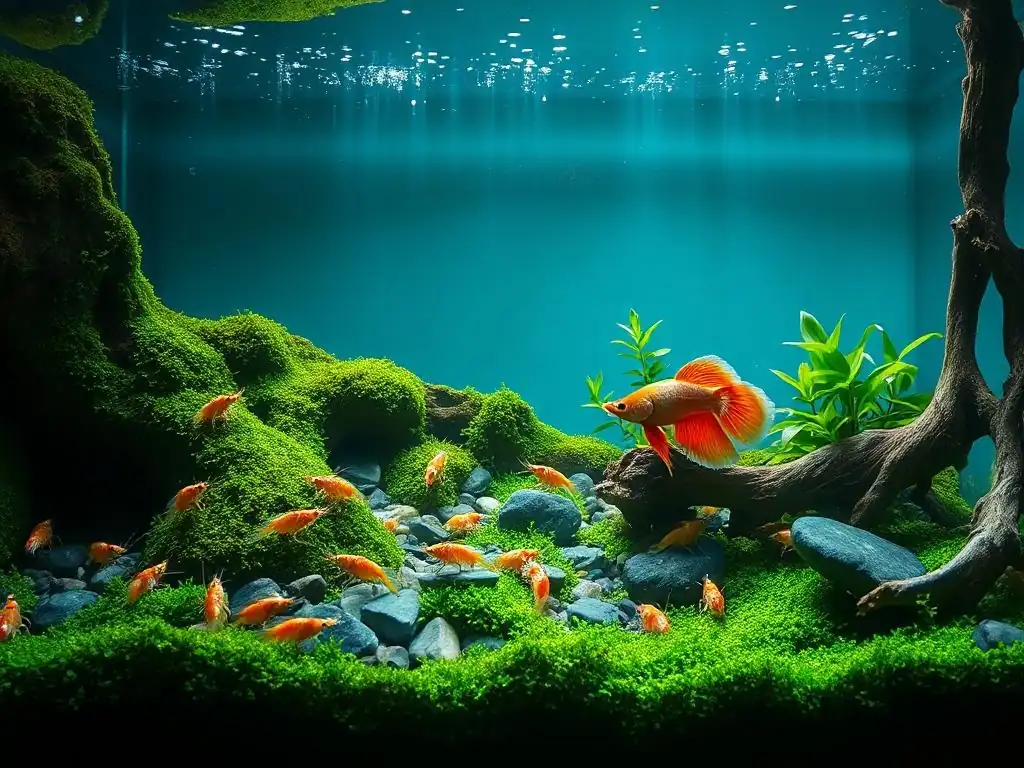
Ever wondered how to keep your aquarium sparkling clean naturally? Our Amano shrimp care guide dives deep into the world of these amazing algae-eating powerhouses, Caridina multidentata. Discover everything you need to know about keeping these fascinating invertebrates happy and healthy, from optimal water parameters to ideal tank mates. Ready to unlock the secrets to a thriving, algae-free aquarium? Let's get started!
- Introduction to Amano Shrimp: The Ultimate Aquarium Algae Control
- Understanding Amano Shrimp ( Caridina multidentata)
- Amano Shrimp Care Guide: Creating the Ideal Aquarium Environment
- Amano Shrimp Diet and Feeding Habits: What Do They Eat?
- Amano Shrimp Tank Mates: Compatibility and Considerations
- Amano Shrimp Breeding: Challenges and Possibilities
- Common Amano Shrimp Health Issues and Troubleshooting
- Purchasing Amano Shrimp: Selecting Healthy Specimens
- Amano Shrimp vs. Other Algae Eaters: A Comparison
- Benefits of Keeping Amano Shrimp in Your Aquarium
- Conclusion: Mastering Amano Shrimp Care for a Thriving Aquarium.
- Frequently Asked Questions
- Final Reflection: Appreciating the Tiny Algae Eaters
- Unleash the Amano Shrimp's Algae-Fighting Power in Your Tank!
Introduction to Amano Shrimp: The Ultimate Aquarium Algae Control
Amano shrimp, scientifically known as Caridina multidentata, are renowned in the aquarium hobby for their exceptional algae-eating capabilities. These industrious invertebrates have earned their reputation as one of the most effective natural solutions for keeping freshwater aquariums free from unsightly algae growth. Their diligent foraging habits and peaceful demeanor make them a highly sought-after addition for aquarists seeking a biological approach to tank maintenance.
This comprehensive Amano shrimp care guide will delve into every aspect of keeping these fascinating creatures, from their natural origins and identifying features to detailed care requirements, dietary needs, suitable tank mates, and even the challenges of breeding them. By understanding their specific needs, you can provide an optimal environment that allows your Amano shrimp to thrive, contributing significantly to a clean and balanced aquarium ecosystem.
Understanding Amano Shrimp ( Caridina multidentata)
Origin and Natural Habitat of Caridina multidentata
Caridina multidentata was first introduced to the aquarium hobby by the famous Japanese aquascaper Takashi Amano, which led to their common name, Amano shrimp. These resilient crustaceans originate from the fast-flowing rivers and streams of Japan, Korea, Taiwan, and the Ryukyu Islands. In their natural environment, they are typically found in clear, oxygen-rich waters, often grazing on biofilm and algae that grow on rocks, submerged wood, and aquatic vegetation.
A key characteristic of their natural habitat is their complex life cycle, which involves migration. Adult Amano shrimp live and breed in freshwater, but their larvae require brackish or even saltwater conditions to develop. After hatching in freshwater, the microscopic larvae are carried downstream to estuaries or coastal areas where they mature through several larval stages before eventually migrating back upstream to freshwater as juvenile shrimp. This unique migratory pattern is crucial to understanding the difficulties associated with Amano shrimp breeding in a home aquarium setting.
Amano Shrimp Appearance and Size: Identifying Features
Amano shrimp possess a largely translucent to light brown body, allowing them to blend seamlessly with their surroundings. A distinctive feature is a faint, light-colored dorsal stripe running down their back, though this can vary. Along their sides, they exhibit a pattern of small, dark dots or dashed lines, which can sometimes appear as a broken stripe. These markings can become more pronounced or fade slightly depending on the shrimp's diet, stress levels, and the color of the substrate they are on.
Females are typically larger and more robust than males, often reaching up to 2 inches (approximately 5 cm) in length, while males usually max out around 1.5 inches (about 4 cm). The female's saddle (where eggs develop) and belly, where she carries the eggs, are also noticeably larger and more rounded than the male's. Both sexes have clear, delicate legs and fan-like appendages around their mouths, which they constantly use to filter small food particles and scrape algae from surfaces.
Lifespan of Amano Shrimp: How Long Do They Live?
Under optimal conditions in a well-maintained aquarium, Amano shrimp can live for an average of 2 to 3 years. Some individuals, particularly robust females in pristine environments, have been known to live slightly longer, up to 4 years. This lifespan is largely dependent on several critical factors, including consistent water quality, a balanced diet, minimal stress, and the absence of aggressive tank mates.
Poor water parameters, such as fluctuating temperatures, incorrect pH, or the presence of ammonia and nitrites, can significantly shorten their lifespan. Similarly, a lack of adequate nutrition or constant harassment from tank mates will stress the shrimp, making them more susceptible to disease and premature death. Providing a comprehensive Amano shrimp care environment that meets all their needs is paramount to ensuring they live out their full potential and continue their valuable algae-eating work.
Amano Shrimp Care Guide: Creating the Ideal Aquarium Environment
Setting Up the Perfect Amano Shrimp Tank: Tank Size and Setup
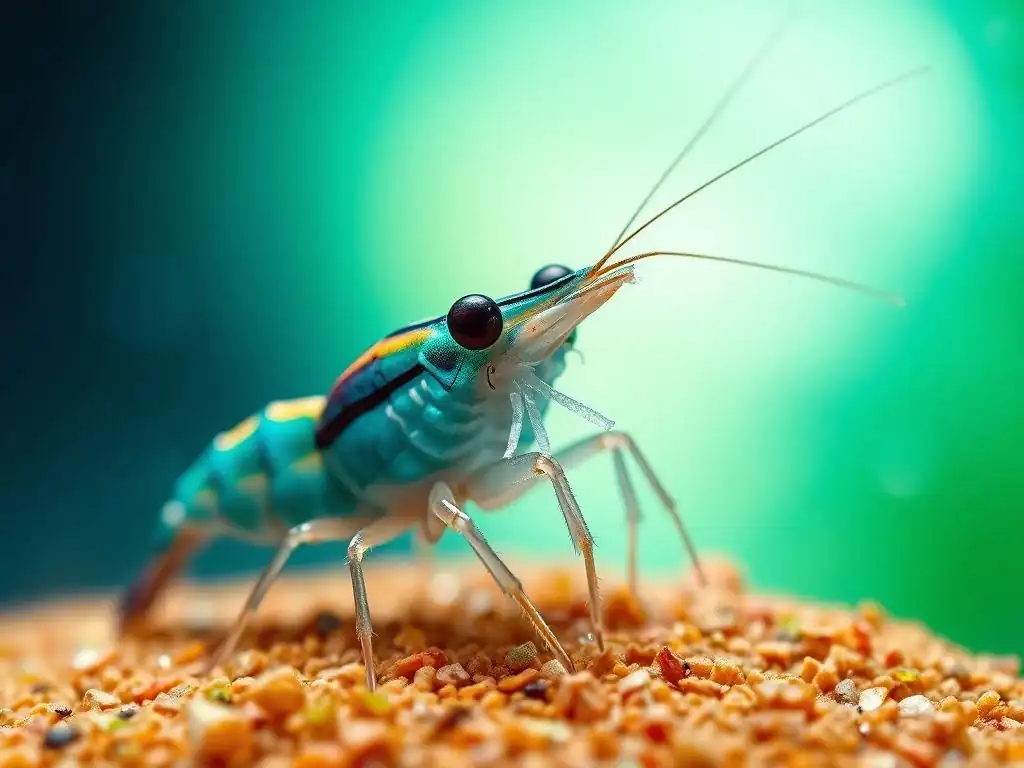
When establishing an aquarium for Amano shrimp, a minimum tank size of 10 gallons (approximately 38 liters) is generally recommended for a small group of 3-5 individuals. While they are relatively small, a larger tank provides greater water volume and thus more stability in water parameters, which is crucial for these sensitive invertebrates. It is essential that the tank is fully cycled and mature, meaning the nitrogen cycle is established, and ammonia and nitrite levels are consistently zero.
The tank setup should prioritize providing ample hiding spots and surfaces for foraging. Incorporate elements such as driftwood, rocks, and a variety of live plants. Java Moss, Anubias, and Bucephalandra are excellent choices as they provide plenty of surface area for biofilm and algae growth, which Amano shrimp love to graze on. Ensure the tank has a secure lid, as Amano shrimp are known to be opportunistic escape artists, especially if water quality is poor or they feel stressed.
Amano Shrimp Water Parameters: Temperature, pH, and Hardness
Maintaining stable and appropriate water parameters is arguably the most critical aspect of successful Amano shrimp care. The ideal temperature range for Amano shrimp is between 70-78°F (21-25.5°C). While they can tolerate slight variations, sudden temperature swings should be avoided. The pH level should be kept between 6.5 and 7.5, which is slightly acidic to neutral. Extremes outside this range can cause significant stress.
Regarding water hardness, Amano shrimp thrive in moderately hard water. A general hardness (GH) of 6-10 dGH and a carbonate hardness (KH) of 3-6 dKH are ideal. These parameters provide the necessary minerals, particularly calcium, for healthy molting and shell development. Consistent monitoring with a reliable test kit and making gradual adjustments are key to preventing stress and ensuring the long-term health of your Amano shrimp.
Substrate and Decorations for Amano Shrimp: Enhancing Their Habitat
The choice of substrate plays a role in the overall well-being of Amano shrimp. Fine gravel or sand is generally preferred as it allows them to easily sift through for food particles and does not trap excessive debris, which could lead to anaerobic pockets. Avoid substrates with sharp edges that could potentially injure their delicate legs or bodies, especially during molting.
Decorations should primarily serve to enhance their habitat by offering hiding places and additional foraging surfaces. Driftwood and various types of rocks (e.g., Seiryu Stone, Dragon Stone) are excellent choices. Live plants are highly beneficial; dense planting with species like Java Fern, Anubias, Hornwort, or various mosses creates a natural environment, provides cover, and allows for the growth of biofilm and micro-organisms that supplement their diet. The more complex the environment, the more secure and active your Amano shrimp will be.
Filtration and Water Changes for Healthy Amano Shrimp
Effective yet gentle filtration is essential for an Amano shrimp tank. Sponge filters are an excellent choice as they provide both mechanical and biological filtration without creating strong currents that could stress the shrimp or potentially suck them in. If using a hang-on-back (HOB) or canister filter, it is crucial to place a pre-filter sponge over the intake tube to prevent adult shrimp and especially any potential shrimplets from being drawn into the filter.
Regular water changes are paramount for maintaining pristine water quality and preventing the buildup of nitrates and other undesirable compounds. A routine of 10-20% water change weekly or bi-weekly, depending on the tank's bioload, is generally recommended. Always use dechlorinated water and ensure the new water's temperature and parameters (pH, hardness) closely match those of the tank water to minimize stress during the transition. Consistent water quality is a cornerstone of an effective Amano shrimp care guide.
Amano Shrimp Diet and Feeding Habits: What Do They Eat?
The Algae-Eating Abilities of Amano Shrimp: A Natural Solution
Amano shrimp are celebrated for their insatiable appetite for algae, making them one of the most effective natural solutions for algae control in freshwater aquariums. They are particularly adept at consuming various types of nuisance algae, including hair algae, thread algae, and even some stubborn forms like green spot algae and certain types of black beard algae. Their constant foraging behavior means they are tirelessly grazing on plants, decorations, glass, and substrate surfaces, keeping them remarkably clean.
Unlike some other algae eaters, Amano shrimp are not picky about the texture of algae, making them valuable for a wide range of algae problems. A single adult Amano shrimp can significantly impact algae growth in a 10-gallon aquarium, while a small group can keep a moderately planted tank largely free of common algae issues. This natural ability reduces the reliance on chemical algae removers, promoting a healthier and more stable aquatic environment.
Supplementing Amano Shrimp's Diet: Ensuring Optimal Nutrition
While Amano shrimp are exceptional algae eaters, algae alone may not provide all the necessary nutrients for their long-term health, especially in a tank with minimal algae growth. It is crucial to supplement their diet with high-quality foods to ensure they receive a balanced nutritional intake. Offer sinking pellets, flakes, or wafers specifically formulated for shrimp or bottom feeders, ensuring they contain essential minerals for molting.
In addition to commercial foods, Amano shrimp relish blanched vegetables such as zucchini slices, spinach, or cucumber. These can be left in the tank for a few hours (no more than 24 hours to prevent water fouling) for the shrimp to graze on. Occasionally, you can offer small amounts of protein-rich foods like bloodworms or brine shrimp, but sparingly, as their primary diet should be plant-based and algae. Providing a varied diet is a vital component of a comprehensive Amano shrimp care routine.
Foods to Avoid When Feeding Amano Shrimp
When feeding Amano shrimp, it's important to be mindful of certain ingredients and practices that can be detrimental to their health. The most critical substance to avoid is copper. Copper is highly toxic to all invertebrates, including Amano shrimp, even in very small concentrations. Therefore, always check the ingredient list of any fish food, invertebrate food, or aquarium medication to ensure it is copper-free.
Overfeeding should also be avoided. While Amano shrimp are voracious eaters, providing too much food can lead to uneaten decaying matter, which fouls the water and contributes to ammonia and nitrite spikes. Only offer an amount they can consume within a few hours. Additionally, avoid foods that quickly disintegrate into fine particles, as these can cloud the water and are difficult for the shrimp to consume efficiently, again leading to water quality issues.
Amano Shrimp Tank Mates: Compatibility and Considerations
Suitable Tank Mates for Amano Shrimp: Peaceful Community Fish
Choosing appropriate tank mates is crucial for the well-being of Amano shrimp, as they are relatively small and defenseless against predatory fish. Ideal tank mates are small, peaceful, and non-aggressive fish that will not view the shrimp as a food source. Excellent choices include small schooling tetras such as Neon Tetras ( Paracheirodon innesi), Cardinal Tetras ( Paracheirodon axelrodi), or Ember Tetras ( Hyphessobrycon amandae).
Other suitable companions include various species of Rasboras (e.g., Harlequin Rasboras, Chili Rasboras), Endler's Livebearers, Guppies (though their long fins can sometimes be nipped by other fish, not the shrimp), and Otocinclus catfish ( Otocinclus affinis). These fish typically occupy different swimming levels and have small mouths, making them less likely to harass or consume adult Amano shrimp. Even with peaceful fish, ensure plenty of hiding spots are available for the shrimp, especially after molting when they are most vulnerable.
Fish to Avoid Housing with Amano Shrimp: Predatory Species
To ensure the safety and longevity of your Amano shrimp, it is imperative to avoid housing them with any large, aggressive, or predatory fish species. Many popular aquarium fish will readily prey on Amano shrimp, especially smaller or newly molted individuals. Examples of fish to avoid include most Cichlids (e.g., Angelfish, Gouramis, Oscars, Convict Cichlids), larger Barbs (like Tiger Barbs), Bettas ( Betta splendens), and larger Rainbowfish.
Even seemingly docile fish can become opportunistic predators if the shrimp are small enough or if the fish are particularly hungry. For instance, while some suggest Bettas can coexist, it is a high-risk pairing; many Bettas will actively hunt and eat shrimp. Any fish that can fit an Amano shrimp in its mouth, or has a known aggressive temperament, should be strictly excluded from an Amano shrimp community tank. This is a critical consideration in any Amano shrimp care guide to prevent unnecessary loss.
Invertebrate Tank Mates for Amano Shrimp: Shrimp and Snail Compatibility
Amano shrimp generally make excellent tank mates for other peaceful invertebrates, sharing similar water parameter requirements and temperaments. Nerite snails ( Neritina spp.), Mystery snails ( Pomacea bridgesii), and various other dwarf shrimp species are highly compatible. This includes popular choices like Cherry shrimp ( Neocaridina davidi), Ghost shrimp ( Palaemonetes paludosus), and other Caridina species (though cross-breeding with Amano shrimp is not an issue).
When housing Amano shrimp with other dwarf shrimp, such as Neocaridina species, ensure that there is sufficient food and foraging space for all inhabitants. Amano shrimp are typically more active and larger, so they might outcompete smaller shrimp for food if resources are scarce. However, their peaceful nature means they will not actively harass or harm other invertebrates. This combination can create a vibrant and efficient clean-up crew for your aquarium.
Amano Shrimp Breeding: Challenges and Possibilities
Why Amano Shrimp Breeding is Difficult in Freshwater
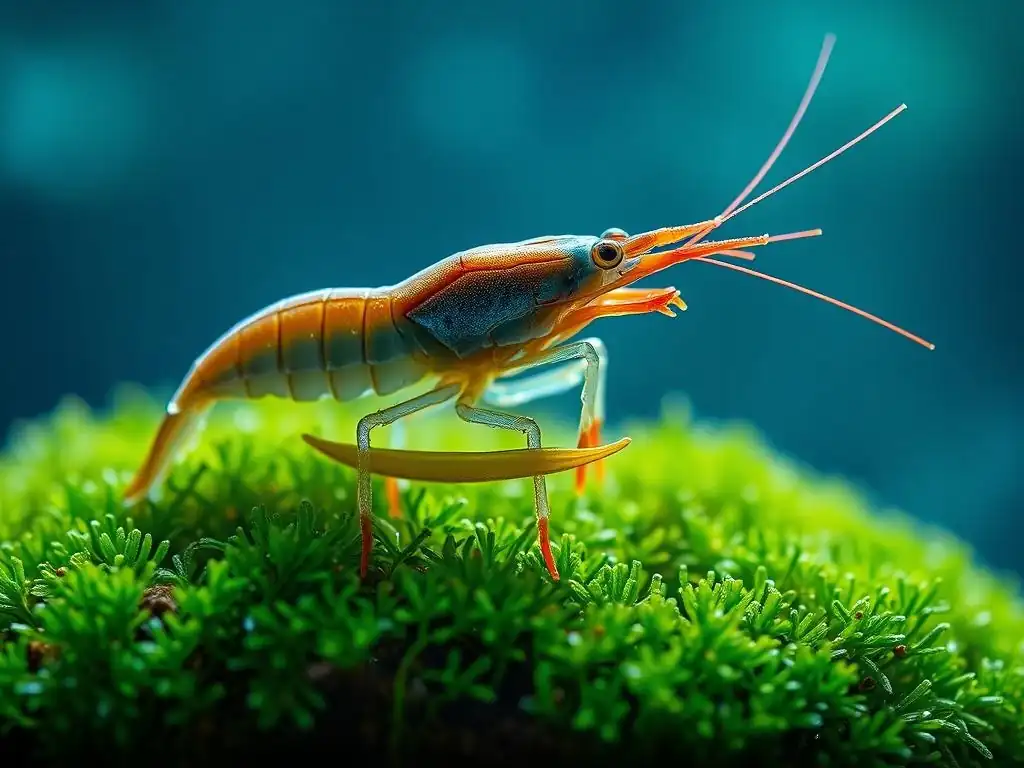
Breeding Amano shrimp in a typical freshwater home aquarium is notoriously challenging, largely due to their unique and complex life cycle. Unlike Neocaridina shrimp species (e.g., Cherry shrimp), which can complete their entire life cycle and breed readily in freshwater, Amano shrimp larvae require specific brackish water conditions to survive and develop. When Amano shrimp eggs hatch in freshwater, the resulting larvae (known as zoea) are extremely tiny and delicate, and they cannot survive for more than a few days without being transferred to saltwater.
This requirement for a salinity change is the primary hurdle for hobbyists. The larvae need to transition from freshwater to brackish or even marine conditions to undergo metamorphosis into juvenile shrimp. Without this critical environmental shift, the larvae will simply perish, making successful Amano shrimp breeding in a standard freshwater setup virtually impossible.
Understanding the Amano Shrimp Life Cycle
The Amano shrimp life cycle is a fascinating example of anadromous migration, similar to some fish species. Adult Amano shrimp mate and lay eggs in freshwater. Once the eggs hatch, microscopic zoea larvae are released. In nature, these larvae are carried downstream by river currents into brackish estuaries or even fully marine environments. Here, they spend several weeks feeding on phytoplankton and undergoing multiple larval stages, molting as they grow.
After approximately 4-6 weeks in the brackish water, the larvae undergo a final metamorphosis, transforming into post-larvae that resemble miniature adult shrimp. At this stage, they are ready to migrate back upstream into freshwater rivers and streams, where they will grow to maturity and continue the cycle. Replicating these precise conditions, including the correct salinity progression, larval food sources, and water movement, is incredibly difficult in a controlled aquarium environment, leading to very low success rates for most hobbyists attempting Amano shrimp breeding.
Creating Brackish Water Conditions for Larval Development
For hobbyists determined to attempt Amano shrimp breeding, the critical step involves creating a separate brackish water environment for the larvae. Once the female Amano shrimp releases her zoea larvae in the freshwater breeding tank, these larvae must be carefully siphoned out and transferred to a dedicated larval tank. This tank needs to be prepared with brackish water, typically with a specific gravity ranging from 1.010 to 1.024, achieved by mixing marine salt (not table salt) with dechlorinated freshwater.
Maintaining stable parameters in the larval tank is paramount. The larvae require microscopic food sources, such as phytoplankton or specialized liquid larval diets, and constant aeration without strong currents. The water quality must be impeccable, and gradual salinity adjustments might be necessary as they develop. This complex process, requiring specialized equipment and precise environmental control for several weeks, highlights why successful Amano shrimp breeding remains largely confined to professional aquaculture facilities rather than home aquariums.
Common Amano Shrimp Health Issues and Troubleshooting
Identifying Signs of Illness in Amano Shrimp
Observing your Amano shrimp regularly is key to identifying potential health issues early. Healthy Amano shrimp are typically active, constantly foraging, and have clear, translucent bodies. Signs of illness or distress can include lethargy, reduced activity, or prolonged hiding, which is unusual for these active scavengers. Physical symptoms might involve a change in body color to opaque white or milky, which can indicate muscle necrosis due to severe stress or poor water quality.
Other visual cues include fuzzy growths on their body or legs (suggesting fungal infections), white spots, or a general dullness in their appearance. Difficulty molting is another common problem; if a shrimp appears to have a "white ring" around its body, or is stuck in its old exoskeleton, it indicates a failed molt, often due to insufficient minerals in the water or rapid parameter changes. Missing appendages can occur from failed molts or aggression from tank mates.
Common Diseases Affecting Amano Shrimp and Their Treatment
Amano shrimp are generally hardy, but like all aquatic creatures, they can fall victim to diseases, often exacerbated by poor water quality, stress, or inadequate nutrition. Bacterial infections can manifest as reddish discoloration or lethargy. Fungal infections might appear as cottony growths on their exoskeleton. Parasitic issues are less common but can occur.
Treating diseases in Amano shrimp is challenging because they are highly sensitive to many common aquarium medications, especially those containing copper, which is lethal to them. Therefore, chemical treatments should be approached with extreme caution and only as a last resort, using shrimp-safe formulas. The primary "treatment" for most Amano shrimp ailments involves isolating affected individuals (if contagious) and, most importantly, improving water quality immediately through small, frequent water changes and ensuring stable parameters. Addressing the root cause, typically environmental stress, is far more effective than medication.
Preventing Health Problems in Amano Shrimp
The best approach to Amano shrimp health is prevention, which hinges on providing an optimal and stable environment. Maintaining pristine water quality is paramount; this means regular, small water changes (e.g., 10-20% weekly), consistent monitoring of parameters (ammonia, nitrite, nitrate, pH, temperature, GH, KH), and efficient yet gentle filtration. Avoiding sudden fluctuations in water parameters is crucial, as these can trigger failed molts and stress.
A balanced and varied diet also plays a significant role in boosting their immune system and overall vitality. Quarantining new fish, plants, or invertebrates before introducing them to the main tank helps prevent the introduction of pathogens. Lastly, ensuring compatible tank mates and providing ample hiding spots reduces stress, allowing Amano shrimp to thrive and be more resilient against potential health issues. Adhering to these preventative Amano shrimp care practices will significantly reduce the incidence of disease.
Purchasing Amano Shrimp: Selecting Healthy Specimens
Where to Buy Amano Shrimp: Reputable Sources
When looking to add Amano shrimp to your aquarium, selecting them from reputable sources is crucial for ensuring you bring home healthy specimens. Local fish stores with clean tanks, knowledgeable staff, and a good turnover of livestock are generally reliable. Observe the store's tanks for any signs of dead or diseased fish or invertebrates, as this can indicate poor husbandry practices.
Online vendors specializing in aquatic invertebrates can also be an excellent source, especially if local options are limited. Look for sellers with strong positive reviews, clear shipping policies, and a guarantee on live arrival. Reputable online stores often have stricter quarantine and packing procedures, minimizing stress during transit. Always inquire about their source for the shrimp and their acclimation recommendations.
Identifying Healthy Amano Shrimp Before Purchase
Before making a purchase, take a few minutes to carefully observe the Amano shrimp in the tank. Healthy Amano shrimp are active and constantly foraging, moving around the tank, grazing on surfaces, or sifting through the substrate. Their bodies should appear translucent and clear, without any opaque white patches, red discoloration, or fuzzy growths. Their antennae should be intact and moving fluidly.
Avoid shrimp that are lethargic, lying motionless on the bottom, or exhibiting erratic swimming. Shrimp that appear opaque or have a milky white appearance, particularly around their muscle tissue, might be suffering from muscle necrosis due to severe stress, poor water conditions, or even old age, and are unlikely to survive long. Choose individuals that are actively exploring and appear robust, as these signs indicate good health and resilience.
Acclimation Process for New Amano Shrimp: Minimizing Stress
The acclimation process is a critical step in introducing new Amano shrimp to your aquarium and is essential for their survival. Due to their sensitivity to sudden changes in water parameters (temperature, pH, hardness), the drip acclimation method is highly recommended. This involves slowly introducing your tank water into the bag containing the new shrimp over an extended period, typically 1 to 2 hours.
First, float the sealed bag in your aquarium for about 15-20 minutes to equalize the water temperature. Then, open the bag and secure it in a container (like a clean bucket or small plastic tub). Use an air line tubing and a knot or control valve to create a slow drip from your main aquarium into the shrimp's container.
Once the volume of water in the container has roughly quadrupled, you can gently net the shrimp and place them into the aquarium, discarding the acclimation water. Never "dump" the bag water directly into your tank. Turning off the aquarium lights during and immediately after acclimation can further reduce stress, making this a vital part of a successful Amano shrimp care strategy.
Amano Shrimp vs. Other Algae Eaters: A Comparison
Amano Shrimp vs. Nerite Snails: Algae Control Efficiency
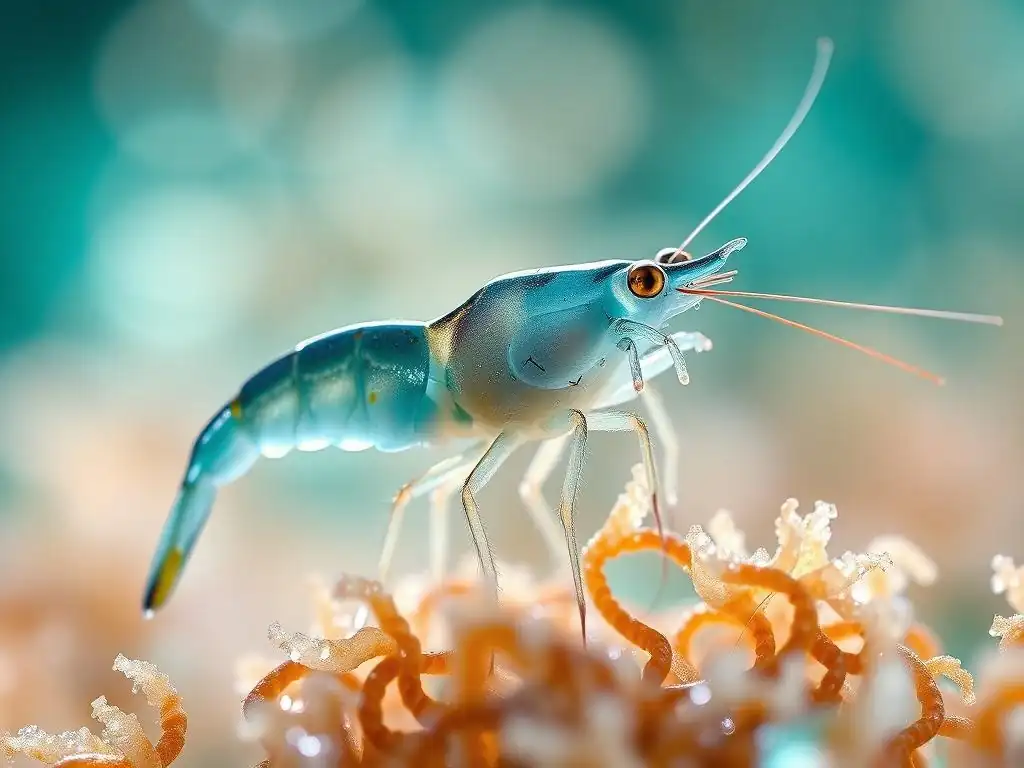
Both Amano shrimp and Nerite snails are highly effective algae eaters, but they excel in different areas, making them excellent complementary additions to an aquarium. Amano shrimp are particularly skilled at consuming hair algae, thread algae, and generally cleaning plant leaves and intricate decorations due to their constant foraging and ability to move agilely across various surfaces. They also readily consume leftover fish food and detritus.
Nerite snails, on the other hand, are champions at cleaning hard, flat surfaces such as aquarium glass, rocks, and driftwood. They are exceptional at removing tough green spot algae and diatoms (brown algae) that often adhere firmly to these surfaces. Unlike Amano shrimp, Nerite snails do not reproduce in freshwater, which prevents overpopulation issues. Combining both species can provide comprehensive algae control across all tank surfaces.
Amano Shrimp vs. Otocinclus Catfish: Dietary Preferences and Tank Compatibility
Amano shrimp and Otocinclus catfish ( Otocinclus affinis), often referred to as "Otos," are both small, peaceful, and highly regarded for their algae-eating prowess. However, their dietary preferences differ slightly. Otocinclus catfish are primarily diatom eaters, making them incredibly efficient at consuming brown algae that often coats new tank setups or tanks with excess silicates. They also enjoy biofilm.
Amano shrimp have a broader algae diet, tackling various forms including hair algae and some tougher types. Both species are excellent, peaceful tank mates for community aquariums and can coexist harmoniously, often complementing each other's cleaning efforts. Otocinclus are generally more sensitive to water quality fluctuations and require a well-established, mature tank with plenty of biofilm, while Amano shrimp are a bit more robust but still prefer stable conditions.
Amano Shrimp vs. Siamese Algae Eaters: Temperament and Care Requirements
The Siamese Algae Eater (SAE, Crossocheilus oblongus) is another popular algae-eating fish, but it differs significantly from Amano shrimp in terms of size, temperament, and care requirements. SAEs can grow quite large, up to 6 inches (15 cm), and are particularly effective at consuming black beard algae (BBA), a type of algae that Amano shrimp may only pick at.
However, SAEs can become semi-aggressive and territorial as they mature, potentially harassing smaller fish or shrimp, whereas Amano shrimp remain consistently peaceful. SAEs also require larger tanks (a minimum of 30 gallons for adults due to their size and activity level) compared to Amano shrimp, which can thrive in tanks as small as 10 gallons. Therefore, while both are excellent algae eaters, their compatibility with a diverse community tank and overall care needs are quite different, making Amano shrimp a more universally suitable choice for smaller, peaceful setups.
Benefits of Keeping Amano Shrimp in Your Aquarium
Natural Algae Control: Reducing the Need for Chemicals
The most significant benefit of keeping Amano shrimp in your aquarium is their unparalleled ability to provide natural and effective algae control. These tireless scavengers relentlessly graze on various types of algae, including stubborn hair algae, thread algae, and even some forms of black beard algae. By introducing a small group of Amano shrimp, aquarists can significantly reduce the manual effort of scrubbing algae and minimize, or even eliminate, the need for chemical algae removers.
This biological approach to algae management leads to a healthier and more stable aquarium ecosystem. Chemical treatments can sometimes harm beneficial bacteria, sensitive fish, or aquatic plants, and they often provide only a temporary solution. Amano shrimp, on the other hand, offer a continuous, proactive, and environmentally friendly method of keeping your tank clean, promoting a more balanced and visually appealing aquatic environment.
Scavenging and Detritus Removal: Maintaining a Clean Tank
Beyond their primary role as algae eaters, Amano shrimp are also highly efficient scavengers and detritus removers. They constantly sift through the substrate, pick at decaying plant matter, and consume leftover fish food that might otherwise decompose and foul the water. This diligent cleaning behavior helps prevent the buildup of organic waste, which is a major contributor to elevated ammonia and nitrate levels.
By actively consuming uneaten food and decaying materials, Amano shrimp play a crucial role in maintaining excellent water quality. This proactive waste removal reduces the bioload on your filtration system and helps prevent the proliferation of harmful bacteria. A cleaner tank environment, thanks to the Amano shrimp's continuous scavenging efforts, directly contributes to the overall health and longevity of all your aquarium inhabitants.
Peaceful and Active Inhabitants: Adding Interest to Your Aquarium
Amano shrimp are celebrated for their incredibly peaceful temperament, making them ideal inhabitants for almost any community aquarium with small, non-aggressive fish. They are entirely non-predatory and will not bother other tank mates, plants, or decorations. This makes them a stress-free addition that integrates seamlessly into a diverse aquatic environment.
Their constant activity and unique foraging behaviors also add a dynamic and fascinating element to the aquarium. Observing Amano shrimp as they meticulously clean plant leaves, climb over driftwood, or perform their graceful molting process can be a captivating experience. Their industrious nature and subtle beauty contribute significantly to the visual appeal and ecological balance of a well-maintained freshwater tank.
Conclusion: Mastering Amano Shrimp Care for a Thriving Aquarium.
Mastering Amano shrimp care is a rewarding endeavor that yields significant benefits for any freshwater aquarium. From understanding their unique migratory life cycle and specific water parameter requirements to providing a balanced diet and selecting compatible tank mates, each aspect contributes to their health and effectiveness. These diligent invertebrates are not just fascinating to observe; they are invaluable allies in the ongoing battle against algae and detritus, offering a natural and sustainable solution to common aquarium challenges.
By following this comprehensive Amano shrimp care guide, you can ensure your Caridina multidentata thrive, living out their full lifespan as active and efficient members of your aquatic clean-up crew. Their peaceful nature, coupled with their remarkable algae-eating prowess, makes them an indispensable addition for both novice and experienced aquarists aiming for a pristine, balanced, and vibrant aquarium ecosystem.
Frequently Asked Questions
What are the ideal water parameters for Amano shrimp?
Amano shrimp thrive in stable water conditions. Aim for a temperature between 68-78°F (20-26°C), a pH of 6.5-7.5, and a KH (carbonate hardness) between 4-8 dKH. Stable water parameters are crucial for their health and survival.
What is the best food to supplement Amano shrimp's diet besides algae?
While Amano shrimp are excellent algae eaters, they need supplemental food. Offer them algae wafers, blanched vegetables like zucchini or spinach, and specialized shrimp food to ensure they receive all the necessary nutrients.
How many Amano shrimp should I keep in my aquarium?
A good starting point is 1 Amano shrimp per 2-3 gallons of water. This allows them ample space to forage for food and reduces competition. Remember to consider the overall bioload of your aquarium.
What tank mates are compatible with Amano shrimp?
Amano shrimp are peaceful and can coexist with many fish. Good tank mates include small, non-aggressive fish like tetras, rasboras, and Corydoras catfish. Avoid large or predatory fish that may see them as food.
What are some common signs of illness in Amano shrimp?
Signs of illness can include lethargy, loss of appetite, cloudy or discolored body, and erratic swimming. Promptly address any issues by checking water parameters and isolating the affected shrimp if necessary.
Final Reflection: Appreciating the Tiny Algae Eaters
The journey through understanding the Amano shrimp, Caridina multidentata, reveals more than just the specifics of their care; it highlights the delicate balance within our aquatic ecosystems and the profound impact even the smallest creatures can have. These miniature algae-eating powerhouses remind us that responsible aquarium keeping is not merely about aesthetics, but about fostering a thriving, interconnected environment.
The enduring popularity of Amano shrimp underscores their irreplaceable role in maintaining healthy aquariums and inspiring a deeper appreciation for the natural world. Their resilience and effectiveness in controlling algae blooms have made them a staple in the hobby, demonstrating how nature's solutions can often be the most elegant and effective. In nature, nothing exists alone.
- Rachel Carson. This quote perfectly encapsulates the Amano shrimp's significance, reminding us that every organism plays a vital role in the intricate web of life.
As you embark on, or continue, your journey with Amano shrimp, remember that your dedication to their well-being contributes to a broader understanding of aquatic ecosystems. Let their tireless work ethic inspire you to cultivate a mindful approach to all aspects of life, recognizing the power of small actions to create significant positive change. Consider how you can apply the principles of balance and harmony, so evident in the Amano shrimp's world, to your own life and community.
Unleash the Amano Shrimp's Algae-Fighting Power in Your Tank!
Thank you for diving into the world of Amano Shrimp! We hope you found valuable insights into their care and algae-eating capabilities. Now, let's put that knowledge into action and make your aquarium thrive.
Here are some actionable steps you can take right now:
- Introduce Amano Shrimp to your aquarium and witness their impressive algae-cleaning prowess firsthand! Be sure to provide plenty of hiding spots.
- Share this article with fellow aquarium enthusiasts to spread the word about these amazing creatures and their benefits.
- Research compatible tank mates for Amano Shrimp to create a harmonious and vibrant aquatic ecosystem.
What's one small change you can make today to improve your Amano Shrimp's environment and boost their algae-eating efficiency?