
Creating a ShrimpSpecific Tank: From Initial Setup to Flourishing Colony

Welcome to Aquarium Mastery!
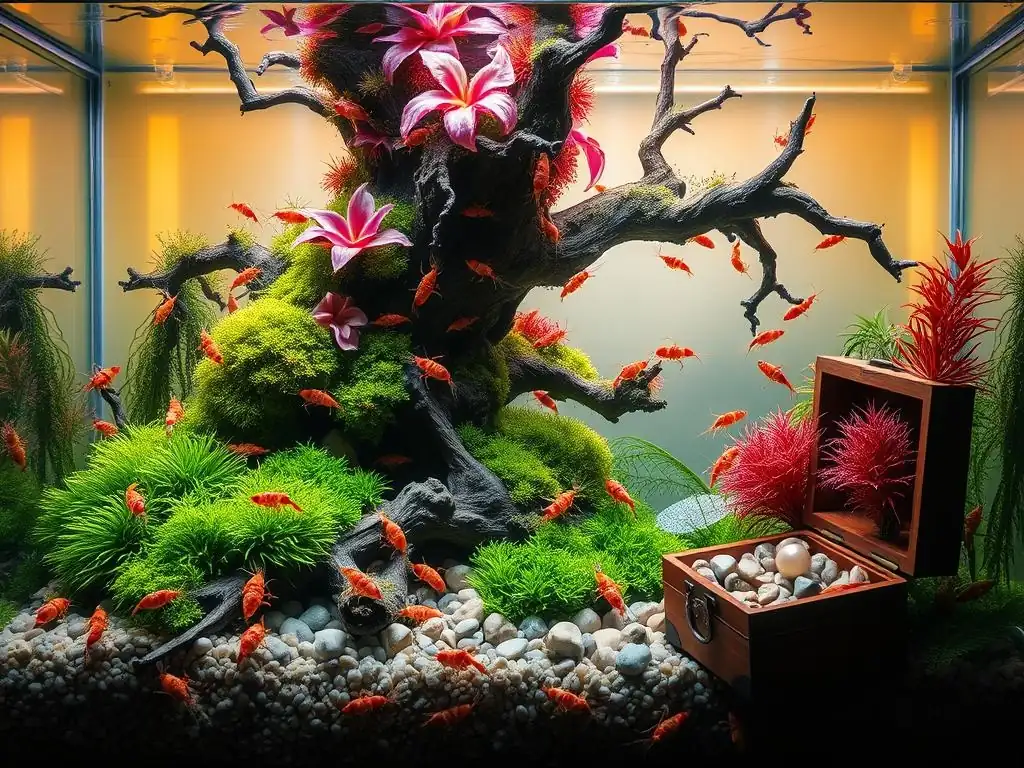
Ever dreamt of a vibrant, bustling world right in your living room, teeming with fascinating, tiny creatures? Our Shrimp Tank Setup Guide unlocks the secrets to creating the perfect aquatic paradise for your shrimp. Dive in and discover how to transform a simple glass box into a thriving ecosystem where your shrimp will not just survive, but flourish. What are the key elements for their happiness and well-being? Let's explore!
- Understanding Shrimp Tank Basics for a Thriving Colony
-
Frequently Asked Questions
- How is setting up a shrimp tank different from a typical fish tank?
- What size tank is best for starting a shrimp colony?
- What type of substrate is recommended for shrimp tanks?
- What are the key considerations for water parameters in a shrimp tank?
- How do I ensure my shrimp tank is properly cycled before adding shrimp?
- Final Reflection: Cultivating Miniature Ecosystems
- Ignite Your Shrimp Keeping Journey!
Understanding Shrimp Tank Basics for a Thriving Colony
Why Choose a Shrimp-Specific Aquarium?
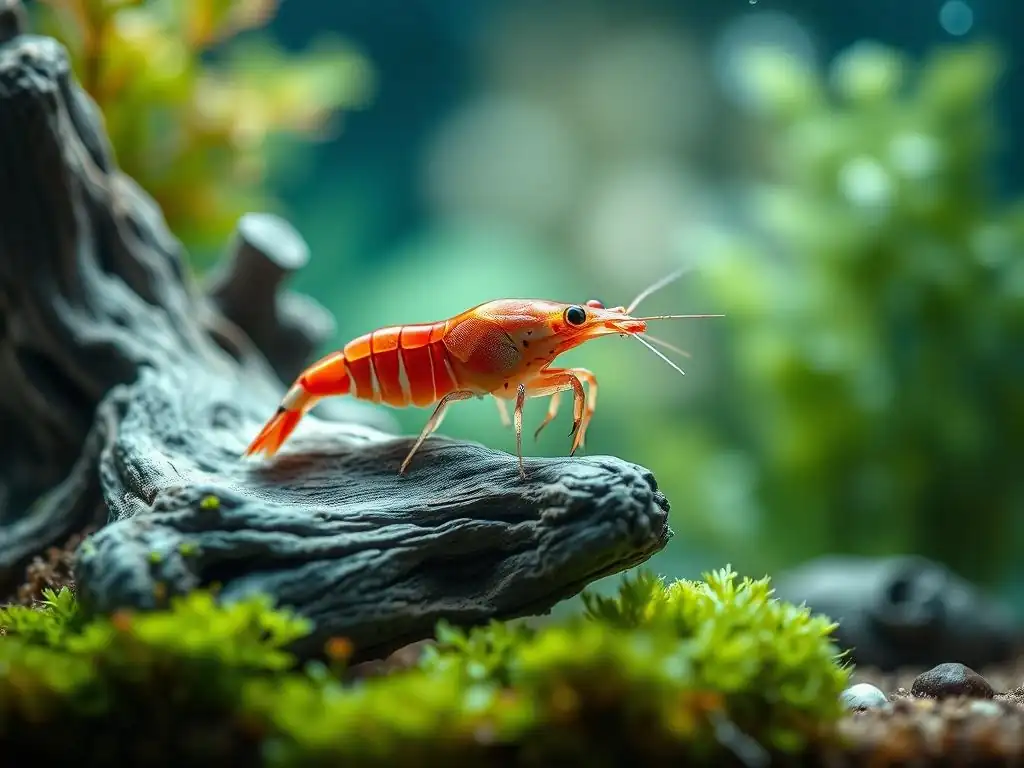
Opting for a shrimp-specific aquarium offers a unique and rewarding experience for aquarists, distinguishing itself from general community tanks. These diminutive invertebrates, such as the vibrant Neocaridina or the delicate Caridina species, thrive in dedicated environments where their specific needs for stable water parameters, specialized diets, and ample hiding spots are met without competition from larger, potentially predatory fish.
A focused shrimp tank allows for the appreciation of their intricate behaviors, from constant grazing on biofilm and algae to the fascinating molting process and the rapid proliferation of a healthy colony. This specialized approach minimizes stress on the shrimp, promoting their natural coloration and encouraging breeding, which can be a key goal for many enthusiasts following a comprehensive shrimp tank setup guide.
Furthermore, a shrimp-specific tank presents an excellent opportunity for aquarists to delve deeper into the nuances of water chemistry and planted tank aesthetics. Given their low bioload, shrimp tanks often require less frequent deep cleaning than fish tanks, though consistent monitoring of parameters like GH (General Hardness) and KH (Carbonate Hardness) is crucial. Many hobbyists choose to heavily plant their shrimp tanks, creating a lush, miniature ecosystem that not only provides food sources and shelter for the shrimp but also enhances the overall visual appeal. The small footprint required for a thriving shrimp colony—often as little as 5-10 gallons—makes them accessible even to those with limited space, offering a captivating slice of the aquatic world in a compact form. This dedicated focus ensures that every element of the shrimp tank setup guide contributes directly to the well-being and prosperity of these fascinating creatures.
Essential Considerations Before Starting Your Shrimp Tank Setup
Before embarking on your shrimp tank setup, several critical considerations must be thoroughly addressed to ensure a successful and thriving environment for your future colony. Foremost among these is patience, particularly concerning the nitrogen cycle. A shrimp tank must be fully cycled, meaning beneficial bacteria have established themselves to convert toxic ammonia and nitrite into less harmful nitrate. This process typically takes 4-6 weeks, and attempting to add shrimp before the cycle is complete will almost certainly lead to casualties. Many experienced aquarists even recommend a "shrimp cycle" where the tank is cycled with a few hardy snails or fish food flakes, ensuring the bacterial colony is robust enough to handle the initial bioload of shrimp. Rushing this stage is the most common mistake for newcomers following any shrimp tank setup guide.
Another vital consideration involves water parameters and source water. Different shrimp species have distinct requirements for pH, GH, and KH. For instance, Neocaridina shrimp generally prefer harder, more alkaline water (pH 7.0-8.0, GH 6-10 dGH, KH 3-8 dKH), while Caridina species often demand softer, more acidic conditions (pH 5.5-6.8, GH 4-6 dGH, KH 0-1 dKH). Understanding your tap water's parameters is crucial, and if it doesn't match your chosen shrimp's needs, you might need to consider using reverse osmosis (RO) water remineralized with specific products. Researching the specific needs of your desired shrimp species before purchasing any equipment or substrate is paramount. Additionally, planning for tank mates, if any, is essential; only peaceful, very small fish or other invertebrates like snails should be considered, as larger fish can view shrimp, especially shrimplets, as food. A comprehensive shrimp tank setup guide will always emphasize these foundational planning steps.
Frequently Asked Questions
How is setting up a shrimp tank different from a typical fish tank?
Shrimp tanks require a gentle environment with stable water parameters. They are more sensitive to fluctuations than most fish, and copper-based medications are often toxic.
What size tank is best for starting a shrimp colony?
A 10-gallon tank is generally recommended as a good starting point. This provides enough space for a small colony to establish and allows for better water stability compared to smaller tanks.
What type of substrate is recommended for shrimp tanks?
Inert substrates like aquarium gravel or sand are often preferred. Active substrates can affect water parameters and may require careful monitoring, especially for sensitive shrimp species.
What are the key considerations for water parameters in a shrimp tank?
Maintaining stable water parameters is crucial. Ammonia and nitrite levels must be at zero, and nitrate levels should be kept low. pH, GH, and KH should also be appropriate for the specific shrimp species.
How do I ensure my shrimp tank is properly cycled before adding shrimp?
Cycling the tank involves establishing a beneficial bacteria colony that converts harmful ammonia and nitrite into less toxic nitrate. This process typically takes several weeks and should be monitored with a test kit before introducing shrimp.
Final Reflection: Cultivating Miniature Ecosystems
The journey of establishing a thriving shrimp tank, as detailed in this guide, transcends mere aquarium keeping; it's about creating a miniature, self-sustaining ecosystem. The principles of careful planning, diligent maintenance, and understanding the delicate balance of life within a closed environment are more relevant now than ever, as we increasingly recognize the interconnectedness of all living things and the importance of responsible stewardship.
This endeavor, from selecting the right substrate to nurturing a flourishing colony, has profoundly influenced my perspective on patience and observation. Witnessing the intricate dance of life within the shrimp tank, the constant grazing, molting, and reproduction, underscores the beauty and fragility of natural systems. In nature, nothing is perfect and everything is perfect. Trees can be contorted, bent in weird ways, and they're still beautiful.
- Alice Walker. This quote perfectly encapsulates the acceptance and appreciation for the natural processes unfolding within the shrimp tank, imperfections and all.
Now, dear reader, I invite you to consider the lessons learned from this shrimp tank setup guide. Just as a thriving shrimp colony requires a balanced and carefully maintained environment, so too does our own well-being and the health of our planet. Embrace the principles of mindful creation, diligent care, and a deep respect for the delicate balance of life in all its forms. Let the creation of your own shrimp tank be a microcosm of the positive impact you can have on the world around you.
Ignite Your Shrimp Keeping Journey!
Thank you for diving into the world of shrimp keeping with us. We hope you found valuable insights to kickstart your own thriving shrimp tank. Now it's time to transform that knowledge into action!
Here are some steps you can take right away:
- Embark on creating your ideal shrimp tank: Identify the perfect location for your shrimp tank and make a list of all the necessary equipment.
- Share your newfound shrimp expertise: Discuss with a fellow aquarist or share a tip on social media.
- Brainstorm: Think of a clever name for your new shrimp colony!
What's the first exciting step you'll take to build your own shrimp paradise?