
Pearl Gourami Perfection: An InDepth Guide to Care and Elegance

Welcome to Aquarium Mastery!
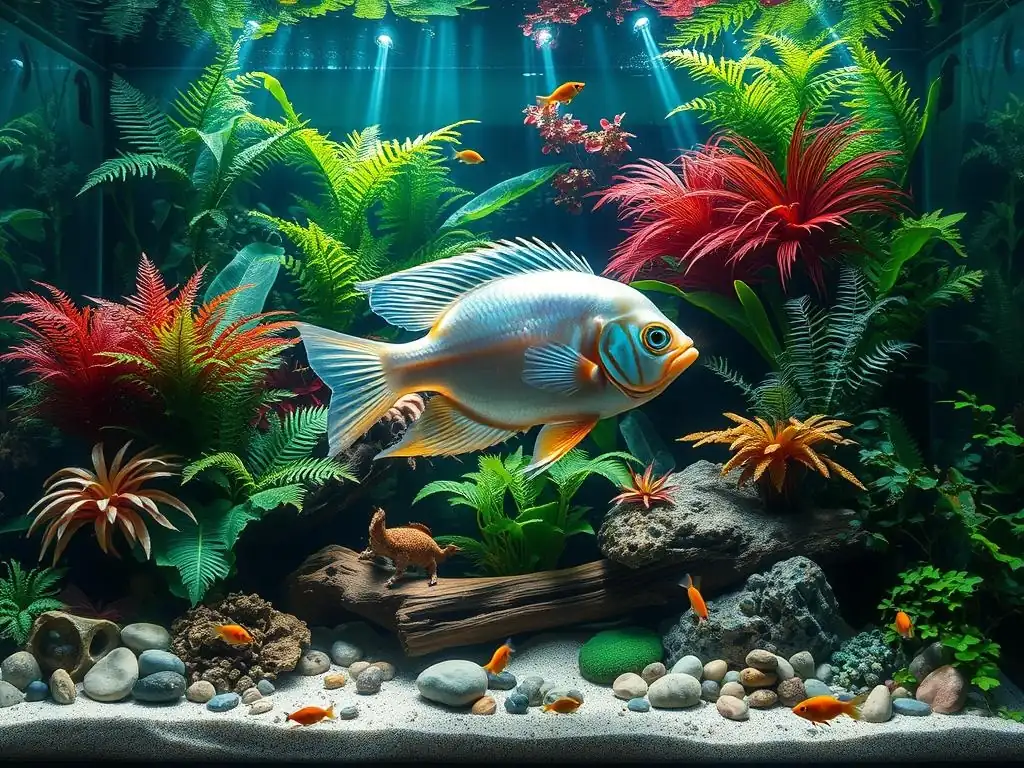
Ever been captivated by the shimmering elegance of a Pearl Gourami? Dive in and discover the secrets to unlocking their full potential in your own freshwater haven. This guide is your key to mastering Pearl Gourami care tips, transforming your aquarium into a thriving and beautiful ecosystem. Ready to create a truly stunning aquatic masterpiece? Let's get started!
- Understanding the Pearl Gourami: An Elegant Addition to Your Aquarium
- Essential Pearl Gourami Care Tips for a Thriving Aquarium
- Pearl Gourami Tank Mates: Creating a Peaceful Community
- Pearl Gourami Breeding: A Rewarding Experience
- Common Pearl Gourami Diseases and Health Issues
- Troubleshooting Common Pearl Gourami Problems
- Conclusion: Mastering Pearl Gourami Care for a Stunning Aquarium
- Frequently Asked Questions
- Final Reflection: The Enduring Allure of the Pearl Gourami
- Dive Deeper into Pearl Gourami Bliss!
Understanding the Pearl Gourami: An Elegant Addition to Your Aquarium
Introduction to the Pearl Gourami (Trichopodus leerii)
The Pearl Gourami, scientifically known as Trichopodus leerii, stands out as one of the most aesthetically pleasing and peaceful freshwater fish available to aquarists. Originating from the slow-moving, heavily vegetated waters of Southeast Asia, particularly Thailand, Malaysia, Sumatra, and Borneo, this species has garnered immense popularity due to its striking appearance and docile temperament. It is an ideal choice for both novice and experienced hobbyists looking to add a touch of elegance and calm to their community aquariums.
These labyrinth fish, so named for their ability to breathe atmospheric air using a specialized organ, are renowned for their peaceful demeanor, making them excellent candidates for a well-balanced community tank. Their resilience and relatively straightforward Pearl Gourami care tips make them a rewarding species to keep. Understanding their natural behaviors and specific needs is crucial for ensuring they thrive and display their full potential in a home aquarium setting.
Pearl Gourami Appearance and Unique Characteristics
The Pearl Gourami is instantly recognizable by its iridescent, pearl-like spots that cover its entire body, giving it a shimmering, mosaic-like appearance. Its base coloration ranges from a silvery-brown to a reddish-brown, often developing a vibrant orange-red hue on the throat and belly, especially in males during breeding season. Adult Pearl Gouramis typically reach a size of about 4 to 5 inches (10-12.5 cm) in length, with a somewhat compressed, elongated body shape.
One of their most distinctive features is their long, filamentous pelvic fins, which are modified into highly sensitive feelers. These feelers are constantly used to explore their surroundings and interact with other fish, acting as sensory organs in murky waters. As a member of the Anabantidae family, the Pearl Gourami possesses a labyrinth organ, allowing it to extract oxygen directly from the air. This adaptation enables them to survive in oxygen-depleted waters, though proper aeration is still vital in an aquarium for optimal Pearl Gourami health.
Natural Habitat and Behavior of Pearl Gouramis
In their native Southeast Asian habitats, Pearl Gouramis are typically found in blackwater swamps, peat bogs, and slow-moving rivers and streams. These environments are characterized by dense vegetation, submerged roots, and leaf litter, which provide ample hiding spots and diffuse light. The water in these areas is often soft and acidic, with temperatures ranging from 75°F to 82°F (24°C to 28°C). This preference for calm, vegetated waters is a key aspect to consider when providing optimal Pearl Gourami care tips in a home setup.
Behaviorally, Pearl Gouramis are known for their peaceful and somewhat shy nature. They spend most of their time in the mid to upper levels of the water column, gracefully navigating through plants. While generally non-aggressive, male Pearl Gouramis can exhibit territorial behavior towards each other, particularly during spawning, though this is usually mild and rarely results in harm in a sufficiently large tank. They are bubble nest builders, with the male meticulously constructing a nest of bubbles at the water surface to house the eggs, showcasing a fascinating aspect of their anabantoid behavior.
Essential Pearl Gourami Care Tips for a Thriving Aquarium
Setting Up the Ideal Pearl Gourami Tank Environment
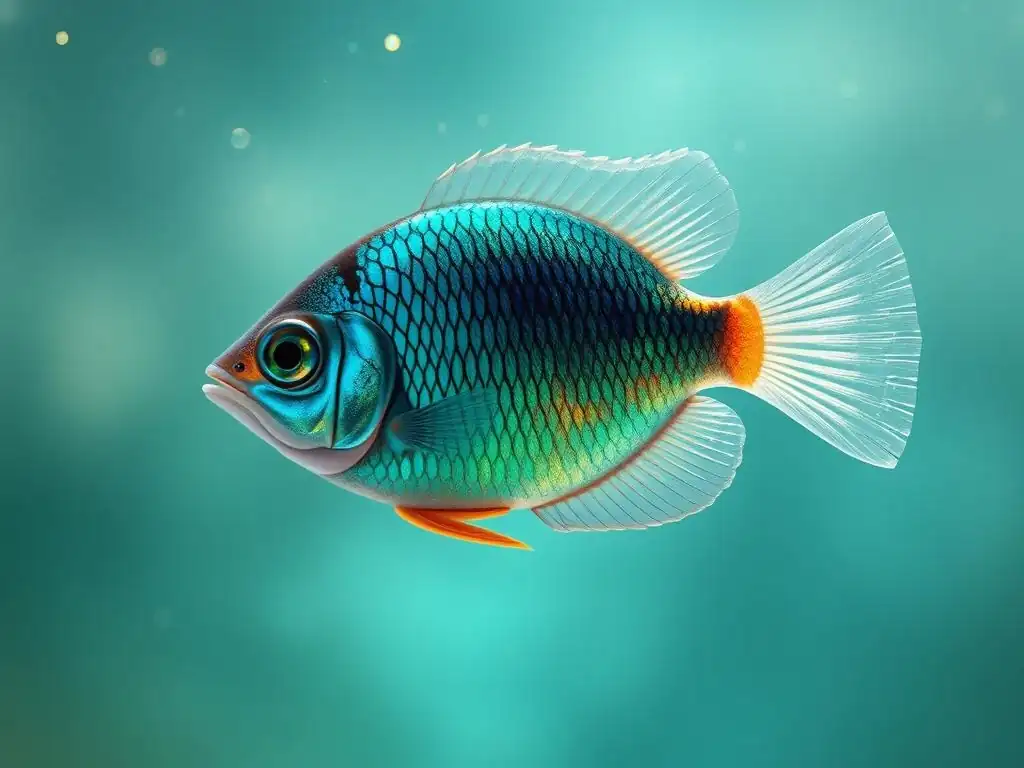
Creating an optimal environment is paramount for the health and vibrancy of your Pearl Gouramis. These fish thrive in conditions that closely mimic their natural habitat, focusing on stable water parameters, ample swimming space, and plenty of cover. Following meticulous Pearl Gourami care tips for tank setup will minimize stress and encourage natural behaviors.
Tank Size Recommendations for Pearl Gouramis
For a single Pearl Gourami or a pair, a minimum tank size of 20 to 30 gallons (approximately 75-115 liters) is recommended. This provides sufficient space for swimming and establishing territories without undue stress. However, for a small group of three to four Pearl Gouramis, especially if you plan to include other peaceful community fish, a 40 to 55-gallon (150-210 liter) aquarium is far more suitable. Larger tanks offer increased water stability, more room for individual territories, and reduce the likelihood of aggression between males, contributing significantly to long-term Pearl Gourami health.
The footprint of the tank is often more important than its height for Pearl Gouramis, as they prefer to occupy the mid to upper water column and need surface access for breathing. A wider tank provides more horizontal swimming space and a larger surface area for gas exchange, which is beneficial for their labyrinth organ. Adequate space also allows for the necessary décor and plant density that makes them feel secure, a critical element in effective Pearl Gourami care tips.
Water Parameters: Maintaining Optimal Water Quality for Pearl Gouramis
Maintaining stable and appropriate water parameters is one of the most critical Pearl Gourami care tips. Pearl Gouramis thrive in soft to moderately hard water with a slightly acidic to neutral pH. The ideal temperature range is between 75°F and 82°F (24°C to 28°C). A pH level between 6.0 and 7.5 is generally acceptable, with many aquarists aiming for around 6.5-7.0. Water hardness should be kept between 5-15 dGH (degrees of General Hardness).
Sudden fluctuations in water parameters can cause significant stress to Pearl Gouramis, making them susceptible to disease. Therefore, consistency is key. Regular testing with a reliable liquid test kit for ammonia, nitrite, nitrate, and pH is essential. Ammonia and nitrite levels should always be undetectable (0 ppm), while nitrates should be kept below 20 ppm through routine water changes. Investing in a quality heater with a thermostat is also crucial to maintain a stable temperature within the recommended range.
Substrate, Décor, and Plant Selection for Pearl Gourami Tanks
The choice of substrate, décor, and plants plays a vital role in mimicking the Pearl Gourami's natural environment and enhancing their comfort. A fine gravel or sand substrate is suitable, with a darker color often helping to bring out their vibrant coloration. Driftwood and smooth rocks can be incorporated to provide natural hiding spots and contribute to the aesthetic appeal. These elements also help to replicate the submerged roots and fallen branches found in their wild habitats, offering secure retreats.
Pearl Gouramis particularly appreciate a heavily planted aquarium. Dense planting, especially with tall background plants like Amazon Swords or Vallisneria, and mid-ground plants such as Java Fern or Anubias, provides ample cover and breaks up line of sight, which is beneficial if keeping multiple males. Floating plants like Water Lettuce, Dwarf Water Lily, or even simple duckweed are highly recommended as they diffuse overhead lighting, create shaded areas, and offer ideal anchor points for the male's bubble nest during breeding. This naturalistic setup greatly contributes to reducing stress and promoting the overall well-being of your Pearl Gouramis.
Pearl Gourami Diet and Feeding Guide
A well-balanced and varied diet is fundamental to the long-term health and vitality of Pearl Gouramis. These omnivorous fish are not particularly picky eaters, but providing a diverse range of foods ensures they receive all necessary nutrients and helps prevent dietary deficiencies. Following proper feeding Pearl Gourami care tips is vital for their growth and coloration.
Recommended Foods for Pearl Gouramis
The staple diet for Pearl Gouramis should consist of high-quality flake or small pellet foods designed for tropical omnivores. These provide a base of essential vitamins and minerals. To supplement this, incorporate a variety of live or frozen foods several times a week. Excellent choices include bloodworms, brine shrimp, daphnia, and mosquito larvae, which are rich in protein and mimic their natural insectivorous tendencies. For instance, a small portion of frozen bloodworms, thawed before feeding, can be offered two to three times a week.
Additionally, Pearl Gouramis benefit from vegetable matter. Spirulina flakes or small pieces of blanched vegetables like spinach, zucchini, or shelled peas can be offered occasionally. This varied approach not only ensures a complete nutritional profile but also keeps them engaged during feeding, promoting active foraging behavior. Integrating these diverse food sources is a key component of effective Pearl Gourami care tips.
Feeding Schedule and Portion Control for Healthy Gouramis
For adult Pearl Gouramis, feeding them two to three times a day in small portions is ideal. The general rule of thumb is to offer only as much food as they can consume within two to three minutes. This prevents uneaten food from decaying and negatively impacting water quality. For example, if feeding flakes, a pinch that disperses quickly and is consumed promptly is usually sufficient. Observe your fish during feeding; if food remains after a few minutes, you are likely overfeeding.
Younger, growing Pearl Gouramis may benefit from more frequent, smaller feedings (e.g., three to four times a day) to support their rapid development. Establishing a consistent feeding schedule helps regulate their metabolism and reduces stress. Adhering to these feeding Pearl Gourami care tips is crucial for preventing digestive issues and maintaining a clean aquarium environment.
Avoiding Overfeeding: Common Mistakes and Solutions
Overfeeding is one of the most common mistakes made by aquarists and can lead to a host of problems for both the fish and the aquarium ecosystem. Consequences of overfeeding include poor water quality due to decaying food, elevated ammonia and nitrite levels, increased nitrate accumulation, and the potential for an algal bloom. For the fish themselves, overfeeding can lead to obesity, digestive problems, and a weakened immune system, making them more susceptible to diseases.
To avoid overfeeding, always err on the side of caution with portion sizes. If you notice uneaten food sinking to the bottom, remove it promptly with a net or siphon. Consider skipping a feeding day once a week to allow their digestive systems to clear and to encourage them to graze on any microscopic organisms or algae in the tank. Using a feeding ring can also help contain floating foods, making it easier to monitor consumption and remove leftovers. These simple Pearl Gourami care tips can significantly improve the longevity and health of your fish.
Maintaining a Healthy Aquarium for Pearl Gouramis: A Care Routine
Consistent maintenance is the backbone of successful Pearl Gourami care tips. A regular care routine ensures stable water parameters, a clean environment, and reduces the likelihood of disease, allowing your Pearl Gouramis to thrive and display their natural beauty.
Regular Water Changes: A Step-by-Step Guide
Regular water changes are arguably the most important aspect of maintaining pristine water quality for Pearl Gouramis. A weekly or bi-weekly water change of 25-30% of the tank volume is generally recommended. For example, in a 55-gallon tank, this would mean changing approximately 14-17 gallons. This routine removes accumulated nitrates, phosphates, and other dissolved organic compounds that filtration alone cannot eliminate.
When performing a water change, always use a gravel vacuum to siphon out water while simultaneously cleaning the substrate of detritus and uneaten food. The replacement water must be dechlorinated using a reputable water conditioner to remove chlorine and chloramines, which are highly toxic to fish. Furthermore, it is crucial to match the temperature of the new water as closely as possible to the tank water to prevent temperature shock. A sudden drop or rise in temperature by even a few degrees can stress Pearl Gouramis significantly.
Filtration and Aeration for a Healthy Pearl Gourami Environment
Effective filtration is essential for maintaining water clarity and removing harmful waste products. For Pearl Gouramis, a filter that provides gentle but thorough biological, mechanical, and chemical filtration is ideal. Hang-on-back (HOB) filters, sponge filters, or canister filters are all suitable options, depending on tank size. Sponge filters are particularly excellent for Pearl Gourami tanks, especially if breeding, as they provide gentle flow and biological filtration without posing a risk to fry.
While Pearl Gouramis can breathe atmospheric air, good aeration is still important for overall tank health and the well-being of other tank inhabitants. An air stone or ensuring the filter outflow gently breaks the water surface will promote gas exchange, increasing dissolved oxygen levels and helping to off-gas carbon dioxide. Avoid strong currents, as Pearl Gouramis prefer calm waters and can be stressed by excessive flow.
Monitoring Water Parameters: Essential Testing and Adjustments
Consistent monitoring of water parameters is a non-negotiable component of comprehensive Pearl Gourami care tips. Regular testing for ammonia, nitrite, nitrate, and pH is crucial. For new tanks, daily or every-other-day testing is recommended until the nitrogen cycle is fully established (typically 4-6 weeks). For established tanks, testing at least bi-weekly, or weekly if stocking is high, is advisable.
If ammonia or nitrite levels are detected, immediate action is required, usually in the form of large partial water changes (e.g., 50%) and reducing feeding. High nitrate levels (above 20 ppm) indicate the need for more frequent or larger water changes.
If the pH deviates significantly from the ideal range, small, gradual adjustments can be made using pH buffers or natural methods like adding driftwood (to lower pH) or crushed coral (to raise pH), but stability is always preferred over chasing exact numbers. Keeping a log of your water parameters can help identify trends and prevent potential issues before they become critical.
Pearl Gourami Tank Mates: Creating a Peaceful Community
Choosing appropriate tank mates is a vital aspect of Pearl Gourami care tips, as these peaceful fish can be easily stressed by aggressive or overly boisterous companions. The goal is to create a harmonious community where all inhabitants can thrive.
Compatible Tank Mates for Pearl Gouramis
Pearl Gouramis are known for their calm and placid nature, making them excellent candidates for a diverse community aquarium, provided their tank mates are equally peaceful and not fin-nippers. Ideal companions include other small to medium-sized, non-aggressive fish that occupy different areas of the water column.
Excellent choices for compatible tank mates include:
- Corydoras Catfish: These peaceful bottom-dwellers (e.g., Panda Cory, Bronze Cory) are active scavengers and pose no threat to gouramis. A school of 6+ Corydoras can be a delightful addition.
- Otocinclus Catfish: Small, gentle algae eaters that help keep the tank clean without bothering other fish.
- Peaceful Tetras: Species like Neon Tetras, Cardinal Tetras, Rummy Nose Tetras, and Ember Tetras are schooling fish that add color and movement to the mid-water column. They are generally too small to bother gouramis.
- Rasboras: Harlequin Rasboras, Chili Rasboras, and other peaceful schooling rasboras are excellent choices. A school of 8-10 Harlequin Rasboras would thrive in a 30+ gallon tank with Pearl Gouramis.
- Small, Peaceful Loaches: Kuhli Loaches are shy, nocturnal bottom-dwellers that are completely harmless.
- Peaceful Livebearers: Guppies, Platies, and Swordtails can coexist, though their rapid breeding might lead to overpopulation if not managed.
- Other Peaceful Gouramis: Some dwarf gourami species (e.g., Honey Gourami) can be kept with Pearl Gouramis in larger tanks, but monitor for potential territorial disputes, especially between males.
These species generally share similar water parameter requirements, simplifying the overall Pearl Gourami care tips for the entire community.
Fish to Avoid: Incompatible Tank Mates for Pearl Gouramis
While peaceful, Pearl Gouramis can be stressed or harmed by aggressive or overly active fish. It is crucial to avoid species that are known fin-nippers, highly territorial, or significantly larger and potentially predatory.
Fish species to generally avoid include:
- Aggressive Barbs: Tiger Barbs, despite their popularity, are notorious fin-nippers and will almost certainly harass and nip at the Pearl Gourami's long, flowing fins, causing stress and potential injury.
- Large or Aggressive Cichlids: Most cichlids, even some smaller ones like certain Kribensis Cichlids, can be territorial and aggressive, especially during breeding. Larger cichlids like Oscars or Jack Dempseys will view Pearl Gouramis as food.
- Bettas (Siamese Fighting Fish): While also labyrinth fish, male Bettas are highly territorial and aggressive towards other labyrinth fish or fish with similar long fins, often resulting in severe aggression.
- Very Large or Predatory Fish: Any fish large enough to swallow a Pearl Gourami should be avoided.
- Some Danios: While generally peaceful, some Danios can be very active and boisterous, potentially stressing out the more serene Pearl Gouramis with their constant zipping around.
Careful consideration of temperament and size is essential to prevent conflict and ensure the well-being of your Pearl Gouramis.
Introducing New Fish to a Pearl Gourami Tank: A Gradual Approach
Introducing new fish to an established Pearl Gourami tank requires a careful and gradual approach to minimize stress for all inhabitants and prevent the introduction of diseases. This is a critical Pearl Gourami care tip for maintaining a healthy community.
- Quarantine New Fish: This is the most important step. All new fish, regardless of their source, should be quarantined in a separate tank for at least 2-4 weeks. This allows you to observe them for signs of illness, treat any potential diseases before they spread to your main tank, and ensure they are eating well.
- Acclimation: When moving fish from the quarantine tank to the main display tank, use a drip acclimation method. This slowly adjusts the new fish to the main tank's water parameters (temperature, pH, hardness), significantly reducing shock.
- Rearrange Decor: Before introducing new fish, consider slightly rearranging some of the tank decor. This can disrupt established territories, making it harder for existing fish (including your Pearl Gouramis) to claim dominance and giving the new arrivals a better chance to settle in without immediate harassment.
- Add at Night or Before Lights Out: Introducing new fish when the tank lights are off or dim can help them settle in without immediate attention from existing inhabitants. This allows them to find hiding spots and get accustomed to their new surroundings before the hustle and bustle of the next day.
- Observe Closely: For the first few days after introduction, closely observe all fish for any signs of aggression, stress, or illness. Be prepared to remove any fish that are causing or experiencing significant problems.
By following these steps, you can greatly increase the chances of a smooth integration and a peaceful community for your Pearl Gouramis.
Pearl Gourami Breeding: A Rewarding Experience
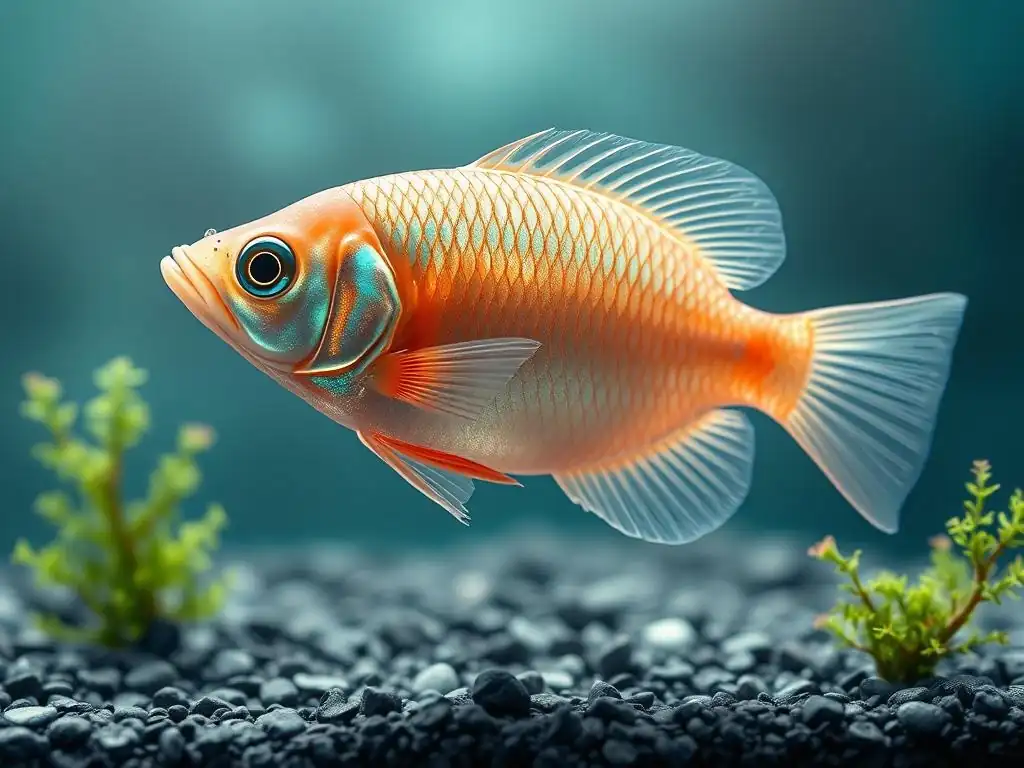
Breeding Pearl Gouramis can be a fascinating and rewarding experience for aquarists, showcasing their intricate courtship rituals and parental care. With proper preparation and specific Pearl Gourami care tips, successful spawning is highly achievable.
Setting Up a Breeding Tank for Pearl Gouramis
To maximize breeding success and protect the fry, setting up a dedicated breeding tank is highly recommended. A 10 to 20-gallon (38-75 liter) tank is sufficient. The water level should be kept relatively shallow, around 6-8 inches (15-20 cm), as this makes it easier for the male to manage his bubble nest and for the fry to reach the surface for air.
The tank should be heavily planted with live plants, particularly floating varieties like Water Sprite ( Ceratopteris thalictroides), Riccia fluitans, or even simple duckweed. These provide anchor points for the male's bubble nest and offer crucial cover for the female after spawning and for the fry once they hatch. Filtration should be very gentle, ideally a small sponge filter, to prevent strong currents that could destroy the bubble nest or suck in delicate fry. The temperature should be slightly elevated to 80-82°F (27-28°C) to encourage spawning.
Identifying Male and Female Pearl Gouramis
Distinguishing between male and female Pearl Gouramis becomes relatively straightforward as they mature, especially when conditioned for breeding. Paying attention to these subtle differences is a key Pearl Gourami care tip for successful pairing.
- Males: The most prominent distinguishing feature of a male Pearl Gourami is its dorsal fin. It is noticeably longer and more pointed, often extending well past the caudal fin base. During breeding condition, males display much more intense and vibrant coloration, particularly a brilliant orange-red on their throat, chest, and ventral fins. They also develop longer, more elaborate anal fin rays.
- Females: Females have a shorter, more rounded dorsal fin that does not extend as far back as the male's. Their coloration is generally duller, lacking the intense red on the throat and chest. When gravid (full of eggs), the female's belly will appear noticeably rounder and fuller.
Observing a group of young Pearl Gouramis as they mature will allow you to easily identify pairs based on these characteristics.
The Pearl Gourami Breeding Process: Spawning and Fry Care
Once a conditioned male and female are introduced into the breeding tank, the male will begin constructing a bubble nest at the water surface, often anchored to floating plants. This intricate nest, made of bubbles mixed with saliva, can be quite large, sometimes covering several square inches. The female will inspect the nest, and if she approves, the male will initiate a courtship dance, embracing the female beneath the nest.
During spawning, the male wraps his body around the female, gently squeezing her to release eggs. The female typically releases several hundred small, buoyant eggs, which float upwards into the bubble nest. The male then fertilizes them and meticulously places any stray eggs back into the nest.
After spawning, which can last several hours, the female should be carefully removed from the breeding tank, as the male will become very protective of the nest and may harass her. The male will diligently guard the nest until the eggs hatch, which usually occurs within 24-48 hours depending on temperature. Once the fry become free-swimming (typically 3-5 days after hatching), the male should also be removed to prevent him from potentially eating the fry.
Raising Pearl Gourami Fry: From Hatching to Juvenile
Raising Pearl Gourami fry requires careful attention to feeding and water quality. This is a delicate stage where dedicated Pearl Gourami care tips are essential for high survival rates.
- First Foods: When the fry first become free-swimming, they are incredibly tiny and require microscopic food sources. Infusoria (microscopic organisms) or specialized liquid fry food are ideal for the first few days. Some aquarists cultivate infusoria cultures or use boiled lettuce water.
- Gradual Food Progression: After about 3-5 days, as the fry grow slightly, they can be transitioned to newly hatched brine shrimp or microworms. These are highly nutritious and stimulate feeding responses. As they continue to grow, typically after 2-3 weeks, they can start accepting crushed flake food or finely powdered pellets.
- Water Changes: Small, frequent water changes are critical for fry. Daily 10% water changes, using dechlorinated water matched in temperature, help maintain pristine water quality without stressing the delicate fry. A small air stone with gentle bubbling is beneficial for oxygenation.
- Labyrinth Organ Development: Around 3-4 weeks of age, the fry begin to develop their labyrinth organ. During this period, it is crucial to ensure the air above the water surface is warm and humid, as cold air can damage their developing organ. A tight-fitting lid on the tank helps maintain this warm, humid air pocket.
- Growth and Separation: The fry will grow at varying rates. As they become larger, they can be gradually moved to larger grow-out tanks and eventually introduced to standard aquarium foods. Selective culling or separation may be necessary to prevent larger fry from outcompeting smaller ones.
Patience and consistency are key to successfully raising Pearl Gourami fry to juvenile size.
Common Pearl Gourami Diseases and Health Issues
Despite being relatively hardy, Pearl Gouramis are susceptible to common freshwater aquarium diseases if their environment is not maintained properly or if they are stressed. Understanding the signs of illness and knowing effective Pearl Gourami care tips for prevention and treatment is vital.
Identifying Signs of Illness in Pearl Gouramis
Early detection of illness is crucial for successful treatment and preventing the spread of disease to other fish. Aquarists should make it a habit to observe their Pearl Gouramis daily for any deviations from their normal behavior or appearance.
Key signs of illness to look for include:
- Behavioral Changes: Lethargy, listlessness, hiding more than usual, erratic swimming, gasping at the surface, rapid breathing, rubbing against décor (flashing).
- Physical Changes:
- Fins: Clamped fins (held close to the body), frayed or ragged fins, red streaks on fins.
- Body: White spots (like salt grains), fuzzy white patches, red sores, ulcers, bloating, "pinecone" appearance (scales protruding), faded or dull coloration, slime coat changes.
- Eyes: Cloudy eyes, bulging eyes.
- Gills: Swollen gills, rapid gill movement.
- Loss of Appetite: Refusal to eat or spitting out food.
Any combination of these symptoms warrants immediate investigation into water parameters and potential treatment options. Proactive Pearl Gourami care tips, such as maintaining stable conditions, significantly reduce the risk of illness.
Common Diseases Affecting Pearl Gouramis: Prevention and Treatment
Several common freshwater diseases can affect Pearl Gouramis. Prevention through excellent water quality and minimal stress is always the best approach, but knowing how to treat them is essential.
Ich (White Spot Disease) in Pearl Gouramis: Causes and Treatment
Ich ( Ichthyophthirius multifiliis) is one of the most common and recognizable parasitic diseases in freshwater aquariums.
- Causes: Primarily caused by sudden temperature fluctuations, poor water quality, or the introduction of infected fish without quarantine. Stress weakens the fish's immune system, making them vulnerable.
- Symptoms: Small, distinct white spots resembling grains of salt visible on the body, fins, and sometimes gills. Fish may also "flash" (rub against objects) due to irritation, exhibit clamped fins, and show labored breathing if gills are affected.
- Treatment: A common and effective Pearl Gourami care tip for Ich involves a combination of methods.
- Raise Temperature: Gradually increase the tank temperature to 82-86°F (28-30°C) over 24 hours. This speeds up the parasite's life cycle, causing it to detach from the fish more quickly, making it vulnerable to medication. Ensure this temperature is safe for all tank inhabitants.
- Aquarium Salt: Add non-iodized aquarium salt at a rate of 1 teaspoon per gallon. This helps to reduce the osmotic stress on the fish and can disrupt the parasite's life cycle.
- Medication: Use an anti-parasitic medication containing malachite green or formalin (e.g., API Super Ick Cure, Seachem Paraguard) as directed by the manufacturer. Continue treatment for at least 3-5 days after the last visible spot disappears to ensure all stages of the parasite are eradicated.
- Water Changes: Perform daily partial water changes (25-30%) during treatment to remove free-swimming parasites.
Fin Rot in Pearl Gouramis: Causes and Treatment
Fin rot is a bacterial infection that can affect the fins of fish, often exacerbated by poor water conditions or injury.
- Causes: Most commonly caused by poor water quality (high ammonia/nitrite, accumulated organic waste), stress, bullying by tank mates (leading to nips), or physical injury.
- Symptoms: Fins appear ragged, frayed, or torn, often with a milky white or reddish edge. In severe cases, the fins may completely erode, sometimes exposing the fin rays.
- Treatment:
- Improve Water Quality: This is the most crucial step. Perform daily 25-50% partial water changes to significantly reduce bacterial load and improve water parameters. Ensure ammonia and nitrite are 0 ppm and nitrates are low.
- Aquarium Salt: Adding 1-2 teaspoons of non-iodized aquarium salt per gallon can help reduce stress and inhibit bacterial growth.
- Antibacterial Medication: If water changes alone don't show improvement within a few days, use a broad-spectrum antibacterial medication (e.g., Maracyn, Furan-2, API Fin & Body Cure) as per manufacturer instructions.
- Remove Stressors: Address any underlying issues like bullying or overcrowding.
Other Common Pearl Gourami Ailments and Their Remedies
- Velvet (Oodinium): A parasitic infection that appears as a fine, dusty, gold or rust-colored coating on the fish's body. Fish may also show rapid breathing and flashing. Treatment typically involves copper-based medications and dimming tank lights, as the parasite is photosynthetic.
- Dropsy: Not a disease itself but a symptom of internal organ failure, often bacterial or viral. The fish's body swells, and scales protrude, resembling a "pinecone." It is often fatal and difficult to treat. Isolate the affected fish, maintain pristine water, and try medicated anti-bacterial food, but prognosis is poor.
- Bacterial Infections (general): Can manifest as red sores, ulcers, cottony growths (fungus often secondary to bacterial infection), or general lethargy. Treatment involves broad-spectrum antibiotics, often combined with improved water quality.
Maintaining a Healthy Pearl Gourami: Preventative Measures
Prevention is always the best strategy for Pearl Gourami health. By adhering to consistent Pearl Gourami care tips, you can significantly reduce the risk of illness.
- Consistent Water Quality: Regular water changes, proper filtration, and diligent monitoring of parameters (ammonia, nitrite, nitrate, pH, temperature) are paramount. Stable, clean water is the single most important factor.
- Balanced and Varied Diet: Feed high-quality foods and offer a diverse diet to ensure all nutritional needs are met, boosting their immune system.
- Quarantine New Fish: Always quarantine new fish for at least 2-4 weeks before introducing them to your main tank. This prevents the introduction of diseases.
- Avoid Overstocking: An overcrowded tank leads to increased waste, poor water quality, and higher stress levels, making fish more susceptible to illness.
- Minimize Stress: Provide ample hiding spots, ensure compatible tank mates, and avoid sudden changes in tank conditions. Stress is a major contributor to weakened immune systems.
- Regular Observation: Spend a few minutes each day observing your Pearl Gouramis for any subtle changes in behavior or appearance. Early detection allows for prompt intervention.
Troubleshooting Common Pearl Gourami Problems
Even with the best Pearl Gourami care tips, problems can arise. Knowing how to troubleshoot common issues can help you quickly identify the cause and take corrective action, ensuring the well-being of your fish.
Problem: Gourami is Hiding - Potential Causes and Solutions
When a Pearl Gourami, usually a relatively active fish, starts hiding excessively, it's a clear sign that something is amiss.
- Potential Causes:
- New to Tank: A newly introduced gourami may be shy and stressed, needing time to adjust.
- Bullying/Aggression: Other tank mates, or even another male gourami in a too-small tank, might be harassing it.
- Stress: Poor water quality, sudden changes in environment, or lack of hiding spots can cause stress.
- Illness: Hiding is often one of the first signs of a fish feeling unwell.
- Too Much Light: Pearl Gouramis prefer subdued lighting, and excessively bright lights can make them feel exposed.
- Solutions:
- Provide More Cover: Add more live plants (especially floating ones), driftwood, or caves to give the gourami secure hiding spots.
- Check Tank Mates: Observe interactions closely. If bullying is occurring, consider separating the aggressive fish or rehoming them.
- Test Water Parameters: Immediately test for ammonia, nitrite, nitrate, and pH. Perform a water change if parameters are off.
- Dim Lighting: Reduce the intensity or duration of tank lighting. Floating plants can help diffuse light naturally.
- Observe for Illness: Look for other symptoms of disease (e.g., spots, clamped fins, labored breathing). If present, begin appropriate treatment.
- Patience: If it's a new fish, give it a few days to acclimate before worrying too much, provided all other conditions are optimal.
A Pearl Gourami refusing food is a significant warning sign that demands immediate attention.
- Potential Causes:
- Stress: New environment, aggressive tank mates, or unsuitable water conditions can cause a loss of appetite.
- Illness: Many diseases, from internal parasites to bacterial infections, first manifest as a loss of appetite.
- Unsuitable Food: The food offered might not be palatable or appropriate for the gourami's size or dietary needs.
- Poor Water Quality: High levels of ammonia or nitrite will make fish feel unwell and refuse to eat.
- Overfeeding: If the fish has been consistently overfed, it may simply not be hungry, or it could be experiencing digestive issues.
- Solutions:
- Test Water Parameters: This is always the first step. Address any issues with water changes.
- Offer Variety: Try offering different types of food (e.g., frozen bloodworms, brine shrimp, high-quality pellets) to entice it.
- Observe for Other Symptoms: Look for any physical signs of illness (spots, bloating, clamped fins). If found, treat accordingly.
- Reduce Stress: Ensure a peaceful environment, adequate hiding spots, and stable water conditions.
- Small, Frequent Feedings: If you suspect overfeeding, reduce portion sizes and frequency.
- Isolation: In some cases, moving the fish to a hospital tank can reduce stress and make it easier to administer medication or observe.
Problem: Gourami is Showing Labored Breathing - Potential Causes and Solutions
Labored breathing, often seen as rapid gill movements or gasping at the surface, is a critical sign of distress and requires immediate action.
- Potential Causes:
- Poor Water Quality: The most common cause is high levels of ammonia or nitrite, which damage the gills and impair oxygen uptake. High nitrates can also contribute.
- Low Oxygen Levels: Insufficient aeration, high tank temperature (reduces oxygen solubility), or excessive organic decay can deplete oxygen.
- Gill Parasites/Infections: Parasites (like flukes or Ich in gills) or bacterial infections can directly affect gill function.
- Internal Issues: Less common, but internal organ problems can also lead to respiratory distress.
- Solutions:
- Immediate Water Test: Test ammonia, nitrite, and nitrate levels without delay.
- Large Water Change: If ammonia or nitrite are detected, perform an immediate 50% partial water change using dechlorinated, temperature-matched water. This is the most crucial step.
- Increase Aeration: Add an air stone or adjust filter outflow to create more surface agitation, increasing dissolved oxygen.
- Check Temperature: Ensure the tank temperature is within the ideal range (75-82°F or 24-28°C) and stable. High temperatures reduce oxygen.
- Observe for Other Symptoms: Look for visible signs of parasites (e.g., Ich spots) or bacterial infections. If present, consider appropriate medication after water quality is stable.
- Remove Carbon: If using activated carbon in your filter, remove it temporarily as it can absorb some medications.
Addressing these common problems promptly and effectively is a crucial part of providing comprehensive Pearl Gourami care tips, ensuring your fish lead long, healthy lives.
Conclusion: Mastering Pearl Gourami Care for a Stunning Aquarium
The Pearl Gourami truly lives up to its name, offering a captivating blend of elegance, peaceful demeanor, and iridescent beauty to any freshwater aquarium. Mastering Pearl Gourami care tips involves understanding their specific needs, from providing an appropriately sized and well-furnished tank to maintaining pristine water quality and a balanced diet. Their resilience, coupled with their fascinating behaviors like bubble nest building, makes them a truly rewarding species for aquarists of all experience levels.
By diligently following the comprehensive Pearl Gourami care guidelines outlined, including meticulous attention to water parameters, thoughtful tank mate selection, and a proactive approach to health and disease prevention, you can ensure your Trichopodus leerii not only survives but thrives. A healthy Pearl Gourami will display its full vibrant coloration, engage in natural behaviors, and become a stunning centerpiece in a harmonious community aquarium. Embracing these Pearl Gourami care tips will lead to a successful and immensely satisfying aquarist journey.
Frequently Asked Questions
How big do Pearl Gouramis typically get?
Pearl Gouramis are a relatively peaceful species and reach a size of approximately 4-5 inches in length. This makes them suitable for community tanks of a reasonable size.
What are the ideal water parameters for Pearl Gouramis?
Maintaining stable water parameters is crucial. Pearl Gouramis thrive in slightly acidic to neutral water with a pH of 6.0-7.0, a temperature of 77-82°F (25-28°C), and a hardness of 4-10 dGH.
What should I feed my Pearl Gourami?
Pearl Gouramis are omnivores and accept a variety of foods. Offer a balanced diet of high-quality flake food, frozen foods like bloodworms, and live foods to ensure optimal health and coloration.
Are Pearl Gouramis compatible with other fish species?
Yes, Pearl Gouramis are generally peaceful. They are compatible with other peaceful community fish that share similar water parameter requirements. Avoid housing them with aggressive or fin-nipping species.
How often should I perform water changes in a Pearl Gourami tank?
Regular water changes are vital for maintaining a healthy aquarium environment. A 25-50% water change should be performed every 1-2 weeks depending on the tank size and bioload.
Final Reflection: The Enduring Allure of the Pearl Gourami
The journey into understanding Pearl Gourami care reveals more than just the practicalities of aquarium keeping; it unveils a deeper appreciation for the delicate balance of nature and the responsibility we undertake when bringing a piece of it into our homes. Their shimmering beauty and peaceful demeanor serve as a constant reminder of the tranquility we often seek in our busy lives, making their well-being a reflection of our own commitment to harmony.
The Pearl Gourami, with its intricate patterns and graceful movements, has not only captivated aquarists for generations but has also subtly influenced our understanding of aquatic ecosystems. Caring for these creatures has fostered a greater awareness of water quality, habitat preservation, and the interconnectedness of all living things. In every walk with nature, one receives far more than he seeks.
- John Muir. This sentiment resonates deeply when observing the subtle nuances of a thriving Pearl Gourami in a carefully maintained aquarium, a testament to the power of mindful stewardship.
Now, as you embark on your own journey with these elegant fish, remember that providing optimal Pearl Gourami care is more than just following a set of instructions. It's about cultivating a connection with nature, fostering a sense of responsibility, and creating a miniature ecosystem that reflects your dedication to beauty and balance. Let the shimmering scales and gentle nature of the Pearl Gourami inspire you to create a haven of tranquility, both within your aquarium and within yourself.
Dive Deeper into Pearl Gourami Bliss!
Thanks for exploring the fascinating world of Pearl Gouramis with us. We hope you've gained valuable insights into creating a thriving environment for these elegant fish. Now, let's take that knowledge and turn it into action!
Here are some ways to continue your journey:
- Prioritize creating the perfect habitat using the parameters outlined in this article; your gouramis will thank you!
- Share this guide with fellow aquarium enthusiasts to spread the word about these amazing fish and learn more about their experiences.
- Start a journal documenting your gourami's behaviour and growth. You could uncover unique insights!
What's one small change you'll make to your gourami's tank this week to enhance their well-being?