
Breeding Buenos Aires Tetras: Tips for Success with These Robust Shoalers


Welcome to Aquarium Mastery, fellow aquarist!
Ever wondered how to unlock the secrets of breeding Buenos Aires tetras? These vibrant and hardy shoalers can bring a burst of life to your freshwater aquarium, and successfully breeding them is surprisingly achievable with the right knowledge. Dive in and discover our comprehensive guide to Buenos Aires tetra breeding, packed with tips and tricks to help you nurture the next generation of these captivating fish. Are you ready to witness the miracle of life unfold in your own tank? Let's get started!
- Understanding Buenos Aires Tetras for Successful Breeding
- Triggering Spawning in Buenos Aires Tetras: Techniques and Methods
- Buenos Aires Tetra Fry Care: From Hatching to Independence
- Avoiding Common Problems in Buenos Aires Tetra Breeding
- Optimizing Your Buenos Aires Tetra Breeding Setup
- Buenos Aires Tetra Breeding: A Recap of Key Steps
- Frequently Asked Questions
- Final Reflection: Cultivating Life and Understanding
- Ignite Your Tetra Breeding Journey!
Understanding Buenos Aires Tetras for Successful Breeding
Identifying Healthy Buenos Aires Tetras for Breeding Stock
Identifying healthy Buenos Aires tetras (scientific name: Hyphessobrycon anisitsi) is the foundational step for successful breeding. Look for individuals exhibiting vibrant coloration, which for this species typically includes a silvery body with a prominent orange-red patch near the caudal fin and often red fins. Their fins should be fully extended, free from nips, tears, or signs of fin rot, and their bodies should appear plump but not bloated. Active swimming behavior, characterized by schooling gracefully and responding readily to feeding cues, indicates good health and vitality, which are crucial for successful Buenos Aires tetra breeding.
Beyond physical appearance, observe their behavior within the group. Healthy Buenos Aires tetras are robust and active, maintaining their position within the school without isolating themselves or displaying lethargy. For breeding purposes, select fish that are mature but not excessively old, typically between 6 to 18 months of age, when they are at their prime reproductive capability. Females ready to spawn will often appear noticeably rounder due to the presence of eggs, while males tend to be slimmer and display more intense coloration, especially when trying to attract a mate.
Creating the Ideal Breeding Environment for Buenos Aires Tetras
Creating a dedicated breeding environment significantly increases the chances of successful Buenos Aires tetra breeding. These hardy tetras are relatively forgiving, but specific conditions can optimize egg production and fry survival. A separate breeding tank is highly recommended to prevent parents from consuming eggs or newly hatched fry, a common behavior among many egg-scattering species.
Tank Setup for Buenos Aires Tetra Spawning
For Buenos Aires tetra spawning, a 10 to 20-gallon (approximately 38 to 76 liters) aquarium is typically sufficient for a single breeding pair or a small group of one male and two females. The tank should ideally have a bare bottom or a very thin layer of fine gravel to facilitate easy collection of eggs and observation. Crucially, the tank must include ample spawning media.
Fine-leaved plants like Java moss ( Taxiphyllum barbieri), Anacharis ( Egeria densa), or Cabomba ( Cabomba caroliniana) are excellent choices as they provide a soft substrate for eggs to adhere to or fall into. Alternatively, spawning mops made from yarn can be used effectively. Filtration should be gentle, such as an air-driven sponge filter, to prevent eggs and delicate fry from being sucked in or disturbed by strong currents.
Water Parameters for Optimal Breeding Results
Optimal water parameters are key for successful Buenos Aires tetra breeding. While these fish are adaptable, slightly softer and more acidic water tends to yield better hatching rates. Aim for a pH range of 6.0 to 7.0, with some breeders reporting success up to 7.5, though lower is generally preferred.
Water hardness should be soft to moderately soft, ideally between 5-12 dGH (80-200 ppm TDS). The water temperature should be slightly elevated to encourage spawning, typically maintained between 75-79°F (24-26°C). Regular, small water changes with aged, conditioned water can also act as a trigger, mimicking the influx of fresh water that often precedes spawning in their natural habitats.
Triggering Spawning in Buenos Aires Tetras: Techniques and Methods
Conditioning Buenos Aires Tetras for Breeding
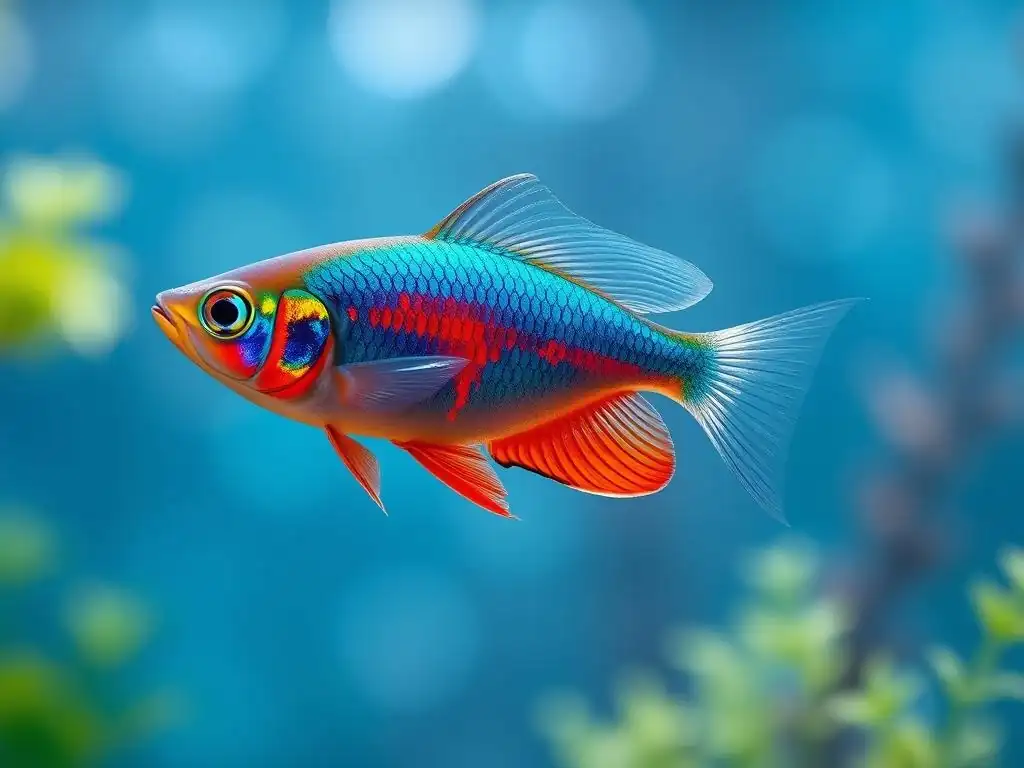
Successful Buenos Aires tetra breeding relies heavily on proper conditioning of the parent fish. Prior to introducing them to the breeding tank, feed your chosen male and female tetras a high-quality, varied diet for one to two weeks. This diet should include a mix of live foods such as bloodworms, daphnia, and brine shrimp, alongside high-quality frozen foods and premium flake or pellet foods rich in protein. Offering several small meals throughout the day, rather than one large meal, ensures constant nutrient intake and helps to build up their energy reserves and egg production.
A well-conditioned female will appear noticeably fuller and rounder in her abdominal region, indicating she is gravid with eggs. The male, similarly, will exhibit more vibrant coloration and increased activity. This period of intensive feeding prepares the fish physically for the rigors of spawning and significantly increases the quantity and viability of the eggs produced during the Buenos Aires tetra breeding process.
Simulating Natural Spawning Conditions
Simulating natural conditions can effectively trigger Buenos Aires tetra breeding. One of the most effective methods is to perform a large water change, often 50% or more, using water that is a few degrees cooler than the current tank temperature. This mimics the onset of a rainy season, a common spawning trigger for many tropical fish. The slight drop in temperature, followed by a gradual return to the optimal breeding range (75-79°F or 24-26°C), often stimulates the fish to spawn within 24 to 48 hours.
Additionally, maintaining dim lighting in the breeding tank can make the fish feel more secure and encourage spawning. Some breeders use a timer to establish a consistent day-night cycle, typically 10-12 hours of light, to further mimic natural conditions. The combination of pristine water quality from the water change and the environmental cues often proves irresistible to ready-to-spawn Buenos Aires tetras.
Monitoring for Spawning Behavior
Careful monitoring for spawning behavior is crucial during the Buenos Aires tetra breeding process. Spawning typically occurs in the early morning, often shortly after the lights come on. You will observe the male actively chasing the female, nudging her side, and displaying his most vibrant colors. The pair will then swim side-by-side, often trembling slightly, as they move into the spawning media (such as Java moss or a spawning mop). The female will scatter small, clear, adhesive eggs, while the male simultaneously fertilizes them.
A single spawning event can yield a significant number of eggs, sometimes ranging from 200 to 600 eggs, depending on the female's size and conditioning. Once spawning is complete, which can take several hours, the eggs will be visible within the plants or spawning mop. It is imperative to remove the adult Buenos Aires tetras from the breeding tank immediately after spawning is observed, as they are notorious egg predators and will readily consume their own progeny.
Buenos Aires Tetra Fry Care: From Hatching to Independence
Hatching and Initial Fry Care
After a successful Buenos Aires tetra breeding session, the delicate stage of fry care begins. Buenos Aires tetra eggs typically hatch within 24 to 36 hours when maintained at the optimal breeding temperature of 75-79°F (24-26°C). Upon hatching, the fry are incredibly tiny and almost transparent, resembling slivers of glass. They will remain largely immobile, clinging to surfaces or resting on the bottom, as they absorb their yolk sacs. This period usually lasts for 3 to 5 days.
Once their yolk sacs are fully absorbed, the fry will become free-swimming. This is the critical moment when they require their first food. Ensure that the breeding tank is equipped with a gentle sponge filter, as any stronger filtration can easily suck up the minuscule fry. Maintaining stable and pristine water conditions during this initial phase is paramount for their survival and healthy development.
Feeding Buenos Aires Tetra Fry
Feeding Buenos Aires tetra fry requires specific attention due to their minute size. Their mouths are too small for conventional flake foods, even finely crushed ones, during their initial stages.
First Foods for Newly Hatched Fry
For the first week after becoming free-swimming, Buenos Aires tetra fry require microscopic food sources. Infusoria, which are microscopic organisms, are an ideal first food. They can be cultured at home or purchased as liquid fry food. Alternatively, commercial liquid fry foods or a very dilute suspension of finely sieved hard-boiled egg yolk paste can be used, though egg yolk must be fed sparingly to avoid fouling the water. Feed very small amounts multiple times a day, typically every 2-3 hours, to ensure a constant supply of food for the rapidly growing fry.
Gradually Introducing Larger Food
As the Buenos Aires tetra fry grow, typically after about one week, they will be large enough to consume newly hatched brine shrimp nauplii. These are an excellent, highly nutritious food source that promotes rapid growth. Feed brine shrimp nauplii two to three times a day.
After another week or two (around 2-3 weeks post-hatching), you can begin to introduce microworms, small daphnia, and finely crushed high-quality flake food. By 4-6 weeks, the fry will have grown considerably, often reaching 0.5 to 1 inch (1.2-2.5 cm) in length, and can progressively transition to finely chopped bloodworms or larger crushed flakes.
Maintaining Water Quality for Fry Health
Maintaining impeccable water quality is non-negotiable for the health and survival of Buenos Aires tetra fry. Due to their small size and sensitivity, and the frequent feedings required, water parameters can quickly deteriorate. The gentle sponge filter is crucial for biological filtration without creating strong currents.
Perform small, daily water changes, typically 10-20% of the tank volume, using aged, temperature-matched, and dechlorinated water. Use an airline tube to gently siphon out any uneaten food or debris from the bottom of the tank, taking extreme care not to suck up any fry. Consistent water quality prevents the build-up of nitrates and other harmful compounds, significantly reducing the risk of disease and mortality among the delicate Buenos Aires tetra fry.
Avoiding Common Problems in Buenos Aires Tetra Breeding
Preventing Egg Fungus
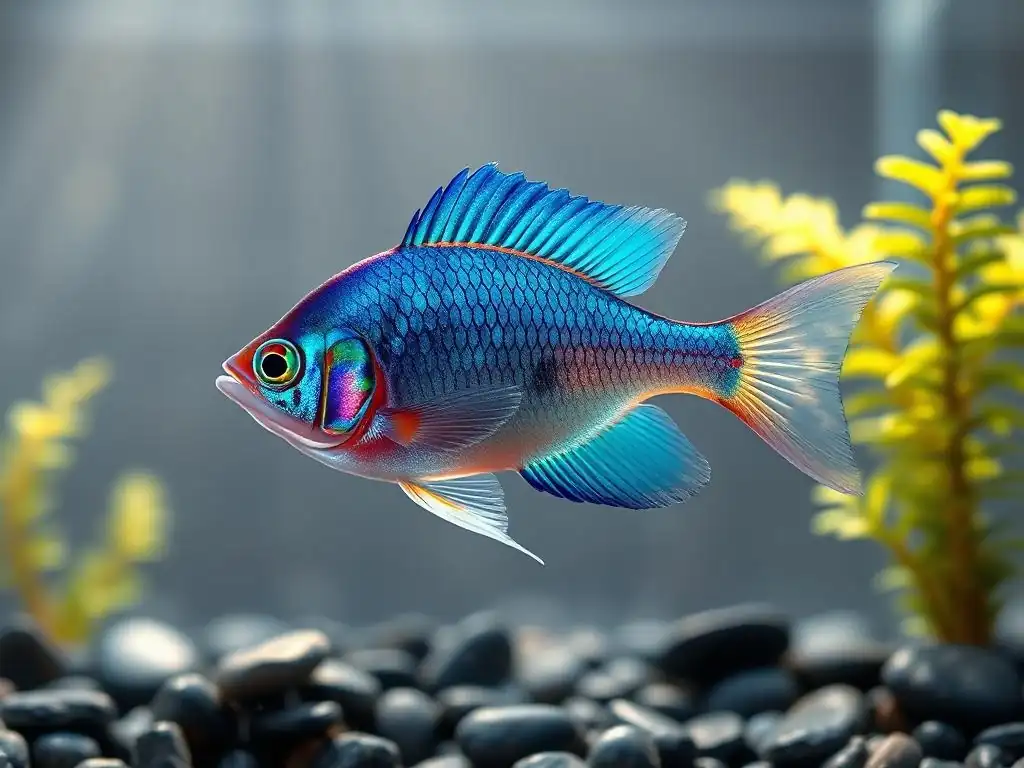
Egg fungus is a common adversary in Buenos Aires tetra breeding, particularly with unfertilized eggs. Fungus appears as white, fuzzy growth on the eggs and can quickly spread to healthy, viable eggs, leading to widespread loss. To prevent this, ensure excellent water quality in the breeding tank. After spawning, carefully remove any white, opaque eggs, as these are typically infertile and prone to fungusing.
Additionally, some breeders opt to add a very small amount of antifungal treatment, such as methylene blue solution, to the breeding tank water immediately after the parents are removed. A typical concentration might be 1 drop per gallon, though specific product instructions should always be followed. This helps inhibit fungal growth without harming the developing embryos.
Addressing Fry Mortality
High fry mortality can be disheartening but is often preventable in Buenos Aires tetra breeding. The leading causes include poor water quality, starvation, and sudden changes in environmental conditions. Overfeeding, while seemingly beneficial, can quickly foul the water, leading to toxic ammonia and nitrite spikes that are lethal to fry. Conversely, underfeeding will lead to starvation. It's a delicate balance requiring frequent, tiny meals.
Ensure the breeding tank is completely free of any other fish or invertebrates that could prey on the fry. Sudden shifts in water temperature, pH, or hardness during water changes can also stress and kill fry. Always use aged, temperature-matched water for water changes, and perform them slowly and gently to minimize disturbance to the fry.
Maintaining Parental Health After Spawning
Maintaining the health of your parent Buenos Aires tetras after spawning is crucial for their well-being and future breeding attempts. Spawning is an energy-intensive process that can leave the fish somewhat depleted. Once the spawning is complete and the eggs have been laid, immediately return the adult tetras to their main community tank.
Provide the parents with a high-quality, varied diet for several days to help them recover their strength and replenish their energy reserves. Continue with live and frozen foods alongside their regular flakes or pellets. Allow the parent fish a rest period of at least a few weeks before attempting another Buenos Aires tetra breeding cycle. This recovery time ensures they are in peak condition for subsequent spawns, promoting their long-term health and reproductive success.
Optimizing Your Buenos Aires Tetra Breeding Setup
Selecting the Right Lighting
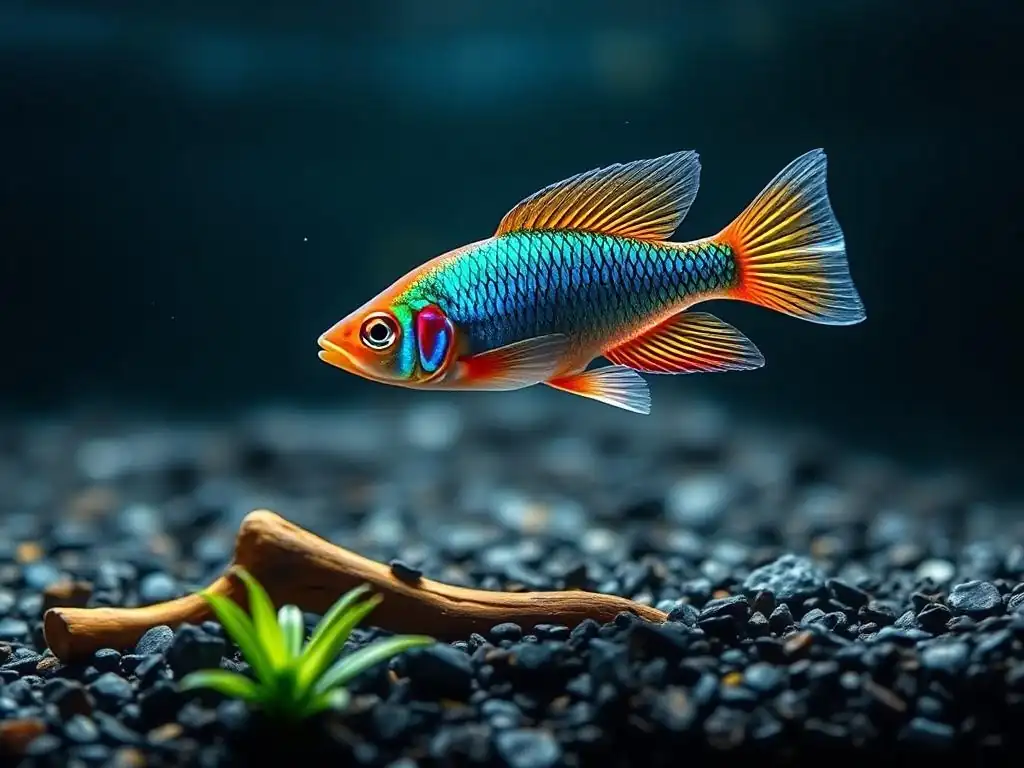
Selecting the right lighting for your Buenos Aires tetra breeding setup is less about intensity and more about consistency and mimicry of natural conditions. Buenos Aires tetras, like many egg-scattering tetras, often prefer to spawn in dimly lit environments, which can make them feel more secure. A natural photoperiod, typically 10 to 12 hours of light followed by 12 to 14 hours of darkness, is ideal.
Using a low-wattage LED light or even ambient room light is often sufficient. Avoid harsh, bright lighting, as this can stress the fish and discourage spawning. A consistent light cycle, managed by a simple timer, helps regulate their natural biological rhythms, promoting a more predictable breeding schedule.
Choosing Appropriate Substrate
When setting up your Buenos Aires tetra breeding tank, the choice of substrate is critical. A bare-bottom tank is generally the most advantageous option. This allows for easy visibility and collection of eggs, and significantly simplifies the cleaning process, which is vital for maintaining pristine water quality for delicate eggs and fry. With no substrate to trap detritus, waste accumulation is minimized.
If a bare bottom is aesthetically unappealing or if you prefer to give the eggs some protection from the parents before removal, a fine mesh or egg crate can be placed a few inches above the bottom. This allows the eggs to fall through the mesh, out of reach of the adults, while still being easily accessible for collection after spawning.
Plant Selection for Breeding Tanks
The selection of plants for your Buenos Aires tetra breeding tank plays a pivotal role in providing suitable spawning sites. Fine-leaved plants are paramount as they offer the ideal texture and structure for eggs to adhere to or to fall into. Excellent choices include:
- Java moss (Taxiphyllum barbieri): This dense, feathery moss is a classic choice for egg-scattering fish. It provides numerous surfaces for eggs and also offers excellent hiding spots for newly hatched fry.
- Hornwort (Ceratophyllum demersum): A fast-growing, bushy plant that offers abundant spawning material.
- Water Sprite (Ceratopteris thalictroides): Its delicate, feathery leaves are also highly effective.
- Anacharis (Egeria densa): Another popular choice with fine, dense foliage.
These plants can be loosely anchored or simply allowed to float. Floating plants, such as Dwarf Water Lettuce or Frogbit, can also be beneficial, as they help to diffuse light, creating a more subdued environment that encourages Buenos Aires tetra breeding behavior.
Buenos Aires Tetra Breeding: A Recap of Key Steps
Essential Checklist for Successful Breeding
To ensure successful Buenos Aires tetra breeding, here is an essential checklist summarizing the critical steps:
- Healthy, Conditioned Breeding Stock: Select 1 male and 1-2 robust, well-fed females, ideally 6-18 months old.
- Dedicated Breeding Tank: A 10-20 gallon (38-76 liter) tank, bare-bottomed or with fine mesh.
- Optimal Water Parameters: Maintain temperature at 75-79°F (24-26°C), pH 6.0-7.0, and soft water (5-12 dGH).
- Spawning Media: Include ample fine-leaved plants (Java moss, Anacharis) or spawning mops.
- Gentle Filtration: Use an air-driven sponge filter to protect eggs and fry.
- High-Quality Fry Food: Prepare infusoria, newly hatched brine shrimp nauplii, and microworms in advance.
- Fungus Prevention: Consider adding a very small amount of methylene blue to the water after spawning, or diligently remove infertile eggs.
- Consistent Water Changes: Perform small, frequent water changes with aged, temperature-matched water, especially for fry.
- Parent Removal: Immediately remove adult fish after spawning to prevent egg predation.
Long-Term Care for Your Buenos Aires Tetra School
Once your Buenos Aires tetra fry have grown to a manageable size, typically around 1 inch (2.5 cm) or more, they will require long-term care similar to adult fish, with considerations for their continued growth. It's crucial to transition them to a larger grow-out tank as they mature. Buenos Aires tetras are active shoalers and thrive in groups of 6 or more individuals. A minimum of a 30-gallon tank is recommended for a small school of adults, with 50+ gallons being ideal for larger groups, providing ample swimming space.
Continue to provide a varied and high-quality diet to support their growth and vibrant coloration. Regular weekly water changes of 25-30% are essential for maintaining pristine water quality, which is critical for preventing diseases and ensuring the overall health of your Buenos Aires tetra school. Consistent tank maintenance and appropriate stocking levels will allow your successfully bred tetras to flourish for many years, often living for 3-5 years or even longer with optimal care.
Frequently Asked Questions
How difficult is it to breed Buenos Aires tetras?
Buenos Aires tetras are considered relatively easy to breed compared to some other aquarium fish. However, success depends on providing the correct environment and meeting their specific needs.
What kind of tank setup is best for breeding Buenos Aires tetras?
A separate breeding tank is recommended, ideally around 10-20 gallons. It should be densely planted with fine-leaved plants or spawning mops and have a gravel-free bottom to protect the eggs.
What water parameters are ideal for Buenos Aires tetra breeding?
The ideal water parameters for breeding include a temperature of 75-78°F (24-26°C), a slightly acidic pH of around 6.5-7.0, and soft water. Maintaining pristine water quality is also critical.
How do I know when my Buenos Aires tetras are ready to breed?
Females will appear noticeably plumper with eggs, and males will display more intense coloration and courtship behavior. Separating the sexes for a few days and then reintroducing them can stimulate spawning.
What do I do after the Buenos Aires tetras have spawned?
Remove the parent fish immediately after spawning to prevent them from eating the eggs. The eggs will hatch in about 24-36 hours, and the fry can be fed infusoria or liquid fry food until they are large enough to eat baby brine shrimp.
Final Reflection: Cultivating Life and Understanding
The journey of breeding Buenos Aires Tetras, as we've explored, is more than just a technical process; it's a microcosm of life itself. The delicate balance of environment, nutrition, and observation mirrors the challenges and rewards we face in nurturing any form of growth, whether in our aquariums or in our own lives. Understanding these principles allows us to not only successfully breed these vibrant fish, but also to appreciate the intricate beauty of the natural world and our role within it.
The ability to bring new life into the world, even on a small scale, is a profound experience. This process has deepened my appreciation for the interconnectedness of all living things and the responsibility we have to create environments that foster thriving. The best way to observe a fish is to become a fish.
- Jacques Cousteau. This quote reminds us that true understanding comes from empathy and immersion, from striving to see the world through the eyes of those we seek to understand.
As you consider the tips and techniques shared in this article, I encourage you to reflect on the broader lessons they offer. How can you apply the principles of careful observation, patient nurturing, and environmental awareness to other aspects of your life? Let the vibrant energy of the Buenos Aires Tetra inspire you to cultivate growth and understanding in all that you do, creating a more vibrant and thriving world around you.
Ignite Your Tetra Breeding Journey!
Thank you for exploring the world of Buenos Aires Tetra breeding with us! We hope you found valuable insights into successfully raising these vibrant fish. Now, let's put that knowledge into action and bring some baby tetras into the world!
Here's how you can continue your journey:
- Start preparing your breeding tank today! A well-prepared environment is key to successful spawning.
- Share your newfound knowledge! Discuss your breeding plans on aquarium forums or with fellow hobbyists.
- Consider experimenting with different plants in the breeding tank to observe spawning preferences – you might uncover a new trick!
What are you most excited to try first in your quest to breed Buenos Aires Tetras?