
Green Jade Shrimp: The Elusive Emerald Gem of the Neocaridina World

Welcome to Aquarium Mastery!
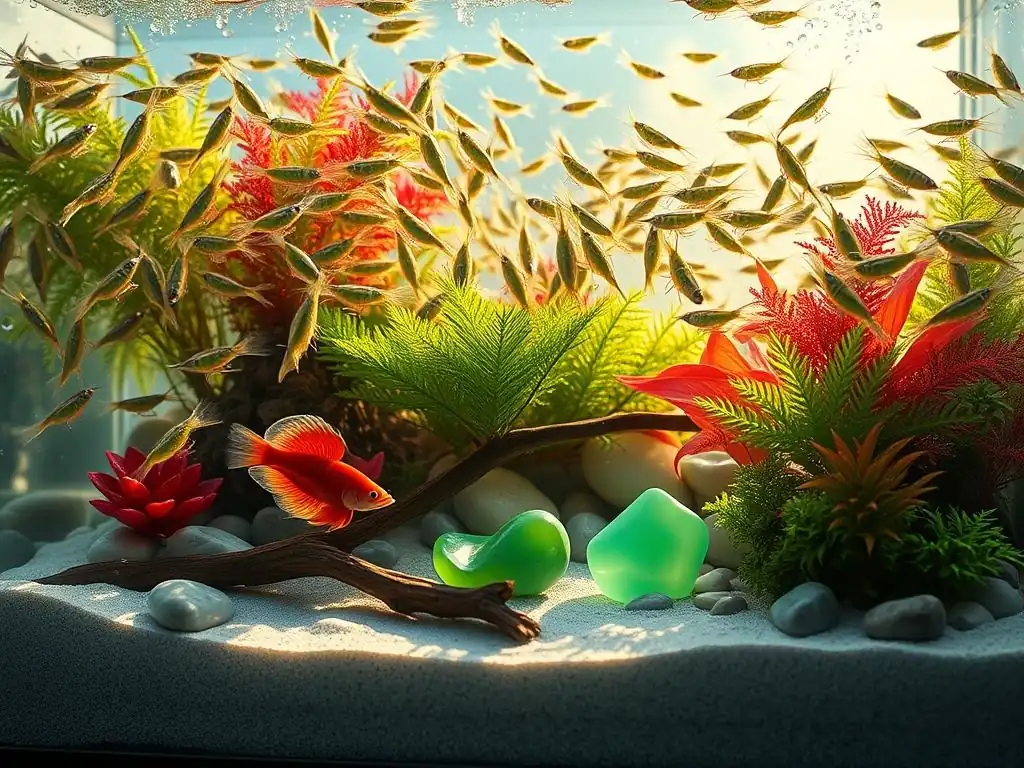
Ever been captivated by the shimmering emerald hues of a truly unique aquarium inhabitant? Dive into the fascinating world of Green Jade Shrimp and unlock the secrets to keeping these elusive gems thriving in your freshwater setup. Our comprehensive Green Jade Shrimp Care Guide unveils everything you need to know about their specific needs, from ideal water parameters to breeding tips. Ready to transform your tank into a vibrant underwater paradise? Let's begin!
- Introduction to Green Jade Shrimp: A Comprehensive Care Guide
- Understanding Green Jade Shrimp: Origin and Appearance
- Green Jade Shrimp Care: Creating the Ideal Aquarium Environment
- Green Jade Shrimp Diet and Nutrition: Feeding for Vibrant Color and Health
- Green Jade Shrimp Breeding: Encouraging Reproduction and Raising Fry
- Common Green Jade Shrimp Health Issues and Prevention
- Acquiring Green Jade Shrimp: Selecting Healthy Specimens
- Conclusion: Mastering Green Jade Shrimp Care and Appreciation
- Frequently Asked Questions
- Final Reflection: Embracing the Delicate Balance of Life
- Unleash Your Inner Shrimp Keeper!
Introduction to Green Jade Shrimp: A Comprehensive Care Guide
The Green Jade Shrimp ( Neocaridina davidi "Green Jade") stands out as a truly captivating invertebrate in the freshwater aquarium hobby. Renowned for its stunning, vibrant emerald green coloration, this dwarf shrimp variety has quickly ascended in popularity among aquarists, offering a unique splash of color and dynamic activity to any planted tank. Their relatively peaceful nature and active foraging habits make them a joy to observe.
This comprehensive Green Jade Shrimp care guide aims to provide essential insights into successfully keeping and breeding these beautiful crustaceans. From understanding their genetic origins to establishing the ideal aquatic environment, proper care is paramount for ensuring these emerald gems not only survive but truly thrive, showcasing their brilliant hues and contributing to a healthy, balanced ecosystem. Mastering the specific needs of the Green Jade Shrimp is key to a rewarding aquascaping experience.
Understanding Green Jade Shrimp: Origin and Appearance
The Origins of the Emerald Neocaridina: Genetics and Selective Breeding
The Green Jade Shrimp traces its lineage back to the wild Neocaridina davidi species, a small, typically brownish or clear freshwater shrimp native to East Asia. Over decades, dedicated hobbyists and breeders have meticulously selected for specific genetic mutations, leading to the diverse array of color forms seen today, such as the widely popular Red Cherry and Yellow Shrimp. The journey to stabilizing a true green variant, however, was a more recent and challenging endeavor, requiring precise and patient selective breeding.
Achieving the consistent, opaque emerald green of the Green Jade Shrimp is a testament to persistent selective breeding. Breeders continually cull shrimp that do not meet the desired color standards (e.g., those that are too translucent, have brown spots, or are dull in hue) and only breed the best specimens. This intensive process, often spanning many generations—typically 5 to 10 or more—is essential to enhance and stabilize the genetic traits responsible for the deep, uniform green pigmentation, making a high-quality Green Jade Shrimp a product of considerable effort and genetic refinement.
Green Jade Shrimp Coloration: Factors Affecting Hue
The intensity and vibrancy of a Green Jade Shrimp's emerald hue are influenced by a combination of environmental factors. Stress, often caused by unstable water parameters, aggressive tank mates, or inadequate hiding spots, can lead to faded or dull coloration.
Conversely, a stable and comfortable environment, characterized by consistent water parameters like a general hardness (GH) of 6-8 dGH and a carbonate hardness (KH) of 3-5 dKH, along with moderate lighting, encourages the shrimp to display their most brilliant green. Providing plenty of natural hiding places, such as dense plant cover, also contributes to their overall well-being and color expression.
Genetics play the most significant role in determining the potential for vibrant coloration; a shrimp from a strong genetic line will inherently possess superior color quality. However, diet also plays a crucial supporting role.
Feeding high-quality shrimp-specific foods, especially those rich in spirulina or other natural carotenoids, can significantly enhance the green pigmentation. While carotenoids are often associated with red and yellow pigments, certain types, particularly those found in green algae like spirulina, can help deepen the green hues and contribute to the overall health and vibrancy of Green Jade Shrimp, making diet a critical component of Green Jade Shrimp care.
Distinguishing Green Jade Shrimp from Other Neocaridina Varieties
Distinguishing a true Green Jade Shrimp from other Neocaridina varieties, or even other green shrimp species, is important for maintaining genetic purity and ensuring proper care. A high-grade Green Jade Shrimp should exhibit a deep, opaque emerald or jade green color that is uniform across its entire body, including its legs and antennae. Unlike some other green Neocaridina strains, which might appear more olive, translucent, or have patchy coloration, the ideal Green Jade should be a solid, rich green. Females typically display a more intense and opaque coloration than males, especially when mature.
Careful observation helps in avoiding misidentification. Low-grade Green Jade Shrimp or wild-type Neocaridina that are merely greenish can sometimes be mistakenly sold as true Jades; these often lack the deep, consistent opacity. It's also important not to confuse them with green Caridina species, such as Green Babaulti shrimp, which generally have different body shapes, grow larger, and require distinct water parameters—typically softer and more acidic water—compared to the more adaptable Neocaridina davidi. Understanding these distinctions is a key part of any comprehensive Green Jade Shrimp care guide.
Green Jade Shrimp Care: Creating the Ideal Aquarium Environment
Setting Up the Perfect Green Jade Shrimp Tank: Size and Substrate
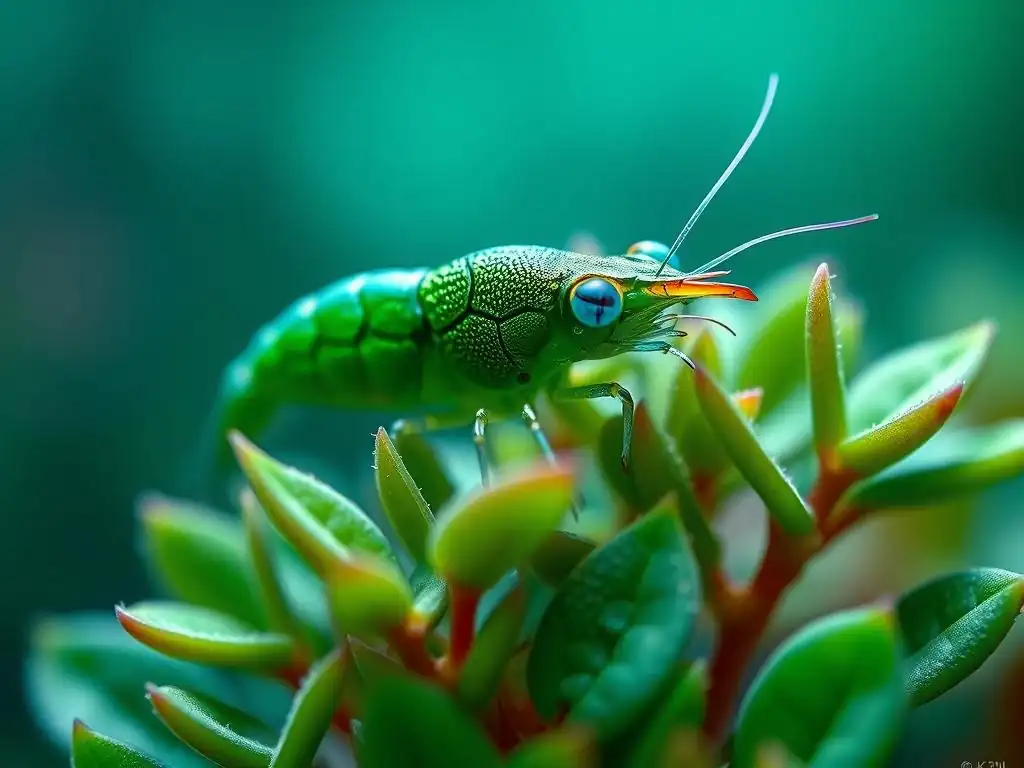
When setting up an aquarium for Green Jade Shrimp, tank size is a crucial consideration for their well-being and the stability of their environment. While a small group can technically survive in tanks as compact as 2-3 gallons (approximately 7.5-11 liters), a minimum of 5 gallons (19 liters) is highly recommended for a thriving colony, with 10 gallons (38 liters) being ideal for a larger group of 20-30 shrimp. Larger tanks offer greater water volume, which inherently leads to more stable water parameters, reducing stress on the shrimp and providing ample space for foraging and breeding.
The choice of substrate also significantly impacts the health and aesthetic appeal of a Green Jade Shrimp tank. Inert substrates such as fine gravel, sand, or specialized inert shrimp substrates are excellent choices as they do not alter water chemistry.
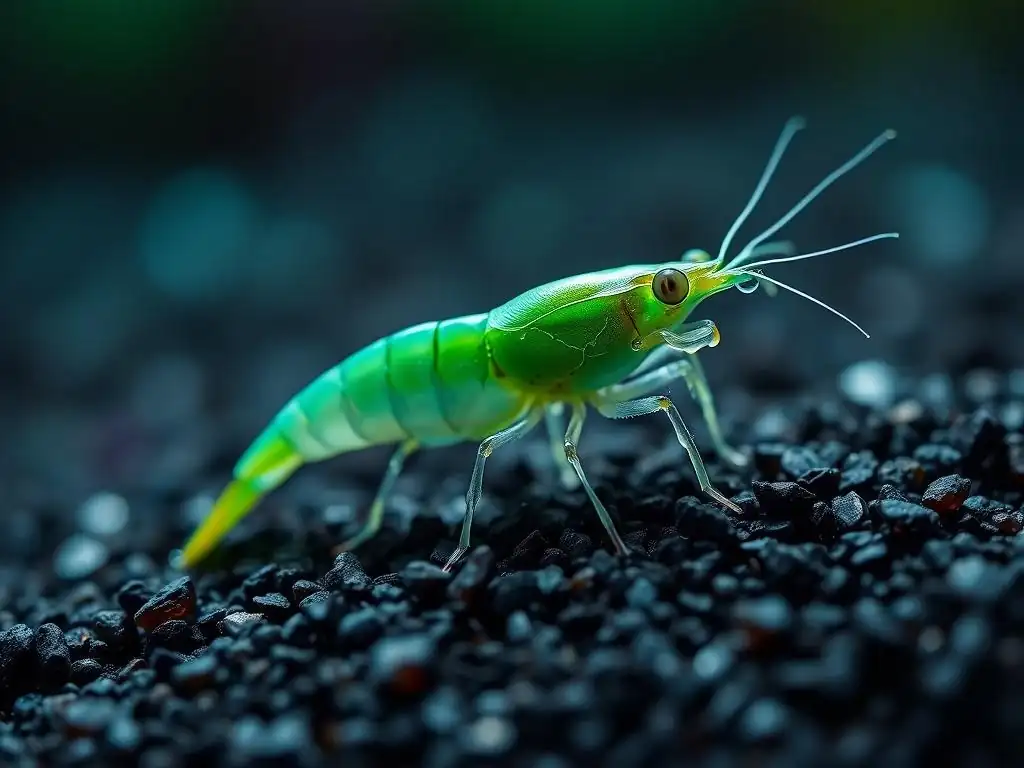
Many aquarists opt for dark substrates, like black sand or dark-colored gravel, because they create a striking contrast that makes the emerald green coloration of the Green Jade Shrimp appear even more vibrant and intense. While some buffering substrates are available, ensure they are specifically designed for Neocaridina and do not excessively lower pH, which is more suited for Caridina species.
Water Parameters for Green Jade Shrimp: Temperature, pH, and Hardness
Maintaining precise and stable water parameters is fundamental to successful Green Jade Shrimp care. The ideal temperature range for these shrimp is between 68-78°F (20-25.5°C), with a slightly cooler temperature often stimulating more vibrant coloration and a longer lifespan, while warmer temperatures can encourage faster breeding but potentially shorten their overall life. The pH level should ideally be kept between 6.5 and 8.0, showcasing their adaptability to a range of slightly acidic to slightly alkaline conditions.
Beyond temperature and pH, specific hardness levels are critical for the Green Jade Shrimp's exoskeleton health and successful molting. A General Hardness (GH) of 6-10 dGH provides sufficient minerals like calcium and magnesium, vital for shell formation. Carbonate Hardness (KH) should be maintained between 2-8 dKH, contributing to water stability and buffering against pH swings.
Total Dissolved Solids (TDS) typically range from 150-250 ppm. Consistency within these ranges is more important than hitting exact numbers; sudden fluctuations can cause significant stress, leading to molting problems, illness, or even death. Regular testing with reliable liquid test kits is indispensable for monitoring these vital parameters.
Essential Filtration and Water Changes for Green Jade Shrimp
Effective filtration is a cornerstone of maintaining pristine water quality for Green Jade Shrimp. Sponge filters are widely regarded as the best choice for shrimp tanks. They provide excellent biological filtration, which is crucial for breaking down ammonia and nitrites, and their gentle flow ensures that delicate baby shrimp are not sucked into the filter intake.
For tanks requiring additional filtration, a hang-on-back (HOB) filter can be used, but it must be equipped with a pre-filter sponge over the intake tube to protect the shrimp, especially the tiny fry. Strong currents or powerful internal filters should be avoided as they can stress the shrimp.
Regular water changes are another critical aspect of a robust Green Jade Shrimp care routine, preventing the accumulation of nitrates and other harmful substances. Rather than large, infrequent changes, small, consistent water changes of approximately 10-20% of the tank volume once a week or every two weeks are ideal. This approach minimizes stress on the shrimp by preventing sudden shifts in water chemistry. Always use dechlorinated water that is temperature-matched to the aquarium water, and consider using a slow drip acclimation method when adding new water, particularly if your tap water parameters differ significantly from your tank's.
Green Jade Shrimp Tank Mates: Choosing Compatible Species
Selecting appropriate tank mates is vital for the safety and well-being of your Green Jade Shrimp colony. The best companions are small, peaceful, and non-aggressive fish that will not prey on adult shrimp or their fragile fry. Excellent choices include Otocinclus catfish, which are gentle algae eaters, and various species of small rasboras, such as Chili Rasboras or Phoenix Rasboras, known for their diminutive size and peaceful disposition. Pygmy Corydoras are another suitable option, as are most types of freshwater snails like Nerite snails or Mystery snails, which pose no threat to the shrimp and help with algae control.
Conversely, many common aquarium fish are unsuitable tank mates for Green Jade Shrimp. Any fish large enough to fit a shrimp, even a juvenile, into its mouth should be strictly avoided. This category includes most cichlids, larger tetras, Siamese fighting fish (bettas), and gouramis.
Even seemingly peaceful fish can opportunistically prey on the small and vulnerable Green Jade Shrimp fry. Furthermore, if maintaining the pure genetic line and vibrant green coloration of your Green Jade Shrimp is a priority, avoid keeping them with other Neocaridina color morphs, as cross-breeding will inevitably lead to duller, wild-type (brown or clear) offspring over successive generations.
Green Jade Shrimp Diet and Nutrition: Feeding for Vibrant Color and Health
Optimal Green Jade Shrimp Feeding Schedule and Food Choices
Establishing an optimal feeding schedule and selecting appropriate food choices are crucial for the health and vibrant coloration of your Green Jade Shrimp. A common mistake is overfeeding; Green Jade Shrimp are efficient scavengers and should be fed sparingly. For a small colony of 20-30 shrimp, a single small pellet or a tiny pinch of powdered food once a day, or even every other day, is often sufficient. The key is to provide only as much food as they can consume within 2-3 hours to prevent uneaten food from fouling the water.
A varied diet promotes healthy growth and intensifies their emerald green hue. High-quality commercial shrimp pellets (e.g., those from brands like Shirakura, GlasGarten, or Hikari Shrimp Cuisine) should form the staple of their diet, providing essential proteins, carbohydrates, and minerals. Supplement this with blanched vegetables such as zucchini slices, spinach, or kale, which provide fiber and additional nutrients. Algae wafers are also a good addition. For enhancing the green coloration specifically, foods rich in spirulina or other blue-green algae are particularly beneficial, contributing to a more vivid Green Jade Shrimp.
Supplementing the Green Jade Shrimp Diet: Vitamins and Minerals
While a balanced staple diet covers most nutritional needs, supplementing the Green Jade Shrimp diet with essential vitamins and minerals is vital for their long-term health, particularly for strong exoskeleton development and successful molting. Deficiencies in key minerals, especially calcium and magnesium, can lead to serious molting problems, where shrimp struggle to shed their old shells, often resulting in stress or mortality. Ensuring adequate mineral intake is a cornerstone of proper Green Jade Shrimp care.
Suitable supplements can be incorporated into their feeding regimen or directly into the water column. Calcium-rich options include specialized mineral supplements designed for Neocaridina shrimp (e.g., SaltyShrimp GH/KH+), which are added to the water during changes, or small pieces of cuttlebone placed directly in the tank. Additionally, natural botanicals like Indian Almond Leaves (catappa leaves) or Mulberry leaves provide beneficial tannins and a slow release of minerals, while also growing biofilm, which serves as a natural food source for grazing shrimp. These supplements contribute significantly to the overall vitality and vibrant color of your Green Jade Shrimp.
Avoiding Overfeeding: Maintaining Water Quality and Preventing Issues
Overfeeding is one of the most common and detrimental mistakes in Green Jade Shrimp care, leading to a cascade of negative impacts on water quality and shrimp health. Clear indicators of overfeeding include visible uneaten food accumulating on the substrate, cloudy water, and a subsequent rise in ammonia and nitrite levels. This degradation of water quality can quickly lead to bacterial blooms, unsightly planaria outbreaks, and ultimately, severe stress, illness, or even death for the delicate Green Jade Shrimp.
To prevent overfeeding, adopt a "less is more" approach. Always feed small amounts and meticulously observe how quickly the food is consumed by your Green Jade Shrimp colony. If any food remains after 2-3 hours, reduce the portion size for the next feeding. It is crucial to promptly remove any uneaten food after this period to prevent it from decaying and polluting the water. Implementing a consistent, measured feeding schedule, rather than sporadic large feedings, is a key strategy for maintaining optimal water parameters and ensuring the long-term health of your Green Jade Shrimp.
Green Jade Shrimp Breeding: Encouraging Reproduction and Raising Fry
Creating Ideal Breeding Conditions for Green Jade Shrimp
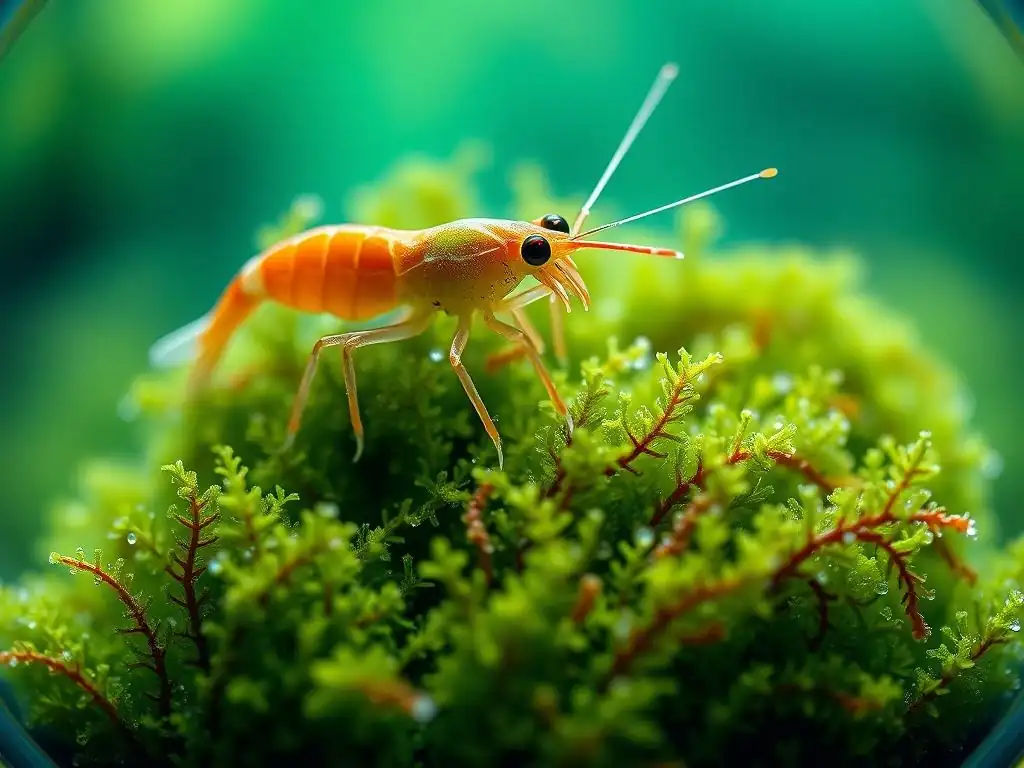
Encouraging Green Jade Shrimp to breed successfully hinges on providing consistent, stable, and optimal environmental conditions. Maintaining the recommended water parameters—temperature between 72-76°F (22-24.5°C), pH 6.5-7.5, GH 6-8 dGH, and KH 3-5 dKH—is paramount, as stability often stimulates breeding activity more than any single parameter. A balanced and varied diet, including protein-rich foods, also plays a significant role in conditioning adult shrimp for reproduction and ensuring they are healthy enough to carry eggs.
Providing ample hiding places and foraging surfaces is equally crucial for successful Green Jade Shrimp breeding and the survival of their offspring. Densely planted tanks, particularly with abundant mosses like Java Moss or Christmas Moss, offer excellent cover for berried (pregnant) females and serve as ideal grazing grounds for newly hatched fry, who feed primarily on biofilm. Other suitable additions include cholla wood, ceramic shrimp caves, or small pieces of driftwood, all of which create safe havens and increase the survival rate of the vulnerable baby shrimp.
Green Jade Shrimp Pregnancy and Hatching: What to Expect
Identifying a "berried" female is the first sign of impending Green Jade Shrimp reproduction. A female Green Jade Shrimp is considered berried when she carries a cluster of eggs, typically 20-50, securely tucked under her swimmerets (small legs on her underside). These eggs are usually a distinct green or yellowish-green color, making them quite visible against her body. Prior to becoming berried, a female will develop a "saddle" – undeveloped eggs visible as a green or yellow mass behind her head – indicating she is mature and ready to be fertilized after her next molt.
The gestation period for Green Jade Shrimp eggs typically ranges from 28 to 35 days, with warmer temperatures generally leading to a shorter incubation time. As the hatching date approaches, you may observe tiny, dark spots within the eggs, which are the developing eyes of the baby shrimp. Upon hatching, Green Jade Shrimp emerge as miniature, fully formed versions of the adults, not larval stages. This direct development makes them relatively easy to care for, as they can immediately begin foraging for food and adapting to the tank environment, a testament to their robust nature.
Raising Green Jade Shrimp Fry: Providing Proper Care and Nutrition
Raising Green Jade Shrimp fry successfully requires a safe and nurturing environment, free from predation and with ample food sources. In a dedicated shrimp tank or a community tank with only peaceful, very small tank mates, the survival rate of fry significantly increases. It is absolutely essential to use a sponge filter or a filter with a pre-filter sponge over the intake to prevent the tiny, almost transparent fry from being sucked into the filtration system, which is a common cause of fry loss.
Newly hatched Green Jade Shrimp fry primarily feed on the biofilm and micro-algae that naturally develop on surfaces within a mature aquarium. To supplement this natural diet and ensure robust growth, it is beneficial to provide finely powdered shrimp food, spirulina powder, or specialized fry food. These foods should be dispersed widely across the tank to allow all fry access, as they are not strong swimmers initially. Feeding very small amounts several times a day is generally preferred over a single large feeding, ensuring continuous access to nutrition for the rapidly growing Green Jade Shrimp fry.
Common Green Jade Shrimp Health Issues and Prevention
Identifying Common Diseases and Ailments Affecting Green Jade Shrimp
While Green Jade Shrimp are generally hardy and resilient, they are susceptible to certain health issues, primarily linked to poor water quality or stress. Common ailments include bacterial infections, often manifesting as a milky white appearance, lethargy, or loss of appetite. Fungal infections can present as cotton-like growths on the shrimp's body.
Parasitic issues, though less common, can include external parasites or internal conditions like Ellobiopsidae, which appears as a green, algae-like growth on the shrimp's underside or gills. Molting problems, characterized by a shrimp struggling to shed its old exoskeleton or dying during the process, are also frequently observed.
The most effective preventative measures against these health problems involve maintaining consistently pristine and stable water conditions. Regular, small water changes, diligent removal of uneaten food, and avoiding overstocking are fundamental to preventing the buildup of harmful nitrates and other toxins. Furthermore, quarantining all new Green Jade Shrimp or any new tank inhabitants for at least 2-4 weeks in a separate tank before introducing them to the main colony is a critical step to prevent the introduction and spread of diseases, ensuring the overall health of your Green Jade Shrimp.
Treating Green Jade Shrimp Diseases: Medications and Remedies
Treating diseases in Green Jade Shrimp can be challenging due to their extreme sensitivity to many common fish medications, particularly those containing copper, which is highly toxic to invertebrates. For bacterial infections, certain antibiotics like Furan-2 or Maracyn might be cautiously used at reduced dosages, but always ensure the product is shrimp-safe and follow instructions meticulously. Fungal infections might respond to very mild salt dips (non-iodized salt) or specific shrimp-safe antifungal treatments, though these options require careful research and precise dosing.
The importance of quarantining sick Green Jade Shrimp cannot be overstated. Immediately moving affected shrimp to a dedicated quarantine tank prevents the potential spread of disease to the entire colony and allows for isolated, targeted treatment without harming the beneficial bacteria in the main aquarium's filter or stressing healthy shrimp. Observing any new shrimp in quarantine for several weeks is a proactive measure that helps identify and address potential health issues before they can impact your established Green Jade Shrimp community, making it a vital component of advanced Green Jade Shrimp care.
Preventing Molting Problems in Green Jade Shrimp: Ensuring Proper Water Parameters
Molting is a vital and recurring process for Green Jade Shrimp, essential for their growth and development. During a molt, the shrimp sheds its old, rigid exoskeleton to allow for a new, larger one to form. This period, typically lasting a few hours to a day, leaves the shrimp soft and highly vulnerable to predation or stress. A successful and complete molt is a strong indicator of a healthy shrimp and optimal environmental conditions, while a failed molt often signals underlying issues that need immediate attention.
The primary cause of molting problems in Green Jade Shrimp is often directly related to incorrect or fluctuating water parameters, particularly insufficient calcium or rapid shifts in General Hardness (GH) and Carbonate Hardness (KH). To prevent these issues, maintaining stable GH (6-10 dGH) and KH (2-8 dKH) is crucial, as these minerals provide the necessary building blocks for a strong exoskeleton.
Supplementing the water with mineral additives like SaltyShrimp GH/KH+ or placing a small piece of cuttlebone in the tank can ensure adequate calcium and other essential minerals are available, facilitating a smooth and successful molt for your Green Jade Shrimp.
Acquiring Green Jade Shrimp: Selecting Healthy Specimens
Choosing Healthy Green Jade Shrimp: What to Look For
When acquiring Green Jade Shrimp, carefully selecting healthy specimens is crucial for starting a thriving colony and minimizing potential health issues. Healthy Green Jade Shrimp should exhibit a vibrant, opaque emerald green coloration that is consistent across their entire body, indicating good genetics and proper care. Observe their behavior: healthy shrimp are typically active, constantly foraging on surfaces, and moving their swimmerets to circulate water. Their antennae should be intact and actively twitching, signaling alertness.
Conversely, avoid shrimp that appear lethargic, are lying on their sides, or show signs of discoloration such as white patches, faded colors, or an overall dull appearance. Visible deformities, external growths, or a cloudy body are also red flags indicating illness or stress. It is also wise to inspect the tank from which the shrimp are being sold; avoid tanks with deceased shrimp, as this can suggest poor water quality or the presence of an active disease. Prioritizing these visual cues is a fundamental step in ensuring you bring home robust Green Jade Shrimp.
Reputable Sources for Purchasing Green Jade Shrimp
Identifying reputable sources for purchasing Green Jade Shrimp is as important as knowing what to look for in healthy specimens. Local fish stores with clean, well-maintained tanks and knowledgeable staff are often a good starting point. For higher-grade or specific genetic lines, dedicated online shrimp breeders are often the best choice. Look for breeders with positive reviews, transparent communication about their breeding practices, and clear information regarding the water parameters they maintain, which helps in preparing your own tank for their arrival. Online communities and specialized shrimp forums frequently provide recommendations for reliable sources of high-quality Green Jade Shrimp.
When purchasing Green Jade Shrimp online, several considerations are important for a successful delivery. Choose sellers who offer a live arrival guarantee and utilize proper packaging, including insulation and heat or cold packs, depending on the weather conditions during transit. Upon arrival, it is paramount to acclimate your new shrimp slowly to your tank's water parameters. A drip acclimation method, typically over several hours, is highly recommended to minimize stress from sudden changes in temperature, pH, or hardness, ensuring a smooth transition and the successful integration of your new Green Jade Shrimp into their new home.
Conclusion: Mastering Green Jade Shrimp Care and Appreciation
Mastering Green Jade Shrimp care is a rewarding endeavor that brings a splash of unique, vibrant color to any freshwater aquarium. As we've explored, their successful keeping hinges on a few key requirements: maintaining stable and appropriate water parameters, providing a balanced diet rich in color-enhancing nutrients, and ensuring a peaceful environment with suitable tank mates and ample hiding spots. Understanding their breeding habits and being prepared for the arrival of new fry further enriches the experience, allowing for the growth of a thriving, self-sustaining colony.
The dedication to providing proper care for your Green Jade Shrimp yields immense rewards, transforming your aquarium into a dynamic display of emerald beauty. Witnessing their active foraging, intricate molting process, and the emergence of new generations offers a deep sense of accomplishment and connection to the aquatic world. We encourage all aquarists to delve deeper into the fascinating realm of freshwater shrimp keeping, as the Green Jade Shrimp truly represents the elusive emerald gem that can elevate any aquascape.
Frequently Asked Questions
What are the ideal water parameters for Green Jade Shrimp?
Green Jade Shrimp thrive in stable water conditions. Aim for a temperature of 65-78°F (18-26°C), a pH between 6.5-8.0, and a general hardness (GH) of 4-8 dGH.
What do Green Jade Shrimp eat?
They are omnivores and scavengers. Their diet should consist of high-quality shrimp food, supplemented with algae, blanched vegetables, and biofilm.
How often should I perform water changes in a Green Jade Shrimp tank?
Regular water changes are crucial. Perform small water changes (10-20%) weekly or bi-weekly to maintain water quality and remove nitrates.
Are Green Jade Shrimp difficult to breed?
They are relatively easy to breed. Providing optimal water parameters and plenty of hiding places will encourage breeding. A stable environment is key.
What tank size is recommended for Green Jade Shrimp?
A minimum of 5 gallons is recommended for a small colony. A larger tank, such as a 10-gallon or larger, is preferable for a more stable environment and larger population.
Final Reflection: Embracing the Delicate Balance of Life
The journey into understanding the Green Jade Shrimp reveals more than just the intricacies of aquarium keeping; it illuminates the profound interconnectedness of life within a miniature ecosystem. These vibrant creatures, demanding specific conditions to thrive, serve as a potent reminder of the delicate balance we must strive to maintain, not only in our aquariums but also in the wider world around us.
This exploration has underscored how even seemingly small creatures can profoundly influence our understanding of environmental responsibility. The dedication required to successfully nurture Green Jade Shrimp mirrors the commitment needed to protect our planet's biodiversity. In nature, nothing exists alone.
- Rachel Carson. This quote resonates deeply when considering the intricate web of life within an aquarium, and by extension, the world at large.
As you embark on your own journey with Green Jade Shrimp, or simply reflect on the lessons learned, consider the broader implications of responsible stewardship. Let the vibrant emerald hue of these tiny gems inspire you to cultivate a deeper appreciation for the delicate balance of life and to actively contribute to its preservation, one small act at a time.
Unleash Your Inner Shrimp Keeper!
Thank you for diving into the fascinating world of Green Jade Shrimp! We hope you've discovered some gems of knowledge to help you on your shrimping journey. Now, let's put that knowledge to good use!
Here are a few next steps you can take:
- Dive into Action: Start planning your own Green Jade Shrimp tank.: Research tank parameters, compatible tank mates, and the specific needs of these emerald beauties.
- Share the Shrimp Love:Spread the word about these fascinating shrimp by sharing this article with your fellow aquarium enthusiasts.
- Embrace the Unexpected: Join an online aquarium forum and ask: if you could cross-breed the green jade shrimp with other species, what color combination would you want?
Ready to embark on your own Green Jade Shrimp adventure? What unique element will you introduce to their tank to make it truly shine?