
Sunset Wrasse (Thalassoma lutescens): Vibrant Colors and Perpetual Motion

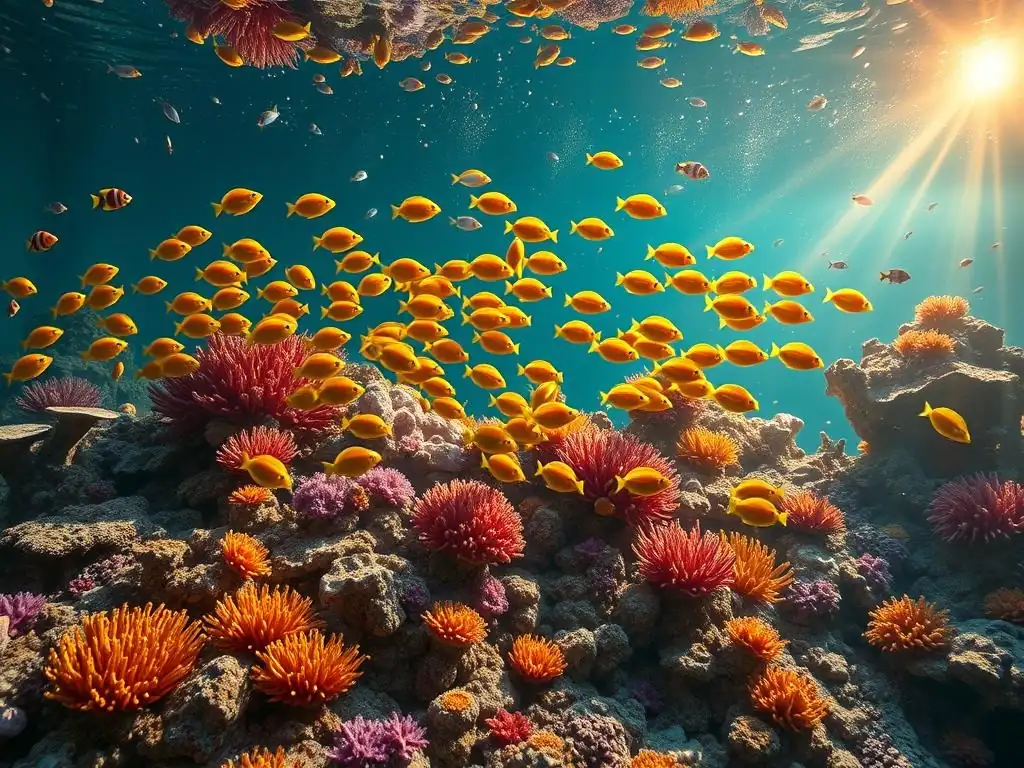
Welcome to Aquarium Mastery!
Dive into the mesmerizing world of saltwater aquariums, and let's explore the radiant Sunset Wrasse. Intrigued by its vibrant colors and playful personality? This article unlocks essential Sunset Wrasse care tips, guiding you through everything from habitat requirements to diet and tank mates. Get ready to transform your aquarium into a thriving underwater paradise. But first, are you ready to discover the secrets to keeping this stunning fish happy and healthy?
- Introduction to the Sunset Wrasse: A Reef Aquarium Gem
- Understanding the Sunset Wrasse: Species Profile
- Sunset Wrasse Care Tips for a Thriving Aquarium
- Feeding Your Sunset Wrasse: Diet and Nutrition
- Sunset Wrasse Behavior and Temperament
- Tank Mates for Sunset Wrasses: Choosing Compatible Species
- Maintaining a Healthy Sunset Wrasse: Disease Prevention and Treatment
- Breeding Sunset Wrasses in Captivity
- Sunset Wrasse Color Variation and Morphology
- Benefits of Keeping Sunset Wrasses in Reef Aquariums
- Troubleshooting Common Sunset Wrasse Care Issues
- Conclusion: Mastering Sunset Wrasse Care for a Stunning Aquarium Display
- Frequently Asked Questions
- Final Reflection: Embracing the Sunset Wrasse's Vitality
- Dive Deeper: Ignite Your Reef Tank's Potential!
Introduction to the Sunset Wrasse: A Reef Aquarium Gem
The Sunset Wrasse, scientifically known as Thalassoma lutescens, is a captivating inhabitant of the Indo-Pacific reefs, renowned for its brilliant coloration and energetic demeanor. Its common name perfectly encapsulates its appearance, often displaying a striking palette of yellows, oranges, and blues that evoke the hues of a tropical sunset. These active fish are a visual spectacle, constantly darting and weaving through the reef, making them a dynamic addition to large marine aquariums.
Aquarists seeking to add a splash of vibrant color and relentless activity often turn to the Sunset Wrasse. While undeniably beautiful, successful Sunset Wrasse care tips hinge on understanding their specific needs, particularly their significant adult size, high metabolism, and semi-aggressive tendencies. Providing an environment that mimics their natural habitat, including ample swimming space and a suitable substrate, is paramount to their long-term health and display of their full splendor.
Understanding the Sunset Wrasse: Species Profile
Scientific Classification of Thalassoma lutescens
The Sunset Wrasse, Thalassoma lutescens, belongs to the family Labridae, a diverse group comprising over 500 species commonly known as wrasses. This family is characterized by its members' often vibrant colors, active swimming patterns, and varied feeding habits. Within the Labridae, the genus Thalassoma includes several popular aquarium fish, many of which share the Sunset Wrasse's streamlined body shape and active lifestyle.
Thalassoma lutescens was first formally described by Theodore Cantor in 1849. Its classification places it firmly within a lineage of highly successful marine fish that have adapted to a wide range of reef environments across the world's tropical oceans. Understanding its scientific background helps aquarists appreciate its biological characteristics and evolutionary adaptations.
Natural Habitat and Distribution of the Sunset Wrasse
The Sunset Wrasse is widely distributed across the Indo-Pacific region, spanning from the Red Sea and East Africa eastward through the Indian Ocean to the islands of the central Pacific, including Hawaii and French Polynesia. They are typically found in shallow, clear waters of coral reefs, rocky shores, and lagoons, often inhabiting areas with strong surge or currents. Their preferred depth range generally extends from just a few feet down to about 100 feet (approximately 30 meters), though they are most commonly observed in shallower zones.
In their natural environment, Thalassoma lutescens are diurnal fish, meaning they are active during the day, constantly foraging for food among the rocks and corals. They are often seen individually or in small groups, particularly juveniles. Their natural habitat provides a rich tapestry of food sources, including small crustaceans, mollusks, worms, and other benthic invertebrates, which they skillfully extract from crevices.
Physical Characteristics: Identifying the Sunset Wrasse
The Sunset Wrasse boasts a torpedo-shaped, elongated body, characteristic of many wrasses, enabling swift and agile movement through water. Adults can reach an impressive size, often growing up to 10-12 inches (approximately 25-30 cm) in length in the wild, though they may be slightly smaller in captivity. Their most striking feature is their vibrant coloration, which can vary significantly depending on age, sex, and geographic location.
Typically, males display a more intense coloration, featuring a bright yellow to orange body that transitions to a greenish-blue head, often adorned with intricate pink or purple markings around the eyes and operculum. Females and juveniles tend to be more uniformly yellow, with less pronounced markings. All individuals possess a distinctive dark spot at the base of the pectoral fin. Like many wrasses, Thalassoma lutescens can rapidly change its color intensity based on mood, stress, or during mating rituals, making them a visually dynamic species for any aquarium.
Sunset Wrasse Care Tips for a Thriving Aquarium
Optimal Tank Size for Sunset Wrasses
Given their active nature and potential adult size of 10-12 inches, providing an adequately sized aquarium is crucial for successful Sunset Wrasse care tips. A minimum tank size of 125 gallons (approximately 470 liters) is highly recommended for a single adult Sunset Wrasse. This generous volume allows ample swimming space, which is vital for a fish that is constantly on the move. Housing them in smaller tanks can lead to stunted growth, increased stress, and heightened aggression towards tank mates.
For a pair or a small group of Sunset Wrasses, or if planning a diverse community tank, an even larger aquarium, perhaps 180 gallons (about 680 liters) or more, would be necessary. The increased space helps diffuse potential territorial disputes and ensures that each individual has enough room to establish its own domain without constant conflict. Proper tank sizing is a fundamental aspect of maintaining the health and well-being of these vibrant wrasses.
Water Parameters: Achieving the Ideal Environment
Maintaining stable and appropriate water parameters is paramount for the health of any marine fish, and the Sunset Wrasse is no exception. These wrasses thrive in conditions that closely mimic their natural reef environment. The ideal specific gravity should be maintained between 1.023 and 1.026. Temperature should be kept stable within the range of 74-82°F (23-28°C), with 78°F (25.5°C) often considered optimal. Consistent temperature helps prevent stress and disease.
Furthermore, excellent water quality is crucial. Ammonia and nitrite levels must remain at zero, while nitrates should be kept as low as possible, ideally below 10-20 ppm. A pH range of 8.1-8.4 is suitable. Regular water changes, typically 10-20% bi-weekly, are essential to replenish trace elements and remove accumulated nitrates. Utilizing a high-quality protein skimmer and efficient biological filtration will significantly contribute to maintaining pristine water conditions, thereby supporting robust Sunset Wrasse care tips.
Substrate and Aquascaping for Sunset Wrasse Well-being
A critical component of the Sunset Wrasse's habitat, both in the wild and in the aquarium, is a deep sand bed. These fish are known for their fascinating behavior of burying themselves in the sand at night or when startled, providing a secure place to rest and feel safe. Therefore, a substrate of fine sand at least 3-4 inches (approximately 7.5-10 cm) deep is absolutely essential for their well-being. Without a suitable sand bed, the wrasse can become stressed, leading to health issues and a reluctance to settle into its new environment.
Beyond the sand bed, the aquascape should incorporate plenty of live rock formations with caves, crevices, and overhangs. These structures provide hiding spots, territories, and exploration opportunities, mimicking their natural reef environment. While they are active swimmers and need open space, having architectural complexity in the rockwork offers security and reduces potential aggression among tank mates by breaking up lines of sight. When arranging live rock, ensure it is stable and not prone to toppling, especially with a deep sand bed that the wrasse might disturb.
Feeding Your Sunset Wrasse: Diet and Nutrition
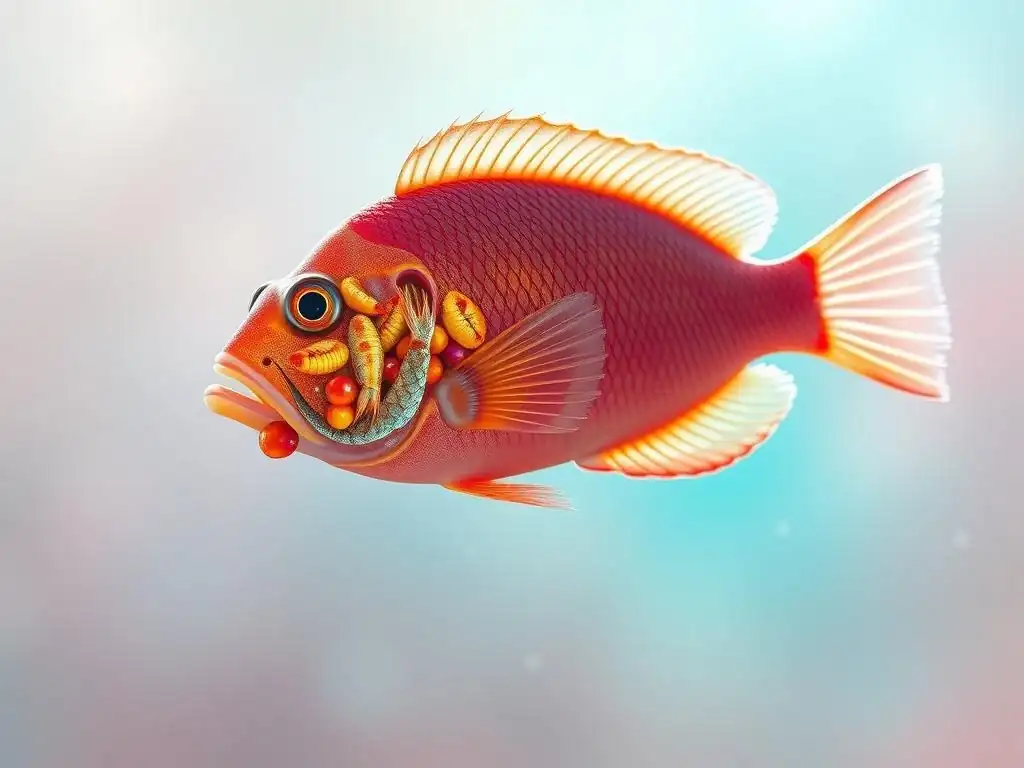
Recommended Food Sources for a Healthy Wrasse
The Sunset Wrasse is an omnivorous fish with a strong carnivorous inclination, primarily feeding on small invertebrates in its natural habitat. To ensure optimal health and vibrant coloration in a home aquarium, a varied and high-quality diet is essential. Recommended food sources include a mix of meaty preparations such as finely chopped shrimp, mysis shrimp, brine shrimp, and various frozen marine foods specifically formulated for carnivorous fish. These should be supplemented with high-quality flake or pellet foods designed for marine species.
It is also beneficial to offer a small amount of vegetable matter, such as spirulina flakes or nori, though their primary dietary needs are protein-based. Foraging for small crustaceans and worms is natural for them, so live foods like blackworms or small feeder shrimp can be offered occasionally as a treat, stimulating their natural hunting instincts. A diverse diet ensures they receive all necessary vitamins, minerals, and nutrients, contributing significantly to successful Sunset Wrasse care tips.
Feeding Schedule and Quantity for Thalassoma lutescens
Due to their high metabolism and active lifestyle, Sunset Wrasses require frequent feedings throughout the day. It is generally recommended to feed them small portions 2-3 times per day rather than a single large meal. This approach ensures a steady supply of energy for their constant swimming and helps prevent excess food from decaying in the tank, which can negatively impact water quality.
The quantity of food per feeding should be enough to be consumed entirely within 2-3 minutes. Overfeeding can lead to digestive issues for the fish and contribute to poor water quality, fostering algae growth and potentially harmful bacterial blooms. Observing the wrasse's behavior during feeding will help determine the appropriate amount; a healthy Sunset Wrasse will typically be eager and quick to consume its meals, demonstrating their perpetual motion even at feeding time.
Sunset Wrasse Behavior and Temperament
The Sunset Wrasse is renowned for its incredibly high activity levels. These fish are perpetual swimmers, constantly exploring every inch of the aquarium, darting in and out of rockwork, and sifting through the sand. This constant motion is one of their most captivating traits but also a key factor in their care requirements, necessitating large tanks with ample open swimming space. Their energetic nature means they are rarely still, always on the hunt for food or investigating their surroundings.
In terms of social interactions, Sunset Wrasses are generally solitary or found in small groups in the wild. In an aquarium, it is often best to keep only one per tank, especially if the tank is not exceptionally large (over 180 gallons). While juveniles may tolerate each other, adult males can become highly territorial and aggressive towards other wrasses, particularly those of similar size or shape, or even other active fish. Introducing them as the last fish can sometimes help reduce aggression, as established residents are less likely to be viewed as intruders.
Potential Aggression and Tank Mate Compatibility
While the Sunset Wrasse is a stunning addition to a marine aquarium, its temperament can be semi-aggressive, particularly as it matures. They are known to be boisterous and can harass smaller, more docile, or slow-moving fish. Their energetic foraging can also disturb sand-dwelling invertebrates. They are generally considered "reef safe with caution" because while they typically leave corals alone, larger specimens may pose a threat to ornamental shrimp, crabs, or small snails, viewing them as potential food items.
When considering tank mates, it's crucial to select species that can hold their own without being overly aggressive themselves. Fast-swimming, robust fish that are too large for the wrasse to intimidate are usually suitable. Examples include tangs, triggerfish (with caution, as triggers can be aggressive), large damselfish, and other active, similarly sized wrasses (though this requires a very large tank and careful introduction). Avoiding very small, shy, or slow-moving fish, as well as delicate invertebrates like cleaner shrimp, is a wise strategy for long-term tank harmony.
Tank Mates for Sunset Wrasses: Choosing Compatible Species
Ideal Tank Mates
Choosing appropriate tank mates is a critical aspect of successful Sunset Wrasse care tips, given their active and sometimes boisterous nature. Ideal tank mates are those that are similarly robust, active, and able to withstand the wrasse's energetic presence without being intimidated or harassed. Good choices often include large, active species such as various tangs (e.g., Yellow Tang, Sailfin Tang, Kole Tang), larger angelfish (e.g., Emperor Angelfish, Blueface Angelfish), and certain triggerfish species (with careful consideration of their own aggression levels).
Other suitable companions might include larger damselfish, robust butterflyfish, and even other larger wrasse species, provided the tank is exceptionally spacious (200+ gallons) to allow for multiple territories. It's generally best to introduce the Sunset Wrasse last to an established community to minimize territorial disputes, allowing other fish to settle in first. Ensure all potential tank mates are large enough not to be considered prey by the adult Sunset Wrasse, which can reach up to 12 inches.
Fish to Avoid
When selecting tank mates for a Sunset Wrasse, several types of fish and invertebrates should be avoided to prevent conflict, injury, or predation. Highly docile, slow-moving, or shy fish species are generally not good companions, as they can be easily stressed or outcompeted for food by the wrasse's constant activity and potential aggression. Examples include many gobies, blennies, seahorses, pipefish, and smaller, delicate cardinalfish.
Furthermore, any invertebrate that fits into the mouth of a Sunset Wrasse is at risk. While they are generally considered "reef safe with caution" for corals, ornamental shrimp (such as cleaner shrimp or peppermint shrimp), hermit crabs, and small snails are often viewed as food items, especially by larger, more mature wrasses. Therefore, if preserving a diverse invertebrate clean-up crew or ornamental shrimp is a priority, the Sunset Wrasse might not be the best choice. Similarly, avoid other Thalassoma species or wrasses that are very similar in appearance or behavior, as this can lead to intense territorial fighting.
Maintaining a Healthy Sunset Wrasse: Disease Prevention and Treatment
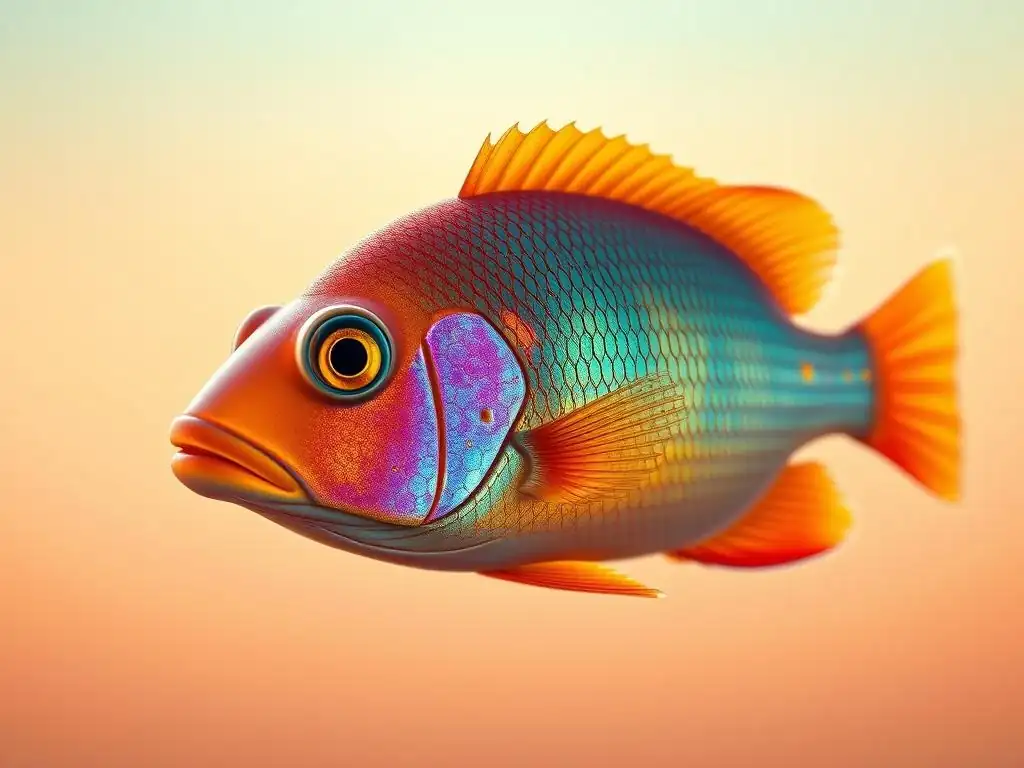
Common Diseases Affecting Wrasses
Like all marine fish, Sunset Wrasses can be susceptible to common aquarium diseases if water quality is poor, or they are subjected to stress. One of the most prevalent is marine ich ( Cryptocaryon irritans), characterized by small white spots resembling salt grains on the fish's body and fins. Another common ailment is velvet disease ( Amyloodinium ocellatum), which appears as a fine, dusty coating and can be rapidly fatal. Both are highly contagious and thrive in unstable tank conditions.
Internal parasites can also affect wrasses, leading to symptoms like weight loss despite eating, stringy white feces, or lethargy. External parasites, such as flukes, might cause flashing (rubbing against tank decor) or labored breathing. Maintaining excellent water quality, providing a nutritious diet, and minimizing stress are the cornerstones of preventing these common issues in Sunset Wrasse care tips.
Quarantine Procedures for New Arrivals
Implementing a strict quarantine procedure for all new fish arrivals is one of the most effective Sunset Wrasse care tips for preventing the introduction of diseases into your main display tank. A dedicated quarantine tank (QT) of at least 20-30 gallons (approximately 75-115 liters) is recommended for new wrasse additions. This tank should be set up with a heater, filter, and PVC pipes or other non-porous hiding spots, but no substrate or elaborate aquascaping to facilitate observation and treatment.
New Sunset Wrasses should be housed in the QT for a minimum of 4-6 weeks. During this period, observe them closely for any signs of disease, such as white spots, labored breathing, or abnormal behavior. Prophylactic treatments for common parasites like ich and velvet can be administered if deemed necessary, following a veterinarian's advice or established protocols. This isolation period allows the fish to acclimate to captivity without the added stress of existing tank inhabitants and prevents potential pathogen transfer to your established aquarium.
Recognizing and Addressing Health Issues
Early recognition of health issues is vital for effective treatment and successful Sunset Wrasse care tips. Symptoms to watch for include changes in coloration (dulling), loss of appetite, rapid or labored breathing, clamped fins, scratching or "flashing" against objects, lethargy, or the appearance of spots, lesions, or growths on the body. Any deviation from their usual active and vibrant behavior should prompt immediate investigation.
If a health issue is suspected, first check water parameters to ensure they are optimal. Poor water quality is a common stressor that weakens fish's immune systems. If the fish is in a quarantine tank, appropriate medication can be administered based on the diagnosis. For fish in the main display, treatment can be more challenging and may require moving the affected fish to a hospital tank. Consulting with an experienced marine aquarist or an aquatic veterinarian can provide invaluable guidance for accurate diagnosis and effective treatment protocols, ensuring the best possible outcome for your Thalassoma lutescens.
Breeding Sunset Wrasses in Captivity
Challenges of Breeding Thalassoma lutescens
Breeding Sunset Wrasses ( Thalassoma lutescens) in a home aquarium setting is exceptionally challenging and rarely achieved by hobbyists. Like many wrasses, they are pelagic spawners, meaning they release eggs and sperm into the water column, where fertilization occurs, and the buoyant eggs drift with the currents. This open-water spawning behavior makes it difficult to collect and protect the eggs in a captive environment, as they are often swept away or consumed by filtration systems or other tank inhabitants.
Furthermore, wrasses typically exhibit complex mating rituals and often require specific environmental triggers, such as precise photoperiods, water flow, and the presence of multiple mature individuals (a male and several females, as they are protogynous hermaphrodites, meaning females can change into males). The sheer volume of water and specialized equipment needed to simulate these conditions and successfully raise the minute larvae are significant hurdles, placing captive breeding largely in the realm of dedicated public aquariums or research facilities.
Considering Larval Rearing Techniques
Even if successful spawning were to occur in a captive environment, the subsequent challenge of larval rearing for Thalassoma lutescens is immense. Wrasse larvae are typically tiny, planktonic, and possess very specific dietary requirements that evolve rapidly as they grow. They require microscopic live foods, such as rotifers and various sizes of copepods, in precise concentrations, which are difficult to culture and maintain in sufficient quantities.
The larvae are also highly sensitive to water quality fluctuations and require very clean, stable conditions, often in dedicated larval rearing tanks with gentle water circulation. The mortality rate for wrasse larvae in captivity is notoriously high. While advancements in marine aquaculture continue, the specific needs of Thalassoma lutescens larvae make their successful rearing a complex and resource-intensive endeavor, far beyond the scope of most hobbyist Sunset Wrasse care tips.
Sunset Wrasse Color Variation and Morphology
Male vs. Female Coloration
The Sunset Wrasse, Thalassoma lutescens, exhibits a striking sexual dimorphism in coloration, particularly noticeable as the fish mature. Males typically display a much more vibrant and complex palette than females, living up to the "sunset" in their name. Adult males often feature a brilliant yellow to orange body, transitioning to a vivid greenish-blue on the head and anterior dorsal region. Intricate pink, purple, or red lines and spots may adorn their faces, particularly around the eyes and operculum. Their caudal (tail) fin often develops elongated lobes with blue or green margins, adding to their elegance.
Females, on the other hand, tend to be more uniformly yellow or yellowish-green, with less pronounced markings and generally duller hues. While still attractive, they lack the dramatic color shifts and intricate facial patterns of the terminal phase males. Like many wrasses, Thalassoma lutescens is a protogynous hermaphrodite, meaning all individuals are born female, and some later transition into males. This sex change is often triggered by social cues, such as the absence of a dominant male in a group, leading to a female developing male coloration and reproductive capabilities.
Variations Based on Geographic Location
Beyond sexual dimorphism, the coloration of the Sunset Wrasse can also exhibit subtle to moderate variations based on its specific geographic location across its vast Indo-Pacific range. While the core yellow/orange body and green/blue head remain consistent, the intensity of these colors, the extent of the blue/green areas, and the specific patterns of lines and spots on the face can differ. For instance, individuals from the Western Pacific might display slightly different nuances in their blue and purple facial markings compared to those from the Indian Ocean or Hawaiian populations.
These regional differences, often referred to as "morphs," are a fascinating aspect of Thalassoma lutescens and reflect adaptation to local environmental conditions or genetic isolation over time. While not distinct subspecies, these variations can make individual Sunset Wrasses unique. Aquarists might notice these subtle differences when purchasing fish sourced from various parts of the world, adding another layer of appreciation to the beauty and diversity of this active wrasse species.
Benefits of Keeping Sunset Wrasses in Reef Aquariums
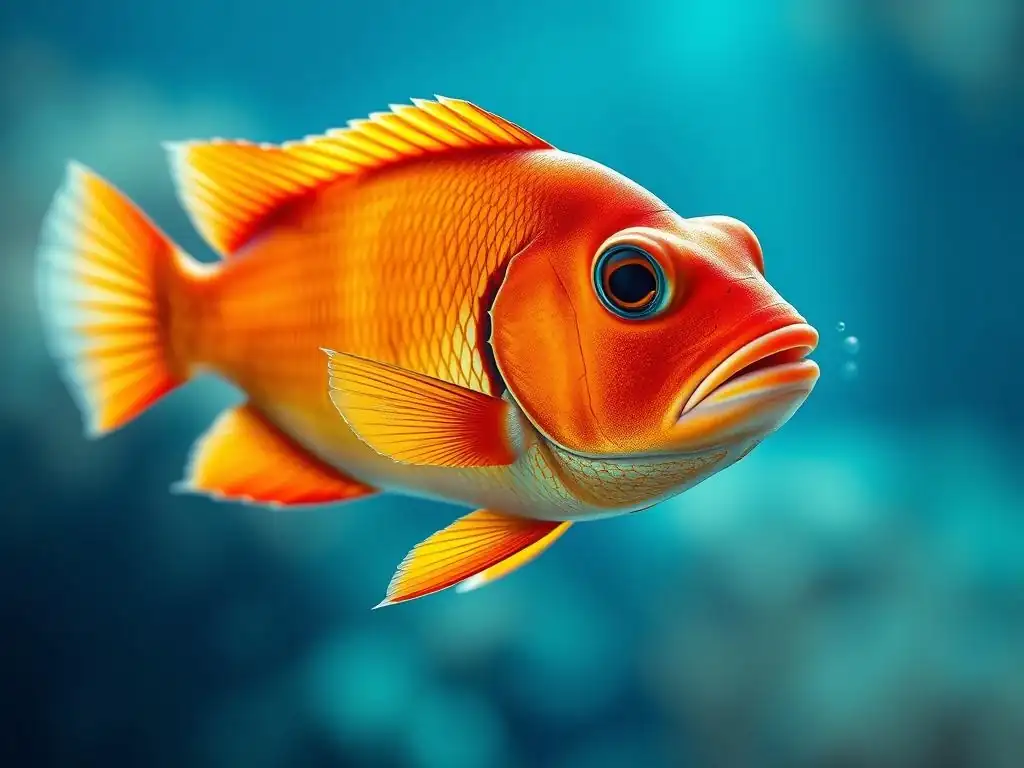
Pest Control and Biological Diversity
While not as specialized in pest control as some other wrasse species (e.g., Six-Line Wrasses for flatworms), the Sunset Wrasse can contribute to the biological diversity and health of a reef aquarium through its natural foraging behaviors. As an omnivore with a strong carnivorous preference, Thalassoma lutescens will actively hunt for small invertebrates, including copepods, amphipods, and various small worms, that naturally inhabit live rock and sand beds. This constant scavenging can help keep populations of small nuisance organisms in check, contributing to a cleaner tank environment.
Their relentless activity and constant sifting of the sand also help aerate the substrate, preventing the buildup of anaerobic pockets and promoting a healthier sand bed ecosystem. By introducing a species with a different feeding strategy and behavior pattern, the Sunset Wrasse enhances the overall ecological balance and natural processes within the reef aquarium, making them a valuable addition for those focusing on a diverse and self-sustaining system.
Adding Visual Appeal and Unique Behavior to the Tank
The most immediate and striking benefit of keeping Sunset Wrasses in a reef aquarium is their unparalleled visual appeal. Their vibrant, iridescent colors—ranging from brilliant yellows and oranges to striking blues and greens—create a dazzling spectacle that instantly brightens any marine setup. The way their colors shift and shimmer under aquarium lighting adds a dynamic element that few other fish can match, truly embodying the "vibrant colors" aspect of their name.
Beyond their beauty, their "perpetual motion" offers a unique and engaging behavioral display. These wrasses are constantly on the move, darting across the tank, investigating every nook and cranny, and burying themselves in the sand at night. This active and curious demeanor adds a lively, dynamic energy to the aquarium, providing endless fascination for the observer. Their constant activity and stunning appearance make them a captivating centerpiece for any large marine display, embodying the essence of successful Sunset Wrasse care tips.
Troubleshooting Common Sunset Wrasse Care Issues
Addressing Initial Acclimation Stress
One of the most common challenges with new Sunset Wrasse arrivals is acclimation stress. These active fish can be quite sensitive to changes in water parameters, lighting, and the presence of new tank mates. Symptoms of acclimation stress include dull coloration, hiding excessively, refusing to eat, or rapid breathing. To mitigate this, a slow drip acclimation method over an hour or more is highly recommended, allowing the fish to gradually adjust to the new water chemistry.
Once in the tank, keep the lights dim for the first few hours, and ensure there are plenty of hiding spots. Avoid introducing new fish simultaneously, as this can increase stress. Offering highly palatable, familiar foods like mysis shrimp shortly after introduction can encourage them to start eating. Patience is key; a healthy Sunset Wrasse, given proper acclimation and a suitable environment, will usually rebound from initial stress within a few days, resuming its vibrant color and active swimming.
Preventing and Treating Internal Parasites
Internal parasites can be a significant health concern for Sunset Wrasses, often leading to gradual emaciation, lethargy, and a decline in overall health despite seemingly normal feeding. Symptoms might include stringy, white feces, or a distended belly alongside weight loss. Prevention is crucial and begins with a strict quarantine protocol for all new fish, as mentioned previously. During quarantine, observing the fish's waste and overall condition can give early clues to parasitic infections.
If internal parasites are suspected, various anti-parasitic medications are available, often administered through medicated foods. Praziquantel-based treatments are effective against some internal worms, while metronidazole can target flagellates. It is critical to accurately identify the type of parasite if possible, as different medications target different organisms. Consulting with an aquatic veterinarian or an experienced marine fish health specialist is highly recommended to ensure correct diagnosis and treatment, which are vital components of comprehensive Sunset Wrasse care tips.
Conclusion: Mastering Sunset Wrasse Care for a Stunning Aquarium Display
Mastering Sunset Wrasse care tips culminates in the creation of a stunning, dynamic aquarium display. These vibrant Thalassoma lutescens are truly a jewel of the reef, offering unparalleled color and activity to the dedicated aquarist. Their energetic swimming, fascinating sand-burying behavior, and striking hues make them a captivating centerpiece in any appropriately sized marine setup.
Successful husbandry hinges on providing a spacious tank, ideally 125 gallons or more, with pristine water quality and a deep sand bed for their nocturnal retreats. A varied, protein-rich diet fed frequently will fuel their high metabolism and maintain their brilliant coloration. While their semi-aggressive temperament necessitates careful tank mate selection, pairing them with similarly robust fish ensures harmony. By adhering to these detailed Sunset Wrasse care tips, aquarists can enjoy the perpetual motion and vibrant beauty of this magnificent wrasse for years, creating a truly spectacular underwater spectacle.
Frequently Asked Questions
How difficult is it to care for a Sunset Wrasse?
Sunset Wrasses are generally considered moderately difficult to care for. They require a stable environment and are not recommended for beginners due to their specific needs.
What size aquarium is recommended for a Sunset Wrasse?
A minimum tank size of 75 gallons is recommended for a single Sunset Wrasse. They are active swimmers and need ample space to thrive.
What type of diet does a Sunset Wrasse require?
Sunset Wrasses are carnivores and require a diet of meaty foods. This includes things like frozen mysis shrimp, brine shrimp, and high-quality marine flakes.
Are Sunset Wrasses reef safe?
While generally considered reef-safe with caution, Sunset Wrasses may pick at small invertebrates or ornamental shrimp. Observation is key to determine compatibility.
What are some common health issues that affect Sunset Wrasses?
They are susceptible to common marine fish diseases like ich (white spot disease) and marine velvet. Maintaining proper water parameters and quarantine are crucial for prevention.
Final Reflection: Embracing the Sunset Wrasse's Vitality
The vibrant hues and ceaseless activity of the Sunset Wrasse, as we've explored, are not merely aesthetic qualities; they represent a dynamic ecosystem contained within a single, captivating creature. Understanding the nuances of Thalassoma lutescens care is, therefore, not just about maintaining an aquarium, but about fostering a miniature world, a responsibility that resonates deeply with our broader commitment to environmental stewardship.
The enduring fascination with the Sunset Wrasse underscores our inherent connection to the natural world. This connection, this desire to bring a piece of the ocean's beauty into our homes, highlights the importance of responsible reef keeping and the ethical considerations that come with it. In the end, we will conserve only what we love; we will love only what we understand; and we will understand only what we are taught.
- Baba Dioum's words serve as a constant reminder of the power of knowledge and education in fostering appreciation and, ultimately, conservation.
As you consider adding a Sunset Wrasse to your aquarium, or perhaps simply admire its beauty from afar, remember the delicate balance it represents. Let the insights shared here inspire you to not only provide optimal care for these magnificent fish, but also to reflect on your role in preserving the health and vitality of our planet's oceans. Embrace the challenge, become a steward of this miniature ecosystem, and contribute to a future where the vibrant colors of the Sunset Wrasse continue to grace our world.
Dive Deeper: Ignite Your Reef Tank's Potential!
Thanks for exploring the captivating world of the Sunset Wrasse! We hope you've discovered the secrets to keeping these vibrant fish happy and healthy. Now, let's translate that knowledge into action.
Here's how you can further enhance your reef tank experience:
- Prioritize a thorough assessment of your tank's current inhabitants to ensure compatibility with a Sunset Wrasse. This species is peaceful towards most fish, but sometimes larger or more aggressive fish will stress them.
- Share your newfound knowledge! Help fellow reef keepers by discussing Sunset Wrasse care in your local aquarium club or online forums.
- Consider a sustainable option:Research reputable breeders who focus on captive-bred wrasses. This can reduce the impact on wild populations.
What specific tank conditions will you adjust to welcome a Sunset Wrasse into your aquatic family?