
Dispar Anthias Explored: A Peaceful and Intensely Colorful Schooling Choice

Welcome to Aquarium Mastery!
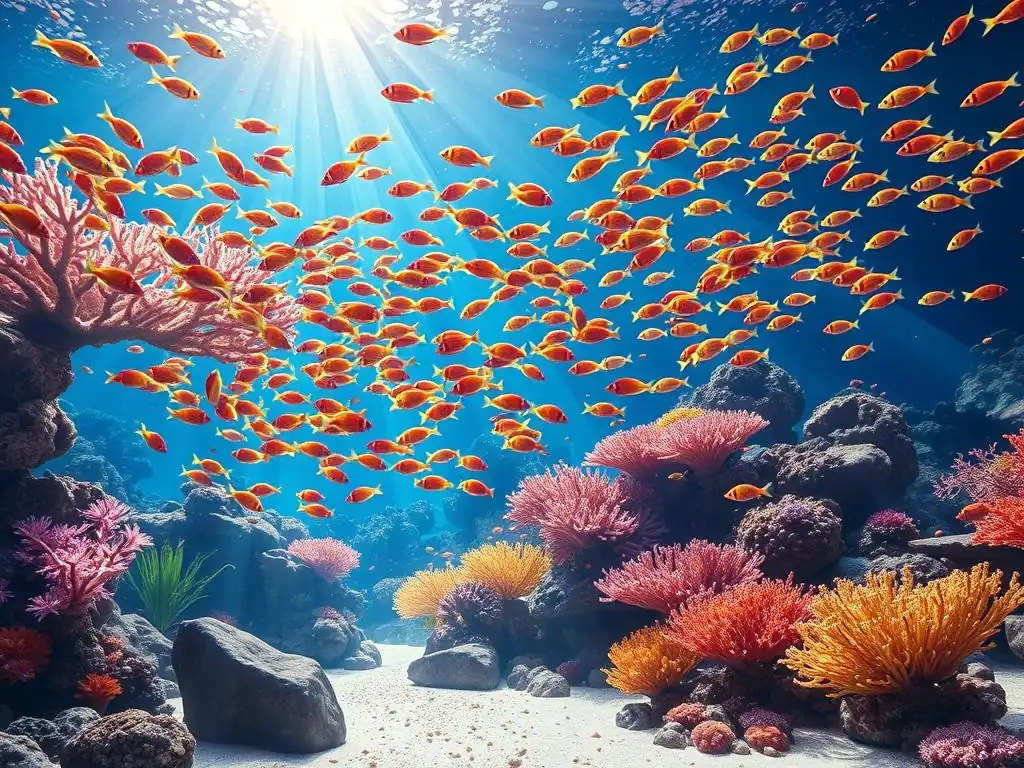
Intrigued by the shimmering beauty and peaceful nature of the Dispar Anthias? You've come to the right place! Dive into our comprehensive Dispar Anthias Care Guide and unlock the secrets to successfully keeping these stunning fish. Discover everything you need to know about their care, ensuring a thriving and vibrant addition to your saltwater aquarium. Ready to learn more? Let's begin!
- Lyretail Anthias (Squamipinnis) Explored: A Vibrant Schooling Choice for Reef Aquariums
- Introduction to Lyretail Anthias: A Reef Aquarium Staple
- Understanding the Lyretail Anthias: Origins and Natural Habitat
- Lyretail Anthias Care Guide: Essential Considerations
- Feeding Lyretail Anthias: Nutritional Needs and Diet
- Lyretail Anthias Appearance and Identification
- Maintaining Lyretail Anthias Health: Common Issues and Prevention
- Breeding Lyretail Anthias: Challenges and Possibilities
- Pros and Cons of Keeping Lyretail Anthias
- Where to Buy Lyretail Anthias: Selecting Healthy Specimens
- Conclusion: Is the Lyretail Anthias Right for Your Reef Aquarium?
- Frequently Asked Questions
- Final Reflection: Embracing the Tranquil Rainbow
- Dive Deeper: Transform Your Tank Today!
Lyretail Anthias (Squamipinnis) Explored: A Vibrant Schooling Choice for Reef Aquariums
Introduction to Lyretail Anthias: A Reef Aquarium Staple
The Lyretail Anthias, scientifically known as Pseudanthias squamipinnis, is a highly sought-after species among saltwater aquarists for its striking colors and active schooling behavior. Originating from the Indo-Pacific region, these vibrant fish bring a dynamic splash of color and movement to any reef aquarium, making them a popular choice for both novice and experienced hobbyists. Their relatively peaceful nature and captivating social interactions contribute significantly to the aesthetic and biological diversity of a marine setup.
These fish are often considered a cornerstone for creating a bustling, natural-looking reef environment. Their preference for schooling provides a continuous display of coordinated swimming, which is a key attraction for many aquarists. Furthermore, their moderate size, typically reaching lengths of 5 to 7 inches, allows them to fit comfortably into a variety of tank sizes, provided appropriate care and space are allocated for their active swimming habits.
Understanding the Lyretail Anthias: Origins and Natural Habitat
Geographic Distribution of Pseudanthias squamipinnis
The Lyretail Anthias boasts an extensive natural range across the Indo-Pacific Ocean, encompassing vast areas from the Red Sea and East Africa eastward to the Western Pacific, including regions like Fiji, Tonga, and the Great Barrier Reef. This wide distribution highlights their adaptability to various reef conditions within tropical and subtropical waters. They are commonly found in large aggregations, often numbering in the hundreds or even thousands, inhabiting the outer slopes of coral reefs and lagoons.
These fish typically reside at depths ranging from 3 to 60 meters (approximately 10 to 200 feet), though they can occasionally be observed at greater depths. Their prevalence in these diverse locations underscores their ecological importance as a significant part of the reef's biomass. The specific coloration of Pseudanthias squamipinnis can vary slightly depending on their precise geographic origin, with some populations exhibiting more intense reds, oranges, or yellows.
In their natural habitat, Lyretail Anthias form large, often dense, schools that hover above the reef, feeding on zooplankton drifting in the water column. This schooling behavior offers protection from predators, as larger groups make it more difficult for a single fish to be targeted. They are a protogynous hermaphrodite species, meaning all individuals are born female and the dominant female in a group can transition into a male if the resident male dies or is removed. This fascinating social structure ensures the continuation of the species within the school.
Within these schools, a clear social hierarchy exists, typically led by a single dominant male who is often larger and more brightly colored than the females. This male oversees a harem of females and ensures the reproductive success of the group. The constant movement of these schools, coupled with their vibrant colors, makes them a spectacular sight on natural reefs, playing a vital role in the food web by consuming plankton and, in turn, serving as a food source for larger predatory fish.
Lyretail Anthias Care Guide: Essential Considerations
Tank Size and Setup for Lyretail Anthias Schools
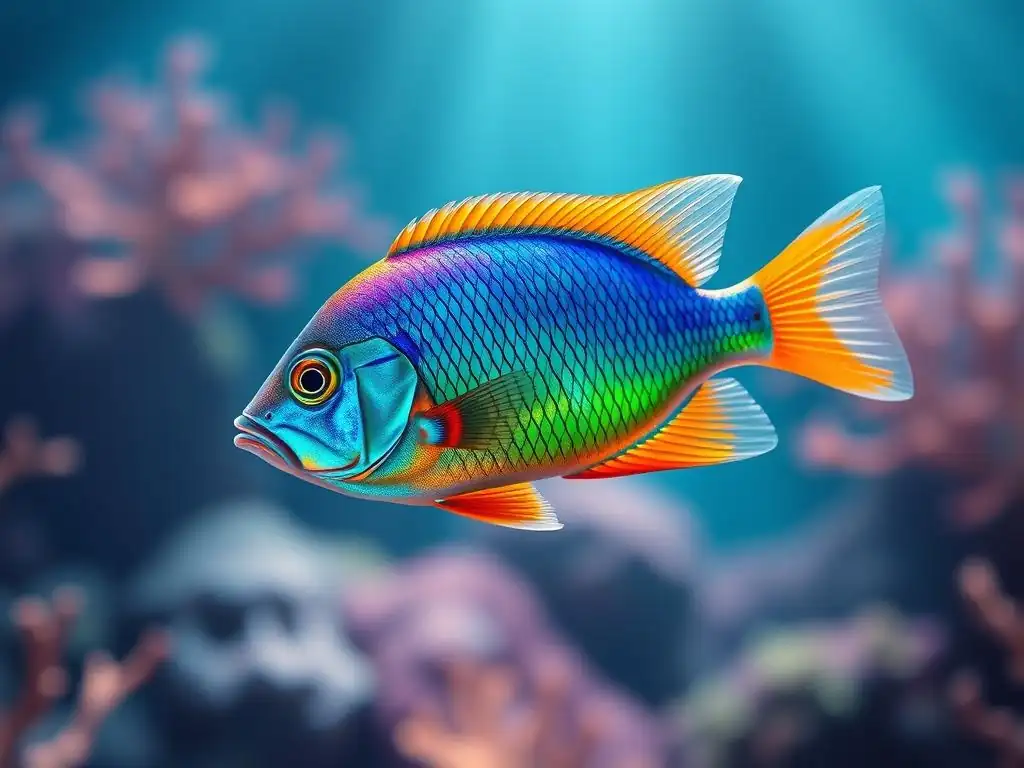
Providing an adequately sized aquarium is paramount for the health and well-being of Lyretail Anthias. Due to their active schooling nature and desire for ample swimming space, a minimum tank size of 75 gallons (approximately 280 liters) is recommended for a small group of 3-5 individuals. For larger schools, which are often more visually impactful and can help mitigate aggression, a 125-gallon (470 liters) tank or larger is highly advisable. The tank should ideally be longer rather than taller to maximize horizontal swimming room.
The aquarium setup should mimic their natural reef environment, featuring plenty of live rock formations with caves and overhangs. While Lyretail Anthias spend most of their time in the water column, these rock structures provide essential hiding spots and territories, especially for newly introduced or subordinate fish. Strong water flow, typical of reef crests, is also beneficial as it replicates their natural feeding grounds where zooplankton is abundant, and helps keep the water oxygenated and clean.
Water Parameters for Optimal Lyretail Anthias Health
Maintaining Stable Water Chemistry for Anthias
Maintaining stable and pristine water parameters is critical for the long-term health of Lyretail Anthias. These fish are sensitive to fluctuations and poor water quality, making consistent monitoring essential for any anthias care guide. Ideal parameters include a specific gravity of 1.023-1.026, pH between 8.1 and 8.4, alkalinity (dKH) between 8-12, calcium levels between 400-450 ppm, and magnesium between 1200-1350 ppm. Nitrates should be kept as low as possible, ideally below 10 ppm, and ammonia and nitrites should always be undetectable (0 ppm).
Regular water changes, typically 10-20% bi-weekly or monthly depending on stocking levels, are crucial for replenishing trace elements and reducing nitrate accumulation. A robust filtration system, including a protein skimmer and live rock, is indispensable for maintaining water quality. Furthermore, consistent monitoring with reliable test kits ensures that any deviations from optimal parameters can be addressed promptly, preventing stress and potential disease outbreaks in Pseudanthias squamipinnis.
Temperature and Salinity Considerations for Pseudanthias squamipinnis
Lyretail Anthias thrive in stable tropical marine temperatures. The optimal temperature range for Pseudanthias squamipinnis is generally between 74°F and 82°F (23°C to 28°C), with 76-78°F (24-26°C) being a commonly preferred range. Sudden and significant temperature swings can cause severe stress and weaken their immune system, making them susceptible to various diseases. Therefore, a reliable aquarium heater with a thermostat is essential to maintain a consistent temperature.
Salinity, measured as specific gravity, should be kept stable within the range of 1.023 to 1.026. While anthias can tolerate slight variations, sudden drops or spikes in salinity are highly detrimental. Using a high-quality refractometer for salinity measurements is recommended for accuracy over hydrometers. Evaporation will increase salinity over time, so using an auto top-off (ATO) system with RODI water is highly beneficial for maintaining stable specific gravity and preventing osmotic shock.
Choosing Tank Mates for Lyretail Anthias: Compatibility and Temperament
Ideal Tank Mates for Reef Aquariums with Anthias
Lyretail Anthias are generally peaceful schooling fish, making them excellent candidates for community reef aquariums. Ideal tank mates include other peaceful planktivores and small to medium-sized reef-safe fish that will not compete aggressively for food or territory. Good choices often include various species of gobies, blennies, cardinalfish, and other peaceful anthias species (provided the tank is large enough to support multiple anthias schools). Small tangs and surgeonfish can also coexist well, given they have ample space.
Invertebrates, such as corals, clams, snails, and various shrimp species, are typically safe with Lyretail Anthias, as these fish primarily feed on zooplankton and are not known to nip at sessile invertebrates. The key is to select tank mates that match the Lyretail Anthias' peaceful temperament and dietary needs, ensuring a harmonious and thriving reef environment.
Fish to Avoid: Potential Aggressors and Competitors
While generally peaceful, Lyretail Anthias can become stressed or fall victim to overly aggressive or predatory tank mates. Large, aggressive predators such as lionfish, groupers, or large snappers should be avoided, as they will view anthias as potential prey. Similarly, very boisterous or territorial fish, such as some larger angelfish or triggerfish, might intimidate or outcompete Lyretail Anthias for food, especially during feeding times.
Fish that are known to be fin-nippers, like some damselfish or certain species of puffers, could also stress or injure the delicate fins of anthias. It is also wise to avoid very fast-swimming or highly competitive feeders if the tank is not large enough, as Lyretail Anthias need frequent feeding and can be outcompeted by more assertive species. Careful research into the temperament and feeding habits of potential tank mates is crucial for a successful Lyretail Anthias care guide.
Feeding Lyretail Anthias: Nutritional Needs and Diet
The Importance of Frequent Feeding for Anthias
Lyretail Anthias are obligate planktivores, meaning their natural diet consists almost exclusively of zooplankton. In the wild, they constantly feed on microscopic organisms drifting in the water column throughout the day. This continuous feeding behavior translates directly to their needs in captivity: they require multiple small feedings per day rather than one or two large meals. Skipping meals or providing insufficient food can quickly lead to malnutrition, loss of color, and ultimately, a decline in health.
For optimal health and vibrant coloration, it is recommended to feed Lyretail Anthias at least 2-3 times a day, with some experienced aquarists even opting for 4-5 smaller feedings. This frequent feeding schedule mimics their natural grazing behavior and ensures they receive enough energy to maintain their high metabolism and active swimming. Automated feeders can be a valuable tool for maintaining consistency, especially for those with busy schedules.
Best Food Choices for Lyretail Anthias: Frozen, Flake, and Live Options
A varied diet is crucial for providing all the necessary nutrients for Lyretail Anthias. High-quality frozen foods are often the cornerstone of their diet, including enriched brine shrimp, mysis shrimp, cyclops, and finely chopped krill. These options are typically rich in proteins and essential fatty acids. Some anthias may also accept high-quality marine flake foods or small pellets designed for omnivores or carnivores, which can be useful for supplementing their diet and providing a broader range of nutrients.
Live foods, such as newly hatched brine shrimp or copepods, can be an excellent addition, especially for conditioning new or finicky eaters, or for promoting spawning behavior. While not always practical for daily feeding, live foods can stimulate their natural hunting instincts and provide a highly nutritious boost. Enriched foods, either through gut-loading live foods or soaking frozen foods in vitamin supplements, can further enhance their nutritional intake.
Feeding Frequency and Techniques for Schooling Anthias
As mentioned, feeding Lyretail Anthias frequently throughout the day is key. For a small school, offering a pinch of food every 2-3 hours during daylight hours can be highly beneficial. The amount should be small enough to be consumed within a few minutes to avoid polluting the water. When feeding, it's important to observe that all individuals in the school are getting enough to eat, as dominant males may sometimes outcompete smaller or shyer females.
Broadcasting the food across the water surface or in areas of high flow can help ensure that all fish have an opportunity to feed, mimicking their natural plankton-feeding behavior. Using a turkey baster or specialized feeding tools can help target the food effectively. Overfeeding should be avoided, as it leads to excess waste and can degrade water quality, which is detrimental to overall anthias health. A balanced approach of frequent, small, and varied feedings is the ideal strategy for a thriving Lyretail Anthias care guide.
Lyretail Anthias Appearance and Identification
Identifying Male vs. Female Lyretail Anthias
One of the most captivating aspects of Lyretail Anthias is their distinct sexual dimorphism, particularly the striking difference in coloration and finnage between males and females. Females are typically smaller, reaching about 3-4 inches, and display a vibrant orange to peach color across their body, often with a subtle pinkish hue. Their caudal (tail) fin is usually forked but lacks the elongated streamers seen in males.
Males, on the other hand, are larger, growing up to 5-7 inches, and exhibit a more intense and complex coloration. They often have a deep magenta or purplish body, sometimes with bright red or orange highlights, especially around the dorsal fin. The most distinguishing feature of the male is its elongated, streamer-like rays on the caudal fin, which give the "lyretail" its name. Additionally, males often develop a prominent dorsal spine that is extended and can be a different color, such as red or purple. This sexual dichromatism is a clear indicator of their protogynous hermaphroditism.
Color Variations and Morphology of Pseudanthias squamipinnis
While the general male-female color scheme holds true, there are some regional color variations within Pseudanthias squamipinnis. For instance, individuals from the Red Sea tend to have a more pronounced yellow or golden wash, especially in females, compared to those from the Pacific. Some populations may also display more intense red or orange on the male's dorsal fin. These subtle differences contribute to the diversity seen within the species.
Beyond color, the morphology of Lyretail Anthias is characterized by their elongated, slender bodies, typical of planktivorous fish that spend their lives hovering in the water column. Their relatively large eyes are adapted for spotting small zooplankton. The distinctive lyre-shaped tail of the male, coupled with their vibrant patterns, makes them one of the most recognizable and aesthetically pleasing anthias species available to aquarists. Their dynamic appearance, especially when schooling, adds significant visual appeal to any reef tank.
Maintaining Lyretail Anthias Health: Common Issues and Prevention
Recognizing Signs of Stress or Disease in Anthias
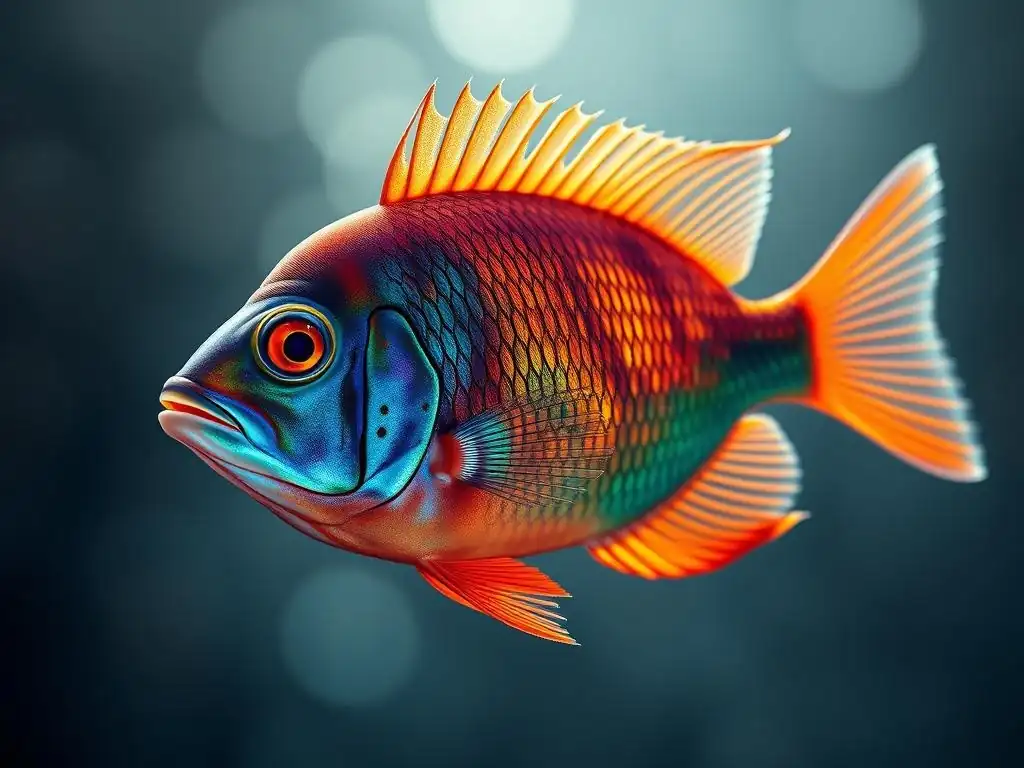
Early detection of stress or disease is crucial for effective treatment and maintaining a healthy Lyretail Anthias population. Signs of stress often include faded coloration, clamped fins, rapid breathing (gilling), hiding excessively, or a sudden loss of appetite. These symptoms can indicate poor water quality, bullying from tank mates, or the onset of an illness. Observing their behavior daily can help aquarists identify these subtle changes quickly.
More specific signs of disease might include white spots on the body or fins (Ich), patchy discoloration or slime coat (Velvet or bacterial infections), frayed fins, or visible lesions. Bloating or abnormal swimming patterns can also point to internal parasitic or bacterial issues. Any deviation from their usual active, vibrant behavior should prompt immediate investigation of water parameters and a thorough visual inspection of the fish.
Preventing Common Fish Diseases in Reef Aquariums
Prevention is always the best approach to maintaining healthy Lyretail Anthias. The cornerstone of disease prevention lies in pristine and stable water quality, as fluctuating parameters or high nitrates significantly weaken a fish's immune system. Regular water changes, robust filtration including a protein skimmer, and consistent monitoring of all key parameters (temperature, salinity, pH, alkalinity, nitrates) are non-negotiable.
A well-balanced and varied diet, offered frequently, ensures the fish receive all essential nutrients, bolstering their natural defenses. Avoiding overcrowding reduces stress and minimizes the spread of pathogens. Furthermore, selecting compatible tank mates prevents bullying, which can lead to chronic stress and susceptibility to illness. Implementing a strict quarantine protocol for all new fish before introducing them to the main display tank is perhaps the most critical preventive measure, as it prevents the introduction of external pathogens.
Quarantine Procedures for New Lyretail Anthias
Quarantining new Lyretail Anthias is an indispensable step in any responsible anthias care guide. A separate quarantine tank (QT) of at least 20-30 gallons, equipped with a heater, sponge filter, and PVC pipes for hiding, is highly recommended. New fish should be kept in the QT for a minimum of 4-6 weeks, ideally longer, to observe for signs of disease and provide prophylactic treatment if necessary. During this period, the QT water parameters should match the main display tank.
While in quarantine, observe the fish closely for any signs of Ich, Velvet, or other common marine diseases. Many aquarists opt to treat new arrivals with a broad-spectrum anti-parasitic medication, even if no symptoms are present, due to the high prevalence of certain pathogens. Freshwater dips can also be used upon arrival to dislodge external parasites. Proper quarantine minimizes the risk of introducing diseases that could devastate an established reef tank and its inhabitants.
Breeding Lyretail Anthias: Challenges and Possibilities
Understanding the Breeding Behavior of Anthias
Lyretail Anthias are pelagic spawners, meaning they release their eggs and sperm into the open water column, where fertilization occurs. In the wild, spawning typically happens at dusk, with the male performing a courtship display to entice females to release their eggs. As protogynous hermaphrodites, their social structure revolves around a dominant male and a harem of females. If the dominant male is removed or dies, the largest and most dominant female will begin to transition into a male, a process that can take several weeks.
While instances of Lyretail Anthias spawning in large, well-established home aquariums have been reported, successful rearing of the fry is extremely challenging. The eggs are tiny and planktonic, drifting with currents, and the larvae are even smaller, requiring microscopic food sources that are difficult to culture in sufficient quantities for their survival.
Creating a Suitable Breeding Environment in Captivity
To encourage spawning in a captive environment, a very large aquarium (300+ gallons) with a healthy, stable school of Lyretail Anthias (at least one male and multiple females) is generally required. The tank should have excellent water quality, robust filtration, and consistent feeding of highly nutritious foods, including live zooplankton if possible, to condition the fish for spawning. A natural day/night cycle and possibly lunar cycle simulations can also play a role.
Even with ideal conditions, the main hurdle remains the successful rearing of the fry. The newly hatched larvae are incredibly small and require specific rotifer strains (like L-type or S-type) and then copepod nauplii in precise densities. Maintaining these live food cultures and ensuring the larvae receive adequate nutrition and water quality is a specialized endeavor, often reserved for professional aquaculture facilities. For the average hobbyist, observing spawning behavior in a home aquarium is a rare and exciting event, but successful breeding and raising of Lyretail Anthias fry to adulthood remains an advanced challenge.
Pros and Cons of Keeping Lyretail Anthias
Advantages of Choosing Lyretail Anthias for Your Reef Tank
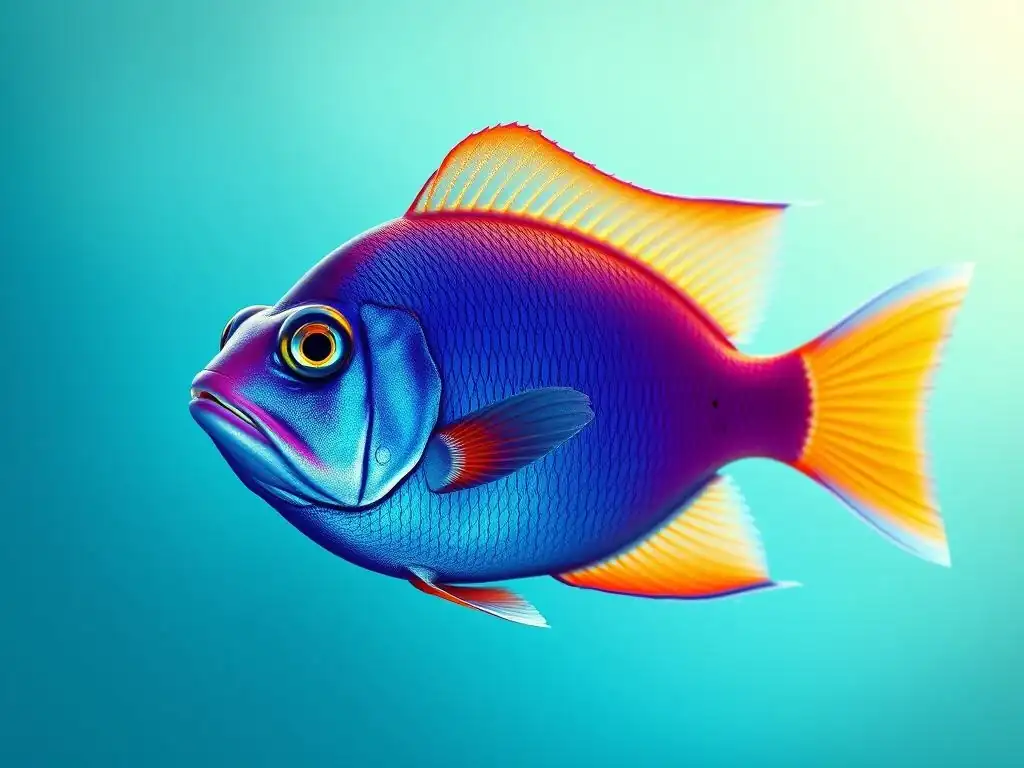
Lyretail Anthias offer numerous benefits that make them a highly desirable addition to many reef aquariums. Their primary advantage is their stunning coloration and active schooling behavior, which adds a dynamic and vibrant visual appeal to the tank. A school of these fish, constantly moving and changing formation, creates a captivating focal point. They are generally peaceful, making them excellent community fish that rarely bother other non-aggressive inhabitants, including corals and invertebrates.
Their diet of zooplankton means they are reef-safe, posing no threat to corals or sessile invertebrates. Furthermore, their relatively moderate size (up to 7 inches for males) allows them to fit into a range of larger reef tanks without outgrowing the system too quickly. For aquarists looking for a colorful, active, and peaceful schooling fish that enhances the natural feel of a reef, Lyretail Anthias are an outstanding choice.
Potential Challenges of Lyretail Anthias Care
Despite their many advantages, keeping Lyretail Anthias does come with specific challenges that require diligent attention. The most significant challenge is their high metabolic rate and constant need for food. They require multiple small feedings throughout the day (2-5 times), which can be demanding for hobbyists with busy schedules. Failure to provide sufficient food can quickly lead to emaciation and health decline.
Another challenge is their sensitivity to water quality fluctuations. Pristine and stable water parameters are non-negotiable for their long-term health, requiring consistent monitoring and maintenance. They can also be prone to stress upon introduction or if housed with aggressive tank mates, which can make them susceptible to common marine diseases like Ich. While generally hardy once established, their initial acclimation and ongoing feeding requirements are key considerations for any Lyretail Anthias care guide.
Where to Buy Lyretail Anthias: Selecting Healthy Specimens
Identifying Healthy Lyretail Anthias at Your Local Fish Store
When purchasing Lyretail Anthias, careful observation at the fish store is paramount to ensure you select healthy specimens. Look for fish that are actively swimming and alert, ideally schooling with their conspecifics. Their coloration should be vibrant and full; faded colors can indicate stress or illness. The body should appear full and well-fed, not sunken or emaciated, particularly around the stomach area and behind the head.
Check for any signs of disease, such as white spots (Ich), cloudy eyes, ragged fins, or abnormal growths. Their breathing should be regular, not rapid or labored. Avoid fish that are hiding excessively, clamped, or show any signs of physical damage. Inquire about their feeding habits at the store; healthy anthias should be eager to eat. A reputable local fish store will have a clean, well-maintained system and knowledgeable staff who can provide details on the fish's origin and care.
Reputable Sources for Purchasing Pseudanthias squamipinnis
Beyond local fish stores, Pseudanthias squamipinnis can be purchased from reputable online aquatic retailers. When buying online, research the vendor's reputation, read reviews, and understand their live arrival guarantee and shipping policies. Look for companies that specialize in marine fish and have a strong track record of healthy livestock. Online sources often have a wider selection and can sometimes offer better pricing, but it's crucial to ensure the fish are handled and shipped with the utmost care.
Regardless of the source, always inquire about the fish's history: how long it has been at the facility, what it is currently eating, and if it has undergone any prophylactic treatments. Prioritizing quality and health over a lower price will significantly increase your chances of success with Lyretail Anthias. A reliable source is a foundational element of any comprehensive Lyretail Anthias care guide.
Conclusion: Is the Lyretail Anthias Right for Your Reef Aquarium?
Assessing Your Experience Level for Anthias Keeping
The Lyretail Anthias is a fantastic addition to many reef aquariums, but its specific needs mean it's not always suitable for absolute beginners. While not the most difficult marine fish to keep, their requirement for frequent feeding and stable, pristine water parameters demands a certain level of commitment and understanding of marine aquarium husbandry. Hobbyists who are comfortable with regular water testing, consistent maintenance routines, and multiple daily feedings will find greater success with these fish.
Intermediate to advanced aquarists who already manage a stable reef environment and are prepared for the dietary demands will likely find Lyretail Anthias a rewarding choice. New hobbyists should thoroughly research their needs and consider starting with hardier, less demanding species before venturing into the specific requirements of a Lyretail Anthias care guide.
The Rewards of Successfully Maintaining Lyretail Anthias
For those who can meet their specific needs, the rewards of successfully maintaining Lyretail Anthias are immense. Their vibrant colors, active schooling behavior, and peaceful nature contribute significantly to the beauty and dynamism of a reef tank. A thriving school of Lyretail Anthias transforms a static aquarium into a living, breathing ecosystem, mimicking the natural splendor of a coral reef.
Observing their social interactions, the male's vibrant displays, and their coordinated movements provides endless fascination. They are a testament to the beauty and complexity of marine life and, when well-cared for, can thrive for many years, becoming a cherished centerpiece of any dedicated reef aquarist's collection. The effort invested in their care is truly repaid by the unparalleled visual spectacle they bring to the home aquarium.
Frequently Asked Questions
What are the ideal tank conditions for Dispar Anthias?
Dispar Anthias require a well-established saltwater aquarium of at least 75 gallons. Maintain a temperature between 72-78°F and a specific gravity of 1.023-1.025. Excellent water quality is crucial.
What is the recommended diet for Dispar Anthias?
They are planktivores, so offer a varied diet of small, meaty foods several times a day. Include frozen mysis shrimp, copepods, and high-quality flake food. Frequent feedings are essential for their health.
How many Dispar Anthias should I keep together?
Dispar Anthias thrive in groups, so keep at least 6-8 individuals to establish a natural social hierarchy. A larger group often leads to a more peaceful and colorful display.
Are Dispar Anthias reef safe?
Yes, Dispar Anthias are generally considered reef safe. They will not bother corals or invertebrates, making them a great addition to a reef tank. However, ensure they are well-fed to prevent any potential coral nipping.
What are some common health issues affecting Dispar Anthias?
They can be susceptible to diseases like Ich and marine velvet, especially if stressed. Quarantine new arrivals and maintain pristine water quality to prevent outbreaks. Early detection is key to successful treatment.
Final Reflection: Embracing the Tranquil Rainbow
The vibrant tapestry of the Dispar Anthias, as we've explored in this guide, is more than just a visual spectacle; it represents the potential for harmony and beauty within even the most complex ecosystems, mirroring the delicate balance we strive for in our own lives and communities. Understanding the nuances of their care isn't just about keeping fish alive; it's about fostering an environment where life can truly flourish.
The enduring appeal of the Dispar Anthias lies in its ability to transform a simple aquarium into a living work of art, a constant reminder of the ocean's hidden wonders. This connection to nature, this quiet contemplation of beauty, is something profoundly important in our increasingly digitized world. In nature, nothing is perfect and everything is perfect. Trees can be contorted, bent in weird ways, and they're still beautiful.
- Alice Walker. This quote encapsulates the essence of appreciating the unique charm and resilience of these captivating creatures.
So, as you consider adding the Dispar Anthias to your own aquatic haven, remember that you're not just acquiring a pet; you're becoming a steward of a small piece of the ocean's magic. Let the vibrant colors and peaceful schooling behavior of these fish inspire you to cultivate your own spaces of tranquility and beauty, and to appreciate the delicate balance that sustains all life.
Dive Deeper: Transform Your Tank Today!
Thanks for exploring the captivating world of Dispar Anthias with us! We hope you're inspired by their beauty and peaceful nature. Ready to bring that inspiration to life? Here's how:
- Begin planning your Dispar Anthias school: Research tank size, ideal tank mates, and specific water parameters to ensure their thriving health and happiness.
- Explore local aquarium societies: Connect with experienced reef keepers to learn firsthand tips and tricks for keeping Dispar Anthias.
- Share this article: Help fellow aquarium enthusiasts discover the beauty and benefits of keeping Dispar Anthias!
What's the first step you'll take to make your dream reef tank a reality?