
The Gentle Giant: Why Sponge Filters Are Essential (Setup, Review & Benefits)

Welcome to Aquarium Mastery!
Ever wondered how a simple sponge could be the unsung hero of a thriving aquarium? Dive in and discover the secrets of the sponge filter. Our Sponge Filter Aquarium Setup Guide will unlock the power of this gentle giant, revealing its surprising benefits and providing you with everything you need to get started. Intrigued? Let's explore how this essential piece of aquarium equipment can revolutionize your tank!
- Introduction to Sponge Filters for Aquariums
-
Sponge Filter Aquarium Setup Guide: A Step-by-Step Approach
- Choosing the Right Sponge Filter Size for Your Tank
- Essential Equipment for Sponge Filter Installation
- Step 1: Preparing the Sponge Filter for Initial Use
- Step 2: Connecting the Air Pump and Airline Tubing
- Step 3: Positioning the Sponge Filter in Your Aquarium
- Step 4: Starting and Maintaining the Sponge Filter
- Benefits of Using Sponge Filters in Aquariums
- Sponge Filter Review: Top Models and Recommendations
- Maintaining Your Sponge Filter for Optimal Performance
- Troubleshooting Common Sponge Filter Issues
- Sponge Filters vs. Other Aquarium Filters: A Comparison
- Advanced Techniques with Sponge Filters
- Conclusion: Embracing the Benefits of Sponge Filtration
- Frequently Asked Questions
- Final Reflection: The Enduring Simplicity of Filtration
- Unlock the Secrets of Crystal-Clear Water!
Introduction to Sponge Filters for Aquariums
Understanding the Basics of Sponge Filtration
A sponge filter is a simple yet highly effective filtration device commonly used in freshwater aquariums. At its core, it consists of a porous foam sponge attached to a lift tube, which is typically driven by an external air pump or, less commonly, a small powerhead. Its primary function is to provide both mechanical and biological filtration, making it a versatile and reliable choice for aquarists.
The mechanism behind a sponge filter is straightforward: air bubbles from an air stone (connected to the air pump) rise through the lift tube, creating an upward current. This current draws water through the sponge material, trapping particulate matter like uneaten food and fish waste (mechanical filtration). Simultaneously, the vast surface area within the sponge provides an ideal habitat for beneficial nitrifying bacteria to colonize, which are crucial for breaking down harmful ammonia and nitrite into less toxic nitrates (biological filtration).
Why Choose a Sponge Filter for Your Aquarium?
Sponge filters offer a compelling blend of advantages that make them a preferred choice for many aquarium setups. They are remarkably affordable, often costing between $5 and $20 for a quality unit, making them accessible to hobbyists on any budget. Their low maintenance requirements and simple design translate to fewer potential points of failure compared to more complex filtration systems.
Beyond cost and simplicity, sponge filters excel in specific applications. Their gentle water flow is ideal for delicate fish species, such as bettas with long fins, and is particularly indispensable for breeding tanks and fry grow-out setups, preventing tiny fry from being sucked into powerful intakes. Furthermore, their superior biological filtration capabilities can provide a stable and healthy environment, whether used as a primary filter in smaller tanks (e.g., a 10-gallon quarantine tank) or as a supplemental filter in larger, more heavily stocked systems.
Sponge Filter Aquarium Setup Guide: A Step-by-Step Approach
Choosing the Right Sponge Filter Size for Your Tank
Selecting the appropriate size of sponge filter is crucial for its effectiveness in your aquarium. A general guideline is to choose a filter rated for at least twice your tank's volume to ensure adequate biological and mechanical filtration. For instance, if you have a 20-gallon tank, opting for a sponge filter designed for a 40-gallon tank will provide a greater surface area for beneficial bacteria and better overall water clarity.
Larger sponges offer a significantly increased surface area for bacterial colonization, which translates to more robust biological filtration. For a small 5-gallon tank housing a single betta, a compact single sponge filter like the XY-2830 might be sufficient. However, for a 40-gallon breeder tank with a moderate bioload, a double sponge filter, such as the XY-2831, or a larger single sponge unit capable of handling 50+ gallons, would be more appropriate to maintain optimal water parameters.
Essential Equipment for Sponge Filter Installation
To successfully implement your sponge filter aquarium setup guide, you will need a few key pieces of equipment in addition to the sponge filter itself. The most critical component is an air pump, which must be appropriately sized for your aquarium volume; for example, a pump capable of producing 1.5 to 2 liters per minute of air is generally suitable for tanks up to 20 gallons. You will also need standard 3/16-inch (or 4/6mm) airline tubing to connect the pump to the filter.
Additional accessories that significantly enhance the safety and functionality of your sponge filter setup include a check valve, which is essential to prevent water from siphoning back into your air pump during a power outage (a critical safety measure costing typically less than $5). An air control valve allows you to fine-tune the airflow, and an air stone, though optional, can produce finer, more consistent bubbles, improving oxygenation and the overall efficiency of the filter.
Step 1: Preparing the Sponge Filter for Initial Use
The first step in your sponge filter aquarium setup guide involves preparing the filter itself. Upon unboxing, thoroughly rinse the sponge material under dechlorinated tap water or, ideally, old aquarium water. This process helps to remove any manufacturing residues or dust that might be present and also helps the sponge to quickly become waterlogged, ensuring it sinks and stays submerged in the tank.
It is paramount to avoid using any soap, detergents, or chemical cleaners during this rinsing process, as even trace amounts can be highly toxic to your fish and disrupt the delicate bacterial balance you aim to establish. A clean, residue-free sponge ensures a safe environment for your aquatic inhabitants and primes the material for efficient colonization by beneficial nitrifying bacteria once submerged in the aquarium.
Step 2: Connecting the Air Pump and Airline Tubing
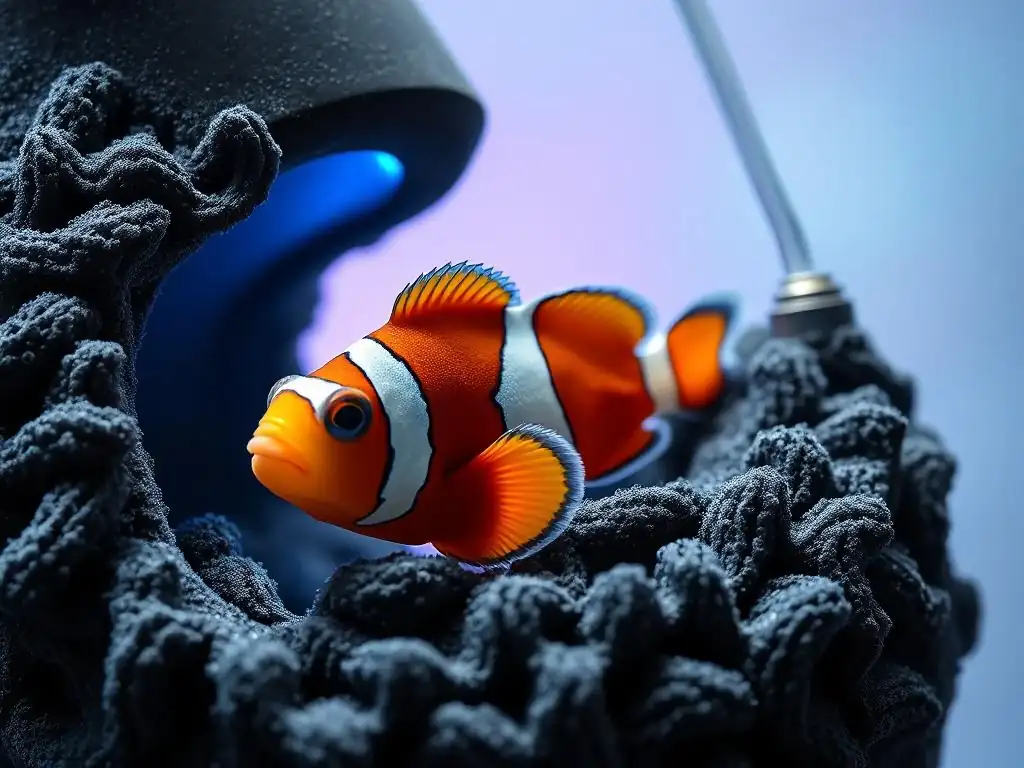
Once the sponge filter is prepared, the next step in this sponge filter aquarium setup guide is to connect it to your air pump using the airline tubing. Begin by attaching one end of the airline tubing securely to the output nozzle of your air pump. If you are using a check valve, insert it along the length of the tubing, ensuring the arrow on the valve points towards the aquarium, indicating the direction of airflow.
Finally, connect the other end of the airline tubing to the small intake nozzle on the sponge filter itself. For optimal performance and aesthetics, position your air pump above the water level of your aquarium if possible; if not, the check valve becomes even more critical. Route the airline tubing neatly along the back of the tank, optionally securing it with small suction cups to prevent kinks and maintain a tidy appearance.
Step 3: Positioning the Sponge Filter in Your Aquarium
Proper placement of the sponge filter within your aquarium is essential for maximizing its filtration efficiency and ensuring adequate water circulation. Position the sponge filter in an area where it can draw water effectively, typically in a corner or along the back wall of the tank. Ensure it sits firmly on the substrate or is secured by any included suction cups so that it remains fully submerged and stable during operation.
For larger aquariums, or tanks with specific flow requirements, consider using two smaller sponge filters placed on opposite sides to promote better overall water circulation and filtration coverage. In breeding tanks, place the filter away from areas where fry are likely to congregate to minimize any risk of accidental suction, even with the gentle flow it provides. This strategic placement is a vital aspect of a well-executed sponge filter aquarium setup guide.
Step 4: Starting and Maintaining the Sponge Filter
With the sponge filter properly positioned and connected, the final step in the initial sponge filter aquarium setup guide is to plug in your air pump. You should immediately observe a steady stream of bubbles rising from the lift tube, indicating that water is being drawn through the sponge. Allow the filter to run continuously to begin the crucial cycling process, where beneficial bacteria will colonize the sponge.
While the filter needs time to establish its bacterial colonies (typically 4-6 weeks for a full cycle), regular, gentle maintenance is key to its long-term performance. Plan to perform the first gentle cleaning of the sponge within 2-4 weeks, depending on your tank's bioload. This initial period allows sufficient time for bacteria to establish while preventing excessive clogging that could impede flow.
Benefits of Using Sponge Filters in Aquariums
Excellent Biological Filtration for a Healthy Ecosystem
Sponge filters are renowned for their exceptional biological filtration capabilities, which are fundamental to maintaining a healthy and stable aquatic environment. Their unique, open-cell foam structure provides an incredibly vast surface area for the colonization of nitrifying bacteria (primarily Nitrosomonas and Nitrobacter). These beneficial bacteria are responsible for the critical process of converting highly toxic ammonia, produced by fish waste and decaying organic matter, into less harmful nitrite, and then further into relatively benign nitrate.
The constant flow of oxygenated water through the sponge ensures that these aerobic bacteria receive the ample oxygen supply they need to thrive and efficiently perform their metabolic functions. For example, a standard 4-inch diameter sponge filter can offer a biological surface area equivalent to several square feet, making it highly effective at processing the nitrogenous waste from a moderately stocked 20-gallon community tank, helping to keep ammonia and nitrite levels at undetectable levels (0 ppm).
Gentle Water Flow Ideal for Fry and Sensitive Fish
One of the most significant advantages of sponge filters is the gentle, diffused water flow they produce. Unlike many power filters or canister filters that can create strong currents, the air-driven mechanism of a sponge filter results in a soft, even flow that is highly beneficial for a variety of aquatic inhabitants. This characteristic makes them particularly suitable for species that prefer calm water conditions or are susceptible to stress from strong currents.
This gentle flow is absolutely indispensable for breeding tanks and fry grow-out setups. Tiny fish fry, such as those from guppies, mollies, or even more delicate species, are too small and weak to contend with powerful currents and can easily be sucked into the intakes of conventional filters, leading to significant losses. A sponge filter provides effective filtration without posing this risk, safeguarding delicate fry and ensuring their survival, a crucial benefit for any sponge filter aquarium setup guide focused on breeding.
Sponge Filters: A Cost-Effective Filtration Solution
Sponge filters stand out as one of the most budget-friendly filtration options available to aquarists, both in terms of initial investment and ongoing operational costs. The filters themselves are remarkably inexpensive, typically ranging from $5 to $20 for a high-quality unit, making them significantly more affordable than hang-on-back (HOB) filters (which can cost $30-$80) or canister filters (ranging from $100-$400+).
Furthermore, the long-term running costs are minimal. They require only a relatively low-wattage air pump (often consuming less than 5 watts), which translates to very low electricity consumption. Replacement parts are infrequent and inexpensive, typically limited to replacing the sponge material itself every 1-2 years at a cost of just a few dollars. This combination of low upfront cost and minimal running expenses makes them an exceptionally economical choice for any sponge filter aquarium setup guide.
Promoting Beneficial Bacteria Growth with Sponge Filters
The design of a sponge filter is inherently optimized for promoting robust growth of beneficial bacteria, which are the backbone of a healthy aquarium ecosystem. The porous, open-cell foam material provides an intricate network of microscopic pores and channels, creating an enormous amount of surface area where nitrifying bacteria can readily attach and multiply.
As oxygenated water continuously flows through the sponge, it delivers the necessary nutrients and oxygen directly to these aerobic bacteria. This constant supply is vital for their metabolic processes, allowing them to efficiently convert harmful ammonia and nitrite into nitrate. A well-established sponge filter can host billions of these microorganisms, providing a stable and resilient biological filter that can quickly adapt to changes in bioload, making it a cornerstone for any effective sponge filter aquarium setup guide.
Mechanical Filtration Properties of Sponge Filters
Beyond their primary role in biological filtration, sponge filters also serve as effective mechanical filters, physically removing particulate matter from the water column. As water is drawn through the foam, the dense, fibrous structure of the sponge traps uneaten food, fish waste, decaying plant matter, and other suspended debris. This mechanical action helps to keep the water clear and reduces the amount of organic material that would otherwise break down and contribute to ammonia production.
While they may not remove the absolute finest particles as efficiently as some dedicated mechanical filters, a properly sized and regularly maintained sponge filter can significantly improve water clarity. In a 10-gallon tank, for example, a sponge filter can effectively capture a large percentage of visible suspended particles, often clearing the water of noticeable detritus within an hour or two of operation, contributing to a cleaner and healthier environment.
Sponge Filter Review: Top Models and Recommendations
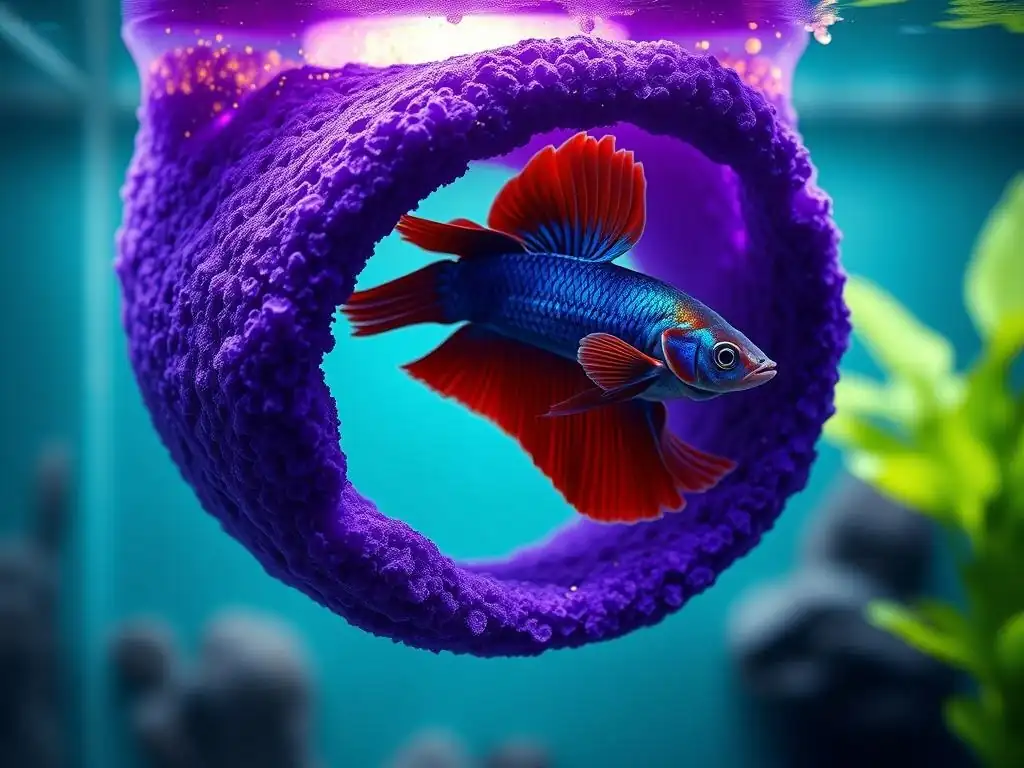
Review 1: XY-2831 Double Sponge Filter and Key Features
The XY-2831 double sponge filter is a widely popular and highly recommended model, frequently featured in sponge filter aquarium setup guide discussions for its reliability and efficiency. This filter typically features two independent sponges, which significantly increases the total surface area available for beneficial bacteria colonization. It's generally rated for tanks up to 40-55 gallons, making it a versatile choice for medium-sized aquariums.
Key features of the XY-2831 include a weighted base, which provides excellent stability and ensures the filter remains submerged and upright in the tank. It also often comes with an adjustable lift tube, allowing users to customize the direction of water flow and aeration. The modular design, where sponges can be easily detached, simplifies maintenance, enabling staggered cleaning to preserve a larger portion of the bacterial colony.
Review 2: Huijukon Aquarium Biochemical Sponge Filter and Key Features
The Huijukon Aquarium Biochemical Sponge Filter is another highly regarded option, often recognized by its distinctive black sponge material. These filters are designed with a focus on enhanced biochemical filtration, utilizing a dense yet highly porous foam that provides an exceptional habitat for nitrifying bacteria. Huijukon models are available in a range of sizes, suitable for tanks from small 10-gallon setups to larger aquariums exceeding 100 gallons.
A notable feature of some Huijukon models is the inclusion of a small media chamber within the filter body, which can be filled with additional biological media like ceramic rings or bio-balls. This boosts the filter's overall biological capacity, offering an extra layer of filtration. Their robust construction and efficient design make them a solid choice for aquarists seeking reliable mechanical and superior biological filtration.
Review 3: Aquaneat Aquarium Bio Sponge Filter and Key Features
The Aquaneat Aquarium Bio Sponge Filter is a common sight in the hobby, often identifiable by its vibrant blue sponge material and sometimes a fluted design aimed at maximizing surface area. Aquaneat offers a variety of configurations, including both single and double sponge versions, catering to different tank sizes and filtration needs.
Users frequently praise Aquaneat filters for their durability and ease of maintenance. They provide consistent water flow and excellent oxygenation, contributing to a healthy aquatic environment. While their primary strength lies in biological filtration, their sponge density also offers effective mechanical filtration, trapping detritus and improving water clarity. Their straightforward design and performance make them a practical choice for a straightforward sponge filter aquarium setup guide.
Comparing Different Sponge Filter Brands and Types
While all sponge filters operate on the same fundamental principle, differences exist across brands and types that can influence their performance and suitability for specific applications. Variations in foam density are common; some brands use finer-pored sponges for superior mechanical filtration, while others opt for coarser foam that allows for higher flow rates and less frequent clogging, albeit with slightly less fine particle capture.
When comparing models, consider aspects like the presence of a weighted base for stability, the adjustability of the lift tube for directing flow, and the ease of disassembling the filter for cleaning. For heavily stocked tanks or those prone to high organic loads, a double sponge filter or one with a media chamber might be more effective. For delicate fry, a very gentle flow with a fine-pored sponge may be prioritized. Your specific aquarium needs should guide your choice when following a sponge filter aquarium setup guide.
Maintaining Your Sponge Filter for Optimal Performance
Cleaning Your Sponge Filter: A Regular Maintenance Task
Regular cleaning of your sponge filter is essential to ensure its optimal performance and longevity. Over time, the sponge will accumulate trapped detritus, fish waste, and uneaten food, which can reduce water flow and diminish its filtration efficiency. However, it is crucial to understand that the cleaning process must be performed correctly to avoid harming the beneficial bacterial colonies residing within the sponge.
The correct method for cleaning a sponge filter involves gently squeezing and rinsing the sponge in a bucket of old aquarium water that has been siphoned during a routine water change. Never use chlorinated tap water, hot water, or any cleaning agents, as these will kill the beneficial nitrifying bacteria that are vital for your tank's nitrogen cycle. The goal is to remove the physical debris without stripping away the beneficial biofilm.
How Often Should You Clean Your Sponge Filter?
The frequency with which you need to clean your sponge filter largely depends on your aquarium's bioload, feeding habits, and the size of the filter relative to the tank. For a lightly stocked 20-gallon tank with a moderately sized sponge filter, cleaning every 3-4 weeks might be sufficient. However, in heavily stocked breeding tanks, quarantine tanks with medicated fish, or tanks with particularly messy eaters, cleaning might be necessary weekly or bi-weekly.
Observing your filter's performance and appearance will provide the best indication of when cleaning is needed. If you notice a significant decrease in airflow from the lift tube, if the sponge appears visibly compacted with sludge, or if water clarity begins to decline, it's a clear sign that your sponge filter requires attention. Consistent, timely cleaning is a cornerstone of any effective sponge filter aquarium setup guide.
Avoiding Damage During Sponge Filter Maintenance
While sponge filters are generally robust, exercising care during maintenance can prolong their lifespan and prevent accidental damage. When removing the sponge from its base or lift tube, do so gently to avoid tearing the foam material. During the cleaning process, avoid aggressive twisting or squeezing that could deform the sponge or dislodge its internal structure. Gentle compression is usually sufficient to release trapped waste.
Furthermore, ensure that no household soaps, detergents, or chemical cleaners come into contact with the sponge or any part of the filter. Even minute residues of these substances can be highly toxic to your aquarium inhabitants and will decimate the beneficial bacterial colonies within the filter, effectively rendering your biological filtration useless. Adhering to these precautions is vital for maintaining a healthy sponge filter aquarium setup guide.
Replacing Your Sponge Filter: When is the Right Time?
A well-maintained sponge filter can last for several years, but the sponge material itself will eventually degrade and need replacement. Typically, a quality sponge filter's foam material may need to be replaced every 1-2 years, depending on the frequency of cleaning and the water parameters. Over time, the foam can become brittle, lose its elasticity, or become so densely clogged with embedded particles that it can no longer be effectively cleaned.
Signs that indicate it's time for a replacement sponge include the material starting to disintegrate, ripping easily during cleaning, or consistently failing to regain its original porosity and shape after being cleaned. Replacing the sponge is generally inexpensive and simple, ensuring that your filtration system continues to operate at peak efficiency. When replacing, consider staggering the replacement of multiple sponges to preserve some established bacterial colonies.
Troubleshooting Common Sponge Filter Issues
Low Airflow in Sponge Filters: Causes and Solutions
Low airflow is a common issue encountered with sponge filters, which can significantly reduce their filtration efficiency and oxygenation. Several factors can contribute to this problem. The most frequent causes include a clogged air stone within the filter, a kink or blockage in the airline tubing, or a weakening air pump that is no longer producing sufficient pressure. A heavily soiled or clogged sponge itself can also restrict water flow, making it harder for the air to draw water through.
To troubleshoot, first, inspect the airline tubing for any visible kinks or blockages. Disconnect the tubing from the sponge filter and check if air flows freely from the air pump; if not, the pump may be failing, or the line is clogged upstream. If the air pump is working correctly, thoroughly clean the sponge as described in the maintenance section. If an air stone is used, remove it and check for blockages, cleaning or replacing it if necessary. Addressing these issues promptly ensures your sponge filter aquarium setup guide remains effective.
Sponge Filter Floating: How to Keep it Submerged
A common annoyance, especially with new sponge filters, is buoyancy, causing them to float instead of remaining submerged at the bottom of the tank. This often occurs because new sponges are highly buoyant until they become fully waterlogged. Filters that lack a weighted base are more prone to this issue, and sometimes, trapped air pockets within the sponge can also contribute to its buoyancy.
To resolve a floating sponge filter, ensure the sponge is thoroughly saturated by repeatedly squeezing it underwater in the aquarium. This helps to release trapped air and allows the sponge to absorb water. If the filter still floats, consider adding a small, fish-safe weight, such as a piece of aquarium-safe rock placed on its base, or securing it with suction cups if the filter design allows. Many quality sponge filters now come with built-in weighted bases to prevent this problem, a feature worth noting in any sponge filter aquarium setup guide.
Algae Growth on Sponge Filters: Prevention and Removal
Algae growth on sponge filters is a common occurrence, particularly in tanks with excessive lighting, high nitrate levels, or an imbalance of nutrients like phosphates. While generally harmless to fish, extensive algae can reduce the filter's efficiency by clogging its pores and can be aesthetically unappealing. It's an indicator of underlying water chemistry or lighting issues.
To prevent and manage algae growth, first, evaluate your aquarium's lighting schedule; reducing light duration to 8-10 hours per day can significantly curb algae. Perform more frequent or larger water changes (e.g., 25-30% weekly) to lower nitrate and phosphate levels. During routine cleaning, gently wipe or rinse away visible algae from the sponge. Introducing algae-eating snails or certain fish species (if appropriate for your tank size and inhabitants) can also help to control minor outbreaks, ensuring your sponge filter aquarium setup guide maintains clear water.
Addressing Clogging Issues in Sponge Filters
Clogging is a primary concern for any filter, and sponge filters are no exception. This typically occurs due to the accumulation of fish waste, uneaten food, decaying plant matter, or fine particulate debris within the sponge's pores. Tanks with high bioloads, those that are overfed, or systems with very fine substrates that can be disturbed easily are particularly susceptible to rapid clogging.
The most effective solution for addressing clogging issues is to increase the frequency of your sponge filter cleanings. If you are cleaning every month, try switching to bi-weekly or even weekly if your tank's conditions warrant it. If persistent clogging remains an issue despite frequent cleaning, consider switching to a sponge filter with a slightly coarser foam density, which allows for higher flow and less frequent clogging, though it might capture slightly less fine particulate matter. Ensuring proper feeding habits also significantly reduces the organic load, optimizing your sponge filter aquarium setup guide's performance.
Sponge Filters vs. Other Aquarium Filters: A Comparison
Sponge Filters vs. Hang-On-Back (HOB) Filters
Hang-on-back (HOB) filters are a popular choice for many aquarists, offering multi-stage filtration (mechanical, chemical, and biological) and keeping equipment largely outside the tank. They typically provide higher flow rates and are often considered user-friendly for beginners due to their straightforward installation and media replacement cartridges.
However, sponge filters offer distinct advantages. They are significantly more affordable, quieter in operation, and have minimal moving parts, reducing the risk of mechanical failure. While an HOB filter might boast a flow rate of 100-200 gallons per hour, a sponge filter's strength lies in its superior biological filtration capacity per dollar spent and its gentle flow, which is crucial for delicate species. Furthermore, sponge filters are less prone to clogging with fine debris and do not require expensive cartridge replacements, making them a more economical long-term option for a sponge filter aquarium setup guide.
Sponge Filters vs. Canister Filters
Canister filters are often considered the pinnacle of external filtration, especially for larger aquariums (e.g., 50+ gallons) or those requiring extensive multi-stage filtration. They offer very high flow rates, massive media capacity for biological, mechanical, and chemical filtration, and can be neatly hidden beneath the aquarium stand, providing a clean aesthetic.
In contrast, sponge filters excel in simplicity and cost-effectiveness. While a high-end canister filter can cost anywhere from $150 to $400, a complete sponge filter aquarium setup guide typically costs less than $50. Canister filters require more complex setup and maintenance, including disconnecting hoses and dealing with potential leaks, whereas sponge filters are incredibly straightforward to install and clean. For smaller tanks, breeding setups, or quarantine tanks, a canister filter is often overkill, and a sponge filter provides more than adequate, reliable filtration with far less hassle.
Sponge Filters as a Supplemental Filtration System
One of the most effective ways to leverage the benefits of sponge filters is to use them as a supplemental filtration system alongside another primary filter, such as a hang-on-back or canister filter. This approach creates a highly robust and redundant filtration setup, significantly boosting the overall biological filtration capacity of the aquarium.
This dual filtration strategy is particularly beneficial in heavily stocked tanks, aquariums housing fish with high bioloads (like goldfish or large cichlids), or in situations where maintaining pristine water parameters is critical. For example, in a 75-gallon discus tank, a large canister filter might handle the bulk of mechanical and chemical filtration, while a large double sponge filter provides an additional, reliable layer of biological filtration and oxygenation, acting as a crucial backup in case the primary filter experiences issues. This layered approach is a smart strategy for any advanced sponge filter aquarium setup guide.
Advanced Techniques with Sponge Filters
Using Multiple Sponge Filters for Enhanced Filtration
Employing multiple sponge filters within a single aquarium is an advanced technique that offers several significant advantages. Two smaller sponge filters can collectively provide more total surface area for beneficial bacteria than one single large unit, leading to enhanced biological filtration. This redundancy also adds a layer of security: if one filter needs cleaning or temporarily fails, the other can continue to provide critical biological support, preventing a complete crash of the nitrogen cycle.
Furthermore, strategically placing multiple sponge filters can significantly improve water circulation throughout larger tanks, ensuring that all areas receive adequate filtration and oxygenation. For instance, in a 55-gallon community tank, running two medium-sized double sponge filters (like two XY-2831s) off a single air pump with an airline splitter can provide excellent, distributed filtration and aeration, often more effectively than a single oversized filter. This approach optimizes the overall sponge filter aquarium setup guide for larger volumes.
Sponge Filters in Breeding Tanks and Fry Setups
Sponge filters are almost universally considered indispensable for breeding tanks and fry grow-out setups, making them a cornerstone of any specialized sponge filter aquarium setup guide for aquaculturists. Their gentle water flow is paramount, as it prevents tiny, vulnerable fry from being sucked into filter intakes, a common and devastating issue with more powerful filtration systems. This protection significantly increases fry survival rates.
Beyond mechanical safety, the porous sponge material provides a crucial surface area for the growth of infusoria and other microscopic organisms, which serve as an initial food source for newly hatched fry in their first few days of life. The consistent, gentle aeration provided by the air pump also ensures high oxygen levels, which are vital for the healthy development of eggs and young fish. Their ease of cleaning and low maintenance further contribute to their ideal suitability for these delicate environments.
Integrating Sponge Filters with Other Filtration Methods
Integrating sponge filters with other filtration methods creates a highly robust and versatile aquarium filtration system, leveraging the strengths of each component. While sponge filters excel at biological filtration and gentle mechanical filtration, combining them with internal power filters, hang-on-back (HOB) filters, or even sumps allows for a more comprehensive approach to water quality management.
For example, a 29-gallon planted tank might utilize a small HOB filter primarily for mechanical filtration (e.g., fine filter floss) and chemical filtration (e.g., activated carbon or Purigen), while a sponge filter provides continuous, reliable biological filtration and oxygenation. This layered approach ensures that all aspects of water purification are addressed, from particulate removal and chemical absorption to the critical processing of nitrogenous waste, offering a sophisticated application of the sponge filter aquarium setup guide.
Conclusion: Embracing the Benefits of Sponge Filtration
The Underrated Power of Sponge Filters for Aquarium Health
Despite their humble appearance and simple design, sponge filters possess an underrated power that makes them indispensable tools for maintaining optimal aquarium health. Their exceptional biological filtration capabilities, driven by the vast surface area they provide for beneficial bacteria, are paramount for keeping toxic ammonia and nitrite levels at bay. This fundamental strength forms the backbone of a stable and thriving aquatic ecosystem, far outweighing their modest cost and complexity.
Beyond their biological prowess, their gentle water flow makes them a safe haven for delicate fish species and the irreplaceable choice for breeding and fry grow-out tanks. From small quarantine setups to large community tanks seeking supplementary filtration, their versatility, ease of maintenance, and energy efficiency underscore their status as a silent workhorse in the aquarium hobby.
Sponge Filter Aquarium Setup: Your Path to a Thriving Tank
Embarking on a sponge filter aquarium setup guide journey is a straightforward and rewarding path to fostering a flourishing aquatic environment. By following the detailed steps for choosing, installing, and maintaining these simple yet effective filters, aquarists of all experience levels can establish a robust filtration system that consistently delivers clean, oxygenated water.
The reliability, affordability, and adaptability of sponge filters ensure that your fish and aquatic plants will thrive, free from the stresses of poor water quality. Embracing the benefits of sponge filtration not only simplifies aquarium maintenance but also provides a solid foundation for a healthy, vibrant, and enjoyable aquatic experience.
Frequently Asked Questions
How does a sponge filter work in an aquarium?
A sponge filter works by using an air pump to draw water through a porous sponge. This creates a mechanical filtration process that traps debris, while also providing a large surface area for beneficial bacteria to colonize, contributing to biological filtration.
What are the main benefits of using a sponge filter in an aquarium?
Sponge filters offer several benefits, including being gentle on small fish and fry, providing excellent biological filtration, and being inexpensive and easy to maintain. They are particularly useful in breeding tanks and quarantine setups.
How do I choose the right size sponge filter for my aquarium?
The size of the sponge filter should be chosen based on your tank's volume. As a general rule, choose a sponge filter rated for a larger tank size than your actual aquarium to ensure adequate filtration.
How often should I clean my sponge filter?
Sponge filters should be cleaned every 2-4 weeks, or when you notice a significant reduction in water flow. Gently squeeze the sponge in used aquarium water to remove debris without killing the beneficial bacteria.
Can a sponge filter be used as the sole filtration system in an aquarium?
Yes, a sponge filter can be used as the sole filtration system in smaller tanks, especially those with low bioloads. However, in larger tanks or those with a high fish population, it's often best to use a sponge filter as a supplemental filter alongside a more powerful primary filter.
Final Reflection: The Enduring Simplicity of Filtration
The enduring appeal of the sponge filter, as we've explored, lies in its remarkable simplicity and effectiveness, a testament to the power of basic principles in a world often obsessed with complexity. While technology races forward, the humble sponge filter remains a reliable workhorse, quietly maintaining the delicate balance of countless aquariums, proving that sometimes, the most effective solutions are the ones that have stood the test of time.
This seemingly unassuming piece of equipment has profoundly influenced the aquarium hobby, making it more accessible and sustainable for enthusiasts of all levels. My own journey with aquariums began with a simple sponge filter, and it instilled in me a deep appreciation for the delicate ecosystems we strive to create. Simplicity is the ultimate sophistication,
as Leonardo da Vinci so eloquently stated, and the sponge filter embodies this principle perfectly, offering a straightforward path to a thriving aquatic environment.
As you consider the information presented in this guide, I encourage you to reflect on the power of simplicity in your own life, both within and beyond the aquarium. Embrace the gentle giant, the sponge filter, not just as a tool for clean water, but as a reminder that sometimes, the most profound solutions are the ones that are readily available, quietly working to create a better, more balanced world.
Unlock the Secrets of Crystal-Clear Water!
Thanks for diving deep into the world of sponge filters with us! We hope you now have a clearer understanding of why these gentle giants are essential for a healthy aquarium. Ready to put that knowledge into action?
Here’s how you can take the next step:
- Set up a sponge filter in your aquarium to experience the benefits firsthand. Choose a filter appropriate for your tank size and get ready to see the difference!
- Share this article with a fellow aquarium enthusiast and start a conversation about the best filtration methods for their setup.
- Consider adding live plants to your aquarium to further enhance the natural filtration process and create a thriving ecosystem.
What unique challenges have you faced with aquarium filtration, and what solutions did you discover along the way?