
Tetra Breeding Failure? Aquarium Mastery's Expert Troubleshooting for Spawning Setbacks

Welcome to Aquarium Mastery!
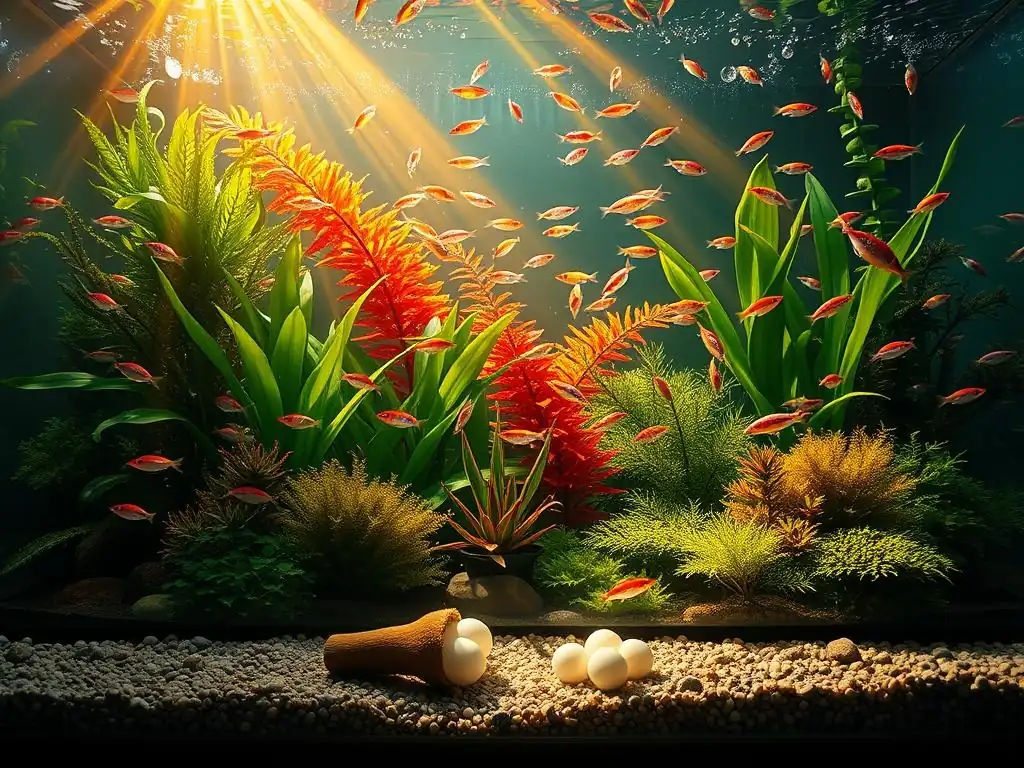
Ever dreamt of a vibrant school of newly-hatched Tetras gracing your freshwater aquarium? We understand the frustration when spawning attempts fall short. Dive into our expert Tetra Spawning Troubleshooting Guide and unlock the secrets to successful Tetra breeding. Discover the common pitfalls and proven solutions that will transform your aquarium into a thriving spawning haven. Ready to turn frustration into flourishing fry? Let's begin!
- Understanding Tetra Spawning Challenges: A Troubleshooting Guide
- Key Factors Influencing Tetra Spawning Success
- Diagnosing Tetra Spawning Problems: A Step-by-Step Guide
- Troubleshooting Specific Tetra Spawning Issues
- Advanced Tetra Breeding Techniques for Difficult Species
- Preventing Future Tetra Spawning Setbacks
- Resources for Tetra Breeding Success
- Frequently Asked Questions
- Final Reflection: Unlocking the Secrets of Life
- Unlock Tetra Breeding Success!
Understanding Tetra Spawning Challenges: A Troubleshooting Guide
Why Aren't My Tetras Spawning? Common Reasons for Breeding Failure
Many aquarists encounter challenges when attempting to breed tetras, often leading to frustration and a need for a comprehensive Tetra spawning troubleshooting guide. One of the most prevalent reasons for a lack of spawning activity is unsuitable water parameters. Tetras, particularly those from the Amazon basin like Neon Tetras or Glowlight Tetras, require very specific water chemistry that often differs significantly from typical community tank conditions.
For instance, many species need soft, acidic water (pH often below 6.5, and hardness below 5 dGH) to feel secure enough to breed. If the water is too hard or too alkaline, their reproductive organs may not fully develop, or they may simply not recognize the environment as conducive to laying eggs.
Beyond water chemistry, inadequate conditioning and an improper breeding setup are frequent culprits in tetra breeding failures. Fish intended for breeding require a high-quality, varied diet rich in live or frozen foods to build up their energy reserves and encourage gonad development. A diet solely of dry flakes, while sufficient for maintenance, rarely provides the necessary nutrients for successful egg and milt production.
Furthermore, the breeding tank itself must offer a sense of security and appropriate spawning surfaces. A tank that is too brightly lit, lacks dense plant cover, or has strong water flow can stress the prospective parents, inhibiting their natural breeding instincts and leading to a complete absence of spawning behavior.
Tetra Species Specific Breeding Challenges: Cardinal Tetra
Cardinal Tetras ( Paracheirodon axelrodi ) are a prime example of a species that presents unique and often frustrating breeding challenges, making them a key focus for any Tetra spawning troubleshooting guide. Unlike their slightly hardier Neon Tetra cousins, Cardinal Tetras demand exceptionally soft and acidic water, often with a pH range of 4.5 to 5.5 and a General Hardness (GH) of less than 1 dGH.
Achieving and maintaining these precise conditions requires dedicated effort, often involving reverse osmosis (RO) water and buffering agents like peat or blackwater extracts. Without these exact parameters, Cardinals rarely, if ever, exhibit spawning behavior, let alone produce viable eggs.
The environment for Cardinal Tetra spawning also necessitates very dim lighting and a specific type of spawning substrate. They are egg scatterers and prefer to deposit their extremely delicate, light-sensitive eggs on fine-leaved plants like Java Moss or on spawning mops in near darkness. Even slight exposure to bright light can damage the eggs, leading to fungal infections or preventing hatching.
Furthermore, conditioning Cardinal Tetras requires an almost exclusive diet of live, small foods such as newly hatched brine shrimp or infusoria, fed frequently in small amounts. Their highly specialized needs underscore why breeding them successfully is considered a significant achievement among aquarists and often requires diligent adherence to a detailed Tetra spawning troubleshooting guide.
Key Factors Influencing Tetra Spawning Success
Water Parameters for Tetra Breeding: Achieving Optimal Conditions
Optimal water parameters are the cornerstone of successful tetra breeding, acting as a primary trigger for spawning and ensuring egg viability. Ignoring these critical factors is a common reason for a Tetra spawning troubleshooting guide to be needed. Most popular tetra species, originating from soft, acidic blackwater or clearwater rivers of South America, thrive and reproduce best in conditions that mimic their natural habitat.
This often means a pH between 5.5 and 6.8, and very low General Hardness (GH), typically ranging from 1 to 5 dGH (17.8 to 89 ppm). Maintaining these specific parameters consistently is more important than simply achieving them once, as fluctuations can stress fish and inhibit spawning.
The use of reverse osmosis (RO) water, often remineralized to the target parameters, is a highly effective method for achieving the required softness and purity. Tap water, which varies widely in composition globally, is rarely suitable directly for sensitive tetra species without significant modification.
Regular testing with reliable kits is essential to monitor pH, GH, and carbonate hardness (KH) to ensure they remain within the desired range. Slight adjustments can be made using peat filtration, blackwater extracts, or specific mineral supplements designed for soft water fish, all contributing to an environment that signals to the tetras that conditions are ripe for reproduction.
Temperature's Role in Tetra Spawning
Temperature plays a pivotal role in signaling to tetras that it is time to spawn, often acting as a key environmental cue. For many common tetra species, such as Neon Tetras or Black Skirt Tetras, a gradual increase in water temperature within their comfort range can stimulate breeding behavior.
Typically, while they might live at 72-76°F (22-24°C) in a community tank, raising the temperature to 78-82°F (25.5-28°C) in a dedicated breeding tank can encourage them to spawn. This slight elevation mimics the warmer, rainy season conditions in their natural habitats, which often correspond with increased food availability and prime breeding opportunities.
However, it's crucial that this temperature increase is gradual, no more than 1-2 degrees Fahrenheit per day, to avoid shocking the fish. Rapid temperature changes can induce stress, leading to illness or simply deterring spawning. Once eggs are laid, maintaining a stable temperature is also vital for proper embryo development and hatching success. Fluctuations during this critical period can lead to deformities or high mortality rates among the developing eggs. Therefore, a reliable heater with precise temperature control is an indispensable tool for any aquarist following a Tetra spawning troubleshooting guide.
pH Levels and Tetra Reproduction
pH levels are arguably one of the most critical water parameters for tetra reproduction, directly impacting the viability of eggs and sperm. Most tetras hail from highly acidic environments, and their reproductive systems are optimized for these conditions.
For instance, Neon Tetras ( Paracheirodon innesi ) typically require a pH between 5.5 and 6.5 for successful spawning, while Cardinal Tetras ( Paracheirodon axelrodi ) prefer even lower, more acidic conditions, often in the range of pH 4.5 to 5.5. If the pH is too high (alkaline), sperm may not be motile, or eggs may not be properly fertilized, leading to a high percentage of non-viable eggs.
Maintaining the correct pH also helps to prevent fungal growth on eggs, as acidic water naturally inhibits many types of fungi. Methods to lower and stabilize pH include using peat filtration, adding blackwater extracts rich in humic acids, or utilizing reverse osmosis (RO) water remineralized to the desired parameters. It's important to monitor pH regularly, as it can fluctuate due to biological processes in the tank. A stable, appropriate pH range is a non-negotiable factor for anyone looking for a successful Tetra spawning troubleshooting guide.
Water Hardness (GH/KH) Considerations for Spawning
Water hardness, specifically General Hardness (GH) and Carbonate Hardness (KH), is another foundational element for successful tetra breeding. Most tetras are soft water fish, meaning they originate from environments with very low mineral content. For many popular species, a GH of 1 to 5 dGH (17.8 to 89 ppm) is ideal for spawning. In such soft water, the eggs absorb water more easily and develop properly. In hard water, the egg membrane can become too rigid, preventing proper fertilization or hindering the hatching process, leading to a high rate of unfertilized or unhatched eggs.
Carbonate Hardness (KH), also known as alkalinity, is crucial for buffering pH. While tetras prefer acidic conditions, maintaining some minimal KH (often 1-2 dKH) can help prevent drastic pH swings that can stress fish and damage eggs.
However, too high KH will make it difficult to lower and maintain the necessary acidic pH. Using reverse osmosis (RO) water and then carefully remineralizing it to achieve the desired GH and KH levels is often the most reliable method for creating the pristine, soft, and slightly acidic conditions that trigger successful tetra reproduction and are essential for any thorough Tetra spawning troubleshooting guide.
Diet and Conditioning: Preparing Tetras for Breeding
The diet and conditioning of prospective parent tetras are paramount to successful spawning, directly influencing their health, vitality, and reproductive capacity. A common oversight in breeding attempts is providing only a maintenance diet, which is insufficient to prepare the fish for the rigors of spawning. A high-quality, varied diet, rich in proteins and essential fats, is necessary to encourage gonad development and ensure the production of healthy, viable eggs and sperm. This conditioning period should ideally last for 1-2 weeks prior to attempting to breed the fish, allowing them ample time to build up their reserves.
During this conditioning phase, feeding should be frequent – two to three times a day – with smaller portions to avoid overfeeding and water quality degradation. The goal is to provide nutrient-dense foods that mimic their natural diet, stimulating their reproductive instincts. Without proper conditioning, even perfectly maintained water parameters may not be enough to trigger spawning, or if spawning does occur, the resulting eggs may be infertile or weak, highlighting the importance of diet in any Tetra spawning troubleshooting guide.
Live Food Options for Conditioning Breeders
Live food options are arguably the most effective way to condition tetras for breeding, providing a natural and highly nutritious stimulus. Foods such as newly hatched brine shrimp ( Artemia salina ), daphnia ( Daphnia pulex ), and microworms ( Panagrellus redivivus ) are excellent choices due to their high protein content and digestibility. For example, newly hatched brine shrimp contain approximately 50-60% protein on a dry weight basis, making them an ideal source for egg development and male vitality. These live foods also provide essential amino acids and fatty acids that are often lacking in processed dry foods.
The movement of live foods also triggers the tetras' natural predatory instincts, encouraging them to feed more vigorously and build up reserves quickly. While culturing live foods requires some effort, the benefits in terms of spawning success are substantial. Some breeders also use live blackworms ( Lumbriculus variegatus ) or small bloodworms for larger tetra species, but caution should be exercised to ensure they are parasite-free. Integrating diverse live foods into the diet is a critical step often overlooked in basic care, but fundamental to a comprehensive Tetra spawning troubleshooting guide.
The Importance of Protein for Tetra Reproduction
Protein is an indispensable macronutrient for successful tetra reproduction, serving as the building block for eggs, milt, and the overall health of the parent fish. During the conditioning phase, a diet rich in high-quality protein is crucial for the development of gonads and the production of healthy gametes. Female tetras, in particular, require significant protein intake to develop and mature their eggs. A deficiency in protein can lead to a lack of egg production, smaller clutches, or eggs that are less viable and prone to fungal infections.
Research and practical experience show that a diet with a protein content of 40-50% for conditioning adult fish is highly effective. This can be achieved through a combination of live foods (as discussed above), high-quality frozen foods like bloodworms or spirulina-enriched brine shrimp, and premium flake or pellet foods specifically designed for breeding fish. Adequate protein ensures the parents have the energy reserves needed for the taxing process of spawning and subsequent recovery. Neglecting protein intake is a common pitfall that any effective Tetra spawning troubleshooting guide must address.
Tank Setup: Creating the Ideal Tetra Spawning Environment
The physical setup of the breeding tank is just as critical as water parameters and diet in encouraging tetras to spawn. A dedicated spawning tank provides a controlled environment free from the stresses and distractions of a community aquarium, allowing the fish to focus solely on reproduction. The design should cater to the specific spawning habits of tetras, most of which are egg scatterers that prefer to lay their eggs among fine-leaved plants or other soft substrates. An improper setup can lead to eggs being eaten by parents, poor fertilization rates, or simply a lack of spawning behavior altogether.
Key considerations for the tank setup include its size, the type of substrate and plant material, and the appropriate lighting and filtration. Each element plays a role in simulating the natural breeding grounds of these fish, providing the necessary cues for them to feel secure and ready to reproduce. Attention to these details can significantly increase the chances of a successful spawn and is a cornerstone of any effective Tetra spawning troubleshooting guide.
Spawning Tank Size and Dimensions
The size and dimensions of a tetra spawning tank are typically much smaller than a community aquarium, designed to minimize stress and maximize control over the breeding process. For most small to medium-sized tetras like Neons, Cardinals, or Glowlights, a 5 to 10-gallon (approximately 19-38 liter) tank is often sufficient. The smaller volume allows for easier management of precise water parameters, which are crucial for sensitive species. A tank with a larger footprint rather than height can also be beneficial, providing more surface area for egg scattering and easier access for the fish.
Using a smaller tank also makes it simpler to remove the parent fish after spawning, preventing them from consuming their own eggs. For larger tetra species, such as Congo Tetras or Lemon Tetras, a 15 to 20-gallon (approximately 57-76 liter) tank might be more appropriate. The key is to provide enough space for the breeding pair or trio to move comfortably without being overwhelmed by a vast, empty environment, which can make them feel insecure and inhibit spawning, a factor often highlighted in a Tetra spawning troubleshooting guide.
Substrate and Plant Selection for Tetra Breeding
The choice of substrate and plant selection for a tetra breeding tank is crucial, as most tetras are egg scatterers that require specific surfaces for depositing their delicate eggs. A bare bottom tank is often preferred for ease of cleaning and fry collection, but it must be accompanied by suitable spawning media. Fine-leaved plants such as Java Moss ( Taxiphyllum barbieri ), Water Sprite ( Ceratopteris thalictroides ), or Hornwort ( Ceratophyllum demersum ) are excellent choices. These plants provide a dense, intricate structure where eggs can fall and become lodged, offering some protection from opportunistic parents.
Alternatively, spawning mops made from nylon yarn or acrylic fiber are highly effective and reusable. These mops, weighted down to sink, provide a similar dense texture for egg adhesion. Some aquarists also use a layer of marbles or an egg crate diffuser on the tank bottom, allowing eggs to fall through to safety, inaccessible to the parents. The goal is to provide ample hiding spots for eggs while also making them accessible for collection if desired. This careful consideration of spawning media is a vital component of any comprehensive Tetra spawning troubleshooting guide.
Lighting and Filtration for Optimal Spawning
Lighting and filtration in a tetra spawning tank require careful consideration to create an optimal environment without stressing the fish or harming delicate eggs and fry. For many tetra species, especially those from blackwater environments, dim lighting is preferred. Bright lights can stress the fish, deterring spawning, and are also known to be detrimental to the sensitive eggs of species like Cardinal Tetras, potentially causing them to fungus or fail to hatch. A low-wattage LED light on a timer, or even ambient room light, is often sufficient, providing just enough visibility for observation without being intrusive.
Regarding filtration, strong water flow is detrimental in a spawning tank as it can scatter eggs, prevent fertilization, and even suck up newly hatched fry. A gentle air-driven sponge filter is the ideal choice. It provides biological filtration, maintains gentle water circulation, and most importantly, is completely fry-safe. Alternatively, a simple air stone can provide aeration without any filtration. The focus is on maintaining stable, pristine water conditions without creating currents that could harm eggs or fry, a critical aspect often emphasized in a detailed Tetra spawning troubleshooting guide.
Diagnosing Tetra Spawning Problems: A Step-by-Step Guide
Observing Tetra Behavior: Identifying Spawning Cues
Observing the behavior of your tetras is a crucial first step in diagnosing potential spawning problems, as fish often display specific cues when they are ready to breed or when something is inhibiting them. Without these behavioral indicators, it's difficult to determine if the fish are simply not ready, or if an environmental factor is actively preventing spawning. This section provides a Tetra spawning troubleshooting guide for behavioral observation. Pay close attention to subtle changes in their activity, coloration, and interaction with tank mates.
A lack of any discernible pre-spawning behavior, such as chasing or increased interaction between sexes, is a strong indicator that conditions are not yet optimal, or that the fish are not properly conditioned. Conversely, if you observe pre-spawning behaviors that do not lead to actual egg laying, it suggests an issue with the physical spawning environment or water parameters that are preventing the final act of reproduction. Careful, patient observation over several days can provide invaluable insights into the specific challenges you might be facing.
Recognizing Pre-Spawning Behavior
Recognizing pre-spawning behavior in tetras is essential for any Tetra spawning troubleshooting guide, as these cues indicate that your fish are becoming ready to breed. One of the most common signs is an increase in chasing activity, particularly males pursuing females. This chasing is often gentle at first, intensifying as the fish become more excited. Males may display more vibrant colors, attempting to attract females. For example, male Neon Tetras might show a more intense blue and red stripe, and their finnage may appear more extended.
Female tetras will typically appear noticeably plumper or 'gravid' as their bellies swell with developing eggs. This is particularly evident when viewed from above. In some species, like Black Skirt Tetras, the female's body might take on a more rounded, robust appearance.
The pair or trio may also begin to spend more time together, often in a specific area of the tank, such as near dense plant cover or a spawning mop. They might exhibit a 'shivering' or 'quivering' motion, which is a direct precursor to the actual spawning embrace. Observing these behaviors confirms that your conditioning efforts are having an effect.
Identifying Post-Spawning Behavior
Identifying post-spawning behavior is crucial for determining if a spawn has successfully occurred and for taking immediate steps to protect eggs and fry, an important aspect of a Tetra spawning troubleshooting guide. Once tetras have spawned, their behavior typically shifts from active courtship to either indifference or, more commonly, an opportunistic search for eggs to consume. The female, previously gravid, will appear noticeably thinner and less rounded in the belly. This is the clearest visual indicator that eggs have been laid.
The breeding pair or group will usually separate and resume more normal swimming patterns, often showing no further interest in each other for a period. A critical post-spawning behavior to watch for is egg predation. Many tetra species are notorious egg eaters, and if the parents are not removed promptly after spawning, they will consume most, if not all, of their eggs. Therefore, observing the deflated appearance of the female and the cessation of courtship behaviors should prompt the immediate removal of the adult fish from the spawning tank to maximize fry survival.
Water Quality Testing: Pinpointing Issues Affecting Spawning
Water quality testing is an indispensable diagnostic tool when troubleshooting tetra spawning failures, as imbalances in key parameters can directly inhibit reproduction or harm eggs. Relying solely on visual observation is insufficient, as many critical chemical parameters are invisible to the naked eye. Regular and accurate testing provides concrete data that can pinpoint the exact cause of a problem, guiding your corrective actions as per any effective Tetra spawning troubleshooting guide.
A comprehensive testing regimen should include parameters such as pH, General Hardness (GH), Carbonate Hardness (KH), ammonia, nitrite, and nitrate. Additionally, dissolved oxygen levels can be a subtle but significant factor. Inaccurate or infrequent testing can lead to misdiagnosis or, worse, irreversible damage to your breeding efforts. Understanding what each parameter signifies and its optimal range for tetra spawning is key to transforming a frustrating breeding attempt into a successful one.
Ammonia, Nitrite, and Nitrate Levels and Their Impact
Ammonia, nitrite, and nitrate levels are critical indicators of water quality and can severely impact tetra spawning success, as emphasized in every Tetra spawning troubleshooting guide. Even trace amounts of ammonia (NH3/NH4+) and nitrite (NO2-) are highly toxic to fish and will immediately stress them, making spawning impossible. Levels should consistently be 0 ppm. The presence of these compounds indicates an incomplete or crashed nitrogen cycle, often due to overfeeding, insufficient filtration, or an uncycled tank. Stressed fish will not breed, and any eggs laid in such conditions are unlikely to be viable or hatch.
While nitrate (NO3-) is less toxic than ammonia or nitrite, high levels (generally above 10-20 ppm for breeding tanks) can still inhibit spawning. Chronic exposure to elevated nitrates can reduce fish vitality, suppress immune systems, and directly interfere with reproductive processes. Regular, small water changes are the primary method for controlling nitrate levels in a breeding setup, especially one dedicated to sensitive species. Ensuring these nitrogenous compounds are at optimal, near-zero levels is fundamental for creating a healthy and conducive breeding environment.
Dissolved Oxygen Levels and Tetra Reproduction
Dissolved oxygen (DO) levels are a frequently overlooked yet critical factor in tetra reproduction and a vital component of a thorough Tetra spawning troubleshooting guide. Adequate oxygen saturation is essential for the metabolic processes of both adult fish and developing eggs and fry. Low dissolved oxygen levels, often below 5-6 ppm, can stress adult tetras, making them lethargic and unwilling to spawn. It directly impacts their energy levels and overall vitality, which are crucial for the physically demanding act of breeding.
Even more critically, insufficient oxygen can be lethal to developing eggs and newly hatched fry. Eggs are permeable and rely on oxygen diffusion from the surrounding water for embryonic development. Fry have high metabolic rates and small gill surface areas, making them particularly vulnerable to low DO.
Factors contributing to low oxygen include high temperatures, excessive organic waste (e.g., uneaten food), and insufficient aeration. Ensuring proper aeration through a gentle air stone or sponge filter in the breeding tank is crucial to maintain optimal DO levels, typically above 7 ppm, thereby supporting both adult health and successful egg and fry development.
Identifying and Addressing Tetra Health Issues
Identifying and addressing tetra health issues is paramount when troubleshooting spawning problems, as unhealthy fish will not breed successfully. Even seemingly minor illnesses or parasitic infestations can severely stress fish, diverting energy from reproductive processes and making them unwilling or unable to spawn. A healthy, robust breeding pair is the foundation of any successful breeding attempt, and their well-being should be continuously monitored. This section of the Tetra spawning troubleshooting guide focuses on health.
Regular observation of fish for signs of disease, such as lethargy, clamped fins, discolored patches, or abnormal swimming, is crucial. If any health issues are detected, they must be promptly and effectively treated before any breeding attempts are made. Attempting to breed sick fish not only risks the health of the adults but also compromises the viability of any eggs produced and can even spread disease to potential fry.
Parasites and Diseases That Inhibit Spawning
Parasites and diseases are significant inhibitors of spawning in tetras, as they compromise the fish's overall health and divert energy away from reproduction. Common parasitic infections, such as Ich ( Ichthyophthirius multifiliis ) or Velvet ( Oodinium ), can cause severe stress, leading to lethargy, loss of appetite, and a complete cessation of breeding activity. Internal parasites, though less visible, can deplete nutrients, weaken fish, and directly impact gonad development. For instance, a heavy worm burden can lead to emaciation and sterility.
Bacterial infections, often manifesting as fin rot, body sores, or dropsy, also render fish incapable of spawning. These infections typically arise from poor water quality or stress, which are themselves barriers to breeding. A fish battling a bacterial infection is putting all its energy into survival, not reproduction. Ensuring a strict quarantine period for all new fish, maintaining pristine water conditions, and providing a high-quality diet are preventative measures that minimize the risk of disease, making them crucial for any effective Tetra spawning troubleshooting guide.
Treating Common Illnesses in Breeding Tetras
Treating common illnesses in breeding tetras requires a careful and often isolated approach to avoid further stress or contamination of the breeding environment. If a prospective breeder shows signs of illness, it should be immediately removed from the main breeding tank and placed in a dedicated hospital tank. This prevents the spread of disease to other fish and allows for targeted treatment without affecting the sensitive water parameters of the spawning setup.
Medications should be chosen carefully, considering the specific illness and ensuring they are safe for the tetra species. For example, some fish medications can be harsh on scaleless fish or those with delicate gill structures.
It is crucial to follow medication instructions precisely, including dosage and duration, and to monitor the fish closely for improvement or adverse reactions. During treatment, maintaining impeccable water quality in the hospital tank is paramount, often requiring daily small water changes to remove waste and spent medication. Only once the fish has fully recovered, shows no signs of illness for at least a week, and has regained its full vigor should it be considered for reintroduction to the breeding program. Prioritizing the health of your breeding stock is a fundamental principle in any comprehensive Tetra spawning troubleshooting guide.
Troubleshooting Specific Tetra Spawning Issues
Egg Development Problems: Addressing Unfertilized or Fungused Eggs
Encountering unfertilized or fungused eggs is a common and disheartening problem for aquarists attempting to breed tetras, often indicating issues with the parents, water quality, or post-spawning care. Identifying these problems early is crucial for troubleshooting and improving future spawning attempts. This section of the Tetra spawning troubleshooting guide helps address these specific setbacks. While some egg loss is natural, a high percentage of non-viable eggs signals a systemic issue that needs to be addressed for successful fry production.
The appearance of eggs can provide immediate clues. Clear, translucent eggs are typically viable, while opaque or white eggs are usually unfertilized or dead. Fungus, appearing as white, fuzzy growth, often targets dead or unfertilized eggs but can quickly spread to healthy ones. Understanding the causes of these issues – from male infertility to improper water chemistry or lack of antifungal measures – is key to implementing effective solutions and improving your success rate in subsequent spawns.
Identifying Unfertilized Eggs
Identifying unfertilized eggs is a straightforward process that provides immediate feedback on the success of fertilization during a tetra spawn. Viable, fertilized tetra eggs are typically clear, translucent, and often slightly amber-colored, resembling tiny glass beads. They are permeable and will swell slightly with water, maintaining their clarity. They should also be firm to the touch if gently probed (though this is not recommended as it can damage them).
In contrast, unfertilized eggs will quickly turn opaque and milky white, usually within 12 to 24 hours after being laid. This change in color is due to the breakdown of proteins within the egg that occurs when fertilization has not taken place. Once an egg turns white, it is no longer viable and should ideally be removed to prevent the spread of fungus to healthy eggs. A high percentage of white eggs indicates an issue with male fertility, insufficient milt release, or water parameters that inhibit fertilization, making it a key diagnostic in a Tetra spawning troubleshooting guide.
Preventing and Treating Fungus on Tetra Eggs
Preventing and treating fungus on tetra eggs is critical for maximizing hatch rates, as fungal infections can quickly decimate an entire clutch. Fungus, typically appearing as white, fuzzy growth, primarily targets unfertilized or dead eggs, but it can rapidly spread to healthy, viable eggs, consuming them. The first line of defense is prevention: maintaining pristine water quality in the spawning tank is paramount. This means zero ammonia and nitrite, and very low nitrates.
Removing unfertilized or fungused eggs promptly, often with a pipette or airline tubing, is essential to stop the spread. Some breeders advocate for very dim lighting or even complete darkness for the first 24-48 hours after spawning, as light can encourage fungal growth on sensitive eggs.
While some aquarists use mild antifungal agents like methylene blue (at very dilute concentrations, e.g., 1-2 drops per gallon of water) to prevent fungus, it's crucial to research their safety for specific tetra eggs and fry, as some can be harmful. A healthy breeding environment and quick removal of compromised eggs are the most effective strategies for any Tetra spawning troubleshooting guide.
Fry Survival Rate: Maximizing Fry Survival After Spawning
Maximizing fry survival rate after spawning is often the most challenging phase of tetra breeding, requiring meticulous care and attention to detail. Spawning is only half the battle; ensuring the delicate fry survive their first few weeks is where many breeding efforts falter. This section of the Tetra spawning troubleshooting guide focuses on protecting and nourishing the vulnerable offspring. Fry are extremely small, often barely visible, and have specific needs regarding protection, food, and water quality that differ significantly from adult fish.
The primary threats to fry survival include predation by parents or other tank inhabitants, starvation due to lack of appropriate first foods, and poor water quality. Implementing strategies to mitigate these risks from the moment eggs are laid until the fry are large enough to consume standard foods is crucial. A high survival rate is a testament to careful planning and diligent execution of post-spawning care protocols.
Protecting Fry from Parents
Protecting fry from parents is a non-negotiable step in tetra breeding, as most tetra species are prolific egg and fry eaters. From the moment eggs are laid, the adult fish will actively seek them out to consume them. The most effective method for protection is the immediate removal of the adult fish from the spawning tank once spawning is complete. This is why a dedicated breeding tank is highly recommended for tetra breeding, as it allows for easy separation.
If a separate breeding tank is not used, or if eggs are scattered in a community tank, other methods must be employed. Using a spawning mop or dense fine-leaved plants provides some physical barrier, allowing eggs to fall into crevices where parents cannot reach them. A layer of marbles or an egg crate diffuser on the tank bottom, beneath which eggs can fall, also offers protection. However, direct removal of parents remains the most reliable strategy for maximizing fry survival, a cornerstone of any Tetra spawning troubleshooting guide.
First Foods for Tetra Fry
Providing appropriate first foods for tetra fry is absolutely critical for their survival and healthy development, as they are often too small to consume standard flake foods. Most tetra fry hatch with a yolk sac that provides initial nourishment for the first 1-3 days. Once the yolk sac is absorbed and they become free-swimming, they require microscopic food sources. Failure to provide suitable food at this precise stage will lead to mass starvation.
Infusoria, a collective term for various microscopic protozoa, are often the first food of choice for the tiniest tetra fry. These can be cultured at home by decaying vegetable matter in a jar of aquarium water. As the fry grow, typically within a week, they can graduate to slightly larger foods such as newly hatched brine shrimp ( Artemia nauplii ) or microworms ( Panagrellus redivivus ).
These live foods provide essential proteins and nutrients for rapid growth. Liquid fry foods or powdered fry foods are also available but are generally less nutritious and can quickly foul the water if overfed. Consistent, small, frequent feedings (3-5 times daily) are necessary to ensure all fry get enough to eat, a key element of any Tetra spawning troubleshooting guide.
Maintaining Water Quality in Fry Tanks
Maintaining pristine water quality in fry tanks is paramount for the survival and healthy development of delicate tetra fry. Due to their small size and sensitivity, fry are extremely vulnerable to even minute fluctuations in water parameters and the presence of nitrogenous waste products. Ammonia and nitrite must be kept at absolute zero, and nitrates at very low levels (below 5-10 ppm). Overfeeding, which is common when trying to ensure all fry get enough food, can quickly foul the water and lead to toxic spikes.
To manage water quality, frequent, small water changes are essential – often 10-20% daily or every other day, using aged or temperature-matched water. A gentle air-driven sponge filter is highly recommended, as it provides biological filtration without creating strong currents that could harm the tiny fry. Regular siphoning of uneaten food and waste from the tank bottom is also crucial. Neglecting water quality in the fry tank is a leading cause of mass fry mortality and a critical area addressed by any comprehensive Tetra spawning troubleshooting guide.
Lack of Spawning Behavior: Encouraging Tetras to Spawn
A persistent lack of spawning behavior in conditioned tetras, despite seemingly ideal conditions, can be frustrating for breeders. This indicates that while the fish may be healthy and ready, some environmental trigger is missing that would prompt them to initiate courtship and egg laying. Addressing this requires mimicking the subtle cues that signal to tetras in their natural habitats that conditions are ripe for reproduction. This section of the Tetra spawning troubleshooting guide focuses on encouraging reluctant breeders.
Often, the solution lies in simulating the seasonal changes or specific environmental conditions that coincide with breeding periods in the wild. This might involve adjusting temperature, lighting cycles, or introducing specific water additives. Patience and careful observation of the fish's response to these changes are key, as different species, and even individual fish, may respond to different stimuli.
Simulating Natural Spawning Conditions
Simulating natural spawning conditions is often the key to encouraging reluctant tetras to breed, as it taps into their innate biological rhythms. In their native habitats, many tetras spawn during the rainy season, characterized by softer water, a slight drop in temperature followed by a rise, increased food availability, and often darker, humic-rich water. Replicating these conditions in the aquarium can provide the necessary trigger for spawning.
One effective technique is to perform a large, cool water change (e.g., 50% of the tank volume, 2-3 degrees Fahrenheit cooler than the tank water) using very soft, acidic RO water. This mimics the influx of rainwater. Following this, gradually raise the temperature back to the upper end of their breeding range (e.g., 78-82°F or 25.5-28°C) over 24-48 hours.
Dimming the lights for a few days, or providing complete darkness for a 24-hour period, can also simulate the overcast conditions of a rainy season. Additionally, adding blackwater extracts to lower pH and introduce tannins can further mimic their natural environment and reduce stress, often prompting spawning behavior, a valuable tip in any Tetra spawning troubleshooting guide.
Introducing Spawning Triggers: Water Changes
Introducing specific spawning triggers, particularly precise water changes, is one of the most effective methods to encourage tetras to spawn when other conditions are met. A large, cool water change using very soft, acidic water is a widely recognized trigger for many tetra species. For instance, performing a 50-70% water change with water that is 2-4°F (1-2°C) cooler than the tank water, and specifically filtered through peat or treated with blackwater extract to achieve a pH of 5.5-6.5 and very low GH, can simulate the onset of the rainy season in their natural habitats.
This sudden influx of fresh, soft, and slightly cooler water cues the fish that prime breeding conditions have arrived. Following this cool water change, gradually raising the temperature back to the optimal breeding range (e.g., 78-82°F) can further stimulate activity. The consistency and quality of the water used for these changes are paramount. Using tap water with inconsistent parameters will likely yield poor results. This method is a cornerstone of any practical Tetra spawning troubleshooting guide for stubborn breeders.
Advanced Tetra Breeding Techniques for Difficult Species
Blackwater Extracts and Their Effect on Spawning
Blackwater extracts are a valuable tool in advanced tetra breeding, particularly for notoriously difficult species like Cardinal Tetras or Discus Tetras, and are often recommended in specialized Tetra spawning troubleshooting guides. These extracts, derived from materials rich in humic substances like peat, catappa leaves, or alder cones, mimic the chemical composition of natural blackwater rivers found in the Amazon basin. They release humic acids, fulvic acids, and tannins into the water, which have several beneficial effects.
Firstly, blackwater extracts naturally lower and buffer the pH, creating the highly acidic conditions (e.g., pH 4.5-5.5) preferred by many sensitive tetras. Secondly, the tannins stain the water a tea-like color, reducing light penetration and creating a dim environment that reduces stress and encourages spawning in light-sensitive species. Thirdly, these compounds have mild antiseptic properties, which can help inhibit fungal and bacterial growth on delicate eggs in soft, acidic water where natural buffers are low. By recreating these specific environmental cues, blackwater extracts can significantly increase the likelihood of spawning in species that are otherwise reluctant to breed.
Hormone Treatments: [Cautionary Note and Ethical Considerations]
Hormone treatments are an advanced and highly specialized technique used to induce spawning in extremely difficult or commercially valuable fish species, including some tetras. However, it comes with significant cautionary notes and ethical considerations. This method typically involves injecting fish with synthetic hormones, such as human chorionic gonadotropin (HCG) or luteinizing hormone-releasing hormone (LHRH) analogues, to stimulate gonad maturation and egg release. While effective in controlled environments, it is generally not recommended for the home aquarist.
The primary concerns include the difficulty in administering precise dosages, the potential for stress or harm to the fish from injections, and the ethical implications of manipulating natural reproductive processes. Overdosing can lead to sterility or even death. Furthermore, the long-term effects on the fish and potential impacts on subsequent generations are not fully understood for all species. For the vast majority of aquarists seeking a Tetra spawning troubleshooting guide, focusing on optimizing water parameters, diet, and environmental triggers is a far safer, more ethical, and often equally effective approach than resorting to hormone treatments.
Preventing Future Tetra Spawning Setbacks

Maintaining Optimal Water Parameters Long-Term
Maintaining optimal water parameters long-term is the most crucial preventative measure against future tetra spawning setbacks. It's not enough to achieve the correct parameters just for the spawning attempt; consistency is key. Fluctuations in pH, hardness, or temperature can stress fish, inhibit gonad development, or lead to failed spawns. For example, if your target pH for Neon Tetras is 6.0, consistent testing and minor adjustments to keep it within a narrow range (e.g., 5.8-6.2) are far more beneficial than letting it drift and then attempting drastic corrections.
This involves a routine of regular water testing (at least weekly, or daily in a dedicated breeding setup) and consistent, small water changes using carefully prepared water (e.g., RO water remineralized to specific GH/KH). Utilizing stable buffering agents like peat or appropriate substrates can help maintain desired conditions. Proactive management of water chemistry prevents the need for reactive troubleshooting and creates a consistently stable environment that encourages tetras to spawn naturally when ready, rather than facing repeated failures that require a Tetra spawning troubleshooting guide.
Consistent Diet and Conditioning Regimen
A consistent diet and conditioning regimen is a cornerstone of preventing future tetra spawning setbacks. Sporadic feeding of high-quality foods or inconsistent conditioning periods will lead to fish that are not optimally prepared for reproduction. For instance, feeding live foods only once a week instead of daily for a two-week conditioning period might not provide the necessary nutritional boost for full egg development. The goal is to ensure that prospective breeding pairs are always in peak physical condition, ready to reproduce when environmental cues align.
This means providing a varied diet that includes high-protein live and frozen foods (e.g., brine shrimp, daphnia, bloodworms) several times a week, even outside of active conditioning phases. Regular smaller meals are generally better than large infrequent ones, as they ensure consistent nutrient intake without compromising water quality. Such a regimen ensures that the fish have abundant energy reserves and healthy gonads, significantly increasing the likelihood of successful and frequent spawns without the constant need for a Tetra spawning troubleshooting guide.
Regular Health Checks and Preventative Measures
Regular health checks and preventative measures are indispensable for preventing future tetra spawning setbacks. Healthy fish are fertile fish, and even subtle signs of stress or illness can derail breeding efforts. A proactive approach to fish health minimizes the risk of disease outbreaks that can decimate breeding stock or render them unable to reproduce. This involves daily observation of all fish for any changes in behavior, appetite, coloration, or physical appearance.
Implementing a strict quarantine protocol for all new fish, plants, or equipment before introduction to the breeding tank is a critical preventative measure. This typically involves isolating new fish for 2-4 weeks in a separate tank, observing them for disease, and treating if necessary. Maintaining pristine water quality, avoiding overstocking, and providing a stable, low-stress environment also contribute significantly to fish health. By prioritizing preventative care, aquarists can ensure their tetras remain robust and ready for reproduction, reducing the reliance on a reactive Tetra spawning troubleshooting guide.
Resources for Tetra Breeding Success
Recommended Books and Articles on Tetra Breeding
For aquarists serious about mastering tetra breeding, delving into specialized literature is invaluable. While online resources provide quick answers, comprehensive books and detailed articles offer in-depth knowledge, often compiled by experienced breeders and ichthyologists. These resources delve into the nuances of specific species, water chemistry, fry rearing, and troubleshooting beyond what a general Tetra spawning troubleshooting guide can provide. Look for titles that cover South American cichlids and tetras, as these often share similar breeding requirements.
Key topics to seek out include detailed species profiles, specific water parameter ranges (pH, GH, KH, temperature) for spawning, conditioning diets, breeding tank setups (including substrate and plant choices), and advanced fry care. Many older, classic aquarium texts, though sometimes harder to find, contain timeless wisdom on breeding challenging species. Online articles from reputable aquarium magazines or scientific journals can also offer updated research and practical tips, expanding your knowledge base and refining your breeding techniques.
Online Forums and Communities for Tetra Breeders
Online forums and communities dedicated to aquarium keeping and fish breeding are invaluable resources for tetra breeders, especially when facing persistent issues that a standard Tetra spawning troubleshooting guide might not fully cover. These platforms connect you with a global network of experienced aquarists who share their successes, failures, and unique insights. You can ask specific questions, post pictures or videos of your setup, and receive personalized advice tailored to your situation.
Many forums have dedicated sections for breeding specific fish types, including tetras, where members discuss advanced techniques, share breeding logs, and offer real-time problem-solving. While advice should always be cross-referenced with reputable sources, the collective experience of these communities can provide practical solutions, moral support, and a sense of camaraderie. Engaging with these groups can accelerate your learning curve, help you avoid common pitfalls, and offer fresh perspectives when troubleshooting complex tetra spawning problems.
Frequently Asked Questions
What are the most common reasons for Tetra breeding failure?
The most common reasons include poor water quality, incorrect temperature or pH levels, and a lack of suitable spawning substrate. Stress from tankmates can also inhibit spawning.
How can I improve the water quality for Tetra spawning?
Perform regular partial water changes using dechlorinated water. Ensure the water parameters are within the ideal range for the specific Tetra species you are breeding, and maintain stable parameters.
What type of spawning substrate is best for Tetras?
Fine-leaved plants like Java moss or spawning mops are generally preferred. These provide hiding places for the eggs and protect them from being eaten by the adults.
What temperature and pH levels are ideal for Tetra spawning?
The ideal temperature varies depending on the Tetra species, but generally, a range of 78-82°F (25-28°C) is suitable. The pH should be slightly acidic, around 6.0-7.0, this range is optimal.
How can I prevent adult Tetras from eating their eggs?
Provide plenty of hiding places such as dense plants or spawning mops. Alternatively, you can remove the adults immediately after spawning to a separate tank to protect the eggs.
Final Reflection: Unlocking the Secrets of Life
The journey through the complexities of tetra breeding, as explored in this guide, highlights a fundamental truth: mastery lies not just in success, but in understanding failure. The challenges faced in spawning these vibrant fish mirror the broader struggles we encounter in nurturing life, whether in a carefully controlled aquarium or in the wider world. Recognizing the intricate balance required for successful reproduction underscores the delicate nature of ecosystems and the importance of responsible stewardship.
The pursuit of successful tetra spawning is more than just a hobby; it's a deep dive into the interconnectedness of life. This exploration has reinforced my belief in the power of observation and the necessity of patience, reminding me that even setbacks offer valuable lessons. The only true wisdom is in knowing you know nothing.
- Socrates. This quote resonates deeply, urging us to remain humble and perpetually curious in our quest for knowledge and understanding, especially when faced with unexpected challenges in our aquariums.
Now, armed with the knowledge and troubleshooting techniques presented in this guide, I encourage you to reflect on your own experiences, both within and beyond the aquarium. Embrace the challenges, learn from the setbacks, and never lose your passion for unraveling the mysteries of life. Let the pursuit of successful tetra spawning be a reminder that perseverance, coupled with understanding, can unlock even the most elusive secrets.
Unlock Tetra Breeding Success!
Thank you for exploring the intricacies of tetra breeding with us. We hope you found valuable insights to enhance your aquarium endeavors. Now, let's translate that knowledge into action.
Here are some steps you can take to improve your tetra breeding results:
- Review and Refine Your Water Parameters: Carefully reassess your water conditions (temperature, pH, hardness) to ensure they precisely match the specific needs of your tetra species. This is crucial for successful spawning.
- Experiment with Live Foods: Offer a diverse selection of high-quality live foods like brine shrimp, daphnia, or microworms to condition your tetras for breeding.
- Share Your Experiences: Join our Aquarium Mastery community forum and share your breeding challenges and successes with other enthusiasts!
What specific adjustments will you make to your spawning tank setup this week?