
Best Commerical & DIY Foods for Acropora, Montipora & Seriatopora: A Comprehensive Review

Welcome to Aquarium Mastery!
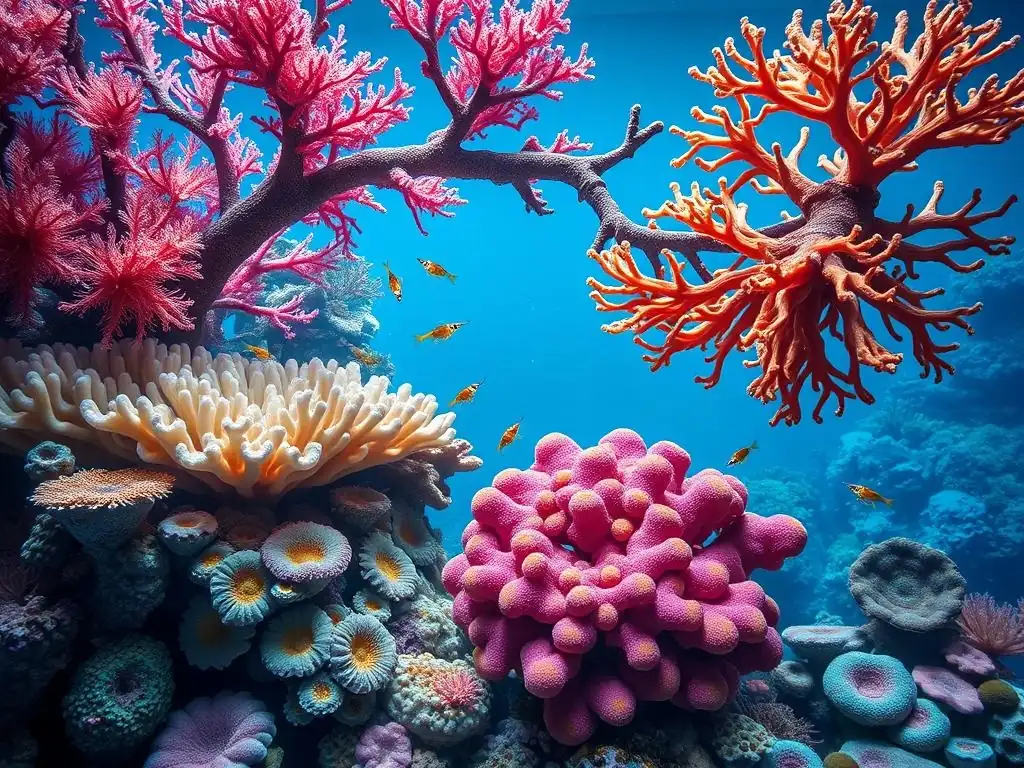
Ever wondered what the real secret is to unlocking vibrant colors and explosive growth in your Acropora, Montipora, and Seriatopora corals? We're diving deep into the world of Acropora feeding, separating fact from fiction. Get ready to explore our comprehensive Acropora coral food review and discover the best commercial and DIY options to keep your SPS corals thriving. Curious to learn more? Let's unlock the secrets to coral success together!
- Best Foods for Acropora, Montipora & Seriatopora: A Comprehensive Review
- Introduction: Optimizing SPS Coral Growth with Targeted Feeding
- Understanding the Nutritional Needs of Acropora, Montipora & Seriatopora
-
Commercial SPS Coral Food Review: Top Products on the Market
- Review Criteria: Particle Size, Ingredients, and Coral Response
- Best Overall: Reef Nutrition R.O.E. - Detailed Analysis
- Best Value: Polyp-Lab Reef-Roids - Detailed Analysis
- Best for Color Enhancement: Aquaforest Coral Food - Detailed Analysis
- Other Notable Commercial SPS Coral Foods: A Quick Comparison
- DIY SPS Coral Food Recipes: A Cost-Effective Approach
- Feeding Techniques for SPS Corals: Maximizing Nutrient Uptake
- Avoiding Common Feeding Mistakes: Preventing Nutrient Imbalance
- Monitoring and Adjusting Your SPS Coral Feeding Strategy
- Conclusion: The Best Approach to Acropora, Montipora & Seriatopora Nutrition
- Frequently Asked Questions
- Final Reflection: Cultivating Reef Resilience
- Unlock the Secret to Vibrant Coral Growth!
Best Foods for Acropora, Montipora & Seriatopora: A Comprehensive Review
Introduction: Optimizing SPS Coral Growth with Targeted Feeding
Maintaining a thriving reef aquarium, especially one dominated by Small Polyp Stony (SPS) corals like Acropora, Montipora, and Seriatopora, goes beyond providing pristine water quality and optimal lighting. While these corals are renowned for their photosynthetic capabilities, deriving significant energy from their symbiotic zooxanthellae, external feeding plays a crucial role in maximizing their growth, enhancing coloration, and bolstering their overall resilience. A comprehensive feeding strategy is essential to meet their diverse nutritional demands, ensuring they receive the full spectrum of required elements for robust health.
This article provides an in-depth Acropora coral food review, extending its scope to include the specific nutritional needs and best feeding practices for Montipora and Seriatopora as well. We will delve into the essential components of a healthy SPS diet, evaluate top commercial food products, explore cost-effective DIY recipes, and discuss effective feeding techniques. By understanding and implementing targeted feeding strategies, aquarists can unlock the full potential of their SPS colonies, transforming their reef tanks into vibrant, flourishing ecosystems.
Understanding the Nutritional Needs of Acropora, Montipora & Seriatopora
Essential Elements for SPS Coral Health: A Dietary Overview
SPS corals, including Acropora, Montipora, and Seriatopora, are mixotrophic organisms, meaning they derive energy from both photosynthesis and heterotrophic feeding. While their symbiotic zooxanthellae provide a substantial portion of their energy, often estimated to be between 70-90%, the remaining 10-30% (or even more in some species) comes from capturing and consuming particulate matter from the water column. This heterotrophic feeding is not merely supplemental; it is vital for providing specific nutrients that photosynthesis alone cannot supply, such as essential proteins, lipids, and trace elements.
Their feeding mechanisms primarily involve extending their tiny polyps to capture microscopic organisms and detritus. The size of food particles is paramount for efficient capture and ingestion by these corals, which typically require particles ranging from 5 to 200 microns. Foods that fall within this specific size range, such as various forms of zooplankton (copepods, rotifers, Artemia nauplii), phytoplankton, and marine snow, are readily consumed and efficiently assimilated, contributing significantly to their metabolic needs and promoting accelerated growth rates.
The Importance of Amino Acids, Lipids, and Trace Elements
Beyond bulk nutrients, specific organic compounds are indispensable for the peak health and vibrant coloration of SPS corals. Amino acids are the fundamental building blocks of proteins, which are critical for tissue growth, repair, and the synthesis of enzymes necessary for metabolic processes. Without an adequate supply of diverse amino acids, corals can exhibit stunted growth, reduced polyp extension, and a general dullness in color, as their ability to produce essential proteins and pigments is compromised.
Lipids, particularly highly unsaturated fatty acids (HUFAs) such as DHA (Docosahexaenoic Acid) and EPA (Eicosapentaenoic Acid), serve as vital energy reserves and are crucial components of cell membranes. A deficiency in HUFAs can lead to poor calcification, reduced reproductive success, and compromised immune function in corals.
For instance, Acropora colonies often show improved branching and encrustation when consistently provided with lipid-rich foods. Additionally, various trace elements like iodine, strontium, and other micronutrients, though required in minute quantities, act as cofactors for enzymatic reactions and are directly incorporated into the coral skeleton, contributing to both structural integrity and the vibrant pigmentation observed in healthy SPS corals.
Commercial SPS Coral Food Review: Top Products on the Market
Review Criteria: Particle Size, Ingredients, and Coral Response
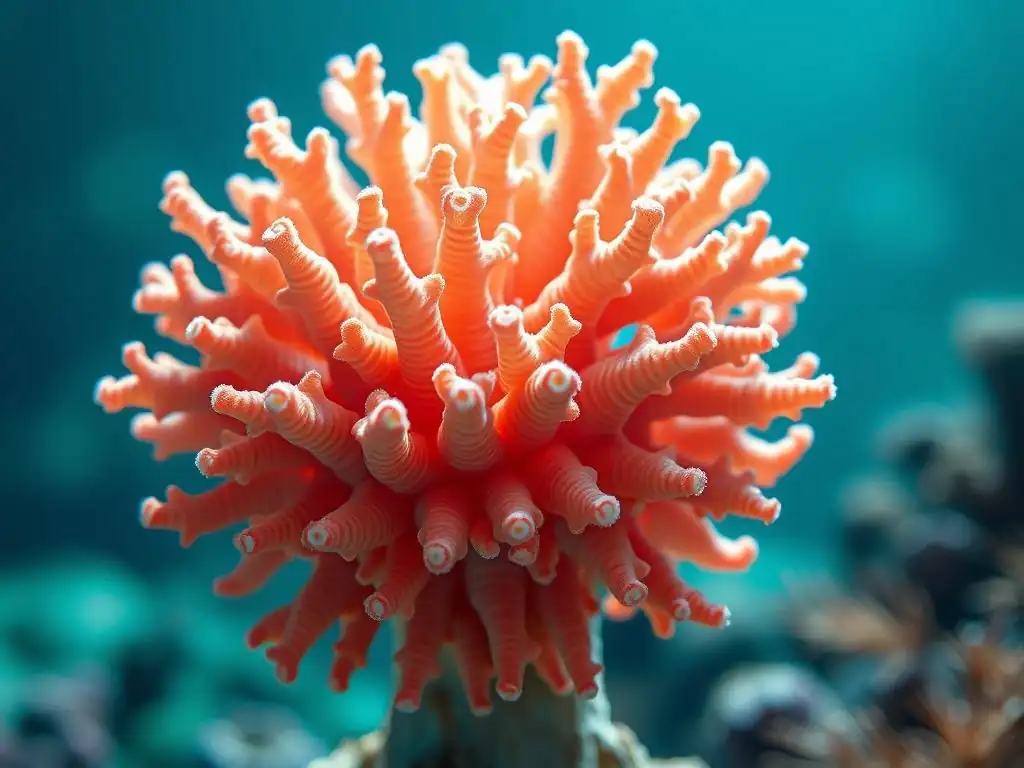
When conducting an Acropora coral food review, several critical criteria must be considered to assess a product's efficacy and suitability for SPS corals. Particle size is perhaps the most crucial factor; Acropora, Montipora, and Seriatopora have small polyps and relatively limited feeding apertures, typically ingesting particles that are generally less than 200 microns. Foods with a consistent, fine particle size ensure maximum capture efficiency and minimal waste in the water column. Inconsistent particle sizes can lead to selective feeding and unconsumed detritus.
The quality and diversity of ingredients are equally important. Premium commercial foods often feature a blend of whole prey items (e.g., copepods, rotifers, krill), phytoplankton, marine proteins, and essential fatty acids. Avoid products with excessive fillers or artificial binders.
Finally, "coral response" is a practical measure of effectiveness. This includes observable improvements such as enhanced polyp extension (e.g., visibly extended polyps within minutes of feeding), accelerated growth rates (e.g., new growth tips on Acropora branches measuring 0.5-1 cm per month), and intensified coloration (e.g., deeper blues in Acropora valida or more vibrant greens in Montipora capricornis). Long-term observations over several months provide the most accurate assessment of a food's impact on overall coral health and vitality.
Best Overall: Reef Nutrition R.O.E. - Detailed Analysis
Reef Nutrition R.O.E. (Roe of Marine Fish) consistently ranks highly in Acropora coral food reviews and is widely regarded as a premium choice for SPS corals due to its natural composition and exceptionally rich nutritional profile. This product primarily consists of high-quality marine fish eggs, which are naturally packed with essential proteins and highly unsaturated fatty acids (HUFAs). Its particle size is naturally varied, generally ranging from 100-300 microns, making it readily consumable by the polyps of Acropora, Montipora, and Seriatopora species without causing excessive water cloudiness.
Aquarists frequently report significant improvements in polyp extension and overall feeding response within minutes of dosing Reef Nutrition R.O.E. Its high lipid content, typically around 20-30% on a dry weight basis, provides a substantial energy boost, which is crucial for the rapid growth and calcification rates characteristic of healthy SPS corals. Many users observe a noticeable increase in the growth tips of Acropora and Montipora colonies, often contributing to faster encrustation and branching, making it a staple in advanced reef systems.
Ingredients Breakdown and Nutritional Profile
Reef Nutrition R.O.E. is a remarkably simple yet potent food, being almost entirely composed of marine fish eggs. These eggs are a powerhouse of nutrition, boasting a high protein content, typically ranging from 50-60% of their dry weight, and a significant lipid profile of 20-30%. Crucially, these lipids are rich in essential fatty acids like DHA and EPA, which are bioavailable and critical for coral cell membrane integrity, energy storage, and overall metabolic function. The minimal processing involved helps to preserve the natural integrity and bioavailability of these vital nutrients.
Beyond the macronutrients, the natural composition of fish eggs also provides a spectrum of vitamins and natural pigments. These pigments can be readily assimilated by corals, contributing to more vibrant and saturated coloration, particularly in species that display blues, greens, and yellows. The natural encapsulation of nutrients within the egg structure also means that the food particles are more stable in the water column, allowing for extended availability for coral capture before significant nutrient leaching occurs, thus maximizing uptake efficiency for demanding SPS colonies.
Feeding Recommendations and Observed Results
For optimal results with Reef Nutrition R.O.E., a common feeding recommendation is to dose 1-2 ml per 100 gallons of tank water, 2-3 times per week. To maximize capture by corals and minimize waste, it is highly advisable to turn off circulation pumps for 15-30 minutes during feeding, allowing the particulate food to settle and be more easily intercepted by extended polyps. While broadcast feeding effectively disperses the food throughout the tank, target feeding directly to larger or more valuable colonies using a pipette can ensure direct consumption and reduce nutrient export demands.
Observed results from consistent use are often dramatic. Aquarists frequently note rapid and extensive polyp extension in Acropora and Seriatopora hystrix within 5-10 minutes of the food being introduced, indicating a strong feeding response. Over a period of 3-6 months, long-term users consistently report accelerated growth tips, visibly thicker branches, and significantly more vibrant, saturated colors across their SPS colonies. For example, a previously pale Acropora valida might regain its characteristic iridescent blue hue, demonstrating the profound impact of this high-quality food on coral vitality and aesthetics.
Best Value: Polyp-Lab Reef-Roids - Detailed Analysis
Polyp-Lab Reef-Roids has earned its reputation as a best-value commercial coral food, widely embraced by aquarists for its effectiveness, versatility, and accessible price point. It is a powdered food primarily composed of a proprietary blend of marine animal planktons, carefully processed to achieve a consistent particle size ranging from 150-200 microns. This specific size makes it highly palatable and easily consumable by a broad spectrum of corals, including most SPS species, as well as LPS and soft corals, making it an excellent choice for diverse mixed reef tanks.
The appeal of Reef-Roids as a value option stems from its concentrated nature and general acceptance by a wide range of inhabitants, which minimizes the need for multiple specialized foods. While not exclusively designed for Acropora, its high protein content, typically around 60% on a dry weight basis, and a balanced amino acid profile provide substantial nutritional support that significantly contributes to tissue growth and overall coral vitality across all SPS genera. Its widespread use in the hobby attests to its consistent performance as a reliable Acropora coral food review contender.
Ingredients Breakdown and Nutritional Profile
The core ingredient of Polyp-Lab Reef-Roids is a proprietary blend of marine animal plankton. While the exact species are not disclosed, the formulation is designed to mimic the natural zooplankton that corals consume in their wild habitats. This blend ensures a high protein percentage, typically around 60%, making it an excellent source of the amino acids necessary for coral tissue development and repair. It also contains a moderate lipid content, generally around 15-20%, providing essential fatty acids that contribute to coral energy reserves and cellular health.
The fine powdered form of Reef-Roids allows for superior dispersion in the water column when mixed properly, increasing the likelihood of successful capture by the numerous small polyps of Acropora, Montipora, and Seriatopora. Its balanced nutritional profile supports not only robust growth but also the general vitality and resilience of corals, helping them recover from stress and maintain peak condition. This makes it a foundational food for many reef keepers looking for reliable performance without a premium price tag.
Feeding Recommendations and Observed Results
For effective feeding with Polyp-Lab Reef-Roids, a typical recommendation is to mix 1/4 to 1/2 teaspoon per 100 gallons of tank water with a small amount of tank water (e.g., 50-100 ml) until a smooth, clump-free slurry is formed. It is crucial to mix it thoroughly to prevent undissolved clumps from settling in the tank. As with other particulate foods, turning off circulation pumps for 20-30 minutes during feeding is highly beneficial to allow the suspended particles to be captured by coral polyps before they are swept away.
Users frequently report immediate and noticeable polyp extension and strong feeding responses from Montipora species and smaller polyp Acropora within a few minutes of introduction. Over a period of several weeks to a few months of consistent feeding, improved coloration and visibly accelerated growth tips are commonly observed across various SPS colonies. For instance, a Seriatopora caliendrum might show a visibly faster rate of branching, adding 0.5-1 cm of new growth per month, underscoring Reef-Roids' effectiveness in promoting tangible growth and health.
Best for Color Enhancement: Aquaforest Coral Food - Detailed Analysis
Aquaforest offers a specialized line of coral foods that are particularly well-regarded for their ability to enhance coral coloration and support robust skeletal growth. Products like "AF Energy" and "AF Build" are prominent examples within their comprehensive system, with AF Energy focusing on readily digestible energy sources and AF Build providing a precise blend of amino acids and trace elements essential for vibrant hues and sturdy skeletal development. These products are often designed to be used synergistically as part of a daily dosing regimen.
These Aquaforest foods are meticulously formulated with specific amino acids, highly concentrated vitamins, and beneficial organic compounds that play a direct role in pigment synthesis within coral tissues and their symbiotic zooxanthellae. For example, the inclusion of certain carotenoids and specific amino acids can directly lead to the intensification of red, orange, and yellow pigments, while others can deepen the blue and purple coloration commonly sought after in Acropora and Montipora species, making them stand out in any Acropora coral food review focused on aesthetics.
Ingredients Breakdown and Nutritional Profile
Aquaforest products, such as AF Energy, are formulated with a potent blend of highly concentrated amino acids, vitamins, and easily digestible carbohydrates, providing the necessary energy for coral metabolic processes. AF Build, on the other hand, contains a balanced spectrum of crucial amino acids, including L-lysine and L-methionine, which are fundamental for protein synthesis and tissue repair. Furthermore, it incorporates essential trace elements like calcium, strontium, and iodine, all of which are directly involved in the calcification process and the expression of vibrant coral coloration.
The precise formulation of these Aquaforest foods aims to provide the specific precursors that corals need to synthesize their natural pigments effectively. This targeted approach to nutrition differentiates them from general coral foods, making them exceptionally effective for aquarists whose primary goal is to achieve maximum color saturation and intensity in their Acropora and Seriatopora colonies. The highly bioavailable forms of these nutrients ensure efficient uptake by the corals.
Feeding Recommendations and Observed Results
Aquaforest typically recommends a daily dosing regimen for its specialized coral foods, such as 1 drop per 27 gallons for AF Energy, with similar recommendations for AF Build. This consistent, low-dose approach ensures a steady supply of nutrients, which is often more beneficial for long-term color development than less frequent, larger feedings. The daily integration of these supplements into the aquarium's routine helps maintain a stable nutrient environment conducive to optimal coral health and coloration.
Over a period of 4-6 weeks of consistent use, many aquarists report a significant and visible increase in color intensity across their SPS collections. For instance, a pale green Montipora capricornis might develop a deep, rich emerald green, or a brown Acropora colony could begin to reveal its underlying blue or purple hues as its health improves and pigment synthesis is optimized. This targeted enhancement of aesthetics is a key highlight in any Acropora coral food review that prioritizes visual impact and vibrant displays.
Other Notable Commercial SPS Coral Foods: A Quick Comparison
While the previously detailed products represent top choices, the market offers several other reputable commercial SPS coral foods, each with unique advantages. Brightwell Aquatics Reef Blizzard, available in various particle sizes (e.g., Reef Blizzard S for small polyps, M for medium), offers a broad-spectrum nutritional profile suitable for mixed reef tanks, providing a diverse mix of marine proteins and lipids. Fauna Marin LPS/SPS Grow is another highly regarded fine powder food, often utilized for promoting rapid growth and aiding in coral recovery due to its complex blend of amino acids, vitamins, and highly digestible proteins.
Additionally, Two Little Fishies PhytoPlan is a concentrated phytoplankton product, which, while primarily aimed at filter feeders and small-polyped corals, can also indirectly benefit SPS by supporting the growth of beneficial zooplankton within the reef system. These alternatives offer diverse options for aquarists seeking specific benefits or looking to diversify their feeding regimen.
- Brightwell Aquatics Reef Blizzard (S/M):
- Particle Size: Varies by type (e.g., S: 5-100 microns, M: 100-500 microns).
- Primary Nutrients: Broad spectrum of marine proteins, lipids, and carbohydrates.
- Observed Effect: Good for general mixed reef feeding, supports growth and vitality across various coral types.
- Fauna Marin LPS/SPS Grow:
- Particle Size: Very fine powder (typically < 100 microns).
- Primary Nutrients: High concentration of amino acids, vitamins, and easily digestible proteins.
- Observed Effect: Excellent for promoting rapid growth, tissue repair, and color enhancement, particularly effective for stressed or recovering colonies.
- Two Little Fishies PhytoPlan:
- Particle Size: Primarily phytoplankton (2-20 microns).
- Primary Nutrients: Live phytoplankton, essential fatty acids, and vitamins.
- Observed Effect: Ideal for small-polyped corals, filter feeders, and supporting the natural zooplankton population within the tank, contributing to a healthier food web.
DIY SPS Coral Food Recipes: A Cost-Effective Approach
DIY Food Considerations: Sourcing Ingredients and Preparation
Creating your own SPS coral foods offers significant advantages, primarily cost-effectiveness and complete control over the ingredients, ensuring freshness and avoiding unwanted additives. However, it also presents specific challenges that require careful attention. Sourcing high-quality, contaminant-free ingredients is paramount; opt for human-grade seafood from reputable suppliers to minimize the risk of introducing pathogens or undesirable chemicals into your sensitive reef system. For example, using unseasoned, wild-caught frozen shrimp or fish from a trusted grocery store is generally a safe bet.
Proper sanitation during preparation is equally critical to prevent bacterial contamination. All equipment, including blenders, cutting boards, and storage containers, must be meticulously cleaned and preferably sterilized. A powerful blender is essential to achieve the extremely fine particle sizes (ideally less than 200 microns) required for efficient ingestion by SPS corals like Acropora. Once prepared, portioning the food into small, single-serving sizes (e.g., ice cube trays) and freezing immediately helps preserve freshness and nutrient integrity, as DIY foods generally have a shorter shelf life, typically 2-3 weeks in the freezer for optimal quality.
Recipe 1: Blenderized Frozen Mysis Shrimp & Rotifers for Acropora
This DIY recipe provides a highly nutritious and palatable food source, especially beneficial for Acropora and other demanding SPS corals. Frozen Mysis shrimp are widely recognized for their excellent protein content and rich profile of omega-3 fatty acids, which are crucial for coral health and energy. The addition of frozen rotifers complements the Mysis by offering a significantly smaller particle size and a different array of nutrients, ensuring a broader spectrum of essential elements is available for consumption by the diverse polyp sizes within an Acropora colony.
The process of fine blending breaks down these ingredients into micro-particles that are easily captured and ingested by the small polyps of Acropora. This fresh, nutrient-dense blend can significantly boost growth rates, enhance coloration, and improve the overall vitality of your colonies. The combination of larger, protein-rich Mysis particles and smaller, easily digestible rotifers caters to the varying feeding capabilities of different Acropora species and individual polyps.
Ingredients List and Preparation Instructions
Ingredients:
- 1 cup frozen Mysis shrimp (e.g., Hikari brand, unseasoned)
- 1/4 cup frozen rotifers (e.g., San Francisco Bay Brand, unseasoned)
- 1/4 cup clean tank water or RODI water
- Optional: 1 teaspoon liquid amino acid supplement (e.g., Fauna Marin Aminor or Brightwell Aquatics Aminos) for enhanced nutrient profile.
Preparation Instructions:
- Thaw Ingredients: Allow the frozen Mysis shrimp and rotifers to thaw completely in a small bowl.
- Combine: Transfer the thawed shrimp and rotifers to a powerful blender. Add the 1/4 cup of tank water or RODI water, and the optional liquid amino acid supplement.
- Blend: Blend on high speed for 30-60 seconds, or until a very fine, smooth slurry is formed. It is critical that no large chunks remain, as these will not be consumed by SPS corals and will instead contribute to nutrient pollution. The consistency should be similar to a thick milkshake.
- Portion and Freeze: Immediately pour the slurry into an ice cube tray or small, sealable freezer-safe containers. Each cube or portion can represent a single feeding.
- Storage: Freeze the portions immediately. Store in the freezer for up to 2-3 weeks for optimal nutrient integrity and freshness. Label with the date of preparation.
Advantages and Disadvantages
Advantages:
- Highly Nutritious: This blend is exceptionally rich in high-quality proteins and essential fatty acids, crucial for rapid growth and vibrant coloration in Acropora and Montipora.
- Cost-Effective: Significantly cheaper than purchasing equivalent commercial foods, especially when feeding large SPS-dominated tanks.
- Ingredient Control: Allows full control over the quality and freshness of ingredients, avoiding unwanted fillers or preservatives.
- Strong Feeding Response: Promotes excellent polyp extension and feeding response due to the natural palatability of the ingredients.
Disadvantages:
- Preparation Time: Requires dedicated time for thawing, blending, and portioning.
- Messy: The blending process can be messy, and proper cleanup is essential to maintain hygiene.
- Water Quality Risk: If not consumed quickly by corals, the high organic content can contribute to nutrient spikes (nitrates, phosphates) and cloudy water, necessitating careful dosing.
- Shorter Shelf Life: While frozen, homemade foods typically have a shorter optimal shelf life compared to commercially processed and preserved options.
Recipe 2: Coral Snow & Amino Acid Dip for Montipora
This DIY approach leverages the unique properties of Coral Snow (a binding agent, often calcium carbonate-based, that helps carry dissolved nutrients and small particles) to deliver highly absorbable nutrients to corals. When combined with a liquid amino acid solution, it creates a targeted, bioavailable feed particularly effective for Montipora species, which often have smaller polyps and can efficiently absorb dissolved organic matter directly from the water column. This method is less about direct particulate ingestion and more about enhancing the uptake of essential building blocks.
This "dip" or suspension is particularly effective for promoting tissue health and enhancing the vibrant coloration of Montipora colonies. The Coral Snow acts as a carrier, binding to the amino acids and other trace dissolved organics, making them more available for absorption by the corals, while also helping to clarify the water by binding detritus. It offers a gentle yet potent way to supplement the diet of these delicate SPS corals.
Ingredients List and Preparation Instructions
Ingredients:
- 5 ml Coral Snow (e.g., Fauna Marin Coral Snow or a similar binding agent)
- 1-2 ml liquid amino acid solution (e.g., Brightwell Aquatics AminoMega, Fauna Marin Aminor, or Red Sea Reef Energy A&B)
- 50-100 ml clean tank water (for mixing)
Preparation Instructions:
- Mix Base: In a small, clean container, add the 5 ml of Coral Snow.
- Add Aminos: Carefully add the 1-2 ml of liquid amino acid solution to the Coral Snow.
- Dilute: Pour 50-100 ml of clean tank water into the container and mix thoroughly with a clean stirrer until a milky, uniform suspension is formed. Ensure all ingredients are fully dissolved or suspended.
- Dose: Slowly drip or pour the mixture into a high-flow area of your aquarium, allowing the current to distribute it. Alternatively, for targeted feeding, use a pipette or syringe to deliver the suspension directly near Montipora colonies.
- Flow Management: It is beneficial to turn off circulation pumps for 15-20 minutes after dosing to allow the suspension to remain in contact with the corals for maximum absorption. Resume normal flow gradually afterward.
- Frequency: Perform this feeding 2-3 times per week, adjusting based on coral response and water parameters.
Advantages and Disadvantages
Advantages:
- Highly Bioavailable Nutrients: Delivers essential amino acids and trace elements in a form readily absorbed by Montipora and other corals.
- Water Clarification: Coral Snow helps bind and precipitate dissolved organic matter and detritus, contributing to clearer tank water.
- Easy Preparation: Requires minimal preparation time and equipment compared to blended foods.
- Color Enhancement: Particularly effective for enhancing the vibrant colors and promoting tissue health in Montipora species.
Disadvantages:
- Limited Particulate Food: Primarily provides dissolved nutrients rather than particulate food, so it may not fully satisfy the heterotrophic needs of larger polyp SPS that rely on capturing solid food.
- Overdosing Risk: Excessive use can lead to cloudy water or, if not managed, contribute to nutrient spikes if the binding capacity is exceeded.
- Specific Application: Best used as a supplement to a broader feeding strategy rather than a sole food source for SPS corals.
Recipe 3: Live Baby Brine Shrimp Gut-Loaded with Selcon for Seriatopora
Live baby brine shrimp (Artemia nauplii) are an exceptional live food source due to their natural movement, which triggers a strong feeding response in many corals. While standard newly hatched brine shrimp are nutritionally somewhat lacking, their value is significantly boosted when they are "gut-loaded" with a highly concentrated marine lipid additive like Selcon. This process enriches the shrimp with essential fatty acids (HUFAs) and vitamins, transferring these vital nutrients directly to the corals upon consumption.
This method is particularly effective for Seriatopora species, which often have small, delicate polyps that may not readily extend for non-motile foods. The natural swimming motion of the enriched brine shrimp encourages active capture by Seriatopora and other small-polyped SPS corals, making it an ideal choice for stimulating feeding behaviors and providing a direct, highly palatable nutrient delivery system.
Ingredients List and Preparation Instructions
Ingredients:
- Newly hatched baby brine shrimp (from a brine shrimp hatchery setup)
- Selcon (or a similar high-quality HUFA enrichment product for live foods)
- Clean saltwater (for gut-loading)
Preparation Instructions:
- Hatch Brine Shrimp: Set up a brine shrimp hatchery according to standard instructions (typically takes 24-48 hours for eggs to hatch). Ensure you have a consistent supply of newly hatched nauplii.
- Separate Nauplii: Once hatched, carefully separate the live nauplii from the unhatched eggs and eggshells using light and siphoning techniques.
- Gut-Load: Transfer the desired amount of clean nauplii into a small, clean container with 100-200 ml of clean saltwater. Add 5-10 drops of Selcon (or as per product instructions) per 100 ml of water.
- Enrichment Period: Allow the nauplii to feed on the Selcon for 2-4 hours. During this time, they will ingest the nutritional supplement, becoming "gut-loaded." Provide gentle aeration to keep them suspended.
- Dose: After the enrichment period, pour the gut-loaded nauplii directly into the aquarium.
- Flow Management: Turn off circulation pumps for 15-20 minutes during feeding to allow the live food to remain suspended and maximize capture by corals. Resume normal flow gradually afterward.
- Frequency: Feed 1-2 times per week, adjusting based on coral response and nutrient levels in the tank.
Advantages and Disadvantages
Advantages:
- Highly Natural and Stimulating: The live movement of the brine shrimp triggers a strong, natural feeding response in corals, especially Seriatopora and other small-polyped species.
- Excellent Palatability: Corals readily accept live baby brine shrimp, leading to high consumption rates.
- Direct Nutrient Delivery: Gut-loading with Selcon ensures that vital HUFAs and vitamins are delivered directly into the coral's digestive system.
- Vibrant Coloration: Promotes strong feeding response and can contribute to more vibrant coloration in SPS corals over time.
Disadvantages:
- Requires Setup and Maintenance: Demands a dedicated brine shrimp hatchery setup and daily attention for hatching and cleaning.
- Time-Consuming: The hatching and gut-loading process adds significant preparation time compared to commercial foods.
- Nutrient Contribution: Unconsumed live food can die and decompose, contributing to the tank's nutrient load if not fully consumed or effectively skimmed.
- Limited Nutrient Range: Without gut-loading, newly hatched brine shrimp are nutritionally incomplete, primarily providing protein but lacking essential fatty acids and vitamins.
Feeding Techniques for SPS Corals: Maximizing Nutrient Uptake
Target Feeding vs. Broadcast Feeding: Which Method is Best?
When feeding SPS corals, aquarists typically employ one of two primary methods: broadcast feeding or target feeding. Broadcast feeding involves dispersing food throughout the entire aquarium, allowing all corals, filter feeders, and motile invertebrates to benefit from the distributed nutrients. This method is efficient for feeding a large number of corals simultaneously and helps to nourish the entire reef ecosystem, including beneficial microfauna. However, a significant drawback is the potential for nutrient spikes if a large portion of the food remains unconsumed and breaks down, leading to increased nitrates and phosphates.
Target feeding, conversely, involves using a pipette or syringe to deliver food directly to the polyps of specific coral colonies. This method ensures that high-value or particularly demanding colonies receive the precise amount of food intended, minimizing waste and reducing the overall nutrient load on the system.
It is especially beneficial for species that are slower feeders or those showing signs of stress. For an optimal Acropora coral food review strategy, a combination of both methods is often the most effective: broadcast feeding can be performed regularly to maintain general nutrient levels and support the entire bioload, while target feeding can be reserved for specific, high-demand Acropora or Montipora colonies to ensure they receive adequate, concentrated nutrition.
Optimizing Water Flow for Effective Coral Feeding
Water flow is a critical environmental factor for SPS corals, influencing everything from gas exchange to nutrient delivery and waste removal. When it comes to feeding, proper water movement is paramount for ensuring that food particles are presented to the coral polyps in an accessible manner. Too little flow can cause food to settle quickly onto the coral tissue or substrate before it can be captured, leading to decomposition and nutrient build-up. Conversely, excessive flow can sweep food particles away too rapidly, preventing effective capture by the corals' delicate polyps.
To maximize feeding efficiency, it is generally recommended to temporarily reduce or turn off strong circulation pumps (e.g., powerheads, return pumps) for a period of 15-30 minutes during feeding. This reduction in flow allows food particles to remain suspended in the water column for longer, increasing the chances of successful capture by Acropora, Montipora, and Seriatopora polyps. After the designated feeding period, gradually resume normal flow. This helps to distribute any remaining particles, preventing them from settling and decomposing, and also aids in the removal of any metabolic waste produced during feeding.
Frequency and Dosage: Establishing a Feeding Schedule
Establishing an appropriate feeding frequency and dosage for SPS corals is a dynamic process that depends on several factors, including the tank's bioload, the density of coral colonies, and existing water parameters. For most SPS-dominated reef tanks, a feeding regimen of 2-4 times per week is a common and effective starting point. It is always advisable to begin with smaller doses and meticulously observe the coral's feeding response and the impact on water quality before gradually increasing the quantity. Overfeeding is a common pitfall that can quickly lead to detrimental water quality issues.
A structured feeding schedule can be highly beneficial, providing a diverse and consistent nutrient supply without overwhelming the filtration system. For instance, an aquarist might alternate between a commercial particulate food (like Reef Nutrition R.O.E.) on Mondays and Thursdays, and a liquid amino acid supplement (like Aquaforest AF Energy) on Tuesdays and Fridays. Regular observation of coral growth, polyp extension, and coloration, coupled with consistent water testing for nitrates and phosphates, will provide the necessary feedback to fine-tune the feeding schedule, ensuring optimal nutrition without compromising water quality.
Avoiding Common Feeding Mistakes: Preventing Nutrient Imbalance
Overfeeding Risks: Algae Blooms and Water Quality Issues
Overfeeding is arguably the most prevalent and detrimental mistake aquarists make when attempting to nourish their SPS corals. When excess food is introduced into the aquarium and not consumed by corals or other inhabitants, it rapidly decomposes.
This decomposition process releases high levels of nitrates and phosphates into the water column, two primary nutrients that fuel the proliferation of nuisance algae blooms, such as unsightly hair algae, slime algae (cyanobacteria), and dinoflagellates. For instance, nitrate levels consistently above 10 ppm or phosphate levels exceeding 0.1 ppm, often a direct result of chronic overfeeding, can severely inhibit Acropora growth and lead to widespread algal issues.
Furthermore, persistently high nutrient levels can directly stress SPS corals, weakening their immune systems and making them more susceptible to diseases or tissue necrosis. In severe cases, it can even contribute to coral bleaching or recession. To mitigate these risks, regular water changes, efficient protein skimming, and robust biological filtration are crucial buffers. If a tank consistently exhibits elevated nitrates and phosphates despite what seems like reasonable feeding, it is a clear indicator that the feeding frequency or dosage needs to be reduced, or nutrient export methods need to be enhanced.
Identifying Signs of Nutritional Deficiency in SPS Corals
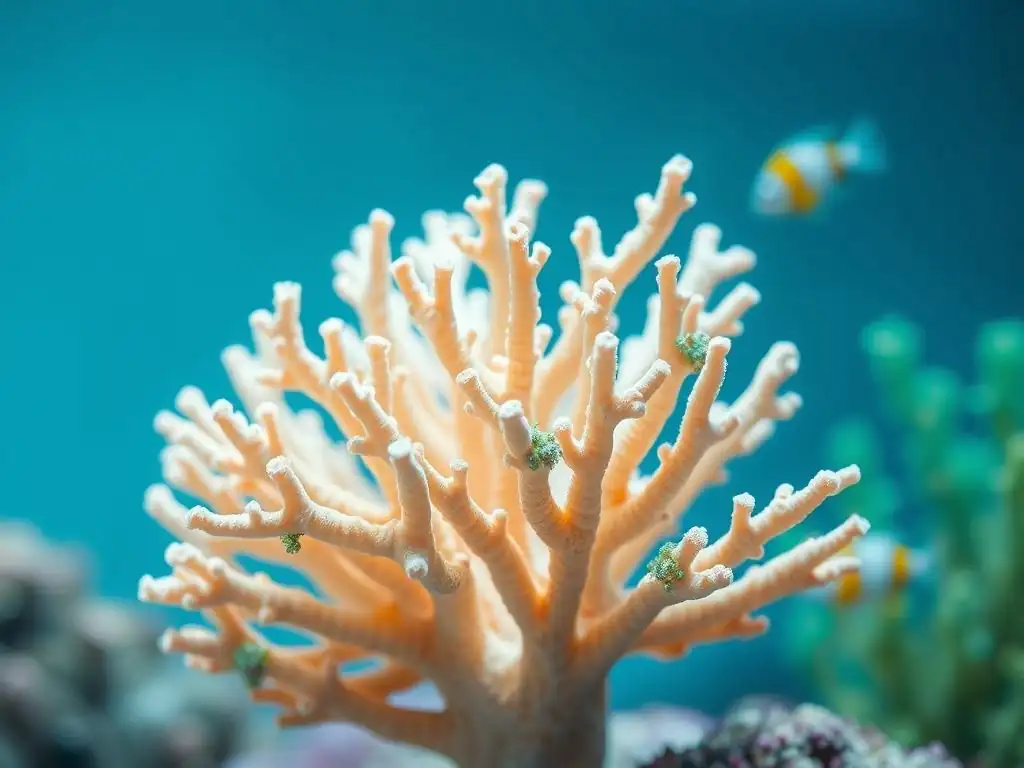
While overfeeding poses significant risks, underfeeding or providing an imbalanced diet can also lead to adverse effects on SPS corals. Nutritional deficiencies can manifest in various observable ways, signaling that the corals are not receiving adequate sustenance. Common signs include pale or washed-out coloration, which indicates a lack of sufficient pigments or energy reserves, and noticeably slow or stunted growth rates, where new growth tips fail to extend or branches appear unusually thin. For example, a severe lack of essential fatty acids might result in consistently poor polyp extension in Acropora, even during feeding times.
Another critical indicator is reduced polyp extension, where the polyps remain retracted or only partially extended for prolonged periods, signifying a lack of energy or a stressed state. In more advanced stages, tissue recession (RTN or STN) can occur, where coral tissue begins to recede from the skeleton, often starting from the base or tips.
If a Montipora digitata appears dull or its polyps are consistently shriveled, or if the tips of a Seriatopora hystrix are not growing and appear white or translucent, it might indicate a lack of available nutrients or an imbalance in their diet, prompting an immediate review and adjustment of the feeding strategy.
Monitoring and Adjusting Your SPS Coral Feeding Strategy
Regular Observation: Assessing Coral Growth and Coloration
Consistent visual inspection is the cornerstone of any effective SPS coral feeding strategy. Aquarists should regularly observe their Acropora, Montipora, and Seriatopora colonies for signs of health and growth. Key indicators include the presence of new growth tips, particularly at the ends of branches, increased branching or encrustation, and intensified coloration. A healthy Acropora colony, for example, can exhibit impressive growth rates, often adding 0.5-1 cm of new branch length per month under optimal conditions. Taking weekly or bi-weekly reference photos from consistent angles can be an invaluable tool for tracking subtle changes and long-term progress.
Beyond growth, pay close attention to polyp extension. Healthy SPS corals typically display extended polyps, especially during the day and prior to feeding, indicating they are actively hunting for food. Changes in color, such as fading, browning, or a general dullness, can often be early warning signs that the current feeding regimen is either insufficient, imbalanced, or contributing to water quality issues. These visual cues provide immediate feedback, allowing aquarists to make timely adjustments to their feeding practices.
Water Testing: Maintaining Optimal Nutrient Levels
While visual observation provides valuable qualitative data, regular water testing offers essential quantitative insights into the effectiveness of your feeding strategy and the overall health of your reef system. Consistent testing for nitrates (NO3) and phosphates (PO4) is paramount in SPS-dominated tanks. The goal is to maintain very low but detectable levels of these nutrients—typically nitrates between 0.5-5 ppm and phosphates between 0.02-0.05 ppm.
Levels that are too low (e.g., "zero" nitrates and phosphates) can lead to nutrient starvation in SPS corals, causing paleness and stunted growth. Conversely, levels that are consistently too high can fuel nuisance algae blooms and stress corals.
If nutrient levels are persistently low, it suggests that corals may be underfed, and an increase in feeding frequency or dosage might be warranted. If, however, nitrates and phosphates are consistently elevated, it indicates overfeeding or insufficient nutrient export, necessitating a reduction in food input or an increase in methods like protein skimming, water changes, or the use of a refugium.
Additionally, periodic ICP-OES (Inductively Coupled Plasma - Optical Emission Spectrometry) testing, perhaps every few months, can provide a comprehensive analysis of trace elements, revealing any deficiencies or excesses that might not be apparent through standard hobbyist test kits, allowing for a truly data-driven Acropora coral food review of your tank's nutritional status.
Conclusion: The Best Approach to Acropora, Montipora & Seriatopora Nutrition
There is no single "best" food for Acropora, Montipora, and Seriatopora corals, but rather a best strategy that integrates a diverse range of nutritional sources and adapts to the specific needs of your reef system. Relying solely on the photosynthetic capabilities of zooxanthellae is insufficient for maximizing the growth, coloration, and resilience of these demanding SPS corals. A comprehensive approach involves understanding their heterotrophic requirements and providing a balanced diet rich in proteins, essential fatty acids, amino acids, and vital trace elements.
Whether opting for high-quality commercial foods like Reef Nutrition R.O.E., Polyp-Lab Reef-Roids, or Aquaforest's specialized color enhancers, or embracing the cost-effectiveness and control offered by DIY recipes such as blenderized Mysis and rotifers or gut-loaded live brine shrimp, diversity is key. Implementing effective feeding techniques like targeted dosing and optimizing water flow during feeding periods will maximize nutrient uptake and minimize waste.
Crucially, continuous monitoring through regular observation of coral growth and coloration, coupled with consistent water testing for key nutrient parameters, empowers aquarists to fine-tune their feeding regimen. By embracing this holistic and adaptive approach, informed by a thorough Acropora coral food review and practical application, you can cultivate a vibrant, rapidly growing, and exceptionally healthy SPS-dominated reef aquarium.
Frequently Asked Questions
How important is proper feeding for Acropora corals?
Proper feeding is crucial for the health and growth of Acropora corals. They rely on both photosynthesis and supplemental feeding to thrive in a reef aquarium.
What are some good commercial food options for Acropora corals?
Many commercial foods are designed for small-polyp stony (SPS) corals like Acropora. Look for products containing amino acids and small particulate matter that the corals can easily capture.
Can I make my own DIY food for Acropora corals?
Yes, DIY food options exist, but they require careful consideration. Blended seafood mixes or rotifer cultures can be effective if prepared and administered properly, ensuring particle size is small enough for Acropora.
What are the risks associated with overfeeding Acropora corals?
Overfeeding can lead to nutrient imbalances in the aquarium. This can cause algae blooms and negatively impact water quality, ultimately harming the Acropora and other inhabitants.
How often should I feed my Acropora corals?
Feeding frequency depends on the size of the colony and the tank's overall nutrient levels. A good starting point is 2-3 times per week, while closely monitoring the tank's parameters and the coral's response.
Final Reflection: Cultivating Reef Resilience
The journey through the best commercial and DIY foods for Acropora, Montipora, and Seriatopora corals highlights a crucial truth: the health of our reefs hinges on our dedication to providing optimal nutrition. The detailed review of various food options underscores the complex interplay between science, observation, and responsible reef keeping, reminding us that a thriving reef aquarium is a microcosm of the larger, more fragile ocean ecosystem.
This exploration into coral nutrition has profoundly influenced my perspective on reef keeping, shifting it from a mere hobby to a deeply felt responsibility. The delicate balance within these ecosystems demands constant learning and adaptation. In the end, we will conserve only what we love; we will love only what we understand; and we will understand only what we are taught.
- Baba Dioum. This quote resonates deeply, emphasizing the importance of education and understanding in fostering a genuine appreciation for the intricate beauty and vulnerability of coral reefs.
As we conclude this "Acropora coral food review," I invite you to reflect on your own role in preserving these underwater wonders. Consider how your choices, from the foods you select to the practices you adopt, contribute to the overall health and resilience of your reef aquarium and, by extension, the global coral reef ecosystem. Let us all strive to be informed, responsible stewards, ensuring that future generations can marvel at the vibrant beauty of these underwater cities.
Unlock the Secret to Vibrant Coral Growth!
Thanks for diving deep into the world of coral nutrition! We hope you found some actionable insights to boost the health and vibrancy of your Acropora, Montipora, and Seriatopora. Ready to take the next step and see real results?
Here are a few things you can do right now:
- Experiment with a DIY coral food recipe mentioned in the article, and observe the polyp extension in your corals! This is the single most impactful action you can take!
- Explore different feeding techniques to optimize nutrient uptake and minimize waste within your aquarium.
- Share this article with fellow reef keepers and discuss your favorite coral foods in the comments section!
What unexpected benefit have you noticed in your corals after switching to a new feeding regimen?