
Too Much or Too Little Flow? Finding the SPS Sweet Spot for Each Unique Species

Welcome to Aquarium Mastery!
Ever wondered if your SPS coral is truly thriving or just surviving in your reef tank? Achieving the perfect balance of water flow is crucial for their health and vibrant colors, but it's a delicate dance. This article dives deep into the nuances of SPS coral water flow, revealing the secrets to identifying the ideal conditions for each unique species. Ready to unlock the potential of your SPS corals? Let's get started!
- Finding the SPS Sweet Spot: Optimizing Flow for Coral Health
- Understanding Water Flow's Vital Role in SPS Coral Health
- Identifying Ideal Flow Rates for Different SPS Coral Genera
- Factors Influencing SPS Coral Water Flow Needs
- Recognizing Signs of Improper SPS Coral Water Flow
- Achieving Optimal SPS Coral Water Flow: Practical Solutions
- Fine-Tuning Water Flow for Individual SPS Coral Placement
- Maintaining Consistent and Healthy Water Flow for SPS Corals
- Troubleshooting Common SPS Coral Flow Problems
-
Frequently Asked Questions
- How crucial is water flow for SPS coral health in a reef aquarium?
- What are some signs that my SPS corals are experiencing insufficient water flow?
- How can I determine the ideal water flow rate for different SPS coral species in my tank?
- What are the potential risks of providing excessive water flow to SPS corals?
- What types of equipment can I use to create and control water flow in an SPS coral reef aquarium?
- Final Reflection: Navigating the Currents of Life
- Unlock Thriving SPS: Cultivate Your Reef Tank Dream!
Finding the SPS Sweet Spot: Optimizing Flow for Coral Health
Understanding Water Flow's Vital Role in SPS Coral Health
Why Optimal Water Flow is Crucial for SPS Corals
Optimal SPS coral water flow is paramount for the health and vibrant growth of Small Polyp Stony (SPS) corals in a reef aquarium. These corals, including popular genera like Acropora, Montipora, and Seriatopora, thrive in environments with robust and often turbulent water movement, mirroring their natural reef habitats.
Proper SPS coral water flow ensures the continuous delivery of essential nutrients, such as calcium, alkalinity, and trace elements, directly to the coral polyps, which are vital for calcification and skeletal growth. Without adequate flow, these crucial elements can become depleted in the immediate vicinity of the coral, hindering its metabolic processes.
Beyond nutrient delivery, effective water flow for SPS corals is critical for waste removal. Corals, like all living organisms, produce metabolic waste products. Stagnant water allows these byproducts to accumulate around the coral tissue, potentially leading to stress, tissue necrosis, and susceptibility to disease. Furthermore, strong flow helps to prevent the settling of detritus and sediment on the coral's delicate polyps and skeleton. A clean surface promotes efficient light absorption and reduces the risk of bacterial infections or nuisance algae growth, all of which contribute significantly to the long-term vitality and coloration of SPS corals.
Consequences of Insufficient Water Flow for SPS
Insufficient SPS coral water flow can lead to a cascade of negative effects, severely impacting coral health and growth. One of the most immediate signs is the accumulation of detritus and marine snow on the coral's branches and base. For example, in a tank with inadequate circulation, a Montipora digitata colony might show a brownish film on its lower branches, indicating settled waste. This detritus can smother polyps, block light, and create anaerobic conditions, leading to localized tissue death, often starting from the base of the coral and progressing upwards.
Moreover, poor water flow for SPS corals results in nutrient depletion at the coral-water interface. Corals rely on the constant replenishment of dissolved oxygen, calcium, and carbonate hardness. If the water around an Acropora millepora is not constantly refreshed, these vital elements are quickly consumed, and the coral's growth rate will slow significantly, or even cease.
This can be observed as stunted growth, pale coloration, or a general lack of vibrancy compared to corals in optimal flow. In severe cases, prolonged low flow can lead to overall tissue recession and increased susceptibility to pests and diseases, as the coral's immune system is compromised.
Dangers of Excessive Water Flow on SPS Corals
While robust SPS coral water flow is generally beneficial, excessive or improperly directed flow can also be detrimental. High-velocity, laminar flow directly impacting a coral for extended periods can cause significant physical damage. Imagine a high-powered pump blasting directly onto a delicate Seriatopora hystrix colony; the continuous force can cause tissue stripping, where the coral's flesh separates from its skeleton. This damage exposes the underlying skeleton, making the coral highly vulnerable to infection, algae colonization, and ultimately, complete tissue loss.
Furthermore, overly aggressive water flow for SPS can stress the polyps, preventing them from extending fully to capture food or absorb light effectively. A Pocillopora damicornis, known for its bushy growth, might show severely retracted polyps and a "blasted" appearance if placed in a direct, unrelenting current.
This constant stress diverts energy from growth and calcification towards mere survival. While some SPS corals, particularly certain Acropora species, thrive in very high flow, it's crucial to ensure the flow is turbulent and chaotic, mimicking natural reef conditions, rather than a single, focused blast that can physically abrade the coral tissue over time.
Identifying Ideal Flow Rates for Different SPS Coral Genera
Acropora Flow Requirements: Achieving the Perfect Balance
Acropora corals, widely regarded as the kings of the reef, generally demand high and turbulent SPS coral water flow to thrive. In their natural habitats, they are often found in exposed reef crests and slopes where strong, chaotic currents are the norm. For an Acropora colony in a home aquarium, the ideal flow often translates to 30-50 times the tank's total volume per hour, distributed by multiple powerheads to create varying directions and velocities. For instance, in a 100-gallon display, this could mean an effective flow rate of 3,000 to 5,000 gallons per hour (GPH) from circulation pumps.
Achieving the perfect balance for Acropora involves not just the sheer volume of water movement, but also its quality. Laminar, or unidirectional, flow can be harmful, whereas chaotic and oscillating flow mimics the natural surge of the ocean.
Observing polyp extension is key: healthy Acropora polyps should be fully extended and gently swaying in the current, not retracted or blasted flat against the skeleton. Species like Acropora valida or Acropora humilis often prefer the highest flow areas, benefiting from direct but non-constant current that prevents detritus from settling and ensures rapid nutrient delivery to every part of their intricate branching structures.
Montipora Flow Needs: Placement and Water Movement
Montipora corals, known for their plating, encrusting, and branching forms, typically prefer moderate to high SPS coral water flow, though generally less intense than the most demanding Acropora species. While they appreciate good circulation to prevent detritus accumulation and ensure nutrient exchange, excessively strong, direct flow can sometimes cause tissue recession, especially on thinner plating forms. A general guideline for Montipora is to provide flow that allows for gentle polyp movement without them being constantly flattened.
For plating Montipora, such as Montipora capricornis, placement on the mid to upper levels of the rockwork, exposed to indirect but consistent flow from multiple angles, is often ideal. Branching Montipora like Montipora digitata can tolerate slightly higher, more direct flow. In a typical reef setup, positioning a Montipora colony where it receives flow from a powerhead approximately 12-18 inches away, or in a cross-flow pattern, often yields excellent results. This ensures that the entire colony receives adequate water flow for SPS without experiencing undue stress, promoting vibrant coloration and healthy growth.
Seriatopora Flow Preferences: Finding the Right Current
Seriatopora corals, including popular species like Seriatopora hystrix (Bird's Nest) and Seriatopora guttatus, generally prefer moderate to high SPS coral water flow. Their delicate, often thin branches and small polyps are susceptible to both detritus accumulation in low flow and tissue damage from overly aggressive, direct blasts. The key for Seriatopora is consistent, turbulent flow that prevents dead spots around their dense branching structures.
In an aquarium, placing Seriatopora colonies in areas that receive indirect, yet robust, SPS coral water flow is usually optimal. For example, positioning them in the upper to mid-sections of the tank where they benefit from the general circulation created by powerheads, without being directly in front of a pump's output, helps maintain their health.
Observing their polyps is crucial: they should be extended and gently swaying, indicating good nutrient exchange and waste removal, without showing signs of stress or retraction. A flow range that creates gentle, chaotic movement around the colony, rather than a strong, unidirectional push, is often ideal.
Pocillopora Flow Requirements: Maintaining Health and Color
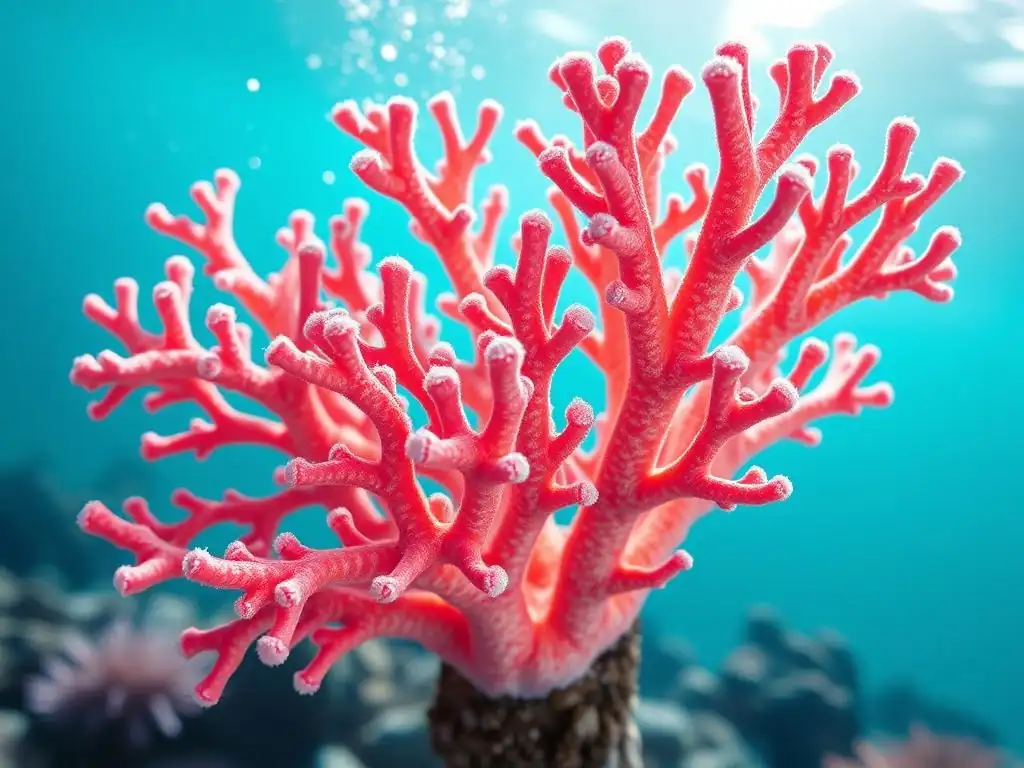
Pocillopora corals, recognized for their robust, often bumpy branches and vibrant colors, thrive in moderate to high SPS coral water flow. Their natural habitat often includes exposed reef zones where they experience significant water movement. For a Pocillopora damicornis or Pocillopora verrucosa in a home aquarium, consistent, turbulent flow is essential to prevent detritus from settling within their dense, cauliflower-like structures and to ensure adequate nutrient delivery.
While they can tolerate strong currents, the flow should ideally be chaotic rather than laminar. A single, powerful stream directly impinging on a Pocillopora colony can cause tissue recession, particularly on the leading edge. Instead, positioning them in an area that receives alternating or multidirectional water flow for SPS corals, perhaps from two opposing powerheads, will mimic natural reef surge and promote healthy polyp extension and vibrant coloration. Observing full polyp extension and clean, vibrant tissue is a good indicator that the SPS flow requirements are being met for these hardy corals.
Stylophora Flow Preferences: Ensuring Optimal Nutrient Uptake
Stylophora corals, often characterized by their blunt, branching tips and fuzzy appearance due to extended polyps, generally prefer moderate to high SPS coral water flow. Similar to Pocillopora, they are quite adaptable but perform best when provided with robust, yet turbulent, water movement that prevents detritus buildup and ensures efficient nutrient uptake. Their polyps are relatively large for an SPS coral, and they rely on good flow to bring food particles and dissolved nutrients directly to them.
For a Stylophora pistillata colony, placing it in an area of the tank where it receives good general circulation, perhaps from a powerhead positioned to create indirect flow, is ideal. Direct, high-velocity laminar flow can cause polyp retraction and stress over time.
Instead, aim for a flow pattern that causes the polyps to gently sway and extend fully, indicating optimal conditions for feeding and gas exchange. Adequate SPS coral water flow for Stylophora helps maintain their striking colors, such as pinks, greens, and purples, and supports their relatively fast growth rates by continuously delivering the building blocks for their skeleton.
Factors Influencing SPS Coral Water Flow Needs
Tank Size and Shape Considerations for Water Circulation
The size and shape of an aquarium significantly influence the overall SPS coral water flow dynamics and the placement of circulation equipment. A larger tank, such as a 200-gallon reef system, will naturally require more powerful and numerous flow pumps than a 50-gallon nano tank to achieve the desired turnover rates for SPS corals, often aiming for 20-40 times the tank volume per hour.
The dimensions of the tank also play a crucial role; a long, shallow tank might benefit from powerheads placed at opposing ends to create a gyre, while a tall, narrow tank might need pumps positioned at various depths to ensure uniform circulation from top to bottom.
Furthermore, the aquascape itself — the arrangement of live rock and coral colonies — profoundly impacts water flow for SPS. Densely packed rockwork can create "dead spots" or areas of minimal flow, leading to detritus accumulation and poor coral health, even if the overall tank circulation is high. Therefore, when designing an aquascape for SPS corals, it's essential to consider how water will move through and around the rock structure, leaving sufficient open channels and gaps to facilitate robust and chaotic flow patterns that reach all areas, particularly where SPS corals will be placed.
Lighting Intensity and its Impact on Flow Requirements
The intensity of lighting in an SPS dominated reef tank has a direct correlation with the SPS coral water flow requirements. Corals under very high Photosynthetically Active Radiation (PAR) levels, typical of strong LED or T5HO setups, have significantly higher metabolic rates. This increased metabolic activity means they consume dissolved gases (like oxygen and carbon dioxide) and nutrients (like calcium and alkalinity) at a much faster pace. Consequently, they require more vigorous water movement to constantly replenish these vital elements in their immediate vicinity and to efficiently remove metabolic waste products.
For example, an Acropora colony placed directly under a high-intensity LED fixture might need 1.5 to 2 times more localized water flow for SPS than an identical colony placed in a lower PAR zone of the same tank. This heightened flow ensures that the coral can effectively uptake the increased photosynthetic output and prevent localized nutrient depletion, which could otherwise lead to bleaching or stunted growth despite ample light. Therefore, when upgrading lighting, it's often necessary to simultaneously reassess and potentially upgrade circulation to maintain optimal conditions for SPS corals.
Nutrient Levels and Their Connection to Water Flow
The ambient nutrient levels in a reef aquarium, specifically nitrates and phosphates, have a notable connection to the optimal SPS coral water flow requirements. In systems with very low nutrient levels, often targeted for vibrant SPS coloration (e.g., nitrates below 5 ppm and phosphates below 0.03 ppm), corals rely heavily on robust water movement to deliver the minimal available nutrients and trace elements directly to their polyps. In such ultra-low nutrient systems, excellent flow is crucial to prevent nutrient starvation, as corals primarily rely on photosynthesis and dissolved organic matter for energy.
Conversely, in systems with slightly elevated nutrient levels, excellent water flow for SPS corals helps to prevent the accumulation of organic matter and detritus that can fuel nuisance algae growth. For instance, if a tank has a nitrate level of 10-15 ppm, strong flow helps to keep the water column clean and prevents the organic material from settling on corals, which could lead to tissue irritation or localized algae outbreaks.
While flow doesn't directly remove nutrients, it facilitates their processing by the entire reef ecosystem and ensures that the corals themselves remain clean and healthy, regardless of the nutrient concentration.
Recognizing Signs of Improper SPS Coral Water Flow
Visual Indicators of Insufficient Flow in SPS Corals
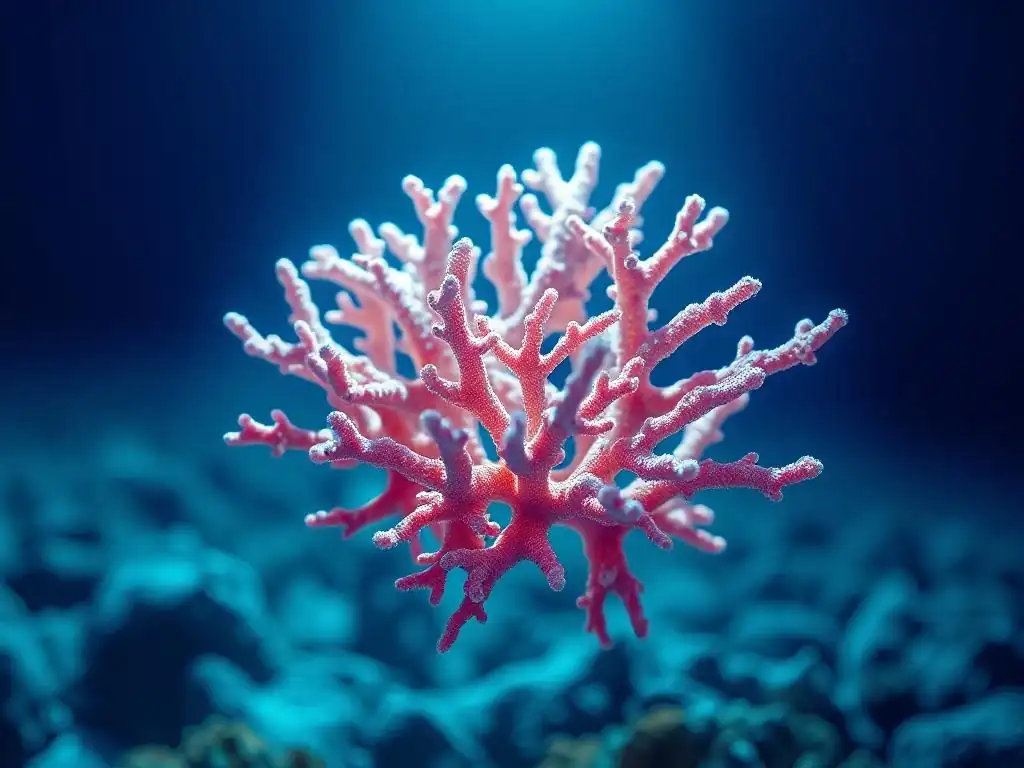
Recognizing the visual indicators of insufficient SPS coral water flow is crucial for timely intervention. One of the most common and easily identifiable signs is the accumulation of detritus, marine snow, or even cyanobacteria (red slime algae) on the coral's branches or within its intricate structures.
For example, a branching Acropora colony might show small patches of brownish-grey detritus clinging to its lower branches, indicating that water movement isn't strong enough to whisk away settled particles. This accumulation can lead to tissue recession, often starting from the base of the coral, as the polyps become smothered and starved of light.
Another key indicator is a general lack of polyp extension or polyps that appear limp and unresponsive. Healthy SPS polyps, such as those of a Stylophora pistillata or Seriatopora hystrix, should be fully extended and gently swaying in the current, indicating active feeding and gas exchange. If polyps remain retracted, or if they appear "flat" and lifeless despite good water parameters, it often suggests that the water flow for SPS is not adequately delivering oxygen and nutrients or removing waste products from the immediate vicinity of the coral, hindering its metabolic processes.
Identifying Symptoms of Excessive Flow in SPS Corals
While often less common than insufficient flow issues, recognizing symptoms of excessive SPS coral water flow is equally important to prevent coral damage. The most severe symptom is tissue stripping or tissue recession, where the coral's flesh appears to be blasted off the skeleton, exposing white patches. This typically occurs when a high-velocity, laminar (unidirectional) current is directly and relentlessly hitting a delicate part of the coral, such as the tip of an Acropora branch or the edge of a Montipora plate. The exposed skeleton is then highly susceptible to algae growth and infection.
Another common sign of overly strong water flow for SPS is persistently retracted polyps, or polyps that appear "blasted" flat against the coral's skeleton. Unlike polyps retracted due to insufficient flow (where they might appear limp), polyps in excessive flow often look tightly clenched and stressed, as if trying to protect themselves from the onslaught. For instance, a Pocillopora damicornis might exhibit this symptom, with its normally fuzzy polyps almost completely hidden. Corals in such conditions divert energy from growth and health towards simply withstanding the constant physical stress, leading to stunted growth and faded coloration over time.
Polyp Extension as a Key Indicator of Flow Health
Polyp extension is one of the most reliable and immediate visual indicators of optimal SPS coral water flow and overall coral health. Healthy SPS corals, when provided with appropriate water movement, will typically exhibit good polyp extension, meaning their tiny polyps are fully stretched out from the coral's skeleton, giving the colony a "fuzzy" appearance. For example, a well-placed Seriatopora hystrix will have its polyps gently swaying in the current, actively filtering the water for food particles and engaging in gas exchange. This full extension signifies that the coral is comfortable, feeding, and efficiently receiving nutrients while expelling waste.
Conversely, poor polyp extension can signal issues with SPS coral water flow. If polyps are consistently retracted, it could indicate either insufficient flow (leading to detritus buildup or nutrient depletion) or excessive, direct flow (causing physical stress).
Observing how polyps react to the current – whether they are gently swaying, completely flattened, or show signs of tearing – provides critical feedback on whether the SPS flow requirements are being met. Consistent observation over several hours, and even days, allows aquarists to fine-tune their flow patterns, aiming for that ideal "gentle sway" that promotes maximum polyp extension and, consequently, robust coral growth and vibrant coloration.
Achieving Optimal SPS Coral Water Flow: Practical Solutions
Utilizing Powerheads for Targeted Water Movement
Powerheads are indispensable tools for achieving targeted SPS coral water flow within a reef aquarium. These submersible pumps allow aquarists to direct strong, localized currents precisely where needed, complementing the main return pump flow.
Modern powerheads, such as those with wide flow patterns or adjustable outputs, can be strategically placed to create turbulent and chaotic flow that mimics natural reef conditions. For instance, a single powerhead can be positioned behind a large Acropora colony to prevent dead spots, or two powerheads can be aimed at each other to generate a random, oscillating current that benefits a wide range of SPS corals.
When selecting and placing powerheads for optimal water flow for SPS corals, consider the overall tank volume and the specific needs of the corals in that area. For a 75-gallon tank with several SPS colonies, using two or three adjustable powerheads, each rated for 800-1500 GPH, can create effective cross-flow patterns. Placement should avoid direct, constant blasts onto a single coral, instead aiming for indirect flow that bounces off rockwork or the opposing glass. Regularly experimenting with angles and positions of these powerheads is key to distributing flow evenly and effectively throughout the entire SPS display.
Wave Makers: Simulating Natural Reef Conditions
Wave makers are advanced circulation devices designed to simulate the natural ebb and flow, or surge, of ocean currents, creating dynamic and random SPS coral water flow patterns. Unlike standard powerheads that often provide a constant, unidirectional stream, wave makers cycle between different flow rates, pulse, or even reverse direction, producing a more natural and beneficial environment for SPS corals. This chaotic and oscillating flow prevents corals from adapting to a single current direction, reducing the likelihood of tissue damage from constant stress and promoting more uniform growth.
For example, a wave maker system with two opposing pumps can be programmed to create a gyre motion in a 150-gallon tank, where water moves in a circular pattern, then reverses, effectively reaching all parts of the aquascape. This type of water flow for SPS corals is highly advantageous for Acropora and Montipora species, as it ensures continuous nutrient delivery and waste removal from all sides of the colony, preventing stagnant areas.
The use of wave makers allows aquarists to fine-tune the intensity and frequency of these "waves," providing a highly customizable and natural flow environment that significantly contributes to the long-term health and vibrant coloration of SPS corals.
Return Pumps: Ensuring Adequate System-Wide Circulation
While powerheads and wave makers provide targeted and localized SPS coral water flow, the return pump is crucial for ensuring adequate system-wide circulation and maintaining overall water quality in a reef aquarium. The return pump moves water from the sump (where filtration, heating, and other equipment are typically housed) back into the main display tank. Its primary role is to maintain the overall turnover rate of the entire system, typically aiming for 5-10 times the tank volume per hour through the sump, ensuring that all water passes through the filtration media.
A strong return pump contributes to water flow for SPS corals by creating a baseline level of circulation throughout the display tank, even before additional powerheads are considered. For example, a 100-gallon tank with a 1500 GPH return pump (after accounting for head pressure) will provide a general background flow that helps prevent large-scale dead spots and ensures that filtered, oxygenated water is constantly introduced.
While not designed to create the turbulent, high-velocity flow needed directly around SPS corals, an efficient return pump is the foundational element for a healthy reef system, supporting the broader environment in which SPS corals thrive.
Fine-Tuning Water Flow for Individual SPS Coral Placement
Observing Coral Behavior to Adjust Flow
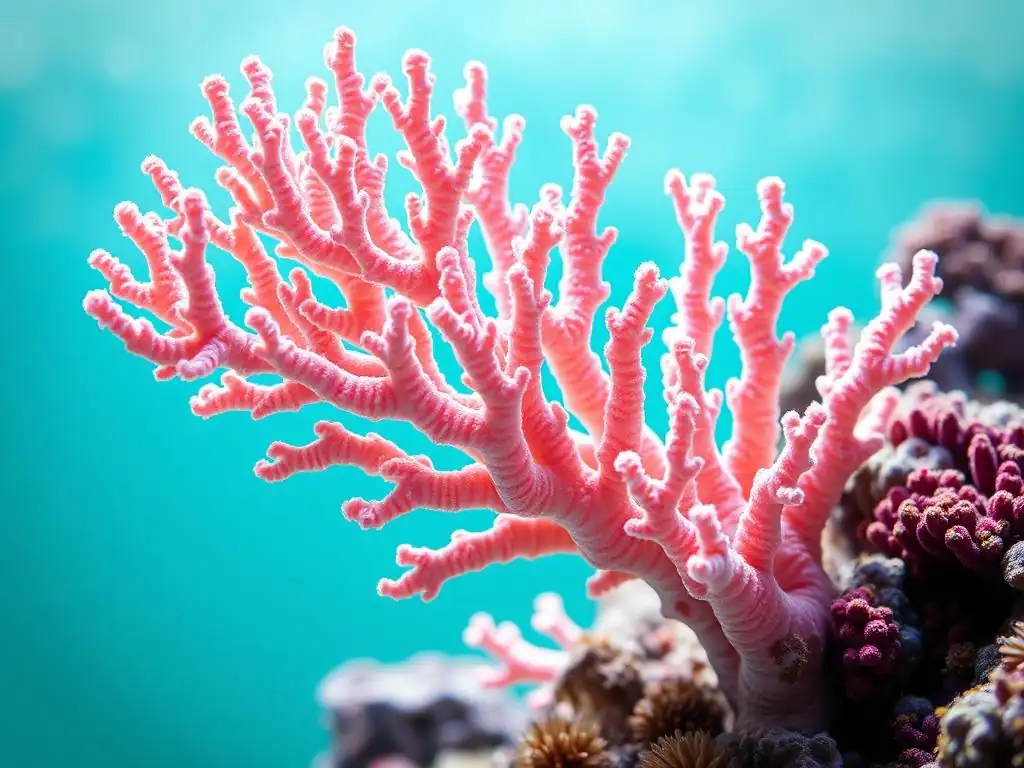
Observing the behavior of individual SPS corals is the most critical method for fine-tuning SPS coral water flow. Corals communicate their comfort levels through their polyp extension, coloration, and overall appearance. For instance, a Stylophora pistillata colony with polyps fully extended and gently swaying indicates ideal flow, whereas polyps that are constantly retracted or appear "blasted" against the skeleton suggest excessive or direct flow. Conversely, a lack of polyp extension or the accumulation of detritus often points to insufficient flow.
Daily visual inspection, particularly during and after feeding, can provide valuable insights. If an Acropora colony consistently shows detritus settling on its branches despite good overall tank flow, it might need a small, targeted powerhead adjusted to create more localized turbulence. Conversely, if a Montipora plate shows signs of tissue recession on its leading edge, reducing the directness or intensity of the nearby water flow for SPS would be necessary. This continuous process of observation and subtle adjustment, often over several weeks, allows aquarists to find the perfect "sweet spot" for each unique coral.
Using Flow Meters to Measure Water Velocity
While visual observation is key, using flow meters can provide precise, quantitative data to assist in fine-tuning SPS coral water flow. These devices can measure the actual water velocity (e.g., in feet per second or centimeters per second) at specific points within the aquarium, offering a more objective assessment than visual cues alone. For aquarists aiming for highly optimized conditions, knowing the exact flow rate around a particular coral can be invaluable, especially when trying to replicate conditions known to be ideal for certain demanding Acropora species.
For example, if an aquarist reads that a particular Acropora species thrives in localized flow velocities of 20-30 cm/s, a flow meter can confirm whether current powerhead placement is achieving this. While not a common tool for every hobbyist, professional aquarists and advanced reef keepers often employ flow meters to scientifically dial in their water flow for SPS corals, ensuring consistency and precision. This objective data, combined with careful observation, allows for highly accurate adjustments, minimizing guesswork and maximizing the chances of achieving vibrant, thriving SPS colonies.
Adjusting Flow Based on Coral Morphology and Location
Adjusting SPS coral water flow based on the specific morphology (shape) and location of each coral colony is essential for optimal health. Different SPS genera, and even species within the same genus, have varying flow requirements due to their growth forms and polyp structures. For example, a delicate, highly branched Seriatopora hystrix might thrive in turbulent, indirect flow that prevents detritus buildup without physically damaging its thin branches. In contrast, a robust, encrusting Montipora might tolerate, and even benefit from, more direct, higher-velocity flow.
Furthermore, the coral's placement within the tank directly impacts the required flow adjustment. Corals placed higher in the aquascape, closer to the water surface or in direct path of powerheads, will naturally receive more intense flow. Lower-lying corals, or those nestled within intricate rockwork, may require additional, smaller powerheads to ensure adequate water flow for SPS in those potentially shaded or dead-spot areas. This tailored approach, considering both the coral's inherent needs and its specific micro-environment, allows aquarists to create a diverse flow regime that supports the health and growth of a mixed SPS collection.
Maintaining Consistent and Healthy Water Flow for SPS Corals
Regular Equipment Maintenance for Optimal Flow
Regular equipment maintenance is paramount for ensuring consistent and healthy SPS coral water flow in a reef aquarium. Over time, powerheads, wave makers, and return pumps can become fouled with coralline algae, detritus, and bacterial films, significantly reducing their output and efficiency. For example, a powerhead rated for 2000 GPH might only be producing 1200 GPH if its impeller and casing are heavily encrusted with algae, leading to a noticeable drop in localized flow around SPS corals.
A routine maintenance schedule should include:
- Weekly/Bi-weekly Visual Inspection: Check pumps for visible debris or algae growth.
- Monthly/Bi-monthly Cleaning: Remove powerheads and wave makers for thorough cleaning. This typically involves soaking them in a weak acid solution (like vinegar) for several hours to dissolve calcium deposits and scrubbing off any remaining algae or detritus from impellers, shafts, and cages.
- Quarterly/Semi-annual Return Pump Cleaning: Depending on the pump type and sump cleanliness, the main return pump should also be inspected and cleaned to maintain optimal system turnover.
Neglecting these maintenance steps can lead to gradual but significant reductions in water flow for SPS corals, causing stress and potentially leading to tissue recession or detritus accumulation in areas that were previously well-circulated.
Preventing Dead Spots and Ensuring Adequate Circulation
Preventing dead spots is crucial for maintaining consistent and healthy SPS coral water flow throughout the entire reef aquarium. Dead spots are areas of stagnant or very low water movement where detritus, uneaten food, and waste products can accumulate, leading to localized nutrient spikes, nuisance algae growth, and even anaerobic conditions. For SPS corals, prolonged exposure to dead spots can result in tissue necrosis, especially at the base of colonies, as they become smothered by debris.
Effective strategies for preventing dead spots include:
- Strategic Powerhead Placement: Utilize multiple powerheads, positioned at different angles and depths, to create chaotic, multidirectional flow that reaches all areas of the tank, including behind and within dense rockwork.
- Cross-Flow Patterns: Aim powerheads to create opposing currents or gyres, ensuring water is constantly moving and changing direction, preventing laminar flow and sweeping away settled particles.
- Aquascaping with Flow in Mind: Design the rockwork to have open channels and gaps, allowing water to flow freely through the structure rather than being blocked. Avoid creating large, enclosed caves or dense walls of rock where water cannot penetrate.
- Regular Substrate Siphoning (if applicable): In tanks with sandbeds, regular siphoning of detritus can help reduce organic buildup, especially in low-flow areas.
By diligently implementing these strategies, aquarists can ensure that every SPS coral, regardless of its location, receives adequate water flow for SPS, promoting overall tank health and vibrant coral growth.
Adapting Water Flow as SPS Corals Grow and Mature
Adapting SPS coral water flow as corals grow and mature is an often-overlooked but critical aspect of long-term reef keeping. Small frag or juvenile SPS colonies have different flow needs compared to large, established colonies. As an Acropora or Montipora colony grows, its branches become denser, creating more surface area and potentially blocking existing flow patterns, leading to new dead spots or reduced flow within the colony itself.
For example, a small Acropora millepora frag might thrive with moderate, indirect flow. However, as it grows into a mature colony with a diameter of 8-12 inches, its dense branching structure will require significantly more powerful and well-directed water flow for SPS to penetrate the colony's interior and prevent detritus accumulation. This often necessitates:
- Adding More Powerheads: Introducing additional circulation pumps to maintain adequate flow as the coral biomass increases.
- Repositioning Existing Pumps: Adjusting the angle or location of current powerheads to account for the coral's new size and shape.
- Pruning or Fragging: In some cases, strategically fragging or pruning overgrown colonies can help restore flow to the colony's interior and surrounding areas.
Regularly assessing the growth of SPS corals and proactively adjusting SPS flow requirements ensures that they continue to receive optimal conditions throughout their lifespan, promoting sustained health and vibrant coloration.
Troubleshooting Common SPS Coral Flow Problems
Addressing Algae Growth Due to Poor Flow
Algae growth, particularly nuisance algae like cyanobacteria or dinoflagellates, is a common indicator of poor SPS coral water flow in specific areas of the aquarium. In stagnant or low-flow zones, detritus and organic waste tend to accumulate, providing a rich nutrient source that fuels undesirable algae blooms. For instance, if you observe patches of red slime algae forming on the sandbed directly beneath a dense Acropora colony, or on the lower branches of the coral itself, it's a strong sign that the water flow for SPS is insufficient in that immediate vicinity.
To address algae growth caused by inadequate flow:
- Increase Localized Flow: Add a small powerhead or reposition an existing one to create more turbulence and direct current to the affected area. Aim for indirect flow that sweeps away detritus without blasting the coral.
- Improve Overall Circulation: Re-evaluate the entire tank's circulation pattern. Are there enough powerheads? Are they positioned optimally to prevent dead spots? Consider adding a wave maker to create more chaotic and varied flow.
- Siphon Detritus: Manually siphon out accumulated detritus from the affected areas during water changes.
- Review Aquascaping: Ensure the rockwork allows for proper water penetration and doesn't create excessive shaded or stagnant zones. Removing or repositioning a piece of rock might significantly improve localized flow.
By improving SPS coral water flow, you not only inhibit the growth of nuisance algae but also create a healthier environment for your corals, preventing future outbreaks.
Dealing with Detritus Accumulation in Low-Flow Areas
Detritus accumulation in low-flow areas is a classic symptom of insufficient SPS coral water flow and poses a significant threat to coral health. Detritus, composed of uneaten food, fish waste, and decaying organic matter, settles in areas where water movement is minimal. This buildup can smother coral polyps, block light, and release nutrients as it decomposes, fueling nuisance algae growth and potentially leading to localized tissue necrosis, especially at the base of SPS colonies.
To effectively deal with detritus accumulation:
- Enhance Targeted Flow: The primary solution is to increase water flow for SPS in the affected areas. This might involve repositioning existing powerheads, adjusting their output, or adding new, smaller powerheads specifically aimed at the detritus-prone zones. For example, a small, adjustable powerhead can be placed behind a large Montipora plating colony to prevent detritus from settling on its underside.
- Create Turbulent Flow: Aim for chaotic and multidirectional flow rather than strong, laminar flow. Turbulent flow is more effective at suspending detritus particles, allowing them to be carried to mechanical filtration.
- Regular Manual Removal: During routine maintenance, use a turkey baster or small siphon to blast and remove accumulated detritus from rockwork and coral bases.
- Optimize Aquascaping: Ensure the rockwork design minimizes flat surfaces where detritus can easily settle and allows for clear pathways for water circulation. Open, airy aquascapes are generally better for SPS flow requirements.
Consistent efforts to improve SPS coral water flow and remove detritus are vital for maintaining a clean and healthy environment, preventing stress and disease in your corals.
While often associated with high temperatures or intense lighting, coral bleaching can also be a consequence of improper SPS coral water flow, particularly due to prolonged excessive or insufficient flow. In cases of excessive, direct, and constant flow, corals can experience "flow bleaching" where the physical stress causes the coral to expel its zooxanthellae (symbiotic algae), leading to a stark white appearance.
This is different from thermal bleaching, as the tissue may still be present but severely stressed. For example, an Acropora tip directly in the path of a powerful pump might turn white while the rest of the colony remains colored.
Conversely, severely insufficient SPS coral water flow can also contribute to bleaching. Stagnant conditions lead to localized depletion of essential nutrients and oxygen, and the accumulation of metabolic waste products around the coral. This can stress the coral to the point where it expels its zooxanthellae as a survival mechanism. To resolve flow-related bleaching:
- Assess and Adjust Flow: Carefully evaluate the current flow pattern. If excessive, redirect or reduce the intensity of the offending powerhead. If insufficient, increase circulation to the affected area.
- Introduce Turbulent Flow: Aim for chaotic, oscillating flow rather than a constant, direct blast. This mimics natural reef conditions and is less stressful.
- Monitor Coral Response: Observe the coral closely for signs of recovery, such as polyp extension returning and color slowly regaining over several days to weeks.
Addressing SPS coral water flow imbalances quickly is critical to preventing irreversible damage and promoting the recovery of bleached corals.
Frequently Asked Questions
How crucial is water flow for SPS coral health in a reef aquarium?
Water flow is absolutely essential for SPS coral health. It delivers nutrients and oxygen while removing waste, preventing stagnant conditions that can lead to tissue necrosis.
What are some signs that my SPS corals are experiencing insufficient water flow?
Signs of insufficient flow include tissue recession, algae growth on the coral's base, and a general lack of polyp extension. Corals might also appear dull or faded in color.
How can I determine the ideal water flow rate for different SPS coral species in my tank?
The ideal flow varies by species; however, start with a moderate flow and observe your corals closely. Adjust flow based on polyp extension, color, and overall health, and research the specific needs of each species.
What are the potential risks of providing excessive water flow to SPS corals?
Excessive flow can stress corals, leading to tissue damage and reduced polyp extension. It can also prevent the coral from effectively capturing food and expend unnecessary energy trying to stay in place.
What types of equipment can I use to create and control water flow in an SPS coral reef aquarium?
Wave makers, powerheads, and return pumps are all effective tools. Wave makers are ideal for creating turbulent, random flow. Adjustable powerheads allow for targeted flow, and return pumps ensure proper circulation throughout the tank.
The delicate balance of water flow, as we've explored in the context of SPS coral, serves as a powerful metaphor for life itself. Understanding the specific needs of each organism, each individual, is paramount to fostering growth and resilience. Just as too much or too little flow can devastate a coral reef, so too can imbalances in our own lives and communities stifle potential and create unnecessary hardship.
This exploration of SPS coral and their flow requirements has profoundly underscored the importance of nuance and observation. It reminds us that a one-size-fits-all approach rarely succeeds, and that true understanding comes from careful attention to individual needs and environmental factors. The only true wisdom is in knowing you know nothing.
- Socrates. This quote resonates deeply when considering the complexities of reef keeping and, indeed, of life itself. We must remain humble and continuously learn, adapting our approaches as new information comes to light.
As you reflect on the intricacies of SPS coral and the vital role of water flow, consider how you can apply these lessons to your own life. Are you providing the right "flow" – the right balance of support, challenge, and space – to the people and projects you care about? Let us all strive to be more mindful reef keepers, not just in our aquariums, but in our relationships, our communities, and our world.
Unlock Thriving SPS: Cultivate Your Reef Tank Dream!
Thank you for diving deep into the world of SPS corals! We hope you've gained valuable insights into achieving the perfect flow for your vibrant reef. Now, let's put that knowledge into action and watch your SPS thrive.
Here are a few ways to take the next steps:
- Start experimenting! Adjust the flow in your tank and carefully observe your SPS corals for signs of improved health and growth. Document your changes and the resulting reactions.
- Share your journey. Join the Aquarium Mastery community forum and post pictures of your SPS, detailing your flow setup and any challenges you've overcome.
- Research a new SPS coral species. Explore different types of SPS corals and create a "dream list" with planned tank placement, researching their ideal flow and lighting needs for when you are ready to add them to your ecosystem.
Ready to adjust your flow and bring your SPS to life? What specific coral will you target with improved flow first?