
Day & Night: Unveiling the Activity Patterns of Different Butterflyfish


Welcome to Aquarium Mastery!
Ever wondered what your Butterflyfish really get up to when the lights go out? Dive in with us as we explore the fascinating day and night activity patterns of different Butterflyfish species. Uncover their hidden routines, learn how these patterns impact their care, and discover what you can do to create a thriving environment for these captivating saltwater inhabitants. Ready to unlock the secrets of your Butterflyfish? Let's begin!
- Day & Night: Unveiling the Activity Patterns of Butterflyfish
- Understanding Butterflyfish Behavior: Diurnal and Nocturnal Habits
- Butterflyfish Day Activity: What to Expect in a Reef Aquarium
- Butterflyfish Night Activity: A Look at Their Resting Behaviors
- Comparing Activity Patterns Across Butterflyfish Species
- Providing Optimal Care Based on Butterflyfish Activity Patterns
- The Impact of Light on Butterflyfish Circadian Rhythms
- Troubleshooting Common Butterflyfish Activity Problems
- Conclusion: Appreciating the Daily Rhythms of Butterflyfish in Your Aquarium
-
Frequently Asked Questions
- How do Butterflyfish generally behave during the day versus the night?
- Do all Butterflyfish species exhibit the same day and night activity patterns?
- What factors influence the Butterflyfish's day and night activity patterns?
- How can I ensure my Butterflyfish has a healthy day/night cycle in my aquarium?
- What are the potential consequences of disrupting a Butterflyfish's natural day and night cycle?
- Final Reflection: Illuminating the Secrets of the Reef
- Dive Deeper: Nurture Your Reef & Observe Like Never Before!
Day & Night: Unveiling the Activity Patterns of Butterflyfish
Understanding Butterflyfish Behavior: Diurnal and Nocturnal Habits
Importance of Observing Butterflyfish Day and Night
Observing the distinct butterflyfish day night activity patterns is paramount for any dedicated aquarist. These intricate behaviors provide crucial insights into the health, well-being, and overall adaptation of your butterflyfish within their aquarium environment. By meticulously monitoring their routines, from active daytime foraging to subtle nighttime resting, you can proactively identify deviations that may signal stress, illness, or an unsuitable habitat, allowing for timely intervention.
Furthermore, understanding these natural rhythms empowers you to create a more authentic and enriching habitat. For instance, knowing when a particular butterflyfish species is most active helps in optimizing feeding schedules and ensuring they receive adequate nutrition. This detailed observation contributes significantly to replicating their natural reef environment, fostering a sense of security and promoting the long-term vitality of these delicate beauties.
Key Indicators of Healthy Butterflyfish Activity
Healthy butterflyfish exhibit predictable and consistent activity patterns throughout the day and night. During daylight hours, a thriving butterflyfish will typically be observed actively swimming, exploring the rockwork, and pecking at surfaces for food. Their fins should be erect and their movements fluid, with no signs of labored breathing or clamped fins. They might engage in social interactions, either with their own kind or compatible tank mates, showcasing their natural curiosity.
As night falls, healthy butterflyfish transition smoothly into a resting state. This often involves finding a preferred sleeping spot, typically a secure crevice or a sheltered area within the live rock structure, where they will remain relatively motionless. Subtle changes in coloration or patterning are also common indicators of a natural resting state. Consistency in these day and night butterflyfish activity patterns, day after day, is a strong sign of a well-adjusted and healthy fish.
Butterflyfish Day Activity: What to Expect in a Reef Aquarium
Peak Feeding Times for Diurnal Butterflyfish Species
Most butterflyfish species commonly kept in home aquariums, such as the Copperband Butterflyfish ( Chelmon rostratus) or the Racoon Butterflyfish ( Chaetodon lunula), are strictly diurnal, meaning their primary feeding and activity occur during daylight hours. Aquarists typically observe peak feeding responses shortly after the aquarium lights come on in the morning and again in the late afternoon. Offering small meals two to three times a day during these active periods is often most effective, as it mimics their natural continuous foraging on the reef.
These fish are natural grazers, constantly picking at live rock for micro-invertebrates, algae, and detritus. In the aquarium, they will readily accept a variety of prepared foods, including frozen mysis shrimp, brine shrimp, and high-quality flake or pellet foods, especially during their active feeding windows. Observing their eagerness to eat and clear coloration during these times is a key indicator of good health and natural butterflyfish day night activity patterns.
During daylight, butterflyfish exhibit a range of social behaviors, which vary significantly between species. Some, like the Pyramid Butterflyfish ( Hemitaurichthys polylepis), are known to form small schools or aggregations in the wild and can be kept in groups in very large aquariums. Others, such as the Pair Bonded Butterflyfish ( Chaetodon collare), often form monogamous pairs that will swim and forage together throughout the day, reinforcing their bond through synchronized movements.
Territorial displays are also common, particularly if multiple butterflyfish or species with similar body shapes and dietary needs are housed together in a tank that is too small. These displays can include fin-flaring, body posturing, and even short chases, typically aimed at establishing or defending a preferred foraging area or hiding spot. While these interactions are a natural part of their butterflyfish day night activity patterns, excessive aggression can indicate stress or an unsuitable environment.
Identifying Signs of Stress or Illness in Active Butterflyfish
Recognizing deviations from normal butterflyfish day activity patterns is crucial for early detection of stress or illness. A healthy butterflyfish is typically vibrant and active during the day. Signs of distress include prolonged hiding, particularly during peak daylight hours when they should be foraging or interacting. Lethargy, characterized by listless swimming or remaining motionless for extended periods without apparent reason, is another red flag.
Other indicators of potential issues include rapid or labored breathing (gilling), clamped fins held tightly against the body, or a noticeable loss of appetite. Fading of natural coloration, development of blotches, or the appearance of white spots (Ich) or velvet on their skin are also immediate causes for concern. Any significant change in their normal daytime butterflyfish activity patterns warrants immediate investigation into water parameters, tank mates, and potential pathogens.
Butterflyfish Night Activity: A Look at Their Resting Behaviors
Common Sleeping Positions and Locations of Butterflyfish
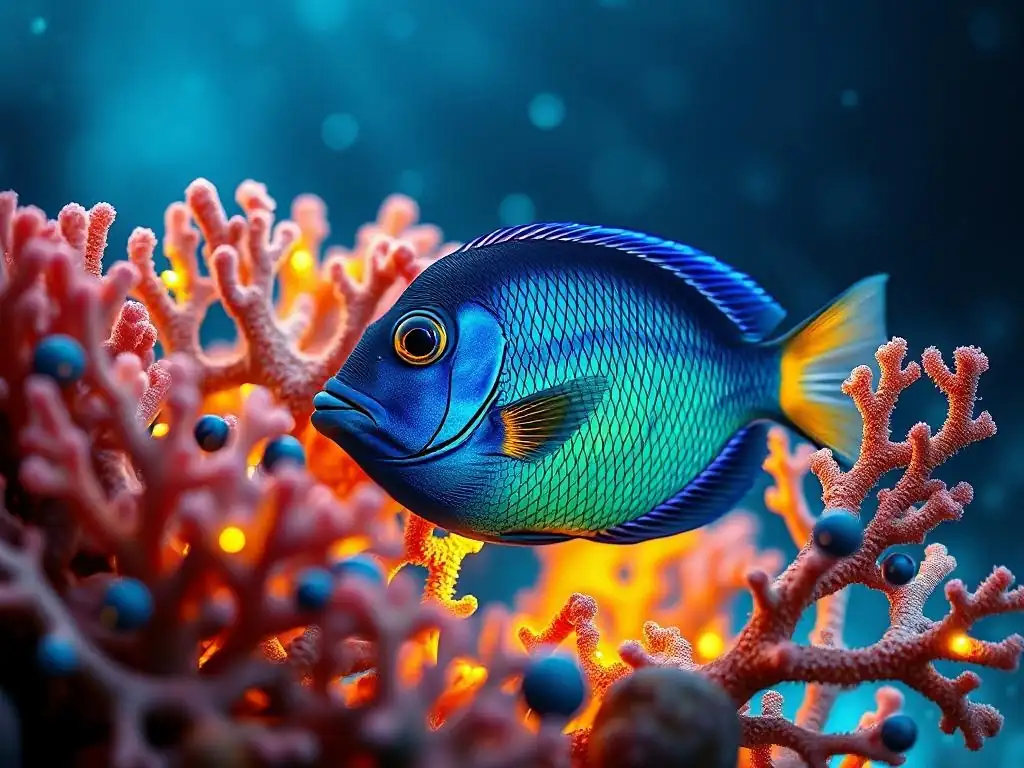
As the aquarium lights dim and darkness descends, butterflyfish transition from their active diurnal state to a resting phase. Their sleeping positions are often quite distinctive, reflecting their need for security during this vulnerable period. Many species will hover almost motionless in the water column, often tucked into a crevice or beneath an overhang of live rock.
Some might wedge themselves into a tight spot, using the surrounding rockwork for support. While less common, some individuals may even be observed resting on their side on the substrate, though this should be closely monitored to ensure it's a normal behavior for that specific fish and not a sign of distress.
The choice of sleeping location is equally important. Butterflyfish instinctively seek out sheltered, secluded areas away from strong currents and potential predators. These spots provide a sense of security, allowing them to lower their metabolic rate and enter a state of rest. A well-designed reef tank with ample live rock structures and varying water flow zones is essential to provide these crucial resting havens, supporting their natural butterflyfish day night activity patterns.
Changes in Coloration and Patterning at Night
One of the most fascinating aspects of butterflyfish day night activity patterns is the dramatic change in coloration and patterning exhibited by many species as they prepare for sleep. These "night colors" are a form of camouflage, designed to help them blend into the dark, shadowy reef environment and evade nocturnal predators. For example, the Racoon Butterflyfish ( Chaetodon lunula) often develops prominent dark blotches or bands across its body that are not visible during the day, making it almost unrecognizable to an unsuspecting observer.
These temporary pigment changes are controlled by specialized cells called chromatophores and are a natural, healthy response to the absence of light. Observing these shifts can be a good indicator that your butterflyfish are entering a restful state. If a fish retains its bright daytime coloration at night, or exhibits erratic movements in darkness, it could suggest stress or a lack of suitable resting conditions, disrupting its natural butterflyfish day night activity patterns.
The Role of Lighting in Influencing Nocturnal Rest
Consistent and appropriate lighting cycles are fundamental to facilitating natural nocturnal rest for butterflyfish. A complete period of darkness, typically 10 to 12 hours, allows their circadian rhythms to function correctly, signaling their bodies to enter a state of repose. This dark period is crucial for reducing stress, conserving energy, and allowing their immune systems to function optimally. Without adequate darkness, butterflyfish can become chronically stressed, leading to suppressed immunity and increased susceptibility to disease.
Conversely, insufficient darkness, caused by ambient room light, streetlights, or even a faulty aquarium light, can disrupt their sleep patterns significantly. This light pollution can prevent them from entering a deep rest, leading to fatigue and anxiety. Therefore, ensuring your aquarium is in a location where it receives complete darkness during its "night" cycle, or utilizing a blackout cover if necessary, is vital for supporting healthy butterflyfish day night activity patterns and overall well-being.
Comparing Activity Patterns Across Butterflyfish Species
Distinguishing Diurnal vs. Nocturnal Butterflyfish: Forcipiger flavissimus vs. Chaetodon lunula
While nearly all butterflyfish species commonly kept in home aquariums are diurnal, there are subtle differences in their daytime foraging intensity and nighttime resting behaviors. For instance, the Longnose Butterflyfish ( Forcipiger flavissimus) is renowned for its almost constant, meticulous foraging during daylight hours, actively probing crevices with its elongated snout for small invertebrates. This species remains highly active until the lights dim, showcasing a very pronounced diurnal pattern.
In contrast, while also diurnal, species like the Racoon Butterflyfish ( Chaetodon lunula) are known for their particularly striking night coloration changes and their tendency to find very secure, often deeper, crevices for resting. While both are active during the day, the Chaetodon lunula might exhibit a more pronounced "settling in" behavior as dusk approaches, compared to the Forcipiger flavissimus which tends to remain active until the very last light. Understanding these nuances in butterflyfish day night activity patterns helps aquarists provide tailored care.
How Different Reef Environments Influence Activity Schedules
In their natural habitats, the activity schedules of butterflyfish are influenced by a complex interplay of environmental factors, including light penetration, water depth, and the presence of predators. Shallower reef areas, bathed in bright sunlight, encourage constant foraging for many species. Deeper reef slopes or areas with more pronounced overhangs might offer more immediate refuge, influencing where a fish chooses to rest during the night. The presence of specific predators, such as larger groupers or moray eels, can also dictate a butterflyfish's vigilance and choice of hiding spots.
These natural influences underscore the importance of replicating a diverse environment within the aquarium. A tank that offers varying light intensities, from brightly lit open areas to shaded crevices, allows butterflyfish to self-regulate their activity and rest, much as they would in a natural reef. Providing ample secure hiding spots is crucial, as it directly impacts their sense of safety and their ability to transition smoothly between active and resting phases, supporting their natural butterflyfish day night activity patterns.
Adapting Aquarium Conditions to Suit Varied Butterflyfish Activity Needs
To cater to the diverse butterflyfish day night activity patterns across different species, aquarists must thoughtfully design their reef tanks. For highly active, constant foragers like the Forcipiger species, ample open swimming space combined with live rock structures rich in small crevices is ideal. This allows them to continuously explore and pick at surfaces during the day.
For species that prefer more pronounced hiding spots for rest or feel more secure in shaded areas, such as some Chaetodon species, incorporating robust live rock formations with numerous caves, tunnels, and overhangs is essential. These structures provide the necessary refuge for nighttime rest and also offer areas of lower light intensity during the day. By providing a diverse range of microhabitats, aquarists can ensure that their butterflyfish can comfortably engage in their natural behaviors, from active foraging to peaceful rest.
Providing Optimal Care Based on Butterflyfish Activity Patterns
Tailoring Feeding Schedules to Match Natural Activity Cycles
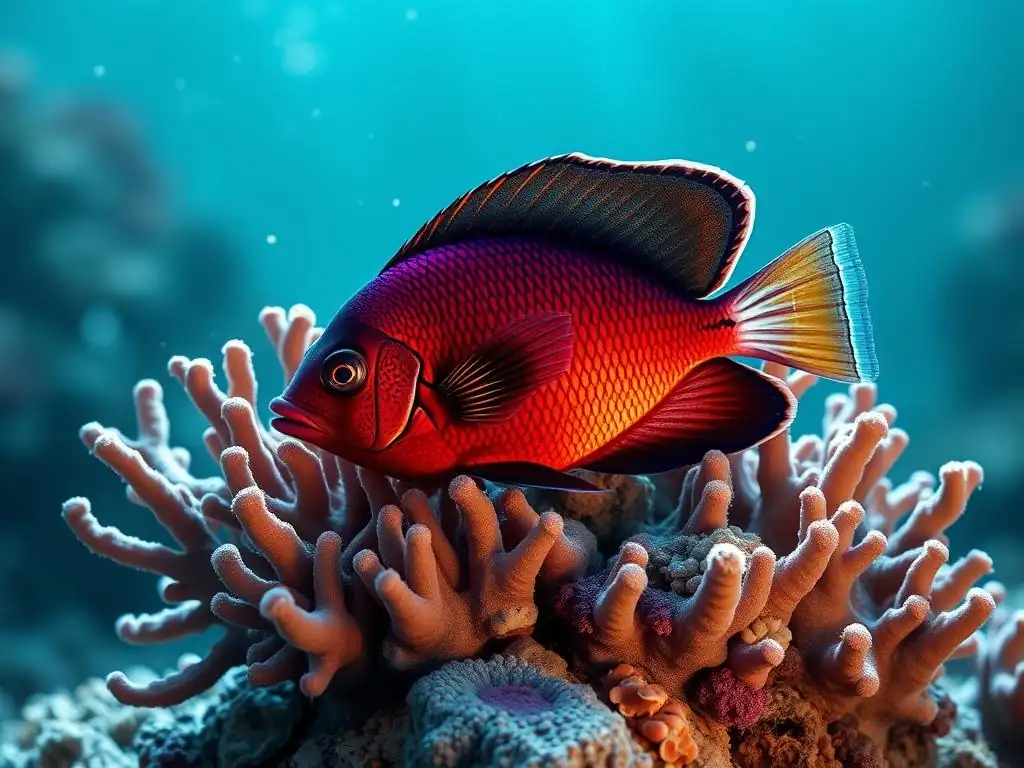
Optimizing feeding schedules based on the natural butterflyfish day night activity patterns is crucial for their health and vitality. Since most butterflyfish are diurnal, their digestive systems and metabolic rates are geared towards processing food during the day. Therefore, it is best to offer small, frequent feedings (e.g., 2-3 times a day) during their active daylight hours. This approach mimics their natural grazing behavior on the reef, where they continuously pick at small food items throughout the day.
Feeding at night, when butterflyfish are in their resting phase, is generally counterproductive and can even be detrimental. Uneaten food will quickly decompose, leading to elevated nitrates and phosphates, which can compromise water quality and promote nuisance algae growth. More importantly, attempting to feed a resting fish can cause stress and disrupt their essential sleep cycle. Aligning feeding times with their natural activity ensures maximum nutritional uptake and minimizes water pollution.
Creating a Reef Tank Environment That Supports Both Day and Night Behaviors
A well-designed reef tank should be a dynamic environment that caters to both the active daytime and restful nighttime needs of butterflyfish. During the day, they require ample open swimming space to cruise and forage, alongside intricate live rock structures that provide nooks and crannies for exploration and occasional refuge. This allows them to express their natural curiosity and foraging instincts.
As night approaches, the same live rock formations become crucial for providing secure, dark hiding spots where they can retreat for undisturbed rest. These sheltered areas protect them from potential nocturnal tank mates and offer a sense of security. Additionally, ensuring appropriate water flow, with both active and calmer zones, allows butterflyfish to choose areas that suit their current activity level, contributing significantly to healthy butterflyfish day night activity patterns.
Choosing Compatible Tank Mates for Diurnal and Nocturnal Butterflyfish
Selecting appropriate tank mates is paramount when considering the butterflyfish day night activity patterns. For diurnal butterflyfish, it is best to choose other peaceful, diurnal species that will not harass them during their active hours or, critically, during their vulnerable resting phase. Avoid highly aggressive or overly boisterous fish that might outcompete them for food or stress them with constant chasing.
Crucially, avoid introducing truly nocturnal predators into a tank with diurnal butterflyfish. Fish like certain species of moray eels or large groupers that become active at night can pose a significant threat to resting butterflyfish. Even if they are generally peaceful during the day, their nocturnal hunting instincts can turn a resting butterflyfish into an easy target. Researching the activity patterns of all potential tank mates is essential for maintaining a harmonious and safe environment.
The Impact of Light on Butterflyfish Circadian Rhythms
Replicating Natural Light Cycles in the Aquarium
Replicating natural light cycles is fundamental to supporting healthy butterflyfish day night activity patterns and their overall well-being. In their natural tropical reef habitats, butterflyfish experience a consistent photoperiod of approximately 10 to 12 hours of daylight, followed by an equal period of darkness. Aquarists should aim to mimic this rhythm by providing a stable daily light cycle, typically achieved with a timer.
Implementing a gradual "dawn and dusk" simulation, often possible with modern LED lighting systems that can ramp up and down in intensity, further enhances the natural feel of the aquarium. This slow transition from darkness to light and back again reduces stress on the fish, allowing them to acclimate gradually to the changing conditions rather than being startled by sudden illumination or darkness. This smooth transition is vital for maintaining robust butterflyfish day night activity patterns.
Avoiding Light Pollution That Disrupts Sleeping Patterns
Light pollution is a significant disruptor of butterflyfish sleeping patterns and overall health. Any constant or intermittent light source hitting the aquarium during its designated "night" cycle can prevent fish from entering a deep, restorative sleep. This includes ambient room light, streetlights shining through a window, or even small indicator lights from aquarium equipment positioned too close to the tank.
Chronic sleep deprivation, caused by persistent light pollution, can lead to increased stress levels, a weakened immune system, and a higher susceptibility to diseases. It also disrupts their natural circadian rhythm, potentially affecting their appetite and overall vitality. Ensuring complete darkness during the nocturnal phase is therefore critical for promoting healthy butterflyfish day night activity patterns and maintaining the long-term health of your fish.
Utilizing Moonlights for Observation of Nighttime Behavior
While complete darkness is crucial for proper rest, the use of low-intensity blue "moonlights" can be a valuable tool for aquarists. These specialized lights, designed to mimic the faint illumination of moonlight on a reef, provide just enough visibility for observation without disturbing the fish's natural resting state. They are typically much dimmer than main aquarium lights, often less than 1 watt in total output for a standard tank.
Moonlights allow aquarists to discreetly observe their butterflyfish during their nocturnal phase, confirming they have found secure resting spots and are not agitated or stressed. This can be particularly useful for identifying any unusual nighttime activity or ensuring that nocturnal tank mates are not harassing the resting butterflyfish. Used judiciously, moonlights enhance the aquarist's understanding of butterflyfish day night activity patterns without negatively impacting their well-being.
Troubleshooting Common Butterflyfish Activity Problems
Addressing Inactivity or Hiding During the Day
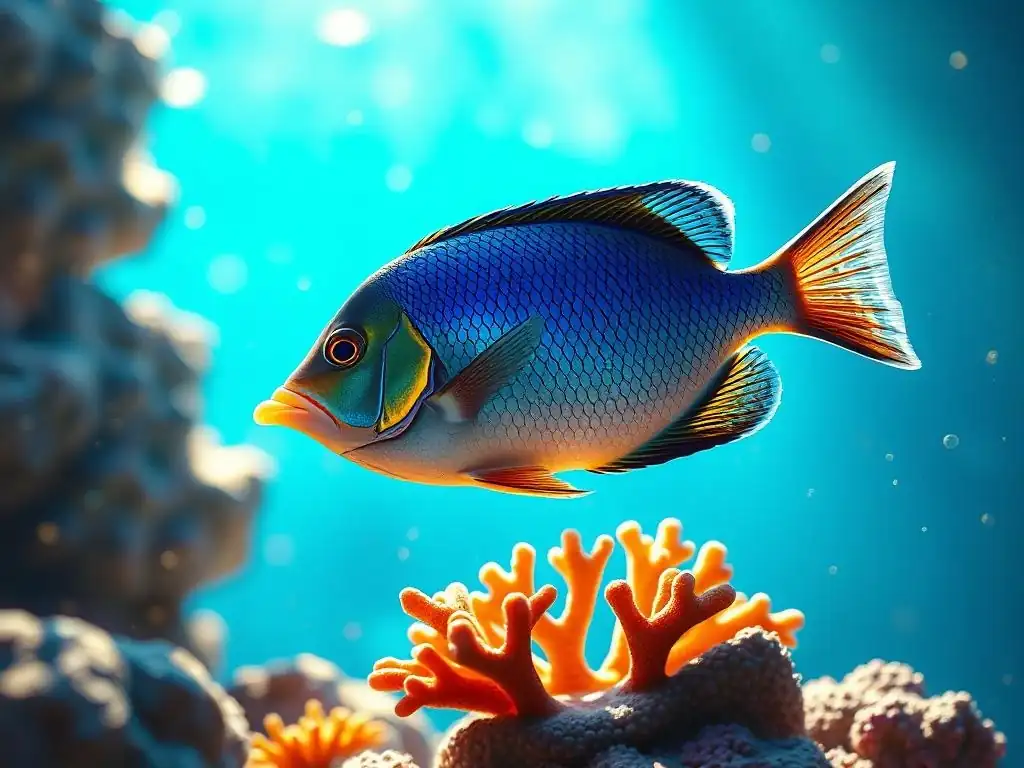
If your butterflyfish is exhibiting unusual inactivity or prolonged hiding during daylight hours, it's a clear sign that something is amiss with its butterflyfish day night activity patterns. Potential causes range from poor water quality (e.g., elevated ammonia, nitrite, or nitrate levels) to stress induced by aggressive tank mates. New fish may also hide extensively during their initial acclimation period, needing time to adjust to their new surroundings.
To address this, first, perform comprehensive water parameter tests. If levels are off, conduct small, frequent water changes. Next, observe tank mate interactions closely for signs of aggression. Ensure there are ample hiding spots and that the lighting is appropriate. If the fish is new, give it time and maintain stable conditions. Persistent inactivity, especially if accompanied by other symptoms like clamped fins or labored breathing, warrants further investigation for illness.
Identifying Potential Causes of Nighttime Agitation
While butterflyfish should be mostly still and resting at night, unusual agitation or erratic swimming in the dark can indicate a problem with their butterflyfish day night activity patterns. A primary cause is often a lack of secure, dark hiding spots. If the fish feels exposed or vulnerable, it may constantly search for a safer place, leading to restlessness. The presence of nocturnal predators or overly active tank mates that disturb them during their rest can also cause agitation.
To remedy this, ensure your live rock aquascape provides numerous secure crevices and caves where the fish can retreat. Confirm that the tank experiences complete darkness during its "night" cycle, eliminating any sources of light pollution. Observe any nocturnal invertebrates or fish that might be harassing the butterflyfish. Addressing these environmental factors can significantly improve their nighttime rest and overall well-being.
Seeking Expert Advice for Unusual Butterflyfish Behaviors
While many activity problems can be resolved with careful observation and environmental adjustments, some unusual butterflyfish day night activity patterns may require expert intervention. If your butterflyfish exhibits persistent, unexplained changes in behavior—such as prolonged lethargy, loss of appetite despite optimal water parameters, or signs of disease that don't respond to initial treatments—it's time to seek professional advice.
Consulting with an experienced marine aquarist, a reputable local fish store specializing in saltwater fish, or even an aquatic veterinarian can provide invaluable insights. They can help diagnose complex issues, recommend specialized treatments, or offer tailored advice based on their extensive knowledge of butterflyfish species and their specific needs. Early professional intervention can often make the difference in resolving a health issue before it becomes critical.
Conclusion: Appreciating the Daily Rhythms of Butterflyfish in Your Aquarium
Promoting Healthy and Natural Activity Patterns
Understanding and actively promoting healthy butterflyfish day night activity patterns is a cornerstone of successful marine aquariculture. These delicate and captivating fish thrive when their environment closely mimics the natural rhythms of their reef habitats. By providing consistent light cycles, ensuring complete darkness at night, offering ample secure hiding spots, and tailoring feeding schedules to their diurnal nature, aquarists can significantly enhance the well-being of their butterflyfish.
Observing the graceful movements of butterflyfish during the day and their peaceful rest at night is one of the most rewarding aspects of keeping these species. A well-adjusted butterflyfish, exhibiting its natural activity patterns, is a testament to the aquarist's dedication and attention to detail. By prioritizing their natural behaviors, you not only ensure their health but also gain a deeper appreciation for the intricate daily rhythms that define these exquisite inhabitants of the reef.
Frequently Asked Questions
How do Butterflyfish generally behave during the day versus the night?
Butterflyfish are primarily diurnal, meaning they are most active during the day. At night, they typically seek shelter among rocks or corals and become relatively inactive.
Do all Butterflyfish species exhibit the same day and night activity patterns?
No, while most Butterflyfish are diurnal, there are some species variations in activity levels. Some may be more crepuscular, meaning they are active during dawn and dusk, while others may exhibit minor nocturnal activity.
What factors influence the Butterflyfish's day and night activity patterns?
Several factors can influence these patterns, including natural light cycles, water temperature, and the presence of predators or competitors in their environment. Aquarium lighting can also play a role.
How can I ensure my Butterflyfish has a healthy day/night cycle in my aquarium?
Provide a consistent light cycle that mimics their natural habitat. Offer plenty of hiding places like rockwork or coral structures. Ensure the aquarium is free from excessive stress from other fish.
What are the potential consequences of disrupting a Butterflyfish's natural day and night cycle?
Disrupting their cycle can lead to stress, weakened immune systems, and increased susceptibility to disease. It can also affect their feeding behavior and overall well-being.
Okay, here's a final reflection designed to close your article "Day & Night: Unveiling the Activity Patterns of Different Butterflyfish," optimized for the keyword "Butterflyfish day night activity patterns" and following your requested structure:
Final Reflection: Illuminating the Secrets of the Reef
The exploration of Butterflyfish day night activity patterns reveals not just the fascinating behaviors of these reef inhabitants, but also underscores the delicate balance of the coral reef ecosystem itself. Understanding these diurnal and nocturnal rhythms is more crucial than ever, as climate change and habitat destruction increasingly threaten the stability of these vibrant underwater communities. The insights gained from observing these patterns are essential for effective conservation strategies.
This journey into the lives of butterflyfish has highlighted the intricate web of interactions that define their existence. It's a reminder that even seemingly small details, like the timing of feeding or resting, play a vital role in the overall health of the reef. As we continue to learn more about these creatures, we gain a deeper appreciation for the complexity and fragility of their world. In the end, we will conserve only what we love; we will love only what we understand; and we will understand only what we are taught.
- Baba Dioum. This quote encapsulates the importance of research like this in fostering a sense of responsibility towards our oceans.
Now, consider the implications of these findings. How can you, as a diver, a researcher, or simply an ocean enthusiast, use this knowledge to advocate for the protection of coral reefs? Let the captivating dance of the butterflyfish, their distinct day and night routines, inspire you to become a champion for these underwater paradises. By understanding and appreciating these patterns, we can all contribute to ensuring that future generations can witness the beauty and wonder of the butterflyfish and the reefs they call home.
Dive Deeper: Nurture Your Reef & Observe Like Never Before!
Thank you for exploring the fascinating world of butterflyfish and their unique daily routines. Now that you're armed with this knowledge, let's put it into action and enrich your aquarium experience!
Here are a few ways to continue your journey:
- Start a dedicated observation journal to meticulously record the activity patterns of your butterflyfish over a week. Note specific behaviors at different times of day and correlate them with lighting conditions and feeding times.
- Consider adjusting your aquarium's lighting schedule to subtly mimic a more natural day/night cycle, potentially enhancing your butterflyfish's overall well-being and activity.
- Share your observations and photos on our community forum and compare notes with other enthusiasts. What surprising behaviors have you noticed in your butterflyfish?