
Aggression in Swordtail Breeding Tanks: Causes and Peaceful Solutions

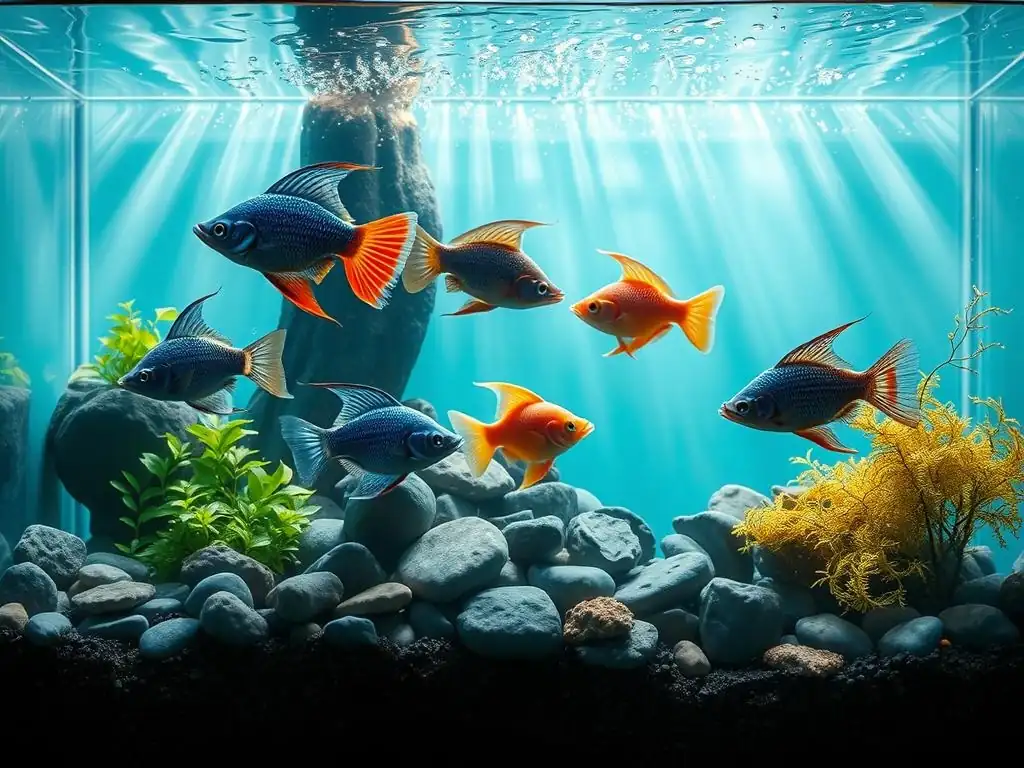
Welcome to Aquarium Mastery!
Ever wondered why your swordtail breeding attempts are met with more aggression than affection? You're not alone! Dive in to discover the surprisingly common causes of swordtail breeding aggression and, more importantly, uncover practical, peaceful solutions to create a harmonious and thriving aquarium. Ready to unlock the secrets to successful swordtail breeding? Let's get started!
- Understanding Swordtail Aggression During Breeding
- Swordtail Breeding Tank Setup to Minimize Aggression
- Peaceful Solutions for Managing Swordtail Breeding Aggression
- Dietary Strategies to Reduce Aggression in Swordtail Breeding
- Introducing New Swordtails to a Breeding Tank: Best Practices
- Advanced Techniques for Handling Severe Swordtail Breeding Aggression
- Preventing Future Aggression in Swordtail Breeding Programs
-
Frequently Asked Questions
- How can I tell if aggression in my swordtail breeding tank is affecting breeding success?
- What are the primary causes of aggression in swordtail breeding tanks?
- What are some effective strategies to reduce aggression in my swordtail breeding tank?
- How often should I perform water changes in a swordtail breeding tank to minimize stress and aggression?
- Can specific tank decorations or plants help reduce aggression among swordtails?
- Final Reflection: Cultivating Harmony in the Aquarium
- Unlock a Peaceful Swordtail Paradise!
Understanding Swordtail Aggression During Breeding
Why are My Swordtails Fighting in the Breeding Tank? Common Causes
Swordtails (Xiphophorus hellerii) are generally considered peaceful community fish, but during breeding, aggression can escalate significantly. This often stems from the inherent territorial and dominance behaviors of male swordtails, particularly when competing for access to females. In a breeding setup, the primary goal of the male is to mate, and any perceived competition or lack of available mates can trigger relentless pursuit and aggressive displays towards other males and even females. The confined nature of an aquarium, compared to their natural sprawling habitats, intensifies these interactions.
Other contributing factors include insufficient space, an imbalanced sex ratio, or a lack of adequate hiding places. When multiple males are present in a tank that is too small, their natural territorial instincts become amplified, leading to constant skirmishes. Similarly, if there are too few females for the males to distribute their attention among, a single female can become the target of incessant harassment, leading to extreme stress and potential injury. Understanding these underlying causes is the first step in implementing effective "Swordtail breeding aggression solutions".
Identifying Aggressive Behaviors in Swordtails: What to Look For
Recognizing the signs of aggression early is crucial for preventing serious harm in a swordtail breeding tank. Common aggressive behaviors include persistent chasing, where one fish relentlessly pursues another throughout the tank, often preventing the chased fish from resting or feeding. Fin nipping is another clear indicator, characterized by one fish biting or tearing the fins of another, most commonly targeting the dorsal and caudal fins. Body ramming, where a fish uses its body to push or strike another, is also a definite sign of conflict.
Beyond direct physical aggression, look for signs of stress in the victimized fish. These include clamped fins (where fins are held close to the body), faded or dull coloration (a stark contrast to their usual vibrant hues), excessive hiding, or a reluctance to come out for food. Severely stressed fish may also exhibit rapid gilling, labored breathing, or develop stress-induced diseases like Ich or fin rot due to a weakened immune system. Early identification of these behaviors allows for timely intervention, contributing to effective "Swordtail breeding aggression solutions".
The Role of Tank Size and Overcrowding in Swordtail Breeding Aggression
Tank size is a paramount factor influencing swordtail breeding aggression. In tanks that are too small, swordtails, particularly males, cannot establish adequate territories, leading to constant confrontations. For instance, attempting to breed swordtails in a tank smaller than 20 gallons (approximately 75 liters) almost guarantees heightened aggression, as the limited space prevents submissive fish from escaping the dominant ones. A larger tank, such as a 30 or 40-gallon breeder, offers significantly more swimming area and allows for better dispersion of aggression.
Overcrowding, defined as housing too many fish in a given volume of water, exacerbates this problem. When a tank is overcrowded, competition for essential resources like food, space, and mates intensifies dramatically. This elevated competition directly translates into increased stress levels for all inhabitants, making them more irritable and prone to aggressive displays.
For example, a tank designed for a community of 10-12 small fish might struggle to comfortably house even a small swordtail breeding group of 1 male and 3 females, especially if the male is particularly zealous. Adequate space is a foundational aspect of "Swordtail breeding aggression solutions".
Swordtail Breeding Tank Setup to Minimize Aggression
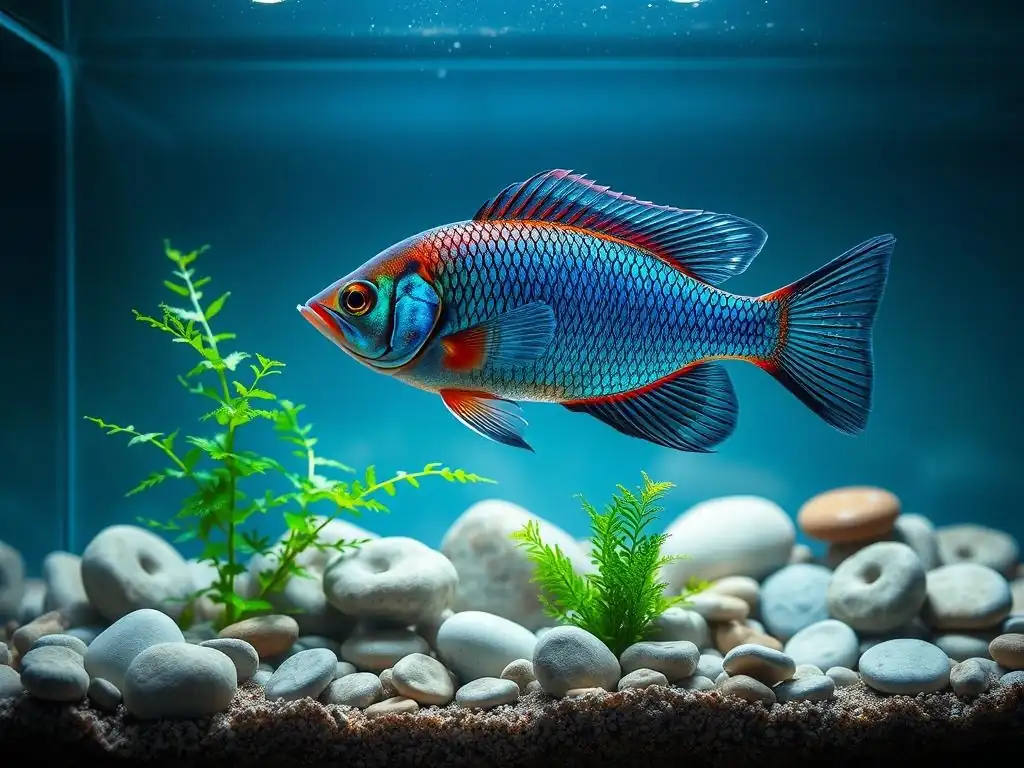
Optimizing Tank Size for Swordtail Breeding to Reduce Conflict
Choosing the right tank size is a critical proactive step in minimizing swordtail breeding aggression. For a small breeding group consisting of one male and three to four females, a 20-gallon long aquarium is often considered the absolute minimum, as its longer footprint provides more horizontal swimming space than a standard 20-gallon high tank. However, for optimal conditions and to further reduce conflict, a 30-gallon or even a 40-gallon breeder tank is highly recommended. These larger volumes allow for more individual territory, reducing constant encounters and providing ample escape routes.
The benefits of a larger tank extend beyond just physical space. It also provides greater water volume, which helps stabilize water parameters and dilute waste products, contributing to a healthier and less stressful environment. In a 40-gallon tank, for instance, a group of one male and five females can thrive with significantly less inter-fish aggression than in a cramped 20-gallon setup, assuming proper decor and feeding are also maintained. Investing in a sufficiently sized tank is one of the most effective "Swordtail breeding aggression solutions".
The Importance of Hiding Places and Visual Barriers in Swordtail Tanks
Providing ample hiding places and visual barriers is essential for mitigating aggression in swordtail breeding tanks. Dense planting, particularly with tall, leafy plants like Amazon Swords, Java Fern, or even floating plants such as Water Sprite, breaks up lines of sight. This allows submissive or harassed fish to temporarily disappear from the view of aggressive tank mates, providing them with a much-needed respite and reducing the intensity of bullying. Live plants also contribute to water quality, further reducing stress.
In addition to live plants, incorporating various decor elements like driftwood, rock formations, and ceramic caves can create effective territories and safe havens. For example, a large piece of driftwood positioned centrally can divide the tank into distinct zones, allowing different fish to claim areas without constant interaction. Aim to create a complex environment where at least 50% of the tank volume offers some form of cover or visual obstruction. These strategically placed barriers are vital "Swordtail breeding aggression solutions" that empower subordinate fish to escape constant pursuit.
Ideal Water Parameters for Swordtail Breeding and Reduced Stress
Maintaining stable and appropriate water parameters is fundamental to reducing stress and, consequently, aggression in swordtail breeding tanks. Swordtails thrive in slightly alkaline to neutral water with a pH range of 7.0 to 8.0 and a moderate to hard water hardness (dGH 10-20). The ideal temperature for breeding is typically between 72-79°F (22-26°C). Consistency within these ranges is more important than hitting a precise number, as sudden fluctuations can be highly stressful to fish.
Poor water quality, such as elevated ammonia, nitrite, or nitrate levels, is a significant stressor that can directly contribute to aggressive behavior. Fish experiencing chronic stress due to suboptimal water conditions are more irritable, more prone to illness, and more likely to engage in or become victims of aggression. Regular testing of water parameters (at least weekly) and performing consistent partial water changes (e.g., 25-30% weekly) are crucial for maintaining a healthy, low-stress environment, which is a foundational aspect of effective "Swordtail breeding aggression solutions".
Peaceful Solutions for Managing Swordtail Breeding Aggression
Implementing Time-Out Tanks for Aggressive Swordtail Males
When an individual swordtail male consistently exhibits severe aggression, despite optimal tank conditions, implementing a "time-out" tank can be an effective short-term solution. This involves temporarily removing the aggressive male from the main breeding tank and placing him in a separate, smaller tank (e.g., a 5-10 gallon quarantine tank or a large breeder box within the main tank). This separation allows the male to de-stress in isolation and gives the other tank inhabitants a much-needed break from his harassment, potentially allowing the social hierarchy to reset.
Typically, an aggressive male can be kept in a time-out tank for 24 to 48 hours. During this period, ensure the time-out tank has stable water parameters, a heater, and possibly a small sponge filter. Upon reintroduction, observe the male's behavior closely. Sometimes, the brief separation is enough to curb his aggression, or he may re-enter the main tank with a slightly subdued demeanor. However, if aggression immediately resumes or persists, permanent removal from the breeding tank or rehoming might be necessary, as this is a direct, albeit temporary, "Swordtail breeding aggression solution".
The Benefits of Separating Swordtail Females Post-Partum
Separating swordtail females immediately after they have given birth offers significant benefits in reducing aggression and stress. Giving birth is a physically demanding process, leaving the female exhausted and vulnerable. In a community or breeding tank, males often immediately attempt to breed with the female again, or other tank mates may harass her due to her weakened state. This constant pursuit and lack of recovery time can lead to extreme stress, fin damage, and susceptibility to disease.
Moving the post-partum female to a dedicated recovery tank or a well-designed breeder box within the main tank for a few days to a week allows her to recuperate without harassment. This rest period is crucial for her health and ensures she can regain her strength before being reintroduced to the general population. It also helps protect the fry from being consumed by the mother herself or other tank inhabitants if the breeder box is designed for fry safety. Providing this recovery period for females is a compassionate and effective "Swordtail breeding aggression solution".
Adjusting Swordtail Sex Ratios in Breeding Tanks for Harmony
One of the most impactful "Swordtail breeding aggression solutions" is adjusting the male-to-female sex ratio within the breeding tank. A common mistake is to keep an equal number of males and females, or even more males than females. This invariably leads to intense competition among males and relentless harassment of females, as each male tries to monopolize breeding opportunities. The constant pursuit can stress females to the point of illness or death.
The ideal sex ratio for swordtail breeding is at least one male to three females (1 male:3 females), with a ratio of 1 male:4 or 5 females being even better. This ensures that the male's attention is sufficiently dispersed among multiple females, reducing the burden on any single female. For example, in a 30-gallon tank, a setup of 1 male and 4 females will experience significantly less aggression than 2 males and 2 females. This balanced ratio is fundamental for creating a more harmonious breeding environment.
Dietary Strategies to Reduce Aggression in Swordtail Breeding
Nutritional Needs of Breeding Swordtails: Addressing Deficiencies
A well-balanced and highly nutritious diet is crucial for the overall health and well-being of breeding swordtails, and it indirectly impacts their aggressive tendencies. Breeding fish expend significant energy on reproduction, requiring a diet rich in protein, essential fats, and vitamins. Deficiencies in these nutrients can lead to weakened immune systems, increased stress levels, and irritability, which can manifest as heightened aggression. For instance, a diet solely based on generic flake food might not provide the necessary caloric and nutrient density for optimal breeding health.
To address this, offer a varied diet that includes high-quality flake or pellet food (with a protein content of at least 40%), supplemented with frozen or freeze-dried foods like bloodworms, brine shrimp, and daphnia several times a week. Live foods, when safely sourced, can also be beneficial. Ensuring that all fish receive adequate nutrition, rather than allowing dominant fish to monopolize food, helps reduce competition and stress-induced aggression. A healthy, well-fed fish is generally less stressed and less prone to engaging in conflict, making diet a subtle but important aspect of "Swordtail breeding aggression solutions".
Using Live Foods as Enrichment to Decrease Aggressive Tendencies
Introducing live foods into the swordtail breeding tank can serve as a form of environmental enrichment, which can significantly help in decreasing aggressive tendencies. Live foods such as brine shrimp, daphnia, or even small mosquito larvae (if safely obtained) provide not only vital nutrients but also stimulate the fish's natural hunting and foraging instincts. This engagement provides a natural outlet for their energy and redirects their focus away from harassing tank mates.
When fish are actively engaged in hunting and exploring for food, they are less likely to exhibit boredom-induced aggression or territorial disputes. For example, observing swordtails enthusiastically chasing live brine shrimp can show how their predatory instincts are satisfied in a non-harmful way. This mental and physical stimulation can lead to a more relaxed and less agitated overall fish population. Offering live foods 2-3 times a week can be a valuable addition to your "Swordtail breeding aggression solutions" toolkit.
The Impact of Food Quantity and Frequency on Swordtail Behavior
The quantity and frequency of feeding directly influence competition and aggression in swordtail breeding tanks. Feeding one large meal per day can lead to a feeding frenzy where dominant fish gorge themselves, while submissive or slower fish may not get enough food. This creates a highly competitive environment that exacerbates existing aggressive behaviors, as fish literally fight for their sustenance.
Instead, it is recommended to feed swordtails 2-3 small meals per day. Each feeding should consist of an amount that can be consumed within 2-3 minutes. This approach ensures a more consistent supply of nutrients throughout the day and reduces the intense competition that arises from perceived scarcity. When all fish are adequately fed and not constantly hungry, their stress levels decrease, leading to a noticeable reduction in aggressive interactions. Ensuring equitable access to food is a straightforward yet effective component of "Swordtail breeding aggression solutions".
Introducing New Swordtails to a Breeding Tank: Best Practices
Quarantine Procedures to Prevent Disease and Aggression
Before introducing any new swordtails to an established breeding tank, implementing a strict quarantine procedure is paramount. This involves placing new fish in a separate, dedicated quarantine tank (minimum 5-10 gallons) for a period of at least 2 to 4 weeks. During this time, observe the new arrivals closely for any signs of disease such as Ich, fin rot, velvet, or parasitic infections. Treating any detected ailments in the quarantine tank prevents the spread of pathogens to your main, often more sensitive, breeding stock.
Beyond disease prevention, quarantine also serves as a crucial step in managing potential aggression. It allows new fish to acclimate to your water parameters without the immediate stress of navigating an established social hierarchy and defending themselves from dominant residents. This period of isolation helps them de-stress and recover from the transit process, making their eventual introduction to the main tank less traumatic and reducing the likelihood of immediate aggressive encounters from both sides.
Gradual Introduction Techniques for New Swordtail Tank Mates
When the quarantine period is complete, and new swordtails are healthy, employ gradual introduction techniques to minimize aggression in the main breeding tank. One effective method is to dim the aquarium lights or even turn them off for a few hours after introducing the new fish. This reduces visual stimuli and can make the existing tank inhabitants less territorial and less likely to immediately confront the newcomers. Rearranging some of the tank decor, such as plants or driftwood, just before introduction can also help, as it disrupts established territories and makes all fish feel slightly "new" to the environment.
Another strategy, if introducing multiple new fish, is to add them all at once. This disperses the aggression of the existing residents, as no single newcomer becomes the sole target. Furthermore, ensure proper drip acclimation of the new fish to the main tank's water parameters over an hour or two to minimize shock and stress during the transfer. These careful steps can significantly reduce the initial aggression and foster a smoother integration into the breeding community, serving as proactive "Swordtail breeding aggression solutions".
Monitoring Swordtail Interactions After Introduction
After introducing new swordtails to the breeding tank, diligent monitoring of their interactions is essential for several days to a week. Observe closely for any signs of excessive chasing, fin nipping, or constant hiding by the new fish. Pay attention to how the established swordtails react; are they showing curiosity, or immediate aggression? Note which fish are the aggressors and which are the victims.
Early intervention can prevent severe injury or chronic stress. If you notice persistent, severe aggression (e.g., constant harassment leading to physical injury or a fish refusing to eat), be prepared to take action. This might involve temporarily removing the aggressor to a time-out tank, adding more hiding places, or even permanently removing a particularly belligerent individual. Timely observation and intervention are critical "Swordtail breeding aggression solutions" to ensure the well-being of all tank inhabitants.
Advanced Techniques for Handling Severe Swordtail Breeding Aggression
Considering the Use of Dither Fish in Swordtail Breeding Tanks [Neon Tetras, Corydoras]
For persistent or moderate aggression in swordtail breeding tanks, the strategic use of "dither fish" can be an advanced solution. Dither fish are typically peaceful, fast-moving, schooling species that do not compete directly with swordtails for space or food. Their presence can make more aggressive fish feel more secure and less territorial, as a busy, active environment often signals safety to them. They also provide a distraction, diverting the attention of aggressive swordtails away from their intended targets.
Suitable dither fish should be robust enough not to be intimidated by swordtails, yet peaceful enough not to add to the tank's aggression. Excellent choices include a school of at least six Neon Tetras or Harlequin Rasboras (if tank size and water parameters are compatible), which occupy the mid-to-upper water column. Bottom-dwelling species like Corydoras catfish are also effective as they occupy a different niche and are generally ignored by swordtails, while their active foraging can encourage a sense of security. These species provide a non-confrontational "Swordtail breeding aggression solution" by subtly influencing the swordtails' behavior.
Understanding the Genetic Component of Aggression in Swordtails
It is important to acknowledge that aggression in swordtails can, in some cases, have a genetic component. While environmental factors like tank size, sex ratio, and hiding places play a significant role, some individual swordtails may be inherently more aggressive due due to their lineage. This is particularly true for fish that have been extensively line-bred for specific color patterns or fin shapes, sometimes at the expense of temperament. If an individual swordtail consistently exhibits severe, unprovoked aggression despite all environmental adjustments and "Swordtail breeding aggression solutions" being implemented, it might be genetically predisposed.
Such fish may display a level of dominance that makes them incompatible with even well-managed breeding setups. While rare, understanding this possibility is crucial for breeders. If a particular male consistently injures or stresses other tank inhabitants, even after multiple attempts to mitigate his behavior, it suggests an innate predisposition. In such scenarios, continuing to breed that specific individual could propagate undesirable aggressive traits within your swordtail line.
Culling Aggressive Swordtails: A Last Resort Option
Culling, in the context of aquarium breeding, refers to the humane removal of fish from a breeding program or tank due to health issues, genetic defects, or, in severe cases, persistent aggression. This is a difficult decision and should always be considered a last resort, implemented only after all other "Swordtail breeding aggression solutions" have been thoroughly exhausted. Culling is not about punishment, but about ensuring the welfare of the entire fish population and maintaining the integrity of a breeding line.
This option becomes necessary when an individual swordtail poses a consistent and unavoidable threat to the health, well-being, or even survival of other fish in the tank. If a male is causing severe injuries, chronic stress leading to disease, or the death of multiple tank mates despite all attempts at mitigation, then humane culling may be the most responsible course of action. Methods such as clove oil overdose provide a swift and painless end, prioritizing the welfare of the remaining fish in the breeding program.
Preventing Future Aggression in Swordtail Breeding Programs
Implementing Regular Tank Maintenance to Minimize Stress
Consistent and thorough tank maintenance is a cornerstone of preventing future aggression in swordtail breeding programs. A clean and stable environment directly correlates with reduced stress levels in fish. Regular maintenance includes gravel vacuuming to remove uneaten food and waste, wiping down the inside of the glass to prevent algae buildup, and inspecting all equipment (filters, heaters) to ensure proper function. Accumulation of organic waste can lead to fluctuating water parameters and the buildup of harmful compounds, which are major stressors for fish.
For example, allowing detritus to build up in the substrate can lead to anaerobic pockets and the release of toxins, while a clogged filter can reduce oxygenation and increase ammonia levels. These suboptimal conditions make fish more susceptible to stress, illness, and consequently, more prone to aggressive outbursts. Adhering to a strict weekly or bi-weekly maintenance schedule is a proactive "Swordtail breeding aggression solution" that contributes significantly to overall tank harmony.
Monitoring Water Quality and Performing Frequent Water Changes
Diligent monitoring of water quality is paramount for preventing stress-induced aggression in swordtail breeding tanks. Regular testing for ammonia, nitrite, and nitrate levels, as well as pH and temperature, provides crucial insights into the tank's health. Ammonia and nitrite are highly toxic, and even low levels can cause acute stress, leading to a weakened immune system and increased irritability among fish. High nitrate levels, while less acutely toxic, contribute to chronic stress over time.
Performing frequent partial water changes is the most effective way to manage water quality. For a breeding tank, a 25-30% water change weekly is generally recommended. This practice removes accumulated nitrates, replenishes essential trace minerals, and helps maintain stable water parameters. Consistent water changes prevent the gradual decline in water quality that can subtly contribute to increased aggression, making them an ongoing and essential "Swordtail breeding aggression solution".
Observing Swordtail Behavior for Early Signs of Aggression
Proactive observation of swordtail behavior is key to preventing minor skirmishes from escalating into severe aggression. Daily, attentive monitoring allows you to catch the subtle early signs of budding aggression before they become problematic. Look for specific individuals consistently chasing others, any slight fin nipping, a particular fish constantly hiding, or a noticeable change in an individual's feeding habits. Even a slight dulling of color or clamped fins can indicate stress from bullying.
For instance, if you notice a male repeatedly cornering a specific female, despite other females being present, it's an early warning sign that the sex ratio might still be too low, or that particular male is overly dominant. Early detection allows for timely intervention, such as adding more hiding places, adjusting the sex ratio, or temporarily removing the aggressor. Addressing these issues promptly can prevent injuries, chronic stress, and the need for more drastic "Swordtail breeding aggression solutions" down the line.
Frequently Asked Questions
How can I tell if aggression in my swordtail breeding tank is affecting breeding success?
If you notice reduced breeding activity and stressed female swordtails hiding, it's a strong indicator. Observe for physical injuries like torn fins, which are also signs of aggression.
What are the primary causes of aggression in swordtail breeding tanks?
Overcrowding is a major factor. Also, an imbalance in the male-to-female ratio can lead to increased competition and aggression. Insufficient hiding places exacerbate the problem.
What are some effective strategies to reduce aggression in my swordtail breeding tank?
Increase the number of female swordtails to distribute the males' attention. Provide plenty of hiding spots like plants and caves. Consider separating aggressive males.
How often should I perform water changes in a swordtail breeding tank to minimize stress and aggression?
Regular water changes, around 25% weekly, are crucial. This helps to remove accumulated waste which can stress fish and increase aggression. Maintaining optimal water parameters is key.
Can specific tank decorations or plants help reduce aggression among swordtails?
Yes, dense vegetation like Java moss and hornwort provides cover. Decorations that break up lines of sight can also reduce territorial disputes. Ensure there are enough hiding places for all fish.
Final Reflection: Cultivating Harmony in the Aquarium
The insights shared throughout this exploration of swordtail breeding aggression are not merely academic; they are essential for fostering thriving aquatic ecosystems in our homes. Understanding the root causes of conflict and implementing peaceful solutions transforms a potential battleground into a sanctuary of life and beauty.
This journey into the complex social dynamics of swordtails has underscored the profound impact we, as aquarists, have on the well-being of these creatures. It's a reminder that responsible fishkeeping extends beyond simply providing food and water; it necessitates creating an environment that minimizes stress and promotes natural behaviors. The greatness of a nation and its moral progress can be judged by the way its animals are treated.
- Mahatma Gandhi. This quote, though not directly about fish, resonates deeply with the spirit of ethical aquarium keeping.
Now, as you consider the information presented, I encourage you to reflect on your own practices. Are you truly providing the space, resources, and social structure necessary for your swordtails to flourish? Let this knowledge empower you to create a more peaceful and harmonious environment, not just for your swordtails, but for all the inhabitants of your aquarium. By embracing proactive solutions and mindful observation, you can transform potential aggression into a testament to your dedication to responsible and compassionate fishkeeping.
Unlock a Peaceful Swordtail Paradise!
Thank you for diving into the world of swordtail behavior! We hope you've gained valuable insights into understanding and mitigating aggression in your breeding tanks. Now, it's time to transform your aquarium into a harmonious haven.
Here are a few steps you can take right away:
- Implement the strategies for reducing aggression discussed in the article – prioritizing increased space and ample hiding spots.
- Explore introducing dither fish to your tank. Carefully research compatible, peaceful species and monitor their interactions with your swordtails.
- Share your own experiences! Head to aquariummastery.com and leave a comment detailing your successes (or challenges!) with managing aggression in your swordtail breeding tanks.
What surprising tactic have you used to reduce aggression that we haven't covered?