
Do White Clouds Need a Heater? Unveiling Their True Temperature Preferences


Welcome to Aquarium Mastery, fellow aquarist! Ever wondered if your White Cloud Mountain Minnows are truly comfortable in your tank? Are you unknowingly subjecting them to the wrong temperatures? Dive in as we unravel their true temperature preferences and debunk some common myths. Prepare to discover the secrets to keeping these vibrant fish thriving and happy – and learn if a heater is really necessary!
- Understanding White Cloud Mountain Minnows: An Introduction to Tanichthys albonubes
- White Cloud Fish Temperature Needs: The Ideal Range
- Do White Clouds Need a Heater? Examining the Need for Supplemental Heat
- Factors Influencing White Cloud Fish Temperature Management
- Setting Up Your White Cloud Tank: Temperature Control Best Practices
- Maintaining Optimal Water Temperature for White Cloud Fish
- Symptoms of Temperature Stress in White Cloud Mountain Minnows
- Troubleshooting Temperature-Related Issues in Your White Cloud Tank
- Beyond Temperature: Other Important Water Parameters for White Clouds
- White Clouds and Tank Mates: Compatibility Considerations
- Breeding White Clouds: Temperature's Role in Spawning
- Conclusion: Providing the Right Temperature for Thriving White Cloud Mountain Minnows
-
Frequently Asked Questions
- Do White Cloud Mountain Minnows actually need a heater in an aquarium?
- What is the ideal White Cloud fish temperature range?
- What happens if the White Cloud fish temperature is too high?
- What are the signs that my White Cloud fish temperature is too low?
- Can White Cloud fish temperature fluctuate a little, or does it need to be constant?
- Final Reflection: Embracing the Delicate Balance
- Dive Deeper into the Depths!
Understanding White Cloud Mountain Minnows: An Introduction to Tanichthys albonubes
Origin and Natural Habitat of White Cloud Mountain Minnows
The White Cloud Mountain Minnow, scientifically known as Tanichthys albonubes, originates from the White Cloud Mountain region in Guangdong Province, China. These small, hardy fish were first discovered in the 1930s and quickly became popular in the aquarium trade due to their vibrant colors and adaptability. Their natural habitat consists of cool, clear streams and rivulets, often with rocky substrates and dense vegetation, where water temperatures historically ranged from approximately 64°F to 72°F (18°C to 22°C). This unique adaptation to cooler environments distinguishes them from many other commonly kept tropical aquarium species.
For a period, White Cloud Mountain Minnows were thought to be extinct in the wild due to habitat destruction and pollution, highlighting the fragility of their natural ecosystems. However, small populations have since been rediscovered in remote areas, reinforcing their resilience. Their native waters are typically well-oxygenated and experience moderate flow, conditions that contribute to their active and social nature. Understanding their original environment is key to appreciating their specific White cloud fish temperature needs and why they differ from other popular aquarium inhabitants.
Why Temperature Matters for White Cloud Fish Health and Well-being
Temperature is a critical environmental factor that profoundly impacts the physiological processes of all fish, including White Cloud Mountain Minnows. Water temperature directly influences a fish's metabolism, immune system function, and overall stress levels. For instance, a deviation from their ideal temperature range can lead to a suppressed immune response, making them more susceptible to common aquarium diseases such as ich (white spot disease) or fungal infections.
Maintaining the correct water temperature is essential for their long-term health and vitality. When White Clouds are kept in water that is too warm, their metabolism speeds up, leading to a shorter lifespan and increased susceptibility to oxygen deprivation. Conversely, water that is too cold can slow down their metabolism excessively, resulting in lethargy, poor appetite, and a general decline in health. Therefore, accurately addressing White cloud fish temperature needs is not just about comfort, but about ensuring their fundamental biological functions operate optimally.
White Cloud Fish Temperature Needs: The Ideal Range
Recommended Temperature Range for White Cloud Mountain Minnows
For optimal health and activity, the recommended White cloud fish temperature needs fall within a range of 64°F to 72°F (18°C to 22°C). This range closely mimics the conditions of their native, sub-tropical mountain streams. Within this temperature bracket, White Clouds exhibit their most vibrant coloration, active schooling behavior, and healthy appetites. Their metabolism is balanced, allowing for efficient digestion and proper immune function without undue stress.
Keeping White Clouds consistently within this range promotes longevity and reduces the likelihood of stress-related illnesses. Unlike many popular tropical fish that thrive in temperatures between 75°F and 80°F (24°C to 27°C), White Clouds are distinctly "cooler water" fish. Attempting to house them in typical tropical setups without consideration for their specific White cloud fish temperature needs can lead to chronic stress and a significantly shortened lifespan.
Minimum and Maximum Tolerable Temperatures for White Clouds
While the ideal range is narrow, White Cloud Mountain Minnows are remarkably hardy and can tolerate a broader spectrum of temperatures for short periods. They can survive in water as cold as 50°F (10°C) for brief durations, which is why they are sometimes marketed as "coldwater" fish suitable for unheated tanks in certain climates. However, prolonged exposure to such low temperatures will lead to extreme lethargy, a compromised immune system, and an inability to digest food properly, making them highly vulnerable to disease.
On the higher end, temperatures exceeding 75°F (24°C) can be detrimental. As water temperature increases, its capacity to hold dissolved oxygen decreases significantly. For White Clouds, prolonged exposure to temperatures above 75°F can cause severe stress, rapid gill movement indicating oxygen deprivation, and potentially lead to organ damage or death. While they might survive a brief spike to 78°F (25.5°C), maintaining such conditions consistently goes against their fundamental White cloud fish temperature needs and will severely impact their well-being.
Do White Clouds Need a Heater? Examining the Need for Supplemental Heat
White Clouds in Unheated Tanks: When a Heater Isn't Necessary
Many aquarists successfully keep White Cloud Mountain Minnows in unheated tanks, particularly in homes where the ambient room temperature remains consistently within their preferred range of 64°F to 72°F (18°C to 22°C). For example, a house that maintains a comfortable indoor temperature of around 68-70°F (20-21°C) year-round often provides a stable enough environment for White Clouds without the need for supplemental heating. Their designation as "coldwater" fish stems from this ability to thrive at lower temperatures than most tropical species.
In such stable environments, the natural thermal mass of the water, especially in tanks 10 gallons or larger, helps to buffer minor daily temperature fluctuations. Basement setups or cooler rooms in temperate climates are often ideal candidates for unheated White Cloud tanks. The key factor is not just the average temperature, but the stability of that temperature; if the room temperature remains consistent, a heater might be an unnecessary addition, provided it meets their specific White cloud fish temperature needs.
When a Heater is Recommended for White Cloud Mountain Minnows
Despite their reputation for tolerating cooler water, a heater is often recommended for White Cloud Mountain Minnows in several scenarios to ensure optimal conditions and stability. If your home experiences significant temperature fluctuations throughout the day or night, or if it regularly drops below 64°F (18°C), a heater becomes crucial. For instance, a room that drops from 70°F during the day to 58°F at night would subject the fish to harmful temperature swings.
Furthermore, if you plan to keep White Clouds with tank mates that require slightly warmer, but still compatible, temperatures (e.g., some species of Danios or other temperate fish), a heater can help maintain the upper end of the White Cloud's preferred range. A small, appropriately sized heater can provide the necessary stability, preventing stress from rapid temperature changes and ensuring their White cloud fish temperature needs are consistently met, even in less stable ambient environments.
Factors Influencing White Cloud Fish Temperature Management
Room Temperature Fluctuations and Their Impact on Tank Temperature
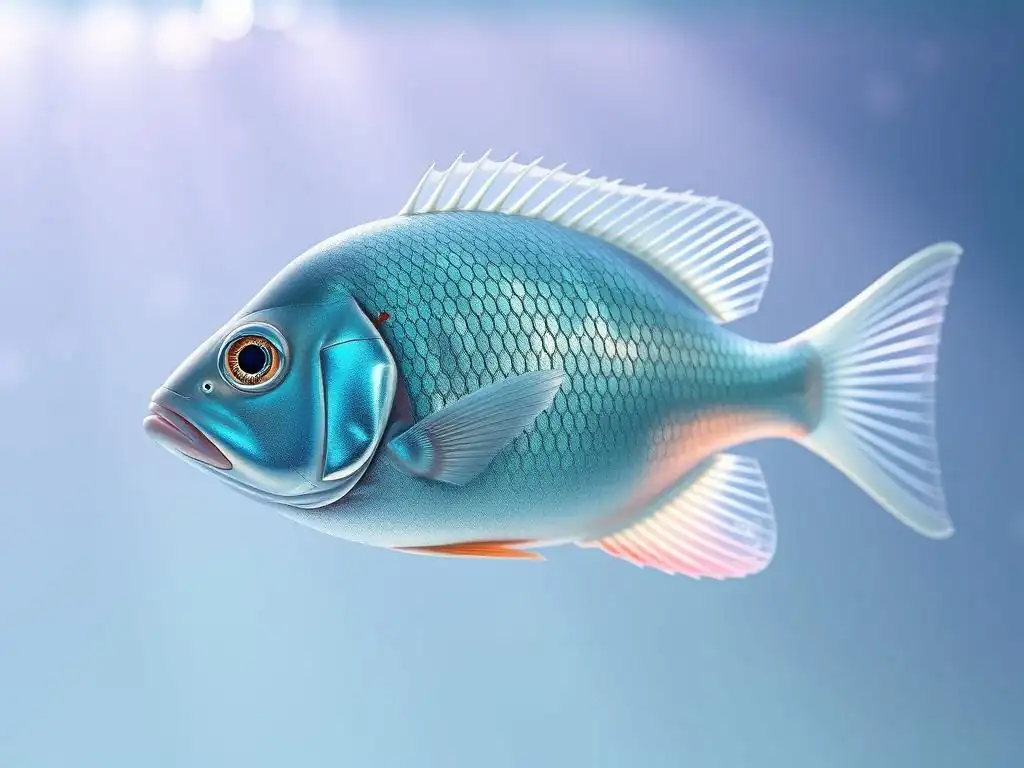
The ambient room temperature is the primary external factor influencing the water temperature in an aquarium, especially in smaller tanks. Homes often experience daily temperature swings, with temperatures dropping at night or when heating/air conditioning systems are off. For example, a room that cools from 72°F (22°C) during the day to 60°F (15.5°C) overnight can cause a significant temperature drop in an unheated 5-gallon tank, potentially stressing White Clouds.
These fluctuations are particularly pronounced in smaller aquariums, which have less thermal mass to resist rapid temperature changes. A 20-gallon tank, for instance, will generally retain its temperature more effectively than a 5-gallon tank exposed to the same room temperature variations. Consistent monitoring of your room's temperature throughout a 24-hour cycle is vital to determine if a heater is necessary to prevent these harmful thermal shocks and meet the stable White cloud fish temperature needs.
Tank Size and its Influence on Temperature Stability
The volume of water in an aquarium plays a significant role in its thermal stability. Larger tanks possess a greater thermal mass, meaning they absorb and release heat more slowly than smaller tanks. For example, a 55-gallon aquarium will typically experience much slower and less dramatic temperature shifts in response to room temperature changes compared to a 10-gallon tank. This inherent stability makes larger tanks more forgiving when it comes to maintaining consistent White cloud fish temperature needs.
Conversely, smaller tanks, particularly those under 10 gallons, are highly susceptible to rapid temperature swings. A sudden draft from a window or a change in room temperature can cause a noticeable drop or rise in water temperature within a few hours. For White Clouds in nano tanks, this volatility often necessitates a small, reliable heater set to their ideal range, even if the average room temperature seems suitable, simply to provide the crucial stability that larger tanks naturally offer.
The Impact of Lighting on Aquarium Water Temperature
Aquarium lighting, particularly older fluorescent fixtures or powerful LED systems designed for planted tanks, can contribute a significant amount of heat to the water. For example, a high-output T5 fluorescent light fixture running for 10-12 hours a day over a 20-gallon tank can easily raise the water temperature by 2-4°F (1-2°C) above the ambient room temperature. While this might be beneficial in a cool room, it can lead to overheating if the room is already warm.
Even modern, energy-efficient LED lights, especially those with high PAR ratings for demanding plants, can generate enough heat to influence water temperature. It's crucial to monitor the tank's temperature after installing new lighting or adjusting lighting schedules. If your tank consistently runs at the upper end of the White Cloud's tolerable range (e.g., 72°F / 22°C) and you notice an increase after lights-on, you may need to reduce lighting duration, use a fan for evaporative cooling, or consider a chiller to maintain optimal White cloud fish temperature needs.
Setting Up Your White Cloud Tank: Temperature Control Best Practices
Choosing the Right Heater for Your White Cloud Tank (If Necessary)
If your home's ambient temperature fluctuates significantly or dips below 64°F (18°C), investing in a reliable heater for your White Cloud tank is a wise decision. Opt for a fully submersible, adjustable heater with a built-in thermostat. A general guideline for wattage is 2.5 to 5 watts per gallon, but for White Clouds, if you're only aiming for stability and not a significant temperature increase, you might lean towards the lower end of that range (e.g., a 25-watt heater for a 10-gallon tank).
Ensure the heater's thermostat is accurate and reliable. Some higher-quality heaters offer external temperature controls, which can be more convenient and safer. Always place the heater in an area with good water flow to ensure even heat distribution throughout the tank. Over-sizing a heater can lead to rapid temperature spikes if the thermostat malfunctions, so select a wattage appropriate for your tank size and the desired temperature difference from your ambient room temperature to meet White cloud fish temperature needs precisely.
Monitoring Water Temperature: Thermometer Recommendations
Accurate temperature monitoring is paramount for maintaining the health of your White Cloud Mountain Minnows. Relying solely on the heater's dial is often insufficient, as internal thermostats can be inaccurate. It is highly recommended to use a separate, reliable thermometer placed at the opposite end of the tank from the heater to get an accurate overall reading. Good options include submersible glass thermometers, digital thermometers with probes, or stick-on LCD thermometers (though these are less accurate).
Digital thermometers with external probes are particularly convenient as they allow you to read the temperature without getting your hands wet and often offer higher precision, typically within 0.5°F (0.2°C). Regularly checking the temperature, ideally twice a day (morning and evening), allows you to quickly identify any fluctuations or heater malfunctions. Consistent monitoring is a fundamental practice in ensuring that White cloud fish temperature needs are being met effectively.
Gradually Acclimating White Clouds to New Tank Temperatures
When introducing White Cloud Mountain Minnows to a new tank, or moving them between tanks, gradual temperature acclimation is crucial to prevent shock. Sudden changes in water temperature can severely stress fish, leading to weakened immune systems, illness, or even death. A common method is the "drip acclimation" technique, where fish are placed in a container with their original water, and new tank water is slowly dripped in over 30-60 minutes until the temperatures equalize.
Alternatively, you can float the sealed bag containing the fish in the new tank for 15-20 minutes to allow the water temperatures to slowly equalize before opening the bag and releasing the fish. The goal is to ensure that the temperature difference between the old water and the new water is no more than 1-2°F (0.5-1°C) when the fish are introduced. This careful acclimation process significantly reduces stress and helps them adapt smoothly to their new environment, fulfilling their White cloud fish temperature needs without shock.
Maintaining Optimal Water Temperature for White Cloud Fish
Regular Temperature Checks and Adjustments
Consistent temperature monitoring is a cornerstone of proper White Cloud care. Make it a routine to check your aquarium's temperature at least once daily, preferably in the morning and evening, using a reliable thermometer. This regular checking allows you to quickly identify any deviations from the optimal 64-72°F (18-22°C) range. If the temperature is too low, gently adjust your heater's thermostat upwards by one or two degrees at a time, waiting several hours for the tank to stabilize before making further adjustments.
Conversely, if the temperature is too high, check for external heat sources like direct sunlight or powerful lighting. If a heater is present, verify its setting and function. Avoid large, sudden adjustments to the heater, as rapid temperature changes are more stressful than a slightly off but stable temperature. Maintaining this vigilance ensures that the White cloud fish temperature needs are consistently met, contributing to their long-term health and activity.
Dealing with Temperature Spikes and Drops
Despite best efforts, aquariums can experience unexpected temperature spikes or drops. For temperature spikes, which can be dangerous due to reduced dissolved oxygen, immediate action is necessary. One effective method is to float a sealed bag of ice (or a frozen water bottle) in the tank, ensuring no direct contact between the ice and the aquarium water. Increasing surface agitation with an air stone or adjusting filter outflow can also help by promoting gas exchange and evaporative cooling. Reducing room temperature with air conditioning or opening windows can also alleviate the issue.
For temperature drops, first verify your heater's functionality and settings. If the heater is working correctly, consider insulating the tank temporarily with blankets or towels during cold periods, especially overnight. For power outages in winter, this insulation can significantly slow heat loss. Always prioritize gradual changes; for instance, if the tank is very cold, do not attempt to heat it rapidly. Slowly bring the temperature up by a few degrees per hour to prevent thermal shock, addressing the White cloud fish temperature needs safely.
Water Changes and Their Effect on Temperature
Water changes are vital for maintaining water quality, but they can significantly impact tank temperature if not done carefully. Introducing water that is too cold or too hot during a water change can cause a rapid temperature swing, leading to severe stress or even death for White Cloud Mountain Minnows. The ideal practice is to always prepare new water that is within 1-2°F (0.5-1°C) of the current tank temperature.
This can be achieved by allowing dechlorinated tap water to sit at room temperature for several hours or by using a dedicated submersible heater in your water change bucket to bring the new water to the desired temperature. For larger water changes (e.g., 50%), it's even more critical to ensure temperature matching. Slowly adding the new water back into the tank further minimizes thermal shock, ensuring that the necessary White cloud fish temperature needs are not disrupted during routine maintenance.
Symptoms of Temperature Stress in White Cloud Mountain Minnows
Identifying Signs of Cold Water Stress
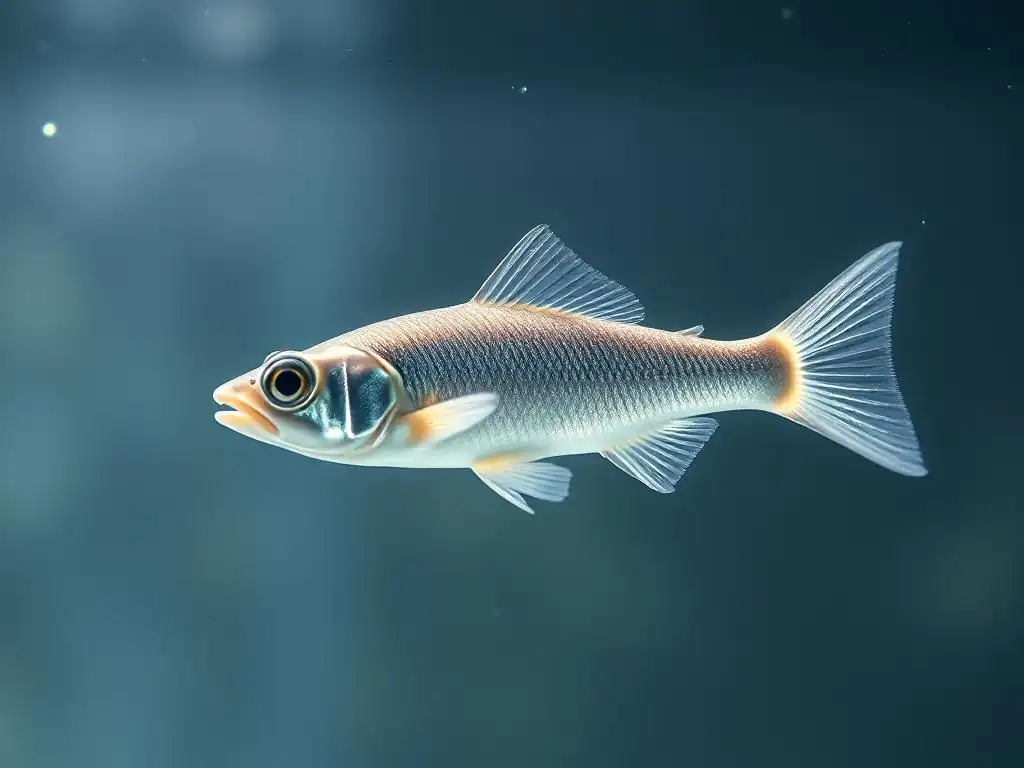
While White Cloud Mountain Minnows are known for their tolerance to cooler temperatures, prolonged exposure to water significantly below their ideal range (e.g., consistently below 60°F or 15.5°C) can induce cold water stress. Common symptoms include extreme lethargy, where the fish appear sluggish, move very little, and may even rest on the substrate. Their fins might be clamped tightly against their bodies, and their coloration may appear faded or dull.
Another noticeable sign is a lack of appetite or refusal to eat, as their metabolism slows down to a crawl. In severe cases, they might exhibit a "shivering" motion. While White Clouds can survive in cooler water than many tropical species, maintaining them in overly cold conditions for extended periods compromises their immune system, making them highly susceptible to diseases like ich or fungal infections. Recognizing these signs early is crucial for addressing their White cloud fish temperature needs.
Recognizing Symptoms of Overheating
Conversely, White Cloud Mountain Minnows subjected to overly warm water (consistently above 75°F or 24°C) will display symptoms of overheating and oxygen deprivation. One of the most common signs is rapid gill movement, indicating that the fish are struggling to extract sufficient oxygen from the water, which holds less dissolved oxygen at higher temperatures. They may also gasp at the surface of the water, attempting to get more oxygen from the air.
Other symptoms include erratic or frantic swimming, followed by periods of extreme lethargy. Their colors may become washed out, and they might appear generally stressed. Prolonged exposure to high temperatures can lead to irreversible organ damage, reduced fertility, and a significantly shortened lifespan. If you observe these symptoms, immediate action to lower the tank temperature gradually is necessary to prevent further harm and restore optimal White cloud fish temperature needs.
Addressing Temperature Fluctuations Due to Power Outages
Power outages, especially during colder months, can lead to rapid temperature drops in an aquarium. To mitigate this, immediately insulate your tank by wrapping it with blankets, towels, or even newspapers. This helps to trap the existing heat within the water, slowing down the cooling process significantly. For example, a well-insulated 20-gallon tank might only drop a few degrees over several hours, whereas an uninsulated one could plummet by 10°F or more.
If the outage is prolonged, consider using a battery-powered air pump to maintain water circulation and oxygenation; while it won't heat the water, oxygen is critical. Avoid feeding your fish during a power outage to reduce waste production, which can quickly foul the water without filtration. Once power is restored, monitor the temperature closely as the heater brings it back to the set point, ensuring a gradual return to the ideal White cloud fish temperature needs.
Dealing with Overheating During Summer Months
Summer heat waves can push tank temperatures beyond the safe range for White Clouds, even if a heater isn't in use. To combat overheating, several strategies can be employed. One effective method is to use a small fan directed across the water's surface; the evaporative cooling effect can lower the temperature by several degrees. For instance, a small clip-on fan can reduce a 10-gallon tank's temperature from 78°F to 74°F within hours.
Another option is to float sealed plastic bottles filled with ice in the tank, ensuring the ice does not directly contact the water. Reducing the duration or intensity of aquarium lighting can also help, as lights contribute heat. If the room itself is very hot, using air conditioning or opening windows during cooler parts of the day can lower the ambient temperature. These measures are crucial to maintain optimal White cloud fish temperature needs during warm periods.
Preventing Rapid Temperature Changes During Water Changes
Rapid temperature changes during water changes are a common cause of stress and illness in White Cloud Mountain Minnows. The most effective preventative measure is to always prepare new water that is temperature-matched to your aquarium water, within 1-2°F (0.5-1°C). This can be achieved by using a dedicated water change heater in your preparation bucket or by letting dechlorinated tap water sit for several hours to reach room temperature.
For example, if your tank is at 70°F (21°C), ensure your new water is between 69-71°F (20.5-21.5°C). Avoid pouring large volumes of significantly colder or warmer water directly into the tank. Instead, add the new water slowly, perhaps using a siphon to gently trickle it back into the aquarium. This gradual introduction minimizes thermal shock, ensuring that the White cloud fish temperature needs are respected even during routine maintenance.
Beyond Temperature: Other Important Water Parameters for White Clouds
Water Hardness and pH Levels for White Cloud Fish
While White Cloud fish temperature needs are crucial, other water parameters also play a vital role in their overall health. White Cloud Mountain Minnows are remarkably adaptable to a range of water hardness and pH levels, making them suitable for many different tap water conditions. They thrive in a pH range of 6.0 to 8.0, indicating a tolerance for slightly acidic to moderately alkaline conditions.
Regarding water hardness, they prefer soft to moderately hard water, typically between 5 and 19 dGH (degrees of General Hardness). While they can often adapt to slightly harder water, extreme hardness can lead to long-term health issues. The key, as with temperature, is stability. Sudden fluctuations in pH or hardness are more detrimental than maintaining a parameter slightly outside the "ideal" range but consistently. Regular testing with a reliable kit is recommended to monitor these parameters.
Importance of Ammonia, Nitrite, and Nitrate Control
Beyond temperature, the most critical water quality parameters for White Cloud Mountain Minnows are ammonia, nitrite, and nitrate levels, which are products of the nitrogen cycle. Ammonia (NH3/NH4+) and nitrite (NO2-) are highly toxic to fish and should always be at 0 parts per million (ppm) in a healthy, cycled aquarium. Even small amounts can cause gill damage, stress, and death.
Nitrate (NO3-), the final product of the nitrogen cycle, is less toxic but can still cause stress and health issues at high concentrations. For White Clouds, nitrate levels should ideally be kept below 20 ppm, and certainly no higher than 40 ppm. Regular partial water changes (e.g., 25% weekly) are the most effective way to control nitrate accumulation, complementing the management of White cloud fish temperature needs by ensuring overall water quality.
White Clouds and Tank Mates: Compatibility Considerations
Choosing Tank Mates with Similar Temperature Requirements
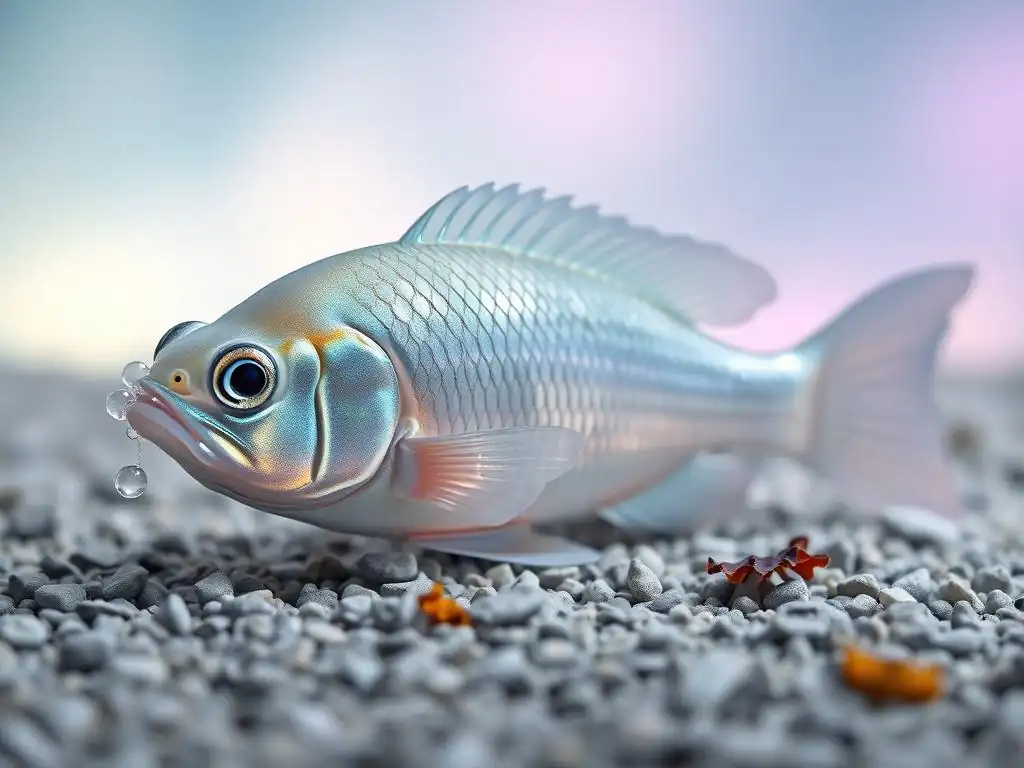
When selecting tank mates for White Cloud Mountain Minnows, it's paramount to choose species that share similar White cloud fish temperature needs. Ideal companions are other temperate or "coldwater" fish that thrive in the 64-72°F (18-22°C) range. Good examples include other peaceful Danios like Zebra Danios ( Danio rerio), Rosy Red Minnows ( Pimephales promelas), or even some smaller, slender Goldfish varieties (though tank size becomes a significant factor for Goldfish).
Avoid pairing them with common tropical fish that require much warmer temperatures (e.g., many Tetras, Guppies, or Mollies that prefer 75-80°F). Keeping White Clouds in consistently warm water to accommodate tropical tank mates will shorten their lifespan and make them more susceptible to disease. Conversely, truly coldwater species like Koi or some pond Goldfish that prefer temperatures below 60°F (15.5°C) are also not ideal matches due to their lower temperature preference and large adult size.
Avoiding Aggressive Fish that May Stress White Clouds
White Cloud Mountain Minnows are peaceful, schooling fish that can become stressed and timid if housed with aggressive or overly boisterous tank mates. Their small size (typically 1.5-2 inches or 3.5-5 cm) makes them vulnerable to fin-nippers or larger, predatory species. Fish known for their aggression, such as Tiger Barbs (unless in a very large school of their own) or many types of Cichlids, are entirely unsuitable companions.
Even seemingly harmless fish can stress White Clouds if they are too active or dominant. Persistent bullying can lead to clamped fins, hiding behavior, loss of appetite, and a weakened immune system, making them more susceptible to illness. Ensuring a peaceful environment, in addition to meeting their White cloud fish temperature needs, is vital for the long-term well-being and natural schooling behavior of your White Clouds.
Breeding White Clouds: Temperature's Role in Spawning
Optimizing Temperature for Breeding Success
Temperature plays a significant role in encouraging White Cloud Mountain Minnows to spawn. While they can breed in their general preferred range, slightly raising the water temperature to the upper end of their ideal zone, specifically around 70-72°F (21-22°C), often acts as a trigger for spawning. This slight increase mimics the seasonal warming that might occur in their natural habitat, signaling favorable conditions for reproduction.
Coupling this temperature adjustment with an increased feeding of high-quality live or frozen foods (like brine shrimp or daphnia) and pristine water conditions can further stimulate breeding behavior. White Clouds are egg scatterers, and a slight temperature increase, along with appropriate spawning mops or fine-leaved plants, can significantly improve the chances of successful egg deposition and fertilization, directly impacting their White cloud fish temperature needs for reproduction.
Post-Spawning Temperature Considerations
Once White Clouds have spawned, maintaining a stable temperature is crucial for the development and survival of the eggs and subsequent fry. Fluctuations in temperature can harm delicate embryos and newly hatched fry, leading to deformities or death. It is advisable to keep the breeding tank's temperature consistent within the 70-72°F (21-22°C) range for the incubation period, which typically lasts 36-72 hours depending on the exact temperature.
After the fry hatch, stable White cloud fish temperature needs continue to be paramount. Rapid temperature changes can be fatal to the tiny fry, which are much more sensitive to environmental shifts than adult fish. Maintaining consistent conditions ensures healthy development and maximizes the survival rate of the delicate offspring, reinforcing the importance of precise temperature control throughout the entire breeding cycle.
Conclusion: Providing the Right Temperature for Thriving White Cloud Mountain Minnows
Key Takeaways for White Cloud Fish Temperature Management
Understanding and consistently meeting the White cloud fish temperature needs is fundamental to their health and longevity. While often labeled as "coldwater" fish, their ideal range is a specific 64-72°F (18-22°C), distinct from both tropical and truly coldwater species. The primary takeaway is that stability within this range is often more critical than the exact temperature, preventing stressful fluctuations that can compromise their immune system and overall well-being.
Heaters are not always necessary, especially in homes with stable ambient temperatures within their preferred range. However, they become invaluable tools for providing that crucial stability in environments prone to significant daily or seasonal temperature swings. Regular monitoring with an accurate thermometer, careful temperature matching during water changes, and swift, measured responses to any spikes or drops are all essential practices. By prioritizing their precise White cloud fish temperature needs, aquarists can ensure their White Cloud Mountain Minnows thrive, displaying their vibrant colors and active schooling behaviors for years to come.
Frequently Asked Questions
Do White Cloud Mountain Minnows actually need a heater in an aquarium?
No, White Cloud Mountain Minnows are cold-water fish and generally do not require a heater. They thrive in temperatures between 60-72°F (15-22°C), making them suitable for unheated tanks in many climates.
What is the ideal White Cloud fish temperature range?
The ideal temperature range for White Cloud Mountain Minnows is 64-72°F (18-22°C). Maintaining this range helps ensure their optimal health, vibrant colors, and active behavior.
What happens if the White Cloud fish temperature is too high?
If the water temperature is consistently too high, White Cloud Mountain Minnows can become stressed. This can lead to reduced lifespan, increased susceptibility to disease, and decreased breeding success.
What are the signs that my White Cloud fish temperature is too low?
Signs of too low a temperature include lethargy, decreased appetite, and a general lack of activity. They may also become more susceptible to diseases like Ich.
Can White Cloud fish temperature fluctuate a little, or does it need to be constant?
While White Clouds are hardy, sudden temperature fluctuations can be stressful. Aim for a stable environment, but small, gradual changes are generally tolerated well.
Final Reflection: Embracing the Delicate Balance
The exploration of white cloud mountain minnow temperature needs reveals more than just optimal aquarium conditions; it highlights the delicate balance within ecosystems, both natural and artificial. Understanding the specific requirements of even the smallest creatures underscores our responsibility to create environments where life can thrive, a principle that extends far beyond the confines of a fish tank.
This journey into the world of Tanichthys albonubes has profoundly underscored the importance of informed stewardship. It's not simply about providing the bare minimum for survival, but about fostering conditions that allow these resilient fish to flourish. The greatness of a nation and its moral progress can be judged by the way its animals are treated.
- Mahatma Gandhi. This quote resonates deeply, reminding us that our interactions with all living beings reflect our own humanity.
Now, consider the lessons learned about the white cloud mountain minnow and apply them to your own life. Are you creating environments, both internal and external, that allow for optimal growth and well-being? Let the knowledge gained from understanding these small fish inspire you to cultivate a deeper appreciation for the interconnectedness of life and to actively contribute to a world where all creatures, great and small, can thrive.
Dive Deeper into the Depths!
Thank you for exploring the fascinating world of cloudtail goldfish with us! We hope you’ve gained a newfound appreciation for these elegant creatures and their unique needs. Now, let’s translate that knowledge into action:
- Take the Plunge: Start planning your next cloudtail goldfish tank setup, focusing on maintaining the perfect temperature range discussed in this article!
- Share this article with other aquarium lovers. Help spread the word about best cloudtail goldfish care.
- Explore our other articles on goldfish tank mate compatibility and unique aquarium decorations to enhance your future aquarium.
What temperature range are you currently maintaining in your aquarium, and have you noticed any specific behaviors from your cloudtail goldfish at those temperatures?