
Old Tank Syndrome: How It Silently Impacts Tang Health and Prevention Strategies


Welcome to Aquarium Mastery!
Ever wonder if your seemingly thriving saltwater tank might be harboring hidden dangers? Old Tank Syndrome can silently impact even the most vibrant fish, especially tangs. Dive in to discover how this insidious problem can wreak havoc and learn proven strategies to keep your aquarium healthy and your tangs thriving. Uncover the secrets to maintaining a balanced ecosystem and prevent the unseen threats lurking in your saltwater paradise.
- Understanding Common Reef Tank Issues and Their Impact on Fish Health
- Identifying Potential Dangers to Fish in a Reef Tank
- Recognizing Signs of Stress or Illness in Reef Tank Fish
- Proactive Strategies for Maintaining a Healthy Reef Tank Environment
- Addressing Water Quality Issues and Supporting Fish Recovery
- Case Studies: Examples of Reef Tank Issues and Their Resolution
- Long-Term Reef Tank Management for Fish Health
- Prioritizing Fish Health in the Reef Tank Ecosystem
-
Frequently Asked Questions
- What is Old Tank Syndrome, and how does it relate to tang health?
- What are the key indicators of Old Tank Syndrome that might affect tangs?
- How can I prevent Old Tank Syndrome from affecting my tangs?
- What water chemistry parameters are most important to monitor to prevent Old Tank Syndrome in a tang tank?
- What are some common symptoms in tangs that might indicate they are suffering from Old Tank Syndrome?
- Final Reflection: Unveiling the Silent Threats
- Ignite Your Tang's Vibrance!
Understanding Common Reef Tank Issues and Their Impact on Fish Health
Defining Common Reef Tank Issues: A Guide for Aquarium Keepers
"Old Tank Syndrome" (OTS) represents a gradual, often imperceptible, decline in the overall water quality within a mature aquarium. It's characterized by the slow accumulation of metabolic waste products, such as nitrates and phosphates, coupled with the depletion of essential minerals and buffering capacity. This insidious process doesn't typically manifest as an acute crisis but rather as a chronic, low-level stressor, making its silent tank health problems impact particularly dangerous for sensitive marine inhabitants like tangs.
This syndrome leads to a compromised environment where fish are constantly operating under suboptimal conditions. While a single water parameter might not appear critically high or low on its own, the cumulative effect of multiple parameters drifting out of ideal ranges creates chronic stress. For tangs, this prolonged stress weakens their immune systems, making them highly susceptible to diseases like marine ich or Head and Lateral Line Erosion (HLLE), even in tanks that have previously been stable for years.
Differentiating Between Common Issues: A Comparison
It's crucial to differentiate "Old Tank Syndrome" from acute water quality issues. An acute problem, such as a sudden ammonia spike from a dying fish, typically results in immediate, visible distress in tank inhabitants, like gasping at the surface or rapid gill movement, often leading to rapid fatalities if not addressed. The onset is swift, and the cause is usually identifiable quickly.
In contrast, OTS develops over months or even years, making its silent tank health problems impact difficult to pinpoint without consistent monitoring. Nitrates might slowly climb from an ideal 5 ppm to 30 ppm, or alkalinity might gradually drop from 9 dKH to 6 dKH. These subtle shifts do not trigger an immediate alarm but steadily erode the resilience of fish. For tangs, which demand pristine conditions, this slow degradation is far more detrimental in the long run than a single, short-lived parameter deviation.
Identifying Potential Dangers to Fish in a Reef Tank
Gradual Changes in Water Chemistry: Root Causes of Fish Stress
Gradual shifts in water chemistry are a primary driver of chronic stress in reef fish, particularly tangs known for their sensitivity. These changes, often too slow to be noticed without regular testing, can include subtle pH drifts, salinity fluctuations, or temperature variations. For instance, a pH that slowly declines from 8.2 to 7.9 over several weeks, or a salinity that creeps up from 1.025 to 1.027, might not cause immediate fatalities but places a continuous physiological burden on fish.
This persistent stress exhausts the fish's energy reserves, diverting resources away from vital functions like immune response, growth, and natural coloration. The silent tank health problems impact of these slow environmental changes means that fish, while appearing outwardly normal, are internally compromised. A healthy Yellow Tang, for example, might maintain its vibrant color for months in slightly suboptimal conditions, but its underlying susceptibility to disease is significantly elevated.
The Buildup of Nitrates and Phosphates: A Primary Threat
Accumulation of nitrates and phosphates is a hallmark of "Old Tank Syndrome" and a significant threat to reef fish health. These nutrients are end-products of the nitrogen cycle and organic decomposition (uneaten food, fish waste, decaying plant matter). While a mature reef tank can handle low levels, sustained concentrations above acceptable thresholds become problematic. For example, nitrates consistently above 20 ppm and phosphates above 0.05 ppm are typically considered detrimental for a thriving reef.
For tangs, high nitrate and phosphate levels are strongly linked to the development and progression of Head and Lateral Line Erosion (HLLE), a debilitating condition characterized by pitting and lesions on the fish's head and along its lateral line. Scientific observations suggest that reducing nitrates to below 10 ppm and phosphates to undetectable levels (e.g., <0.03 ppm) can significantly mitigate HLLE symptoms, highlighting the profound silent tank health problems impact these nutrients have on their long-term well-being.
Depletion of Essential Minerals and Buffering Capacity
In a closed reef system, essential minerals like calcium, alkalinity (carbonate hardness), and magnesium are constantly consumed by corals and coralline algae growth, as well as being depleted through protein skimming and biological processes. Without consistent replenishment through water changes or dosing, these vital parameters can slowly decline. For instance, alkalinity might drop from an ideal 8-12 dKH to below 7 dKH, and calcium from 400-450 ppm to below 350 ppm over time.
A stable buffering capacity, primarily maintained by alkalinity, is critical for preventing drastic pH swings. When alkalinity drops, the tank's pH becomes more volatile, especially during the nocturnal cycle when CO2 levels naturally rise. These fluctuations, even if only by 0.2-0.3 pH units daily, are highly stressful for fish. The silent tank health problems impact of mineral depletion extends beyond corals, affecting fish's osmoregulation, skeletal health, and overall physiological balance, making them less resilient to other stressors.
The Impact on Fish Immune Systems: Increased Disease Susceptibility
The cumulative effect of all these subtle, negative water quality shifts—elevated nitrates and phosphates, fluctuating pH, and mineral depletion—directly compromises the immune system of reef fish. Chronic stress, rather than acute shock, is the more common pathway to disease in "Old Tank Syndrome." When fish are constantly battling suboptimal environmental conditions, their metabolic energy is diverted from immune responses to coping mechanisms.
This weakened immunity leaves fish highly vulnerable to opportunistic pathogens that might otherwise be innocuous. For tangs, this often translates into recurrent outbreaks of marine ich (Cryptocaryon irritans), velvet (Amyloodinium ocellatum), or bacterial infections like fin rot, even in established tanks. Research indicates that prolonged exposure to environmental stressors can reduce a fish's antibody production by up to 30%, clearly demonstrating the silent tank health problems impact on their ability to fight off illness.
Recognizing Signs of Stress or Illness in Reef Tank Fish
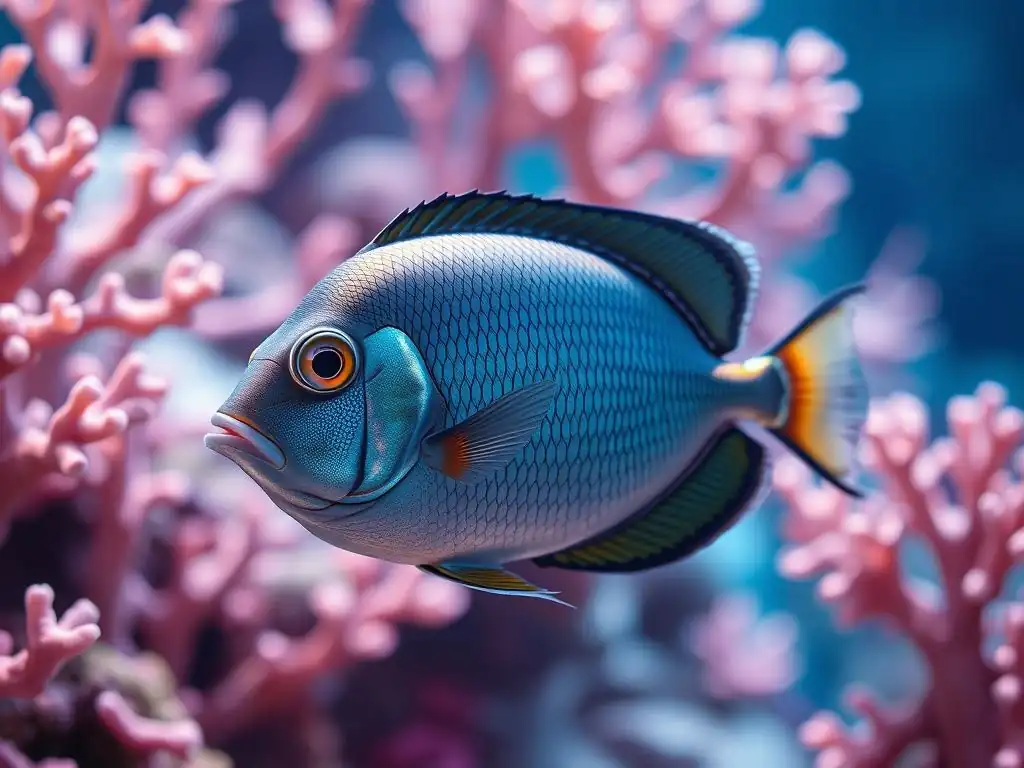
Behavioral Changes: Early Indicators of Problems
Observing subtle changes in fish behavior is often the earliest indicator of stress or illness in a reef tank, particularly in active species like tangs. A healthy tang is typically vibrant, constantly grazing, and exhibiting normal swimming patterns. Signs of distress include clamped fins held close to the body, rapid gill respiration (often exceeding 60 breaths per minute), unusual hiding for extended periods, or becoming unusually reclusive.
Another common behavioral symptom is "flashing," where the fish rapidly rubs its body against rocks, substrate, or tank walls. While occasional flashing can be normal, persistent or frequent flashing indicates irritation, often from parasites or poor water quality. A sudden refusal to eat for more than 24 hours, especially in a species known for its voracious appetite like a tang, is also a critical early warning sign of the silent tank health problems impact beginning to manifest.
Physical Symptoms: Detecting Health Issues in Fish
As stress or illness progresses, physical symptoms become more apparent and can provide specific clues about the underlying problem. Classic signs of parasitic infections include small white spots resembling grains of salt covering the body and fins (marine ich) or a dusty, velvet-like coating (velvet). For tangs, Head and Lateral Line Erosion (HLLE) is a distinct physical symptom, appearing as pits, grooves, or lesions on the face, head, and along the lateral line, often exacerbated by "Old Tank Syndrome."
Other common physical indicators include frayed or deteriorating fins (fin rot), cloudy eyes, swollen or bloated abdomen, and general loss of vibrant coloration, making the fish appear dull or faded. Any visible lesions, growths, or unusual lumps should also be noted. These physical manifestations are often the culmination of the silent tank health problems impact of chronic stress and nutrient deficiencies, making the fish susceptible to secondary infections or nutritional disorders.
Testing Water Parameters: Understanding Tank Conditions
Regular and accurate testing of water parameters is indispensable for understanding the true conditions within a reef tank and for detecting the silent tank health problems impact of "Old Tank Syndrome" before visible signs appear in fish. Key parameters to monitor include ammonia (ideally 0 ppm), nitrite (ideally 0 ppm), nitrate (ideally <10-20 ppm for fish-only, <5 ppm for reef tanks), phosphate (ideally <0.03 ppm), pH (8.0-8.4), alkalinity (7-12 dKH), calcium (400-450 ppm), and salinity (1.023-1.026 SG or 32-35 ppt).
Weekly testing for nitrates, phosphates, and alkalinity, coupled with bi-weekly or monthly checks for calcium and magnesium, provides a comprehensive overview of the tank's health. Maintaining a consistent log of these readings allows aquarists to identify trends, such as a gradual increase in nitrates or a slow decline in alkalinity, which are clear indicators of "Old Tank Syndrome." Utilizing high-quality, reliable test kits is crucial for obtaining accurate data and making informed decisions to prevent silent tank health problems impact.
Proactive Strategies for Maintaining a Healthy Reef Tank Environment
Regular Water Changes: The Foundation of Prevention
Regular water changes are arguably the most fundamental and effective proactive strategy against "Old Tank Syndrome" and its silent tank health problems impact. They serve multiple critical functions: diluting accumulated nitrates, phosphates, and other dissolved organic compounds; replenishing essential trace elements and minerals that are consumed or depleted; and helping to maintain stable pH and alkalinity levels. Consistent water changes prevent the gradual degradation of water quality that defines OTS.
For most established reef tanks, a routine of 10-20% water change weekly or bi-weekly is highly recommended. For instance, a 75-gallon reef tank would benefit immensely from a 7.5 to 15-gallon water change every 7 to 14 days. This consistent replenishment and dilution significantly reduce the chronic stress on fish, particularly sensitive species like tangs, and are crucial for preventing issues like HLLE associated with long-term exposure to suboptimal water.
Optimizing Filtration: Removing Organic Waste Effectively
An optimized and multifaceted filtration system is paramount for maintaining a healthy reef tank and combating the silent tank health problems impact of accumulating waste. Mechanical filtration, such as filter socks or sponges, physically removes particulate matter like uneaten food and detritus, preventing its breakdown into nitrates and phosphates. These media should be cleaned or replaced frequently, ideally every 2-3 days for filter socks, as they quickly become nutrient factories if neglected.
Biological filtration, primarily provided by live rock and specialized bio-media, houses beneficial bacteria that convert toxic ammonia and nitrite into less harmful nitrate. Chemical filtration, including activated carbon and granular ferric oxide (GFO), actively removes dissolved organic compounds, yellowing agents, and phosphates from the water column. A high-quality protein skimmer is also indispensable for saltwater setups, removing organic proteins before they can decompose, significantly reducing the overall nutrient load in the system.
Maintaining Proper Circulation: Preventing Dead Spots and Algae Growth
Adequate water circulation is a critical, yet sometimes overlooked, aspect of reef tank health that directly impacts the silent tank health problems impact of detritus accumulation. Proper flow ensures that detritus, uneaten food, and other organic waste are kept in suspension, allowing the mechanical and chemical filtration systems to efficiently remove them. Without sufficient flow, these wastes settle in "dead spots" within the rockwork or substrate, where they decompose anaerobically, contributing to nitrate and phosphate buildup.
For a healthy reef tank, a total water turnover rate of 10-20 times the tank volume per hour is a good starting point for fish-only tanks, and significantly higher (20-40+ times) for mixed or SPS-dominant reef tanks. For example, a 100-gallon tank should have powerheads providing at least 1000-2000 GPH of flow. This robust circulation also ensures uniform oxygenation throughout the tank and prevents localized temperature fluctuations, creating a more stable and less stressful environment for fish.
Responsible Feeding Practices: Minimizing Waste and Nutrient Imbalances
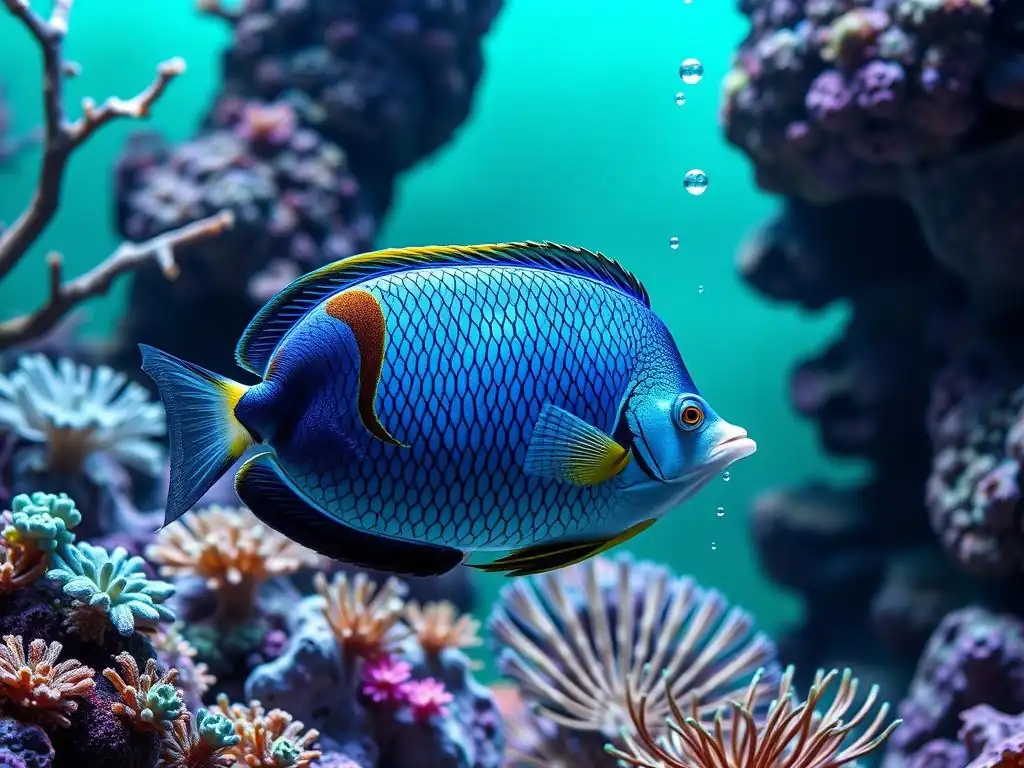
Overfeeding is one of the most common contributors to "Old Tank Syndrome" and its silent tank health problems impact. Excess food that is not consumed by fish quickly decomposes, releasing nitrates and phosphates into the water column. To minimize this, feed only what your fish can consume within 2-3 minutes, typically once or twice a day, depending on the species and stocking density.
Varying the diet with high-quality, species-appropriate foods is also crucial for preventing nutritional deficiencies and promoting overall fish health. For herbivorous tangs, providing ample marine-based algae (e.g., sheets of nori) daily is essential, as it helps prevent HLLE and reduces their reliance on nuisance algae in the tank. Rinsing frozen foods before feeding helps remove nutrient-rich packing juices, further reducing the organic load introduced into the system.
Maintaining Appropriate Trace Element Levels
While major elements like calcium and alkalinity are often the focus for coral growth, trace elements are equally vital for the long-term health and vitality of fish in a reef aquarium. Elements such as iodine, strontium, potassium, and various vitamins are continuously consumed by biological processes or removed by protein skimming and filtration. Over time, their depletion can contribute to the silent tank health problems impact of "Old Tank Syndrome" on fish health.
Regular water changes help to replenish a broad spectrum of these elements. However, in heavily stocked tanks or those with significant coral growth, supplemental dosing of a balanced trace element solution may be beneficial. For example, iodine is crucial for proper thyroid function and overall metabolism in fish, and its deficiency can lead to various health issues. Consistent replenishment ensures that fish have access to all necessary micronutrients for robust immune function and vibrant coloration.
Addressing Water Quality Issues and Supporting Fish Recovery
Gradual Water Changes: A Safe Approach to Correction
When water quality parameters have significantly deviated from ideal ranges, such as nitrates climbing above 50 ppm or phosphates exceeding 0.1 ppm, a sudden, large water change can shock fish and exacerbate their stress. Instead, a series of smaller, more frequent water changes is a safer and more effective approach to gradually correct the imbalance and mitigate the silent tank health problems impact.
For example, if nitrates are excessively high, performing a 10-15% water change daily or every other day for a week or two will slowly reduce nutrient levels without causing osmotic shock to the fish. This allows the fish to acclimate to improving conditions gradually, minimizing additional stress. For a 150-gallon tank, this might mean changing 15-22 gallons every other day until parameters are within acceptable limits.
Using Chemical Filtration Media: Removing Excess Nutrients
Chemical filtration media are powerful tools for actively removing excess nutrients and dissolved organic compounds that contribute to "Old Tank Syndrome." Granular Ferric Oxide (GFO) is highly effective at adsorbing and locking away phosphates from the water column, which are a major fuel for nuisance algae and a stressor for fish. Activated carbon, on the other hand, removes dissolved organic compounds, toxins, and yellowing agents, improving water clarity and reducing the overall organic load.
Specialized nitrate-removing resins are also available for severe cases of nitrate buildup. When utilizing these media, it is crucial to follow manufacturer instructions regarding quantity, flow rate, and replacement frequency. For instance, GFO typically needs to be replaced every 2-4 weeks, depending on the phosphate load, to maintain its effectiveness. Proper use of these media is essential for reversing the silent tank health problems impact of nutrient accumulation.
Boosting Alkalinity and Buffering Capacity: Restoring Balance
If alkalinity has dropped below optimal levels (e.g., below 7 dKH), it can lead to unstable pH and increased stress for fish. Restoring alkalinity and buffering capacity is crucial for maintaining a stable environment. This can be achieved through regular dosing of a two-part solution (alkalinity and calcium) or by using Kalkwasser (limewater) if calcium demands are also present.
It is vital to raise alkalinity gradually, by no more than 0.5-1 dKH per day, to prevent sudden pH swings or calcium precipitation, which can be detrimental to tank inhabitants. For example, if your tank's alkalinity is 6 dKH, you might aim to raise it to 8 dKH over 2-4 days. Consistent monitoring with a reliable alkalinity test kit during this process is essential. Restoring proper buffering capacity directly addresses a key component of "Old Tank Syndrome," reducing the silent tank health problems impact of pH instability on fish health.
Quarantine and Treatment Protocols for Affected Fish
When fish show clear signs of illness, especially parasitic infections like marine ich or bacterial infections, isolating them in a dedicated quarantine tank (QT) is highly recommended. This prevents the spread of disease to other tank inhabitants and allows for targeted treatment with medications that might otherwise harm the main display tank's invertebrates, corals, or beneficial bacteria.
Treatment protocols vary significantly depending on the specific disease. For marine ich, copper-based medications (e.g., copper sulfate or chelated copper) are often effective in a QT, administered at precise concentrations (e.g., 0.25-0.5 ppm for copper sulfate, monitored with a copper test kit). For bacterial infections, broad-spectrum antibiotics may be required. Always research the specific disease and medication thoroughly, strictly follow dosage instructions, and complete the full course of treatment to ensure effectiveness and minimize further silent tank health problems impact from improper medication use.
Case Studies: Examples of Reef Tank Issues and Their Resolution
Case Study 1: Ich Outbreak and Successful Treatment
A 100-gallon mixed reef tank, established for four years, began experiencing recurrent marine ich outbreaks among its tang population, specifically a Yellow Tang and a Blue Tang, despite no new fish introductions for over a year. Water tests consistently revealed elevated nitrates (35-45 ppm) and phosphates (0.07-0.09 ppm), indicative of "Old Tank Syndrome" and its silent tank health problems impact on fish immunity. The tank owner admitted to gradually extending the time between water changes from weekly to monthly over the past year.
The resolution involved a comprehensive strategy. The affected tangs were promptly moved to a 30-gallon quarantine tank and successfully treated with therapeutic copper for 30 days, ensuring the main tank remained fallow to break the ich life cycle.
Simultaneously, the main display tank underwent aggressive nutrient reduction: daily 10% water changes for two weeks, continuous use of GFO and activated carbon in a reactor, and a temporary reduction in feeding quantity. Within two months, nitrates dropped to 5 ppm, phosphates to undetectable levels, and the tangs, upon reintroduction, remained ich-free for over six months, demonstrating the successful reversal of the silent tank health problems impact.
Case Study 2: Algae Bloom and Nutrient Reduction Strategies
A 75-gallon mixed reef tank developed a persistent, unsightly bloom of green hair algae and cyanobacteria that covered the substrate and rockwork. The tank owner reported nitrates around 25 ppm and phosphates at 0.12 ppm, despite having a protein skimmer. Further investigation revealed that the protein skimmer cup was only being emptied weekly, and the filter socks were being neglected for up to 10 days, allowing trapped detritus to decompose and contribute significantly to the silent tank health problems impact of nutrient accumulation.
To resolve this, several corrective actions were implemented. The protein skimmer cup was cleaned daily, and filter socks were replaced every 2-3 days without fail. Water circulation was increased by adding a new powerhead, boosting the total flow by approximately 1200 GPH, to prevent detritus from settling.
A regimen of weekly 20% water changes was initiated, and a phosphate-specific media reactor was installed and maintained diligently. Within eight weeks, nitrates decreased to 5 ppm, phosphates to 0.02 ppm, and the algae bloom receded significantly, showcasing the effectiveness of directly addressing the underlying silent tank health problems impact of nutrient imbalances.
Long-Term Reef Tank Management for Fish Health
Regular Monitoring of Water Parameters: Proactive Problem Solving
Long-term reef tank health, especially for sensitive inhabitants like tangs, hinges on consistent and regular monitoring of water parameters. This practice goes beyond merely reacting to visible problems; it's about proactively identifying subtle trends that indicate the onset of "Old Tank Syndrome" or other silent tank health problems impact. Keeping a detailed log of daily readings for pH, salinity, and temperature, alongside weekly or bi-weekly readings for nitrates, phosphates, alkalinity, and calcium, is invaluable.
By regularly reviewing these historical data, aquarists can spot gradual shifts – perhaps nitrates slowly creeping up from 5 ppm to 15 ppm over several months, or alkalinity steadily declining from 8.5 dKH to 7.5 dKH. Catching these trends early allows for minor, preventative adjustments, such as slightly increasing water change volume or replacing filter media more frequently, before they escalate into significant issues requiring drastic intervention and causing undue stress to fish.
Maintaining a Consistent Maintenance Schedule: Preventing Future Issues
A consistent and disciplined maintenance schedule is the cornerstone of preventing "Old Tank Syndrome" and its silent tank health problems impact. This involves adhering to a routine of regular tasks that minimize the accumulation of organic waste and ensure stable water chemistry. Daily tasks typically include checking fish behavior and feeding. Weekly tasks should encompass cleaning tank glass, emptying protein skimmer cups, cleaning or replacing filter socks, and performing water changes.
Beyond the daily and weekly routines, monthly or quarterly tasks are also crucial, such as cleaning powerheads, siphoning detritus from sumps, and testing less frequently checked parameters like magnesium and trace elements. A well-structured maintenance plan, consistently executed, ensures a stable and healthy environment that prevents the chronic stress and nutrient buildup that can lead to disease in tangs and other reef fish, fostering long-term stability.
Selecting Appropriate Substrate and Decorations: Minimizing Nutrient Buildup
The choice and arrangement of substrate and decorations can significantly influence the long-term water quality of a reef tank. Fine sand beds, while aesthetically pleasing, can act as detritus traps if not adequately disturbed by burrowing invertebrates or regularly siphoned, becoming a significant source of nutrient buildup over time. A coarser sand (e.g., 1-2 mm grain size) or even a bare-bottom approach may be easier for some aquarists to maintain, particularly in high-flow systems.
High-quality, porous live rock is essential as it provides vast surface area for beneficial nitrifying and denitrifying bacteria, playing a critical role in nutrient cycling and waste processing. Arranging rockwork to allow for good water flow and to minimize "dead spots" where detritus can accumulate is crucial. Thoughtful aquascaping helps prevent the silent tank health problems impact of "Old Tank Syndrome" by ensuring efficient waste removal and promoting a healthier, cleaner environment.
The Importance of a Stable Biofilter for Long-Term Stability
The biofilter, primarily composed of beneficial nitrifying and denitrifying bacteria residing on live rock and other porous media, is the biological engine of a stable reef tank. It performs the critical function of converting highly toxic ammonia and nitrite, produced by fish waste and decaying organic matter, into less harmful nitrate. A mature and robust biofilter is absolutely essential for processing the constant waste load generated by fish, especially in a tank with active grazers like tangs.
Maintaining the integrity and stability of the biofilter is paramount for long-term health. Avoiding actions that can harm these beneficial bacterial colonies, such as aggressive cleaning of all filter media simultaneously, using medications that are toxic to bacteria (e.g., certain antibiotics), or sudden, drastic pH swings, is crucial. A thriving and stable biofilter effectively mitigates the silent tank health problems impact of waste accumulation, providing a foundational layer of stability for fish health and preventing the onset of "Old Tank Syndrome."
Prioritizing Fish Health in the Reef Tank Ecosystem
Key Considerations for a Thriving Reef Aquarium
Prioritizing fish health within a reef aquarium necessitates a comprehensive and holistic approach that extends far beyond merely treating symptoms. It involves a deep understanding of the intricate interplay between water chemistry, robust filtration, balanced nutrition, and environmental stability. For tangs, in particular, a stable environment characterized by pristine water quality, consistent parameters, and ample grazing opportunities is not merely desirable but absolutely non-negotiable for preventing chronic issues like HLLE and ensuring their long-term vitality.
The consistent commitment to diligent maintenance, proactive monitoring of water parameters, and informed decision-making is what truly distinguishes a thriving reef ecosystem from one that is perpetually battling the silent tank health problems impact of "Old Tank Syndrome." A healthy, vibrant tank is the direct result of dedicated husbandry, ensuring that all inhabitants, especially sensitive species, can flourish in an environment that closely mimics their natural habitat.
Resources for Further Learning About Reef Tank Management
For aquarists seeking to deepen their understanding of reef tank management and fish health, a wealth of valuable information is readily available. Reputable online aquarium forums and dedicated hobbyist communities offer excellent platforms for asking questions, sharing experiences, and learning from experienced aquarists who have navigated various challenges. Numerous established websites and digital encyclopedias provide comprehensive, species-specific guides on fish care, coral husbandry, and troubleshooting common aquarium issues.
Furthermore, academic resources such as scientific journals and peer-reviewed articles on marine biology, aquaculture, and veterinary fish medicine can offer in-depth insights into water chemistry, disease pathology, and sustainable practices. Engaging with these diverse educational resources can significantly empower aquarists to become more proficient in detecting, understanding, and ultimately preventing the silent tank health problems impact that can subtly undermine the health and stability of their cherished reef tank inhabitants.
Frequently Asked Questions
What is Old Tank Syndrome, and how does it relate to tang health?
Old Tank Syndrome refers to the accumulation of harmful substances in established aquariums, specifically impacting sensitive fish like tangs. It leads to gradual decline in water quality and ultimately compromises their health.
What are the key indicators of Old Tank Syndrome that might affect tangs?
Key indicators include a drop in pH and alkalinity, along with an increase in nitrates. These changes create a stressful environment that weakens tangs, making them susceptible to disease and infection.
How can I prevent Old Tank Syndrome from affecting my tangs?
Prevention primarily involves regular water changes to dilute accumulated toxins. Maintaining a robust biological filter and avoiding overfeeding are also crucial for long-term tank stability.
What water chemistry parameters are most important to monitor to prevent Old Tank Syndrome in a tang tank?
Monitoring pH, alkalinity, ammonia, nitrite, and nitrate levels is essential. Keeping these parameters within the appropriate range for tangs will help prevent the development of Old Tank Syndrome.
What are some common symptoms in tangs that might indicate they are suffering from Old Tank Syndrome?
Symptoms can include lethargy, loss of appetite, and increased susceptibility to diseases like ich (white spot disease). These signs often indicate underlying water quality issues associated with Old Tank Syndrome.
Final Reflection: Unveiling the Silent Threats
The exploration of "Old Tank Syndrome" and its insidious impact on Tang health underscores a crucial reality: silent tank health problems impact aquariums far more profoundly than we often realize. The seemingly stable environment we create can, over time, become a breeding ground for imbalances that slowly erode the vitality of our aquatic inhabitants. Understanding these subtle shifts, as we've discussed, is paramount to proactive prevention and ensuring the long-term well-being of our Tangs and the entire reef ecosystem within our glass walls.
This journey into the unseen challenges of aquarium aging has profoundly shaped my perspective on responsible reef keeping. It's a constant reminder that our role extends beyond simply providing food and water; it demands a deep understanding of the complex interplay of biological and chemical processes. As the renowned marine biologist Jacques Cousteau once said, The sea, once it casts its spell, holds one in its net of wonder forever.
This "net of wonder" also carries a responsibility to protect and nurture the life within, even within the confines of our own aquariums.
Now, armed with this knowledge, I urge you to reflect on your own aquarium practices. Are you actively monitoring the subtle shifts in your tank's parameters? Are you proactively addressing the potential for "Old Tank Syndrome" to take hold? Let this article serve as a catalyst for deeper engagement with your reef, inspiring you to become not just a keeper, but a true guardian of the delicate ecosystem you've created. Embrace the challenge, and together, let's ensure a vibrant and thriving future for our beloved Tangs and the entire underwater world within our care.
Ignite Your Tang's Vibrance!
Thank you for diving into the world of tang health! We hope you've gained valuable insights into identifying and combating Old Tank Syndrome. Now, let's put that knowledge into action.
Here are some immediate steps you can take:
- Test your water parameters today! Focus on alkalinity, pH, and nitrate levels to understand your tank's current state.
- Consider posting photos of your tang and tank setup in relevant online forums. Fresh eyes can often spot subtle clues.
- Share this article with fellow reef keepers to spread awareness about Old Tank Syndrome and promote proactive care.
What's one specific water testing habit you'll commit to this week to ensure your tang's long-term health?