
Tangs & Algae: A Symbiotic Relationship or a Constant Battle in Your Tank?

Welcome to Aquarium Mastery!
Ever wondered if those beautiful Tangs in your saltwater tank could be the key to winning the war against algae? Dive in as we unravel the secrets of Saltwater tank algae control, exploring whether these vibrant fish are truly your allies or just another piece of the puzzle. Prepare to discover practical tips and expert insights that will help you achieve a thriving, algae-free saltwater paradise!
- Understanding Algae Growth in Saltwater Aquariums
- Tangs: Natural Algae Grazers for Saltwater Tank Algae Control
- Optimizing Saltwater Tank Algae Control with Tangs: Diet and Tank Conditions
- Potential Problems and Considerations When Using Tangs for Saltwater Tank Algae Control
- Alternative Methods for Saltwater Tank Algae Control
- Balancing Tangs and Other Methods for Effective Saltwater Tank Algae Control
-
Frequently Asked Questions
- How do Tangs help with Saltwater Tank Algae Control?
- What types of algae do Tangs typically eat in a Saltwater Tank?
- Are Tangs the only solution for Algae Control in a Saltwater Tank?
- What are some potential downsides to using Tangs for Algae Control?
- How can I ensure my Tangs are effectively controlling algae in my Saltwater Tank?
- Final Reflection: Navigating the Delicate Balance of Marine Life
- Unleash the Tang Potential: Take Control of Your Reef Tank!
Understanding Algae Growth in Saltwater Aquariums
The Role of Algae in a Saltwater Tank Ecosystem
Algae, often seen as a nuisance, is a fundamental component of any healthy marine ecosystem, including your saltwater aquarium. In nature, it forms the base of the food chain, converting sunlight into energy through photosynthesis, much like plants on land.
In a captive environment, various forms of algae contribute to nutrient cycling, absorbing nitrates and phosphates from the water column and producing oxygen, which benefits other tank inhabitants. Desirable forms, such as coralline algae, play a crucial role in the aesthetic and biological stability of a reef tank, providing structural integrity and consuming calcium and alkalinity, often at rates of 10-20 ppm/day for calcium in a thriving system.
Beyond its role in nutrient uptake and oxygen production, algae serves as a vital food source for many herbivorous marine species, including various invertebrates and fish. Macroalgae, intentionally cultivated in refugiums, can act as natural filters, outcompeting nuisance microalgae for available nutrients. Therefore, understanding that not all algae is "bad" is the first step in effective saltwater tank algae control; the goal is to manage its growth and encourage beneficial types while curbing undesirable ones.
Different Types of Algae Found in Marine Aquariums
Marine aquariums are susceptible to various types of algae, each with distinct characteristics and often indicative of specific underlying tank conditions. Diatoms, commonly referred to as brown algae, are often the first to appear in new tanks (under 6 months old), forming a dusty brown film on surfaces; their presence is typically linked to high silicate levels from tap water or new sand. Green hair algae is perhaps the most common and persistent nuisance, growing in long, stringy strands and indicating an excess of nitrates and phosphates, with growth rates sometimes reaching 1-2 cm per week if unchecked.
Cyanobacteria, often mistakenly called red slime algae, is not true algae but a photosynthetic bacterium that forms unsightly red, purple, or black mats. It thrives in low-flow areas with high nutrient levels and can be challenging to eradicate. Dinoflagellates, characterized by snot-like brown or clear slimy films that bubble during the day, are more complex and can be toxic to tank inhabitants, often signaling nutrient imbalances or specific lighting issues.
Bubble algae (Valonia spp.) presents as small, spherical green bubbles that can rapidly spread if ruptured, releasing spores into the water column. Effective saltwater tank algae control requires identifying the specific type of algae to address its root cause.
Factors Contributing to Excessive Algae Growth in Saltwater Tanks
Excessive algae growth in a saltwater aquarium is almost always a symptom of an imbalance in the tank's ecosystem, primarily related to nutrient availability, lighting, and water flow. The most significant contributors are elevated levels of nitrates and phosphates, which act as primary fertilizers for algae. These nutrients accumulate from overfeeding, decaying organic matter (uneaten food, fish waste), insufficient filtration, or poor quality source water. For instance, phosphate levels consistently above 0.03 ppm and nitrate levels exceeding 10 ppm are common thresholds that trigger nuisance algae blooms.
Inadequate or excessive lighting also plays a critical role. Too long a photoperiod (e.g., more than 10-12 hours daily) provides ample time for algae to photosynthesize and grow rapidly, even if nutrient levels are moderate. Incorrect light spectrums or old bulbs that shift spectrum can also favor nuisance algae over desirable organisms. Furthermore, areas of low water flow create "dead spots" where detritus can settle and algae can establish itself without being dislodged. Addressing these underlying factors—nutrient control, proper lighting, and robust water circulation—is paramount for achieving lasting saltwater tank algae control.
Tangs: Natural Algae Grazers for Saltwater Tank Algae Control
What are Tangs and Why are They Popular for Algae Control?
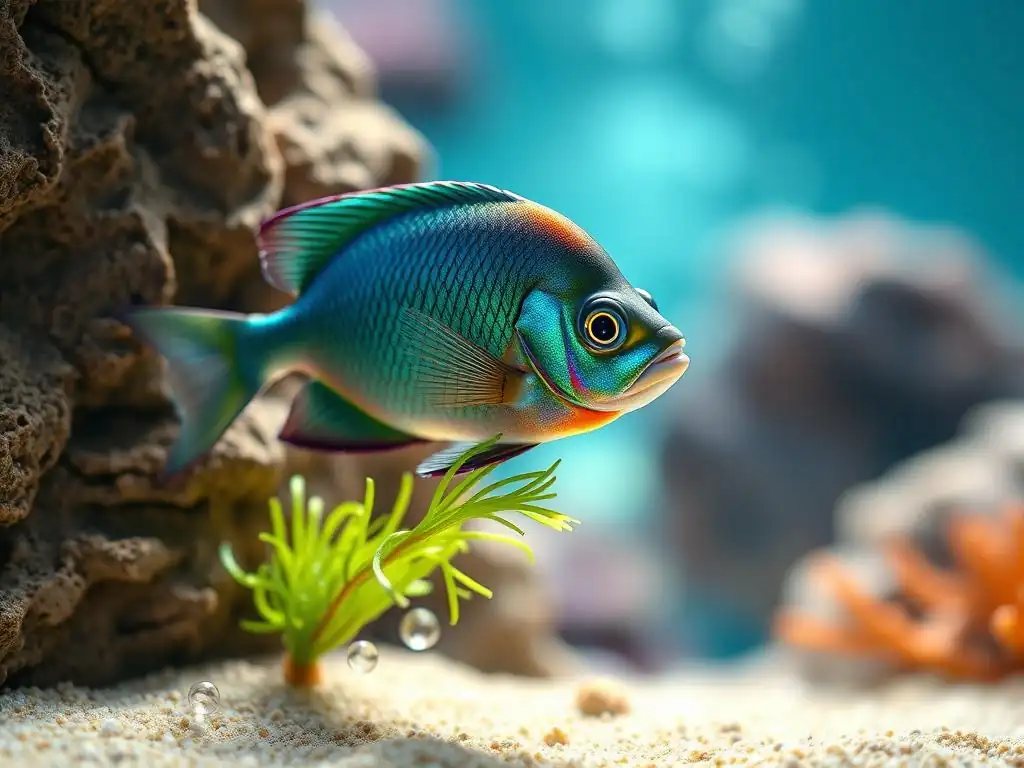
Tangs, also known as surgeonfish, are a diverse family of marine fish renowned for their vibrant colors, active swimming behavior, and most notably, their herbivorous diet. Characterized by a scalpel-like spine near their tail, which they use for defense, these fish are natural grazers in their wild habitats, constantly foraging on various types of algae found on coral reefs. Their unique mouth structures are adapted for scraping algae from rocks and other surfaces, making them highly efficient at keeping algal growth in check.
Their popularity in the aquarium hobby for saltwater tank algae control stems directly from this natural behavior. Unlike many other clean-up crew members, tangs are larger, more visible, and can cover significant areas of a tank, providing continuous algae maintenance. Many species spend upwards of 70% of their active hours grazing in the wild, translating to a dedicated algae-eating machine in a home aquarium. While they are a valuable tool, it's important to remember that they are living creatures with specific care requirements, not just biological scrub brushes.
The Best Tang Species for Controlling Algae in Saltwater Aquariums
While many tang species are herbivorous, some are more effective or suitable for home aquariums seeking saltwater tank algae control due to their size, temperament, and specific dietary preferences. Choosing the right tang involves considering the type of algae you primarily want to target and the size and dynamics of your existing tank.
Yellow Tang (Zebrasoma flavescens) for Algae Eating
The Yellow Tang, with its iconic bright yellow coloration, is one of the most popular and recognizable tangs in the hobby and a highly effective algae grazer. These tangs are particularly fond of filamentous green algae and diatoms, constantly picking at surfaces throughout the day. A healthy, mature Yellow Tang can grow up to 8 inches and requires a minimum tank size of 75-100 gallons to thrive and swim freely.
They are known to significantly reduce green hair algae presence, with a single adult capable of consuming several grams of filamentous algae daily, noticeably improving the appearance of a 100-gallon tank within a few weeks. Their continuous grazing makes them an excellent choice for general saltwater tank algae control.
Kole Tang (Ctenochaetus strigosus) for Biofilm and Detritus
The Kole Tang, also known as the Yellow Eye Kole Tang, is a smaller, more subtly colored tang, typically dark brown with numerous small spots and a distinctive yellow ring around its eye. Unlike many other tangs, the Kole Tang possesses a unique bristle-like mouth structure that makes it highly effective at scraping diatoms, detritus, and thin layers of biofilm from rocks and sand beds.
They are less effective against long, tough green hair algae but excel at keeping surfaces pristine, reaching about 6-7 inches and requiring a minimum 70-gallon tank. Their specialized feeding habit means they can clean several square inches of rock surface per hour, targeting microalgae and detritus that other grazers might miss, contributing uniquely to overall saltwater tank algae control.
Scopas Tang (Zebrasoma scopas) for General Algae Control
The Scopas Tang, or Brown Tang, is another excellent choice for general saltwater tank algae control. Similar in body shape to the Yellow Tang, its coloration varies from brown to grey, though some variations can be yellowish. This species is a robust and generalist grazer, readily consuming a wide variety of algae types, including filamentous green algae, diatoms, and some red algae.
They are active swimmers and constant grazers, making them highly efficient at keeping tank surfaces clean. Growing to about 8-9 inches, the Scopas Tang also requires a minimum tank size of 75-100 gallons. In a 120-gallon mixed reef, a single Scopas Tang can significantly reduce the proliferation of nuisance algae within a month, demonstrating their effectiveness as a primary biological tool for saltwater tank algae control.
Introducing Tangs to Your Saltwater Tank: Acclimation and Compatibility
Proper introduction is crucial for the long-term health of your tang and the harmony of your aquarium. Tangs are susceptible to stress during transport and acclimation, which can weaken their immune system.
A slow drip acclimation process, typically over 60-90 minutes, is highly recommended to gradually equalize water parameters like salinity and temperature between the transport bag and your display tank. Quarantining new tangs in a separate tank for at least 30 days is also vital to observe for diseases like Ich or Marine Velvet and treat them before introducing the fish to your main display, protecting your existing inhabitants.
Compatibility is another significant consideration. Tangs, especially those from the Zebrasoma genus, can be territorial and aggressive towards other tangs or fish with similar body shapes (e.g., rabbitfish), particularly in tanks under 180 gallons.
Introducing a new tang into a tank with an established tang of the same genus can result in severe aggression in over 70% of cases. Providing ample swimming space, plenty of hiding spots among rockwork, and ensuring the tank is adequately sized for the species' adult size (e.g., 75-100 gallons for a single Yellow Tang) are critical for minimizing aggression and ensuring successful saltwater tank algae control through biological means.
Optimizing Saltwater Tank Algae Control with Tangs: Diet and Tank Conditions
Ensuring a Balanced Diet for Tangs Beyond Algae
While tangs are exceptional algae grazers, the amount of natural algae available in most home aquariums is often insufficient to meet their nutritional needs. Tangs are constant foragers in the wild, and relying solely on tank-grown algae can lead to malnourishment, weakened immune systems, and conditions like Lateral Line Erosion (LLE). Therefore, supplementing their diet with high-quality, plant-based foods is essential for their health and continued effectiveness in saltwater tank algae control.
Daily supplementation with dried seaweed sheets, such as nori, clipped to the tank glass, is highly recommended. A healthy adult Yellow Tang in a 100-gallon tank, for instance, typically requires at least one 3x3 inch sheet of nori daily. In addition to nori, offer high-quality marine pellets or flakes specifically formulated for herbivorous fish, often enriched with spirulina or other plant matter.
Occasionally, frozen foods like mysis shrimp or brine shrimp can be offered for variety, but their primary diet should remain herbivorous. A varied and consistent diet ensures your tangs remain vibrant, active, and continue their valuable work in your saltwater tank algae control efforts.
Maintaining Optimal Water Parameters for Healthy Tangs and Reduced Algae
Maintaining stable and optimal water parameters is paramount for the health of your tangs and directly impacts the success of your saltwater tank algae control strategy. Ideal parameters include a stable salinity of 1.023-1.026 specific gravity, a temperature range of 75-80°F (24-27°C), and a pH between 8.0-8.4. Alkalinity should be maintained between 8-12 dKH, calcium at 400-450 ppm, and magnesium at 1250-1350 ppm, especially in reef systems. Fluctuations in these parameters can cause stress to tangs, making them more susceptible to disease.
Crucially, keeping nutrient levels low is essential for both tang health and limiting nuisance algae growth. Nitrates should ideally be below 10 ppm, and phosphates below 0.03 ppm. Phosphate levels above this threshold can significantly accelerate the growth rate of green hair algae by as much as 50-70%. Regular water testing, consistent water changes, and efficient nutrient export methods are vital steps. Stable water quality reduces stress on tangs, allowing them to thrive and actively graze, thereby contributing significantly to effective saltwater tank algae control.
The Importance of Proper Lighting for Algae Growth and Tang Health
Lighting plays a dual role in a saltwater aquarium: it fuels the photosynthesis of both desirable organisms (like corals and macroalgae) and undesirable nuisance algae. For effective saltwater tank algae control, the photoperiod – the duration lights are on – should be carefully managed. A common recommendation for most aquariums is a photoperiod of 8-10 hours. Running lights for longer periods (e.g., 12-14 hours or more) provides ample opportunity for nuisance algae to photosynthesize and proliferate, even if nutrient levels are relatively low.
The spectrum and intensity of lighting also influence algae growth. While specific light requirements vary for different tank types (fish-only vs. reef), avoiding excessive red or yellow spectrums, which can favor nuisance algae, is generally beneficial. Tangs, as diurnal fish, benefit from a consistent day-night cycle, which a controlled photoperiod provides. Reducing a photoperiod from 14 hours to 10 hours can decrease nuisance algae biomass by 20-30% within a few weeks, while still providing adequate light for corals and fish. Careful light management is a fundamental aspect of integrated saltwater tank algae control.
Potential Problems and Considerations When Using Tangs for Saltwater Tank Algae Control
Overgrazing and Its Impact on the Tank Ecosystem
While tangs are excellent for saltwater tank algae control, their efficiency can sometimes lead to issues if not managed correctly. In tanks with very low or declining nuisance algae levels, tangs can overgraze the available surfaces, stripping rocks and glass bare.
This can lead to two primary problems: the tangs themselves may become malnourished or starve if their primary food source is depleted, and they may turn to picking at corals or other invertebrates out of hunger. Some tang species, particularly certain Acanthurus species, are more prone to nipping at coral polyps if underfed, potentially affecting up to 10% of polyps in severe cases.
Additionally, overgrazing can deprive other beneficial cleanup crew members, such as snails and crabs, of their natural food sources, forcing them to compete or starve. This imbalance can disrupt the delicate ecosystem of the tank.
For example, if a large tang strips all available surfaces within a week in a tank with minimal nuisance algae, a visible decline in their body condition can occur if they are not adequately supplemented with nori or other prepared foods. Monitoring algae levels and supplementing the tang's diet are crucial to prevent overgrazing and maintain overall tank health while still benefiting from their saltwater tank algae control capabilities.
Tang Aggression and Compatibility Issues with Other Fish
Despite their peaceful grazing habits, tangs are known for their territoriality and can exhibit aggression, particularly towards other tangs or fish with similar body shapes. This aggression can manifest as chasing, nipping, or even severe fin damage, leading to chronic stress for the targeted fish. Studies show that introducing a new tang to a tank with an established tang of the same genus can result in severe aggression in over 70% of cases in tanks under 150 gallons. This stress can weaken the immune systems of tankmates, making them more susceptible to common diseases like Ich.
To minimize aggression, it's generally recommended to introduce tangs last into a community tank, or if planning multiple tangs, introduce them simultaneously into a very large aquarium (200+ gallons) with ample hiding spots and visual breaks in the rockwork. Avoid housing multiple tangs of the same genus (e.g., two Zebrasoma species) in smaller tanks. Carefully researching the specific tang species' temperament and adult size is essential for successful saltwater tank algae control while maintaining a harmonious environment for all inhabitants.
Preventing and Treating Common Tang Diseases
Tangs, despite their hardiness when well-established, are particularly susceptible to certain common marine diseases, especially when stressed or introduced to new environments. Marine Ich ( Cryptocaryon irritans) and Marine Velvet ( Amyloodinium ocellatum) are highly prevalent and can cause significant mortality. Ich outbreaks, for instance, can have a mortality rate of 50-80% in susceptible fish if left untreated.
Another common ailment is Lateral Line Erosion (LLE), characterized by pitting and erosion along the fish's lateral line and face. LLE can affect up to 30% of captive tangs and is often linked to poor diet (vitamin deficiencies, especially Vitamin C and A), poor water quality, or even prolonged exposure to activated carbon.
Prevention is key to keeping tangs healthy and active in their role of saltwater tank algae control. This includes quarantining all new fish for at least 30 days, maintaining stable and optimal water parameters, providing a balanced and varied diet, and minimizing stress from aggression or overcrowding. If disease does occur, treatment options vary. For Ich, methods like copper-based medications (used carefully in a separate hospital tank due to invert toxicity) or the tank transfer method can be effective. Addressing underlying issues like diet and water quality is crucial for LLE recovery.
Alternative Methods for Saltwater Tank Algae Control
Manual Algae Removal Techniques for Aquariums
While biological grazers like tangs are invaluable, manual algae removal remains a fundamental and often necessary component of comprehensive saltwater tank algae control. This hands-on approach directly removes algae biomass from the system, preventing it from decaying and releasing nutrients back into the water. Techniques include scraping the aquarium glass with magnetic cleaners, razor blades, or specialized algae scrapers to remove film and spot algae. For instance, regular manual removal, such as scraping glass twice weekly, can reduce the overall algae biomass by 15-25% compared to tanks relying solely on biological control.
Siphoning is another effective manual technique, particularly during water changes. Using a gravel vacuum or siphon to remove loose algae from sand beds and detritus-laden areas of rockwork directly exports nutrients from the system. Stiff brushes can be used to scrub stubborn hair algae from rocks, which can then be siphoned out. Consistency is key with manual removal; regularly addressing small amounts of algae prevents them from becoming overwhelming blooms, significantly contributing to the aesthetic appeal and overall health of the saltwater tank.
The Role of Nutrient Control in Limiting Algae Growth
Effective saltwater tank algae control fundamentally hinges on controlling the availability of key nutrients, primarily nitrates and phosphates, which fuel algae growth. Even the best algae grazers cannot keep up if nutrient levels are consistently high. Implementing robust nutrient export mechanisms is therefore critical.
Protein Skimmers for Nutrient Export
Protein skimmers are arguably the most essential piece of equipment for nutrient export in a saltwater aquarium, particularly in reef and heavily stocked fish-only tanks. They work by creating a column of fine bubbles that attract and bind to dissolved organic compounds (DOCs) and particulate matter before these substances can break down into nitrates and phosphates. These organic-laden bubbles rise to the surface, forming a foam that collects in a removable cup.
A well-sized and maintained protein skimmer can remove up to 50% of dissolved organic carbon from the water column daily, significantly reducing the precursor nutrients for algae growth. Oversizing a skimmer for your tank volume is often recommended for optimal performance in saltwater tank algae control.
Phosphate Reactors and Media
Phosphate reactors are specialized filters designed to house media that specifically target and remove phosphates from the water. Granular Ferric Oxide (GFO) is a common media used, which chemically binds with phosphates, effectively locking them away and preventing them from fueling algae growth. Biopellets are another type of media used in reactors, fostering the growth of beneficial bacteria that consume nitrates and phosphates.
GFO media can absorb up to 15-20 mg of phosphate per gram of media. Using a phosphate reactor can help maintain phosphate levels consistently below 0.03 ppm, which is a critical threshold for inhibiting nuisance algae. Regular replacement of the media, as per manufacturer instructions, is necessary for continuous saltwater tank algae control.
Water Changes and Their Effect on Algae
Regular water changes are a cornerstone of good aquarium husbandry and an effective method for saltwater tank algae control. They work by diluting and physically removing accumulated nitrates, phosphates, and other dissolved organic pollutants from the water column. Simultaneously, water changes replenish essential trace elements that are consumed by corals and other invertebrates.
A typical recommendation is to perform a 10-20% water change weekly or bi-weekly, depending on tank stocking and nutrient levels. For instance, a 20% weekly water change can reduce nitrate levels by approximately 20% and phosphate levels by 15% in a moderately stocked tank. This regular dilution directly impacts the availability of nutrients for algae, helping to keep their growth in check and complementing the efforts of your tangs and other cleanup crew members.
Introducing Algae-Eating Invertebrates to Your Saltwater Tank
Beyond tangs, a diverse cleanup crew of algae-eating invertebrates provides additional layers of saltwater tank algae control, targeting different types of algae and reaching areas fish cannot.
Snails for Algae Control
Marine snails are indispensable members of the cleanup crew, tirelessly grazing on various types of algae found on glass, rocks, and sand. Popular choices include Trochus snails, Turbo snails, and Astrea snails, which are excellent at consuming green film algae and diatoms. Nassarius snails are primarily sand-sifters, helping to keep the sand bed clean of detritus and leftover food, thus preventing nutrient buildup.
A common guideline is to have 1-2 snails per 10 gallons of water for effective general algae grazing. Trochus snails, in particular, are known for their efficiency, with a single snail capable of cleaning several square inches of glass per day.
Crabs for Algae Control
Certain crab species are valuable additions for saltwater tank algae control, though their effectiveness and temperament can vary. Hermit crabs, such as Blue Leg and Red Leg hermits, are general scavengers that consume detritus and some types of hair algae. However, they can also become nuisance if they grow too large or lack sufficient shells, sometimes preying on snails.
Emerald Crabs ( Mithraculus sculptus) are highly sought after for their ability to consume bubble algae ( Valonia), a type of algae that many other grazers ignore. A mature Emerald Crab can clear a patch of bubble algae several inches in diameter within a few days. Caution is advised as some individuals can become opportunistic coral nippers.
Sea Urchins for Algae Control
Sea urchins are highly efficient, voracious grazers that can make a significant impact on tough, stubborn algae types, making them powerful tools for saltwater tank algae control. Species like the Tuxedo Urchin ( Mespilia globulus) and Pincushion Urchin ( Lytechinus variegatus) consume almost all types of algae, including dense green hair algae and even cyanobacteria. A single Tuxedo Urchin can keep several square feet of rockwork free of nuisance algae.
However, their grazing can be indiscriminate; they may also consume desirable coralline algae, especially in tanks with limited nuisance algae, and can knock over corals or rockwork due to their movement. They are best suited for larger, established tanks with persistent algae issues where their aggressive grazing is beneficial, and their potential downsides can be managed.
Balancing Tangs and Other Methods for Effective Saltwater Tank Algae Control
Creating a Comprehensive Algae Management Strategy
Effective saltwater tank algae control is rarely achieved through a single solution; instead, it requires a comprehensive, multi-faceted strategy that combines biological, mechanical, and chemical methods. Relying solely on tangs, for instance, may lead to overgrazing or nutrient imbalances if the underlying causes of algae growth aren't addressed. A holistic approach involves integrating the strengths of various techniques: leveraging tangs and other herbivorous fish for continuous grazing, deploying a diverse cleanup crew of snails and crabs, maintaining rigorous nutrient control through protein skimming and phosphate removal, and performing consistent manual algae removal and water changes.
A successful algae management strategy often involves maintaining phosphate levels below 0.05 ppm, performing weekly 15% water changes, and incorporating a diverse cleanup crew (e.g., 1 tang, 10 snails, 2 crabs per 100 gallons, adjusting based on specific needs). This combined effort ensures that algae is attacked from multiple angles, addressing both its growth and its underlying causes, leading to a cleaner, healthier, and more stable aquarium environment.
Monitoring Algae Levels and Adjusting Your Approach
Continuous monitoring is crucial for successful saltwater tank algae control. Regular observation of your tank's surfaces, including glass, rocks, and sand bed, for any signs of new or increasing algae growth provides early warning signals. Beyond visual inspection, consistent water parameter testing, particularly for nitrates and phosphates, is essential. For instance, if phosphate levels rise above 0.05 ppm for two consecutive weeks, it's a clear indication that your current nutrient export methods may be insufficient or that feeding habits need adjustment.
Based on these observations, a proactive approach involves adjusting your strategy. This could mean increasing the frequency or volume of water changes, replacing or adding phosphate-removing media, recalibrating your protein skimmer, reducing feeding amounts, or even re-evaluating your lighting photoperiod. For instance, if green hair algae persists despite a robust cleanup crew, it suggests a nutrient issue that needs addressing, rather than just adding more grazers. This adaptive management ensures that your saltwater tank algae control efforts remain effective and responsive to the dynamic needs of your aquarium.
The Future of Algae Control in Saltwater Aquariums
The field of saltwater tank algae control is continually evolving, driven by ongoing research and technological advancements aimed at creating more stable and sustainable aquarium environments. Innovations in filtration technology, such as highly efficient biopellet reactors and advanced denitrators, offer more hands-off approaches to maintaining ultra-low nutrient levels. Biopellets, for example, have shown promise in reducing nitrate and phosphate levels by up to 90% in some systems by fostering beneficial bacterial growth.
Furthermore, there is increasing emphasis on sustainable practices, including the aquaculture of marine fish and invertebrates, which reduces reliance on wild-caught specimens and minimizes environmental impact. Research into selective breeding for more robust and disease-resistant tangs is also underway to improve their viability and longevity in home aquariums. Ultimately, the future of algae control lies in empowering aquarists with comprehensive knowledge and a wider array of tools, fostering a deeper understanding of ecosystem balance to achieve truly harmonious and algae-free saltwater aquariums.
Frequently Asked Questions
How do Tangs help with Saltwater Tank Algae Control?
Tangs are herbivorous fish that graze on algae. They can significantly reduce algae growth by consuming it directly, helping to maintain a cleaner and healthier aquarium environment.
What types of algae do Tangs typically eat in a Saltwater Tank?
Tangs primarily consume hair algae and some types of film algae. They are less effective against certain types of algae like cyano or dinoflagellates, making a holistic control approach vital.
Are Tangs the only solution for Algae Control in a Saltwater Tank?
No, Tangs are part of a larger solution. Effective algae control also involves maintaining proper water parameters, using appropriate lighting, and implementing regular water changes.
What are some potential downsides to using Tangs for Algae Control?
Tangs require large tank sizes and specific water conditions to thrive. Overstocking can lead to aggressive behavior and increased bioload, potentially exacerbating algae issues.
How can I ensure my Tangs are effectively controlling algae in my Saltwater Tank?
Provide Tangs with a varied diet including algae sheets and vegetables in addition to tank algae. Regularly monitor water parameters and consider adding other algae-eating invertebrates for a balanced ecosystem.
The insights shared in this article highlight the crucial, yet often challenging, aspect of maintaining equilibrium in saltwater aquariums. Understanding the dynamic interplay between tangs and algae is not merely about aesthetics; it's about fostering a healthy and thriving ecosystem within the confines of glass. The principles of saltwater tank algae control extend beyond the hobbyist realm, mirroring the broader ecological challenges of managing natural environments.
The ongoing struggle with algae, and the reliance on creatures like tangs for control, underscores the constant need for mindful intervention and observation in any closed ecosystem. It reminds us that even the most carefully planned environments require continuous adjustments and a deep understanding of the intricate relationships between its inhabitants. The health of an aquarium is a reflection of the aquarist's understanding and dedication to the delicate balance of life within.
This quote encapsulates the responsibility we bear when creating and maintaining these microcosms.
As you consider the information presented in this article, I encourage you to reflect on your own approach to saltwater tank algae control. Are you truly fostering a symbiotic relationship, or are you engaged in a constant battle? Let this knowledge empower you to make informed decisions, creating a balanced and beautiful underwater world that thrives under your care.
Unleash the Tang Potential: Take Control of Your Reef Tank!
Thank you for diving deep into the world of tangs and algae! You’ve now gained valuable insights into managing these beautiful fish and maintaining a thriving reef ecosystem. Now, let's translate that knowledge into action.
Here's how you can immediately improve your tank:
- Immediately assess your tank's algae levels and nutrient balance using a reliable testing kit. It's the first step to understanding the battlefield.
- Explore unconventional feeding strategies, such as cultivating your own macroalgae or supplementing their diet with unexpected greens like blanched spinach.
- Share this article with fellow reef keepers and start a discussion about your personal experiences with tangs and algae. Sharing is caring, especially in the aquarium community!
What surprising algae-control method have you found most effective in your reef tank?